
15 Museums In Michigan Hold Stories Most History Books Completely Skip
History books in Michigan tend to start with fur traders and skip straight to lumber. The chapters in between, covering thousands of years of Ojibwe, Potawatomi, and Anishinabe life, sit inside fifteen small museums that most drivers pass without a second glance.
I walked into one expecting a display case and found a language immersion room. Another had a full birchbark canoe hanging from the ceiling.
A third occupies a single room in a cultural center, and the volunteer there told me stories no textbook bothers to print.
Some of these places are by appointment only. Others share space with a university collection.
Each one carries details that a hundred state-sign historical markers will never mention, and every visit left me with more questions than I walked in with.
Fifteen Michigan museums preserve Native American culture that textbooks skip, and each one deserves more than a drive-by visit.
Museum Of Ojibwa Culture
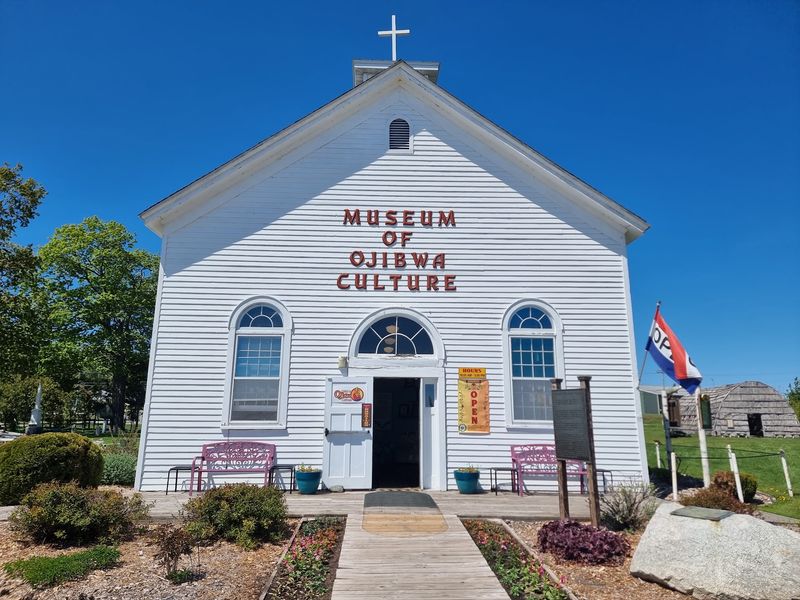
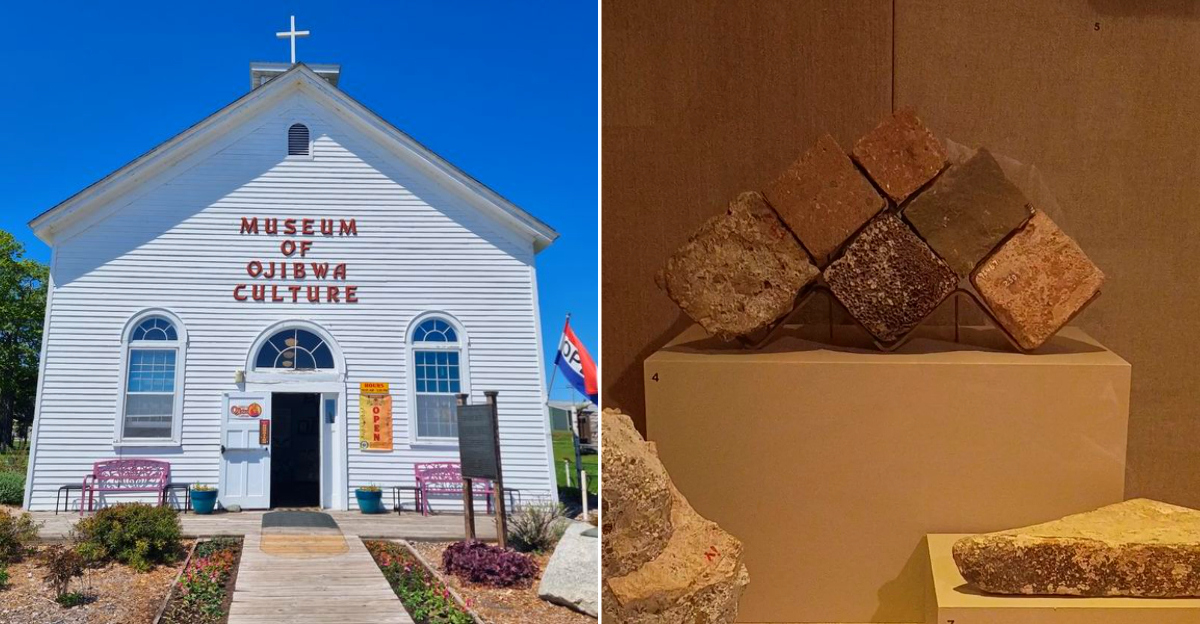
A reconstructed longhouse stands near downtown St. Ignace, quietly challenging the idea that local history began with European forts. The Museum of Ojibwa Culture occupies the former mission site associated with Father Jacques Marquette and a seventeenth-century Huron village.
Exhibits explain Ojibwa migration, fishing methods, copper work, family life, and relationships with the Great Lakes.
Outside, the medicine wheel garden introduces cedar, tobacco, sage, and sweetgrass within a living cultural setting. Read the signs slowly rather than treating the grounds as a quick photo stop; many details connect plants, seasons, and community responsibilities.
The National Historic Landmark setting also shows how Indigenous and French histories overlapped at the Straits.
Admission policies and seasonal hours can change, so check before driving to 500 North State Street. Allow time for both the indoor displays and peaceful grounds beside the busy tourist route through town.
Straits Cultural Center
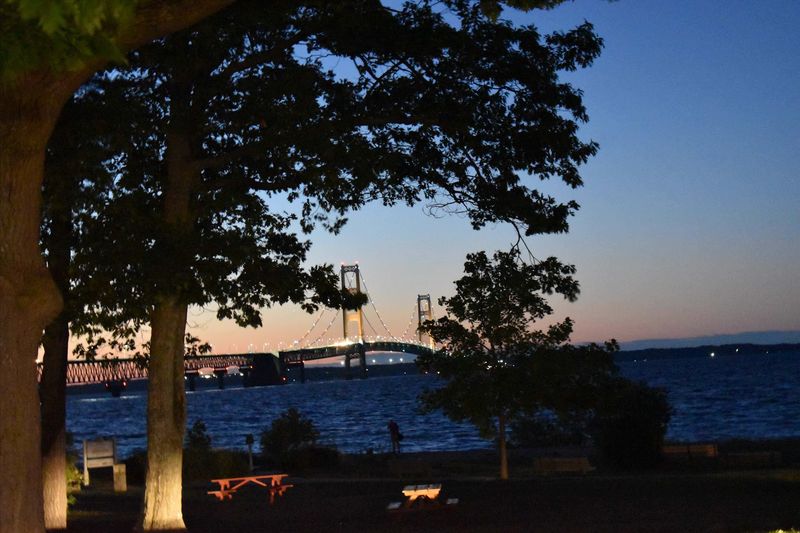
Fresh walls will soon hold some very old memories in downtown St. Ignace. The Straits Cultural Center, successor to the Fort de Buade Museum, has announced a summer 2026 opening for its new facility at 20 South State Street.
Plans call for roughly 3,500 artifacts covering about 8,000 years of regional history.
Rather than presenting the Straits as an empty passage discovered by newcomers, the center will foreground pre-contact Woodland communities and their daily lives. Later galleries are expected to examine exchanges among Indigenous peoples, French travelers, British forces, and other arrivals at this important Great Lakes crossroads.
Treat it as a planned stop, not a guaranteed walk-in attraction, until an official opening date and hours are posted. Check the center or City of St. Ignace website shortly before traveling.
That small step prevents disappointment and may reveal previews, special programs, or updated access information during the transition.
Drummond Island Historical Museum
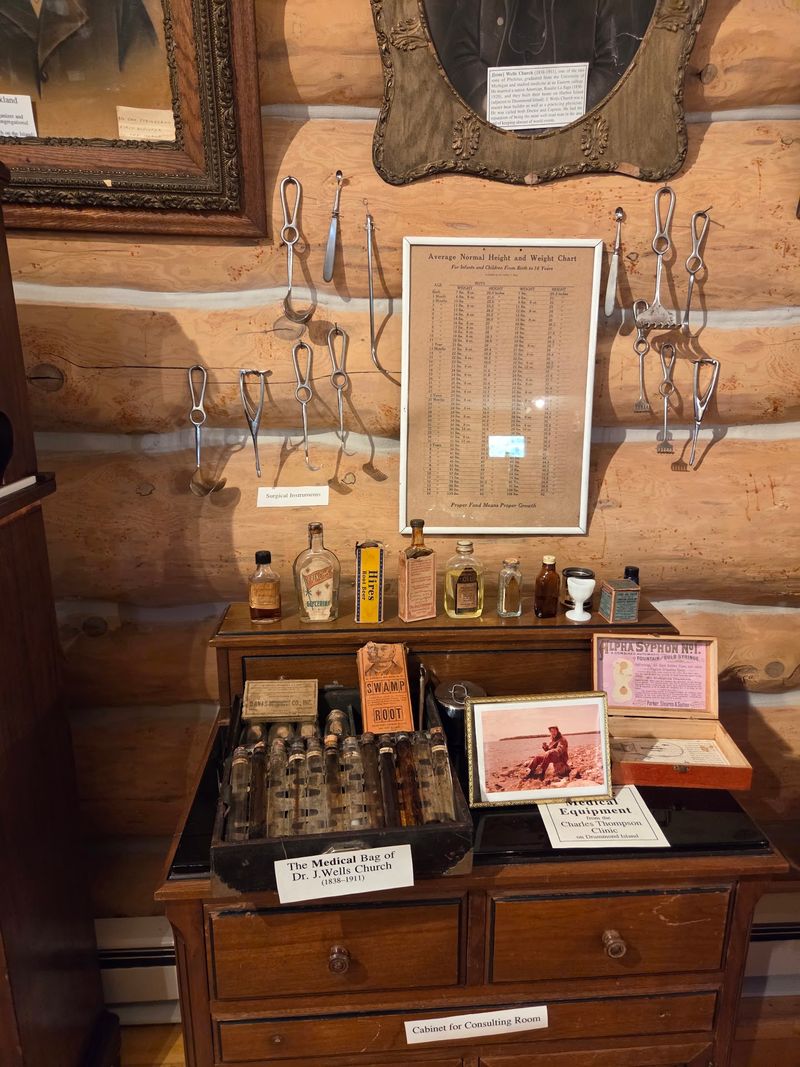
Even the fireplace has a tale here: its stones came from a chimney at British Fort Drummond. Housed in a hand-hewn log building, the Drummond Island Historical Museum feels perfectly matched to an island where transportation, weather, and isolation shaped nearly every decision.
Displays cover Native presence, military history, Finnish settlers, pioneers, and unusual community experiments.
Tools and household objects make logging, farming, hunting, mining, and fishing feel less like textbook categories and more like daily work. Look closely at ordinary items; patched, reused, or handmade pieces often say the most about island resourcefulness.
The museum stands at 33492 South Water Street, but small community museums commonly keep limited seasonal schedules. Confirm opening times before taking the ferry, and pair the visit with nearby historic sites rather than rushing back immediately.
Drummond Island rewards patience, especially when its human stories are viewed alongside the rocky landscape that tested every generation.
Native American Cultural History Trail
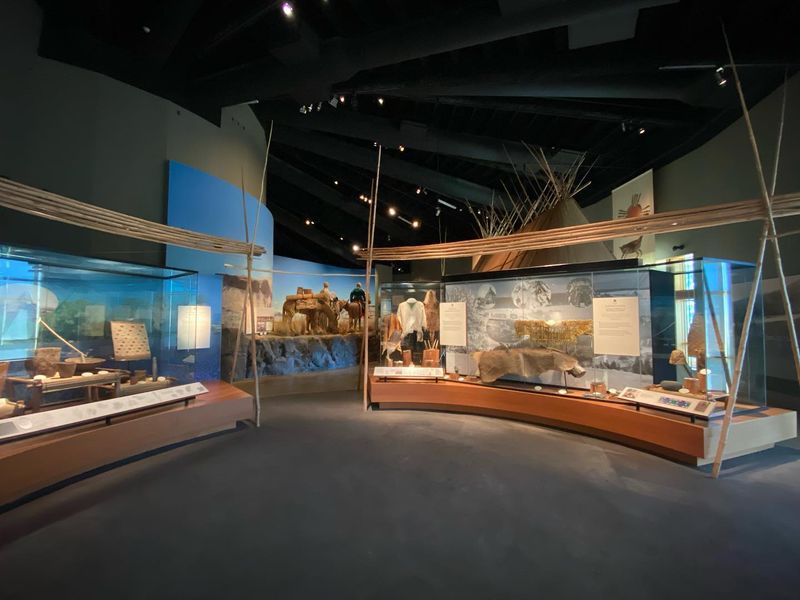
Bicycle bells and lake wind accompany this unusual museum experience around Mackinac Island. The Native American Cultural History Trail follows M-185 rather than sitting inside one building, using interpretive panels to share Indigenous history within the landscape itself.
Stories along the route explain why the island has held spiritual, cultural, and practical importance for Native peoples across generations.
Cycling is efficient, but walking selected sections makes the words easier to absorb. Pause where a panel discusses the surrounding water, plants, or landforms, then look beyond the sign.
Geography becomes part of the exhibit instead of mere scenery.
The trail has no single street address, and weather can shape the outing considerably. Bring water, dress for sudden shoreline changes, and avoid blocking bicycle traffic while reading.
Because panels are spread around the island perimeter, obtain a current map before starting. The full loop works best when treated as learning, not a race.
Biddle House Featuring The Mackinac Island Native American Museum
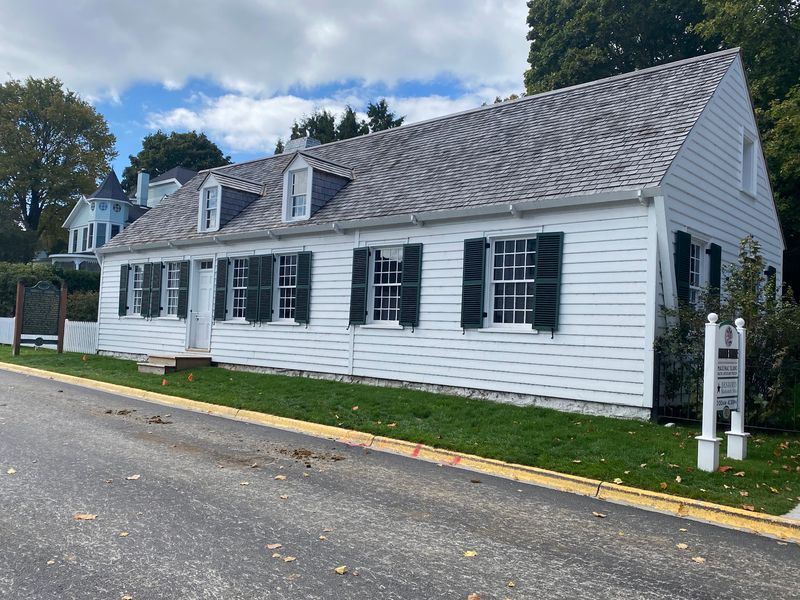
A modest house on Market Street opens onto a history far larger than its rooms. The Biddle House centers the story of Agatha Biddle, an Anishinaabe woman, community member, and successful fur-trade partner whose life complicates familiar tales about Mackinac Island.
Its interpretation places Native women and families within trade, diplomacy, work, and social networks.
Period spaces help visitors picture a household that was also connected to a busy commercial world. Pay attention to who handled business, maintained relationships, prepared food, and carried cultural knowledge.
Such details reveal forms of influence that older histories often overlooked.
Find the house at 7406 Market Street, away from some of the waterfront commotion. It operates as part of Mackinac State Historic Parks, so verify seasonal dates, daily hours, and admission arrangements.
Combining it with the island’s cultural history trail creates a fuller picture, linking one family’s home with centuries of Anishinaabe presence across the island.
Ojibwe Learning Center And Library
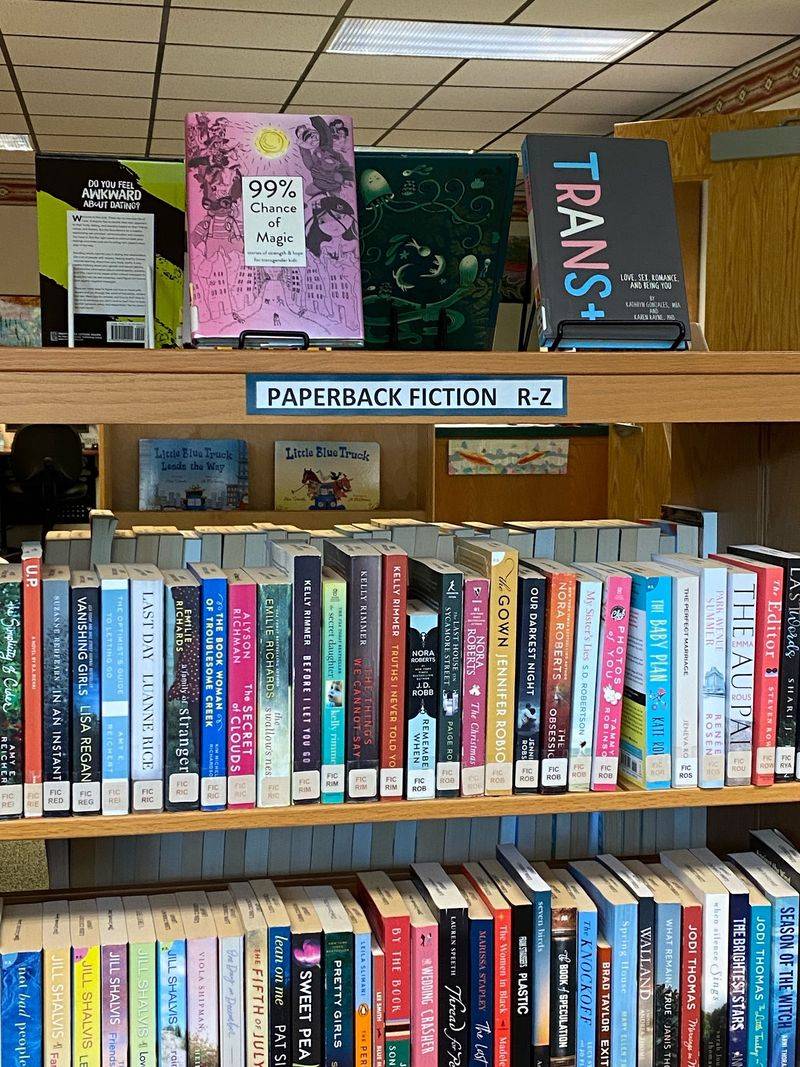
Libraries sometimes guard history more carefully than grand exhibition halls. Located inside Big Bear Arena, the Ojibwe Learning Center and Library supports language learning, cultural preservation, research, and access to knowledge connected with the Sault Ste.
Marie Tribe of Chippewa Indians. Older references may use the former name Sault Tribe Interpretive Center, which can cause confusion during trip planning.
This is a working educational resource, not a conventional drop-in museum. Visits are by appointment, and public exhibit information may be limited.
Contact staff respectfully, explain what you hope to learn, and accept that certain materials or knowledge may have access restrictions.
The current location is 2 Ice Circle Drive in Sault Ste. Marie.
Confirm directions because a sports complex may not look like the expected setting for a cultural institution. Travelers who plan ahead can gain a clearer understanding of how preservation happens through books, language resources, archives, and community teaching, not only display cases.
Potawatomi Heritage Center
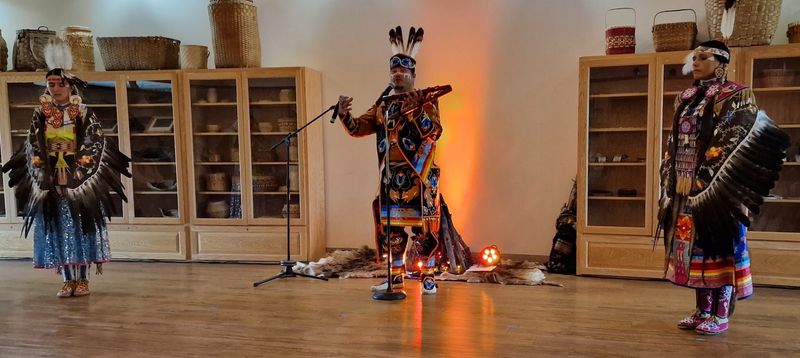
Community memory takes the lead at the Potawatomi Heritage Center in Wilson. Connected with the Hannahville Indian Community, the center helps preserve Potawatomi history, identity, language, photographs, records, and cultural knowledge.
Its value comes from presenting the community through its own priorities rather than squeezing Native experience into a supporting chapter of someone else’s story.
Public information about current exhibits and regular visitor access can be limited. Call ahead before making the trip to N15756 Hannahville B-1 Road, and ask whether tours, programs, or research visits are available.
A courteous appointment request works better than arriving with assumptions.
When visiting any tribally operated cultural center, follow photography rules and listen closely to staff guidance. Some objects are not simply historical curiosities; they may carry continuing family, ceremonial, or community meaning.
That distinction changes how a visitor sees preservation. The center reminds travelers that Potawatomi culture belongs to the present as firmly as it does to Michigan’s past.
Dennos Museum Center
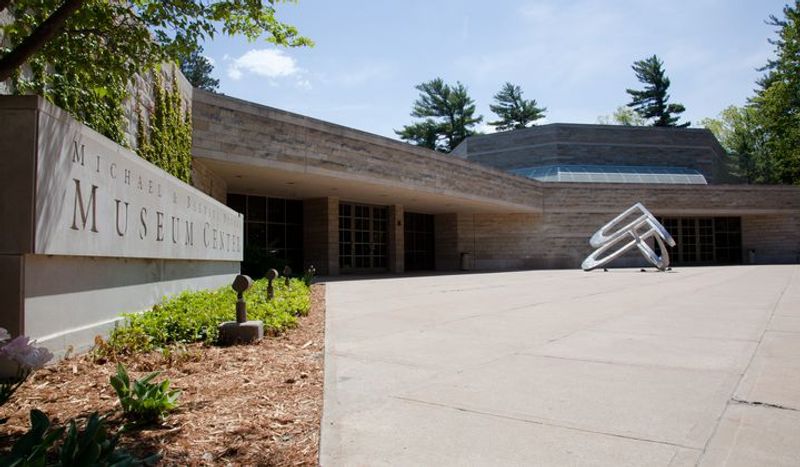
Stone carvings seem almost ready to shift position when the gallery light changes. The Dennos Museum Center, on Northwestern Michigan College’s campus, holds a major collection of Inuit art, including prints, drawings, and sculptures.
These works reveal humor, observation, spiritual ideas, animals, family relationships, and Arctic life through the individual choices of named artists.
Avoid treating the collection as a single timeless style. Read labels for dates, places, materials, and artist biographies, since Inuit art has changed alongside northern communities and global markets.
Elsewhere, rotating exhibitions, contemporary art, concerts, and the hands-on Discovery Gallery broaden the visit.
Use 1410 College Drive in Traverse City for navigation and consult the museum calendar before arriving. Temporary shows can significantly alter what is available, while performances may affect parking.
Families should leave time for the interactive gallery, but the quieter Inuit displays reward unhurried looking. One carefully studied print can carry more narrative than an entire crowded wall.
Andrew J. Blackbird Museum
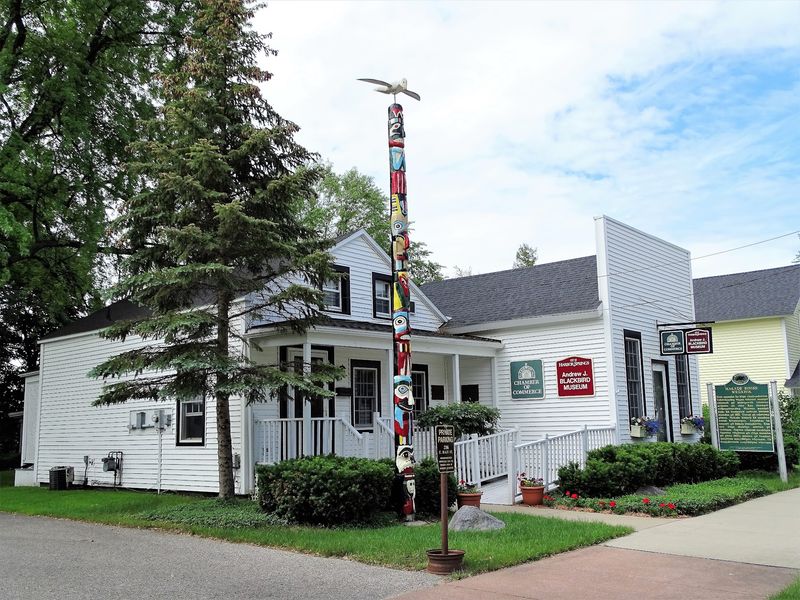
Imagine collecting your mail from the postmaster’s kitchen, then staying to discuss treaty rights. The Andrew J.
Blackbird Museum occupies the Harbor Springs home of Andrew J. Blackbird, an Odawa leader, interpreter, author, postmaster, and advocate for Native civil rights.
The building once served as the local post office, making public service part of its domestic fabric.
Blackbird helped interpret the 1855 Treaty of Detroit and wrote a significant history of Michigan’s Ottawa and Chippewa peoples. Artifacts inside connect his scholarship and political work with everyday community life.
The intimate rooms suit a story built around one remarkable household rather than sweeping spectacle.
Located at 368 East Main Street, the museum may maintain limited or seasonal hours, so check with Harbor Springs officials before visiting. Read about Blackbird beforehand if possible; basic context makes the small collection much richer.
His own writing also offers something rare: Michigan history explained by a nineteenth-century Native author who helped shape it.
Ziibiwing Center Of Anishinabe Culture And Lifeways
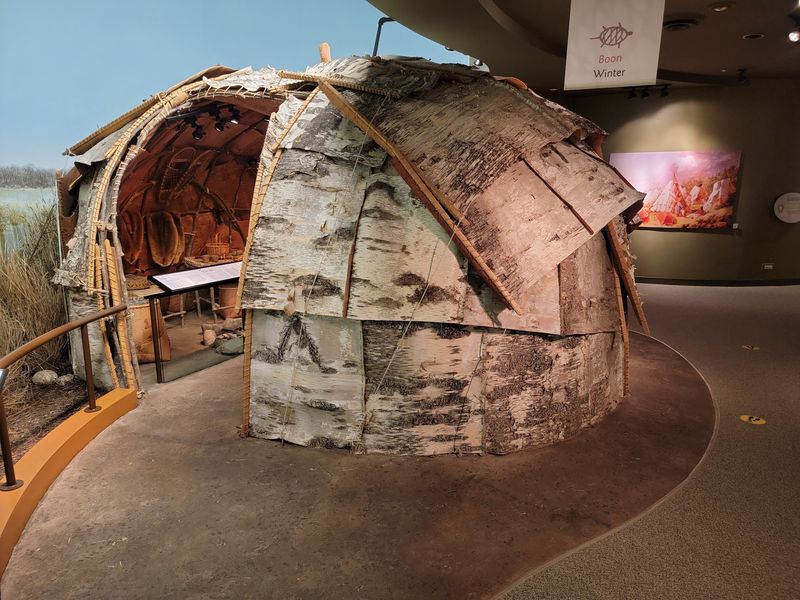
The first lesson here is simple: Anishinabe people tell their own story. Created by the Saginaw Chippewa Indian Tribe of Michigan, the Ziibiwing Center uses community-led interpretation throughout its permanent exhibition, Diba Jimooyung, meaning Telling Our Story.
Galleries trace migration, family life, treaties, land loss, boarding schools, cultural survival, and present-day nationhood.
The experience can be beautiful and difficult within the same room. Give yourself space around sections dealing with forced removal and assimilation, then notice how language, art, ceremony, and political sovereignty continue.
The story does not stop at hardship or fade into the past.
Find the center at 6650 East Broadway Street near Mount Pleasant. Check current hours, admission, and event listings, since lectures, workshops, and community programs add valuable dimensions to the permanent displays.
Plan at least ninety minutes rather than squeezing it between errands. The gift shop also offers a chance to support Indigenous artists and publishers while choosing meaningful resources.
Grand Rapids Public Museum
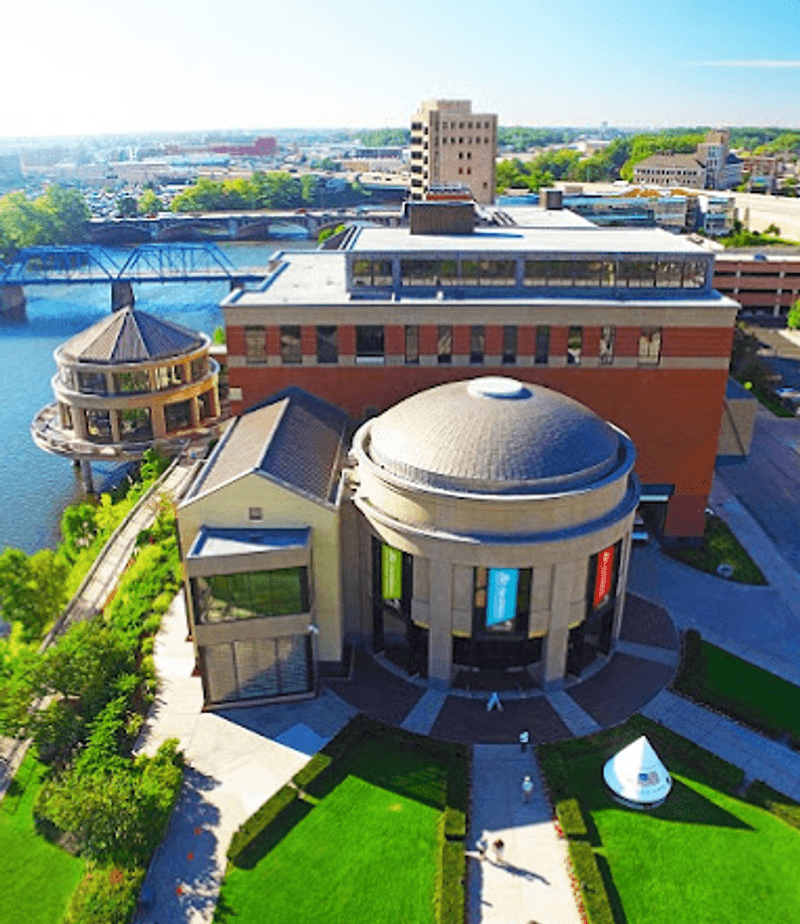
Renovation dust can signal a museum reconsidering whose voice leads the room. Grand Rapids Public Museum is redesigning Anishinabek: The People of This Place with guidance from Michigan’s Anishinaabe communities.
Planned for fall 2026, the renewed exhibition is expected to explore sovereignty, seasonal lifeways, contemporary art, and ties to the Grand River through immersive media.
Until it opens, do not assume the familiar core gallery is available. Indigenous murals and related interpretation on the third floor continue sharing creation stories and teachings, while other museum collections place regional history beside science and culture.
Before going to 272 Pearl Street NW, check the official renovation page and daily exhibit list. Construction schedules can move, and special programs may offer the strongest Indigenous content during the transition.
Leave room for the 1928 Spillman carousel and river views, but avoid letting the building’s scale hurry you. The most thoughtful displays often ask visitors to linger, read, and reconsider familiar local landmarks.
Michigan History Museum
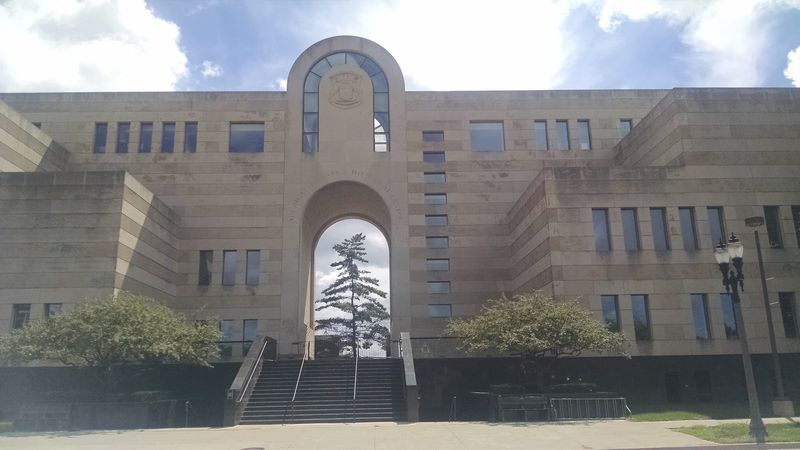
A copper nugget, a fur-trade object, and a factory machine can occupy nearby chapters here. The Michigan History Museum surveys the state’s past across multiple floors, connecting ancient landscapes and Indigenous communities with migration, mining, logging, industry, civil rights, and modern change.
Its broad timeline helps visitors see what standard classroom units leave disconnected.
Because the scope is enormous, choose a theme before entering. Follow Great Lakes travel, labor, Native history, or changing technology, and read labels for whose viewpoint shapes each section.
Asking staff about updated Indigenous interpretation can uncover programs or resources not obvious on a general route.
The museum is inside the Michigan Library and Historical Center at 702 West Kalamazoo Street in Lansing. Verify hours, parking procedures, and possible admission changes before arrival.
Families should expect plenty of walking and allow breaks. Pairing the galleries with Historical Society of Michigan resources or state archives research can turn a broad visit into a more focused investigation.
Nokomis Cultural Heritage Center
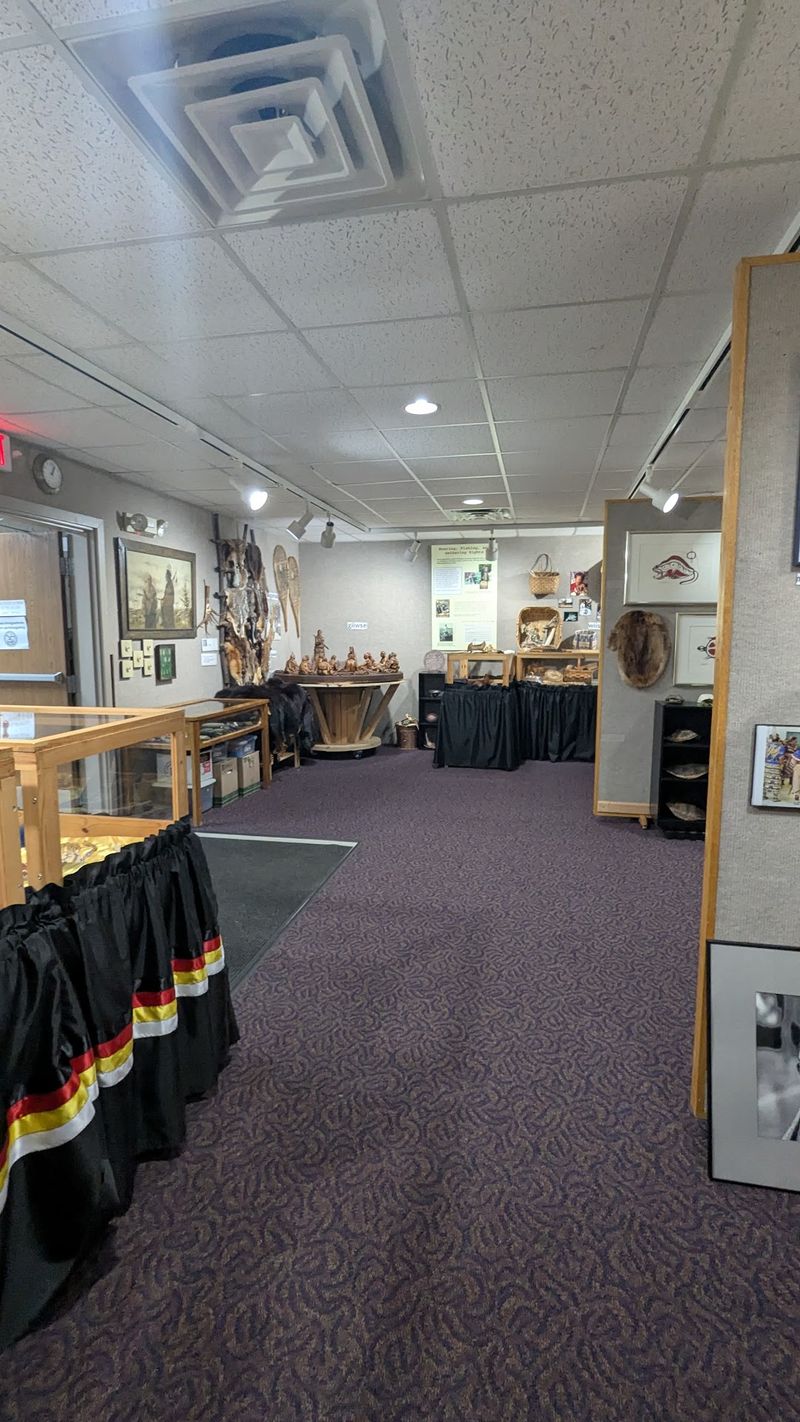
Language, basket splints, and shared meals keep history moving at Nokomis Cultural Heritage Center. Rather than relying only on objects behind glass, the Okemos organization supports Native culture through educational exhibits, Ojibwe language learning, craft instruction, talks, and community events.
Programs may feature black ash basketry, sweetgrass work, food traditions, or teachings from knowledgeable guests.
Participation requires more care than ordinary museum browsing. Register when requested, arrive ready to listen, and never photograph people, materials, or activities without permission.
A workshop is not entertainment staged for tourists; it is an opportunity to learn within boundaries established by hosts.
Nokomis is located at 5153 Marsh Road, with programming that can vary by season and funding. Review the calendar and contact the center before making a special journey.
Visitors who arrive during a quiet period can still learn from exhibitions and available resources. Those attending an event should expect conversation, patience, and perhaps a new respect for practiced hands.
University Of Michigan Museum Of Anthropological Archaeology
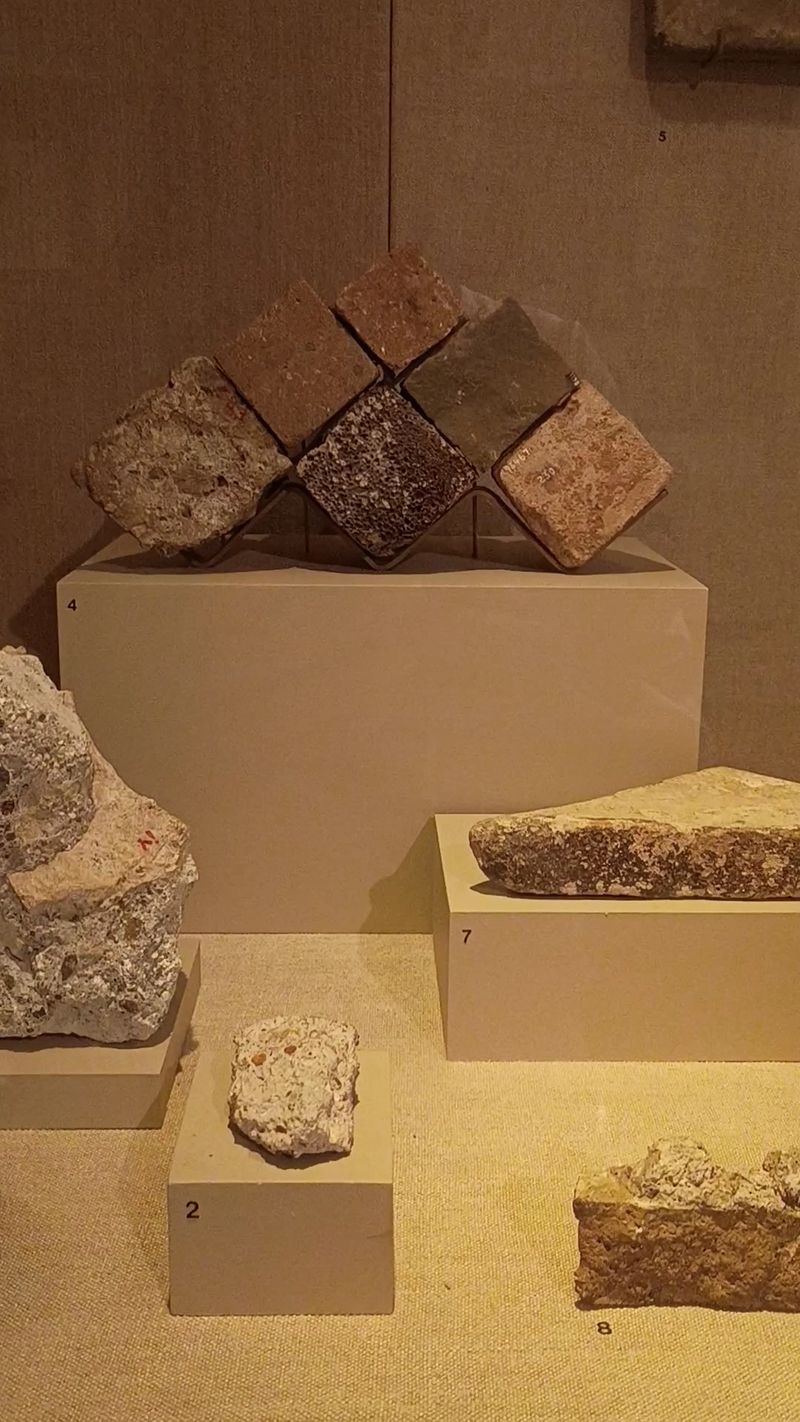
Here, the most useful travel advice is knowing when not to knock. The University of Michigan Museum of Anthropological Archaeology maintains extensive research collections, laboratories, archives, and scholarly programs, but it does not currently operate public exhibitions or function as a walk-in attraction.
Its holdings support research into human history across Michigan and many other regions.
The listed location is room 3010 in the School of Education Building, 610 East University Avenue in Ann Arbor. That address should not be mistaken for a visitor gallery.
Researchers should consult official collection policies and contact appropriate staff well before requesting access.
General travelers can explore the museum’s online resources, publications, and project information instead. Nearby University of Michigan museums with public hours make better casual stops, depending on current exhibitions.
Including this institution reveals an overlooked truth about preservation: much museum work happens away from display cases, through cataloging, conservation, ethical consultation, teaching, and careful study of collections.
Besser Museum For Northeast Michigan
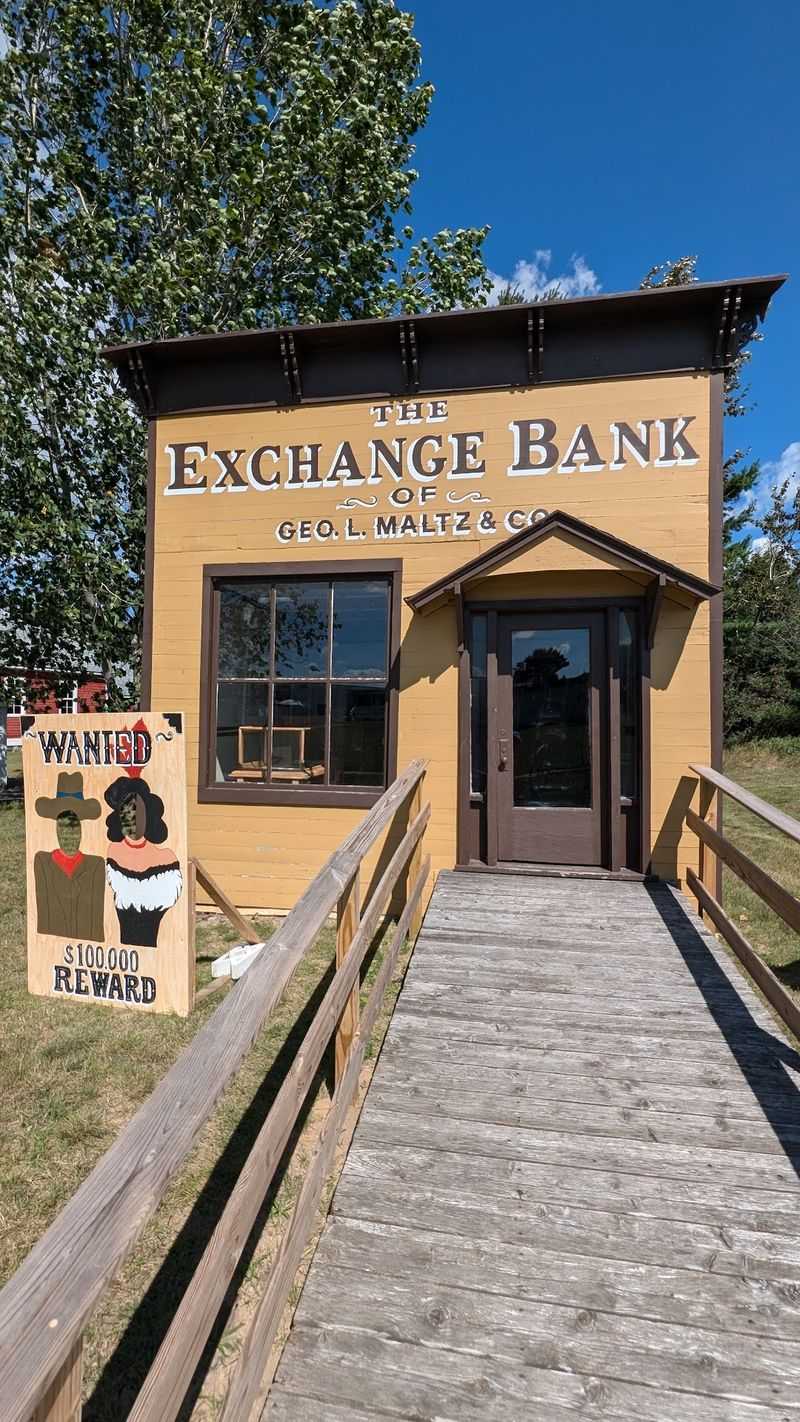
A fish tug, old storefronts, fine art, and fossil digging somehow share one address in Alpena. Besser Museum for Northeast Michigan embraces regional curiosity across an eight-acre campus, covering Great Lakes life, archaeology, natural science, industry, astronomy, and local art.
Its Great Lakes Indian artifacts deserve careful attention, especially when read alongside broader stories of settlement and commerce.
The recreated 1890s Avenue of Shops turns everyday objects into social history. Nearby, the Fisheries and Great Lakes Heritage displays include the wooden 1928 fish tug Katherine V, showing how dangerous, skilled work supplied lakeside communities.
Use 491 Johnson Street for directions and confirm which outdoor features are seasonally accessible. Children often head straight for the Lafarge Fossil Park, where Devonian fossils make deep time pleasantly hands-on.
Budget more time than the modest exterior suggests. Moving between galleries, historic structures, and science exhibits reveals how one region can hold many timelines without forcing them into a single tidy story.