
12 Museums In Pennsylvania Every Art, History, And Culture Lover Should See
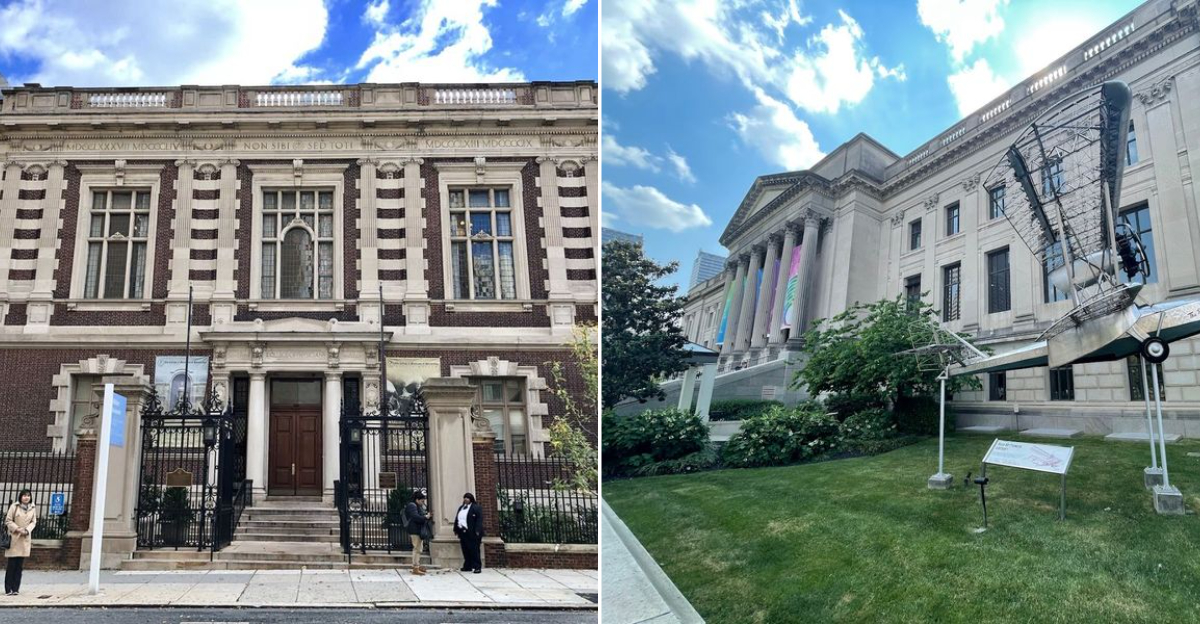
Curiosity has a funny way of pulling people through museum doors.
One moment you are simply looking for something interesting to do, and the next you are standing in front of a painting that stops you in your tracks or reading a story from the past that suddenly feels very real.
Museums hold that kind of quiet magic. Every gallery offers a new discovery, every exhibit sparks a little wonder, and every visit feels like stepping into a different chapter of history, art, or culture.
Pennsylvania happens to be packed with places where those discoveries come to life.
Grand collections, fascinating artifacts, and beautifully curated exhibits give visitors plenty of reasons to slow down and explore.
Some museums celebrate creativity, others highlight remarkable moments from the past, and many manage to do both at once.
Walking through spaces like these can turn a simple afternoon into an unexpectedly memorable experience.
I always enjoy the feeling of wandering into a museum without knowing exactly what I will find, because somehow I always leave with a new story, a new idea, or a detail I cannot stop thinking about.
1. Philadelphia Museum of Art, Philadelphia
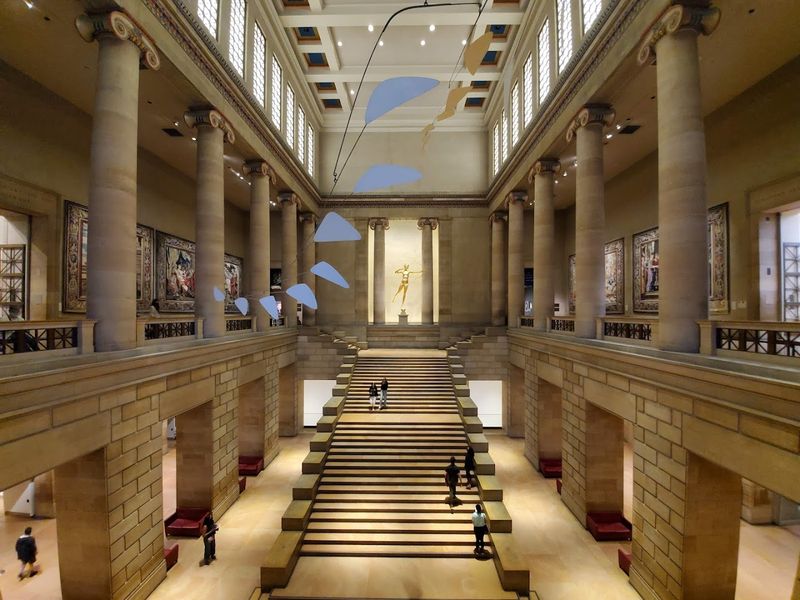
Few buildings in the country carry the kind of cultural weight that the Philadelphia Museum of Art does, and stepping inside only confirms why.
Located at the top of the famous Benjamin Franklin Parkway in Philadelphia, Pennsylvania, this iconic institution houses more than 240,000 works of art spanning thousands of years.
From ancient Asian artifacts to European masterpieces by Rembrandt and Cezanne, the range here is genuinely staggering.
The Philadelphia Museum of Art also features rotating exhibitions that keep even repeat visitors on their toes, so there is always something fresh to explore.
Plan to spend at least half a day here, because rushing through it would be a disservice to yourself.
The Great Stair Hall alone is worth the trip, with its soaring ceilings and marble columns setting the tone for everything inside.
If art speaks to you, the Philadelphia Museum of Art will have plenty to say.
2. The Barnes Foundation, Philadelphia
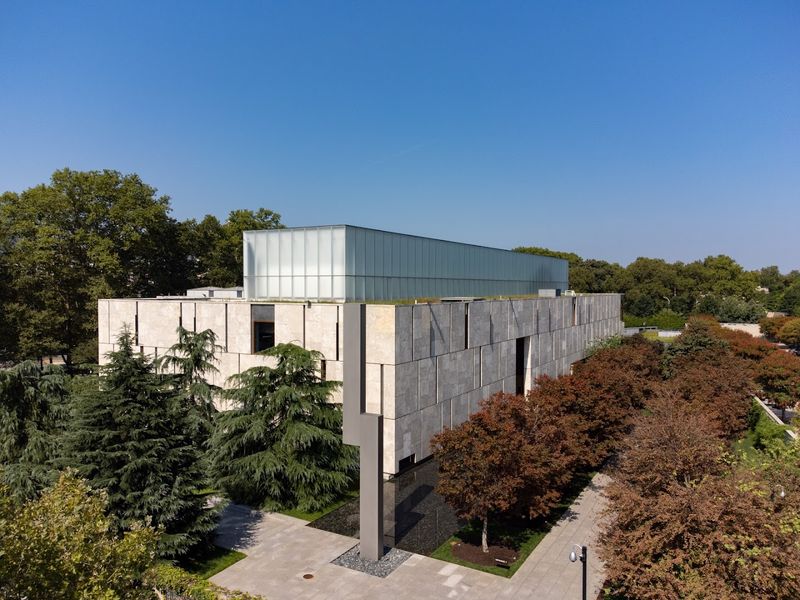
There is an almost rebellious spirit to the Barnes Foundation, and that energy is part of what makes visiting it so memorable.
Founded by art collector Albert C. Barnes in the early 20th century, this Philadelphia institution was designed to challenge how people think about and experience art.
The collection includes more than 900 paintings, with an extraordinary concentration of works by Renoir, Matisse, and Cezanne, making it one of the most impressive Impressionist and Post-Impressionist collections in the entire world.
What sets the Barnes Foundation apart is how the art is displayed: pieces are grouped thematically and visually rather than by artist or period, encouraging you to draw your own connections.
The building itself, opened in its current Philadelphia location in 2012, is a sleek architectural achievement that contrasts beautifully with the historic neighborhood around it.
Spending time here is less like touring a museum and more like having a long, thoughtful conversation with art itself.
3. Pennsylvania Academy of the Fine Arts, Philadelphia
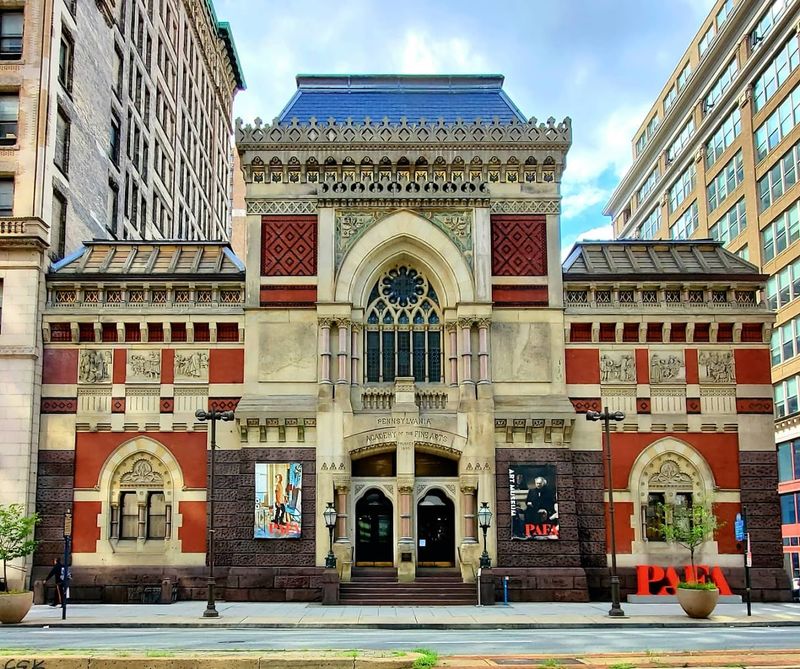
The oldest art museum and art school in the United States calls Philadelphia home, and it has been shaping American artists since 1805.
The Pennsylvania Academy of the Fine Arts is a living institution, meaning it still trains working artists while simultaneously preserving and displaying a remarkable permanent collection.
Inside, you will find works by Mary Cassatt, Thomas Eakins, and Winslow Homer, among many others who defined American art across different eras.
The building itself, designed by Frank Furness and George Hewitt in the 1870s, is a stunning piece of Victorian Gothic architecture that feels like a work of art before you even walk through the door.
The Pennsylvania Academy of the Fine Arts also hosts rotating exhibitions that spotlight contemporary artists, keeping the programming vibrant and current.
For anyone interested in how American art evolved from its earliest days to now, this is an essential stop on any Pennsylvania museum tour.
4. Penn Museum, Philadelphia
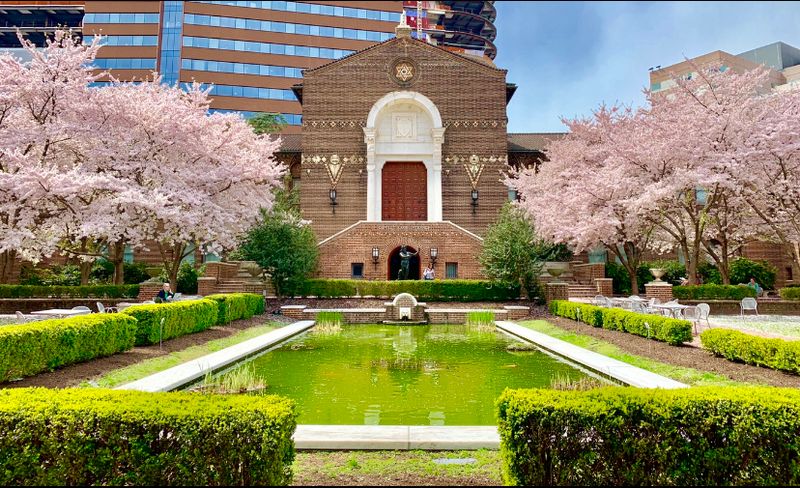
Archaeology and anthropology come alive in a big way at the Penn Museum, formally known as the University of Pennsylvania Museum of Archaeology and Anthropology.
Situated on the University of Pennsylvania campus in Philadelphia, this museum holds a vast collection of ancient Egyptian, Mesopotamian, and Native American artifacts that makes it one of the most significant university museums of its kind.
One of the crown jewels is a massive sphinx from the reign of Ramesses II, which greets visitors with quiet, stone-faced authority in the Egyptian gallery.
The Penn Museum has been sending teams into the field for well over a century, meaning many of the objects here have a direct connection to its own expeditions.
That close link between excavation work and what you see in the galleries gives the experience a depth that is hard to match.
Galleries covering cultures from Mesoamerica, Africa, and Asia round out a collection so wide-ranging that a single visit barely scratches the surface of what the Penn Museum has to offer.
5. The Franklin Institute, Philadelphia
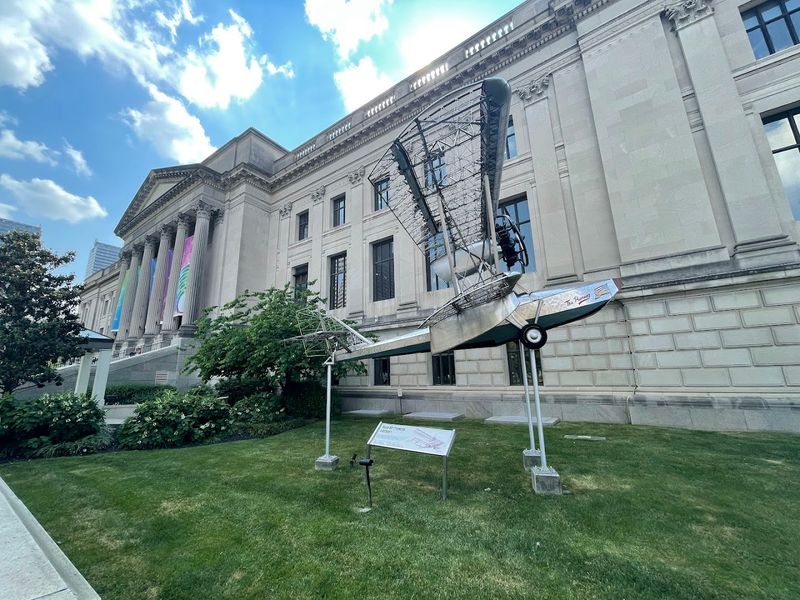
Science museums rarely manage to be thrilling for every age group, but the Franklin Institute in Philadelphia pulls it off with impressive consistency.
Named after Benjamin Franklin, one of history’s great scientific minds, this institution has been sparking curiosity in visitors since 1824.
The giant walk-through human heart is arguably the most famous exhibit, a life-size model that lets you literally walk through the chambers and get a feel for how the body works.
The Franklin Institute also features a planetarium, a dedicated space exploration exhibit, and rotating blockbuster shows that have included everything from Star Wars science to the secrets of the human brain.
There is a hands-on energy here that keeps kids running from exhibit to exhibit while adults quietly realize they are just as captivated.
Philadelphia is lucky to have a science institution this well-rounded, and the Franklin Institute continues to evolve its programming to stay relevant and exciting for new generations of curious minds.
6. Mutter Museum, Philadelphia
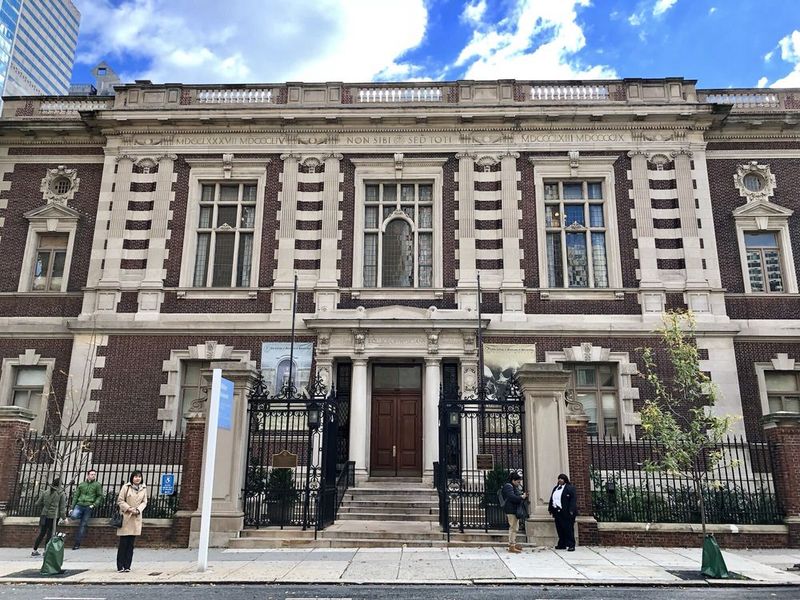
Unusual, thought-provoking, and genuinely fascinating, the Mutter Museum occupies a category all its own in Philadelphia’s rich museum landscape.
Part of the College of Physicians of Philadelphia, this one-of-a-kind institution is dedicated to the history of medicine and the science of the human body, displayed through a remarkable collection of medical specimens, antique instruments, and anatomical models.
Highlights include slides of Albert Einstein’s brain, a collection tied to objects removed from patients’ airways, and other displays that can make you rethink everything you thought you knew about human anatomy.
The Mutter Museum is not for the faint of heart, but it is absolutely for the curious of mind.
Rather than feeling morbid, the displays encourage a deep respect for the history of medical science and the people who advanced it.
If you are looking for a Philadelphia museum experience that is completely unlike anything else, this is the place to put at the top of your list.
7. Museum of the American Revolution, Philadelphia
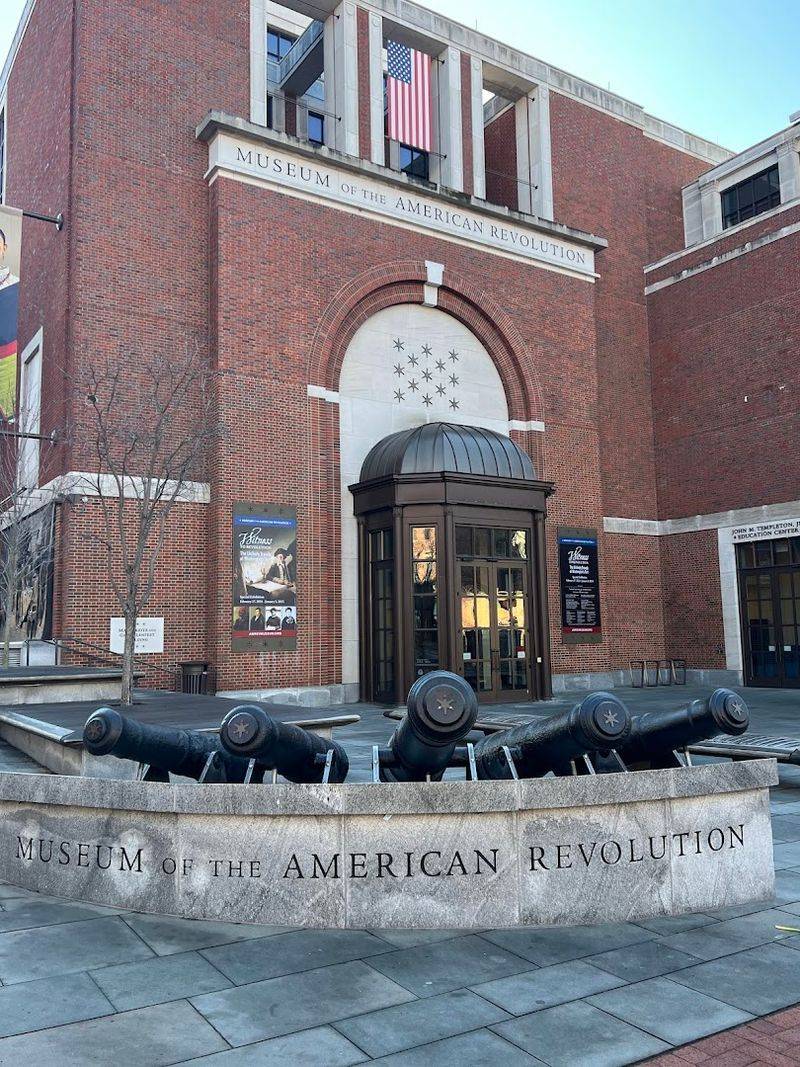
Right in the heart of historic Philadelphia, the Museum of the American Revolution does something remarkable: it makes a story most people think they already know feel completely new again.
Opened in 2017, this purpose-built museum sits just steps from Independence Hall and features thousands of artifacts, immersive theater experiences, and carefully curated galleries that explore the full complexity of the Revolutionary War era.
The centerpiece is General Washington’s original campaign tent, a physical object so loaded with history that standing near it genuinely stops people in their tracks.
What the Museum of the American Revolution does especially well is present multiple perspectives, including those of women, enslaved people, and Native Americans, giving the story a depth that traditional tellings often skip. The result is an experience that feels honest, layered, and surprisingly emotional.
For history lovers visiting Pennsylvania, this museum is not just a stop on the itinerary; it is a meaningful encounter with the founding of a nation.
8. National Constitution Center, Philadelphia
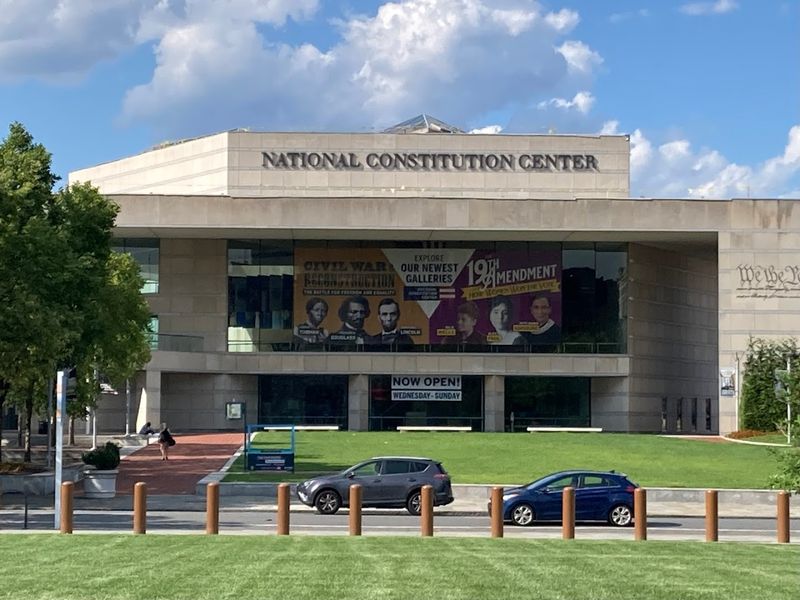
Democracy is not always easy to explain, but the National Constitution Center in Philadelphia makes it feel both accessible and genuinely exciting.
Located directly on Independence Mall, just a short walk from the Liberty Bell, this museum is entirely dedicated to the United States Constitution and its ongoing impact on American life.
The centerpiece experience is Signers Hall, a room filled with 42 life-size bronze statues of the men who signed the Constitution, creating an almost surreal sense of being in the room where it happened.
The National Constitution Center also hosts thought-provoking exhibitions on civil rights, free speech, and landmark Supreme Court cases that connect historical documents to modern debates.
Interactive elements throughout the building make it a hit with younger visitors, while the depth of content keeps adults engaged long after the kids have moved on.
Few museums in Pennsylvania manage to make civics this compelling, which is exactly why the National Constitution Center deserves a prominent spot on your Philadelphia itinerary.
9. The Andy Warhol Museum, Pittsburgh
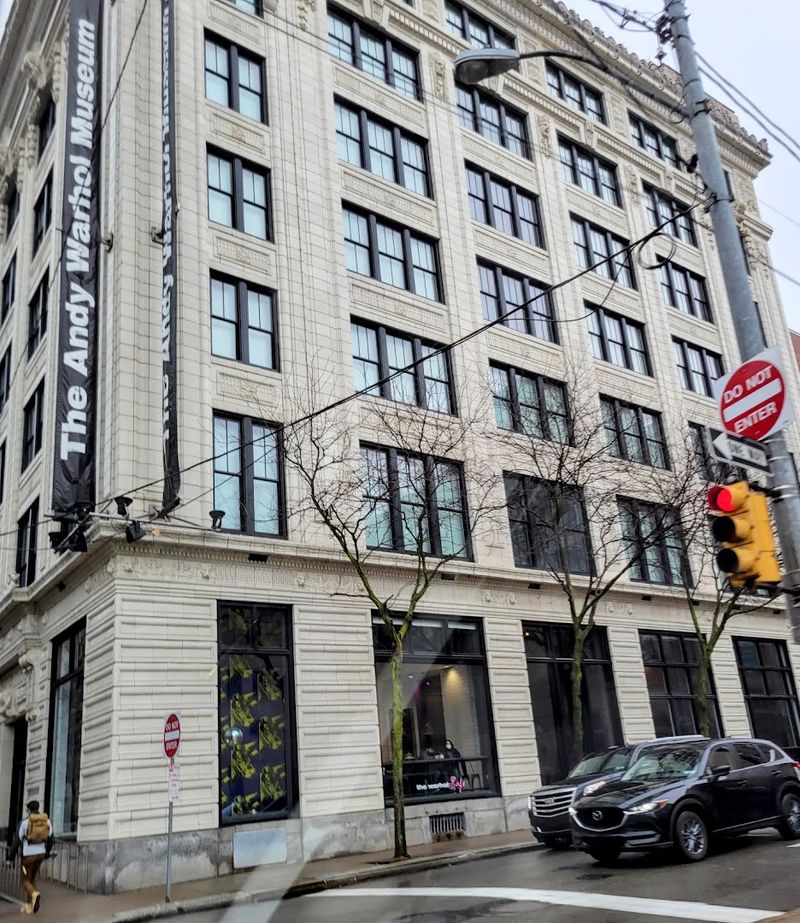
Pittsburgh has a hometown hero in Andy Warhol, and the museum dedicated to his life and work is as bold and unapologetic as the man himself.
The Andy Warhol Museum in Pittsburgh is the largest museum in North America dedicated to a single artist, and it fills seven floors with paintings, prints, drawings, films, and personal archives that span his entire career.
From the famous Campbell Soup cans to his haunting silver Elvises, the breadth of work on display at the Andy Warhol Museum is genuinely breathtaking.
What makes this place especially interesting is how much it reveals about the person behind the persona, including his Pittsburgh roots, his Catholic upbringing, and the quiet sensitivity beneath the flashy exterior.
The museum also screens Warhol’s experimental films regularly, giving visitors a side of his creative output that is easy to overlook.
Pittsburgh is rightly proud of this institution, and the Andy Warhol Museum stands as one of the most distinctive art experiences in all of Pennsylvania.
10. Carnegie Museum of Art, Pittsburgh
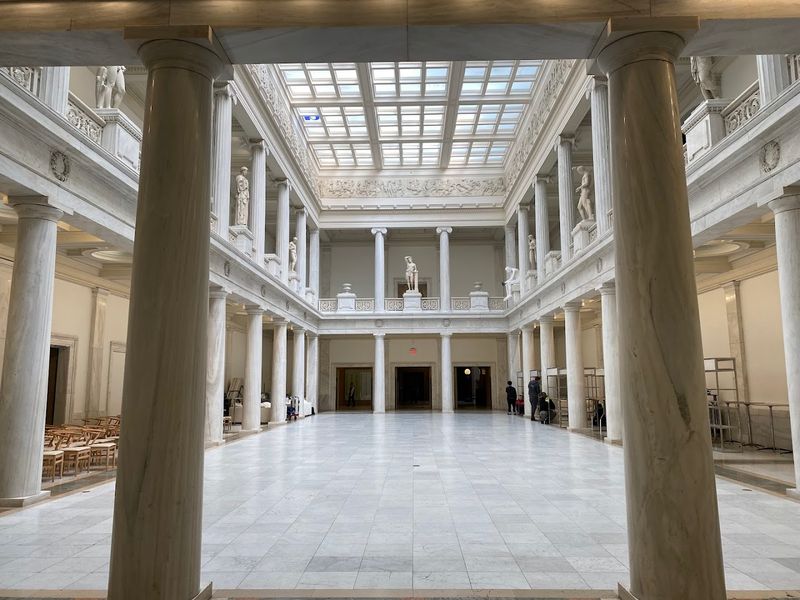
Andrew Carnegie believed that art and education should be available to everyone, and the Carnegie Museum of Art in Pittsburgh is one of the most enduring expressions of that philosophy.
Founded in 1895, this institution holds an impressive permanent collection of about 35,000 works, ranging from Impressionist paintings to cutting-edge contemporary installations.
The Carnegie International, held here every three to four years, is one of the oldest and most respected contemporary art exhibitions in the Western Hemisphere, consistently drawing global attention to Pittsburgh.
Inside the Carnegie Museum of Art, you will find decorative arts, photography, film, and architectural elements woven seamlessly into the galleries, creating a richly layered experience that rewards slow, attentive exploration.
The building itself, which connects to the Carnegie Museum of Natural History next door, is an architectural landmark worth admiring on its own terms.
Pittsburgh’s art scene has grown considerably in recent decades, and the Carnegie Museum of Art remains its most distinguished anchor.
11. Carnegie Museum of Natural History, Pittsburgh
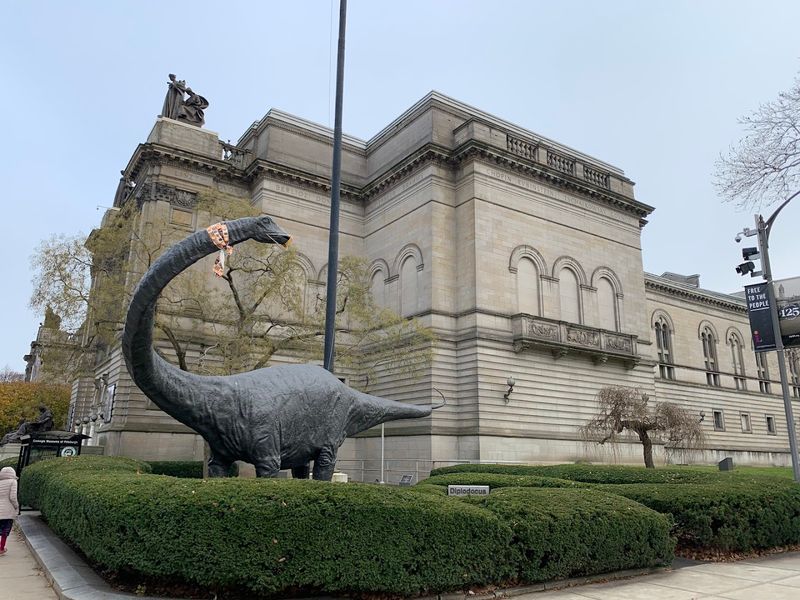
Dinosaurs, gems, ancient Egypt, and the story of life on Earth all share the same roof at the Carnegie Museum of Natural History in Pittsburgh, one of the most beloved natural history museums in the region.
The Dinosaur Hall here is a major draw, with large mounted skeletons that include an Apatosaurus and a Diplodocus that have been wowing visitors for generations.
The Carnegie Museum of Natural History has sent paleontology expeditions across the globe for over a century, and many fossils on display have direct ties to that long-running work.
Beyond dinosaurs, the museum features beautifully crafted dioramas of African wildlife, an extensive gem and mineral gallery, and a dedicated hall exploring ancient Egyptian culture.
There is a sense of wonder built into every corner of this place that makes it equally rewarding for a first-grade field trip or a weekend visit with curious adults.
Pittsburgh is lucky to have the Carnegie Museum of Natural History as part of its cultural fabric.
12. Senator John Heinz History Center, Pittsburgh
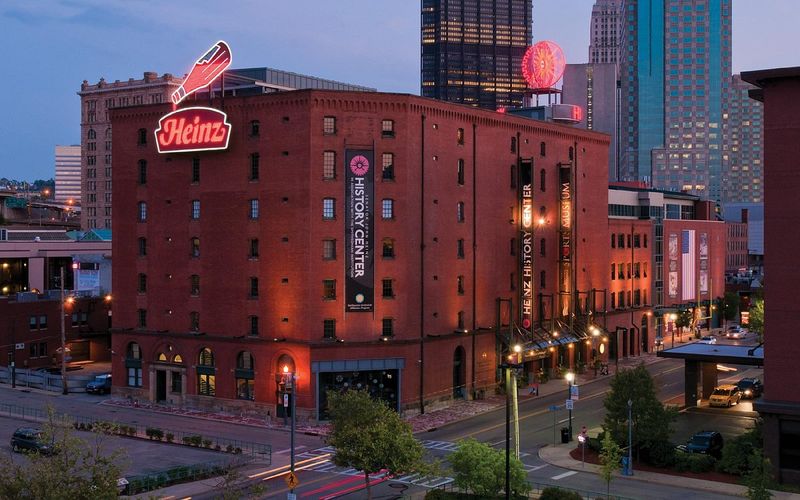
Pittsburgh’s story is one of steel, immigration, innovation, and resilience, and no institution tells that story more completely than the Senator John Heinz History Center.
Located in the city’s lively Strip District, this Smithsonian affiliate is the largest history museum in Pennsylvania, covering more than 300 years of regional and state history across six floors of exhibits.
The Senator John Heinz History Center holds an extraordinary collection of artifacts, from Pittsburgh’s industrial heritage to the cultural contributions of the many immigrant communities that shaped the city.
A dedicated Western Pennsylvania Sports Museum inside the building celebrates the region’s deep love for its athletic teams, adding a crowd-pleasing layer to the experience.
Special exhibitions rotate regularly, ensuring that even frequent visitors always find something new worth their time.
The building itself, a beautifully converted 19th-century ice house, adds a layer of historic texture that feels entirely appropriate for a museum committed to preserving the past.
The Senator John Heinz History Center is essential Pittsburgh.