
11 Must-See Underground Railroad Stops In Ohio
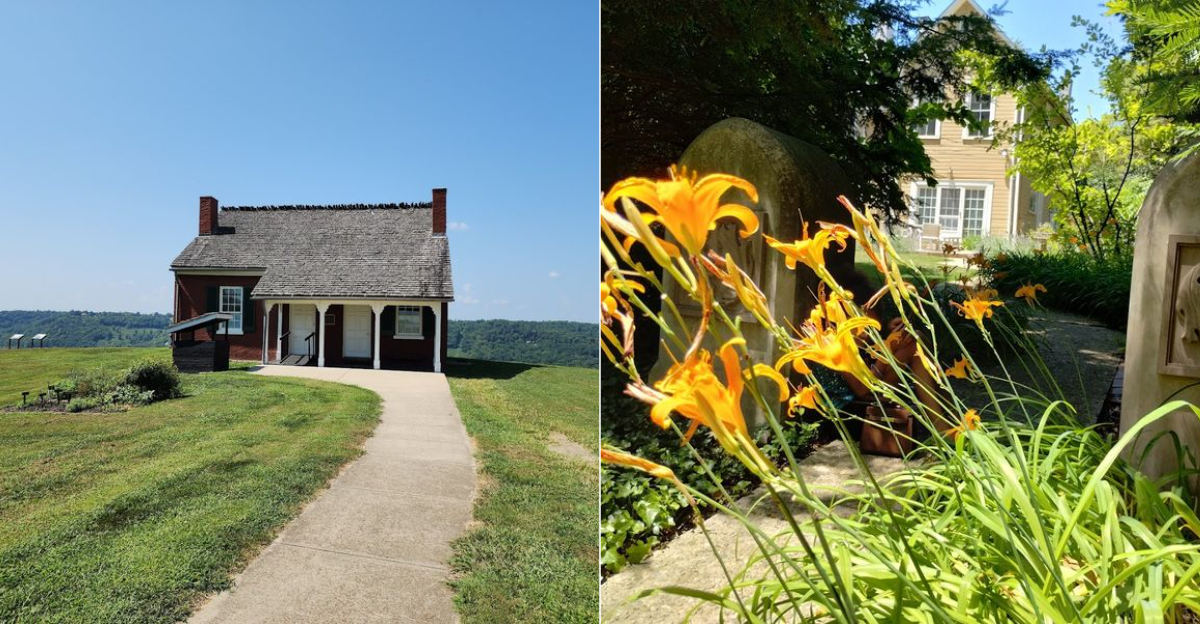
Some places tell stories quietly, but powerfully. Across Ohio, a network of historic homes and landmarks preserves the legacy of the Underground Railroad, offering a glimpse into journeys marked by courage, resilience, and hope.
These aren’t just stops on a map. They’re living reminders of people who chose to help, to protect, and to stand on the right side of history.
Walking through these spaces today, many now thoughtful museums, feels less like a history lesson and more like stepping into real, human stories that still echo through time.
It’s meaningful, eye-opening, and deeply memorable. Ohio may be known for many things, but these places reveal a side of the state that truly stays with you long after the visit ends.
1. National Underground Railroad Freedom Center
Some museums make you think. This one makes you feel things you did not expect to feel.
The National Underground Railroad Freedom Center, located at 50 E Freedom Way, Cincinnati, OH 45202, sits right along the banks of the Ohio River.
That location is not a coincidence. The Ohio River served as a boundary between forced labor systems and freedom for thousands of people.
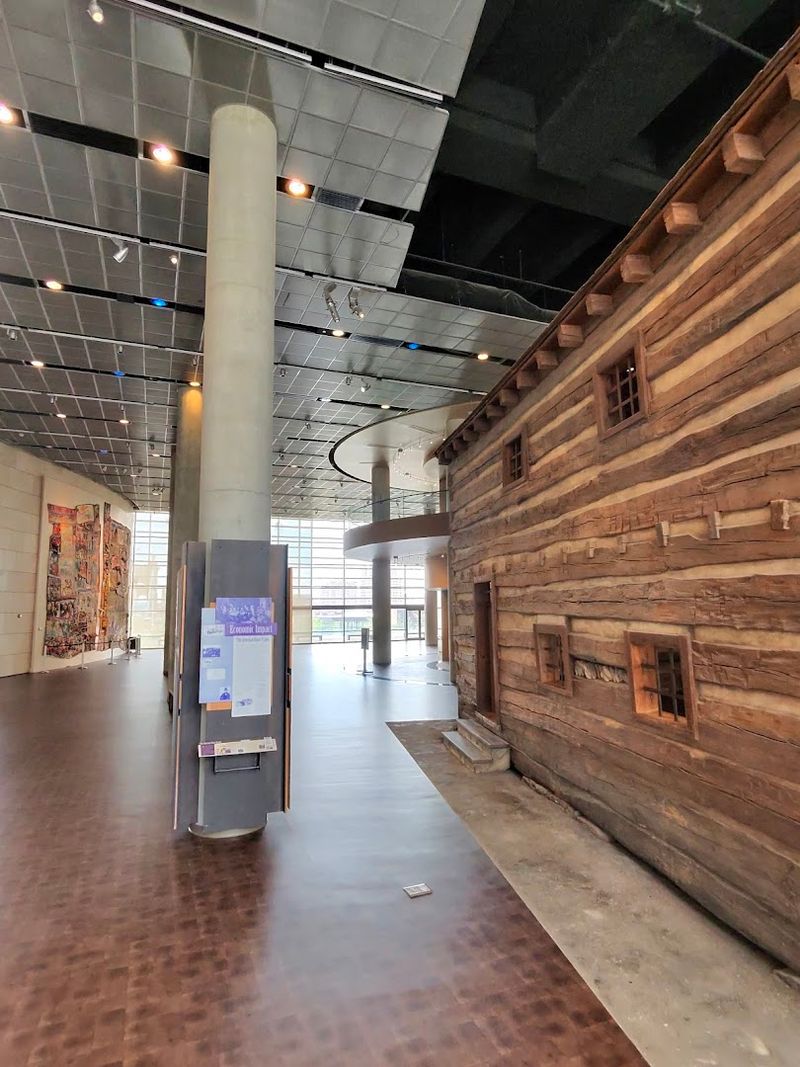
The museum opened in 2004 and has since become one of the most impactful historical institutions in the country. It houses a rare 1830s holding structure once used to confine enslaved individuals, along with authentic artifacts from that period and immersive exhibits that bring this history to life.
You do not just read about the Underground Railroad here. You experience it in a way that stays with you long after you leave.
The Freedom Center connects the past to the present in a way that feels urgent and necessary. Plan to spend at least half a day here.
This place earns every minute of your time.
2. Harriet Beecher Stowe House
Before there was social media activism, there was a book that shook an entire nation. Harriet Beecher Stowe wrote Uncle Tom’s Cabin, and it changed everything.
The house where she lived and drew inspiration is at 2950 Gilbert Ave., Cincinnati, OH 45206, and it is a place that carries enormous literary and historical weight.
Stowe lived here during a formative period of her life, and her proximity to the Ohio River gave her a direct view of the harsh realities of forced labor and human exploitation.
She witnessed enslaved people crossing the river seeking freedom, and those experiences fueled her writing with raw emotion and truth. Her novel became one of the most influential pieces of literature in American history.
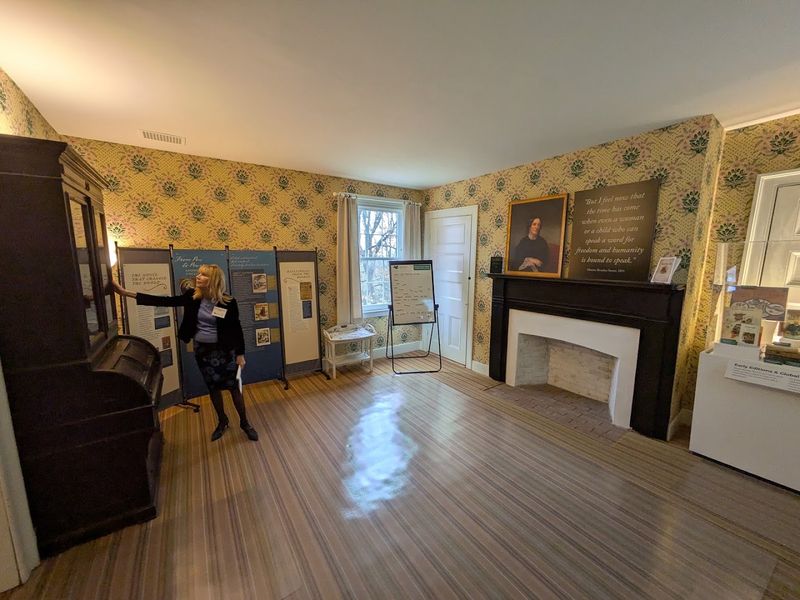
Today the house is a museum that explores Stowe’s life, her family’s abolitionist roots, and the broader cultural impact of her work. The exhibits are thoughtfully curated and accessible to visitors of all ages.
Walking through these rooms, you can almost feel the urgency that drove her pen across the page. Few writers have changed the world quite like she did, and this house proves it.
3. Ross-Gowdy Museum Of Historic New Richmond
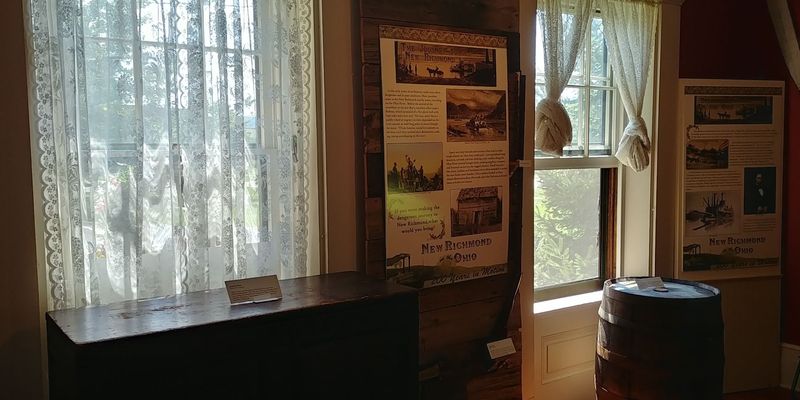
New Richmond is a small town with a big story, and the Ross-Gowdy Museum is where that story gets told properly. Tucked away at 125 George St., New Richmond, OH 45157, this museum sits in a town that was deeply connected to the Underground Railroad network along the Ohio River.
New Richmond was home to a strong abolitionist community, and many of its residents actively helped freedom seekers cross the river and continue north.
The museum preserves documents, photographs, and artifacts that paint a vivid picture of what that looked like on a day-to-day basis. It is the kind of history that does not make it into most textbooks.
What makes this spot especially compelling is its intimate scale. You are not wandering through a massive institution.
You are standing in a place where the community’s values were tested and proven.
The museum connects visitors to local heroes whose names are not widely known but whose actions were extraordinary. If you are driving the Ohio River Scenic Byway, this stop deserves a full visit.
Small towns sometimes hold the biggest pieces of history.
4. John Parker House
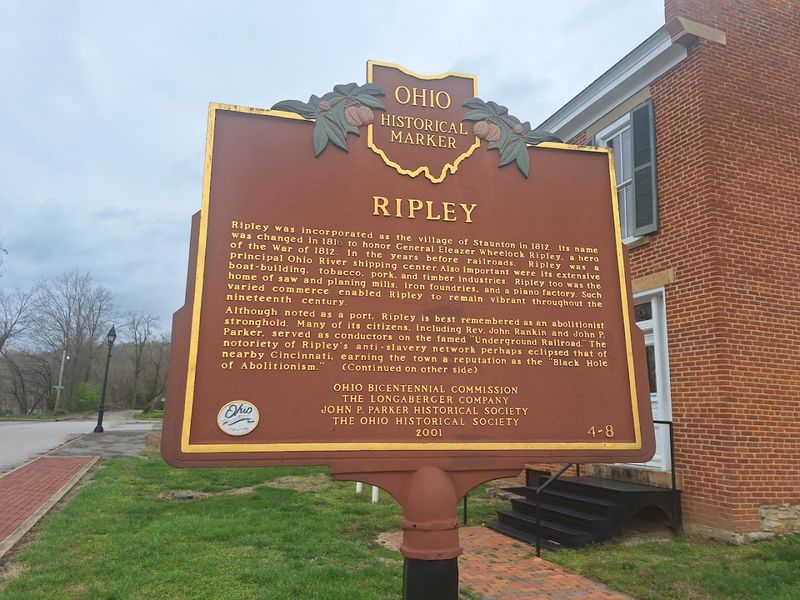
John Parker’s story is one of the most remarkable in American history, full stop. He was born into a system of forced labor, later secured his own freedom, and then risked everything to help others find their way to safety.
His home at 300 Front Street, Ripley, OH 45167 stands as a monument to that extraordinary courage.
Parker worked as a foundry owner by day and a conductor on the Underground Railroad by night.
He personally crossed the Ohio River dozens of times to guide enslaved people to freedom, often carrying them on his back through dangerous waters. He reportedly aided over 400 people in their escape, and he did it knowing the consequences if caught.
The house has been restored and is open for tours that tell his story in compelling detail. Standing in his home, you start to understand what it means to put your life on the line for a principle.
Parker never asked for recognition. He just kept going back across that river.
His legacy deserves far more attention than it typically gets, and visiting this house is a meaningful way to honor it.
5. John Rankin House
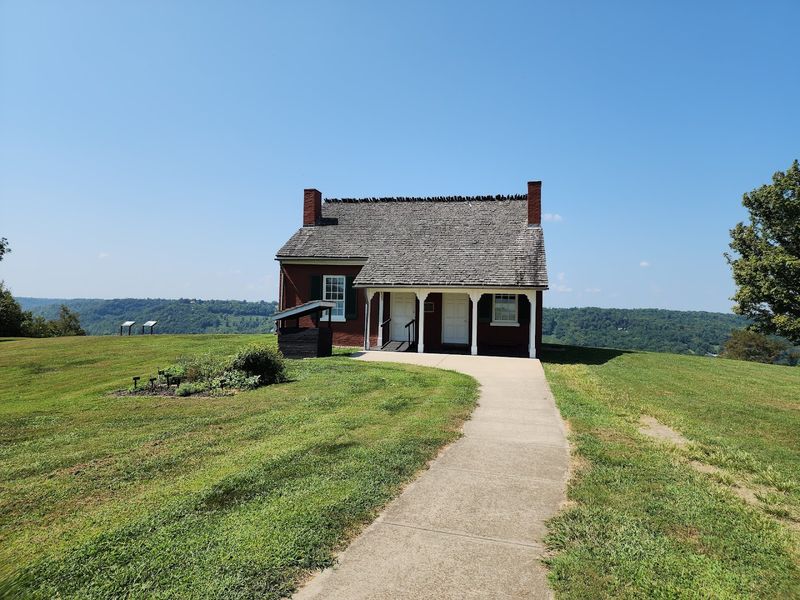
Perched on a hill high above the Ohio River, the John Rankin House is one of those places that genuinely takes your breath away, and not just because of the climb.
Located at 6152 Rankin Hill Road, Ripley, OH 45167, this house served as one of the most active stations on the entire Underground Railroad network.
Reverend John Rankin and his family sheltered more than 2,000 freedom seekers over a span of 40 years. A lantern placed in the window was a signal to those crossing the river that safety was waiting on the hill.
That simple light guided people through some of the darkest moments of their lives. Historians believe the story of Eliza crossing the icy Ohio River in Uncle Tom’s Cabin was inspired by a real escape that Rankin helped facilitate.
The house has been preserved beautifully and sits within a state memorial. The view from the hilltop is stunning, and the history is overwhelming in the best way.
Walking up those 100 steps to the house gives you just a tiny fraction of what freedom seekers felt making that same climb. This site is genuinely unforgettable.
6. The Gammon House
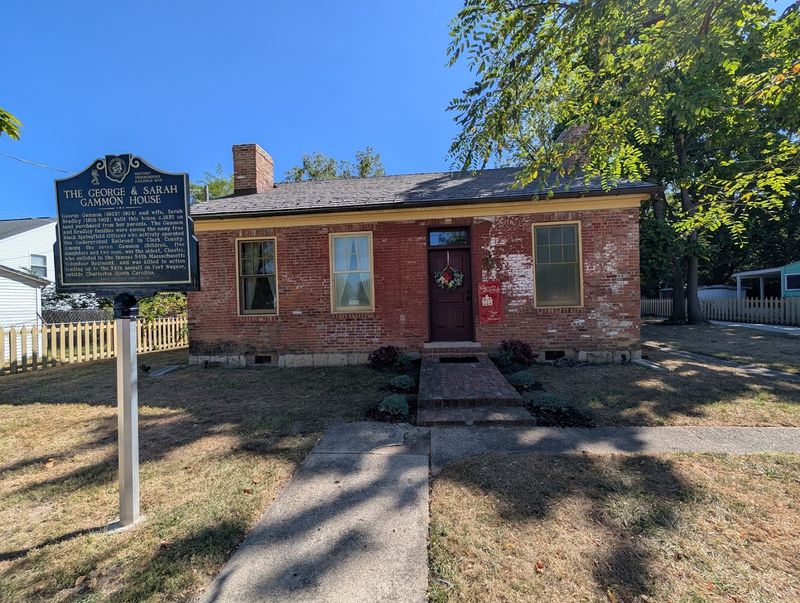
Springfield might not be the first place that comes to mind when you think of the Underground Railroad, but history has a way of surprising you. The Gammon House at 620 Piqua Place, Springfield, OH 45506 was a documented stop on the network, sheltering freedom seekers as they moved through central Ohio.
The house is named after the Gammon family, who were deeply committed abolitionists. Their home became a trusted refuge in a region where helping freedom seekers was both a moral calling and a legal risk.
Today the site offers tours and educational programs that help visitors understand the local dimensions of a national movement.
The Underground Railroad was not just a coastal or border-state phenomenon. It ran through communities like Springfield, carried by ordinary people with extraordinary conviction.
Visiting the Gammon House is a reminder that courage is not always loud or famous.
Sometimes it is quiet, domestic, and happening right in your neighborhood. That quiet courage changed lives.
7. Kelton House Museum And Garden
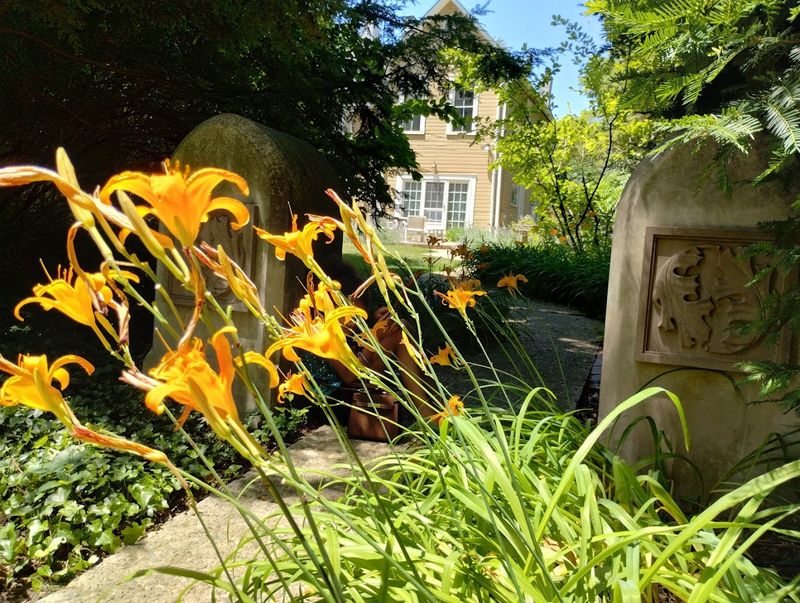
Columbus has a lot going for it, but the Kelton House might be its most quietly powerful historical gem. Sitting at 586 E Town Street, Columbus, OH 43215, this elegant Victorian home belonged to the Kelton family, who were committed abolitionists and active participants in the Underground Railroad.
Fernando and Sophia Kelton used their home to shelter freedom seekers passing through the Ohio capital. The house remained in the family for generations, and their descendants eventually donated it to the Columbus Landmarks Foundation.
That act of preservation means the public can still walk through the same rooms where history was quietly, bravely made.
The museum hosts regular tours, seasonal events, and educational programming that connects visitors to both the Underground Railroad history and the broader story of Columbus in the 19th century.
The garden is beautifully maintained and adds a sense of peace to a place that once held so much tension and hope. The Kelton House proves that great history does not always happen in famous places.
Sometimes it happens in a family home on a tree-lined street in the middle of a city.
8. Hanby House
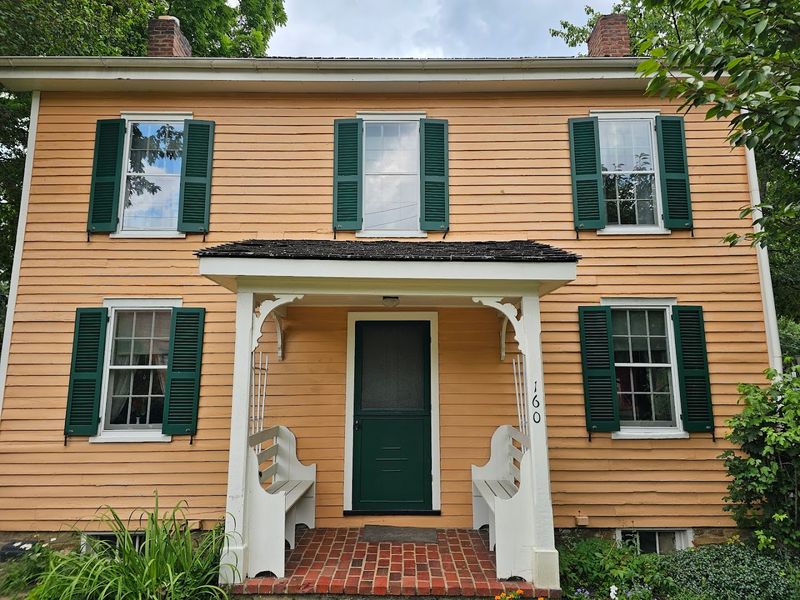
If you have ever hummed the tune Darling Nelly Gray, you have already been touched by the Hanby family’s legacy. Benjamin Hanby wrote that song after hearing the story of a freedom seeker who passed through his father’s home.
That home, at 160 W. Main St., Westerville, OH 43081, is now a museum open to the public.
William Hanby was a bishop in the United Brethren Church and a committed abolitionist. His home in Westerville served as a stop on the Underground Railroad, offering shelter to those making their way north.
The family’s faith and their activism were deeply intertwined, and the house reflects both with quiet dignity.
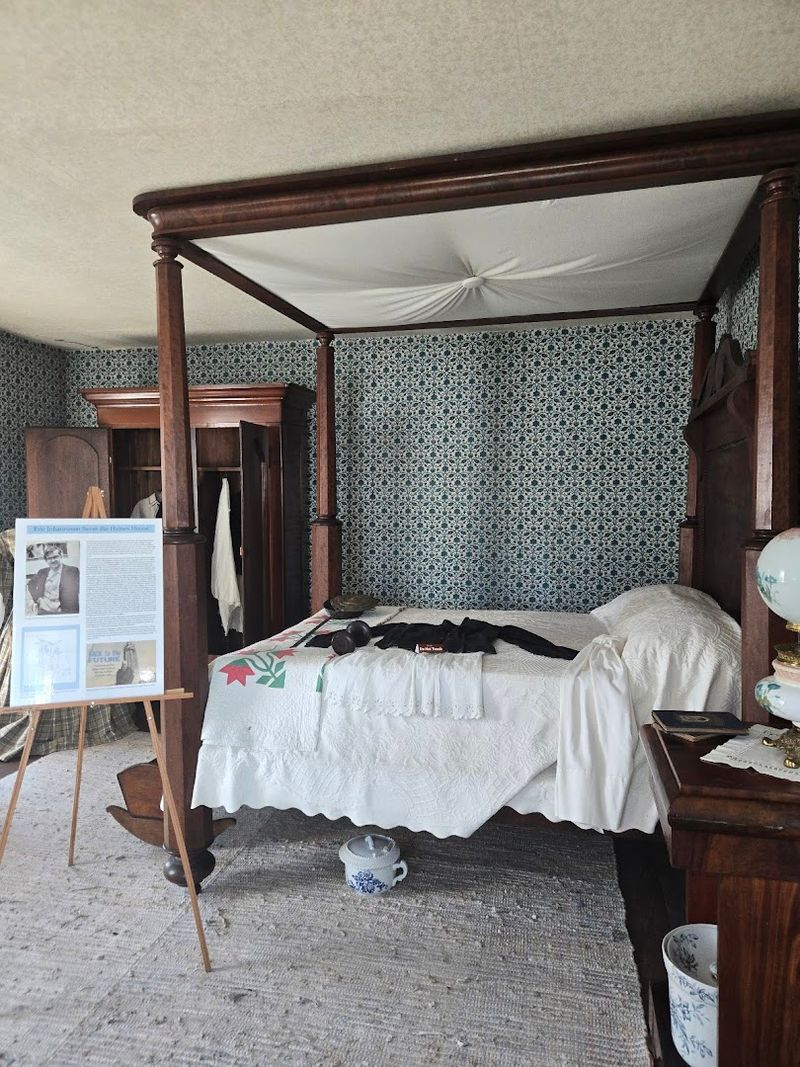
The museum is small but meaningful, with period furnishings and exhibits that tell the story of the Hanby family and their role in the broader freedom movement.
Westerville itself has a rich abolitionist history, and the Hanby House is a perfect starting point for exploring it.
There is something genuinely moving about standing in a home where songs were written and lives were saved, sometimes in the very same week. History here has a melody.
9. Haines House Underground Railroad Museum
Alliance, Ohio is not exactly on everyone’s travel radar, but the Haines House gives it a story worth seeking out. Located at 186 West Market Street, Alliance, OH 44601, this house was an active station on the Underground Railroad and is now preserved as a museum dedicated to that history.
The house belonged to Quaker abolitionist Esther Haines, and it served as a documented stop for freedom seekers moving through northeastern Ohio toward Lake Erie and eventually Canada. The Quaker community in this region was particularly active in the movement, motivated by their religious conviction that all people were equal in the eyes of God.
The museum offers guided tours that walk visitors through the history of the house and the broader Underground Railroad network in the region.
The exhibits include period artifacts, historical documents, and personal stories that give a human face to the movement. What stands out here is the specificity of the history.
This was not a vague safe house. It was a home with a name, a family, and a documented record of courage.
That level of detail makes the visit feel genuinely real and deeply affecting.
10. Hubbard House Underground Railroad Museum
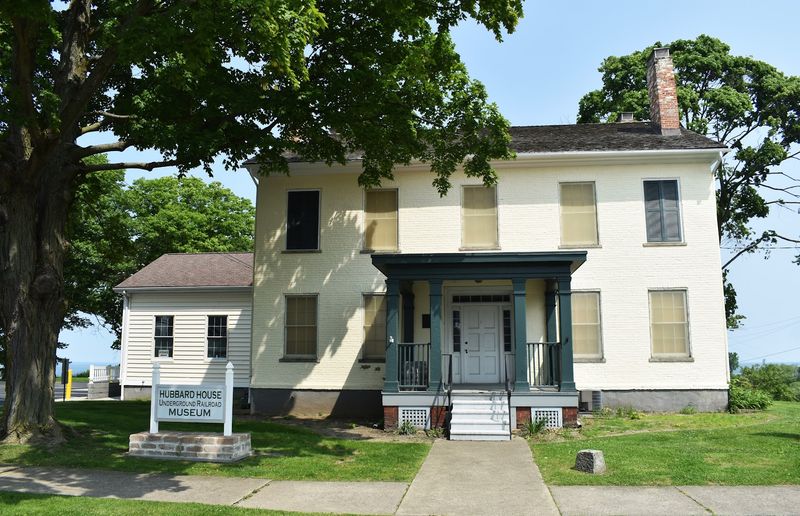
You can practically feel the lake breeze carrying whispers of freedom when you visit this place. The Hubbard House Underground Railroad Museum at 1603 Walnut Blvd., Ashtabula, OH 44004 sits near Lake Erie, which was the final natural barrier between freedom seekers and Canada.
This was one of the last stops before crossing into free territory.
William Hubbard used his home as a station, sheltering freedom seekers and helping them board boats across Lake Erie to reach Canada.
The proximity to the lake made Ashtabula a critical junction in the network, and the Hubbard House was at the center of that operation. Hundreds of people passed through these walls on their way to a new life.
The museum preserves that legacy with exhibits, artifacts, and a restored interior that reflects the era. Guided tours bring the stories to life with a depth that goes beyond dates and facts.
Visiting here feels like standing at the finish line of one of history’s most courageous races.
The lake is still right there, still shimmering, still looking like possibility. If these walls could talk, the stories would fill volumes.
11. Follett House Museum
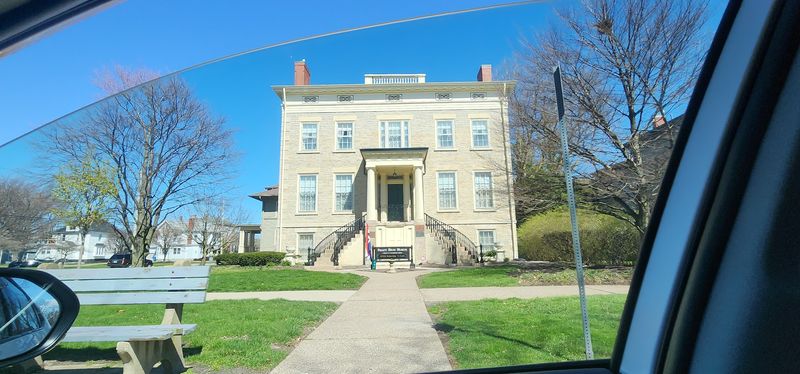
Sandusky has a secret, and it is hiding in plain sight on Wayne Street. The Follett House Museum at 404 Wayne Street, Sandusky, OH 44870 is a stunning example of Greek Revival architecture that also happens to carry a powerful Underground Railroad history beneath its elegant exterior.
Oran Follett was a newspaper editor and abolitionist who used his home and his platform to support the freedom movement.
Sandusky’s location on Lake Erie made it a natural launching point for freedom seekers heading to Canada, and the Follett House was part of that network. The city itself had multiple active stations, making it one of the most important northern terminus points in Ohio.
Today the museum is operated by the Sandusky Library and houses an impressive collection of historical artifacts, documents, and exhibits related to both local history and the Underground Railroad.
The building alone is worth a visit for architecture enthusiasts, but the history inside elevates it to something truly special.
Sandusky is often associated with Cedar Point, but this is the kind of thrill that stays with you long after the roller coasters have stopped spinning. History this powerful deserves to be felt.