
11 Mystical Arizona Caves That Will Transport You To Another World
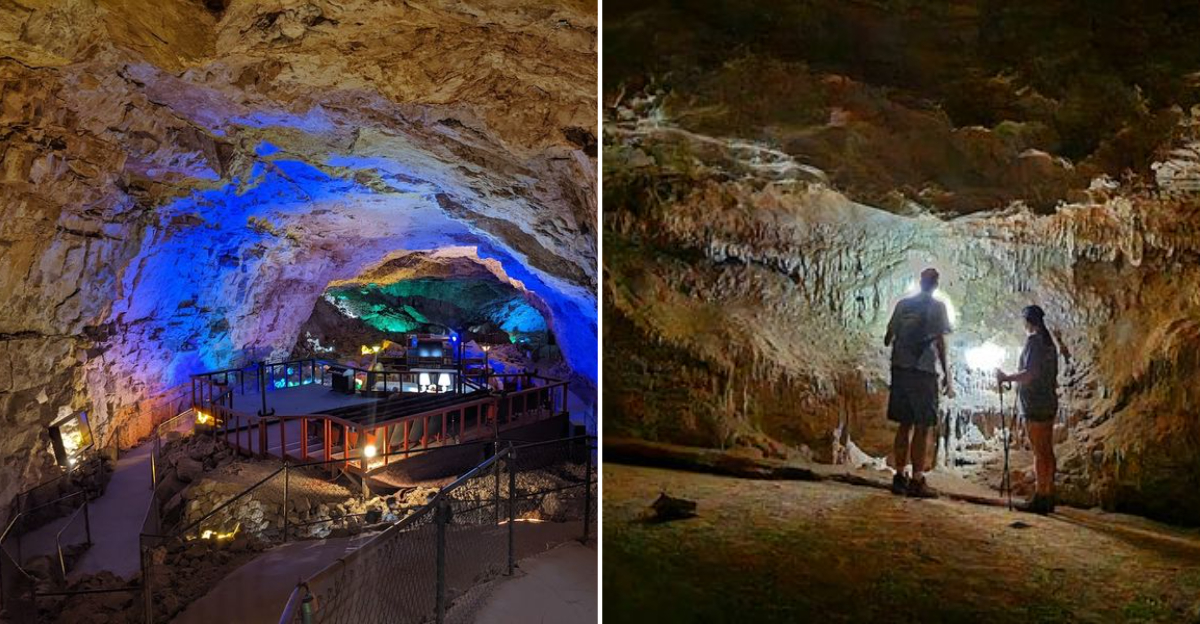
Have you ever wanted to just disappear into another realm for a while? Well, you don’t need a spaceship to do it; you just need to know where to look. Some of the most breathtaking sights in Arizona aren’t found on the sun-drenched mountain peaks, but rather hidden deep inside the rugged terrain.
These mystical spaces feel almost haunted by beauty, with their dripping formations and vast, silent halls that make you feel small in the best way possible. It is a hauntingly beautiful escape that transports you far away from the heat and the hustle of daily life.
If you’re ready to trade the blue sky for a shimmering ceiling of rock, these natural wonders are calling your name for your next big Arizona adventure.
In this article, I am walking you through eleven of Arizona’s most jaw-dropping cave experiences, from living caverns dripping with crystals to ancient cliff dwellings carved into rock faces, so you can start planning your own underground adventure.
1. Kartchner Caverns, Benson
Arizona’s largest living cave system earns every bit of its legendary reputation, and Kartchner Caverns in Benson does not disappoint for even a single moment underground.
Discovered in 1974 by two cavers who kept the location secret for fourteen years to protect it, this cave was eventually handed over to Arizona State Parks and opened to the public in 1999.
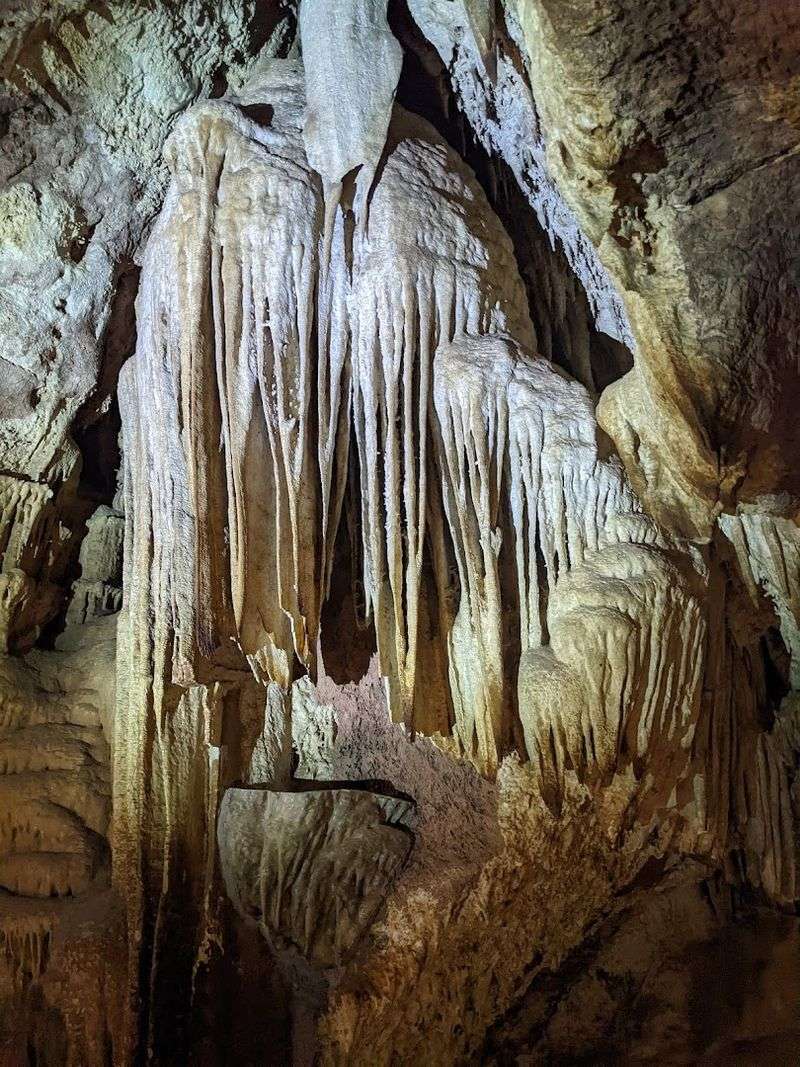
The caverns stretch across two miles of passages filled with formations that are still actively growing, meaning water continues to drip through the limestone and slowly build new crystals every day.
Guided tours take visitors past towering columns, delicate soda straw formations, and one of the world’s longest cave bacon formations, which is a rippling sheet of translucent mineral that glows when light hits it just right.
Tour tickets sell out fast, especially on weekends, so booking online weeks in advance is a smart move before you make the drive to Benson.
2. Colossal Cave, Vail
There is something wonderfully old-school about Colossal Cave Mountain Park in Vail, Arizona, a place that has been welcoming curious visitors since the 1930s and still delivers a genuinely thrilling underground experience.
Unlike wet caves, Colossal Cave is a dry cavern, which means the formations inside stopped growing thousands of years ago, giving the whole place a still, almost frozen-in-time atmosphere that feels deeply mysterious.
The cave has a colorful past that includes stories of outlaws supposedly hiding stolen loot inside its chambers, and rangers on the tour are happy to share those tales with plenty of dramatic flair.
The surrounding mountain park also offers horseback riding, hiking trails, and a historic ranch, making it a full-day destination rather than just a quick stop. Families with younger kids tend to love this spot because the tours are relaxed.
3. Grand Canyon Caverns, Near Peach Springs
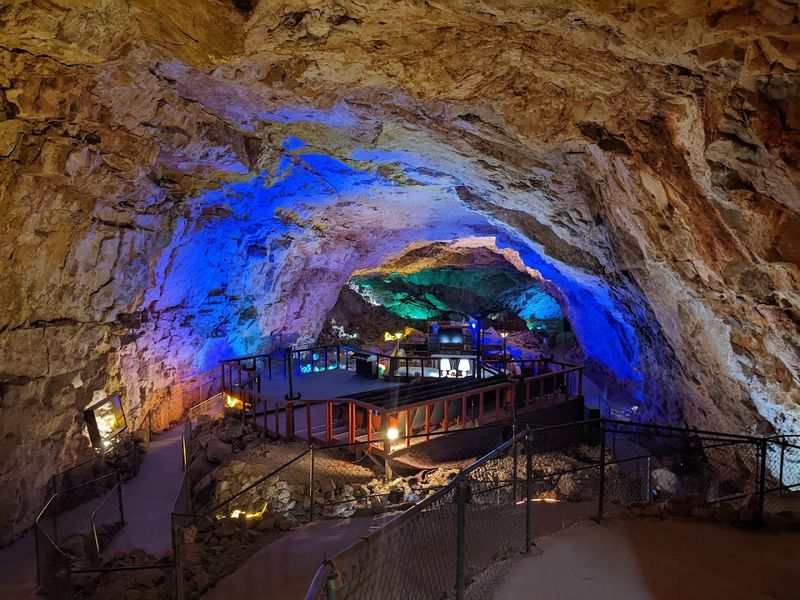
Roughly 21 stories below Route 66 near the small town of Peach Springs, the Grand Canyon Caverns hold the title of the largest dry caverns in the United States, and that fact alone makes the trip worthwhile.
The caverns formed approximately 345 million years ago, and because they sit so far below the surface, the air inside stays at a constant 56 degrees Fahrenheit year-round. It makes summer visits feel like stepping into a natural air conditioner.
Standard tours cover about three-quarters of a mile through illuminated chambers filled with ancient formations, mineral deposits, and a few surprisingly lifelike prehistoric creature displays that catch you off guard in the best possible way.
For those who want a truly unforgettable night, the caverns actually offer an underground hotel room where guests can sleep 200 feet below the surface in complete silence and total darkness.
Reaching Peach Springs requires a drive along a scenic stretch of old Route 66, which is its own reward for road trip enthusiasts.
4. Lava River Cave, Near Flagstaff
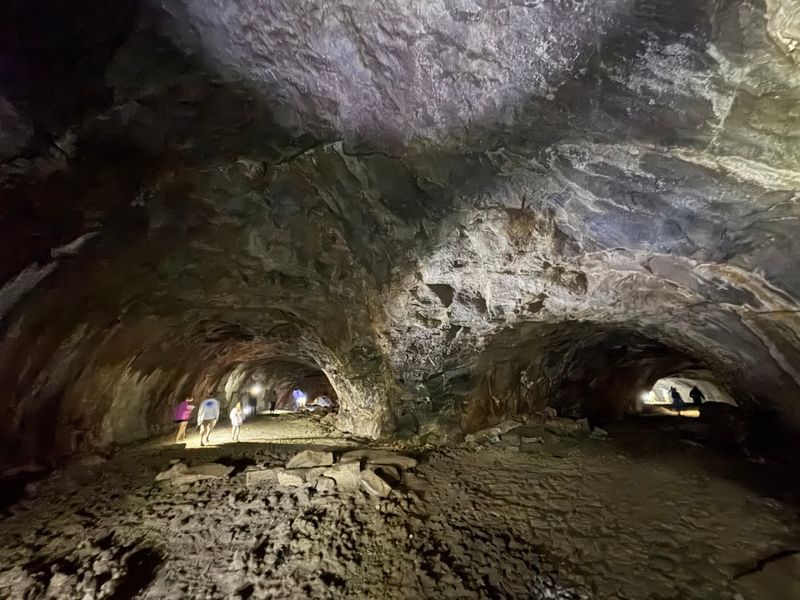
If the other caves on this list feel like nature’s art galleries, Lava River Cave near Flagstaff feels more like stepping into the belly of a sleeping volcano, which is essentially exactly what it is.
Formed approximately 700,000 years ago when a lava flow cooled on the outside while molten rock drained away from the inside, this mile-long lava tube is managed by the Coconino National Forest and requires no tour guide, just a flashlight and a sense of adventure.
The cave temperature hovers around 35 degrees Fahrenheit throughout the year, so bringing a warm jacket is not optional, even during Arizona’s blazing summer months.
The floor is uneven, the ceiling drops low in certain sections, and the darkness is absolute once you move away from the entrance, creating a genuinely immersive and slightly eerie experience.
Visitors can park near the trailhead off Forest Road 171 and walk roughly half a mile through ponderosa pines before reaching the cave entrance, which adds a lovely forested approach to the whole adventure.
5. Coronado Cave, Coronado National Memorial
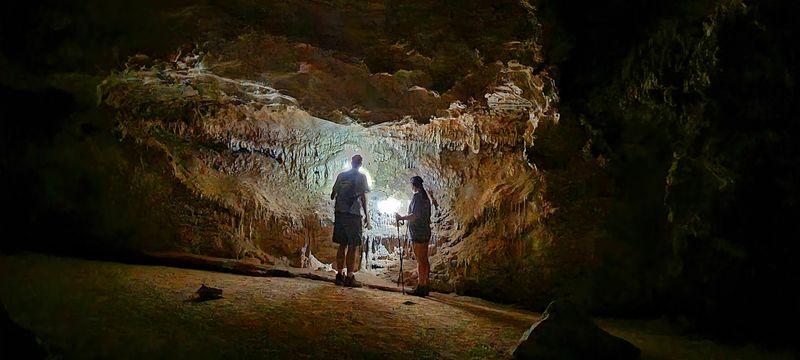
Tucked into the Huachuca Mountains of southern Arizona, Coronado Cave sits within Coronado National Memorial and offers one of the most rewarding undeveloped cave experiences in the entire state.
The National Park Service describes it as a large cavern approximately 600 feet long and 70 feet wide, and because it has not been developed with paved paths or electric lighting, every visit feels genuinely raw and exploratory.
Visitors need to pick up a free permit from the visitor center before entering, and rangers recommend bringing at least three light sources per person since the interior becomes completely lightless once you move past the entrance zone.
The cave formed in limestone and contains a variety of natural formations, including flowstone, stalactites, and cave popcorn, which are small bumpy mineral clusters that look exactly as textured as the name suggests.
The hike to the cave entrance is about one mile round trip through beautiful high-desert terrain, giving you a scenic warm-up before the underground exploration begins.
6. Subway Cave, Sedona
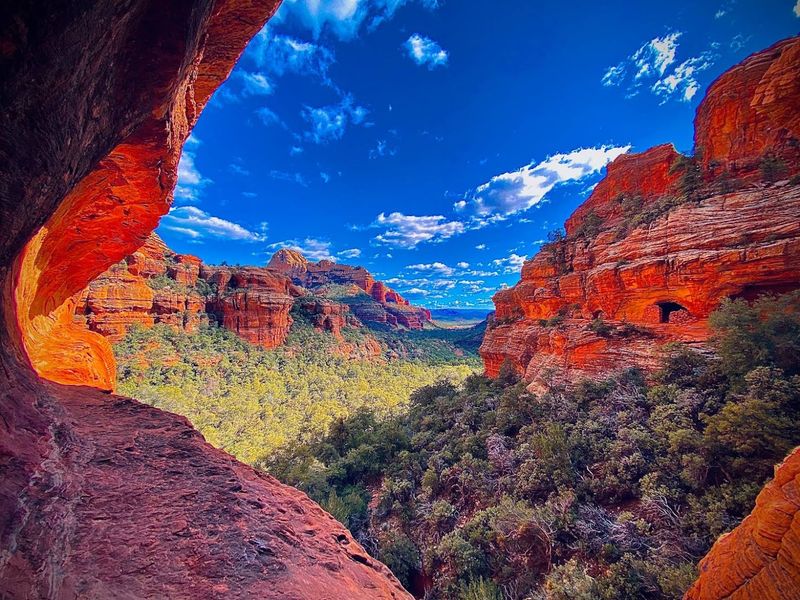
Sedona is already famous for its jaw-dropping red rock scenery, but Subway Cave adds a tucked-away, almost secretive dimension to the landscape that many visitors never discover on their first trip.
Reached via a moderately easy hike through the red rock canyons, this natural cave-like alcove sits embedded in the canyon wall and creates a sheltered, shadowy space that feels completely separate from the sunny desert world outside.
The formation is not a traditional cavern in the geological sense, but the way the rock curves overhead and the light plays across the sandstone walls gives it a deeply otherworldly quality that photographs beautifully from almost every angle.
Hikers often combine this spot with nearby trails in the Boynton Canyon area, turning it into a half-day adventure that mixes open red rock views with the cool shade of the alcove itself.
Arriving early in the morning gives you the best chance of experiencing the cave in relative quiet, before the Sedona crowds find their way to the trailhead for the day.
7. Lower Cliff Dwelling Cave, Tonto National Monument
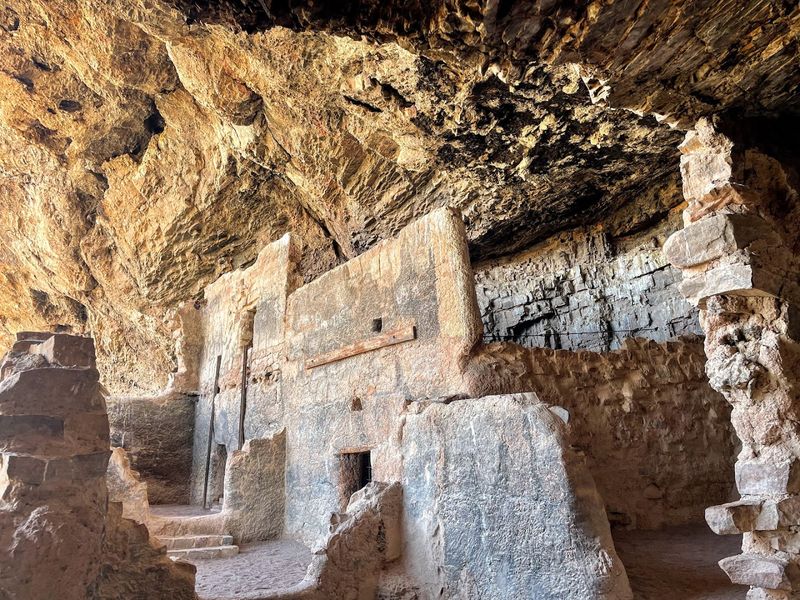
History and geology collide in the most spectacular way at the Lower Cliff Dwelling Cave inside Tonto National Monument, where an ancient Salado community built a multi-room village inside a natural cave alcove roughly 700 years ago.
The National Park Service notes that the cave alcove itself stands 40 feet high, stretches 85 feet long, and reaches 48 feet deep, giving the dwelling an impressive and sheltered presence that still looks remarkably intact today.
The self-guided trail to the lower dwelling is about one mile round trip and winds through saguaro and prickly pear cactus before arriving at the cave opening, where you can peer into rooms that once housed an entire thriving community.
The setting above Roosevelt Lake adds a stunning visual layer, with the blue water stretching out below and the rugged Sonoran Desert spreading in every direction around the monument.
Rangers at the visitor center provide helpful background on the Salado people, which makes the experience feel far more meaningful than simply admiring old stone walls.
8. Upper Cliff Dwelling Cave, Tonto National Monument
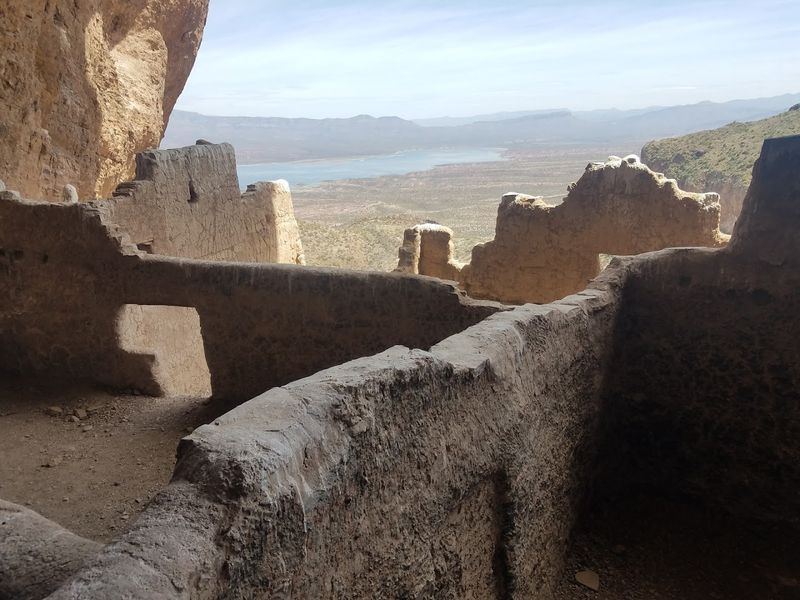
Perched higher and farther into the hillside than its lower neighbor, the Upper Cliff Dwelling Cave at Tonto National Monument rewards the extra effort with a more intimate and awe-inspiring experience overall.
The National Park Service describes this dwelling as a 40-room structure nestled inside a cave alcove that overlooks the sweeping expanse of Tonto Basin, and the views from up there genuinely take your breath away on a clear day.
Access to the upper dwelling is only available on ranger-led tours offered on select days from November through April, so checking the monument’s schedule well ahead of time is essential for anyone hoping to visit this particular site.
The hike to the upper dwelling is steeper and longer than the lower trail, covering about three miles round trip with significant elevation gain, so comfortable footwear and plenty of water are absolute necessities.
Standing inside that cave alcove and looking out over the basin, it is easy to understand exactly why the Salado people chose this spectacular and naturally sheltered spot to call home.
9. Montezuma Castle Alcove, Camp Verde
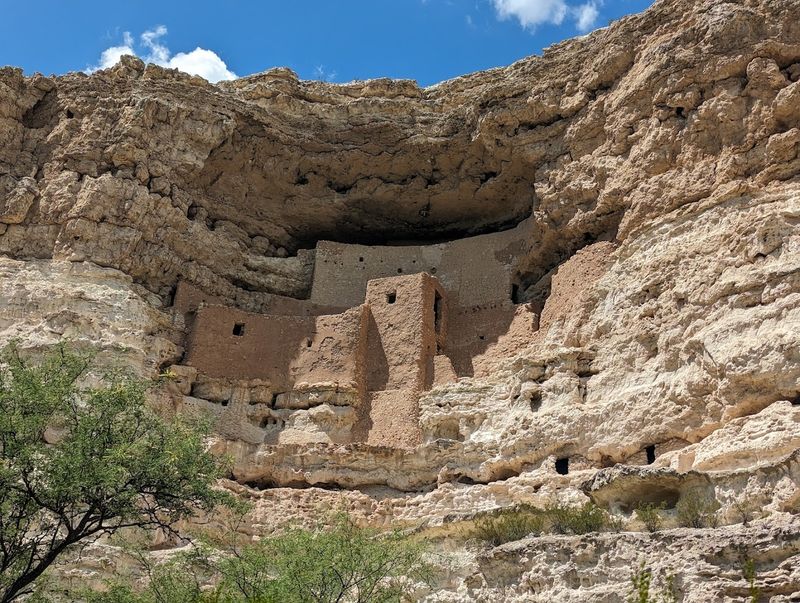
Few places in Arizona carry the kind of quiet, ancient power that radiates from Montezuma Castle Alcove near Camp Verde, a towering five-story cliff dwelling built into a natural limestone alcove roughly 900 years ago by the Sinagua people.
Despite its name, the structure has absolutely no connection to the Aztec emperor Montezuma. Early European settlers gave it that name in the 1800s, mistakenly believing it must have been built by someone of great historical importance from far to the south.
The alcove itself sits about 90 feet above the canyon floor, and the way the ancient builders used the natural curve of the rock as a ceiling and back wall makes the whole structure look like it grew organically out of the cliff face.
A paved, accessible trail loops past the base of the monument and past Beaver Creek, offering lovely views of the dwelling from multiple angles without requiring any strenuous climbing.
Visiting at golden hour, when the warm afternoon light hits the cream-colored limestone, turns this already stunning site into something that feels genuinely otherworldly.
10. Walnut Canyon Cliff Alcoves, Near Flagstaff
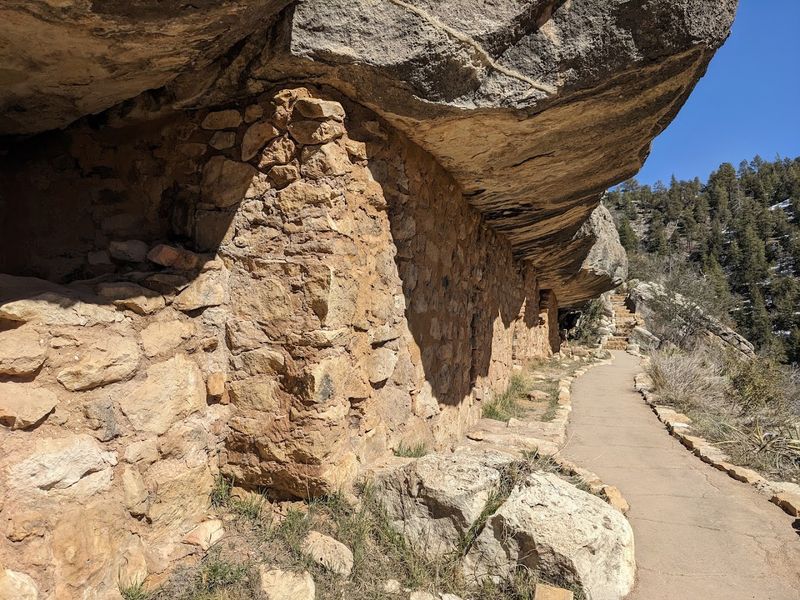
A short drive east of Flagstaff, Walnut Canyon National Monument wraps visitors in a world of layered limestone cliffs, tall ponderosa pines, and ancient Sinagua rooms tucked neatly into natural alcoves along the canyon walls.
The Sinagua people lived in these cliff alcoves between roughly 1100 and 1250 CE, and the sheltered limestone overhangs provided natural protection from rain and sun in a way that feels almost impossibly well-designed even by modern standards.
The Island Trail descends about 185 feet into the canyon via a series of stone stairs and passes directly by 25 cliff rooms, giving visitors an up-close look at doorways, interior walls, and even ancient soot marks left by cooking fires.
The surrounding forest adds a lush, green contrast to the pale rock faces, making Walnut Canyon feel visually very different from the red-rock and desert cave experiences found elsewhere in Arizona.
The visitor center at the canyon rim offers excellent exhibits on Sinagua culture, which are well worth exploring before you head down the trail to see the dwellings themselves.
11. Hidden Valley Natural Tunnel, Phoenix
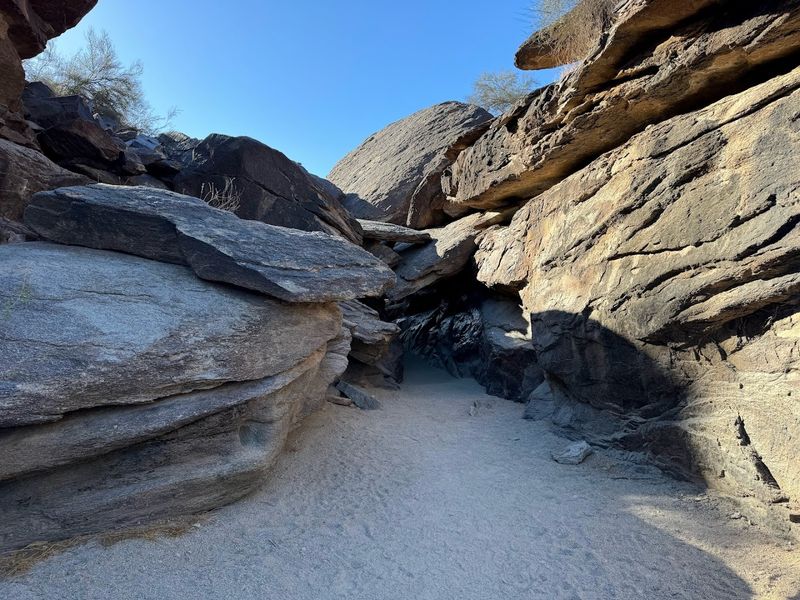
South Mountain Park on the southern edge of Phoenix hides a geological quirk that most people driving past on the freeway have absolutely no idea exists just a short hike away from the trailhead.
Hidden Valley Natural Tunnel is a passage formed by massive stacked granite boulders that create a low, narrow tunnel visitors must crouch or crawl through to reach the hidden valley on the other side, and that physical challenge is a big part of what makes it so memorable.
The tunnel is not a cave in the traditional sense, but the way the boulders close overhead and the light disappears as you move through the passage gives it a genuinely cave-like feeling that surprises most first-time visitors.
The hike to reach the tunnel follows the Hidden Valley Trail for roughly two miles through classic Sonoran Desert scenery, with saguaros, ocotillo, and rocky ridgelines framing the path the entire way.
Going in the cooler months between October and March is strongly recommended, since the exposed desert trail can become punishingly hot during Phoenix’s long summer season.