
14 Natural Wonders In Oklahoma That Most People Don’t Know About
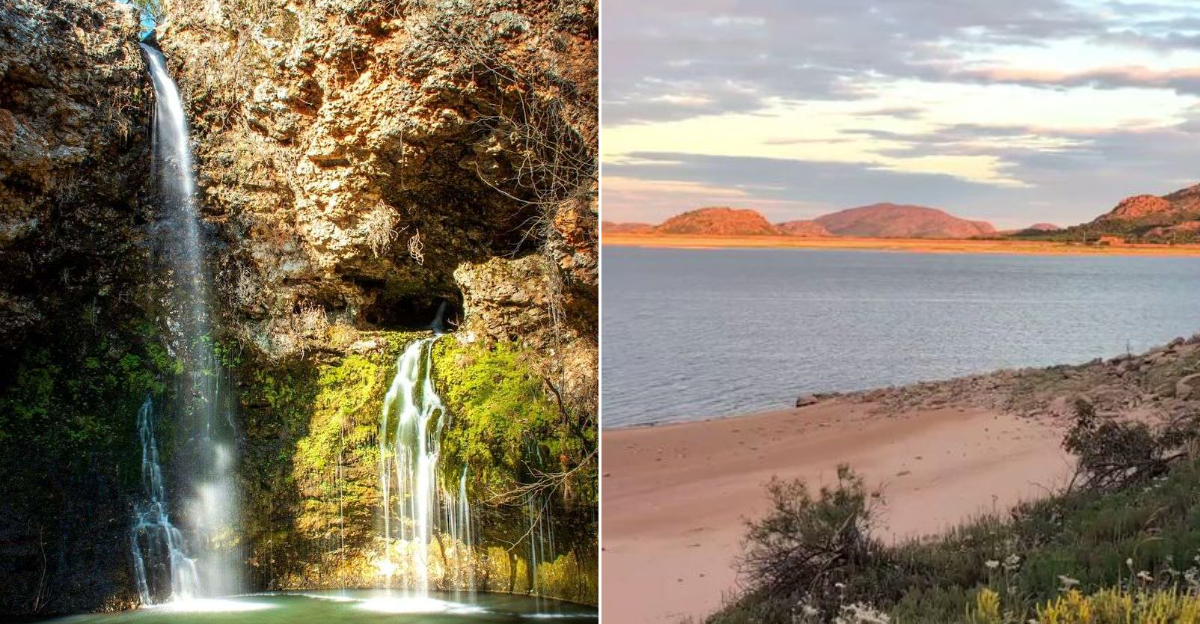
Oklahoma has a wild side that doesn’t always make the headlines. And honestly?
It might prefer it that way. While everyone is looking for the next famous destination, this state is quietly hiding caves, cliffs, forests, and landscapes that feel like they were left behind by a much bigger adventure map.
You can walk through underground worlds, climb above endless plains, stand among ancient trees, and watch nature put on a show without a giant crowd blocking the view. These places don’t need flashy signs or celebrity status.
They have something better: surprise. From hidden geological wonders to peaceful corners shaped by thousands of years, these Oklahoma natural wonders prove that the best discoveries are often the ones you almost miss.
1. Gloss Mountain State Park
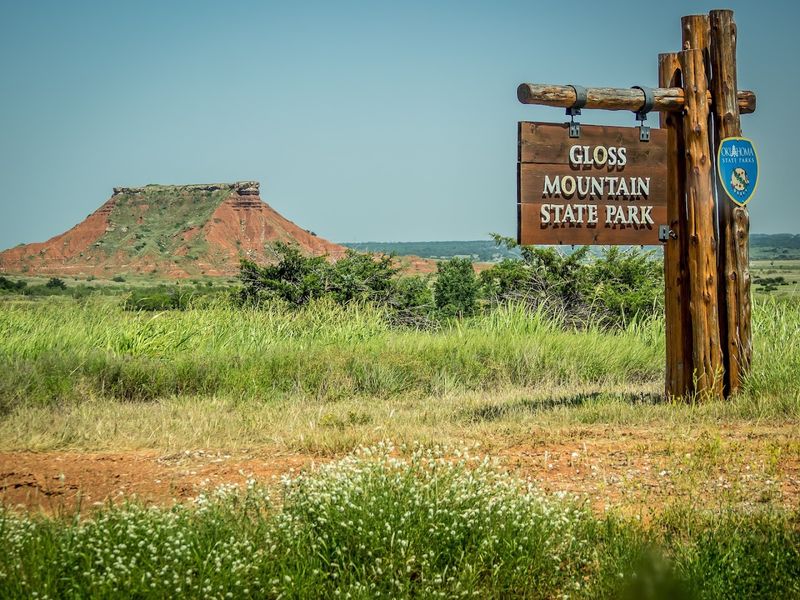
Imagine driving through the flat expanse of northwestern Oklahoma when suddenly a row of shimmering, glowing mesas rises from the earth like something from a fantasy novel. Gloss Mountain State Park earns every letter of its name.
The buttes here are capped with selenite gypsum, a mineral that catches sunlight and reflects it like broken glass scattered across a hilltop.
Located north of Fairview off Highway 412, these formations rise between 50 and 175 feet, with Lone Peak standing tallest among them.
They are remnants of an ancient inland sea that once blanketed western Oklahoma, leaving behind layers of red sandstone, shale, salt, copper, and gypsum. Indigenous tribes like the Cheyenne and Arapaho called them the “Shining Mountains,” and at sunset, you will understand exactly why.
The Cathedral Mountain hike rewards you with sweeping views of the valley floor and Lone Peak beyond. Buzzards and eagles circle overhead while lizards dart across the rocky trail beneath your feet.
It is geological time travel dressed up in a very dramatic outfit.
2. Alabaster Caverns State Park
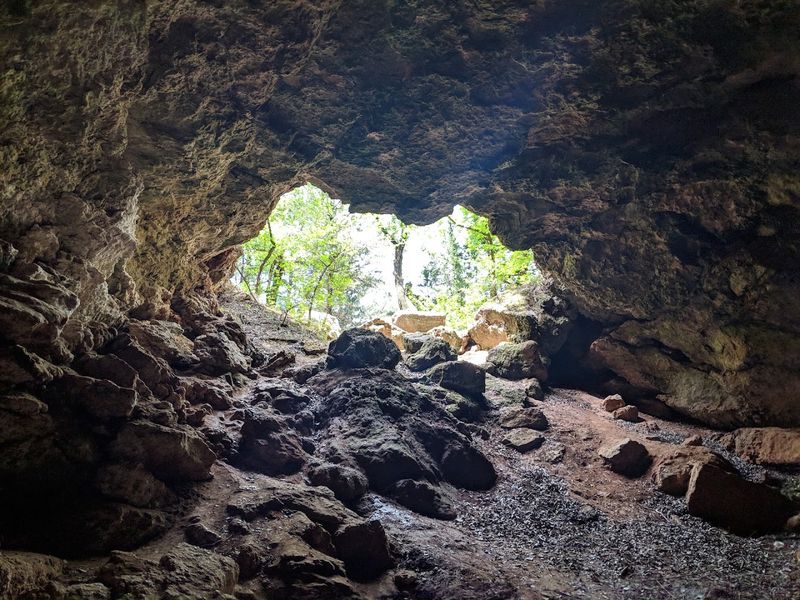
Most people think of caves as dark, damp, and a little spooky. Alabaster Caverns State Park is all of those things, but also somehow completely magical.
This is the largest natural gypsum touring cave open to the public in the entire United States, and the largest publicly accessible gypsum cave on the planet. That is not a small claim for a park tucked away in northwestern Oklahoma.
Found at 217036 State Highway 50A, Freedom, the cave stretches three-quarters of a mile underground and holds a steady 55 degrees Fahrenheit year-round.
The walls are sculpted from varicolored alabaster and selenite, minerals formed over 200 million years ago when ancient seas slowly evaporated and left behind crystallized layers of breathtaking beauty.
Daily guided tours take you through the cave’s chambers and formations, while wild-cave exploration is available seasonally for those craving extra adventure.
Above ground, the park hosts unique wildlife events including a celebrated bat watch that draws nature enthusiasts from across the region. Underground worlds rarely come this accessible or this stunning.
3. Natural Falls State Park
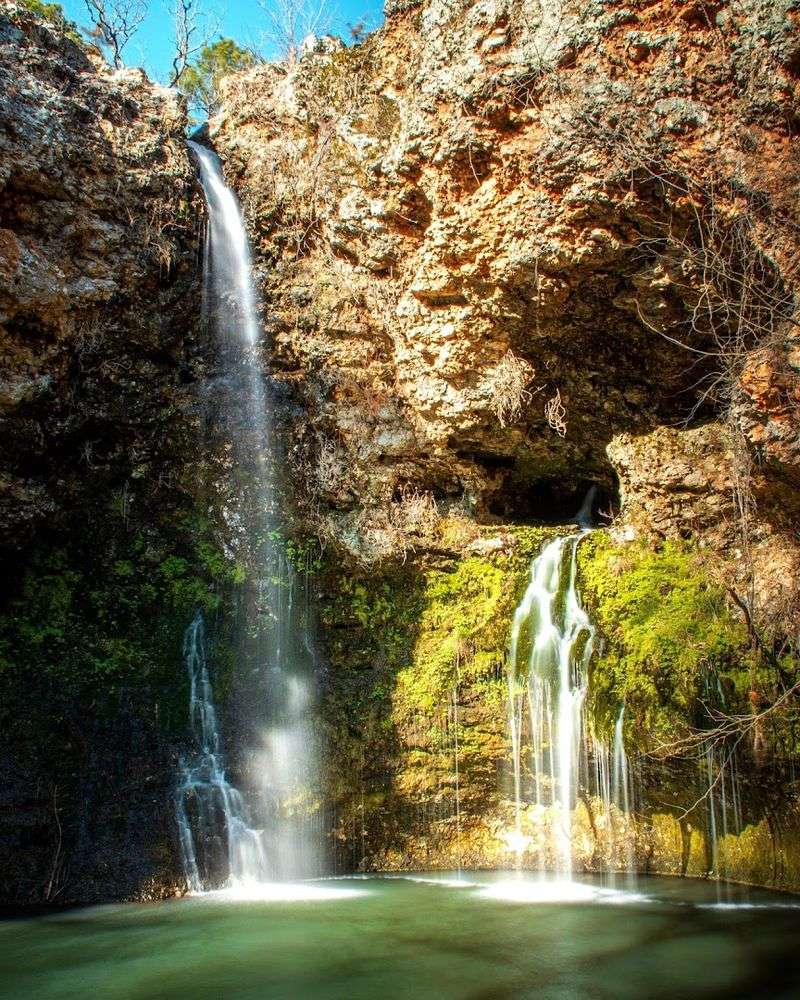
Tucked into the rolling Ozark foothills of northeastern Oklahoma, Natural Falls State Park is the kind of place that makes you stop mid-trail and just stare.
A 77-foot waterfall tumbles over ancient native rock into a narrow, V-shaped valley below, creating a roar you can hear long before you see it. Located at 19225 E 578 Road, Colcord, this park is genuinely one of Oklahoma’s most breathtaking natural treasures.
The constant mist from the falls nurtures a lush microclimate packed with ferns, mosses, and liverworts clinging to every surface.
Towering maples, white oaks, redbud, and pawpaw trees form a dense canopy overhead that turns absolutely electric with color in autumn. An observation platform gives you a sweeping panoramic view that honestly deserves its own movie poster.
Speaking of movies, film fans might recognize this scenery from the classic 1974 film “Where the Red Fern Grows.”
Oklahoma showing up on the silver screen? Totally earned.
Every visit here feels like stumbling onto a hidden world that the rest of the state forgot to mention.
4. Little Sahara State Park
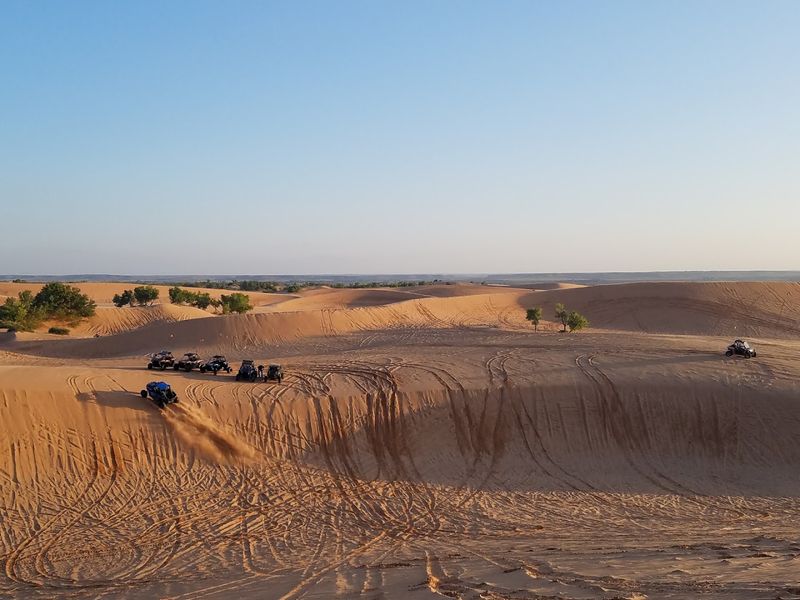
Nobody expects to find a desert in Oklahoma, and yet here we are. Little Sahara State Park is exactly what it sounds like: over 1,600 acres of towering sand dunes rising 25 to 75 feet high, sitting smack in the middle of the Great Plains.
It looks like someone copy-pasted a chunk of the Sahara into the American heartland and just never told anyone.
Located at 8951 U.S. Highway 281, Waynoka, these dunes were formed over thousands of years from ancient terrace deposits left by the prehistoric Cimarron River.
Wind constantly reshapes them, meaning the landscape you see today will look slightly different on your next visit. Sagebrush, sand plums, and eastern red cedar have adapted brilliantly to this harsh, shifting environment.
Fun historical footnote: U.S. Highway 281 had to be rerouted three separate times because the dunes kept swallowing it.
The park even brought in actual camels during the 1950s to boost tourism, which is either genius or completely unhinged. Probably both.
Sandboarding down these dunes is an experience that needs zero prior experience and delivers maximum joy.
5. Selenite Crystal Digging Area
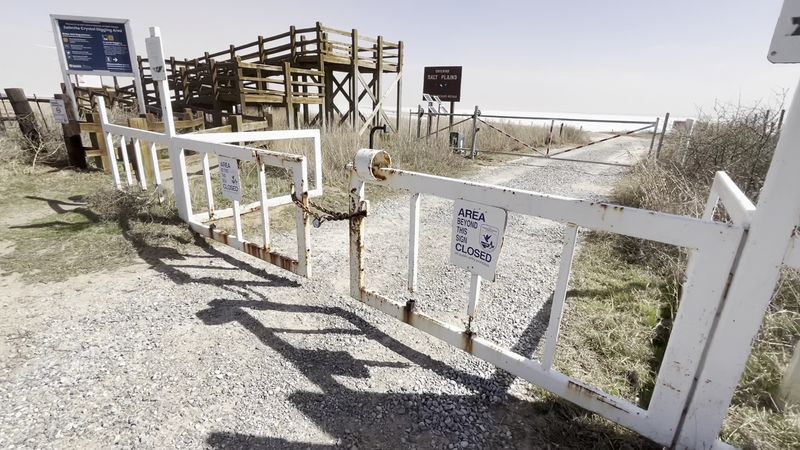
Somewhere between a geology field trip and a treasure hunt, the Selenite Crystal Digging Area near Cherokee is genuinely one of the most unusual natural experiences anywhere in the country.
This sprawling 12,000-acre salt flat holds a record that sounds almost too good to be true: it is the only place on Earth where you can dig for hourglass selenite crystals.
These crystals form just beneath the salt-encrusted surface and get their distinctive chocolate-brown color from iron oxide in the surrounding soil. Each one is essentially a tiny, naturally occurring sculpture that took thousands of years to develop.
From April 1st through October 15th, the site at 66003 Garvin Road, Cherokee, opens for free public digging, with the marked excavation area about a mile past the gate.
Long before crystal hunters arrived, early tribes and pioneers gathered salt from these very flats for survival.
Outside digging season, the area transforms into a critical resting stop for migratory waterfowl, including the endangered Whooping Crane. Finding your first hourglass crystal feels like the earth handing you a personal gift.
6. Black Mesa Summit Trail
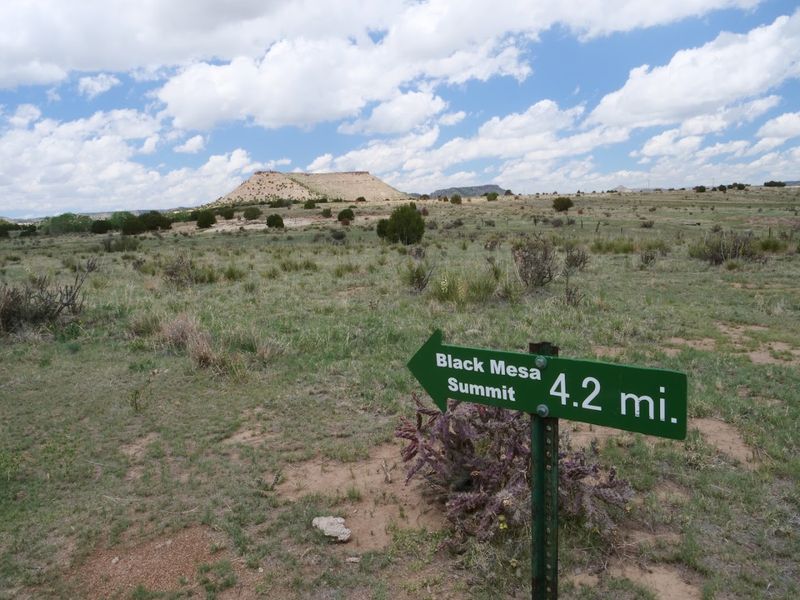
Oklahoma’s highest point sits at a cool 4,973 feet above sea level, and getting there means hiking one of the most geologically fascinating trails in the state.
Black Mesa Summit Trail leads to a place where the Rocky Mountains and the shortgrass prairie ecosystem overlap in a way that feels almost impossible. The dark pumice cap crowning the mesa is a remnant of volcanic activity from 30 million years ago.
The trailhead sits off County Road 325, Kenton, heading east then north toward the Nature Conservancy preserve. The 8.4-mile out-and-back hike is rated intermediate to expert, featuring a satisfying 600-foot climb up the mesa’s side through juniper, shrub oak, and scattered cacti.
It is the kind of hike that earns its views.
At the summit, a granite monument marks the official high point of Oklahoma, and on a clear day you can see into both New Mexico and Colorado.
Deer roam the trail regularly, and bighorn sheep have been spotted for those patient enough to scan the ridgelines. Standing on top of Oklahoma feels exactly as epic as it sounds.
7. Red Rock Canyon Adventure Park
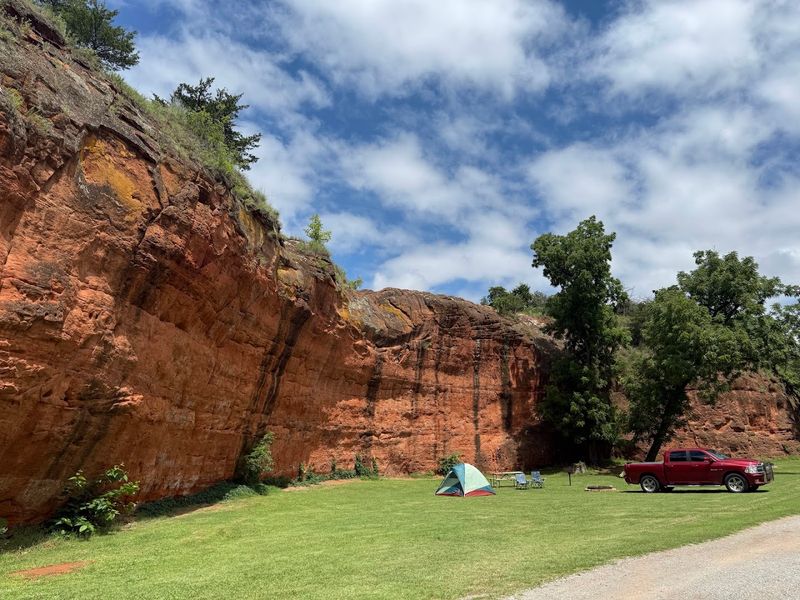
Red Rock Canyon Adventure Park near Hinton is the kind of place that makes your jaw drop before you even step out of the car.
Sixty-foot walls of deep red sandstone rise on either side like the earth itself decided to put on a show. These cliffs are 250 to 270 million years old, dating to the Late Permian period, and their rich color comes from oxidized iron minerals like hematite streaked with darker manganese oxide.
Located at 116 Red Rock Canyon Road, Hinton, the canyon was carved by wind, water, and even ice-age climate shifts over countless millennia.
The result is a landscape full of dramatic features including the gravity-defying Balancing Rock spire, hoodoo-like pinnacles, and visible wagon ruts carved into sandstone by pioneers traveling the California Road during the 1849 Gold Rush.
Plains Indian tribes once wintered here, drawn by freshwater streams and abundant game sheltered within the canyon walls.
Today, over 12 miles of hiking trails let you explore every dramatic corner of this geological masterpiece. History and geology rarely share the same trail this well.
8. Keystone Ancient Forest
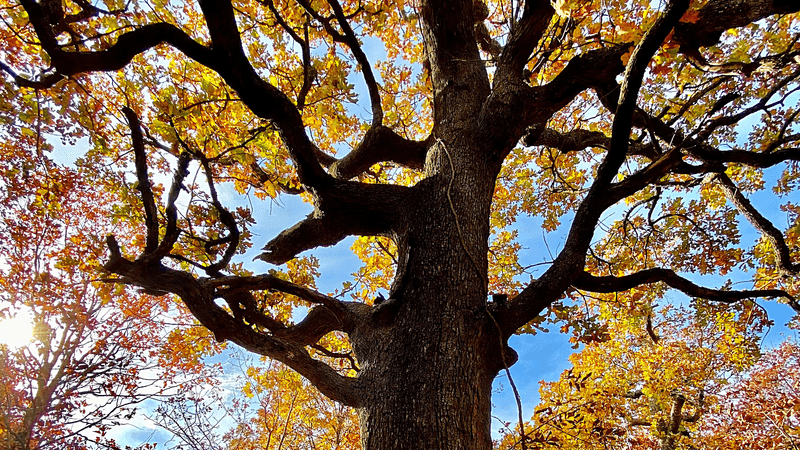
There is something humbling about standing next to a tree that was already 200 years old when the United States was founded.
Keystone Ancient Forest in Sand Springs is home to post oaks stretching back 300 years and cedar trees that have been quietly living for over 500 years. The Nature Conservancy has called this one of “the last great places on Earth,” and walking among these giants, you start to believe it.
Situated at 160 Ancient Forest Drive, Sand Springs, this 1,300-acre preserve rests along the shores of Keystone Lake. The forest has never been cleared or cultivated, meaning what you see is genuinely ancient and untouched.
That kind of ecological continuity is extraordinarily rare in the modern landscape of the American Midwest.
Wildlife here is abundant and wonderfully diverse, including deer, American eagles, bobcats, over 80 species of butterflies, and a rotating cast of migratory birds. Every season brings something new to discover along the forest trails.
Walking through Keystone Ancient Forest is less of a hike and more of a quiet conversation with centuries of uninterrupted nature.
9. Blue River
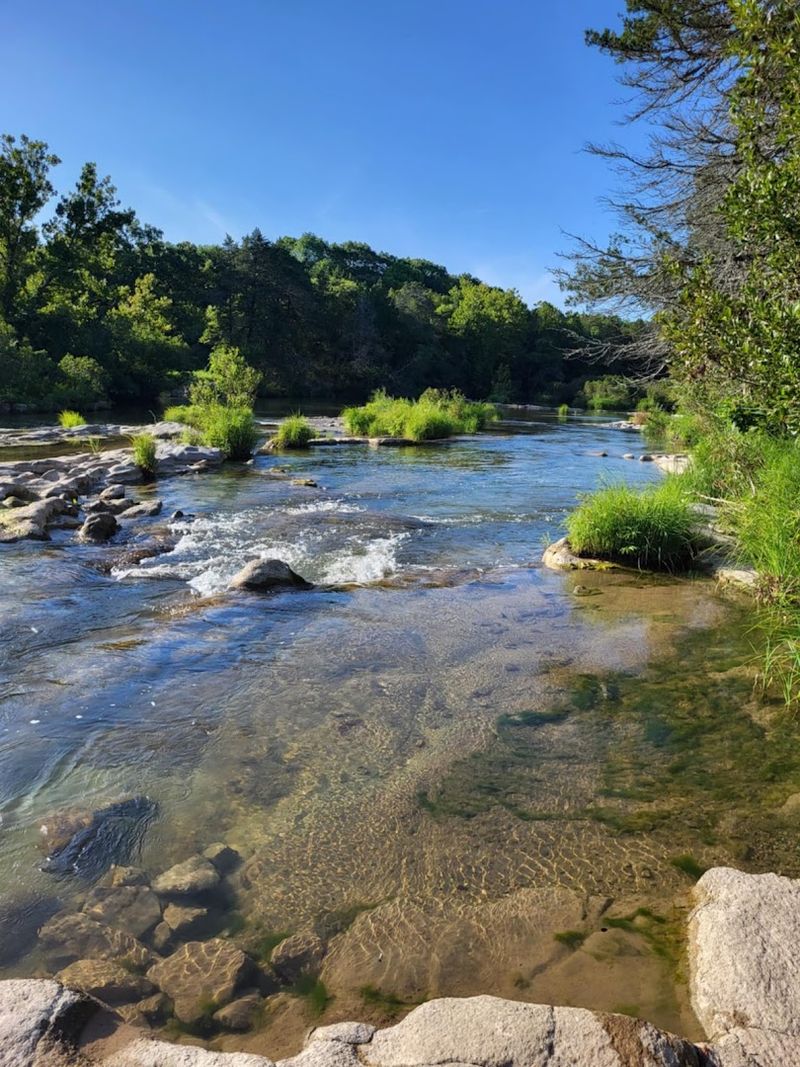
Crystal-clear rivers are rare, and the Blue River near Tishomingo is the kind of waterway that makes you wonder why it isn’t more famous.
Fed consistently by natural springs originating near Connerville in Johnston County, this river runs over a rocky bottom with the kind of clarity that lets you count the stones on the riverbed from the bank. Cold, clean, and endlessly scenic.
Located 9.5 miles northeast of Tishomingo, the Blue River is classified as a Class II-III waterway, meaning it has enough energy to keep kayakers engaged while still being approachable.
Natural falls and ledges punctuate the river’s course as it winds southeast toward the Red River, creating a constantly shifting and picturesque landscape. Lush riparian woodlands line both banks, adding dense green canopy overhead.
The river supports a designated trout fishing area, which is genuinely uncommon for Oklahoma and speaks to the exceptional water quality here.
Primitive camping along the banks lets you fall asleep to the sound of moving water and wake up to birdsong. The Blue River is the kind of place that makes you slow down and breathe differently.
10. McGee Creek Natural Scenic Recreation Area
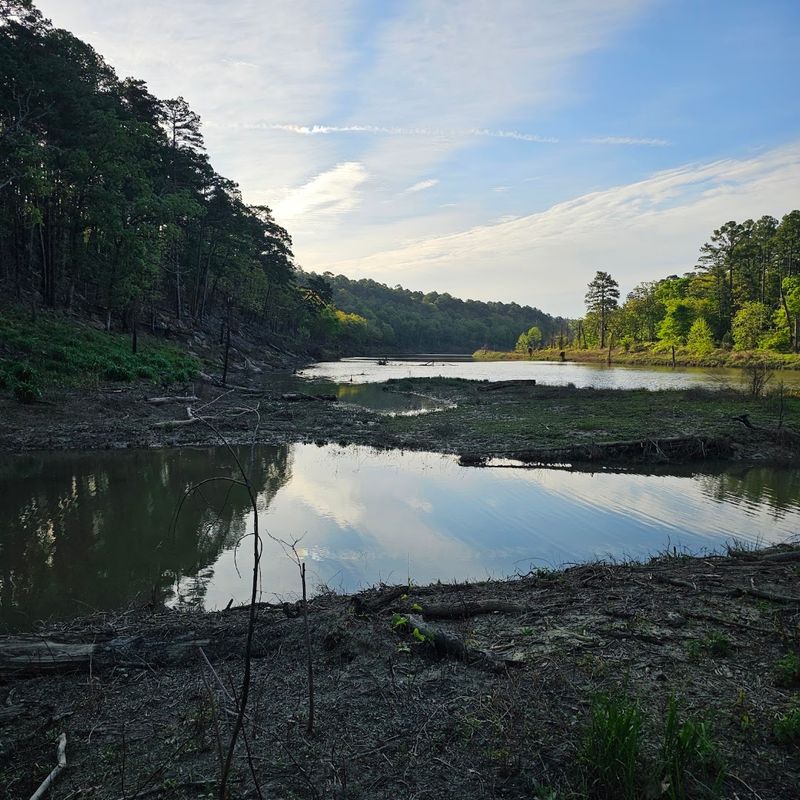
If you have ever wanted to feel like you genuinely discovered somewhere, McGee Creek Natural Scenic Recreation Area is your place.
Tucked into the northeast corner of McGee Creek State Park near Atoka, this wilderness area offers over 25 miles of trails threading through densely forested hills, small prairies, and the edges of McGee Creek Lake, a stunning 3,810-acre reservoir.
Found at 2011 N Centerpoint Road, Atoka, the area sits at the western edge of the Ouachita Mountain Range.
That positioning creates a unique microclimate where temperate and subtropical plant species grow side by side, producing an unusually rich and diverse botanical landscape. Picturesque waterfalls and clear streams appear along the trails, rewarding those willing to wander a little further from the trailhead.
Motorized vehicles are completely prohibited throughout the recreation area, making it one of Oklahoma’s rare truly quiet wilderness experiences.
Hikers, mountain bikers, and horseback riders share the trails without the hum of engines anywhere nearby. The wildlife here, from deer to rare bird species, seems to know it is safe, and moves with a confidence that turns every trail walk into something memorable.
11. Boiling Springs State Park
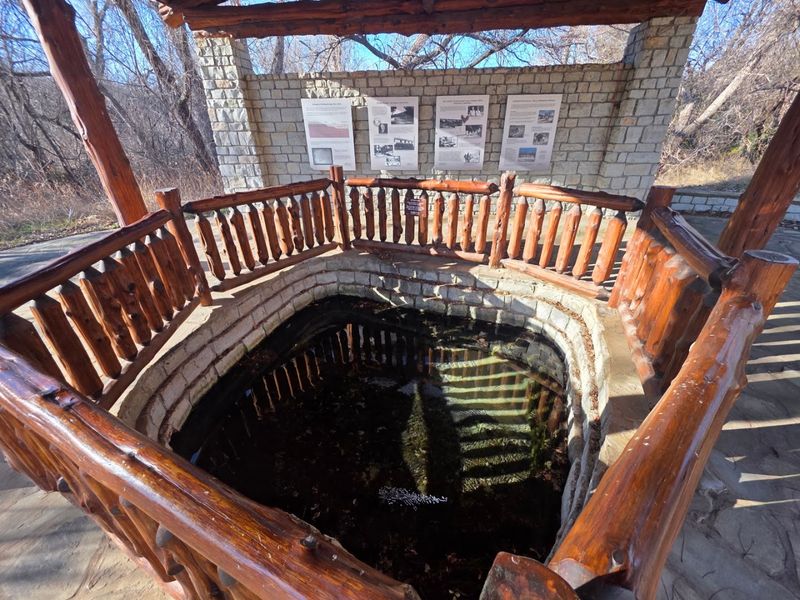
A spring that looks like it is boiling without any heat involved sounds like a magic trick, and honestly, it kind of is.
Boiling Springs State Park near Woodward gets its name from a natural phenomenon where sand and air are forced upward through the water, creating a continuous bubbling effect that mimics a boiling pot.
Science is occasionally just showing off.
Located at 207745 Boiling Springs Road, Woodward, this 820-acre park also features Shaul Lake, a serene 7-acre spring-fed body of water, and access to the North Canadian River with its inviting sandy white beaches.
The surrounding forests and varied terrain create a lush, verdant contrast to the open plains that surround the park on every side.
As one of Oklahoma’s original seven state parks, much of its infrastructure was built by the Civilian Conservation Corps during the 1930s, giving the whole place a wonderful sense of history layered beneath the natural beauty.
Whitetail deer, wild turkeys, beavers, bobcats, and a full supporting cast of wildlife call this park home. An on-site interpretive center helps explain the geology behind that wonderfully theatrical spring.
12. Roman Nose State Park
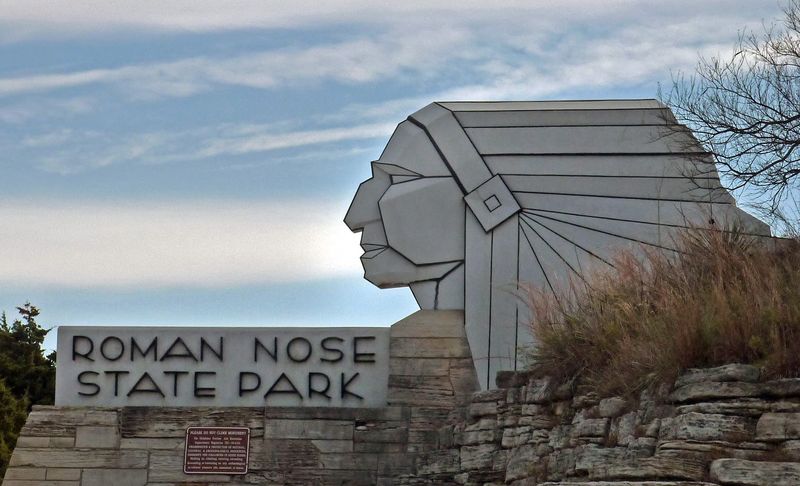
Named after the respected Cheyenne Chief Henry Roman Nose, this park carries both natural beauty and deep cultural significance in equal measure.
Roman Nose State Park sits inside a striking canyon where white gypsum cliffs catch the light and reflect it back across the landscape in a way that feels almost theatrical.
The canyon walls, the cedar trees, and the wild blue sage growing along the trails create a sensory experience unlike anywhere else in Oklahoma.
Situated at 3236 S Highway 8A, Watonga, the park features three natural springs, the most impressive being the “Spring of Everlasting Waters,” which flows at roughly 600 gallons per minute.
That kind of consistent natural output is extraordinary and helps explain the lush vegetation that thrives throughout the canyon despite its arid surroundings. Two scenic lakes, including the lovely Lake Watonga, round out the landscape beautifully.
Hiking trails wind through red rock bluffs and open prairie, offering views that shift dramatically with every turn.
Deer, sheep, and even bears have been spotted within the park boundaries, keeping wildlife watchers on their toes. Roman Nose is the rare place where geological drama and living history occupy the exact same canyon.
13. Quartz Mountain State Park
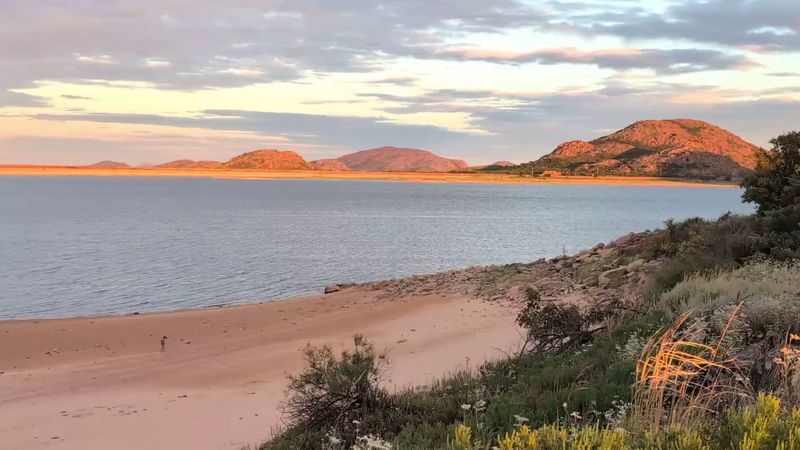
Where granite mountains meet prairie grasslands and a shimmering lake, something magical happens. Quartz Mountain State Park at the western edge of the Wichita Mountains is an ecological crossroads where drier western climates blend with wetter eastern ones, creating a biodiversity hotspot that genuinely surprises first-time visitors.
Baldy Point rises 300 feet above the surrounding prairie, drawing rock climbers and casual hikers alike.
Located at 14722 Highway 44A, Lone Wolf, the park sits beside Lake Altus-Lugert, whose calm waters reflect the granite peaks in a way that looks almost painted.
The landscape shifts dramatically between valley floors thick with tall grasses and hilltops dotted with prickly-pear cactus, yucca, and scrub oak. Wildflowers including gaillardia, sunflower, spiderwort, and prairie larkspur bloom across the terrain in vibrant seasonal waves.
Archaeological evidence suggests Paleo-Indian people hunted wooly mammoths in this area roughly 20,000 years ago, which adds an almost surreal depth to an afternoon hike.
Bald eagles visit in winter, migrating pelicans pass through seasonally, and mountain lions and bobcats patrol year-round. As one of Oklahoma’s original seven state parks established in 1937, Quartz Mountain has had a long time to perfect being extraordinary.
14. Joseph H. Williams Tallgrass Prairie Preserve
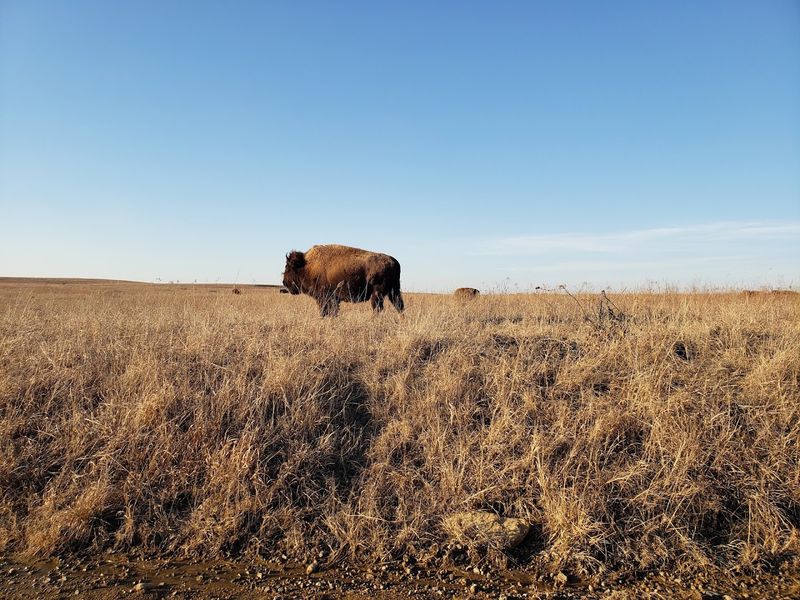
Standing in the middle of nearly 40,000 acres of undisturbed tallgrass prairie, watching a herd of over 2,000 free-roaming American bison move across the horizon, is one of those experiences that rewires something in your brain.
The Joseph H. Williams Tallgrass Prairie Preserve near Pawhuska is the largest protected tract of tallgrass prairie remaining on Earth.
That title carries real weight.
Located at 15316 County Road 4201, Pawhuska, this preserve sits within the rocky Flint Hills, where exposed limestone prevented widespread plowing and kept the native plant community nearly pristine. Around 800 species of native plants thrive here, including big bluestem and switchgrass that grow six to ten feet tall, turning the landscape into a living, breathing sea of grass that sways with every breeze.
A 15-mile scenic driving loop and designated hiking trails let you explore at your own pace.
Spring brings greater prairie-chickens performing their extraordinary “booming” courtship display at sunrise, and mid-May delivers bison calves bouncing across the fields like the prairie itself is celebrating.
Less than four percent of the original tallgrass prairie ecosystem survives today, making every acre of this preserve quietly, profoundly irreplaceable.
Have you ever stood somewhere and felt the full weight of what it means to protect something wild?