
Nevada Has The Juiciest Ribeye You’ll Ever Sink Your Teeth Into

Steak lovers like to argue about a lot of things. Doneness, seasoning, the eternal ribeye vs. filet debate. But here’s a little mystery I didn’t expect to solve in Nevada: how can one bite of steak make you question every other steak you’ve ever had?
Seriously. What’s the secret? The cut? The heat? Some desert-born grilling sorcery nobody’s talking about? One moment I was sitting down for what I thought would be a solid meal, and the next I was staring at my plate like it had just told me a secret.
Juicy. Bold. Practically dripping with flavor. The kind of steak that makes you pause mid-bite and think, wait… why doesn’t every ribeye taste like this?
Some mysteries aren’t meant to stay unsolved. This one just happens to be delicious.
The Ribeye Cut

Before this trip, I thought I had eaten good steak. I had grilled at home, ordered at fancy restaurants, and even done the whole steakhouse birthday dinner thing.
None of it prepared me for what a properly sourced, expertly cooked Nevada ribeye actually tastes like when it hits your plate.
The ribeye cut itself is a marvel of bovine biology. It comes from the rib section of the cow, specifically ribs six through twelve, and it carries more intramuscular fat than almost any other cut.
That fat, called marbling, is what gives ribeye its legendary richness. When heat meets that marbling, it bastes the meat from the inside out, creating a self-basting effect that no amount of butter can fully replicate.
What surprised me most was the depth of flavor. A well-marbled ribeye does not just taste like beef.
It tastes like something layered and complex, almost nutty in places, with a richness that lingers on your palate long after the last bite.
The outer crust, when seared properly at high heat, develops what food scientists call the Maillard reaction, which is basically a fancy way of saying the surface caramelizes into something extraordinary.
Nevada ranchers have long understood that the quality of life a cow lives directly impacts the quality of the meat it produces.
Wide open rangeland, clean grazing conditions, and low stress environments all contribute to beef that simply tastes better. Once you understand that, every single bite makes perfect sense.
Address Every Steak Lover Should Know
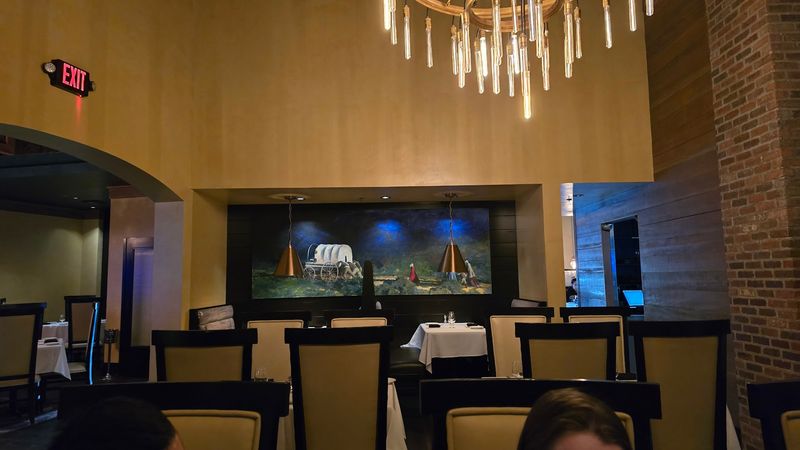
I pulled up to Nevada Steak on 13101 S Virginia St, Reno, NV 89511 on a Tuesday evening, which felt like the most wonderfully rebellious thing I had done in months. The location sits along South Virginia Street, one of Reno’s most traveled corridors, and the area has this energy that feels equal parts laid-back and alive.
There is something about Reno that always keeps you slightly on your toes in the best possible way.
South Virginia Street stretches through the southern part of the city and connects some of Reno’s most beloved dining and lifestyle destinations.
The address at 13101 puts you right in the heart of a stretch that locals know well. Surrounded by the Sierra Nevada mountains in the distance and the high desert stretching out around you, the setting alone sets the mood before you even walk through a door.
What struck me about being in this part of Reno was how the city blends its Western roots with a genuinely modern food culture.
You are never far from something that surprises you here. The elevation sits at around 4,500 feet, and there is a crispness to the air that somehow makes everything taste sharper and more vivid, including steak.
Reno has been quietly building a reputation as a serious food city, and South Virginia Street is one of the corridors leading that charge.
Coming to this address felt less like a dinner stop and more like a destination, which is exactly the kind of steak experience worth writing home about.
The Sear That Stopped Me Mid-Sentence
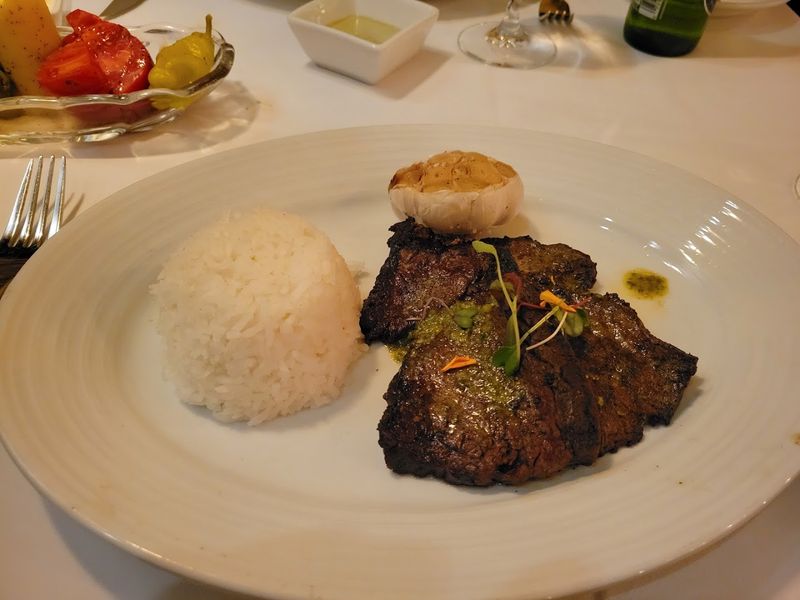
Midway through describing something completely unrelated to food, I took my first bite of that ribeye and just stopped talking. My travel companion looked up from across the table, and I held up one finger like a professor about to deliver the most important lecture of the semester.
That sear deserved full, undivided attention.
A proper sear is not just about color. It is about building a crust that locks in juices, adds textural contrast, and delivers flavor compounds that you simply cannot get any other way.
The best sears happen when the pan or grill surface is screaming hot before the meat ever touches it. That initial contact creates an almost instant caramelization that seals the surface and begins building layers of flavor in seconds.
Nevada steakhouses tend to take their cooking temperatures seriously. High-heat cooking, whether on open flame grills or commercial flat tops, is a point of pride.
Some places use wood-burning setups that add a subtle smokiness to the crust, which takes the whole experience to a completely different level of delicious.
The contrast between that shatteringly crisp outer crust and the soft, yielding interior is what makes a ribeye feel almost theatrical. Every cut of the knife through that steak felt like a small event.
The juices pooled on the plate.
The steam rose. The aroma hit before the flavor did, which is its own kind of joy.
That sear converted me into a person who now judges every steak by the standard I experienced in Nevada, and nothing has come close since.
Nevada Ranching Culture

Nevada is the seventh largest state in the country and one of the least densely populated, which means cattle here have room to roam in a way that is increasingly rare. That space matters more than most people realize when it comes to the quality of the beef on your plate.
Ranching in Nevada has deep historical roots going back to the mid-1800s when settlers and ranchers moved westward and discovered that the Great Basin’s hardy grasses could sustain cattle through tough seasons.
The tradition that developed over those generations created a ranching culture that values land stewardship, animal welfare, and the kind of patience that produces genuinely superior beef.
Grass-fed and range-raised cattle develop different muscle composition compared to feedlot animals.
Their fat profiles differ, their flavor profiles differ, and their overall texture differs in ways that become unmistakably clear once you taste the final product side by side. Nevada beef has a slightly more complex, mineral-forward flavor that reflects the diverse plant life the cattle graze on across the high desert landscape.
I spoke with someone at a local market before my dinner who explained that the elevation and dry climate of Nevada actually affect how cattle metabolize their food, contributing to a leaner but still richly marbled final product.
That combination of leanness and marbling is the sweet spot every steak lover chases.
Understanding where your steak comes from transforms the act of eating it into something that feels connected and meaningful, not just delicious.
Getting Your Ribeye Done Right

Ordering a ribeye at the wrong temperature is a decision you will think about for the rest of the meal, and I say that as someone who once made that exact mistake out of politeness.
I did not want to seem fussy, so I said medium when I meant medium-rare, and I spent the next twenty minutes quietly mourning my choices.
Medium-rare is the gold standard for ribeye, and there is real science behind that recommendation. At an internal temperature of around 130 to 135 degrees Fahrenheit, the fat within the marbling has fully rendered and distributed through the meat.
Go too far toward medium-well or well-done and you begin squeezing moisture out of the muscle fibers. The fat that should be silky and luscious starts to congeal.
The texture shifts from yielding to chewy. You lose the very qualities that make a ribeye worth ordering in the first place.
Nevada steakhouses tend to be very precise about their temperatures, and the good ones will tell you exactly what they recommend for their specific cut and sourcing. Trusting that recommendation is almost always the right call.
Letting the steak rest after cooking is equally important, as it allows the juices to redistribute evenly throughout the cut.
Cutting too early sends all that beautiful juice running straight onto your plate instead of staying exactly where it belongs, inside every single bite.
Sides That Belong On The Same Plate
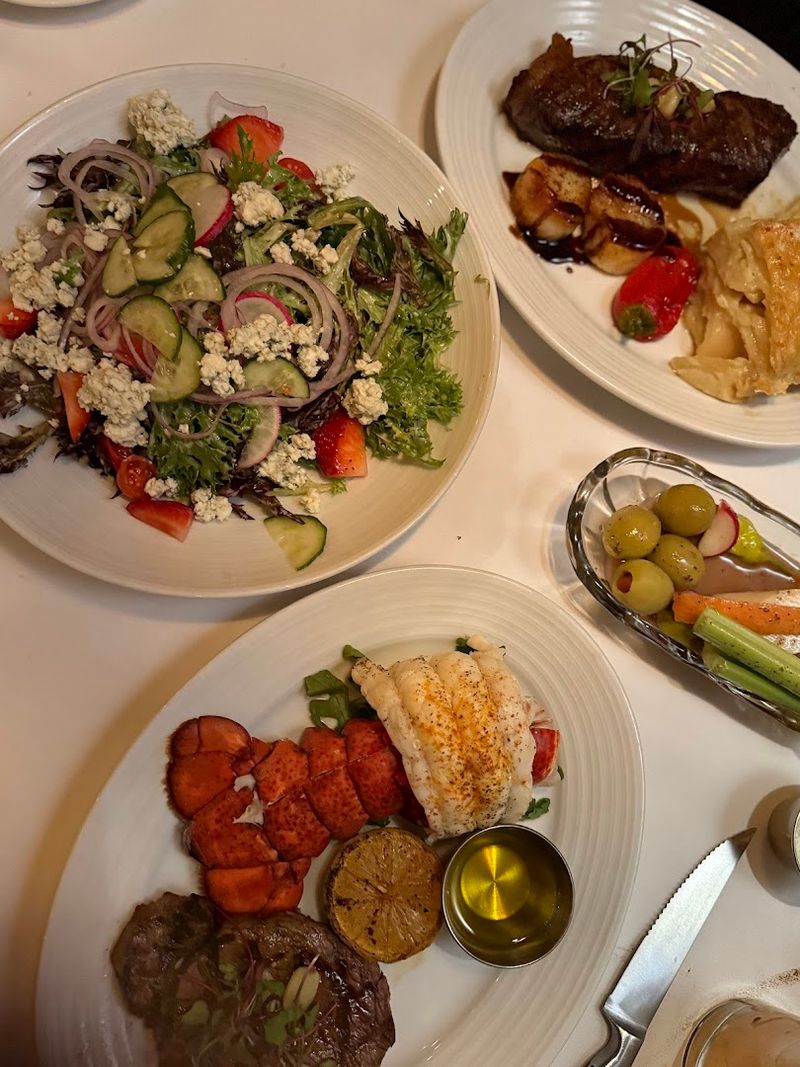
A great ribeye does not need much help, but the right sides can turn a fantastic meal into a full-on memory. I learned this the hard way after ordering a plain side salad out of habit on my first Nevada steak night.
The steak was glorious. The salad was just there, existing quietly and apologetically beside it.
The second time around, I committed fully. Creamy mashed potatoes loaded with butter and seasoned simply so they do not compete with the steak.
Roasted asparagus with just a bit of char on the tips. A classic wedge salad with blue cheese dressing that cuts through the richness of the beef with its tangy creaminess.
These are the supporting cast members that understand their role and play it beautifully.
Creamed spinach is another legendary pairing that shows up on Nevada steakhouse menus with good reason.
The richness of the cream sauce and the slight bitterness of the spinach create a balance that makes both the vegetable and the steak taste more like themselves, if that makes any sense.
Bread service before the main course is worth paying attention to as well. Fresh, warm rolls with soft butter are a ritual at serious steakhouses, and arriving hungry enough to appreciate them without filling up entirely is a skill worth developing.
The best sides do not steal the spotlight. They frame the ribeye like a well-chosen setting frames a gemstone, making the centerpiece shine even brighter by contrast.
Why Nevada Ribeye Is Worth Planning An Entire Trip Around
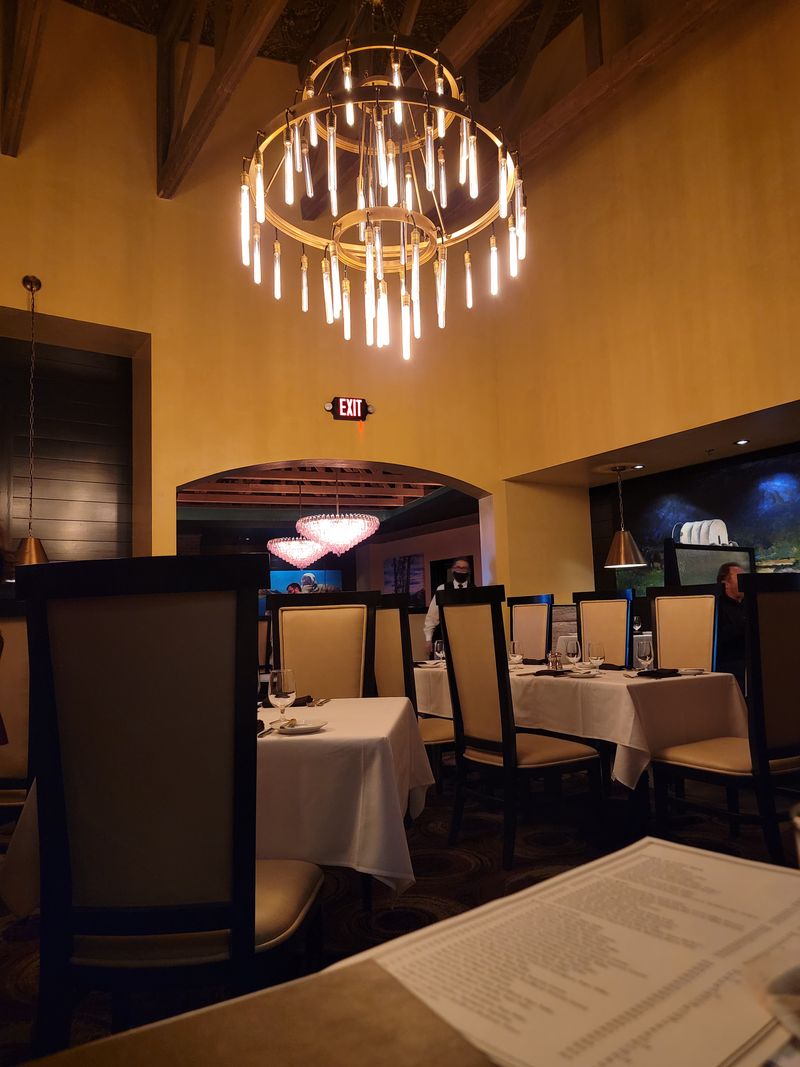
Some meals exist in the background of a trip. They are fuel, they are fine, they are forgotten by the time you are back home unpacking.
And then there are meals that become the actual reason you tell people about a trip in the first place. Nevada ribeye is firmly in that second category, and I will stand by that statement indefinitely.
Reno itself is a city that rewards visitors who go beyond the obvious. The food scene has matured significantly over the past decade, drawing chefs and culinary talent who appreciate the city’s blend of outdoor culture, creative energy, and genuine community pride.
A steak dinner in Reno is not just a meal. It is an experience embedded in a place that has its own distinct personality.
Planning a trip around food is something I used to think was excessive, until I started doing it and realized that building an itinerary around great eating actually makes every other part of the trip better too. You are more present, more curious, and more open to discovery when your meals are giving you something worth paying attention to.
Nevada ribeye, specifically the kind you find in Reno along the South Virginia Street corridor, represents the best of what regional American beef culture can produce. It is honest food made with real craft, rooted in a landscape that shapes everything it touches.
So tell me, what is stopping you from booking that trip and finding out firsthand what a truly perfect ribeye tastes like?