
18 New Jersey Dinner Table Traditions From The 1960s That Would Surprise Today’s Families
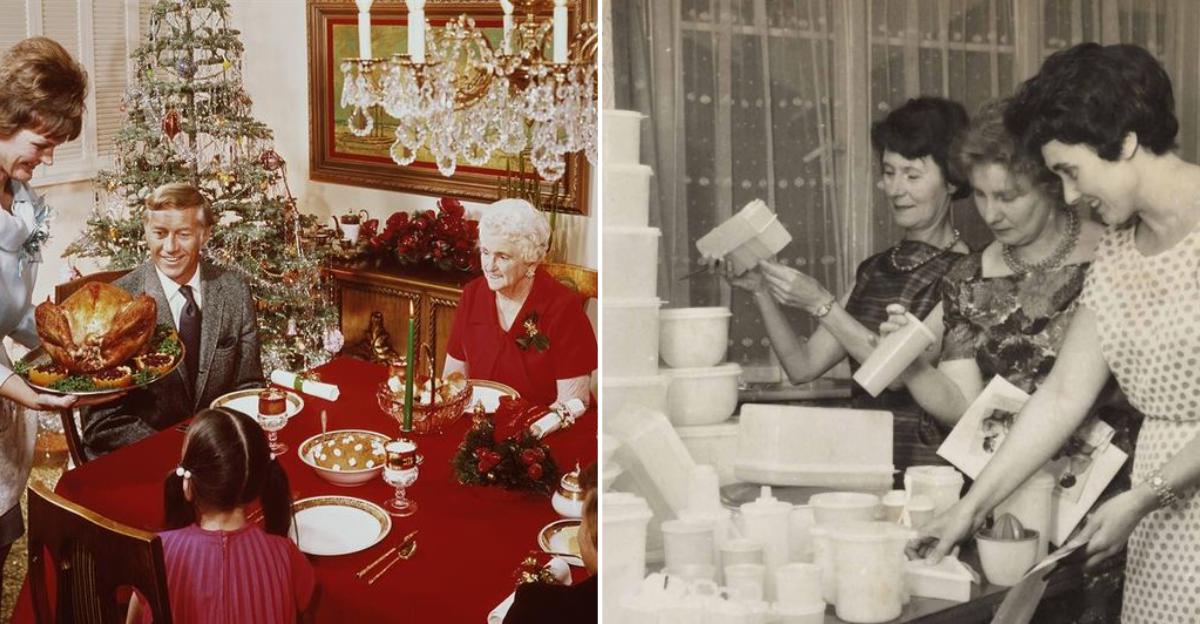
Dinner tables in 1960s New Jersey looked nothing like what we see today. Families gathered around meals that followed strict rituals, seasonal rhythms, and unspoken rules that kept everyone in line.
These traditions shaped how kids grew up, what they expected at mealtime, and how communities stayed connected through food.
To some of you, these traditions might be familiar, but some of them will definitely surprise you.
1. Sunday Gravy Marathon: Meatballs, Sausage, And Braciole At Mid-Afternoon
Sunday afternoons meant one thing in Italian-American households: gravy bubbling on the stove for hours.
The sauce started early morning, with meatballs rolled by hand and braciole tied with string, filling the house with garlic and tomato aromas. Families ate late, around two or three o’clock, because good gravy could not be rushed.
My grandmother stood guard over that pot like a sentry, stirring and tasting until everything tasted just right. The sauce coated the rigatoni perfectly, and everyone got seconds before the meat even hit the table.
Nobody left hungry, and leftovers fed the family through Monday night.
2. Friday Meatless Tradition: Fish Sticks, Pizza, Or Tuna Casserole
Catholic families skipped meat every Friday, turning to fish sticks, frozen pizza, or tuna casserole instead. Fish sticks came out of the oven golden and crispy, served with tartar sauce and a side of peas.
Tuna casserole mixed noodles, canned tuna, cream of mushroom soup, and crushed potato chips on top for crunch.
Pizza night felt like a treat, even though it was a religious rule. Some families ordered pies, but most made English muffin pizzas at home with sauce and mozzarella.
Friday dinners were lighter, faster, and gave moms a break from the usual cooking marathon that defined the rest of the week.
3. Salad After The Main: Good Seasons In The Glass Cruet
Salad never came first back then. Families ate their main course, cleared the plates, and then brought out lettuce with tomatoes and cucumbers.
Good Seasons dressing packets got mixed right at the table in a glass cruet, shaken with oil, vinegar, and water until everything blended smoothly.
Kids watched the adults pour the dressing, fascinated by how the powder turned into something tangy and flavorful. Salad was a palate cleanser, not an appetizer, and it signaled that dessert was coming soon.
The cruet stayed on the table all week, refilled whenever the dressing ran low, becoming a permanent fixture in the kitchen rotation.
4. Milkman On The Stoop: Glass Bottles And A Note For Extra
Milk arrived at the door in glass bottles, delivered before sunrise by the milkman who knew every family on his route.
Moms left notes requesting extra quarts, cream, or butter, and the milkman swapped empties for full bottles without ringing the bell. Cream rose to the top, and kids fought over who got to shake the bottle first.
I remember racing to grab the milk before school, the bottles ice-cold and slippery with condensation. The system worked on trust and routine, a kind of neighborhood contract that kept everyone fed.
When supermarkets took over, the milkman faded away, and so did those chilly glass bottles on the stoop.
5. Butter Versus Oleo: Real Stuff Saved For Company
Real butter cost more, so families saved it for Sunday dinners or when guests came over.
The rest of the week, margarine took its place, usually bought pre-colored yellow by the 1960s, even if older relatives remembered the earlier white blocks with dye packets you squished to mix.
Oleo spreaded more easily but never tasted quite as rich as the real thing.
Moms kept the butter dish in the fridge, rationing it carefully so it lasted through the week. The company got butter on their rolls, while the family made do with margarine and never complained.
It was one of those quiet sacrifices that stretched the grocery budget without anyone feeling deprived or left out at the table.
6. Bread Basket Center Stage: Seeded Italian And Kaiser Rolls
Bread sat in the middle of every table, piled high in a basket lined with a cloth napkin. Seeded Italian loaves and kaiser rolls came straight from the bakery, still warm and crusty on the outside.
Families tore off chunks, never sliced, and used them to soak up gravy or butter.
Bread was never an afterthought. It filled bellies, stretched meals, and gave everyone something to munch on while waiting for the main course.
Bakeries knew their regulars by name, setting aside the best loaves for families who showed up every Saturday morning without fail.
7. Dad Carves At The Table: Kids Run Plates And Gravy Boat
Roasts, chickens, and hams got carved right at the table, with Dad wielding the knife while everyone waited.
He sliced meat onto each plate, deciding who got the best cuts and who got the end pieces. Kids shuttled plates back and forth, carrying the gravy boat with both hands to avoid spills.
Carving was a performance, a sign of authority and skill that dads took seriously. My father sharpened his knife before every big meal, testing the blade with his thumb before making the first cut.
The ritual slowed dinner down, turning the meal into something formal and deliberate that required patience and respect.
8. Tupperware Burp Parties Stock Every Pantry
Tupperware parties turned storage into a social event, with neighbors gathering to see the latest containers and lids that burped air out for freshness.
Moms bought sets in pastel colors, stacking them in cupboards and using them for everything from leftovers to packed lunches. The seal kept food fresh longer, reducing waste and stretching meals through the week.
Every pantry had a Tupperware drawer that overflowed with mismatched lids and bowls. Hostesses earned free products by inviting friends, creating a network of women who swapped recipes and tips while shopping for kitchen gear.
The containers became icons of suburban life, practical and colorful reminders of how communities stayed connected.
9. Jell-O Rings And Ambrosia On Guest Nights
Fancy dinners called for molded Jell-O rings filled with fruit cocktail, shredded carrots, or even cottage cheese. The gelatin wobbled on the plate, sliced into neat wedges that kids either loved or avoided completely.
Ambrosia salad mixed canned mandarin oranges, mini marshmallows, coconut, and whipped cream into a sweet side dish that appeared at holidays and special occasions.
These dishes signaled effort and hospitality, showing guests that the hostess went the extra mile. Moms spent hours preparing the molds, chilling them overnight so they set perfectly.
The bright colors and wobbly textures made the table look festive, even if the flavors seemed strange by modern standards.
10. Siphon Seltzer For Spritzing Everything
Seltzer bottles with metal siphons sat on counters, ready to spritz plain water into something fizzy. Families used seltzer to make egg creams, mix with juice, or just drink plain for a little sparkle at meals.
The bottles were refilled at the seltzer works and delivered by a dedicated seltzer man, or you took them to be swapped at the store, making bubbly water a staple without buying soda.
I loved pressing the lever and watching the carbonated stream shoot into a glass, always aiming carefully to avoid spraying everywhere.
Seltzer felt fancy but cost less than bottled soda, making it a practical choice for everyday meals. The hiss and fizz added a little excitement to plain water, turning hydration into something fun.
11. Entenmann’s Crumb Cake Or A String-Tied Bakery Box
Dessert often came in a white cardboard box tied with red and white string, picked up at the bakery on the way home. Entenmann’s crumb cake was a weeknight favorite, with its thick layer of buttery crumbs on top of soft yellow cake.
Families sliced it right out of the box, no plates needed, and everyone grabbed a piece while standing around the kitchen.
Bakery boxes held cookies, danish, or pound cake, depending on what was on sale or what looked good that day. The string got saved and reused, wound into a ball in the junk drawer for tying packages later.
Simple, affordable, and delicious, these treats ended meals without fuss or fancy presentation.
12. Percolator Coffee After Dinner, Sanka For Late Sips
Coffee percolated on the stove after dinner, filling the house with a rich, roasted aroma that signaled the meal was winding down.
Adults gathered around the table for a cup, talking while kids cleared dishes and finished homework. Sanka offered a decaf option for those who wanted coffee flavor without staying up all night.
The percolator bubbled and hissed, a comforting sound that meant relaxation was near. My parents sat for an hour after eating, sipping slowly and catching up on the day.
Coffee was a ritual, a pause before the evening chores began, and it anchored the end of every family dinner with warmth and conversation.
13. No TV During Supper, Except Space Launches Or World Series
Television stayed off during dinner, a strict rule that kept families focused on conversation and food.
The only exceptions were major events like space launches or World Series games, when the whole family gathered around the set with plates balanced on laps. Normal nights meant talking about school, work, and neighborhood news without distractions.
Kids learned to listen and share stories, practicing manners and patience while adults led the conversation. The rule felt old-fashioned even then, but it created a space where everyone connected face-to-face.
When the TV did come on, it felt special, a rare break in routine that everyone remembered.
14. Clean-Plate Club Rules, With One Polite Bite Of New Things
Finishing everything on your plate was expected; no arguments allowed. The Clean-Plate Club meant no wasted food, even if you hated Brussels sprouts or liver.
Parents insisted on at least one polite bite of new foods, teaching kids to try things before deciding they disliked them.
Sitting at the table until your plate was empty felt like punishment some nights, especially when dinner included mystery casseroles or overcooked vegetables.
But the rule taught persistence and gratitude, reminding everyone that food was precious and not to be thrown away.
Dessert only came after the main course disappeared, creating a powerful incentive to choke down whatever was served.
15. Grace Before Meals, Assigned Seats, Cloth Napkins On Sunday
Prayers started every meal, with everyone holding hands and bowing heads while someone recited grace. Assigned seats kept order, with Dad at the head, Mom closest to the kitchen, and kids filling in the sides.
Sunday dinners brought out cloth napkins instead of paper, signaling that the meal was special and required better behavior.
I sat in the same chair every night, my spot as familiar as my own bedroom. The rituals created structure and predictability, teaching respect for food and family time.
Cloth napkins got folded carefully after the meal, tucked into napkin rings, and reused until laundry day came around again.
16. Blue-Law Planning: Shop Saturday, Feast Sunday
Blue laws closed most stores on Sundays, forcing families to plan ahead and shop on Saturday for the big weekend meals.
Grocery stores packed with shoppers stocking up for Sunday dinners, buying roasts, fresh vegetables, and bakery bread. Running out of milk or butter meant borrowing from neighbors, since corner stores stayed shuttered all day.
The law shaped weekly routines, making Saturday a bustling day of errands and Sunday a quiet day of cooking and family time. Moms planned menus carefully, checking pantries and making lists so nothing got forgotten.
The rhythm felt natural, a built-in pause that slowed life down and kept Sundays sacred for rest and big meals.
17. Summer Pride Plates: Jersey Corn And Tomatoes Up Front
Summer meant Jersey corn and tomatoes took center stage, served at almost every meal while they were in season. Corn got boiled or grilled, slathered with butter and salt, and eaten straight off the cob.
Tomatoes came sliced thick, sprinkled with salt and pepper, and nothing else, because they tasted perfect on their own.
Families drove to farm stands, picking the freshest produce and bragging about which farm grew the best corn. The pride was real, a regional identity tied to the Garden State’s agricultural roots.
Those summer plates were simple, seasonal, and unforgettable, a taste of home that defined New Jersey summers for generations.
18. Pork Roll And Cheese Night For Quick Midweek Dinners
Pork roll and cheese sandwiches saved busy weeknights when nobody had time for a big meal. The meat fried up fast, edges curling and crisping while American cheese melted on top.
Served on Kaiser rolls or white bread, these sandwiches were quick, filling, and uniquely Jersey, a regional staple that other states barely recognized.
My mom made them when she worked late, and nobody ever complained. Pork roll was salty, savory, and satisfying, paired with pickles or chips for a complete meal.
The simplicity was the point, a no-fuss dinner that kept everyone fed without spending hours in the kitchen or breaking the grocery budget.