
12 New Mexico Foods That Tell The Story Of The State’s Culture
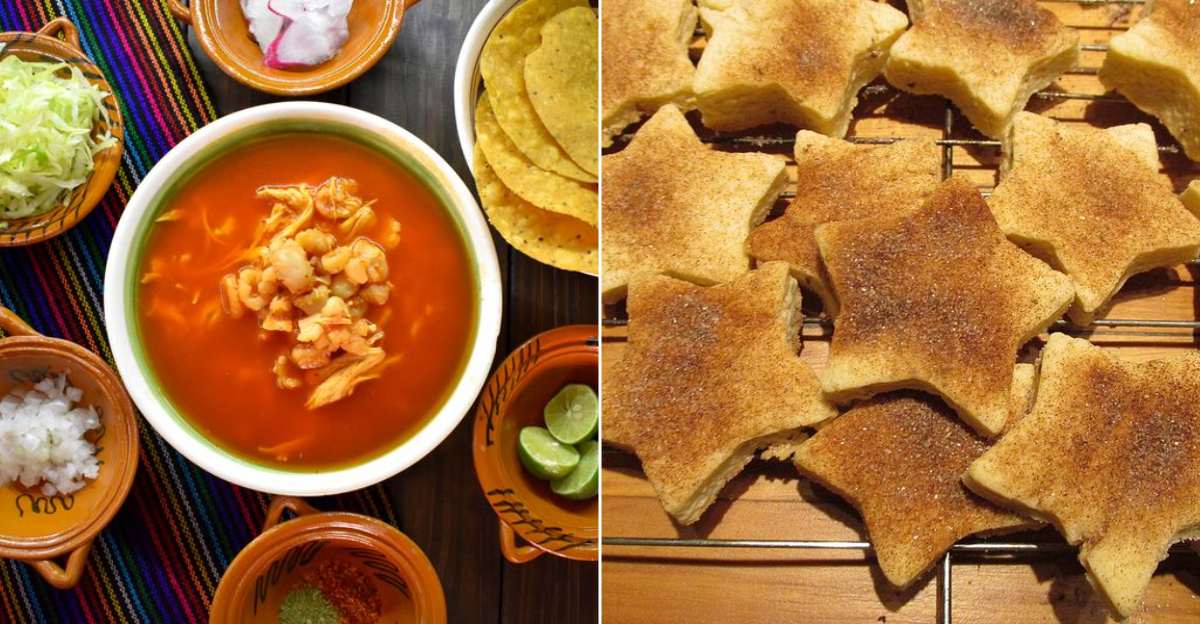
Some states have a signature dish. New Mexico has an entire flavor language.
Here, a meal can tell you where someone grew up, what traditions were passed down, and whether the debate over green chile or red chile has officially started at the dinner table.
From steaming bowls of green chile stew to stacked red chile enchiladas, homemade tamales, and comforting calabacitas, these foods are more than recipes.
They’re pieces of history served one plate at a time. The magic of New Mexican cuisine comes from the way Indigenous, Hispanic, and local traditions have blended over generations, creating flavors you won’t find anywhere else.
These iconic foods don’t just represent what this state eats.
They tell the story of the people, places, and culture behind every bite.
1. Green Chile Stew
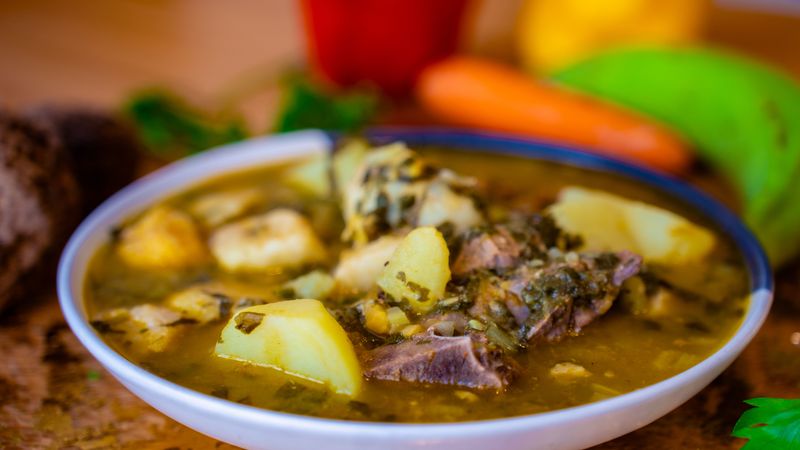
There is a reason New Mexico declared green chile its official state vegetable, and one steaming bowl of Green Chile Stew makes that decision feel like the most obvious thing in the world.
This dish is not just food, it is a cultural landmark simmering on every stovetop across the state. Indigenous Pueblo and Navajo peoples cultivated green chile peppers for over 400 years before Spanish explorers arrived and added pork to the mix.
The result of that beautiful collision is a slow-cooked stew that feels like it was made specifically for cold desert nights.
Roasted green chiles, tender pork, and hearty potatoes come together in a broth that somehow manages to be both spicy and deeply comforting at the same time. Some cooks add a touch of flour to thicken things up into a rich, gravy-like consistency that clings to every tortilla you dip into it.
Hatch Valley green chiles are considered the gold standard here, and chile harvest season in late summer is practically a state holiday.
Green Chile Stew is the dish that started it all, and it never stops delivering.
2. Carne Adovada
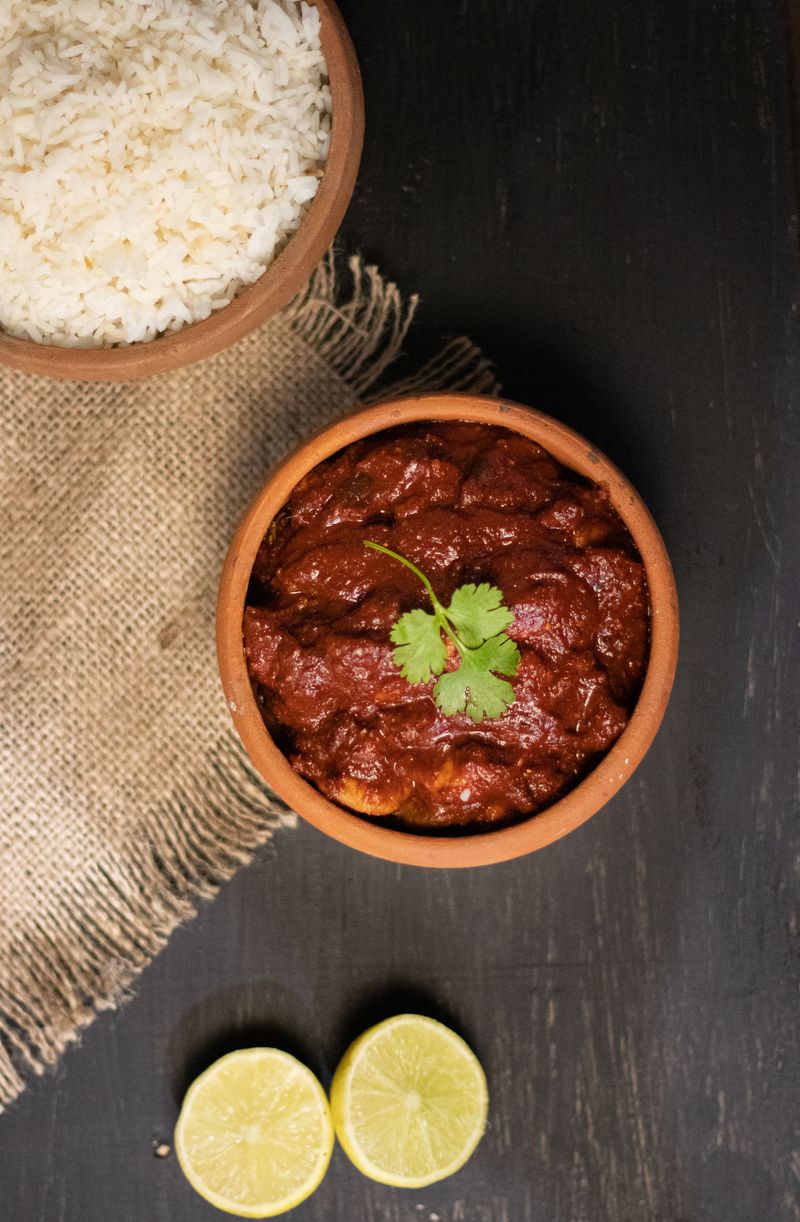
Carne Adovada is a slow-burn kind of love story, and we mean that in the most delicious way possible. This dish takes pork, bathes it overnight in a fiery red chile marinade, and then slow-cooks it until the meat practically falls apart at the slightest suggestion.
It is the kind of patience that pays off in ways that feel almost unfair to everyone who did not wait for it.
The origins of this dish trace back to a brilliant survival strategy. Before refrigeration existed, marinating pork in red chile was a practical way to preserve meat through harsh winter months.
Indigenous ingenuity met Spanish colonial ingredients, and the result became one of New Mexico’s most celebrated culinary treasures. The marinade typically includes earthy dried red chiles, garlic, oregano, and cumin.
What makes Carne Adovada so special is how versatile it is once it hits your plate. Eat it straight, stuff it into a burrito, layer it into enchiladas, or pile it onto eggs at breakfast.
It adapts to everything, but it never loses that bold, complex flavor that makes it unmistakably New Mexican.
3. Stacked Red Chile Enchiladas
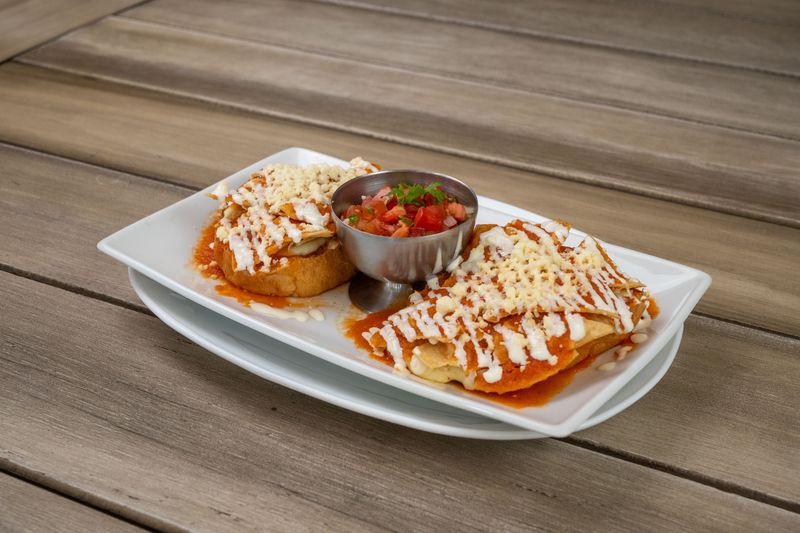
Forget everything you know about rolled enchiladas, because New Mexico does not play by those rules. Stacked Red Chile Enchiladas are built like little flavor towers, and they are glorious.
Flat corn tortillas are layered one on top of the other, each one generously smothered in a deeply earthy red chile sauce and blanketed with melted cheese.
A fried egg on top is not optional; it is practically law.
This dish has its roots in the early 19th century, when Aztec and Spanish culinary traditions blended in the isolated kitchens of New Mexico.
That geographic isolation is actually what kept the style so distinct. While the rest of the country rolled their enchiladas, New Mexico stacked theirs, and the difference is more than just structural.
The flavors develop differently when layered, building intensity with every forkful.
Ask for “Christmas style” and you will get both red and green chile sauces together, which is essentially the state’s way of saying why choose when you can have everything.
The famous state question, “Red or green?”, is not just a menu prompt. It is a cultural identity moment wrapped in delicious tortillas.
4. Posole
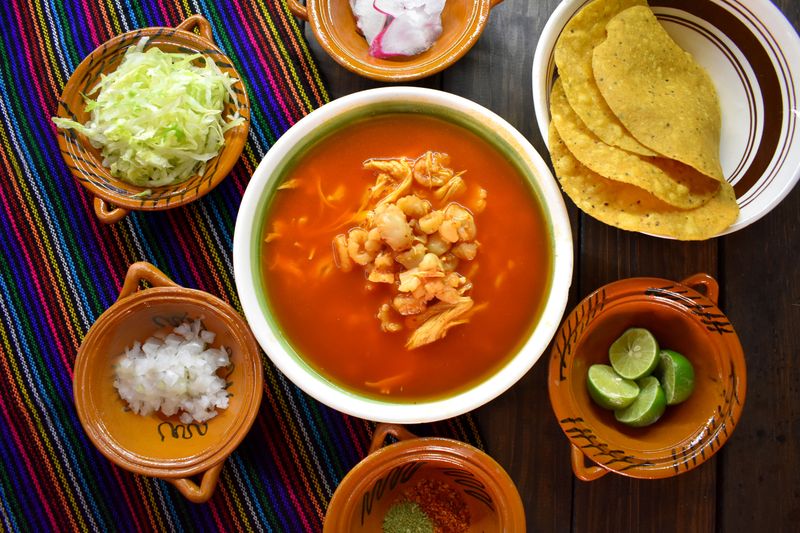
Long before posole became a trendy restaurant menu item, it was a sacred dish among Indigenous Mesoamerican peoples who believed maize was the very foundation of life itself.
That spiritual weight still lingers in every bowl, even if you are eating it at a kitchen table on a Tuesday night. Hominy, which is corn treated through a process called nixtamalization, gives posole its signature chewy, satisfying bite that regular corn simply cannot replicate.
Spanish settlers arrived and brought new ingredients into the mix, with chile becoming the flavor that truly defined the New Mexican version.
Today, posole is the dish you make for New Year’s Eve because tradition holds that it brings good fortune for the year ahead. It also shows up at Saints’ Day feasts, family reunions, and any gathering where people want to feel genuinely nourished.
The broth can be built on red chile for a smoky, robust depth, or green chile for something brighter and more assertive.
Shredded pork or chicken simmers alongside the hominy until everything melds into something impossibly comforting. Posole is not just a stew; it is a living piece of cultural memory passed from one generation to the next.
5. Green Chile Cheeseburger
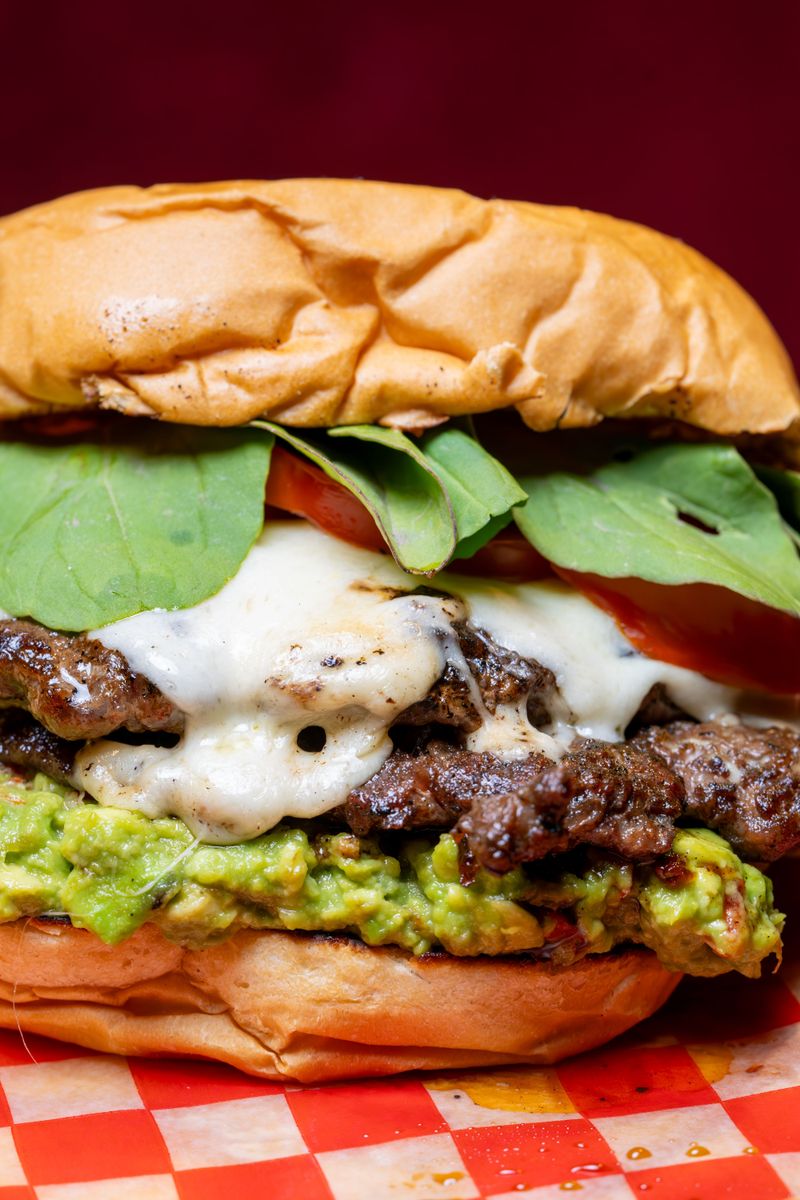
Nobody puts green chile in a corner, and New Mexico proved that by creating one of the most iconic regional burgers in the entire United States.
The Green Chile Cheeseburger is exactly what it sounds like and somehow still manages to exceed every expectation. A juicy beef patty gets topped with roasted green chile and a generous blanket of melted cheese, and suddenly a classic American burger transforms into something with genuine cultural DNA.
Green chile is not just a topping here; it is a philosophy. In New Mexico, it finds its way into breakfast, lunch, dinner, and every snack in between.
Putting it on a burger was not a gimmick; it was the natural evolution of a state that roasts green chile by the bushel every August and September. The smell of roasting chiles wafting through Hatch during harvest season is something people genuinely plan road trips around.
The Green Chile Cheeseburger Trail even exists as an official tourism route, connecting burger joints across the state that each put their own spin on this beloved staple.
It is approachable, satisfying, and deeply tied to the identity of everyday New Mexican life. One bite and you will understand why this burger has its own following.
6. Smothered Breakfast Burrito
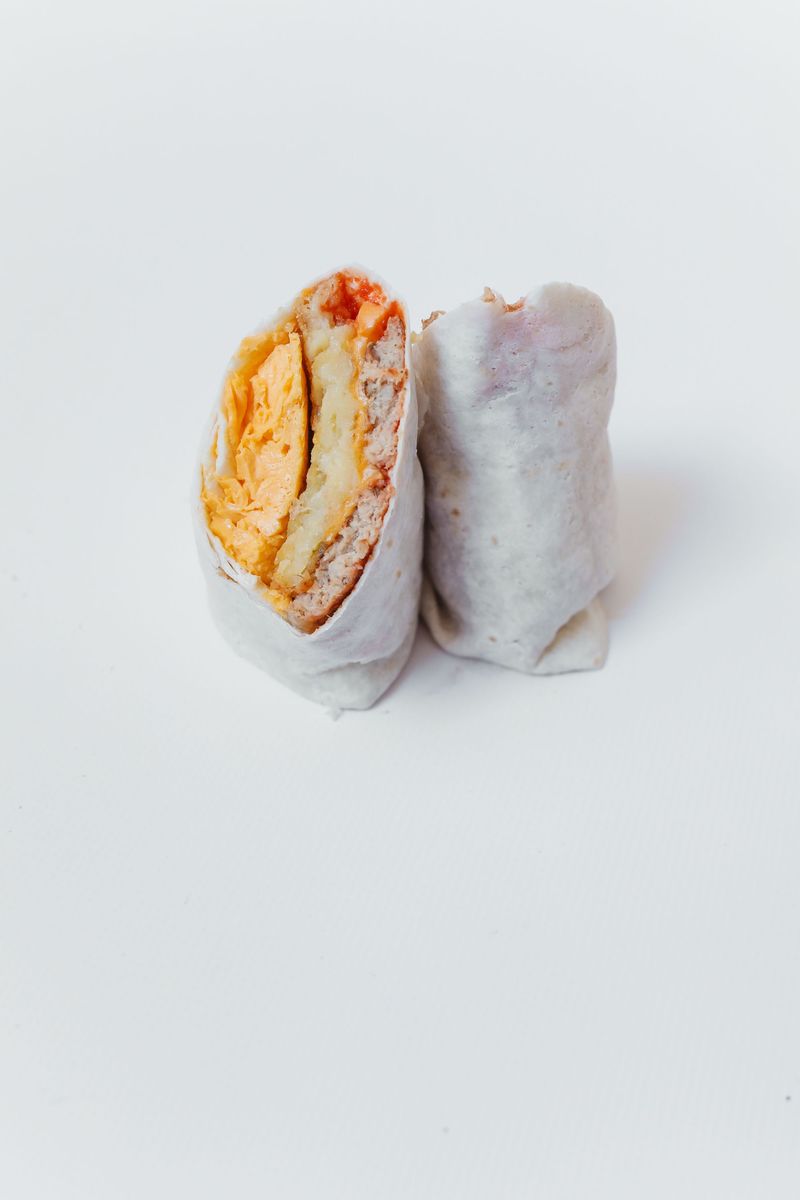
Mornings in New Mexico come with a very specific kind of ambition, and it looks like a warm flour tortilla absolutely drowning in chile sauce.
The Smothered Breakfast Burrito is not a subtle dish. It is a full commitment, a declaration that breakfast deserves the same bold flavors as every other meal of the day, and honestly, it is hard to argue with that logic once you have tried it.
Inside the tortilla, you will typically find fluffy scrambled eggs, roasted potatoes, and some form of savory meat, all rolled up snugly before getting completely buried under a river of red, green, or Christmas-style chile.
That smothering is not just a technique; it is a cultural statement about generosity and abundance that runs deep in New Mexican cooking traditions.
Ordering it “Christmas style” means you get both red and green chile sauces together, which is the breakfast equivalent of saying you refuse to make compromises this early in the day.
This dish perfectly captures how chile is not an accent flavor in New Mexico; it is the main character. Starting your morning this way sets a tone that the rest of the day genuinely struggles to match.
7. Chile Rellenos
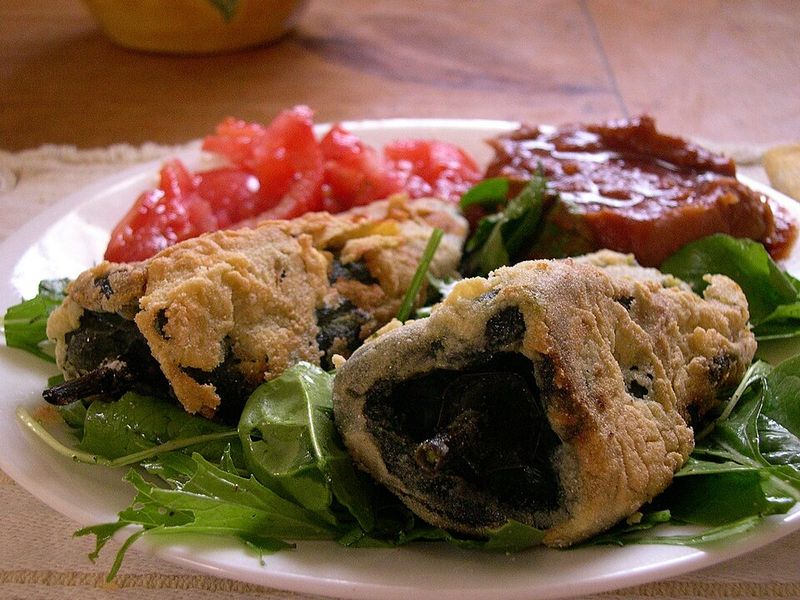
Chile Rellenos have this wonderful way of making you feel like you are eating something both simple and extravagant at exactly the same time.
A roasted Hatch green chile, carefully peeled and stuffed with melted cheese, gets wrapped in a cloud-light egg batter and fried until golden. The outside is crisp and delicate, the inside is molten and smoky, and the whole thing gets finished with a ladle of chile sauce that ties everything together beautifully.
While the dish has deep roots in Mexican cooking, New Mexico put its own unmistakable stamp on it. The use of locally grown Hatch chiles changes the flavor profile entirely, bringing a fruitier, earthier heat that you simply cannot replicate with other peppers.
Some older New Mexican versions of the dish actually included ground meat, sweet spices, and raisins, reflecting Spanish colonial influences that blended savory and sweet in fascinating ways.
Today, most versions keep it straightforward with cheese and chile sauce, but that simplicity is deceptive. Every element has to be done right, from the roasting of the chile to the lightness of the batter.
Chile Rellenos reward patience and technique, and they deliver on that investment every single time.
8. Calabacitas
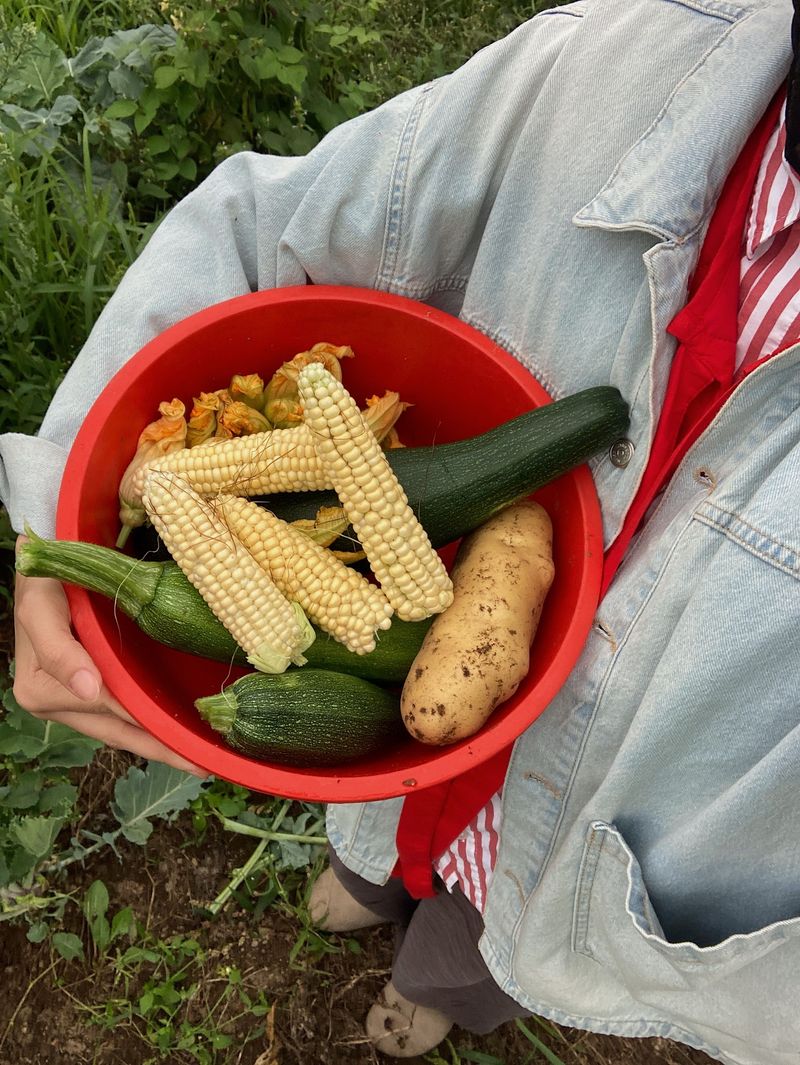
Calabacitas is the dish that reminds you that the most beautiful things are often the simplest.
The name means “little squashes” in Spanish, and that is exactly what you get: a vibrant, garden-fresh saute of summer squash, zucchini, corn, and green chile that somehow tastes like the entire New Mexican landscape on a plate. It is humble, honest, and completely irresistible.
The roots of this dish go back to the Pueblo people, who cultivated squash in this region for an astonishing 10,000 years before anyone else showed up.
Squash was part of the legendary Three Sisters planting system, grown alongside corn and beans in a beautifully symbiotic agricultural tradition.
When Spanish settlers arrived, they adopted the dish and gave it its current name, but the soul of it has always been Indigenous.
Many New Mexican families hold a personal version of this recipe that gets passed down like a treasured heirloom, with slight variations in spice level or cheese type that make each version feel uniquely their own.
Calabacitas shows up as a side dish at nearly every summer gathering, and it celebrates the agricultural abundance that has sustained this region for millennia.
It is proof that great food needs no embellishment.
9. Tamales
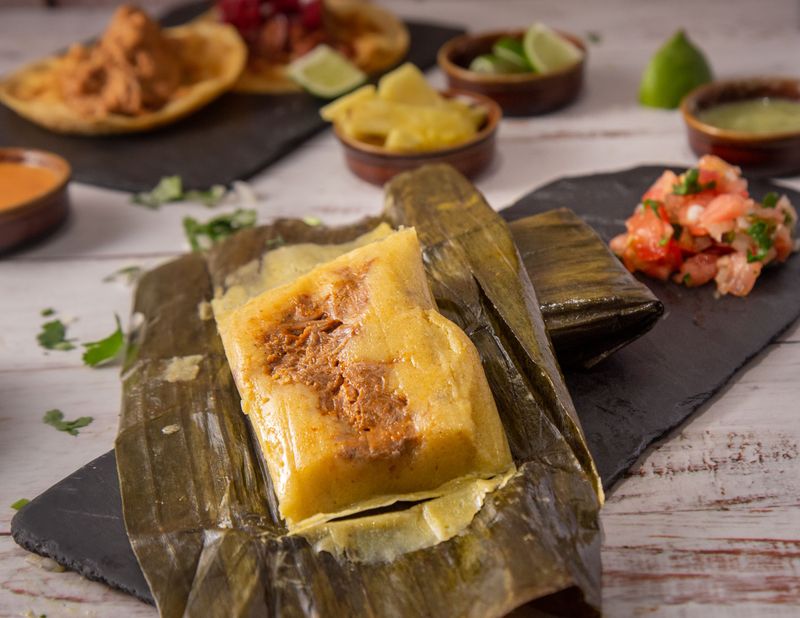
Tamales carry a kind of magic that goes far beyond their ingredients. Wrapped in corn husks and steamed to a tender, fragrant perfection, each one is a small package of history that connects the present to ancient Mesoamerican civilizations.
The word tamale comes from “tamalli,” an Aztec word meaning “wrapped food,” and people have been making them for at least 8,000 years. That is a recipe with some serious staying power.
Spanish colonization introduced pork and lard, which transformed the tamale into the rich, savory version most people know today.
In New Mexico, red chile pork is the classic filling, with the masa seasoned generously and the whole thing steamed until it practically unwraps itself.
During the holiday season, families gather for tamaladas, which are communal tamale-making sessions that can last an entire day and involve everyone from grandparents to toddlers.
The act of making tamales together is as important as eating them. It is a ritual of connection, storytelling, and shared labor that reinforces family bonds across generations.
Pre-Columbian versions were filled with very different ingredients, but the spirit of gathering to create them has never changed. Tamales are edible tradition, and every bite proves it.
10. Sopaipillas
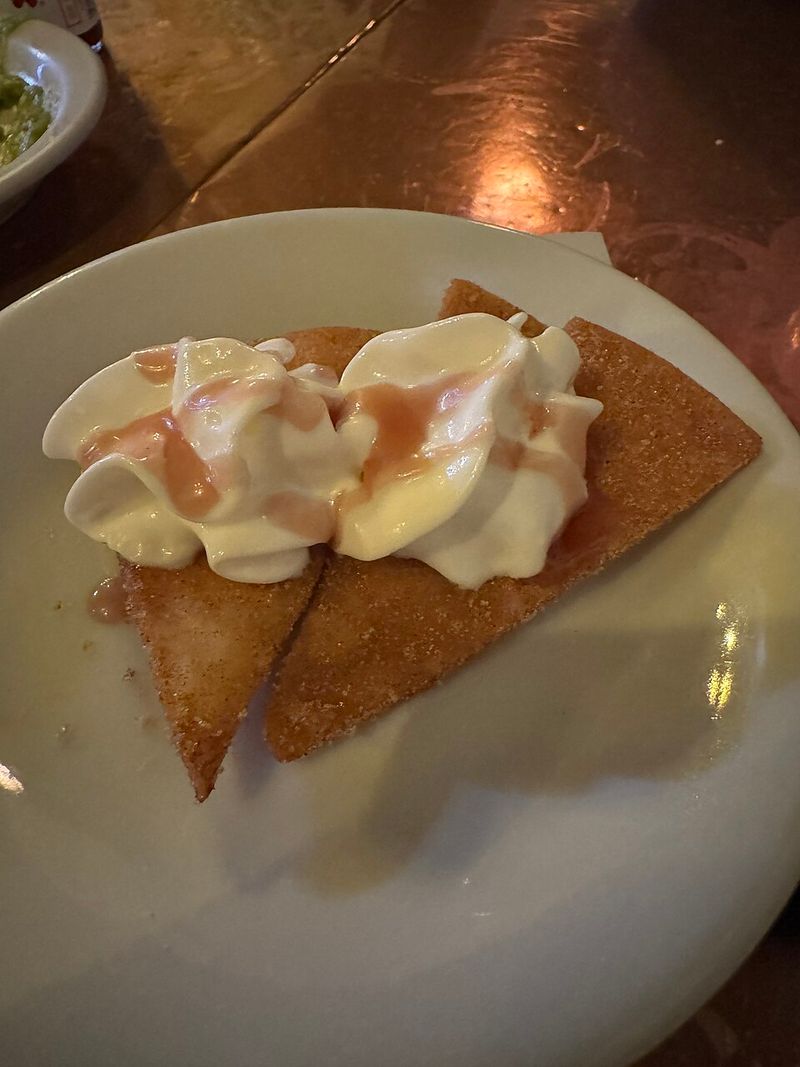
Imagine biting into something that is simultaneously crispy on the outside, airy and hollow on the inside, and best enjoyed with a generous drizzle of honey cascading into that warm pocket of fried dough.
That is the sopaipilla experience, and it is one of those simple pleasures that somehow feels like a celebration every single time.
These golden pillows of joy are thought to have originated in Albuquerque over 200 years ago.
The name comes from the Spanish word “sopaipa,” meaning fried dough, and the dish reflects the blending of Spanish baking traditions with Indigenous cooking methods that defined so much of New Mexico’s culinary identity.
A simple dough of flour, baking powder, salt, and water or milk gets rolled thin and dropped into hot oil, where it puffs up almost immediately into that iconic hollow shape.
Sopaipillas serve double duty on New Mexican tables. As a dessert, they arrive with honey and are eaten warm and sweet.
As a savory option, they get stuffed with beans, chile, and meat for a full meal. That versatility speaks to the creativity baked into New Mexican cooking culture.
Sopaipillas are proof that the most beloved foods are often the ones that feel like a small, edible celebration.
11. Biscochitos
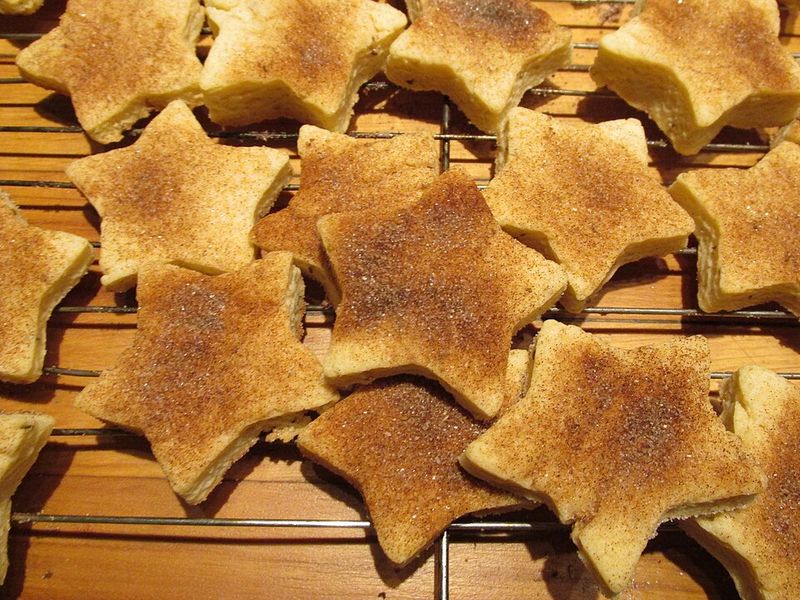
In 1989, New Mexico made history by becoming the first state in the country to declare an official state cookie, and the winner was biscochitos.
That is not a small honor, and anyone who has ever eaten one understands exactly why these delicate, anise-scented shortbread cookies earned that distinction. They taste like someone bottled a warm holiday memory and turned it into a crispy, cinnamon-dusted treat.
Spanish settlers brought the biscochito to New Mexico in the 16th century, and the name itself is a diminutive of the Spanish word “bizcocho” for biscuit.
Over generations, local bakers incorporated anise seeds and began finishing them with a coating of cinnamon sugar, creating something that felt distinctly New Mexican rather than simply Spanish. Traditional recipes call for lard, which gives the cookie its signature tender, crumbly texture that butter-based versions simply cannot achieve.
Every family has a version of this recipe that gets pulled out exclusively for Christmas, weddings, and special celebrations, with handwritten notes passed down through generations.
Some recipes are guarded like state secrets, shared only with trusted relatives. Biscochitos are more than a cookie, they are a cultural artifact that tastes like belonging, tradition, and the particular sweetness of a New Mexican celebration.
12. Pueblo Oven Bread
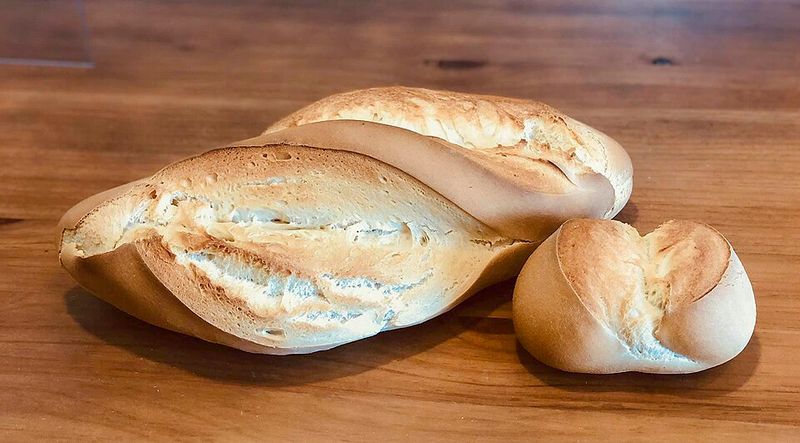
There is something profoundly moving about bread baked in a centuries-old adobe oven, especially when that oven tells its own incredible story.
Pueblo Oven Bread, also called horno bread, is a staple across the Pueblo cultures of the American Southwest, and it represents one of the most fascinating cultural intersections in all of culinary history.
The beehive-shaped horno oven that bakes it actually traces its design roots to North Africa, brought to Spain by the Moors, and then carried to the Americas by Spanish colonizers.
Before Spanish contact, Pueblo bakers worked with corn, nuts, and beans as their primary ingredients. When wheat and the horno arrived together, Indigenous bakers adopted both and created something entirely new.
The bread itself is simple: wheat flour, water, salt, and a bit of fat, kneaded by hand and left to rise before being loaded into a wood-fired horno, often fueled by aromatic cedar.
The crust comes out golden and crackling, while the interior stays soft and slightly chewy in a way that no conventional oven can replicate.
Baking day at a Pueblo community is a communal event, with the knowledge of how to build the fire and read the heat passed down through generations of bakers. Pueblo Oven Bread is not just sustenance; it is living cultural heritage with a beautiful crust.