
12 New York Attractions You Probably Never Heard About
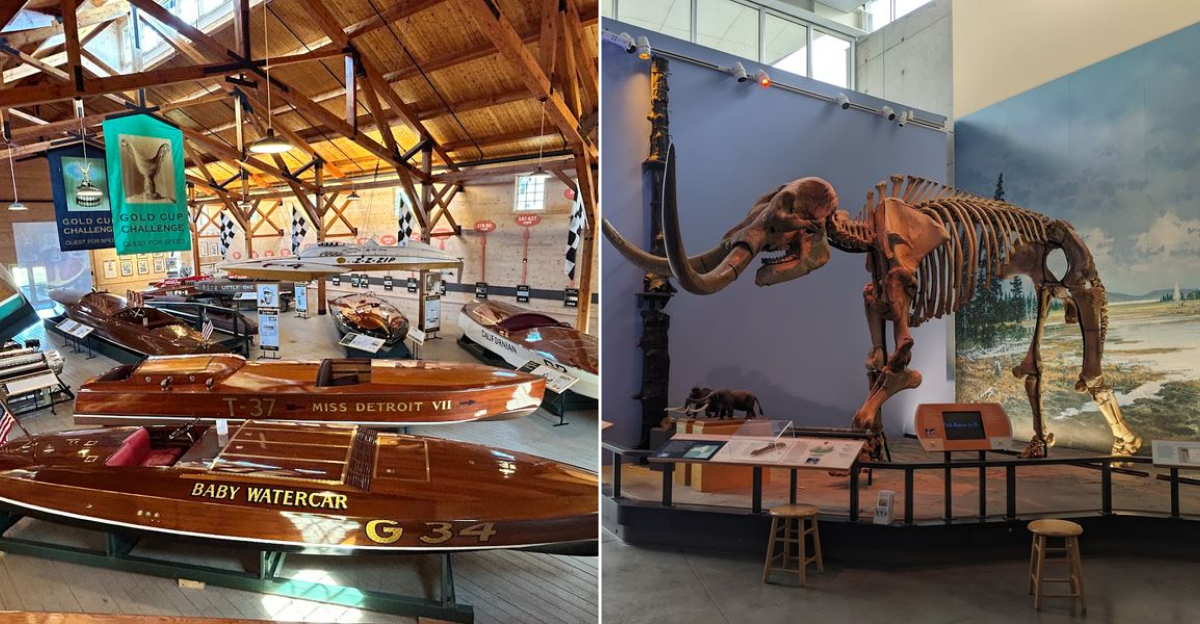
Everyone knows the New York you see in movies. The bright lights, famous landmarks, and places that appear on every first-time visitor’s itinerary.
But there’s another side of the city and state that doesn’t always make the headlines. Hidden in unexpected corners are places that sound almost made up.
Massive outdoor artworks built by one person, museums dedicated to the world’s quirkiest collections, and tiny cultural gems that preserve stories most people walk right past. These aren’t the attractions where you arrive with a checklist and leave in ten minutes.
They’re the kind of discoveries that make you say, “Wait… this is actually here?” From strange historical treasures to wonderfully unusual creations, these hidden spots reveal a different side of New York.
One filled with creativity, curiosity, and stories you won’t find on the average tourist map.
1. Opus 40
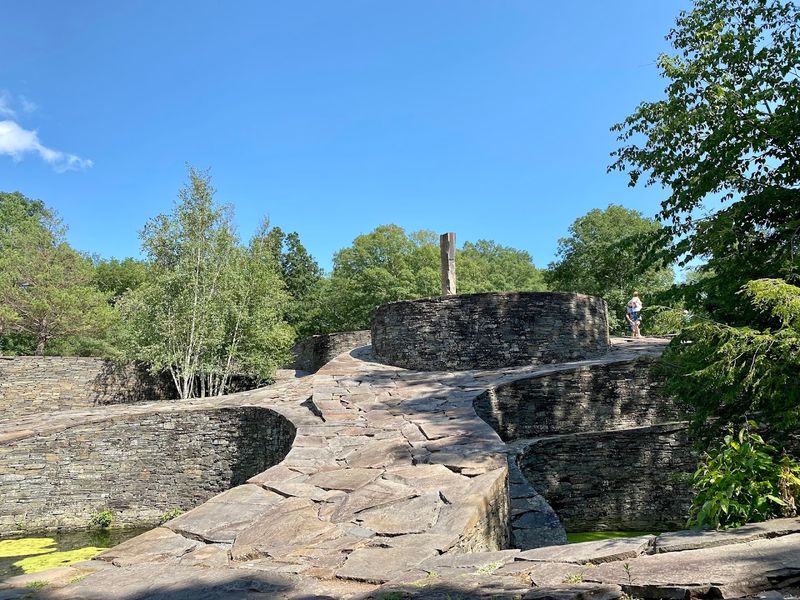
Some places stop you in your tracks the moment you see them. Opus 40 is exactly that kind of place.
Tucked away at 356 George Sickle Road in Saugerties, New York, this sweeping bluestone sculpture covers a jaw-dropping 6.5 acres of land carved from an old quarry.
The sculptor Harvey Fite spent 37 years building this by hand, starting in 1939.
He was inspired by his work restoring ancient Mayan ruins, and used dry-stone masonry techniques throughout. A 9.5-ton monolith rises from the center like a statement no one could argue with.
Wandering through the terraces, ramps, and pathways feels less like visiting a sculpture and more like stepping into another world.
The property also houses a Quarryman’s Museum, filled with tools used by 19th-century quarry workers. Art and history collide here in the most unexpected and breathtaking way.
Opus 40 proves that one person with a vision and enough determination can literally reshape the earth.
2. Stonecrop Gardens
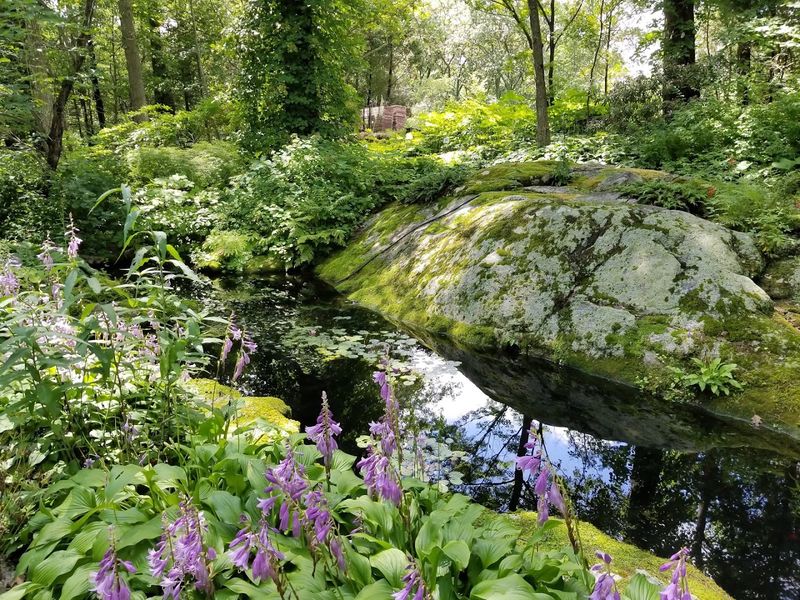
Not every garden makes you feel like you wandered into a fairy tale, but Stonecrop Gardens comes remarkably close.
Nestled in Cold Spring, New York at 81 Stonecrop Lane, this horticultural haven is the kind of place that makes you slow down and actually breathe.
The gardens are divided into beautifully distinct sections, each with its own personality. There are woodland gardens draped in shade, water gardens that shimmer quietly, rock gardens full of texture, and a conservancy that feels almost otherworldly.
The walled garden is its own enclosed universe of calm.
What makes Stonecrop truly special is how thoughtfully everything is arranged. Each plant feels intentional, each path leads somewhere worth discovering.
It is the kind of spot that plant lovers dream about and everyone else stumbles upon and immediately falls for.
Visiting feels less like a field trip and more like a deep exhale. Stonecrop Gardens reminds you that nature, when given a little direction, can create something genuinely extraordinary.
3. Kaatskill Kaleidoscope
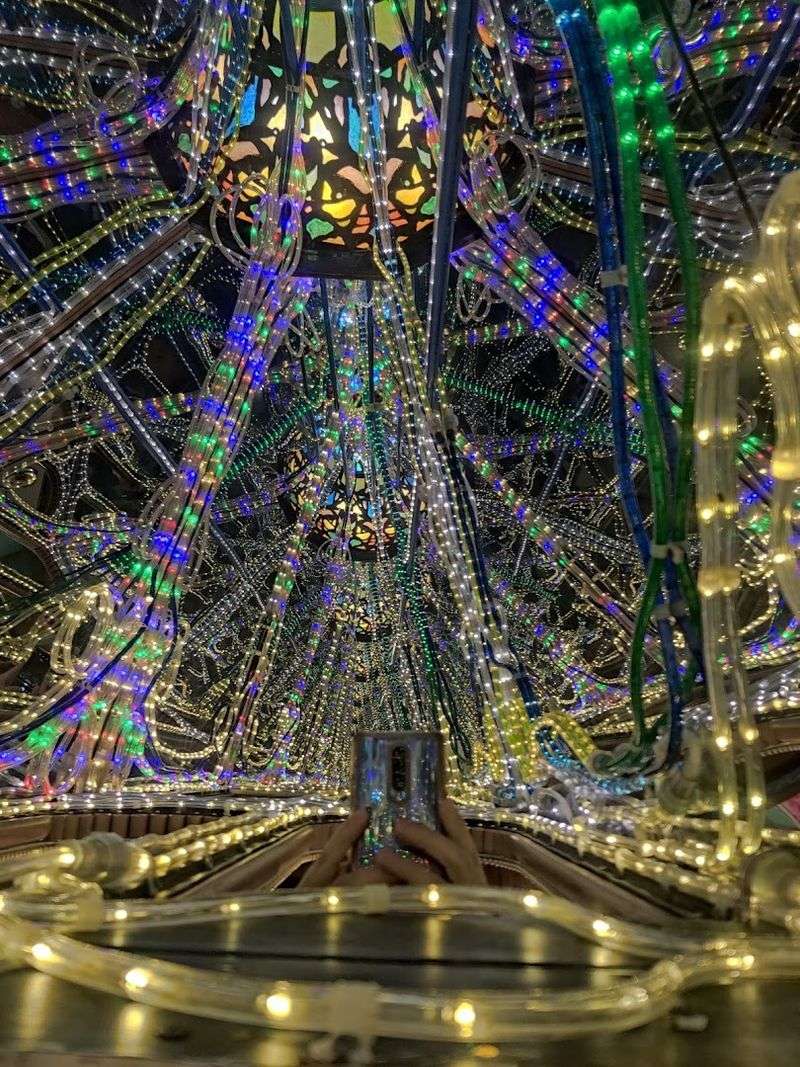
Imagine lying flat on your back inside a grain silo while 56 feet of swirling, reflected light dances above you. That is not a dream sequence.
That is the Kaatskill Kaleidoscope, located at 5340 Route 28 in Mount Tremper, New York, and it holds the title of the world’s largest kaleidoscope.
Created by psychedelic artist Isaac Abrams and his son, this marvel opened in 1996. Three enormous mirrors project and bounce imagery across the interior, creating a show that blends history, space, and pure visual wonder.
Each experience lasts several minutes and leaves most visitors completely speechless.
The concept sounds simple enough on paper, but standing inside it is something else entirely. The scale alone is enough to short-circuit your brain in the best possible way.
It is one of those rare attractions that defies easy description, which is exactly why you need to experience it yourself. The Kaatskill Kaleidoscope is proof that art does not always hang on a wall.
4. Safe Haven Holocaust Refugee Shelter Museum
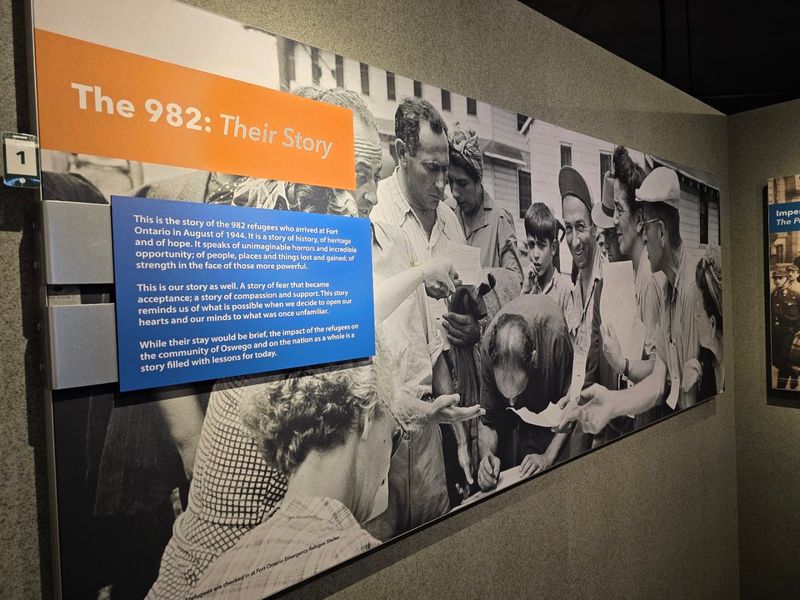
History has a way of hiding its most important chapters in the quietest places. The Safe Haven Holocaust Refugee Shelter Museum in Oswego, New York tells one of those chapters with remarkable honesty and care.
Find it at 22 Barbara Donahue Drive, right near the grounds of historic Fort Ontario.
In 1944, 982 Holocaust refugees arrived here from Europe, finding sanctuary in the only official U.S. government effort to shelter Jewish refugees during World War II.
They lived behind fenced boundaries, uncertain about what the future held. Their resilience through that uncertainty is what the museum honors most powerfully.
Walking through the exhibits feels like reading letters from people who refused to give up. Photographs, personal stories, and artifacts bring each individual to life in ways that statistics never could.
This is not a heavy museum in the way you might expect.
It is ultimately a story about hope, survival, and the extraordinary courage of ordinary people. Safe Haven is a place that stays with you long after you leave.
5. JELL-O Gallery Museum
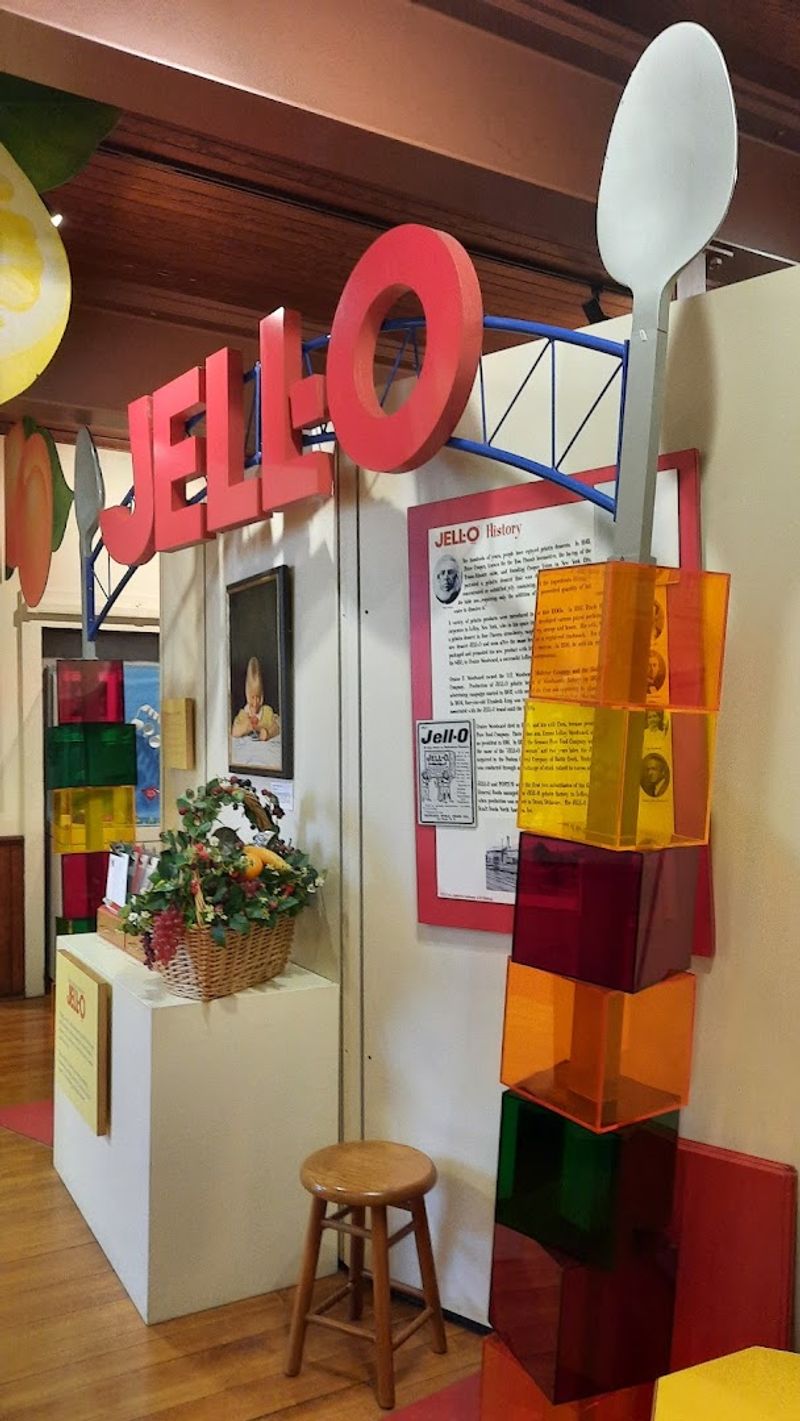
There is something wonderfully absurd about the fact that one small town in upstate New York gave the world one of its most iconic wobbly desserts.
Le Roy, New York is the official birthplace of Jell-O, and the JELL-O Gallery Museum at 23 East Main Street leans into that legacy with full, jiggly enthusiasm.
The story starts with inventor Pearle Wait, who sold the Jell-O recipe for just $450. That buyer turned it into a cultural phenomenon.
The museum traces that wild journey through original oil paintings from early advertising campaigns, vintage packaging, and hundreds of colorful collectibles that span more than a century of pop culture history.
The exhibits are genuinely fun, even for people who have never given Jell-O a second thought. There is something charming about watching a product go from a small-town experiment to a household name recognized around the globe.
The JELL-O Gallery Museum is quirky, colorful, and completely worth the detour. It is a sweet reminder that big things often start in the most unexpected places.
6. National Bottle Museum
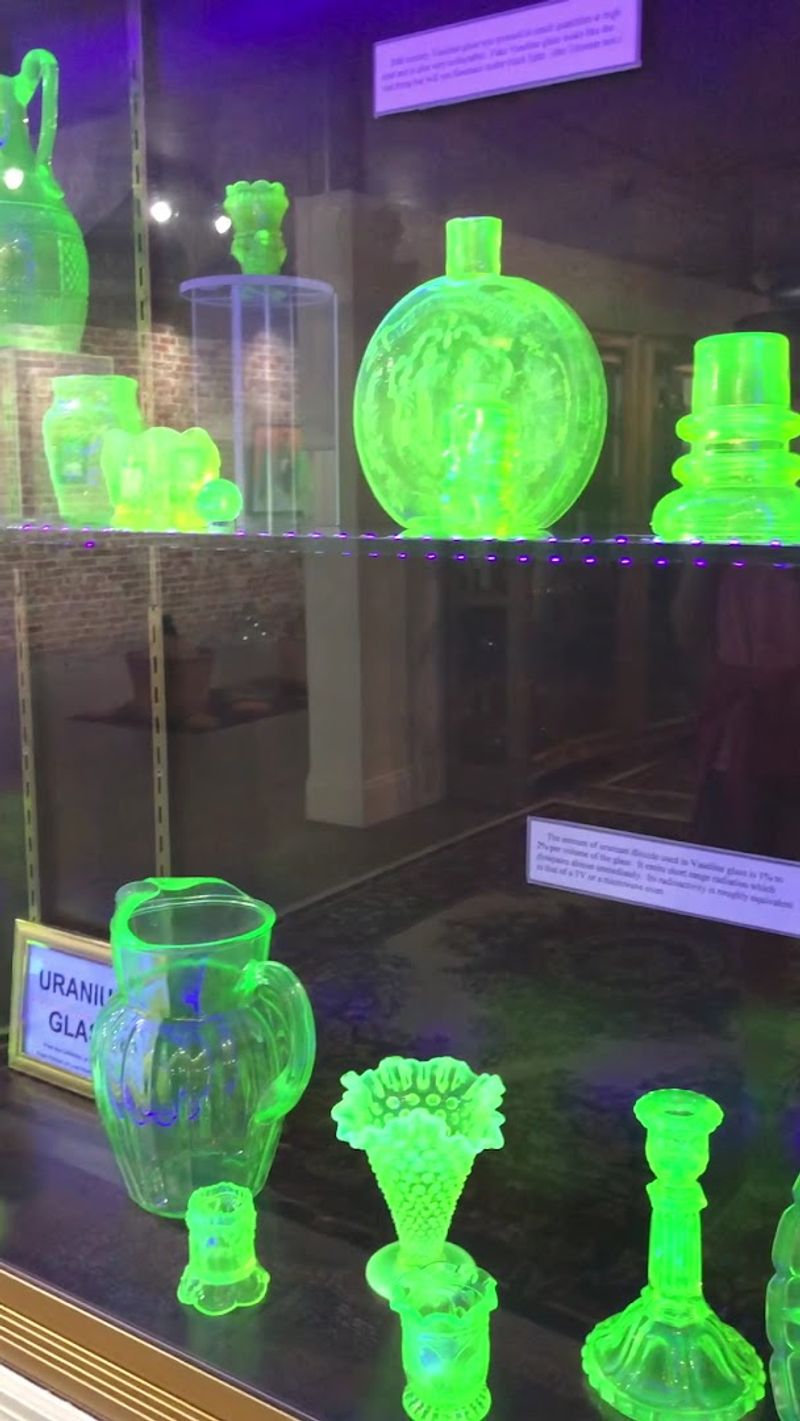
Before plastic took over the world, glass was king. The National Bottle Museum in Ballston Spa, New York celebrates that glassy golden age with a collection that is far more fascinating than you might expect.
Situated at 76 Milton Avenue, the museum houses over 3,700 antique bottles, most crafted before industrial production changed everything in 1903.
Ballston Spa earned its place in bottling history through its natural mineral springs, which made the town a hub for early bottling operations.
The museum captures that heritage through a stunning variety of glass shapes, colors, and styles that tell the story of American industry one bottle at a time.
The real showstopper? Uranium glass bottles that actually glow under ultraviolet light.
That alone is worth the trip. Beyond the glow-in-the-dark magic, the displays include early bottle-making tools and detailed explanations of how each piece was crafted.
The National Bottle Museum is proof that everyday objects, when given proper context, become fascinating windows into history. Sometimes the most overlooked things carry the best stories.
7. Original Kazoo Company Factory And Museum
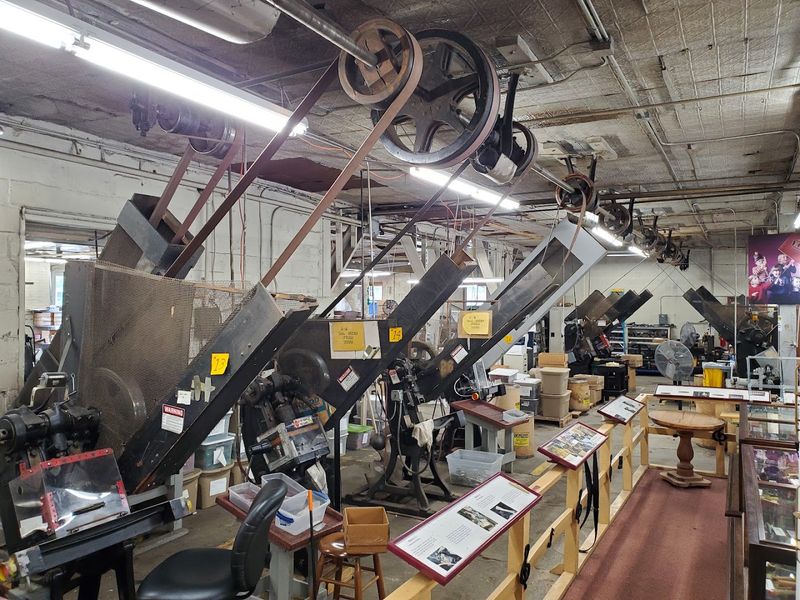
Somewhere in Eden, New York, a factory has been humming along since 1907, and it is literally the only place in North America still making metal kazoos. The Original Kazoo Company Factory and Museum at 8703 South Main Street is the kind of place that sounds too good to be true until you are actually standing there watching it happen.
The 18-step manufacturing process has barely changed in over a century, and many of the original machines are still doing exactly what they were built to do. Tours let you walk right through the production floor and watch kazoos take shape from raw metal into finished instruments.
You can even assemble your own kazoo to take home.
The museum side covers kazoo history, fun trivia, and the surprisingly rich cultural story of this humble little instrument.
It sounds like a novelty, but the craftsmanship and history behind it are genuinely impressive. The Original Kazoo Company is living proof that some traditions are worth protecting at all costs.
Not every legacy needs to be grand to be worth celebrating.
8. Griffis Sculpture Park
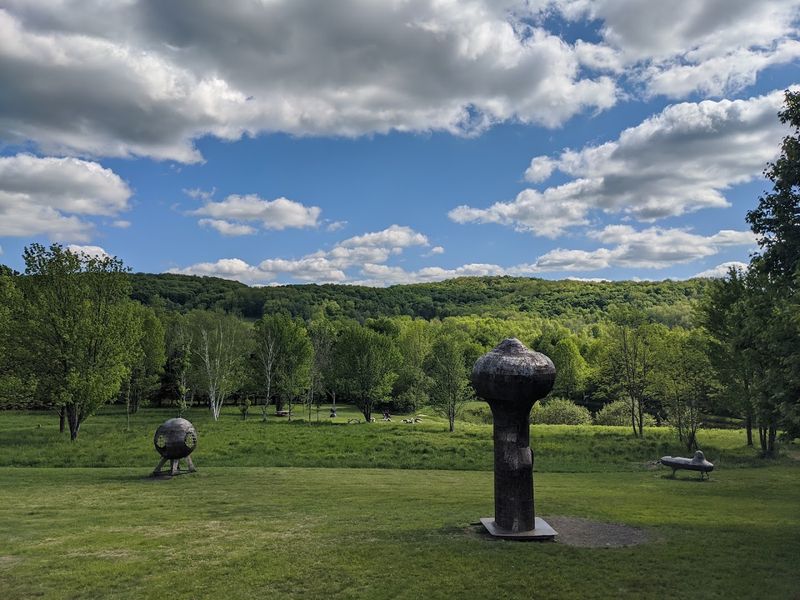
Picture 425 acres of trails winding through forests and meadows, with over 250 large-scale sculptures waiting around every bend.
Griffis Sculpture Park near East Otto, New York at 6902 Mill Valley Road is not just an art destination. It is an adventure that happens to have art in it.
Larry W. Griffis Jr. established the park in 1966, making it the first sculpture park in the United States.
Works from over 100 artists are scattered across the landscape, ranging from towering abstract metal forms to whimsical figures that seem to have grown right out of the hillside.
Visitors are actively encouraged to touch and climb on the sculptures, which instantly changes the whole experience.
There is something freeing about an art space that invites interaction rather than demanding careful distance. Kids and adults alike find themselves completely absorbed in exploring every trail and discovering what comes next.
Griffis is the rare place where serious art and pure fun coexist without any tension. It is an outdoor gallery that feels more like a playground for the imagination.
9. The City Reliquary
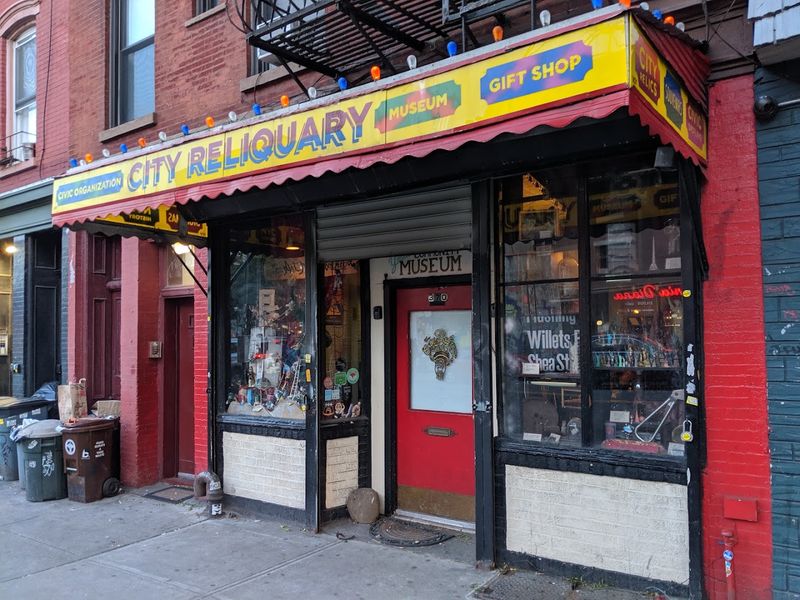
Brooklyn has no shortage of personality, but The City Reliquary at 370 Metropolitan Avenue manages to capture the soul of New York City in a way that bigger institutions rarely pull off. What started in 2002 as a curious window display of local artifacts has grown into one of the most lovably eccentric museums in the entire city.
The official museum opened in 2006 and has been collecting the overlooked ever since. Subway tokens, architectural remnants, bedrock core samples, and decades worth of Statue of Liberty souvenirs fill the cases with the kind of casual charm that feels genuinely irreplaceable.
Rotating community collections keep things fresh and surprising with each visit.
The City Reliquary does not try to be grand or authoritative. It simply celebrates the texture of everyday New York life with warmth and a little mischief.
Walking through it feels like flipping through someone’s very well-organized attic, if that attic happened to contain the entire history of a city. It is a reminder that the most powerful stories are often found in the smallest, most ordinary objects.
10. Northeast Classic Car Museum
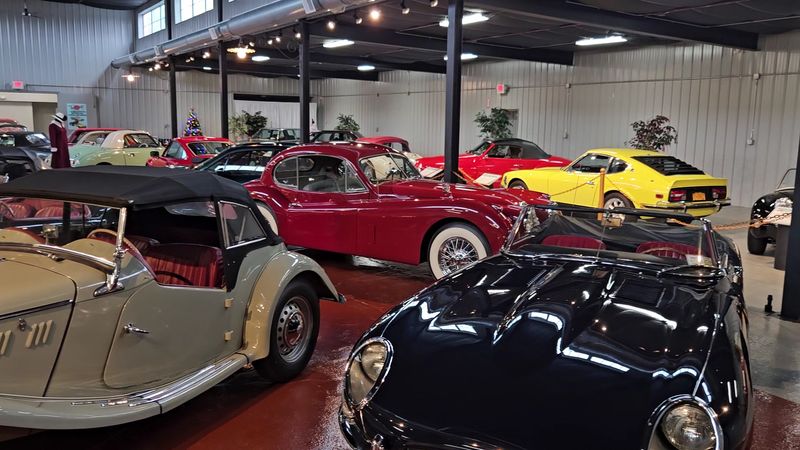
Walking into the Northeast Classic Car Museum in Norwich, New York feels like stepping directly into a century of American automotive ambition. Located at 24 Rexford Street, this museum is considered the largest of its kind in the entire Northeast, and the sheer scale of the collection makes that title feel completely earned.
Over 200 cars, trucks, and motorcycles fill the floor, spanning pre-war elegance, post-war optimism, and muscle car swagger.
The standout collection is a jaw-dropping assembly of Franklin luxury cars, the largest such collection anywhere in the world. Franklins were air-cooled vehicles built in Syracuse, and they represent a fascinating chapter in American engineering that most people have never heard of.
Some of the vehicles on display are the only surviving examples of their kind, which gives the whole experience an almost sacred quality.
This is not just a car show. It is a carefully preserved record of how transportation shaped American culture and identity.
The Northeast Classic Car Museum rewards curiosity with one incredible discovery after another. Every vehicle has a story, and this place tells them all remarkably well.
11. Antique Boat Museum
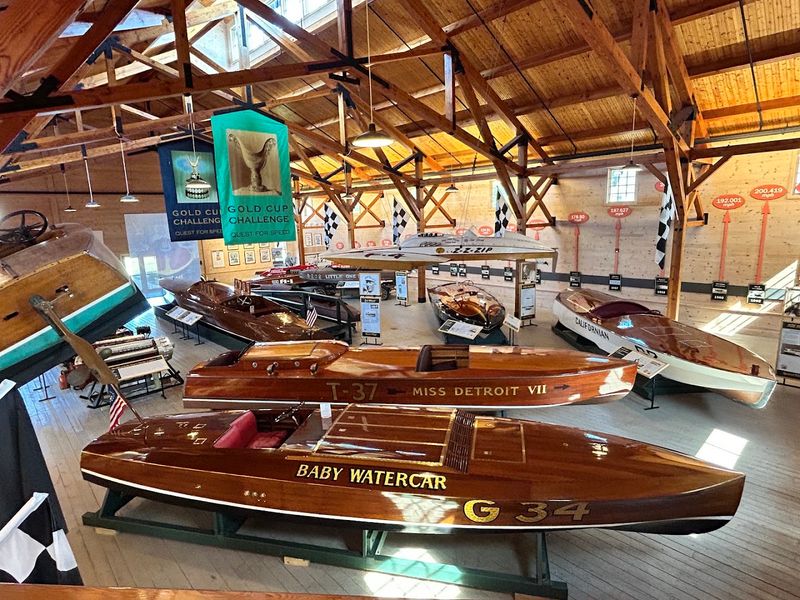
The 1000 Islands region of New York is already one of the most scenic stretches of water in the country, and the Antique Boat Museum in Clayton makes it even more worth the trip. Anchored at 750 Mary Street, this waterfront gem is the premier freshwater nautical museum in North America, and it earns that reputation with every exhibit.
More than 320 unique boats fill the collection, accompanied by thousands of related artifacts that trace the history of freshwater boating across generations.
One of the most remarkable pieces is La Duchesse, the historic 106-foot houseboat once owned by George Boldt of Boldt Castle fame. The museum also hosts North America’s longest-running annual Antique Boat Show, which draws enthusiasts from across the continent.
Speedboat rides through the 1000 Islands are available for those who want to feel the water beneath them rather than just admire it from shore. The combination of stunning scenery, rare vessels, and living history makes this museum genuinely hard to leave.
The Antique Boat Museum is where maritime heritage feels alive and completely worth celebrating. Set your course for Clayton and prepare to be impressed.
12. Museum Of The Earth
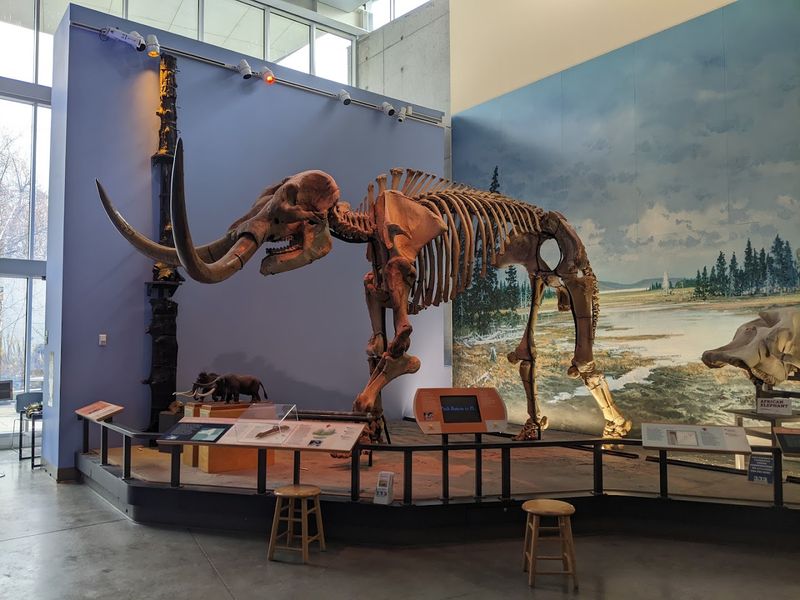
Four and a half billion years of Earth’s history sounds like an overwhelming subject, but the Museum of the Earth in Ithaca, New York makes it feel completely approachable and genuinely thrilling.
Found at 1259 Trumansburg Road as part of the Paleontological Research Institution, this museum is a world-class destination hiding in plain sight.
The Hyde Park Mastodon greets visitors as one of the most complete mastodon specimens ever discovered.
A 44-foot North Atlantic Right Whale skeleton hangs overhead in all its breathtaking scale. The crowning visual achievement is a 500-foot mural called Rock of Ages, Sands of Time, which spans 540 million years of planetary history in a single sweeping image.
Interactive displays make the science accessible without dumbing anything down, which is a harder balance to strike than it sounds.
Whether you are a dedicated fossil enthusiast or someone who just thinks dinosaurs are cool, this museum delivers something meaningful at every turn. The Museum of the Earth is one of those places that makes you feel genuinely small in the best possible way.
Have you ever stood next to a mastodon and reconsidered everything you thought you knew about time?