
15 New York Classics That Sound Italian Until You Learn The Real Origin Story
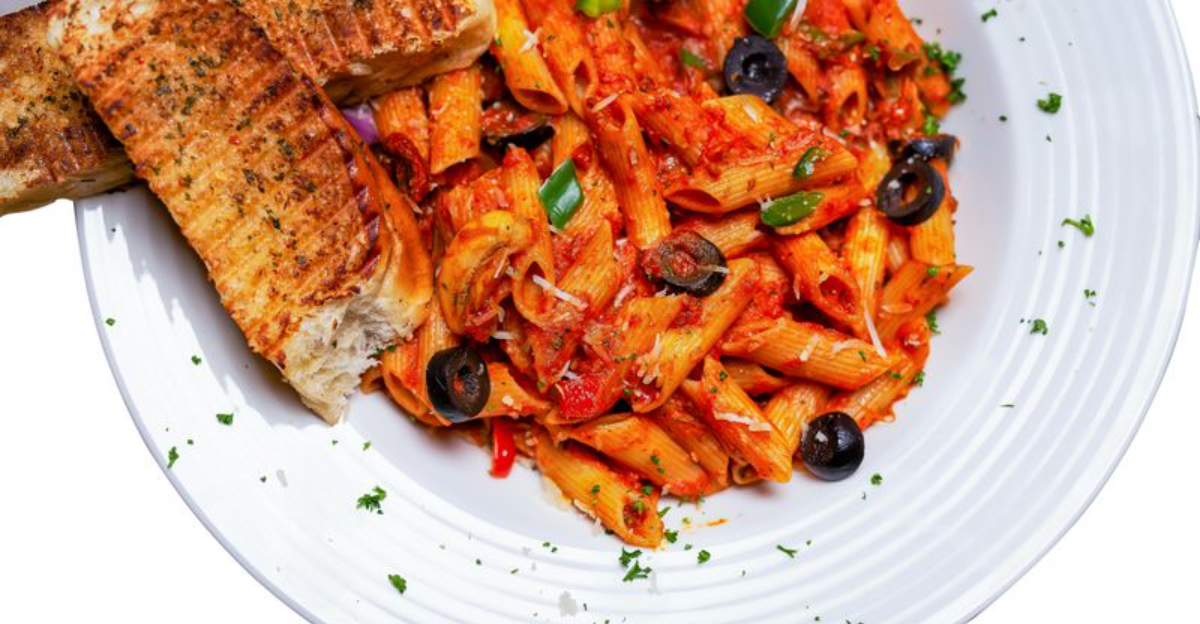
Wait… this can’t be Italian, right? That’s exactly what I thought the first time I bit into some of New York’s so-called Italian classics.
The pasta looked familiar, the sauce smelled like Sunday at Nonna’s, and my brain screamed, “Ah, mamma mia!” But then the story hit me, and I realized the truth was way more New York than Naples. Each bite felt like a little tribute to the best cuisine in the world, a dash of Italy cleverly folded into the city that never sleeps.
New York isn’t pretending. It’s celebrating, honoring, and even elevating those flavors in its own unforgettable way.
And let me tell you, I walked away thinking: only in New York could homage taste this bold, this satisfying, and make me fall in love all over again.
1. New York Style Pizza Slice
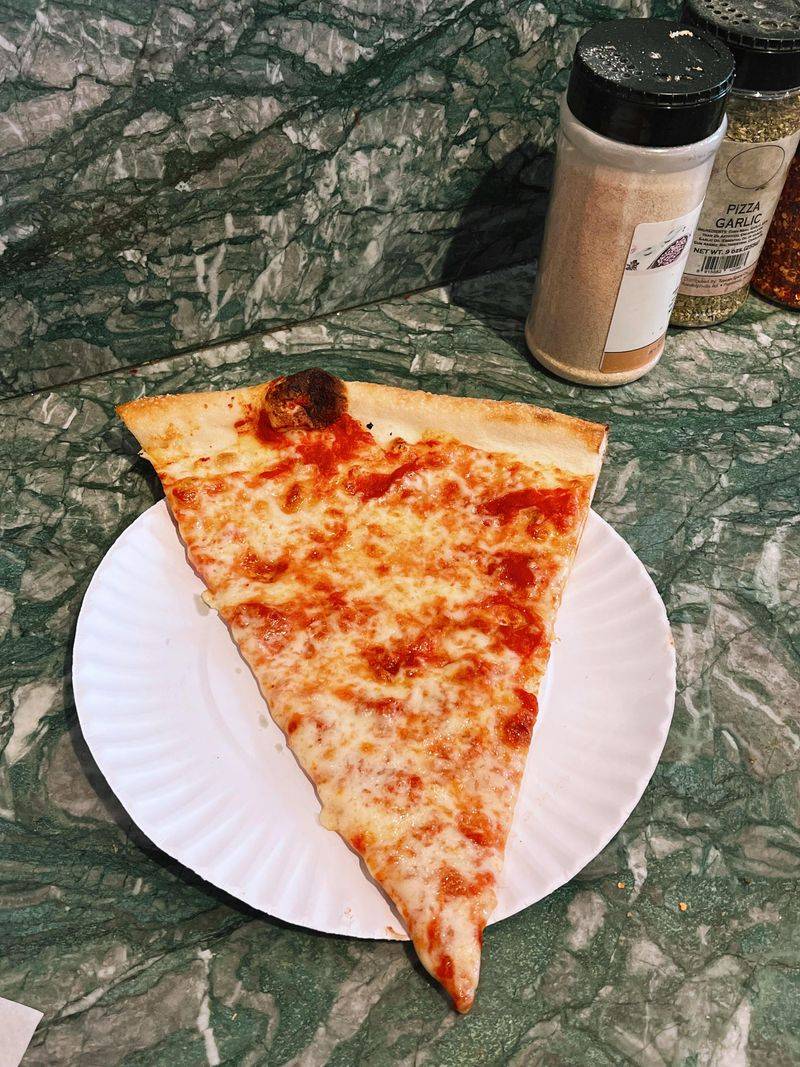
For a long time, the New York slice felt like a rite of passage, folded down the middle and carried like a little trophy. The city’s first-wave Italian pizzerias in the early 1900s started with Neapolitan instincts, then rewired the whole idea for New York life.
The crust went thinner, ovens shifted to coal and gas, and the single oversized slice became the move because it actually worked with subway commutes and sidewalk momentum. Behind the romance, there’s a practical origin story: working people needing something fast, hot, and cheap enough to repeat without thinking twice.
That’s how the slice became less of a tradition and more of a design solution, built for hands that didn’t have time to sit down. It’s saucy, portable, and engineered for the pace of the block, which is exactly why it stuck.
And even though it sounds like it belongs solely to Italy, the slice as we know it is a distinctly New York invention. One bite and the city comes through loud and clear, all hustle, heat, and confidence.
2. Spaghetti And Meatballs
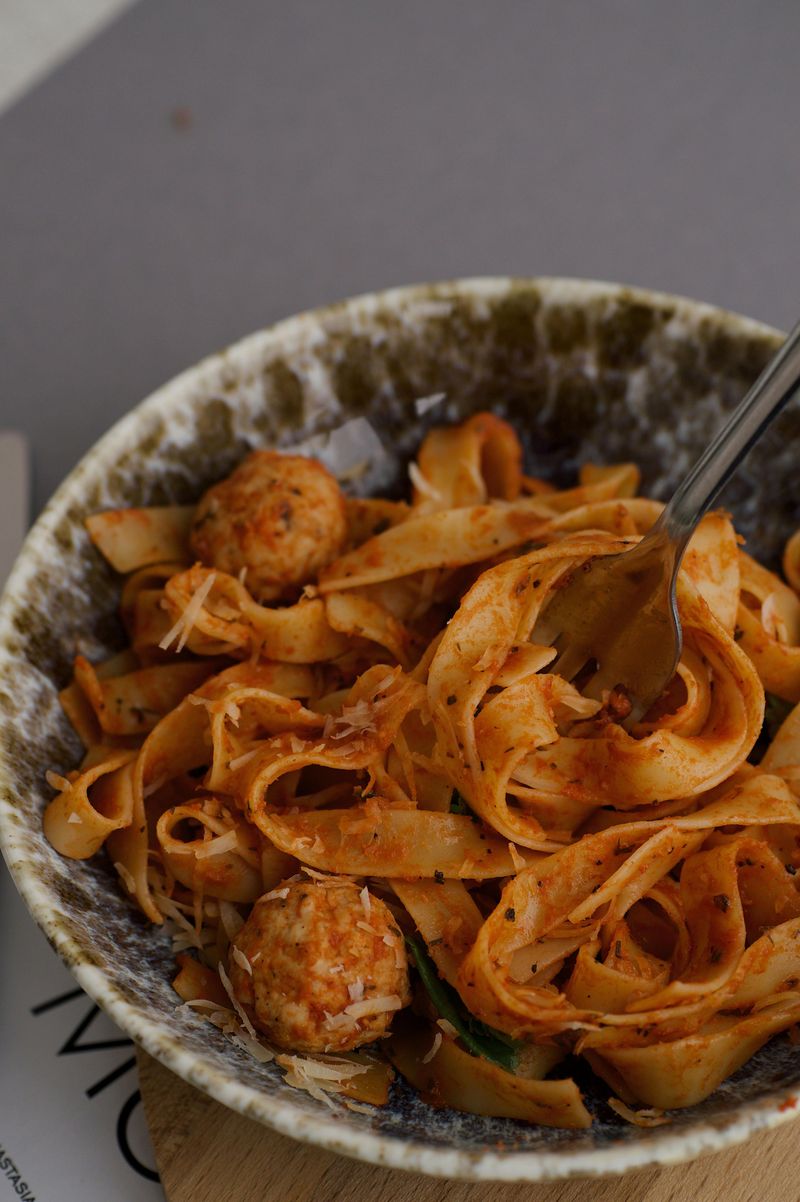
Spaghetti and meatballs always sounded like a straight-from-Italy classic, until a Little Italy deli owner casually dropped the truth that the version most people crave was really born in New York. Back in Italy, meat and pasta didn’t usually share the same spotlight that way, especially not in such dramatic proportions.
In immigrant NYC kitchens, though, the rules changed fast. Ingredients had to stretch, mouths had to get fed, and dinner had to feel generous even when money was tight.
That’s where the oversized meatball comes in, built to make a small amount of meat feel like a real meal when it hit the plate beside a twirl of spaghetti. Somewhere in that story, there’s always a grandmother voice in the background, turning leftovers into something proud.
Meat gets seasoned, rolled big on purpose, then simmered until the sauce tastes like it’s been keeping watch all afternoon. It’s comfort, but it’s also strategy, a dish shaped by both necessity and the new abundance of American markets.
By the time the city claimed it, spaghetti and meatballs wasn’t just food anymore. It became a shorthand for Italian-American identity, the kind of order that shows up everywhere because it makes people feel instantly at home.
3. Chicken Parmigiana
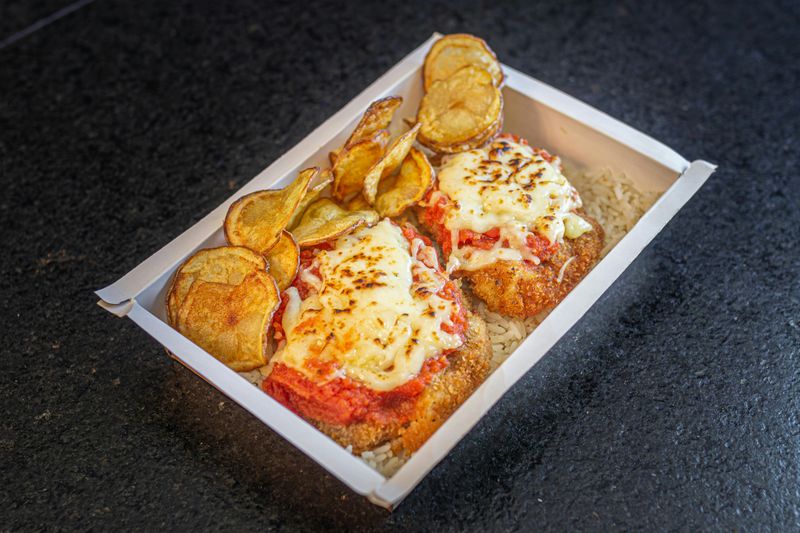
The first bite of chicken parmigiana at a neighborhood red-sauce joint felt like a direct line to Italy, the kind of dish that seems too classic to have an origin story with twists. But chicken parm is really an Italian-American victory lap, shaped in U.S. immigrant neighborhoods where cooks made smart, delicious adjustments to fit local cravings.
It takes the spirit of eggplant parmigiana and old-school cutlets, then leans into the American love of a bigger, heartier main event. That’s the genius of it, honestly.
The chicken gets breaded for crunch, sauced for comfort, and blanketed in cheese like it’s getting dressed up for a special occasion. It’s not subtle, and it’s not trying to be, which is exactly why it works so well in a city that loves bold flavors on a busy schedule.
There’s always that moment when the fork breaks through the crust and the plate turns into a warm little celebration. The crunch hits first, then the sauce settles in, and the cheese pulls into those dramatic strings that make the whole table pause for a second.
It’s the kind of meal that feels right at Sunday dinner, but also makes total sense at a diner booth on a random weeknight. New York kitchens helped polish chicken parm into a mainstream staple, and now it sits proudly on menus as proof that adaptation can taste like tradition.
It may sound purely Italian, but the identity is unmistakably Italian-American, and the reinvention is the best part.
4. Garlic Knots
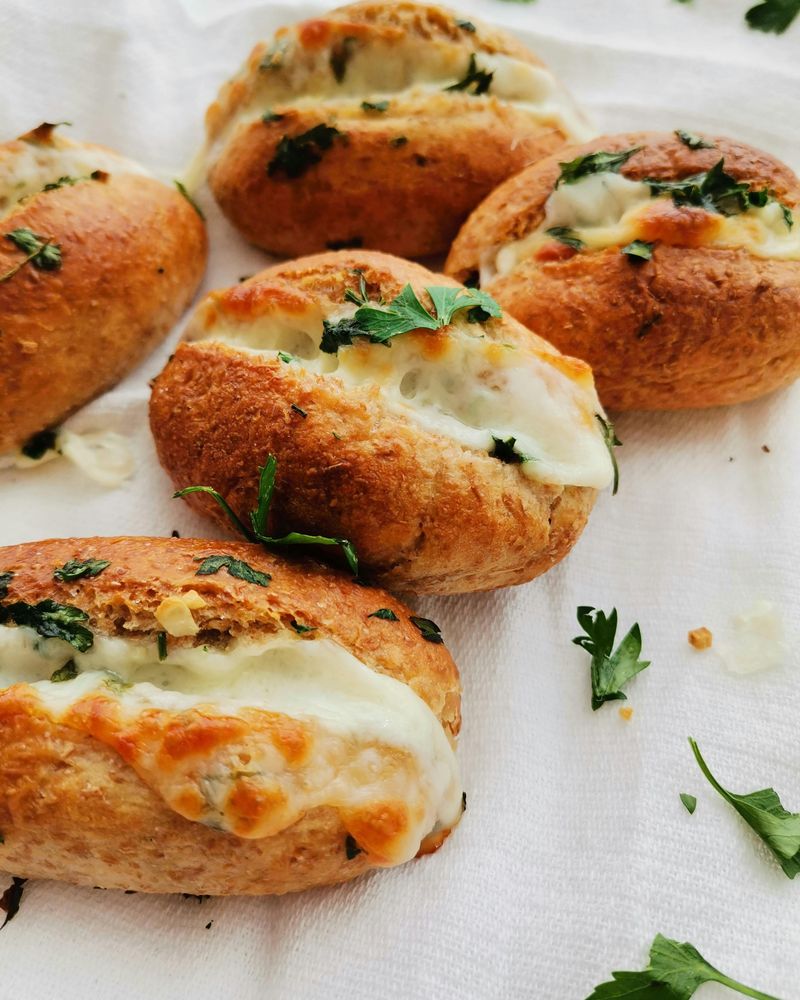
For years, garlic knots carried that “old-country street food” aura, the kind of thing that sounds like it’s been sold from paper cones for centuries. Then a Brooklyn pizzaiolo casually ruined the myth in the best way, calling them what they really are: a 20th-century pizzeria invention built for New York’s rhythm.
Not imported, not ancient, just smart, local, and completely obsessed over. They started as a clever way to use leftover pizza dough, the little extra bits that didn’t want to become a full pie but still deserved a purpose.
In Brooklyn shops, that scrap dough got rolled, twisted, and tied into tight little knots like someone was braiding comfort into a side order. Watching the process feels almost hypnotic, especially when the tray comes out and everything moves fast but with confidence.
There’s always a moment when the brush hits the surface and the whole room smells like garlic and warm butter, the kind of scent that makes waiting feel like a bonus. Each knot comes out with that pillowy interior, soft enough to tear with one pull, and a glossy sheen that catches the light like it’s showing off.
They’re humble, sure, but they never taste like an afterthought. Garlic knots are proof that the best classics don’t always start with tradition.
Sometimes they start with a scrappy solution, good timing, and a city that refuses to waste anything delicious.
5. Pasta Primavera
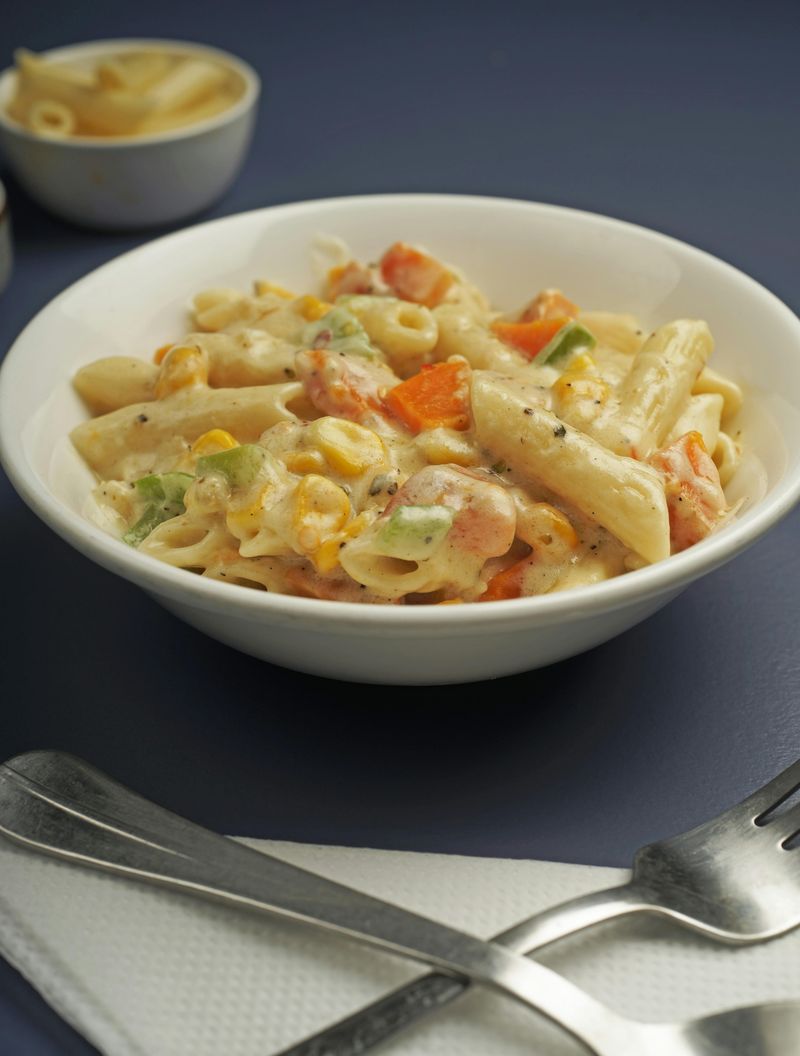
Pasta primavera always gave off that European fine-dining glow, like it belonged to some polished old-world dining room with white tablecloths and hushed voices. So it’s genuinely funny to learn how much of its fame gets tied back to New York, with Le Cirque often credited for popularizing it and a late-1970s New York Times moment helping the idea catch fire.
It’s one of those dishes that sounds ancient and Italian, but the story reads more like Manhattan turning something trendy into something permanent. The exact invention timeline gets debated, which honestly feels very on brand for any dish that became a “thing.” Still, the basic picture stays clear: a spring-leaning pasta built around vegetables, bright flavors, and a lighter touch than the heavy red-sauce classics.
In a city that can make a restaurant special turn into a national obsession, primavera was practically destined to travel. A good version really does hit differently, too.
The vegetables stay crisp enough to feel alive, the pasta holds its bite, and everything lands clean instead of messy. It tastes seasonal and modern, like the kitchen is trying to prove that comfort can still feel fresh and intentional.
That’s the New York magic in action. A playful restaurant experiment gets amplified, copied, and repeated until it becomes a mainstream symbol of “fresh Italian-inspired cooking” in America, even if the origin story is more Midtown than Milan.
6. Chicken Francese
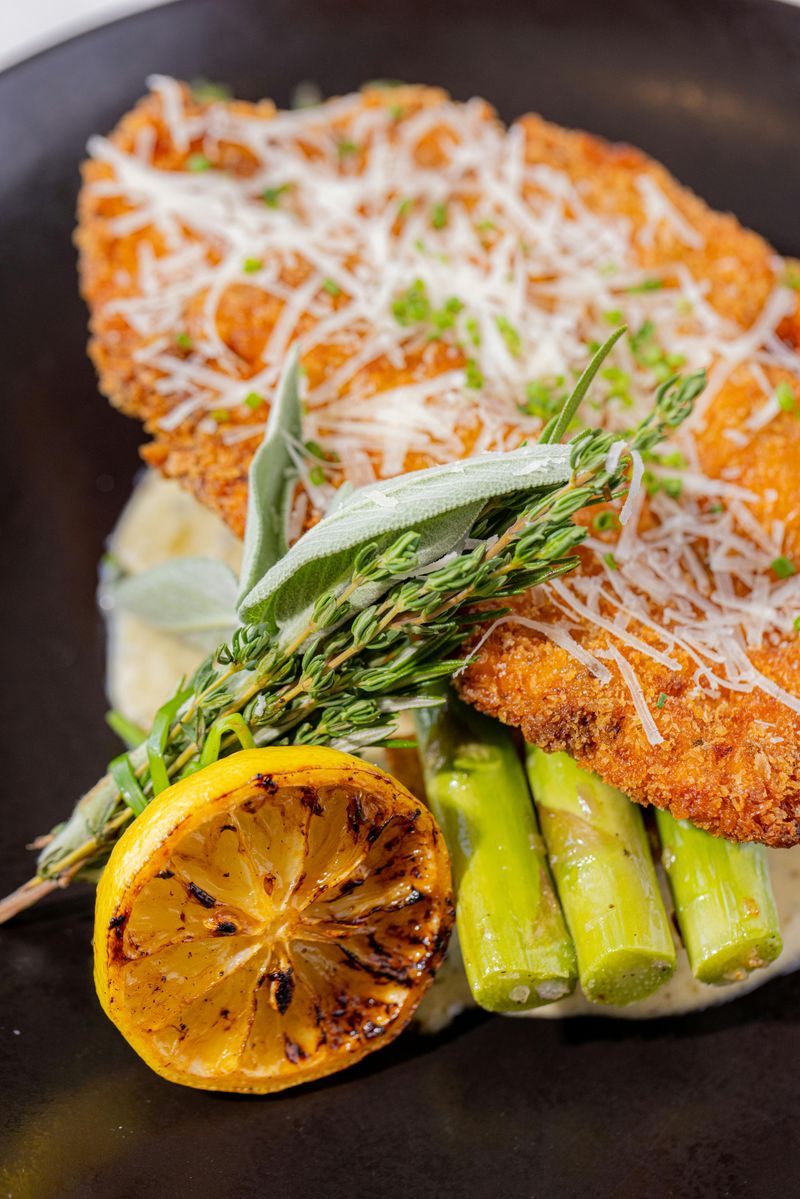
Chicken francese first showed up for me at a Rochester family dinner, served with the kind of pride that makes a plate feel like it’s part of the household history. It sounds like it should be a classical Italian export, but the dish really lives in the Italian-American universe, especially across New York State where it’s become a steady favorite.
The name makes it feel old-world, yet the popularity is pure local tradition, passed around from table to table like a dependable secret. The technique is all comfort at first glance: cutlets dredged, cooked until the edges go crisp, then finished in that glossy lemon-butter sauce.
In Italian-American kitchens, the flavor profile leans bright and tangy, designed to wake up the whole plate and keep the meal feeling lively. It’s the kind of dish that makes sense with whatever’s fresh nearby, and it fits right into loud, convivial dinners where everyone reaches in for “just one more bite.” That first taste always sticks.
The cutlet holds its crunch, then the sauce rushes in with citrusy sharpness that cuts through the richness in the best possible way. It feels comforting, but not sleepy, brisk and balanced like it knows exactly what job it’s there to do.
Chicken francese has become a staple in so many New York Italian-American homes and restaurants because it hits that sweet spot between familiar technique and regional taste. It’s proof that tradition isn’t just inherited, it’s shaped, adjusted, and made new by the place that loves it most.
7. Clams Oreganata
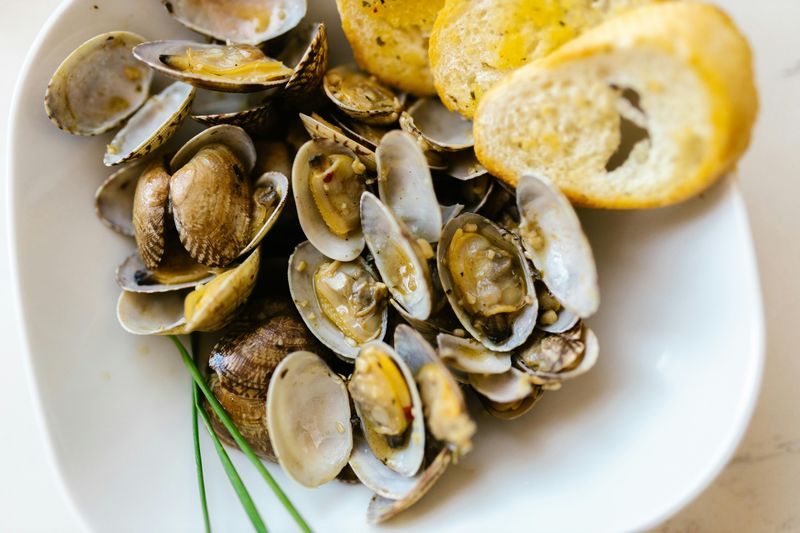
Clams oreganata first landed in front of me at a family-style seafood spot in the city, the kind of place where the tables feel too close in the best way and everyone’s order becomes everybody’s business. It sounded like something that had to be straight from the Italian coast, but the version New Yorkers swear by has deep Italian-American roots, shaped right here by the city’s love for big flavor and even bigger comfort.
There’s something about the name that feels old, yet the vibe on the plate is unmistakably New York. Instead of leaning light and delicate, oreganata goes proudly oven-finished.
The topping is the whole point, bright with herbs, heavy on breadcrumbs, and baked until it turns golden and crunchy like it’s trying to prove a clam can wear a winter coat. It’s seafood, sure, but it’s also a casserole-minded, hungry-city interpretation, designed to satisfy more than a seaside snack craving.
The bite is all contrast and it never gets old. Briny clam meat gives you that clean ocean hit, then the crisp topping snaps in, warm and buttery with oregano cutting through like a little green flash.
At communal tables, it disappears fast, plates passed around mid-conversation, everyone suddenly talking louder because the food is doing the same. Clams oreganata became a regional classic for a reason.
New York restaurants helped document it, spread it, and lock it into the local canon, a dish that blends old-country flavor memory with the city’s hearty, oven-loving appetite.
8. Utica Greens
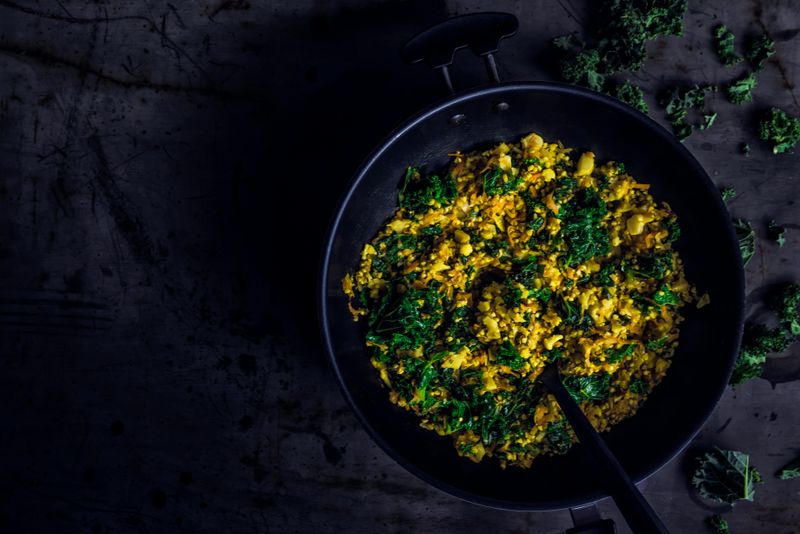
At an upstate diner, Utica greens made it obvious how a regional Italian-American dish can shape an entire city’s culinary character. The name doesn’t sound flashy, but the reputation absolutely is, passed around like a local password.
It’s the kind of order that makes you realize New York’s “Italian” classics aren’t all coming from Manhattan red-sauce rooms, some are born in smaller cities with loud opinions and loyal regulars. Utica greens trace back to Utica in the 1980s, and the formula is built for impact.
Escarole brings that leafy bitterness, then hot cherry peppers turn the volume up, breadcrumbs add crunch, and salty meats slide in with richness that makes the whole thing feel complete. It’s bold without being complicated, a dish that knows exactly how to balance bitter, spicy, and savory in one forkful.
The first bite is the kind that resets your expectations. The greens hit first, then the pepper heat wakes everything up, and the crunchy topping keeps it from feeling heavy.
It’s addictive in that “just one more fork” way, even when the spice starts to build and you swear you’re pacing yourself. What really seals it, though, is the pride that surrounds it.
Locals love telling the stories, restaurants argue over who does it right, and every version comes with its own confident claim to authenticity. Utica greens become more than a side dish, they become a badge of place, a hometown signature you can taste.
9. Chicken Riggies
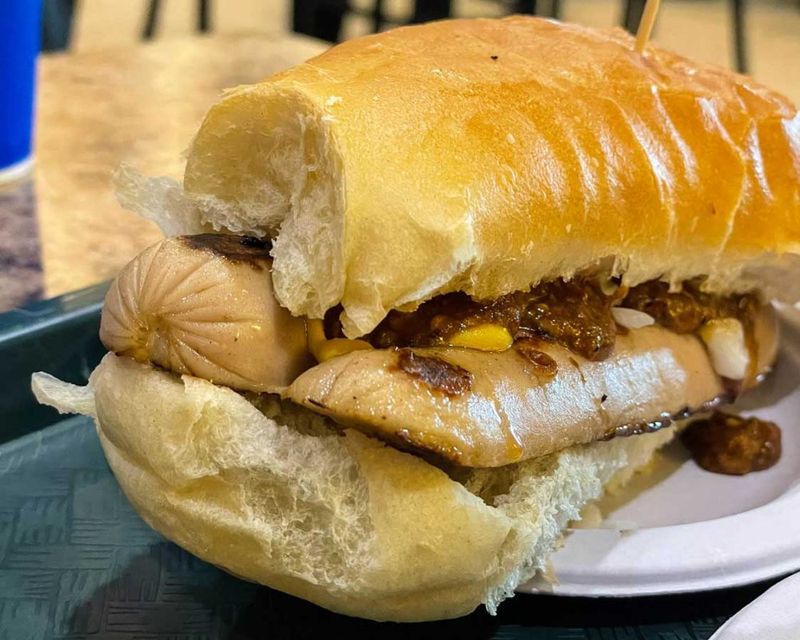
At a Central New York joint, chicken riggies showed up like a local legend hiding in plain sight. Rigatoni gets tossed with chicken in a spicy, tangy cream-tomato sauce that clings to every ridge like it has something to prove.
It sounds Italian enough to fool anyone on the first read, but the way people talk about it makes the truth obvious fast, this is regional identity on a plate. Often tied to the Utica-Rome area, chicken riggies is one of those Italian-American creations that blends technique with pure American heartiness.
The sauce is the signature, a little sweet, a little sharp, and warmed through with hot peppers that keep the whole thing lively. Cream smooths the edges, tomato brings the backbone, and suddenly it’s not just pasta anymore, it’s a full mood.
In the kitchen, it’s a production. Big kettles simmer, spoons get dipped for a quick taste, and the balance gets adjusted like someone’s tuning a radio until it hits the perfect station.
Heat and tang have to land just right, enough to make you sit up straight but not so much that it bulldozes the comfort factor. Out in the dining room, people praise it like a hometown hero, the dish you order when you want something that feels familiar and specific at the same time.
Chicken riggies has become a signature for the region for a reason. One bowl and the craving follows you out the door, and suddenly an “outsider” is planning their next excuse to come back.
10. Utica Style Tomato Pie
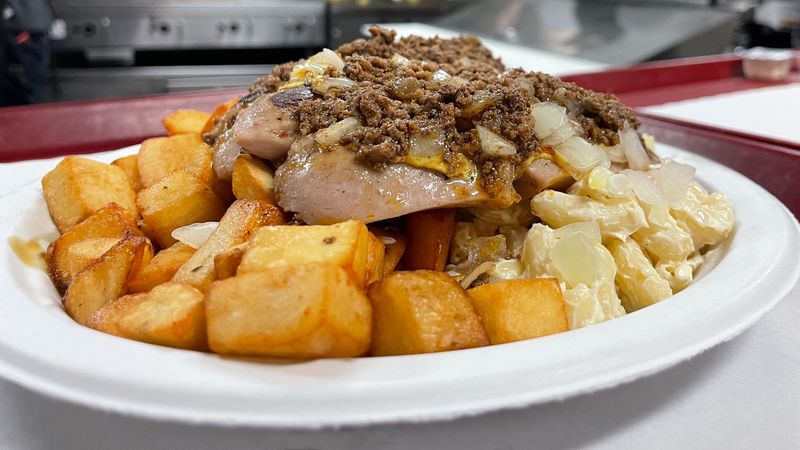
Utica-style tomato pie was the kind of bite that instantly felt like bakery history, especially in a small upstate shop where the counter moves at its own pace and the regulars already know what’s coming out next. It looks familiar enough to get labeled as pizza by accident, but the first taste makes the distinction crystal clear.
This is tomato-first, bread-forward, and proudly its own tradition, built for snack-time, party trays, and grabbing “one more square” without even thinking. With roots in Italian-American tomato pie culture, Utica’s version puts the sauce in charge.
It sits thick and confident on a sturdy, almost breadlike base, and the finishing move is usually a salty dusting of cheese that feels more like seasoning than a topping. The balance is simple, but it’s not basic, because the texture and bake are doing most of the storytelling.
Locals love debating it, too, like it’s a rivalry sport with edible proof. Thickness, oven time, crust structure, sauce sweetness, every detail has an opinion attached, and the passion is half the fun.
That care turns each pie into a signature, even when two shops are technically making the same thing. Utica tomato pie is a perfect example of how communities adapt old Italian bakery ideas into something regional and deeply personal.
It’s proudly claimed, casually defended, and wildly easy to fall for. Once that saucy simplicity clicks, the craving becomes part of the trip.
11. Fra Diavolo Sauce
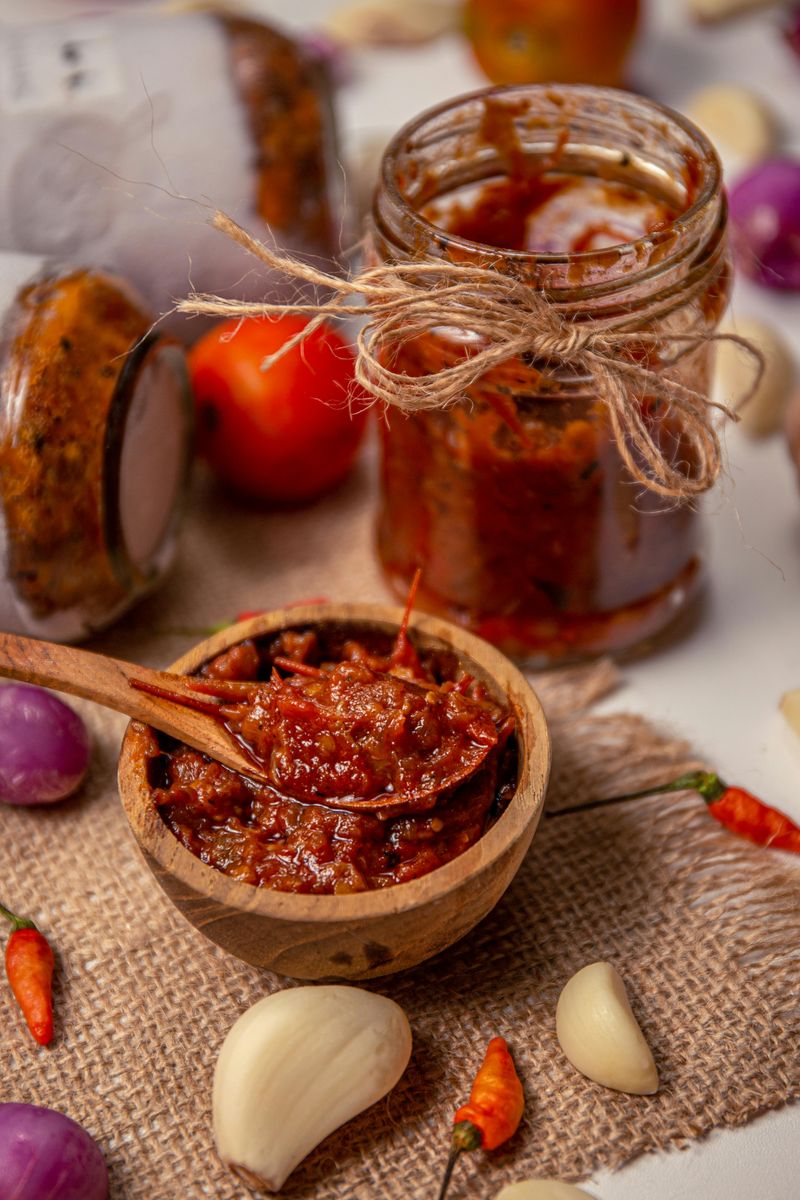
Shrimp fra diavolo sounded like the kind of old-world seafood classic that’s been around forever, so ordering it on a seafood night in the city felt like a safe bet. The surprise is that the spicy tomato sauce style is largely an Italian-American creation, tuned to New York kitchens and the city’s love of bold, crowd-pleasing flavor.
It reads Italian on the menu, but the attitude on the plate is pure New York. “Fra diavolo” literally means “brother devil,” and the name alone sets expectations for drama. In Italian-American hands, it became a sauce with heat and theater, built to make shrimp and lobster feel bigger, louder, and more exciting than a delicate coastal preparation ever would.
It’s not shy, it’s not subtle, and it doesn’t pretend to be, which is exactly why it caught on. That first bite hits like a bright flash.
Tomato comes through vivid and sharp, lemon lifts everything, garlic anchors the whole thing, and the signature kick shows up right on time to cut through the richness. The spice doesn’t just add heat, it adds energy, like the dish is trying to keep pace with the room around it.
New York restaurants helped popularize fra diavolo until it became a menu staple, the kind of order that feels slightly theatrical in the best way. It celebrates Americanized intensity over subtlety, a sauce built for people who want their seafood to come with a little swagger.
12. Rainbow Cookies
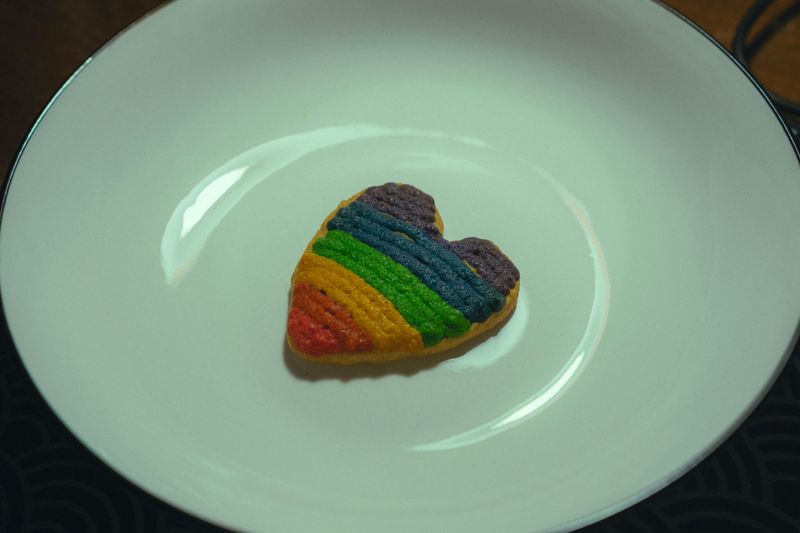
I grew up thinking rainbow cookies were a traditional Italian confection, the kind of bakery treasure that had been passed down unchanged for generations. Then the real story showed up, and it was even more New York: an Italian-American creation that became beloved specifically because local bakeries made it theirs.
It’s one of those sweets that sounds imported, but the version people crave is deeply tied to the city’s rhythms and celebrations. Those tricolor sponge layers, usually stacked with apricot or jam in the middle and sealed in a glossy chocolate coating, became staples in Brooklyn and Manhattan pastry cases.
They show up at weddings, holidays, and family gatherings like they have an official invitation, always sitting neatly on the tray as if they’re part of the dress code. The colors feel festive, but the flavor is the real reason they keep disappearing.
New York bakers refined the balance over time, making the layers tender but structured, the filling bright enough to cut through sweetness, and the chocolate just firm enough to snap when you bite in. It’s playful and polished at the same time, a cookie that feels like a celebration even when it’s grabbed as an everyday treat.
Rainbow cookies became emblematic of community moments, the kind of dessert that carries memory in its stripes. And even though the name makes it sound universally Italian, it doesn’t quite exist the same way in Italy.
This one belongs to New York, proudly and deliciously.
13. The Hero Sandwich (NYC “Hero”)
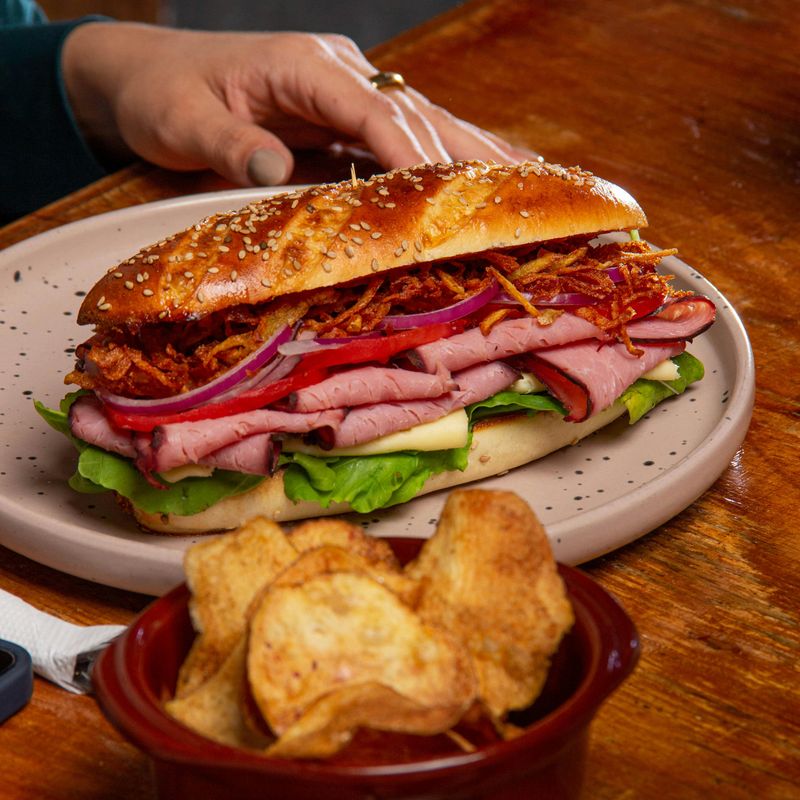
Decades after first trying it, the New York sandwich still feels like it earned the name “hero” the hard way, a title locals wear like a badge of culinary pride. The word itself carries a certain swagger, like the sandwich is doing you a favor just by showing up.
It sounds dramatic, but the moment one lands in your hands, the logic becomes obvious. The NYC hero is built on a long roll piled high with meats, cheeses, and that essential oil-and-vinegar gloss that makes everything taste sharper and more alive.
It’s been part of the city’s food vocabulary for ages, shorthand for a substantial, portable meal that doesn’t ask you to sit still. One order and you’re basically holding lunch and momentum in the same grip.
On a busy lunch break, it’s the kind of sandwich that makes the sidewalk feel like part of the experience. The roll struggles to contain the fillings, wrappers crinkle, and every step becomes a small negotiation between hunger and gravity.
Delis across boroughs put their own stamp on it, too, each one quietly convinced their version is the version, and honestly, that confidence is part of the charm. The hero isn’t just a sandwich, it’s a city attitude.
Big appetite, quick decisions, and a little improvisation, all packed into something you can carry with one hand while New York keeps moving with the other.
14. Artichoke Parm Hero
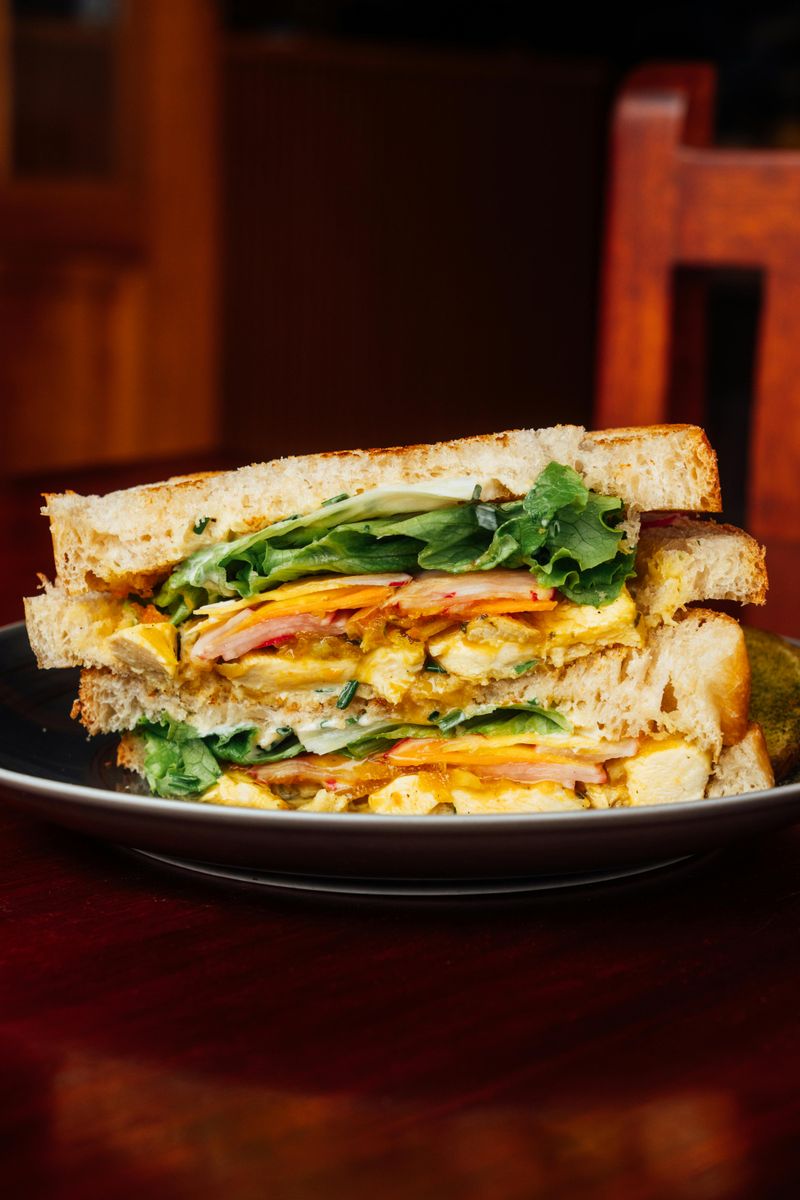
The artichoke parm hero has one of those origin stories that feels perfectly Brooklyn, discovered in a deli and traced back to a mid-century borough creation. It sounds like something that should have always existed, but it carries that postwar New York ingenuity, the era when delis and sandwich counters were quietly inventing classics between the lunch rushes.
The name alone tells you what you’re getting: comfort, crunch, and a little bit of chaos. Built around breaded artichoke hearts, marinara, and melted cheese, it became a vegetarian-friendly alternative that still feels indulgent and fully committed.
No one orders this sandwich because they want something light. They order it because they want something that eats like a celebration, even if it’s technically meatless.
That first bite is all contrast. The coating crunches, then gives way to the soft interior, and before you can reset, the sauce and cheese take over and make it deliciously messy.
It’s the kind of sandwich that demands extra napkins and rewards you for not pretending otherwise. With its Brooklyn roots and deli creativity, the artichoke parm hero earned its place as a localized classic.
It’s a perfect example of New York’s talent for reimagining ingredients into iconic handheld forms, turning something simple into something people crave like it’s a tradition.
15. Chicken Scarpariello
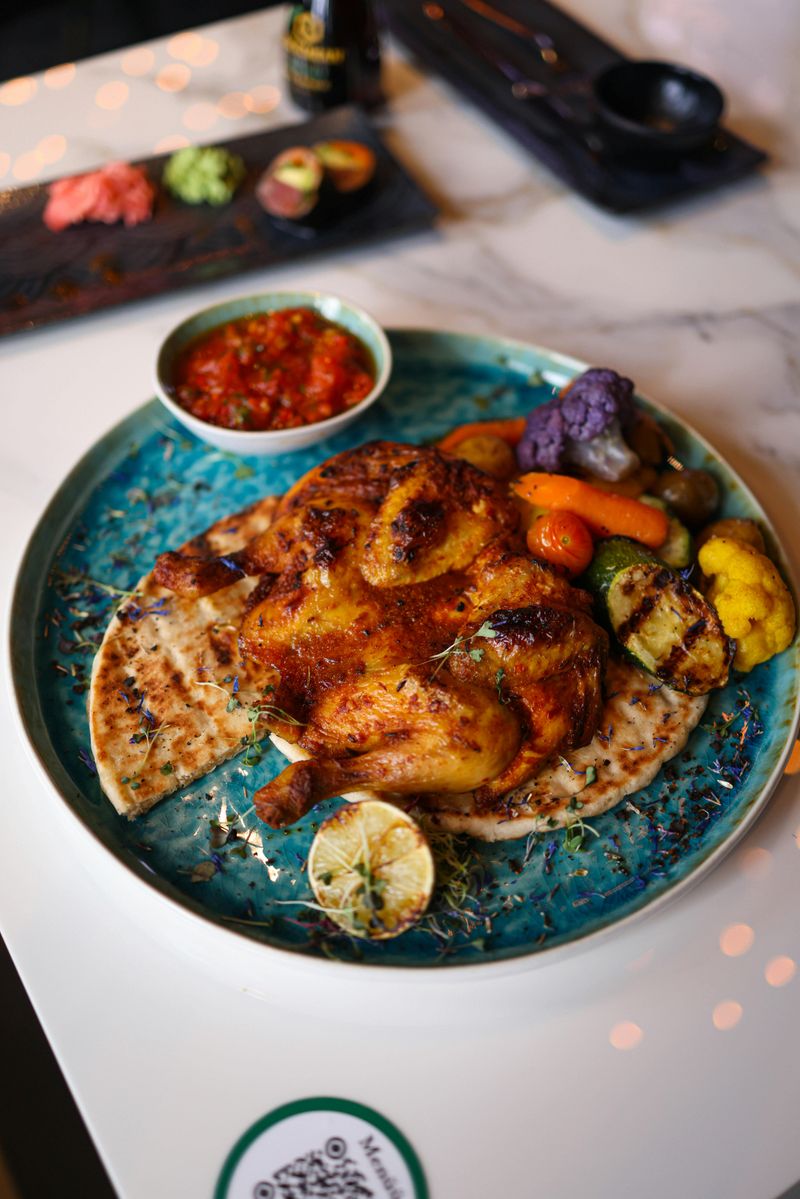
Chicken scarpariello was the kind of old-school menu surprise that immediately felt like a local secret hiding in plain sight. It may sound like something pulled straight from Italy, but the dish was shaped by Italian-American cooks in New York and the tri-state area, where rustic flavors get turned into loud, lively skillet food.
This is comfort with a pulse, built for crowded tables, hungry regulars, and a kitchen that wants maximum impact without the fuss. Loaded with peppers, garlic, and sometimes potatoes, scarpariello runs on that tangy pan sauce that keeps everything glossy and urgent.
It’s the kind of dish that tastes like the stove never really cooled down, just kept going until the room was full and everyone had a plate. Watching it hit a hot cast-iron pan is half the magic, aromatics blooming fast, the whole dining room suddenly paying attention.
One batch disappears quick because it’s endlessly shareable. The flavors punch through, the sauce clings to everything, and the heat keeps you coming back even when you swear you’re done.
That adaptability is exactly why it stuck, perfect for family-style dinners, neighborhood spots, and any table where seconds are basically expected. And honestly, that’s the whole point of these “Italian” New York classics.
They’re Italy through a New York filter, louder, heartier, and built for the pace of the city. Old-country roots, city-sized appetite, and zero interest in being subtle.
If you want Italy in New York, this is it, served hot, served fast, and served with a little attitude.