
10 New York Counties Seeing More Black Bears Than Ever This Fall
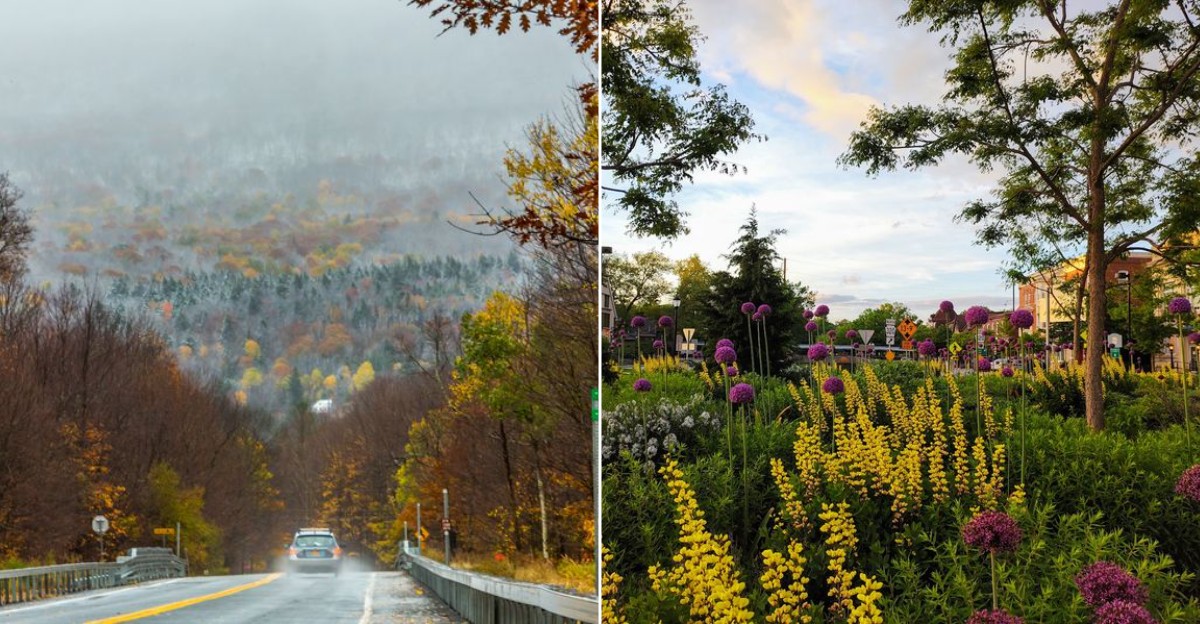
Fall in New York usually means colorful hillsides, crisp mornings, and the annual race to find the best pumpkin-spiced anything.
But this year, there’s another seasonal spectacle worth paying attention to, and it has four paws.
Black bears are especially active in autumn, when they enter hyperphagia, an intense feeding period that sends them into overdrive as they prepare for winter. With an estimated 6,000 to 8,000 black bears across the state, encounters can happen well beyond the deepest stretches of forest.
Bears have expanded into new areas over the years, and a tempting food source can bring one surprisingly close to a home, campsite, or backyard.
That doesn’t mean every bear sighting is cause for alarm.
It does mean knowing where they’re active, and how to behave around them, matters. These New York counties are seeing notable bear activity this fall.
Here’s what to know before your next walk in the woods.
1. Ulster County
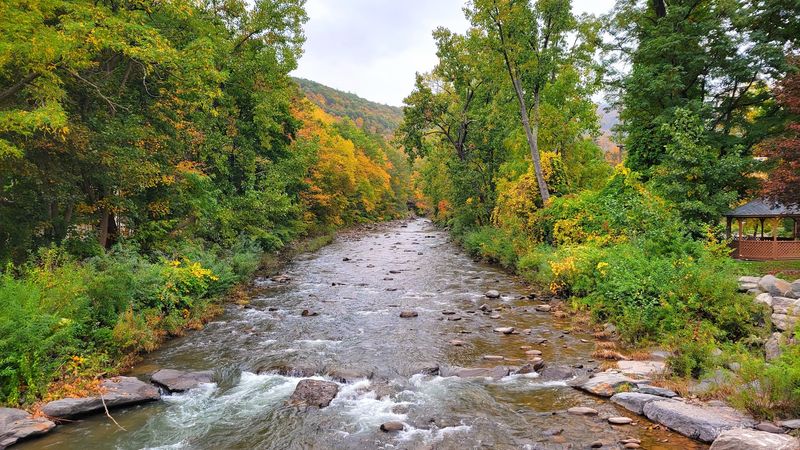
Ulster County is not just bear country. It is the bear country.
Wildlife Management Unit 3C in Ulster County recorded the highest bear harvest density in all of New York in 2025, clocking in at a jaw-dropping 20.9 bears per 100 square miles. That is not a typo.
That is a lot of bears sharing your hiking trails.
The most talked-about moment from last season was a 562-pound black bear harvested in the town of Olive. That bear set a statewide record and became the stuff of local legend almost overnight.
The Catskill Mountains provide exactly the kind of thick forest cover, abundant mast crops, and quiet hollows that bears absolutely love.
This fall, hyperphagia is in full swing across Ulster. Bears are eating up to 20,000 calories a day as they prepare for winter denning.
Acorns, berries, and anything else remotely edible is on the menu. If you are hiking near Slide Mountain or exploring the Catskill Center trails, keep your food secured and your eyes open.
Ulster County is where bears are not just surviving. They are absolutely thriving.
2. Orange County
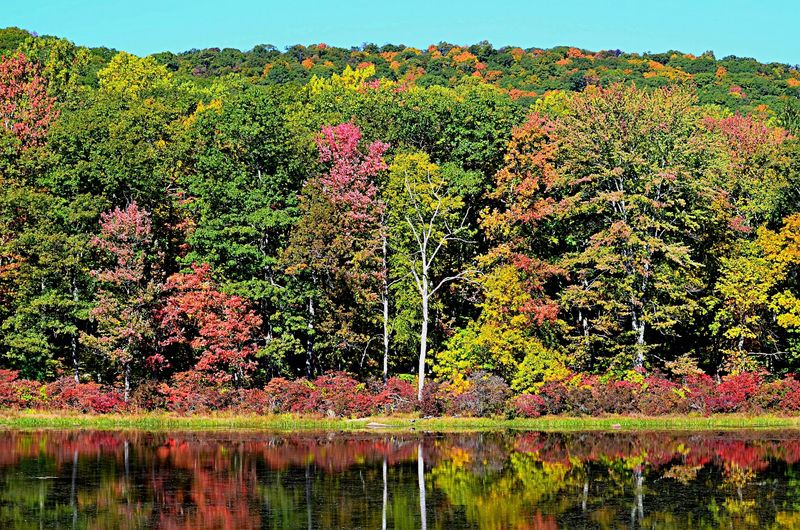
Orange County is proof that you do not need deep wilderness to have a bear encounter. In June 2026, residents of Newburgh spotted a bear perched in a tree right in the middle of a neighborhood.
Multiple overnight sightings followed across different parts of the city, leaving residents both startled and oddly delighted.
The Hudson Valley’s expanding bear population has been pushing into more developed areas for several years now. Young male bears, known as subadults, often disperse from their mothers’ territories and wander through unexpected places in search of food and space.
Orange County sits right in the path of that southward and eastward expansion.
As fall foraging intensifies, these wandering bears are drawn to anything calorie-rich and easy to access. Unsecured garbage cans, outdoor grills with leftover residue, and bird feeders are basically an open invitation.
The DEC strongly recommends bringing in bird feeders from April through December and using bear-resistant containers for trash.
Orange County residents who do their part help keep both people and bears safer this season. A bear in a tree is a story to tell.
A bear that keeps coming back for easy food is a problem nobody wants.
3. Greene County
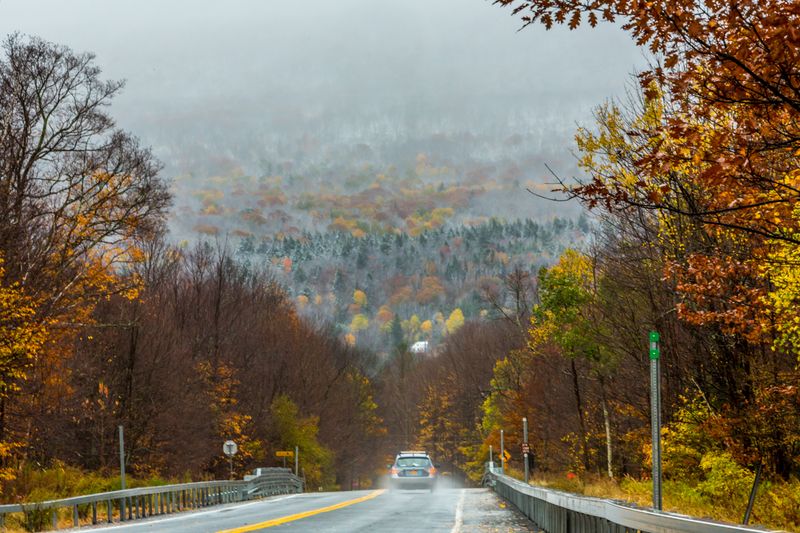
Greene County has long held a reputation as one of the wildest corners of the Catskills, and the bears here are living proof. Wildlife Management Unit 4R, which covers a significant portion of Greene County, logged a bear harvest density of 19.6 bears per 100 square miles in 2025.
That puts it firmly in the top tier of bear-dense zones in the state.
Hikers visiting the Kaaterskill Falls Trailhead in Haines Falls have reported regular bear sightings throughout 2026. It is one of the most visited natural spots in the region, and apparently bears enjoy the scenery too.
A notable encounter in June 2026 served as a firm reminder that these animals are wild, curious, and increasingly comfortable near people.
Autumn in Greene County means bears are on the move through beech forests and along ridgelines, searching for every last calorie before the cold sets in. The Escarpment Trail above Windham is a known corridor for wildlife movement.
Carry bear spray if you plan to camp, store food in a hard-sided container, and never feed wildlife intentionally. Greene County rewards the prepared adventurer with some of the most stunning fall scenery anywhere in New York.
4. Sullivan County
Sullivan County sits deep in the Catskill core, and the bear numbers here back that up completely. During the 2025 hunting season, 112 black bears were harvested in Sullivan County alone.
The southern half of the county showed a harvest density of 15.7 bears per 100 square miles, confirming what anyone who spends time outdoors here already knows.
The county’s mix of mature hardwood forests, hemlock stands, and open agricultural edges creates ideal habitat for bears year-round. Come fall, the mast crop, meaning acorns, beechnuts, and wild berries, determines how much bears roam.
A strong mast year keeps bears tucked in the forest. A lean mast year sends them toward orchards, gardens, and trash cans with surprising boldness.
Sullivan County is also home to a growing outdoor recreation scene, with trails, campgrounds, and nature preserves drawing more visitors each year. More people in bear country means more chances for an encounter, which is why awareness matters so much right now.
If you are camping near Mongaup Valley or hiking the Catskill Center’s Sullivan County trails this fall, store your food properly and make noise on the trail. Sullivan County’s bears are not hiding.
They are just doing what bears do, and they are doing a lot of it.
5. Delaware County
Delaware County does not always make the headlines, but the bears here are not waiting for an invitation to be noticed. Nestled in the heart of the Catskill region, Delaware County offers the kind of expansive, rolling terrain that black bears have called home for generations.
The county borders Sullivan, Ulster, and Greene, all of which are confirmed bear hotspots.
The overall trend of growing bear populations in New York’s Southern Zone strongly points to an active bear presence across Delaware County this fall.
Bears do not respect county lines, and the landscape here transitions beautifully between dense forest and open farmland, giving them plenty of options for foraging. Orchards, cornfields, and woodland edges are particularly attractive during hyperphagia season.
Residents in communities like Walton and Margaretville have noted increased wildlife activity in recent years. Rural properties with livestock feed, compost piles, or fruit trees can unknowingly attract bears looking for a quick calorie boost.
The DEC advises removing these attractants before the fall foraging push really ramps up. Delaware County may feel like a quiet corner of the Catskills, but this autumn it is very much on the bear map.
Keep your eyes open on those back roads at dusk.
6. Steuben County
Steuben County is not the first place most people picture when they think about black bears, and that is exactly what makes it so interesting right now.
In May 2026, a black bear was captured on camera raiding a backyard in Hornell, and the footage spread quickly through local news outlets. It was a vivid reminder that bear territory in New York is actively expanding southward and westward.
The Snapshot NY wildlife monitoring project, which uses a statewide network of trail cameras, also captured footage of a bear marking a tree in Steuben County in 2025. Tree marking is a natural behavior bears use to communicate with each other, and it signals an established presence in the area, not just a passing visitor.
Steuben County’s landscape of forested ridges, creek valleys, and agricultural land creates a patchwork habitat that suits bears well. As fall arrives, bears here are following the same hyperphagia drive as their Catskill cousins, eating constantly to build fat reserves.
Outdoor enthusiasts exploring the Finger Lakes Trail sections that pass through Steuben County should stay alert. A bear sighting out here is still surprising enough to stop you in your tracks, but it is becoming less and less rare every season.
7. Chemung County
Chemung County might not have the dramatic bear headlines of its Catskill neighbors, but it is firmly on the radar as New York’s bear population continues its steady expansion. Situated in the Southern Tier, Chemung County shares its ecological character with Steuben County to the west and the broader Appalachian plateau region.
That means forests, farmland, and river corridors that bears find genuinely appealing.
New York’s DEC has consistently noted that young bears dispersing from established populations tend to follow river valleys and forested ridgelines into new territory.
The Chemung River corridor and surrounding hillsides offer natural pathways for bears moving through the region. As fall deepens and food sources become more concentrated, bears traveling through these corridors may linger longer than expected.
Residents in more rural parts of Chemung County, particularly around Erin and Van Etten, are increasingly likely to spot signs of bear activity, from overturned logs to scratched trees to raided bird feeders.
If you notice these signs around your property this autumn, take them seriously and remove attractants promptly. Chemung County is in the early stages of becoming regular bear country, and the actions residents take now will shape how smoothly that transition goes.
Bears are coming.
The question is whether we are ready to be good neighbors.
8. Schoharie County
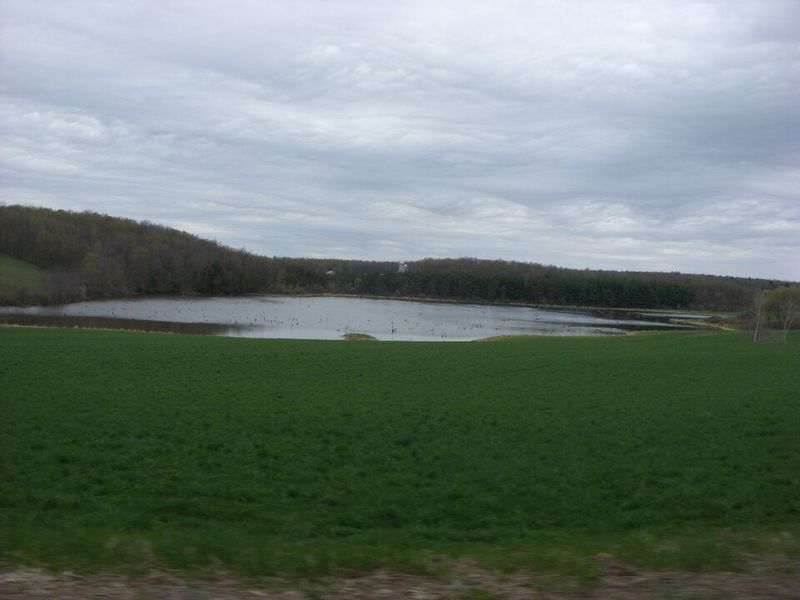
Schoharie County sits right on the doorstep of the Catskills, and the wildlife reflects that proximity in a big way. Wildlife Management Unit 4R, which extends into Schoharie County, recorded a bear harvest density of 19.6 bears per 100 square miles in 2025.
That puts Schoharie firmly in the company of Greene and Ulster as one of the state’s most bear-active zones.
The county’s landscape is a patchwork of forested slopes, open valleys, and small farms, exactly the kind of varied terrain that supports healthy bear populations year-round.
Schoharie Valley residents are no strangers to wildlife encounters, and bears raiding bird feeders or wandering through orchards are a familiar autumn occurrence for many households.
This fall, with bears in full hyperphagia mode, the activity level is expected to be especially noticeable. The DEC recommends that Schoharie County residents bring in bird feeders and secure compost bins starting in September.
If you are hiking the trails around Vroman’s Nose or exploring the county’s many scenic back roads, carry a noisemaker and stay aware of your surroundings. Schoharie County offers some genuinely beautiful fall scenery, and sharing it with a black bear is an experience most people never forget.
Just make sure that experience stays at a respectful distance.
9. Cattaraugus County
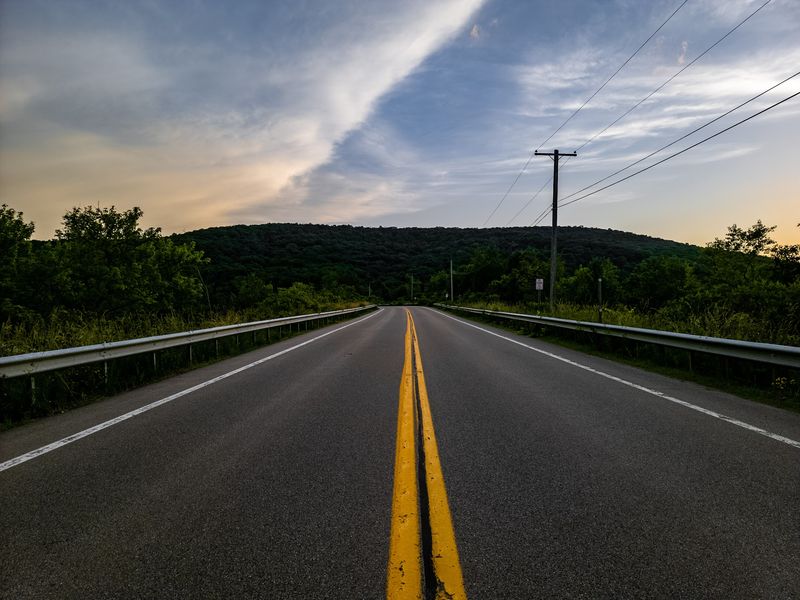
Out west in New York, Cattaraugus County is making a strong case for being one of the most exciting bear-watching regions in the state right now. Region 9, which covers Western New York and includes Cattaraugus County, saw 196 bears harvested during the 2025-26 season.
That number reflects a bear population that is healthy, growing, and pushing into new corners of the landscape.
The Allegheny Mountains provide the backbone of Cattaraugus County’s terrain, with dense forests, steep ravines, and cold-water streams creating a habitat that feels tailor-made for black bears.
Allegany State Park, one of the largest state parks in New York, sits within the county and serves as a significant wildlife refuge. Bears are regularly observed within and around the park, especially during the fall foraging season.
Campers and hikers exploring Allegany State Park this autumn should follow bear-safe practices without hesitation. That means using designated food storage boxes at campsites, never leaving coolers unattended outside, and disposing of food scraps properly.
Cattaraugus County’s bear population is not just a passing trend. It represents a genuine westward expansion of New York’s thriving black bear community.
For wildlife enthusiasts, this corner of the state is becoming one of the most rewarding places to observe bears in their natural rhythm.
10. Westchester County
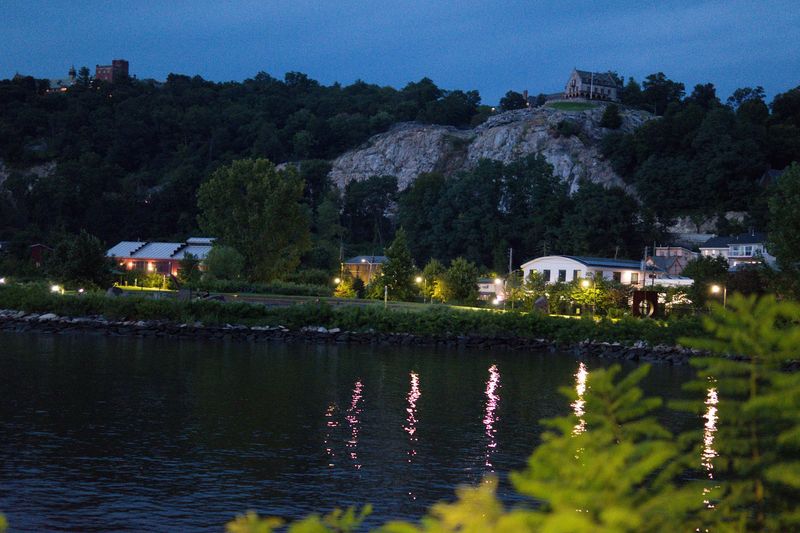
Nobody expects to see a black bear while walking their dog in Westchester County, and yet here we are in fall 2026. In June of this year, a black bear was spotted near Gedney Park Drive in White Plains, approaching bird feeders and drawing a crowd of curious onlookers.
Sightings in Somers and Yonkers also made local news, and a juvenile bear was found in a tree in Greenburgh, looking very unbothered about the whole situation.
Westchester bears are generally considered transient, meaning they are passing through rather than setting up permanent territory.
Young males dispersing from established populations in Putnam and Dutchess counties often wander south into Westchester, following wooded corridors along ridgelines and river edges. Fall foraging gives them extra motivation to keep moving and exploring.
The key for Westchester residents this autumn is simple and actionable. Remove bird feeders, secure garbage in bear-resistant containers, and do not leave pet food outside overnight.
A bear visiting a Westchester backyard is not a crisis. It is a wild animal doing exactly what its instincts tell it to do.
With a little preparation and a lot of patience, coexisting with these occasional visitors is entirely manageable. Have you spotted a bear in your neighborhood this fall?
You are definitely not alone, and that story is worth sharing with your neighbors too.