
15 New York Deli Rules From The 1940s That Would Confuse Modern Foodies
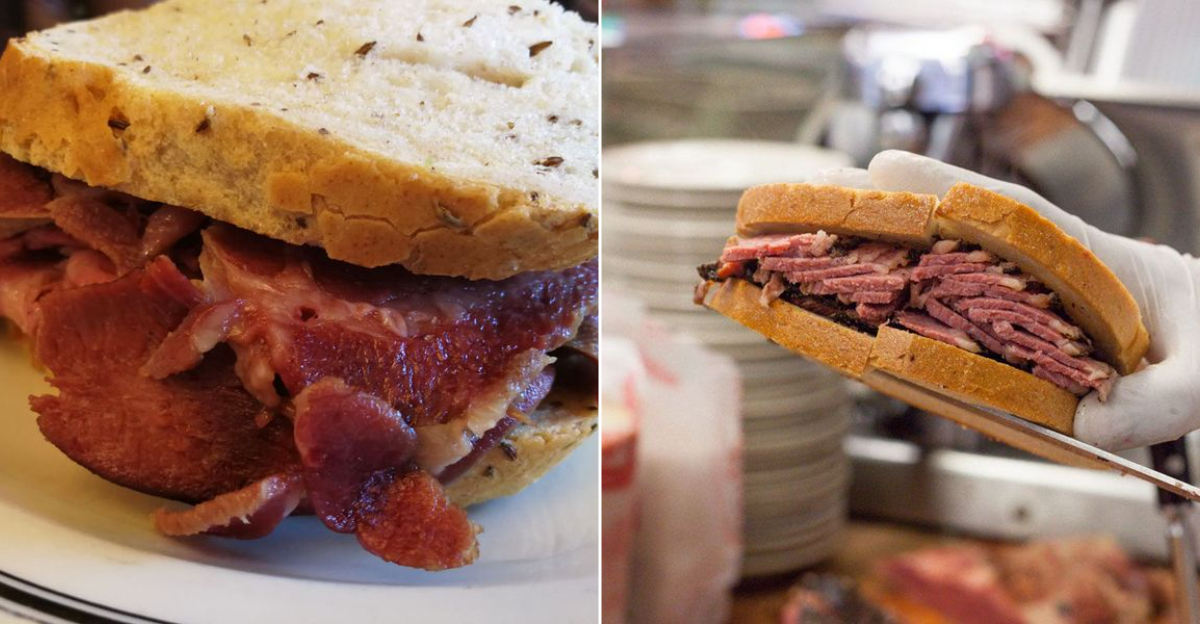
Step into a 1940s New York deli and you’d be transported into a world with its own rhythm and unwritten rules, a place that might puzzle today’s food enthusiasts.
Plates clattered, orders were barked across crowded counters, and the savory perfume of corned beef, pastrami, and pickles hung thick in the air. These bustling neighborhood hubs weren’t just places to eat—they embodied tradition, practicality, and resilience.
Customs grew out of necessity, from rationing during wartime to religious observances that guided what could be served and when. The result was an authentic deli experience that defined an era and shaped generations of taste.
1. Meatless Tuesdays Were Patriotic, Not Trendy
My grandfather always told stories about Mayor LaGuardia’s wartime food campaigns. During WWII, New Yorkers faced voluntary ‘Meatless Tuesdays’ as part of the war effort – nothing like today’s health-conscious vegetarian options!
Hot dog vendors couldn’t sell their signature sausages that day. Instead, they’d offer fish sandwiches or – get this – organ meats! Imagine a modern food truck trying to push liver, kidneys, or heart as Tuesday specials.
People followed these rules out of patriotism, not dietary preference. The practice seems quaint now, but it represented serious sacrifice during uncertain times.
2. Ceiling Prices Controlled What You Paid
Walking into Katz’s last week, I couldn’t help but laugh thinking about how my grandmother described 1940s deli visits. Back then, government-mandated ‘ceiling prices’ were posted prominently – the maximum a deli could legally charge for a sandwich!
The Office of Price Administration (OPA) strictly regulated food costs during wartime. Restaurant owners couldn’t just charge whatever they wanted for that corned beef on rye.
Rationing hit everything from sugar to cheese, yet amazingly, restaurants didn’t require customers to surrender personal ration coupons. This loophole made delis extraordinarily popular during wartime!
3. The Sacred Paper Ticket System
First time I visited Katz’s with my dad, he clutched that paper ticket like it was made of gold! This tradition dates back decades – you’d receive a ticket upon entering, and cutters would mark your orders directly on it.
Lose your ticket in the 1940s? You’d face a hefty fee – just as you do today. This wasn’t just bureaucracy; it prevented dine-and-dash attempts during crowded lunch rushes.
Modern POS systems with digital receipts would have seemed like science fiction. That little paper slip represented a simple but effective honor system that kept these bustling establishments running smoothly through their busiest periods.
4. Pastrami Protocol Was Non-Negotiable
Grandpa Joe would roll in his grave if he saw what some people put on pastrami nowadays! In 1940s New York delis, sandwich protocol was sacred law – pastrami came on rye bread with mustard. Period.
Ask for mayo on pastrami? You’d get looks that could curdle milk. White bread? The counterman might refuse your order entirely. And ketchup? Don’t even think about it!
These rules weren’t arbitrary but reflected cultural traditions and taste preferences developed over generations. Today’s build-your-own-sandwich culture would have horrified traditionalists who believed certain flavor combinations were simply non-negotiable.
5. Meat And Dairy Never Mixed
I remember my great-uncle Saul’s shock when I ordered a cheeseburger at lunch. “In my day,” he sputtered, “truly kosher delis would never allow such a thing!”
Strict kosher rules meant complete separation of meat and dairy – no butter on your beef sandwich, no cheese melted on corned beef. The Reuben sandwich (with Swiss cheese and corned beef) simply didn’t exist in traditional kosher establishments.
Many delis eventually adopted “kosher-style” approaches, maintaining traditional recipes while relaxing certain religious restrictions. This distinction continues to puzzle newcomers who don’t understand why some delis serve cheese while others refuse.
6. Schmaltz Reigned Supreme In The Kitchen
My bubbie’s kitchen always smelled of rendering chicken fat – schmaltz was liquid gold! In 1940s delis, this golden fat served as the kosher cook’s secret weapon, replacing butter entirely in meat dishes.
Kosher laws prohibit mixing meat and dairy, so schmaltz became the go-to cooking medium. Potatoes fried in schmaltz developed an incredible flavor that vegetable oil simply can’t match.
Modern health concerns have nearly eliminated this traditional ingredient from commercial kitchens. The rich, distinctive taste that schmaltz lent to everything from matzo balls to fried onions represents a sensory experience many contemporary diners will never know.
7. Egg Creams Contained Neither Eggs Nor Cream
First time my daughter tried making an egg cream at home, she cracked eggs into a glass! I laughed until my sides hurt – this classic New York beverage has confused people for generations.
Despite its misleading name, a proper egg cream contains just three simple ingredients: milk, seltzer water, and chocolate syrup – specifically Fox’s U-Bet. The magic happens in the mixing technique that creates that distinctive frothy top.
Many 1940s delis doubled as soda fountains, with egg creams being their signature non-alcoholic beverage. The name’s origin remains debated, but the recipe was non-negotiable among those who took their fountain drinks seriously.
8. Seltzer Delivery Was A Regular Service
Last week at an antique shop, I spotted an old seltzer siphon that transported me back to stories of my grandfather’s deli days. In 1940s New York, seltzer wasn’t something you grabbed in plastic bottles – it arrived in heavy glass siphons delivered by dedicated “seltzer men.”
These door-to-door deliverymen would collect empty siphons and replace them with freshly filled ones. The pressurized bottles produced a spray of perfectly carbonated water at the press of a lever.
Delis relied on these deliveries for fountain drinks and table service. The Brooklyn Seltzer Boys still maintain this tradition today, preserving a nearly forgotten aspect of classic deli culture.
9. Tongue Sandwiches Were Everyday Fare
My first job was at my uncle’s deli where I’d watch customers confidently order tongue sandwiches without a second thought. Beef tongue – something that makes many modern diners squirm – was once among the most popular sandwich fillings in 1940s New York!
Sliced thin and served warm on rye, tongue was prized for its tender texture and rich flavor. Regular customers would specifically request certain parts of the tongue, knowing exactly which sections they preferred.
Today, tongue has become a specialty item or adventurous eater’s challenge. At Katz’s, it remains available but sells far less than the pastrami and corned beef that now dominate deli culture.
10. Bread Options Were Limited But Perfect
Walking into a modern bakery with its sourdough, multigrain, and gluten-free options always makes me chuckle. My father insisted real delis offered exactly two bread choices: seeded rye or pumpernickel.
These weren’t just preferences but foundations of the deli experience. Jewish rye with its distinctive caraway seeds provided the perfect chewy counterpoint to fatty meats. Dark, dense pumpernickel offered an earthier alternative for those who preferred its more robust flavor.
White bread existed but requesting it for your pastrami would mark you as an outsider immediately. The bread wasn’t just a vehicle for meat – it was an essential component of the sandwich’s cultural identity.
11. Personal Cutters Created Sandwich Relationships
First time I visited a historic deli with my father, he nudged me toward a specific counter position. “Always find your cutter,” he winked. “Mine’s been slicing my corned beef for thirty years.”
In 1940s delis, you didn’t just order a sandwich – you developed a relationship with your personal meat cutter. Regulars would bypass the main line to stand before their preferred slicer, who knew exactly how thick to cut their meat.
The ritual included the cutter offering a small sample while building your sandwich. Tipping at the counter – not with the final bill – ensured your cutter remembered your preferences for future visits.
12. Smoking Was Part Of The Dining Experience
Grandpa’s stories about 1940s deli lunches always included the detail that seems most foreign to me: everyone smoked while eating! The idea of lighting up between bites of a pastrami sandwich seems utterly bizarre today.
Ashtrays sat on every table, and the air hung heavy with tobacco smoke that mingled with cooking aromas. Nobody questioned this practice – it was simply part of the dining experience.
This cultural norm persisted until New York’s 2003 Smoke-Free Air Act finally banned smoking in all restaurants and bars. Modern diners accustomed to clean air would find the hazy atmosphere of a 1940s deli lunch completely disorienting.
13. Sabbath Observance Created Confusion
My grandfather’s deli closed every Friday evening through Saturday, which puzzled some customers who’d arrive hungry only to find locked doors. Sabbath observance varied dramatically among 1940s New York delis, creating a patchwork of operating hours that confused even locals.
Strictly kosher establishments closed from sundown Friday through Saturday for Shabbat. Others found creative workarounds – some would technically “sell” the business to a non-Jewish employee for 24 hours.
Even today, visitors to New York get surprised by traditional closures during Jewish holidays. The decision to observe religious traditions or cater to weekend customers created genuine identity struggles for many deli owners.
14. Kosher Certification Was Seriously Political
Walking through the Lower East Side with my rabbi grandfather, he’d point out which delis had “real” kosher certification versus those he considered questionable. The debates over kosher supervision in 1940s New York were surprisingly intense!
New York had enacted kosher food laws decades earlier, but enforcement and standards varied widely. Different rabbinical authorities issued competing certifications, each claiming superior legitimacy.
Some delis advertised as “kosher-style” – using traditional recipes without strict religious supervision. This created genuine confusion about what customers were actually getting. The politics behind kosher certification shaped how delis marketed themselves and which communities they served.
15. Wartime Rationing Made Delis Unexpectedly Popular
Grandma always claimed she met Grandpa during the war – not at a dance, but fighting for a seat at Lindy’s Deli! When food rationing began during WWII, an unexpected loophole turned delis into the hottest spots in town.
Restaurants didn’t require customers to surrender personal ration coupons for meat, cheese, or sugar. This created a remarkable situation where dining out offered access to foods that were strictly limited at home.
Reports showed New York restaurant traffic doubled in 1943 as savvy diners discovered this workaround. Delis that could secure ingredients through commercial channels suddenly found themselves with lines around the block – not just for the food quality but for the sheer availability.