
9 New York Mineral Springs Once Believed To Hold Restorative Powers
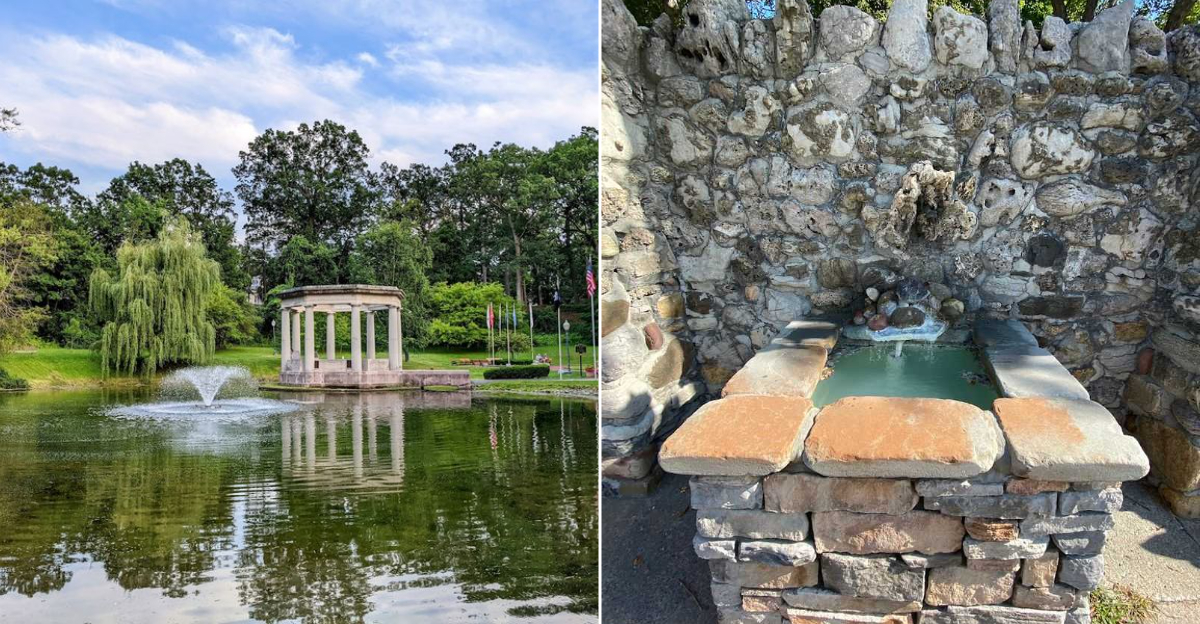
New York has always had a way of mixing grit with something a little more mysterious. Beyond the skyline, beyond the noise, there are places where water seeps up from the earth carrying stories people once took very seriously.
Mineral springs across the state were once considered more than scenic stops. They were destinations.
People traveled for them, swore by them, and built entire rituals around their supposed restorative powers.
A sip, a soak, a pause, and suddenly everything from fatigue to bad moods had an answer in the ground beneath your feet. Today, the science is more measured, but the atmosphere hasn’t changed much.
The air still feels different. The water still draws you in.
And the history lingers in every bubbling surface and quiet trail nearby. These New York mineral springs remind you that belief, nature, and a little curiosity have always been closely connected.
1. Saratoga Spa State Park
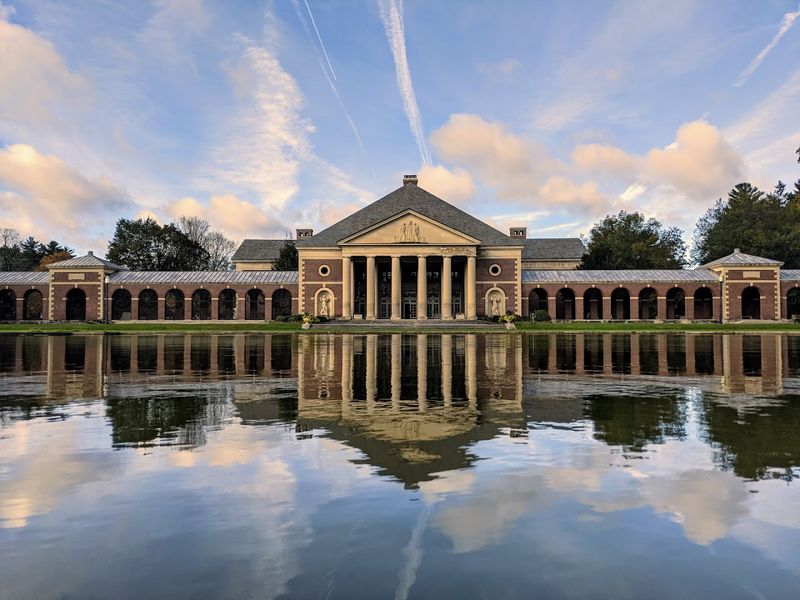
Few places carry as much geological drama as Saratoga Spa State Park. Located at 19 Roosevelt Drive in Saratoga Springs, NY, this iconic park sits above a fault line that pushes naturally carbonated mineral water straight to the surface.
The Mohawk and Iroquois nations called this land the “Medicine Spring of the Great Spirit,” and honestly, that name alone earns serious respect.
George Washington himself was so impressed by these waters that he tried to purchase the land in 1783. The springs here contain a mineral lineup that reads like a health food store shelf: sulfur, calcium, iron, magnesium, potassium, and sodium.
Doctors in the 1800s prescribed visits here for kidney troubles, rheumatism, heartburn, and even more complex conditions, though science eventually caught up with those claims.
What makes this park special today is that the history is still alive and bubbling. You can still walk the grounds, visit the springs, and feel the fizzy water that once drew presidents and socialites alike.
The park sprawls across 2,200 acres of gorgeous landscape, making it one of New York’s most unique state parks.
Saratoga was not just a trend; it was the original wellness destination that set the standard for every spa town that followed.
2. High Rock Park
High Rock Spring is the kind of place that makes you stop and think about how long humans have been searching for something to make them feel better.
Sitting at 112 High Rock Avenue in Saratoga Springs, NY, this spring has one of the most dramatic origin stories in the region. The Iroquois brought their sick here for generations before a single European settler ever laid eyes on it.
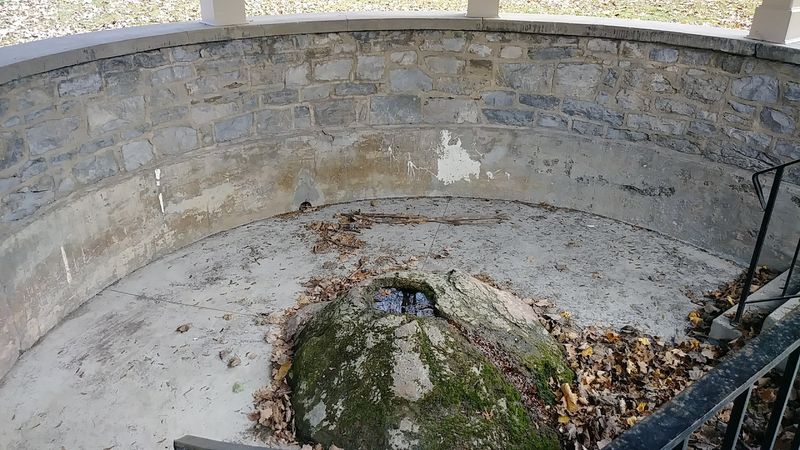
The spring rises through a cone-shaped mound of mineral deposits that built up over centuries, creating a natural formation that looks almost too cool to be real. George Washington visited this very spot and was so taken with it that he wanted to claim the land.
That is the kind of endorsement that money cannot buy. The water here was believed to carry powerful restorative properties, drawing visitors from across the young nation.
High Rock Park today preserves that remarkable history in a setting that feels surprisingly intimate.
The spring still produces its characteristic carbonated mineral water, and the surrounding park gives visitors a peaceful place to reflect on how this small geological quirk shaped an entire region.
Standing next to that ancient cone, you get a genuine sense of why so many people believed something extraordinary was happening beneath the surface.
3. Congress Park
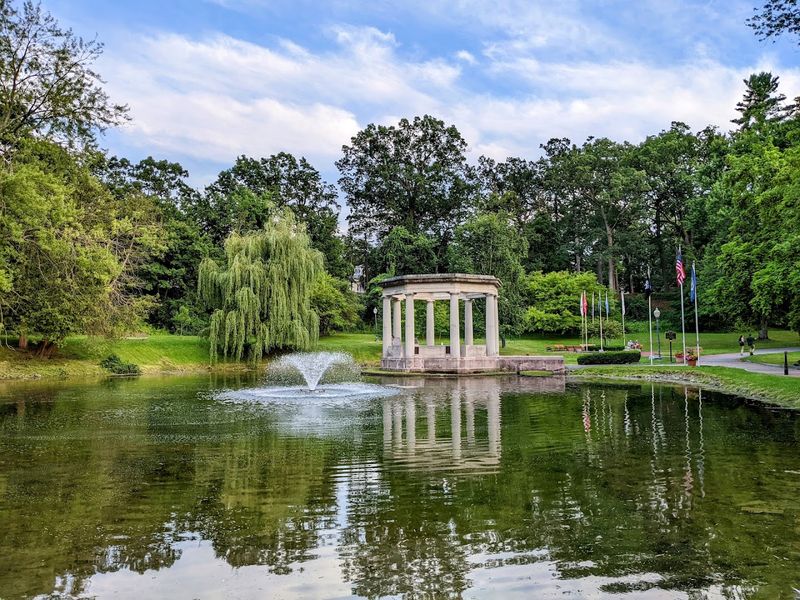
Congress Spring might be the most famous sip in American history, and that is not even an exaggeration. Located within Congress Park at 268 Broadway in Saratoga Springs, NY, this spring became the anchor of an entire resort culture that defined 19th-century American leisure.
Wealthy visitors came by the thousands specifically to drink from this source.
The water was specifically associated with digestive health, and doctors promoted it enthusiastically for stomach complaints.
Entrepreneurs bottled Congress Water and sold it across the country, making it one of the earliest commercially distributed mineral waters in the United States. The spring essentially launched an industry.
Saratoga became synonymous with sophistication and healing, and Congress Spring was the headliner of the whole operation.
Today, Congress Park is a beautifully maintained green space in the heart of Saratoga Springs, featuring formal gardens, a carousel, and the historic Canfield Casino.
The spring itself is part of the park’s preserved heritage. Walking through these grounds, it is easy to imagine the elegantly dressed visitors who once gathered around this very spot, tin cups in hand, absolutely convinced the water was doing something miraculous for their digestion.
Congress Spring turned Saratoga into a destination, and that legacy still echoes through every corner of the park.
4. Roosevelt Baths & Spa
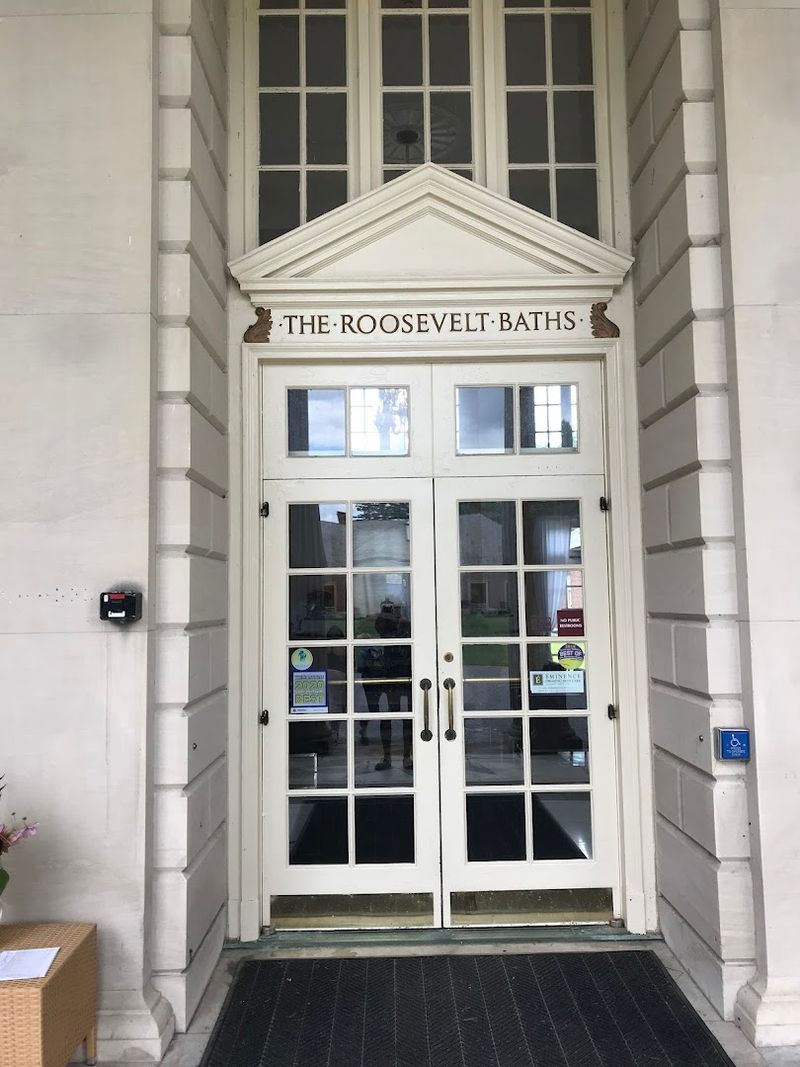
If there is one place in New York where the tradition of mineral spring bathing never really went away, it is the Roosevelt Baths and Spa.
Nestled at 39 Roosevelt Drive in Saratoga Springs, NY, this stunning facility was built in the 1930s as part of a New Deal project designed to make the healing mineral waters accessible to everyday people, not just the wealthy elite.
The baths pipe in naturally carbonated mineral water directly from the springs below, filling private tubs with the same fizzy, mineral-rich water that once drew presidents and aristocrats.
The carbon dioxide in the water causes a gentle effervescent effect on the skin, which early visitors swore improved circulation and eased muscle aches. Whether that is science or simply the magic of a warm soak, the experience is genuinely unlike anything else.
The building itself is a gorgeous example of classical revival architecture, and stepping inside feels like traveling back in time to when self-care was a serious civic matter.
The Roosevelt Baths still operates today as a working spa, offering mineral baths alongside modern treatments.
It is one of the few places where you can actually experience what 19th-century spa culture felt like, and it turns out it felt pretty wonderful. History has never been this relaxing.
5. Old Iron Spring Pavilion & Park
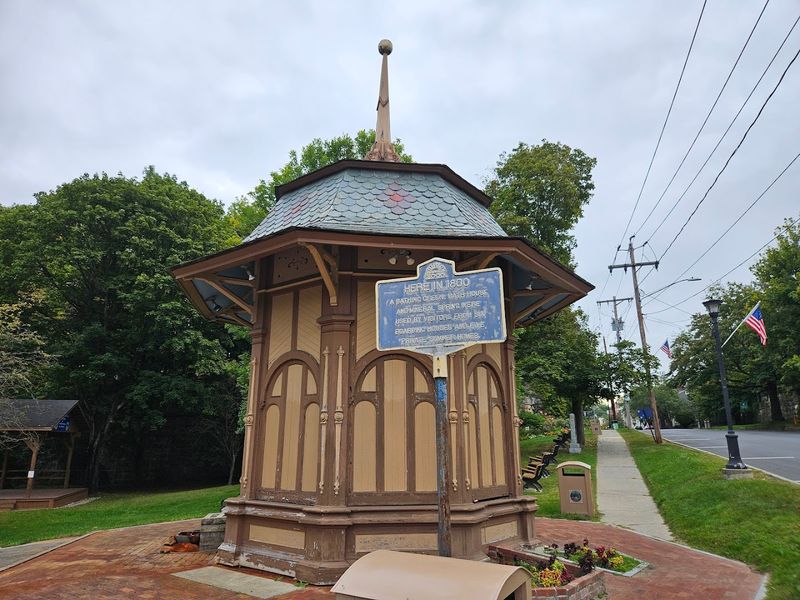
Before Saratoga Springs was even on the map, Ballston Spa was already the place to be.
The Old Iron Spring Pavilion and Park, located at Front Street and Fairgrounds Road in Ballston Spa, NY 12020, marks the site of what is considered America’s first recognized mineral spring destination.
The Iron Railing Spring was discovered here in 1771, beating Saratoga to the punch by years.
Early visitors called this area the original American watering place, and it earned that title with enthusiasm.
The mineral-rich iron waters were believed to treat a range of ailments, and the town that grew up around the spring became a fashionable resort long before the railroad made Saratoga more accessible.
Advertisements from the early 1900s boldly claimed the water could address kidney and liver concerns, and people believed every word.
The pavilion that stands today is a quiet tribute to that remarkable legacy. Ballston Spa does not shout about its history the way bigger towns might, but the story here is genuinely fascinating.
This small village quietly holds the title of America’s first watering place, and that is worth celebrating. The park surrounding the pavilion offers a peaceful setting to reflect on the fact that wellness tourism in America started right here in this unassuming corner of Saratoga County.
6. Spring Park
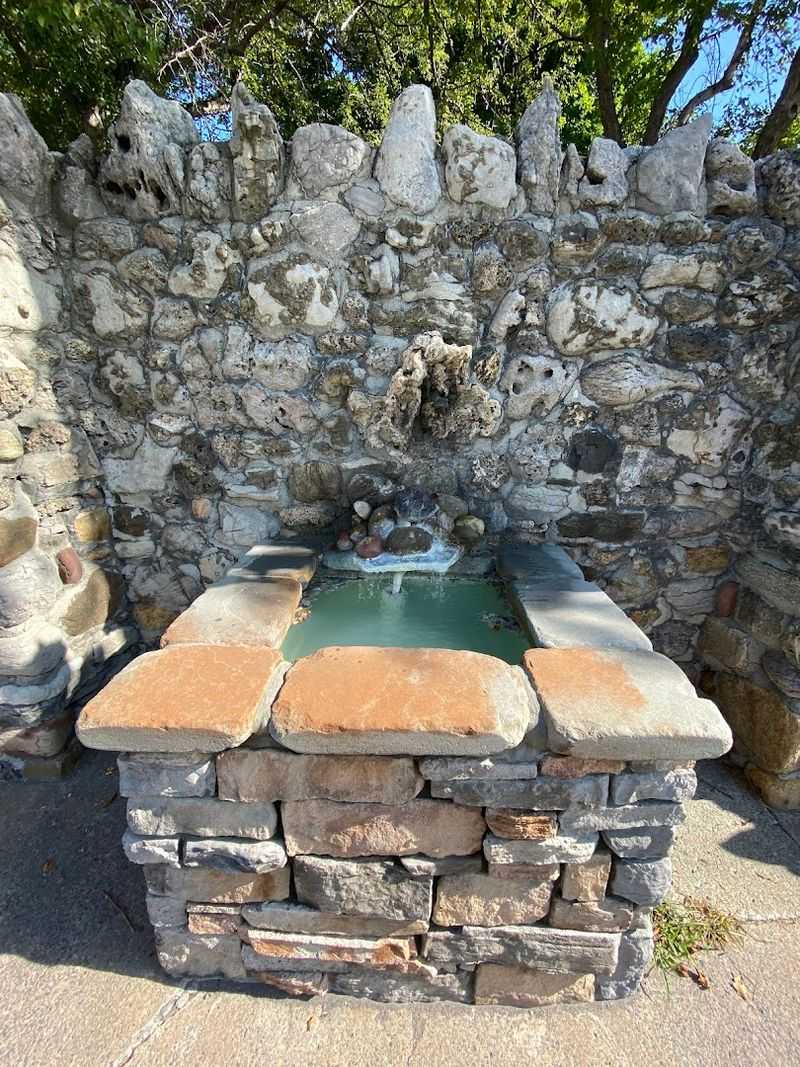
Richfield Springs had a nickname that should have been on every tourist brochure ever printed: the Native Americans called it “Big Medicine Waters.”
Spring Park, located at State Highway 20 and Church Street in Richfield Springs, NY 13439, is where you can still taste the sulfur spring water that once made this Otsego County town a destination for the hopeful and the hurting.
The Oneida tribe called these sulfur springs “Ga-no-wan-ges,” which translates roughly to “stinking water,” and honestly, that name is more accurate than any wellness marketing copy could ever be.
Around 1820, a physician named Dr. Horace Manley began developing the area as a medicinal water destination, and the town grew quickly around the promise of the springs.
Visitors arrived seeking relief from a wide range of conditions, drawn by word of mouth and the era’s enthusiastic belief in mineral water cures.
What makes Spring Park genuinely special is that the sulfur spring is still publicly accessible for tasting today.
Not many of these historic springs survived in drinkable form, so this one carries extra significance. The park itself is modest and quiet, tucked into a small town that most people drive past without a second glance.
But for anyone who appreciates the intersection of natural history and folk medicine, this little park is absolutely worth a stop.
7. Lebanon Springs
Columbia County has always had a quiet kind of magic, and Lebanon Springs is a perfect example of that understated charm.
Located at 44 Spring Hill Road in New Lebanon, NY 12125, this spring site represents one of the older mineral water traditions in the Hudson Valley region. People have been seeking out these waters for centuries, long before the concept of a spa weekend existed.
Lebanon Springs sits in a landscape that feels genuinely timeless. The rolling hills of the Berkshire foothills frame the area beautifully, and the spring itself has drawn visitors who believed the mineral-rich water offered something their everyday lives could not.
The Columbia County region was well-positioned geographically between New York City and the resort towns of New England, making Lebanon Springs a natural stopping point for travelers heading in either direction.
The spring’s history is less flashy than Saratoga’s but no less meaningful. Communities built around healing waters tend to develop a particular kind of identity, one rooted in the idea that nature provides what medicine sometimes cannot.
Lebanon Springs embodies that spirit quietly and completely. For anyone exploring the mineral spring trail of New York, this stop offers a more contemplative experience, one where the landscape itself feels like part of the remedy.
Sometimes the quietest places carry the most interesting stories.
8. Springs Park
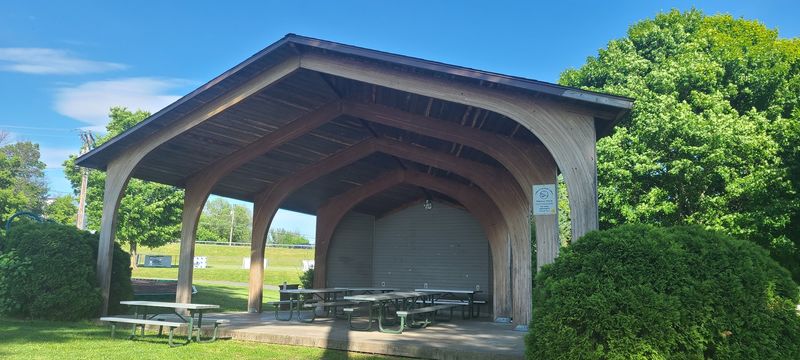
Up in the far north of New York, where the St. Lawrence River defines the border and winters are genuinely legendary, Massena was once home to a mineral spring resort that drew visitors from across the region.
Springs Park on West Hatfield Street in Massena, NY 13662 marks the location where sulfur springs along the Raquette River once had a remarkable reputation for healing.
The Native American name for this place was Kanaswastakeras, which translates to “the place where the mud smells bad.”
That is either the most honest destination name in history or the worst marketing campaign ever attempted. Despite the fragrant reputation, people flocked here after the springs were more widely recognized in 1822.
The belief was that sick animals and people alike came to drink the sulfur water and walked away feeling better, which was a powerful enough story to build a resort around.
The springs attracted visitors seeking relief from rheumatism and skin conditions, two complaints that seemed to follow people everywhere in the 19th century.
Massena Springs developed into a genuine resort destination, which is remarkable given how far north it sits. Today, Springs Park preserves the memory of that era in a peaceful riverside setting.
The sulfur smell may be long gone, but the sense of history along the Raquette River remains, and that is worth the trip north all on its own.
9. Avon Driving Park
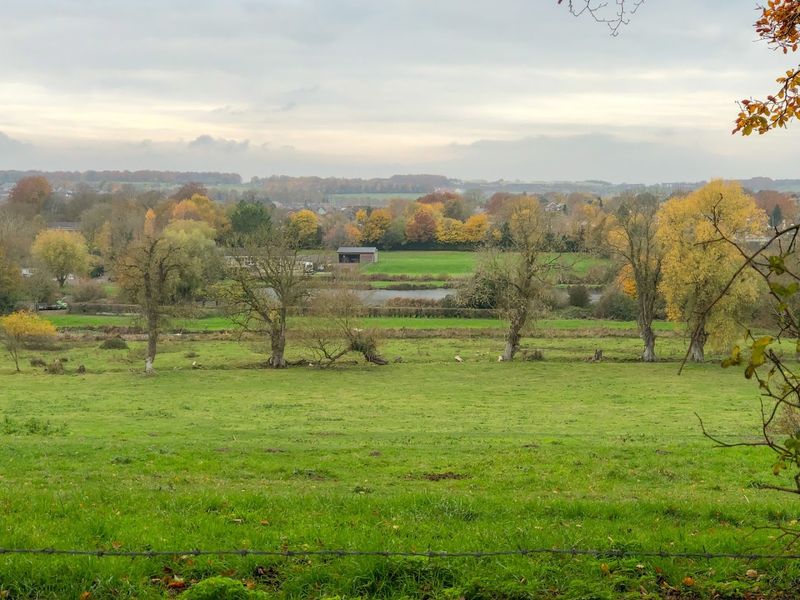
The Seneca Nation had a blunt and brilliant name for the springs at Avon: Canawaugus, meaning “Stinking Waters.” Clearly, the theme of honest naming was strong across New York’s mineral spring culture.
The Avon Driving Park near Spring Street in Avon, NY 14414 sits in Livingston County, where sulfur springs once drew visitors who believed these pungent waters could heal what ailed them.
By 1821, Avon had developed into a proper health resort, and at its peak, people were saying its medicinal springs rivaled those of Saratoga.
That is a bold claim, but the enthusiasm was real. The Seneca had used these waters for skin conditions and other ailments long before European settlers arrived, lending the springs a centuries-old credibility that resort promoters were happy to lean into.
The “Magnesia” spring was particularly celebrated for its specific mineral content and associated benefits.
Avon never quite reached Saratoga’s level of fame, but it carved out a loyal following among visitors from across western New York and beyond.
The driving park itself was part of the broader resort culture that surrounded the springs, offering entertainment alongside the healing waters. Today, Avon is a quiet Livingston County community, but its spring history is a fascinating chapter in New York’s broader wellness story.
Have you ever wondered how many of these forgotten springs are still out there, quietly waiting to be rediscovered?