
11 New York Restaurants That Have Survived While Nearly Everything Around Them Changed
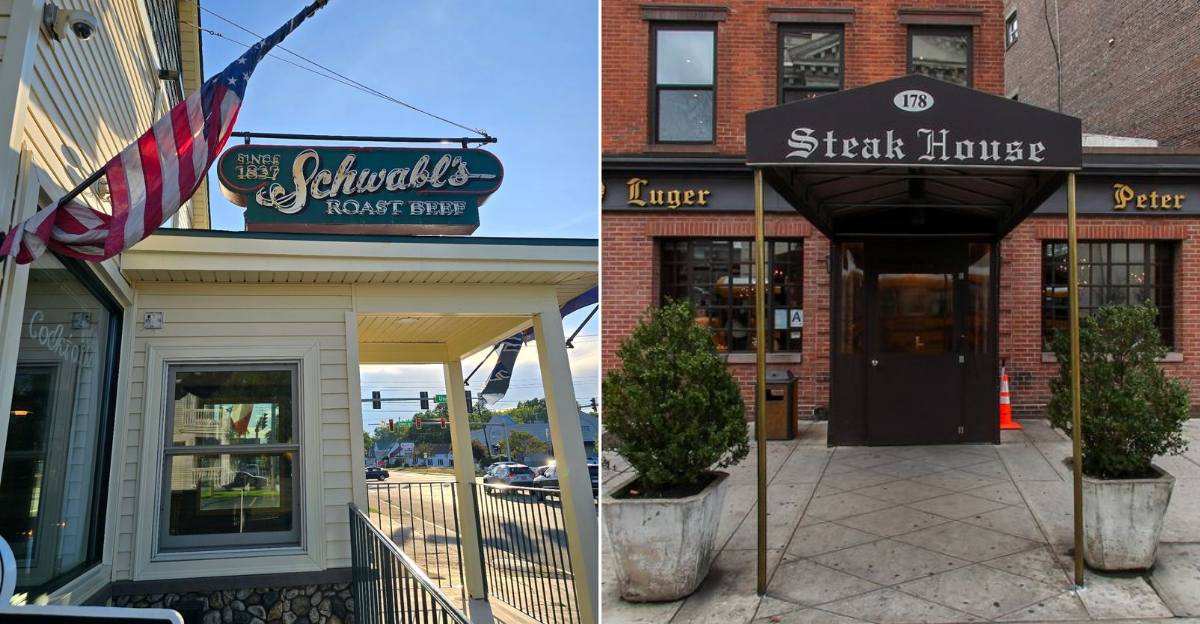
New York has a funny way of changing without asking permission. A butcher shop becomes a condo, a quiet block becomes a luxury playground, and suddenly the rent costs more than your first car.
And somehow, a few restaurants just keep sitting there like none of it concerns them.
Some have watched entire neighborhoods change around them, survived economic crashes, rising rents, changing tastes, and generations of New Yorkers who probably walked in hungry and walked out with the same order their parents had.
One of them has been serving food since the 1700s.
Another has kept its old-school identity while the neighborhood outside went through a complete makeover. That’s the thing about these places.
The state keeps moving, but they don’t seem interested in following. They’re still pouring, frying, grilling, and feeding people like it’s just another Tuesday.
And honestly, that might be the most New York thing of all.
1. Keens Steakhouse
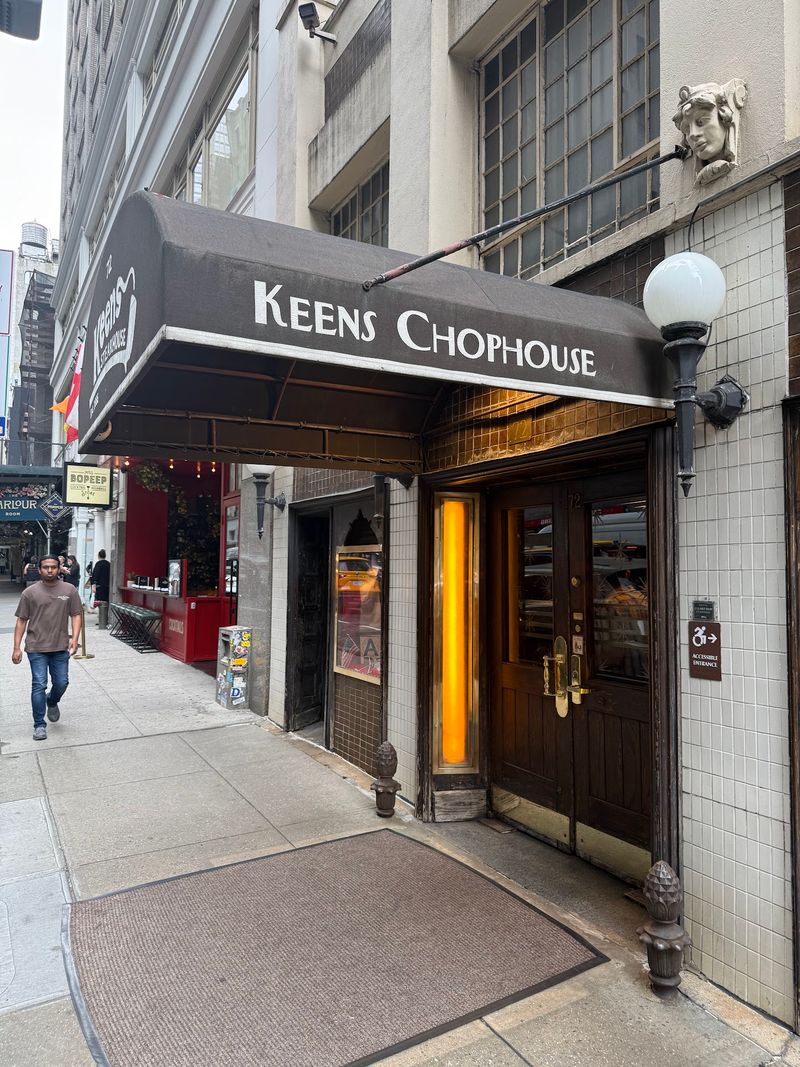
Walking into Keens Steakhouse feels like stepping through a time portal with a really good dress code. Opened around 1885, this legendary spot at 72 W 36th St in Manhattan is the last surviving chop house from the old Herald Square Theater District.
That alone makes it remarkable.
The ceilings are blanketed with over 50,000 clay smoking pipes, each one belonging to a historical patron. Names like Teddy Roosevelt and Albert Einstein once had pipes stored right here.
It is the kind of detail that makes you stop chewing mid-bite and look up.
The signature dish is the mutton chop, now served as lamb, and it has been a menu staple for well over a century.
New ownership in the late 1970s brought a full restoration, reopening in 1981 with renewed energy. The commitment to dry-aged, expertly grilled meat has never wavered.
Keens does not chase trends because it never had to. It simply set the standard and waited for everyone else to catch up.
2. Katz’s Delicatessen
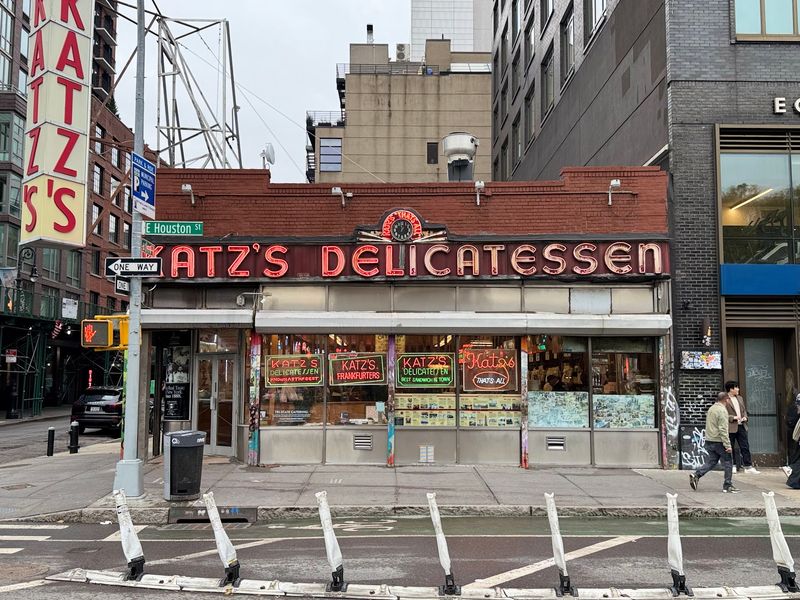
If pastrami had a hometown, it would be a tiny table inside Katz’s Delicatessen. Founded in 1888, this iconic spot at 205 E Houston St on the Lower East Side has been feeding New York longer than most buildings in the neighborhood have existed.
That is a flex worth celebrating.
Katz’s operates as a kosher-style deli with a ticketing system that feels charmingly chaotic until you figure it out. The pastrami, corned beef, and salami are served in quantities that require genuine commitment.
Each week, the deli moves mountains of cured meat with cheerful efficiency.
In the early 1900s, the Lower East Side was a gateway for thousands of immigrant families, and Katz’s was right there feeding them.
It relocated in the 1930s due to subway construction and has stayed put ever since. Ownership has shifted over the decades, but the flavor and the energy have remained completely intact.
Some places earn their legendary status. Katz’s built it one sandwich at a time.
3. Peter Luger Steak House
Before Williamsburg became synonymous with cold brew and vinyl records, it was home to a billiards hall that would eventually become one of the most celebrated steakhouses in the country.
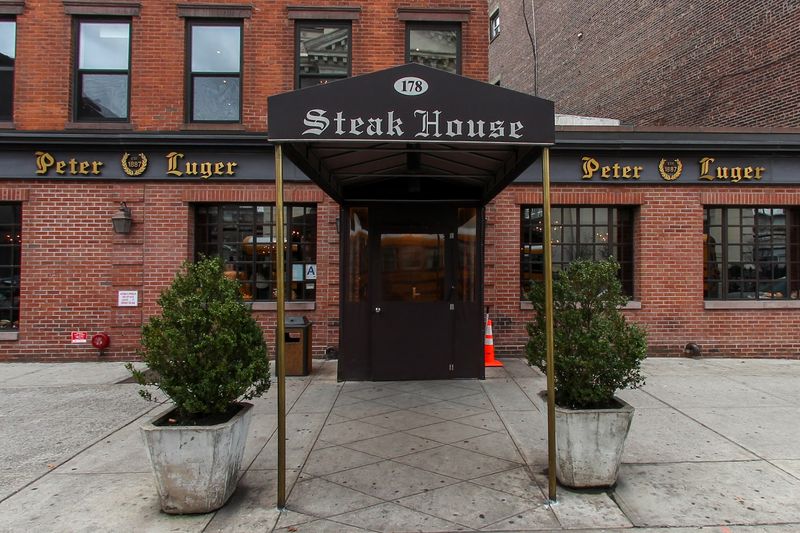
Peter Luger Steak House at 178 Broadway in Brooklyn opened in 1887 as a casual neighborhood spot in a German community. Nobody could have predicted what it would become.
The restaurant only serves USDA Prime beef, hand-selected and dry-aged on site. That level of obsession with quality is rare anywhere, let alone for a place that has been doing it for over a century.
The James Beard Foundation named it an America’s Classic in 2002, which felt less like a surprise and more like a long-overdue formality.
After the founder passed, the restaurant went through a rough patch until new owners stepped in around 1950 and turned things around completely.
The wooden bar, the exposed beams, and the no-frills attitude stayed exactly as they were. Peter Luger proves that greatness does not need a redesign.
It just needs to keep showing up.
4. Barney Greengrass
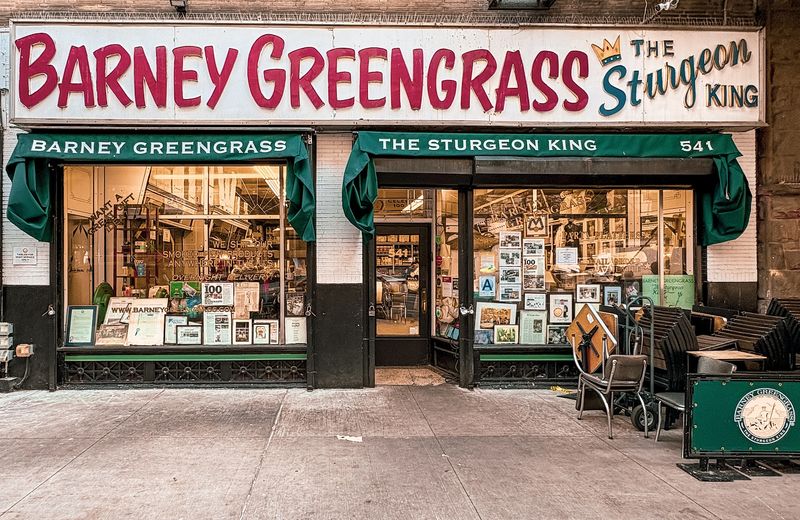
There is a reason people call Barney Greengrass the Sturgeon King. Since 1908, this beloved appetizing store and restaurant at 541 Amsterdam Ave on the Upper West Side has been serving smoked fish so good it practically introduces itself.
The original owner earned that royal nickname honestly.
Barney Greengrass started in Harlem before making the move to its current Upper West Side home in 1929. That relocation did not slow anything down.
If anything, it deepened the loyal following that has kept coming back for generations.
The place still looks remarkably close to how it did in its earliest days.
Brunch here is practically a New York ritual. The smoked sturgeon, the whitefish, the cream cheese piled generously on a toasted bagel, it all adds up to something that feels deeply satisfying.
In 2006, the James Beard Foundation handed over an Award for Excellence, which was well deserved.
Barney Greengrass is not just a restaurant. It is a living, breathing piece of New York food history that still shows up hungry every single morning.
5. John’s Of 12th Street
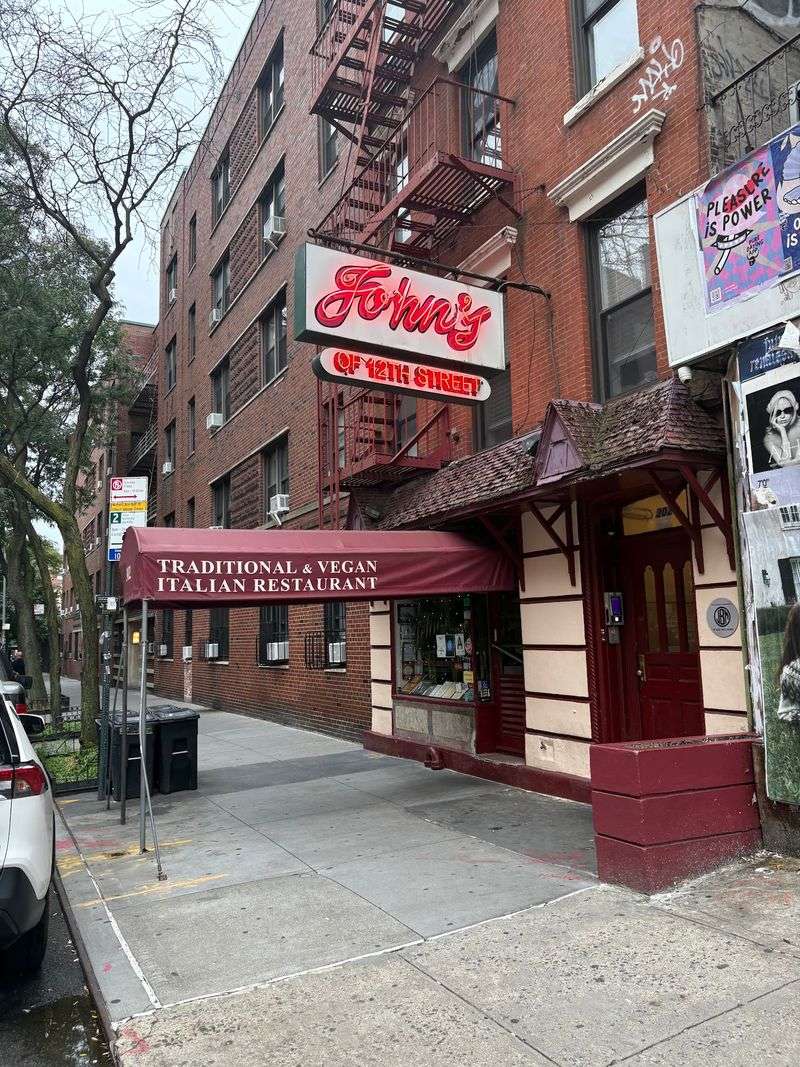
Candles that have been burning nightly for over a century carry a lot of history in their wax. John’s of 12th Street at 302 E 12th St in the East Village has been serving classic Italian-American food since 1908, and those famous candles are still lit every single evening.
That kind of consistency is almost poetic.
During Prohibition, the basement became a secret production hub for homemade spirits, which were then served discreetly in espresso cups while the candles outside signaled whether it was safe to enter.
The original tiled floors and hand-painted Italian landscape murals still cover the walls today, painted by artisans long ago.
The menu is anchored by beloved dishes like chicken parmigiana and Tuscan ragu, the kind of food that tastes like someone’s grandmother made it with intention.
For over a decade, a full vegan menu has also been available, proving that old-school charm and modern thoughtfulness can absolutely coexist.
John’s of 12th Street has served immigrants, artists, and curious visitors alike. It keeps going because the food, the atmosphere, and the story are simply too good to walk away from.
6. Nom Wah Tea Parlor

Tucked into a curved alley in Manhattan’s Chinatown, Nom Wah Tea Parlor has been quietly doing its thing since 1920.
Located at 13 Doyers St, it holds the title of the oldest continuously operating dim sum restaurant in the neighborhood. Doyers Street itself, nicknamed the Bloody Angle for its sharp historic bend, adds an extra layer of atmosphere that no interior designer could replicate.
Nom Wah started as a bakery and tea parlor, building its reputation on fresh Chinese pastries, steamed buns, and exceptional dim sum. The almond cookies and mooncakes became neighborhood favorites almost immediately.
Over time, the restaurant transitioned to a made-to-order dim sum style while keeping its vintage aesthetic completely intact.
New family ownership brought a thoughtful revival that respected every inch of the original character. The booths look like they belong in a different era, and honestly, that is the whole point.
Nom Wah draws food lovers from every corner of the city because it offers something genuinely rare: authenticity that has never been performed, only lived. Every dumpling here tastes like it has a story worth hearing.
7. Schwabl’s
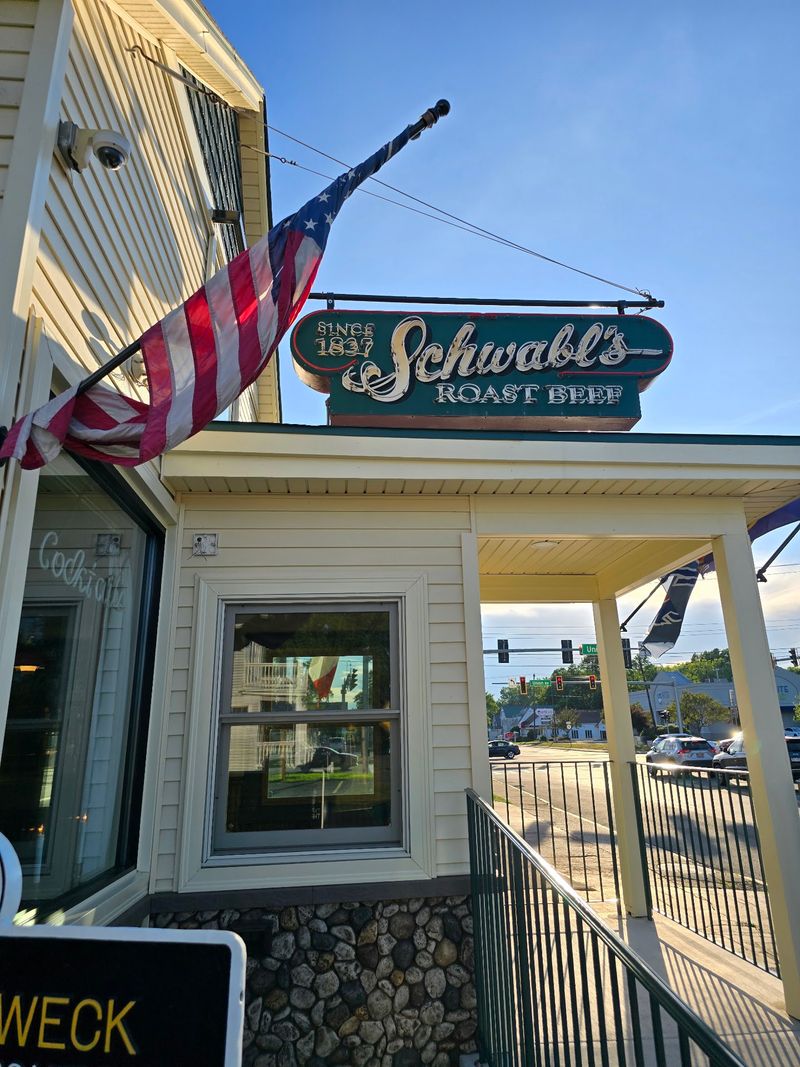
Buffalo has its own food language, and Beef on Weck is one of its most important words. Schwabl’s at 789 Center Rd in West Seneca has been the definitive classroom for that dish since the family’s restaurant roots stretch all the way back to 1837.
The current location has been home since 1942, and the bar inside looks almost exactly the same as it did on opening day.
Beef on Weck is a regional masterpiece: warm, thinly sliced top round roast beef piled onto a Kummelweck roll, which is a crusty caraway-and-salt-topped bun that grips the meat like it means business.
The menu also includes traditional German dishes, homemade potato salad, and freshly made soups that round out the experience beautifully.
What makes Schwabl’s special is not just the food but the continuity. Ownership has passed through generations of the same family, each one committed to protecting the recipes and the atmosphere that built the reputation.
Western New York’s culinary heritage is alive and well here. Schwabl’s is the kind of place that makes you feel proud to know it exists.
8. Nick Tahou Hots
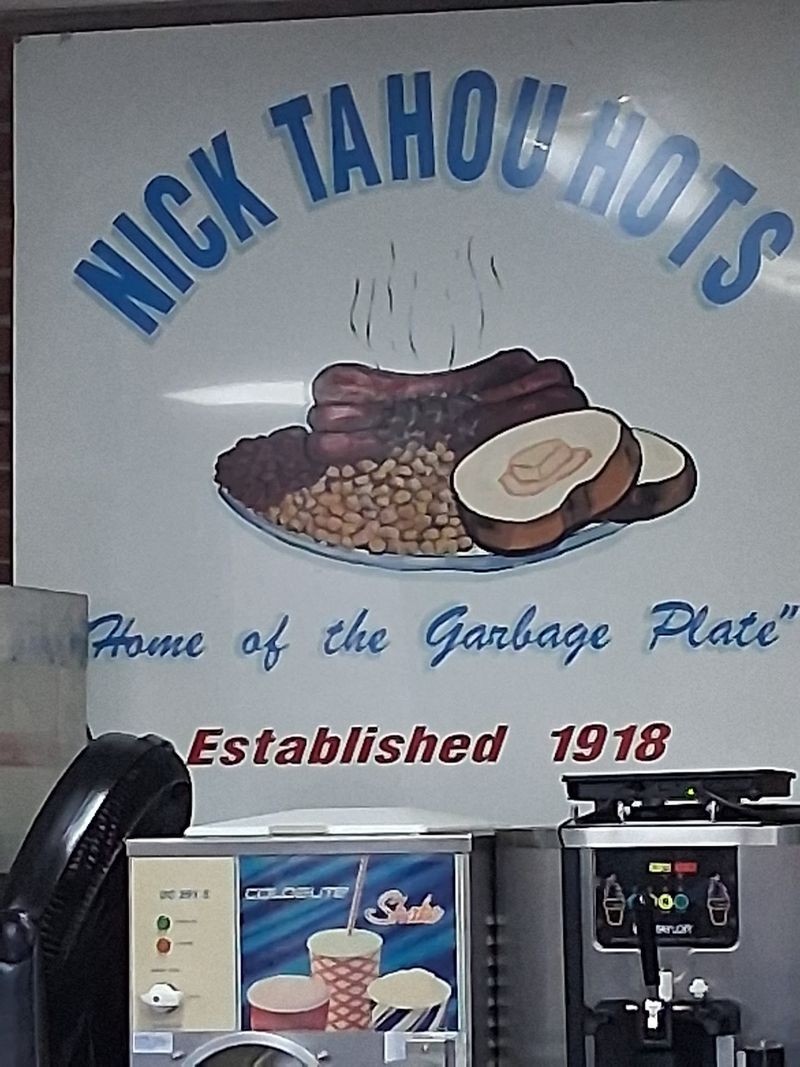
Rochester, New York invented something gloriously chaotic, and they trademarked it.
The Garbage Plate at Nick Tahou Hots is exactly what it sounds like: a heaping pile of meats like hot dogs or burgers stacked over home fries, macaroni salad, baked beans, and French fries, then finished with mustard, onions, and a signature hot sauce. It is a meal that does not apologize for itself.
Nick Tahou Hots has been operating at 320 W Main St since 1918, and the building still has antique wood paneling dating back to 1851.
The dish originally went by names like Hots and Potatoes before becoming the iconic Garbage Plate that Rochester residents now claim with fierce civic pride.
During the Great Depression, affordable and filling meals kept this spot packed, and that reputation for generous portions never faded. The restaurant remains family-owned and operated, which explains why the spirit of the original mission is still so present.
Nick Tahou Hots is not a tourist gimmick. It is a Rochester institution that has earned every bit of its legendary status through decades of honest, hearty cooking.
9. Manory’s Restaurant
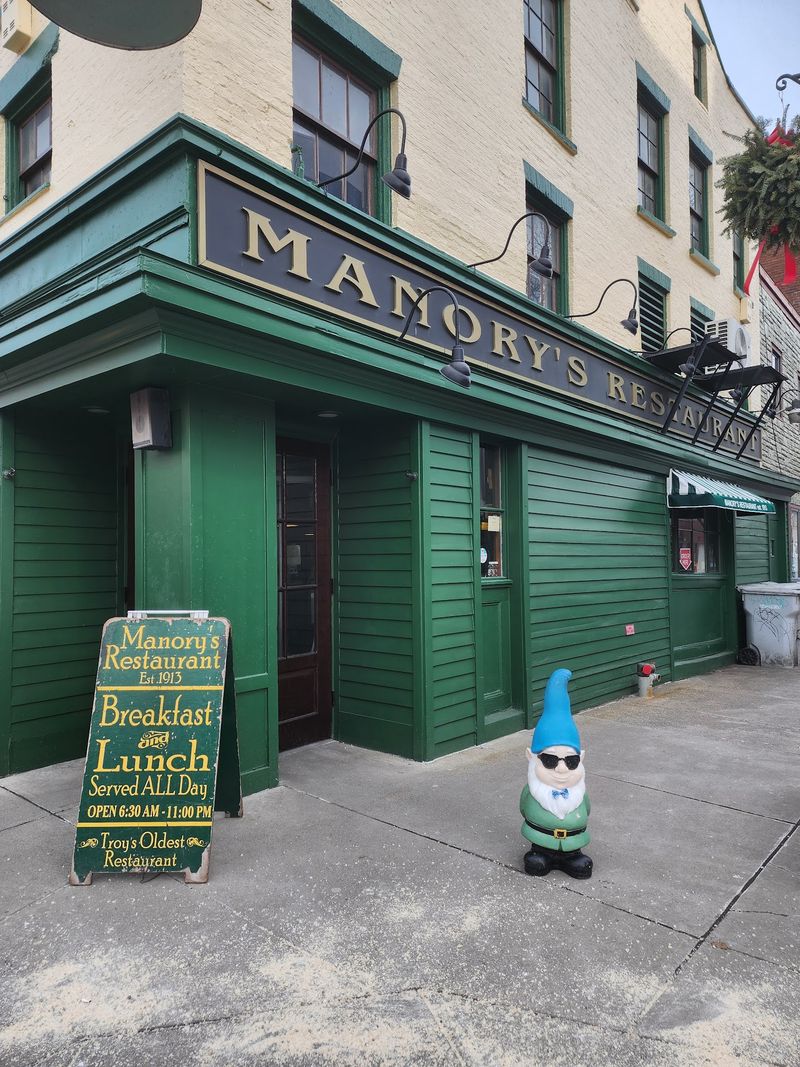
Troy, New York is a city with deep roots and a strong sense of memory, and Manory’s Restaurant at 99 Congress St has been part of that memory since 1913.
As Troy’s oldest continuously operating restaurant, it has outlasted wars, recessions, and a global pandemic without once losing its footing. That kind of resilience deserves genuine respect.
Manory’s is the definition of a classic American diner done right. Breakfast is served all day, which is basically a promise that the world still makes sense.
The atmosphere is warm and unpretentious, drawing a loyal mix of longtime residents and students from nearby RPI who quickly discover why everyone keeps coming back.
The Manory family originally built the place from scratch, and when new owners took over in 1991, they inherited not just a restaurant but a responsibility.
That responsibility has been honored carefully. The food is familiar in the best possible way, grounding you in a moment that feels both simple and significant.
Manory’s is proof that you do not need to reinvent yourself every decade. Sometimes, just being reliably good is the most radical thing you can do.
10. Famous Lunch
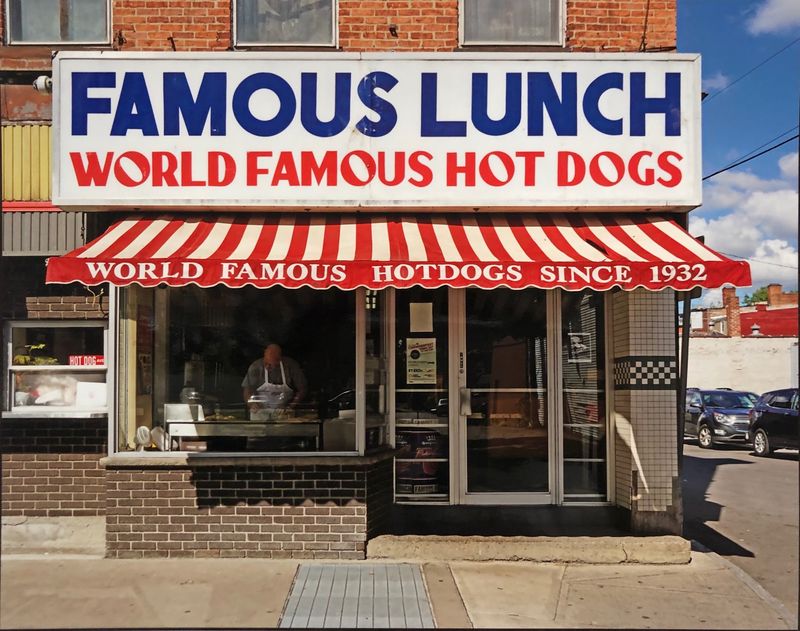
Some dishes are so specific to a place that eating them anywhere else would feel like a betrayal. Famous Lunch at 111 Congress St in Troy, New York has been serving its signature small hot dogs since 1932, and the secret is in the zippy sauce.
That tangy, spiced topping is what separates a Famous Lunch hot dog from every other hot dog on the planet.
The hot dogs are custom-made exclusively for the restaurant by Fritz Helmbold’s, a local supplier that has been producing them since 1913.
That kind of dedicated supply chain is almost unheard of today. In 1958, a batch of these hot dogs was flown to a U.S.
Embassy, an event so notable it prompted the name change from Quick Lunch to World Famous.
Famous Lunch now serves approximately 1,200 hot dogs daily, which is a number that sounds impossible until you see the line.
The restaurant is a living connection between Troy’s past and its present, holding steady while the city evolves around it. Every bite here is a small act of remembering, and Troy would not have it any other way.
11. Brooks’ House Of Bar-B-Q
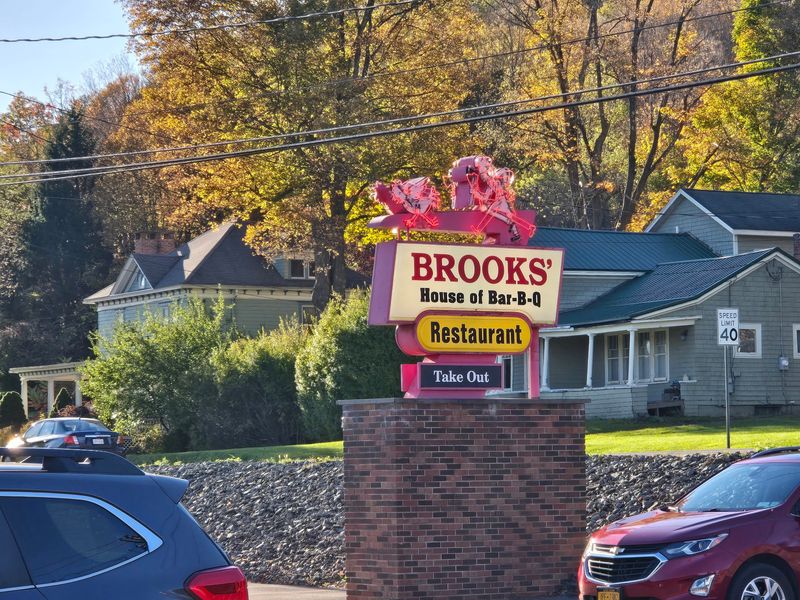
Somewhere between the rolling hills of the Catskills and the smell of charcoal smoke drifting across State Highway 7, Brooks’ House of Bar-B-Q at 5560 State Hwy 7 in Oneonta has been creating loyal fans for decades.
The roots go back to a family poultry farm in 1912, catering started in 1951, and the restaurant itself opened in 1961. That is a slow, deliberate build toward something genuinely great.
The centerpiece is a 38-foot indoor charcoal pit, recognized as one of the largest in the Eastern United States.
The barbecue chicken that comes off that pit has blistered skin and a deep, smoky flavor that is almost impossible to describe without using the word perfect. It is traditionally served with a spiced apple ring that cuts through the richness beautifully.
Beyond the pit, the Brooks’ BBQ Campus includes a banquet center, a gift store, and a picnic area, making it a full destination rather than just a meal stop.
Families traveling through the Catskills have been making it a tradition for generations. Brooks’ is the kind of place that turns a road trip into a memory worth keeping.
Have you ever smelled something so good it made you pull over immediately?