
New York’s 1700s Restaurant Still Setting The Standard In Lower Manhattan
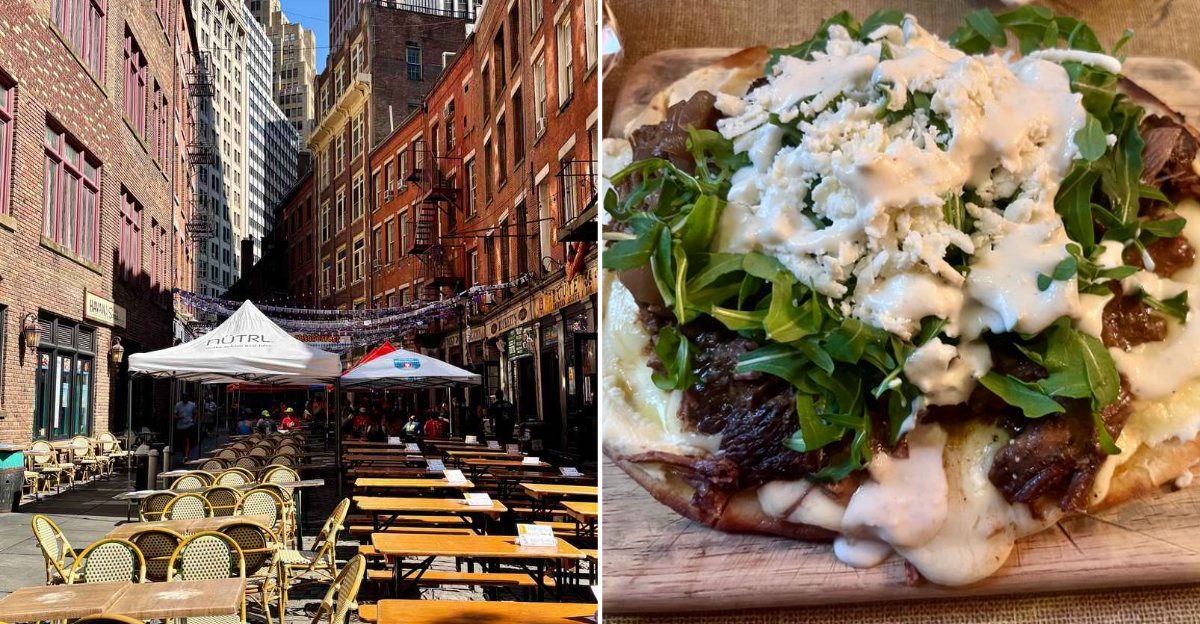
When you hear a place has been serving for centuries, curiosity grabs you by the collar. And this one in Lower Manhattan, New York does exactly that.
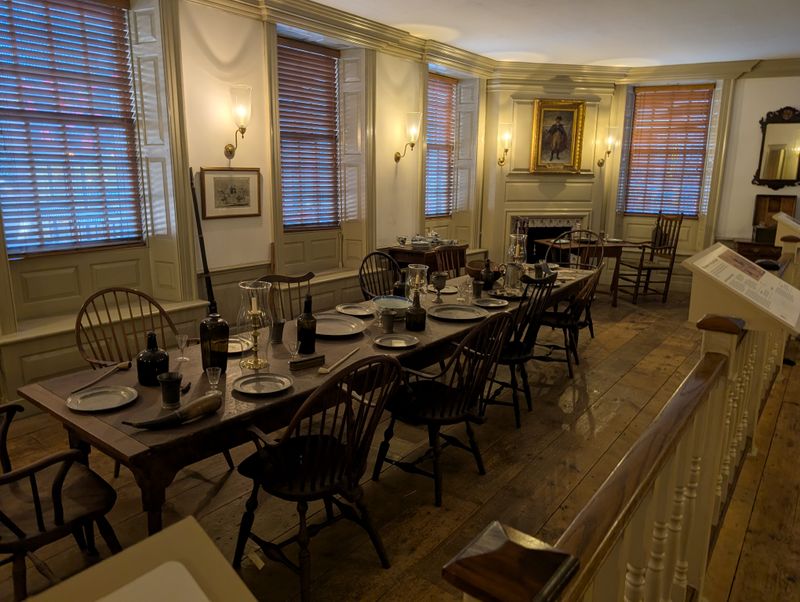
Walking in, I couldn’t stop imagining George Washington raising a glass in the very Long Room where he bid farewell to his officers in 1783 (yes, this is a historical fact!). I sat there, fork in hand, and honestly felt a little honored.
Like I’d been quietly invited into a moment that shaped history. The tavern isn’t just a museum piece.
It’s alive with stories. Every creak of the floorboards, every worn wooden beam whispers centuries of conversations, deals, and celebrations.
And yes, the food holds its own, serving classic American fare that somehow tastes richer when you know the walls have seen history unfold.
Sitting there, I realized some meals are about more than flavor. This one?
It’s about standing at the table where history once sat too.
First Impressions Of A Legend
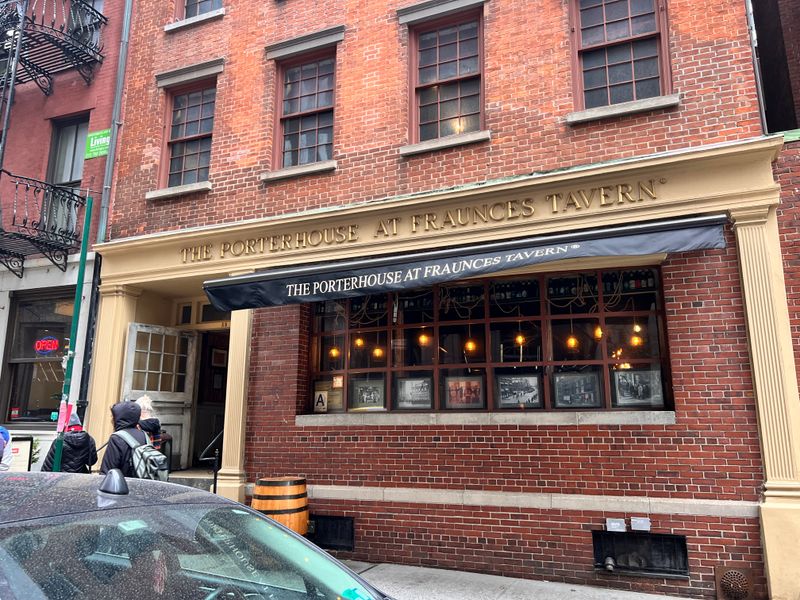
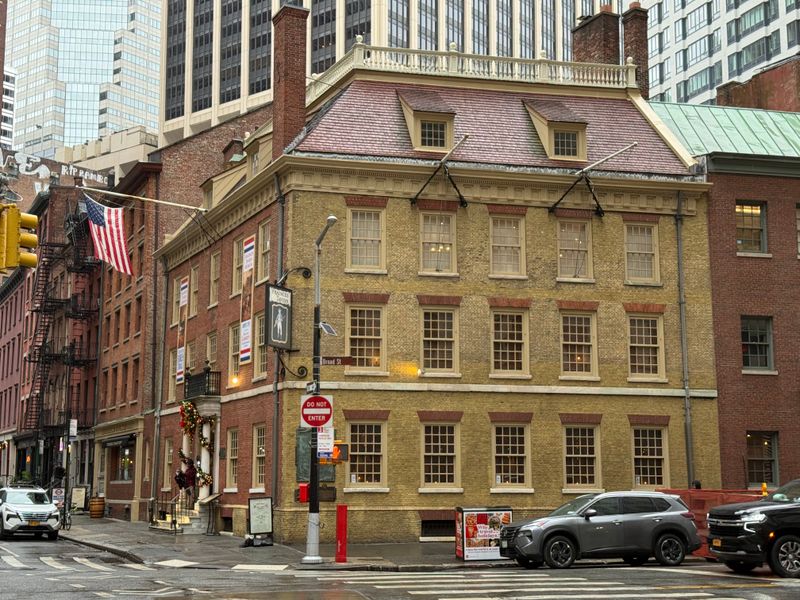
I pushed open the red door and felt the city’s volume drop to a hush, like someone lowered the needle on a vinyl record. Fraunces Tavern at 54 Pearl St, New York, NY 10004 framed the moment with brick, beams, and the kind of patina you do not fake.
I stood still, then smiled at the soft creak underfoot, the little sound that says settle in, you are part of the story now.
Everything inside looked like it had earned its keep: wooden panels, portraits, a fireplace that seemed to remember every conversation. I traced my fingers along the banister and could almost hear whispers of plans and promises, the kind that once shaped a young city finding its stride.
Sunlight slid across the floorboards and caught dust like glitter, turning the room into a gentle parade.
What surprised me most was how cozy it felt, not like a museum, but like a friend’s home that happens to have a better memory.
There is comfort in objects that outlast fads, a kind of confidence only time can season.
I settled into a chair and let the ambiance slow my pulse until it matched the steady rhythm of the place. The air carried soft notes of baking and spice, familiar and calm, like a kitchen that always lands the timing.
First impression locked, I knew I would be staying longer than planned.
This was not just an address, it was a seat at New York’s oldest ongoing conversation.
Portraits That Gossip In Frames
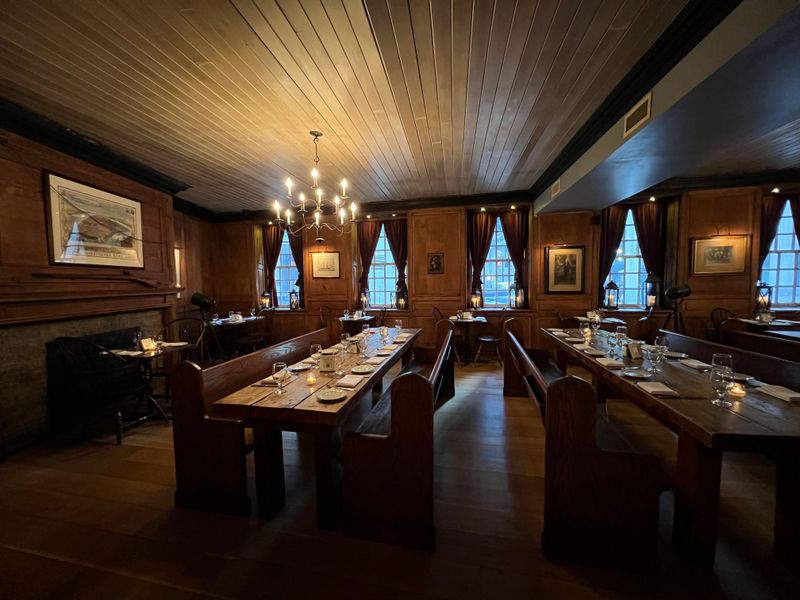
I wandered into the gallery rooms and felt like the portraits started whispering as soon as my back was turned. Gilded frames lined the walls, each one holding a face that looked ready to spill a secret if you leaned close enough.
The wood paneling gave the space a low, warm tone, like a silent drumbeat guiding my steps.
Labels were crisp and thoughtful, but it was the eyes that did the heavy lifting, following me from canvas to canvas with that sly 18th century stare. I traced the curve of a collar here, the edge of a map there, and noticed how the curators arranged conversations across the room without saying a word.
It felt playful and serious at once, a perfect tug between curiosity and respect.
One corner held a cluster of artifacts that looked ordinary until the context turned them bright. A quill, a seal, a scrap of correspondence, the kinds of things that transform into plot points if you let your imagination do the cooking.
I loved that the room did not demand reverence, it just asked for attention, and that was easy to give.
As I moved on, I realized the gallery taught me to read faces the way you read a skyline, picking out angles, guessing at the winds that shaped them. It was history, yes, but also a lesson in noticing, an invitation to eavesdrop across centuries.
I left slower than I came in, convinced the frames had said more than the plaques. That is the magic of well-staged memory, it turns quiet rooms into storytellers.
Architecture You Can Hear
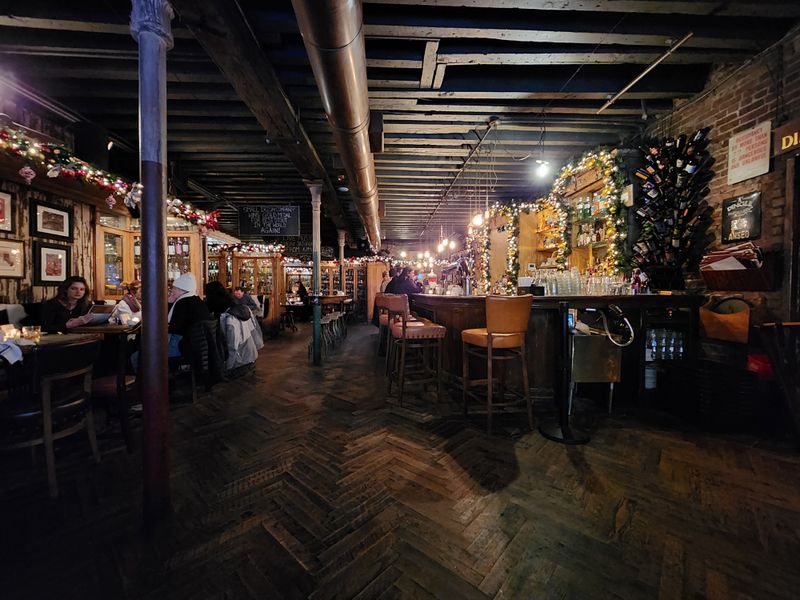
The floorboards spoke in a vocabulary of creaks, the sort that nudge you to walk softer and pay attention. Low beams framed each room like sturdy eyebrows, keeping the place grounded and a little mischievous.
I love when architecture has a voice, and here it hummed like a familiar tune that never leaves the playlist.
Light slipped through old glass with tiny ripples, bending the outside world just enough to feel cinematic. I paused to admire how the angles aligned with practical grace, every support exactly where a living building needs it.
There is a dignity in materials that last, wood that holds secrets without splinters, joints that remember every season.
What charmed me most were the thresholds, those little transitions that coax you forward room by room. Doorways seemed to wink, suggesting a scene change with each step, and I followed like a willing extra in a period drama.
Even the hardware felt intentional, heavy and sure, making modern handles seem a little too smooth.
Standing there, I realized this place teaches patience. It does not rush to reveal itself, it asks for your attention the way a good story does, with rhythm and restraint.
By the time I finished tracing the grain with my eyes, I felt steadier, like the building had lent me some of its backbone. That is what real architecture does, it rearranges your posture and your plans, and sends you out carrying a quieter stride.
Artifacts That Anchor A City
I leaned over the glass cases and saw the city shrink to a handful of objects that used to ride in pockets and drawers. A document with careful script, a map with roads like ribs, a wax seal catching the light just right.
Each item felt sturdy, small, and wildly consequential, like pebbles that once turned the river.
The labels stitched the pieces into a clean narrative, but it was the textures that tugged at me. The edge of parchment, the dents on a buckle, the way ink thins at the end of a thought.
I could almost hear the rustle of paper and the scratch of urgency, the kind of quiet that changes destinies.
In one corner, a cluster of personal effects made the decades collapse. A letter that felt warm even through glass, a modest tool with work still clinging to it, a token that probably lived on a windowsill.
I found myself imagining the daily choices wrapped around these objects, the breakfast, the errands, the long walks home.
By the time I finished, I felt convinced that history survives best in the things we reach for without thinking. The museum leans into that truth with grace, letting artifacts anchor the larger storyline without heavy hands.
Walking out, I carried a new respect for small, durable details. If you want to feel the city’s pulse without the noise, this is where the beat begins, steady and sure.
Staircases As Time Machines
The staircase invited me like a dare, polished handrail gleaming with the confidence of years. Each step sounded like a soft drum, guiding me up toward a landing that felt more like a pause than a destination.
I gripped the rail and imagined the current of footsteps that had already taught it my rhythm.
Midway, I stopped to look back and the whole place arranged itself into a layered postcard. Light from a high window softened the edges and made the wood look almost edible, caramel and amber with streaks of shadow.
It is funny how a stairwell can become a stage when you let your pace loosen.
At the top, a hallway unfurled with patient grace, the kind that makes you exhale without noticing. Framed prints played peekaboo with the angles, and the air felt a degree cooler, like the building keeps a secret breeze just for this spot.
I moved slower than usual, grateful for the narrow steps that kept me honest.
Going down felt different, like returning from a story with just enough of the plot still clinging to my sleeves. My steps found a calmer tempo, and I smiled at the handrail’s easy welcome, a steady friend with perfect timing.
If you want to feel time folded into motion, take the stairs here. They do not rush, they persuade, and they will send you back to the first floor carrying a quieter kind of momentum.
Comfort Food With A Colonial Wink
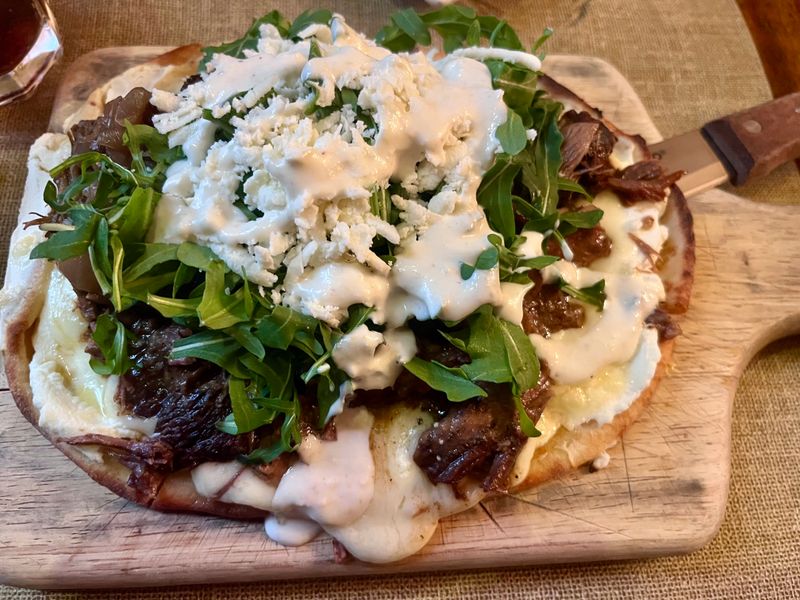
I slid into a sturdy wooden chair and let the table do its confidence thing, square and steady like a good friend. The menu read like a love letter to comfort, and I zeroed in on simple, honest plates that favored warmth over fuss.
When the basket of bread landed with steam curling up, I leaned in and knew I was staying for another round of conversation.
The soup arrived with a patient aroma, layered but clear, the sort that lets each ingredient show its manners. A seasonal salad followed, crisp and bright, with a dressing that whispered instead of shouted.
I broke bread, spooned, and nodded to myself at the quiet victory of balance, the kitchen’s soft applause.
What won me over was the pacing, a gentle rhythm that coaxed me to notice the way bite and memory braid together.
Every dish felt anchored by tradition without turning heavy, like a well cut coat that leaves room to breathe. The dining room glowed with candle warm light, turning corners into cozy confidants and making time take the scenic route.
By the last bite, I felt stitched into the room, part of its dependable vibe. This is food that respects its own history while staying light on its feet, and that is rarer than it should be.
If you are a comfort seeker with a curiosity streak, this table is your compass. It points you toward steadiness, and you leave feeling fed in more ways than one.
A Quiet Pocket To Exhale
I stepped into the courtyard and the city softened like someone turned down the treble. Brick walls held the air in place, and a few potted greens punctuated the space with calm.
It felt like the sort of pocket you stumble into when you are lucky, a pause button in the middle of Lower Manhattan’s playlist.
Chairs scraped lightly, birds argued somewhere overhead, and a breeze threaded the space with a clean edge. The contrast made me grin, skyscrapers buzzing beyond while this little rectangle of quiet did its own steady breathing.
I sipped water, counted shadows, and let the afternoon widen without any particular plan.
What I loved most was the balance between presence and privacy. You are very much in the city, yet the courtyard keeps a polite distance from the rush, like a good neighbor who knows when to close the gate.
It set the tone for a reflective pause, the kind you remember later when the day speeds up again.
Eventually I stood, slower and lighter, ready to slip back through the door and into the building’s embrace. The courtyard did not ask for attention so much as offer it back to you, which is a generous trick.
If you visit, save time for this quiet pocket.
Let it reset your pace, then carry that steadiness down Pearl Street in New York like you meant to find it all along.