
12 No-Reservation Michigan Campgrounds Where You Can Show Up And Claim A Spot
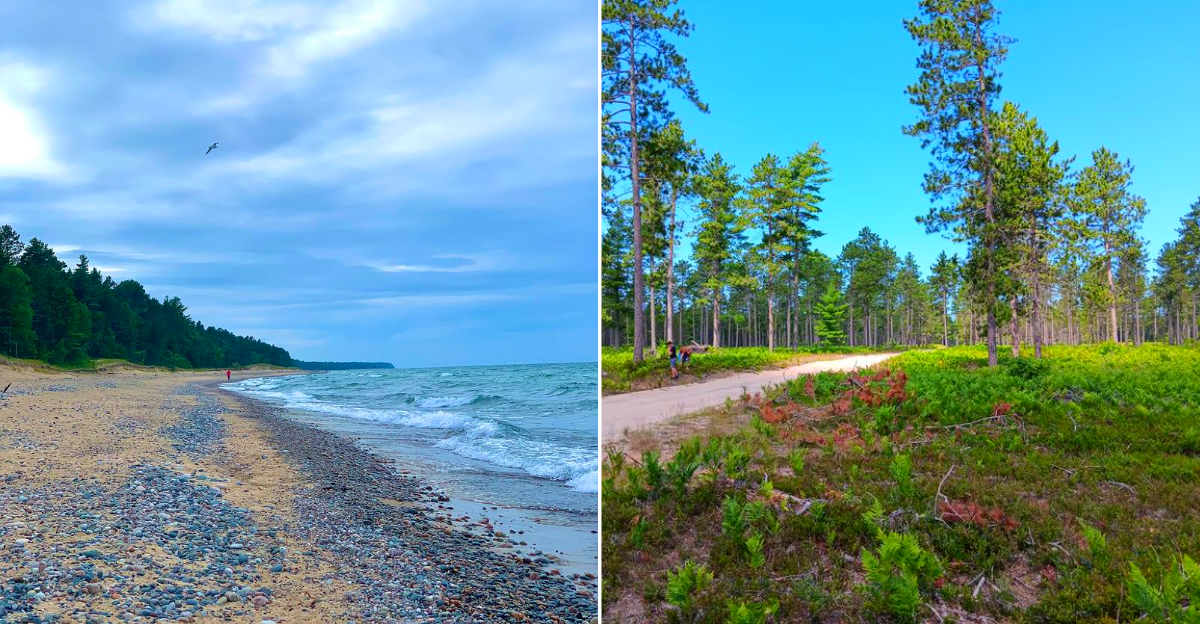
There is a specific kind of freedom that comes with not needing a reservation. No six-month booking windows, no refresh buttons at midnight, no anxiety about sites filling up before you can click confirm.
Michigan state forest campgrounds still operate the old way: you drive in, pick a site, set up camp. Some sit on inland lakes so quiet the only sound is loons calling across the water.
Others perch on the edge of Lake Superior where agates wash up on empty, uncrowded beaches. A handful are so far from cell service that checking your phone becomes genuinely impossible, which is exactly the point.
From trout streams in the northern lower peninsula to the deep woods of the upper peninsula, these twelve Michigan campgrounds let you pull in anytime and claim your spot without filling out a single online form, and that simplicity is becoming harder to find.
12. Lake Ann State Forest Campground – Lake Ann
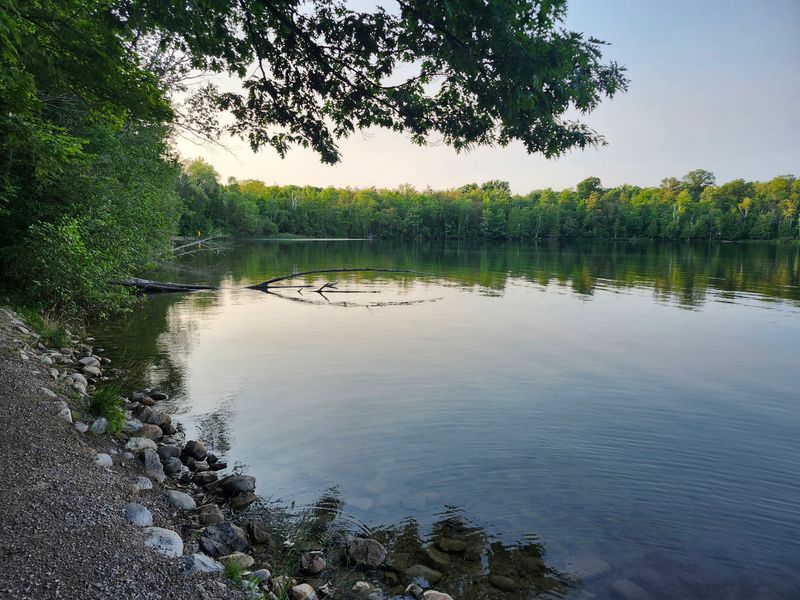
Beech and maple leaves make a soft ceiling above Lake Ann, where 30 rustic sites welcome tents and smaller trailers. Several spots sit near the clear water, while others feel tucked into the woods.
Arrive early on summer Fridays because the most appealing lakefront choices can disappear quickly.
Fishing and paddling are easy pleasures here, and the nearby Lake Ann Pathway adds miles of wooded hiking. Carry drinking water, insect repellent, and leveling blocks since facilities are basic and site surfaces vary.
A compact setup makes choosing among open spaces much simpler.
Claim an available site by following the posted self-registration and payment instructions. Before driving out, check the Michigan DNR page for seasonal dates, fees, fire restrictions, and current access notices.
Keep another campground in mind because first-come camping offers freedom, not certainty. Lake Ann works best when your schedule stays flexible and your gear stays modest.
11. Platte River State Forest Campground – Honor
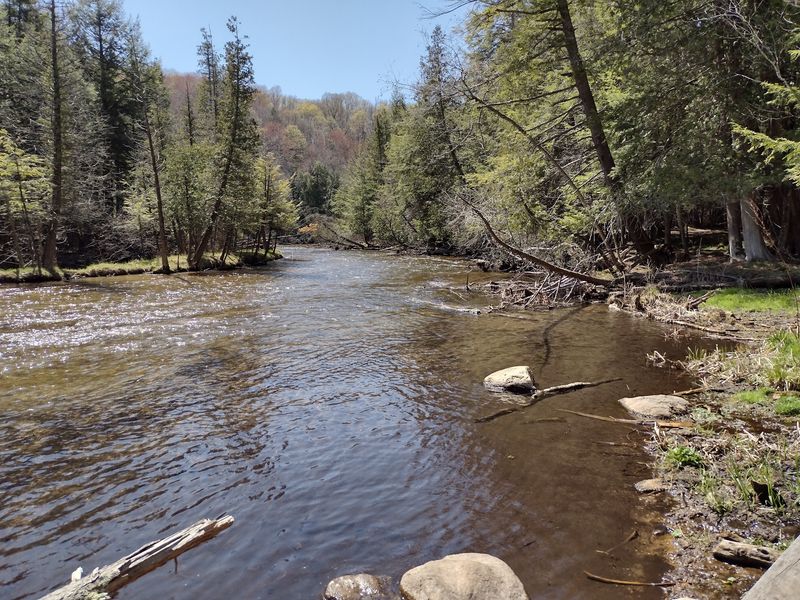
The Platte River slips past camp with more personality than noise, giving this 26-site campground a cool, leafy mood. Anglers come for the river’s seasonal fishing, while paddlers value having water close to their temporary front porch.
Weekdays generally provide a better shot at quiet surroundings.
Generous spacing helps many sites feel private, but larger trailers should approach carefully and inspect the available turning room. Pack potable water, a paper map, and sandals for muddy banks.
Fishing rules and salmon or steelhead seasons can change, so consult current regulations before casting.
Lake Michigan, Sleeping Bear Dunes country, and several Platte River recreation points are within reach by road. Still, avoid cramming every nearby attraction into one day.
Follow campground signs for claiming and paying for an open site, then leave time to sit beside the current. A backup campground is sensible during warm weekends and popular fish runs.
10. Mouth Of Two Hearted River State Forest Campground – Newberry Area
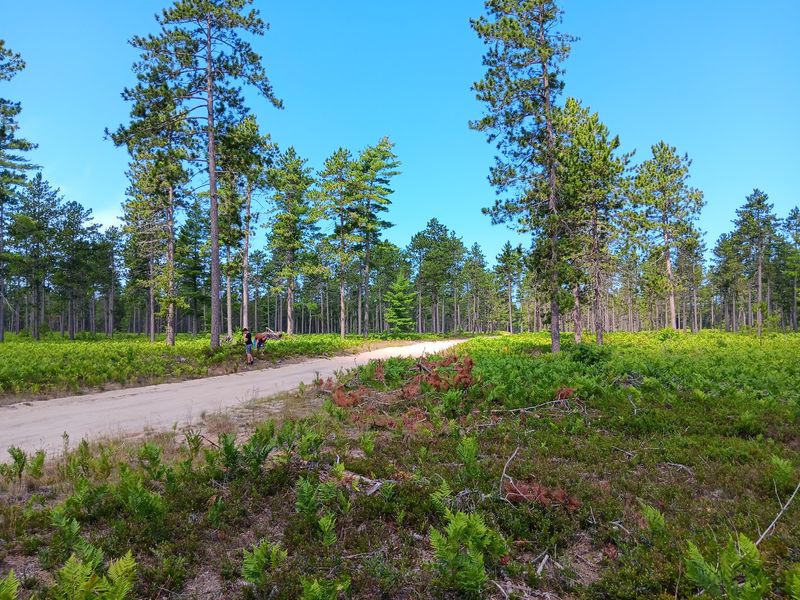
Reaching the Two Hearted River’s mouth feels like traveling beyond the tidy edge of the map. Long gravel roads lead toward 36 rustic sites among pines near Lake Superior.
Washboards, loose sand, and changing conditions can slow the trip, so arrive with daylight and adequate fuel.
A suspension footbridge crosses the river and opens access to the Superior shoreline. Beach walks reveal driftwood and colorful stones, while evening light can turn the lake copper, silver, or an impressively moody gray.
Cold water, fast weather shifts, and strong waves deserve respect.
Bring drinking water, food, trash bags, bug protection, and tools for minor vehicle trouble. Download maps before losing cell service, and never depend on securing a waterfront site.
Registration and fees follow instructions posted at camp. Check DNR alerts and road reports before departure because remoteness is part of the appeal, but it also requires thoughtful preparation.
9. Lake Superior State Forest Campground – Grand Marais And Newberry Area
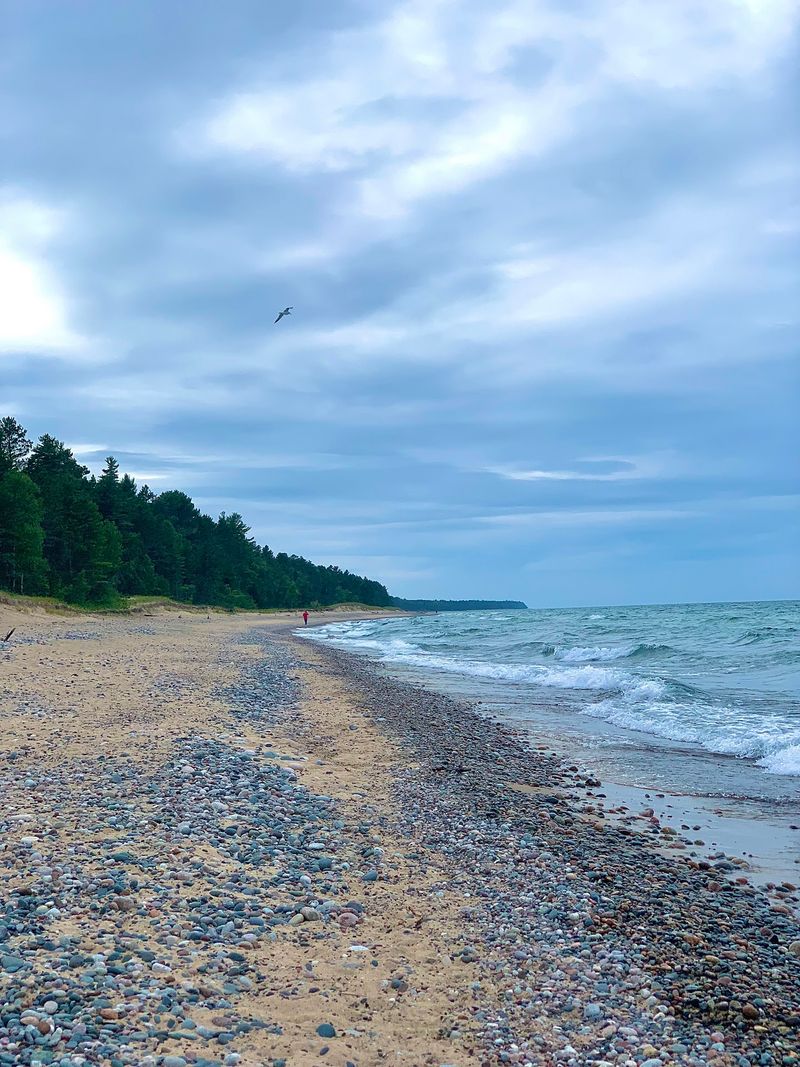
Lake Superior supplies the weather, scenery, and evening soundtrack at this small 18-site campground. Campsites sit close enough to the shore for wide water views, though vegetation and site position affect what each visitor sees.
The county-road approach may be rough, especially after wet weather.
Rocky stretches and sandy pockets make shoreline wandering pleasantly absorbing. Look for interesting stones without disturbing protected resources, and remember that Superior remains dangerously cold even when the beach feels warm.
Wind can rise abruptly, so secure tents, awnings, chairs, and cooking gear.
The nearby Blind Sucker Pathway provides a longer forest outing for hikers prepared with navigation, water, and insect protection. Limited services mean campers should arrive self-contained and ready to pack out waste as directed.
Use posted registration procedures when claiming an open site. Checking current DNR notices, weather, road conditions, and fire rules beforehand prevents a spontaneous escape from becoming a difficult rescue.
8. Kingston Lake State Forest Campground – Shingleton
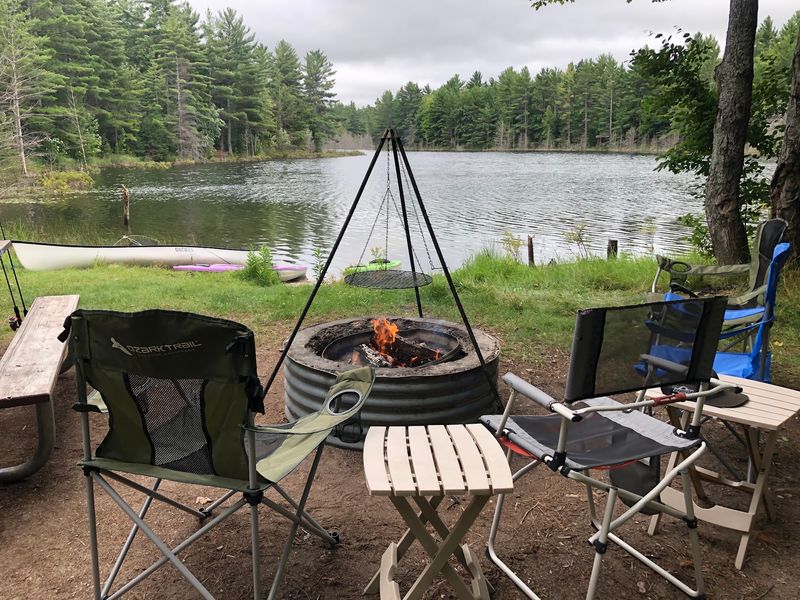
Water curls around the Kingston Lake peninsula, making the campground feel like a small wooded island with a road attached. Its 16 rustic sites suit campers who prefer paddles, fishing rods, and quiet mornings over busy recreation buildings.
Launch conditions and shoreline access should be inspected before unloading gear.
Beyond camp, the Kingston Plains preserve visible reminders of the Upper Peninsula’s intense logging era and later fires. The open landscape contrasts sharply with the lake’s sheltered edges.
Fox River Pathway access also invites longer hiking, but route planning matters because distances, weather, and trail conditions can surprise newcomers.
Pack drinking water, navigation tools, mosquito protection, and secure food storage. Anglers should carry a current Michigan license and verify species rules.
Follow posted directions for selecting, registering, and paying for an available site. Since only a limited number exist, arrive early and maintain a backup plan, particularly during holiday weekends and peak fall color.
7. Black Creek State Forest Campground – Midland County
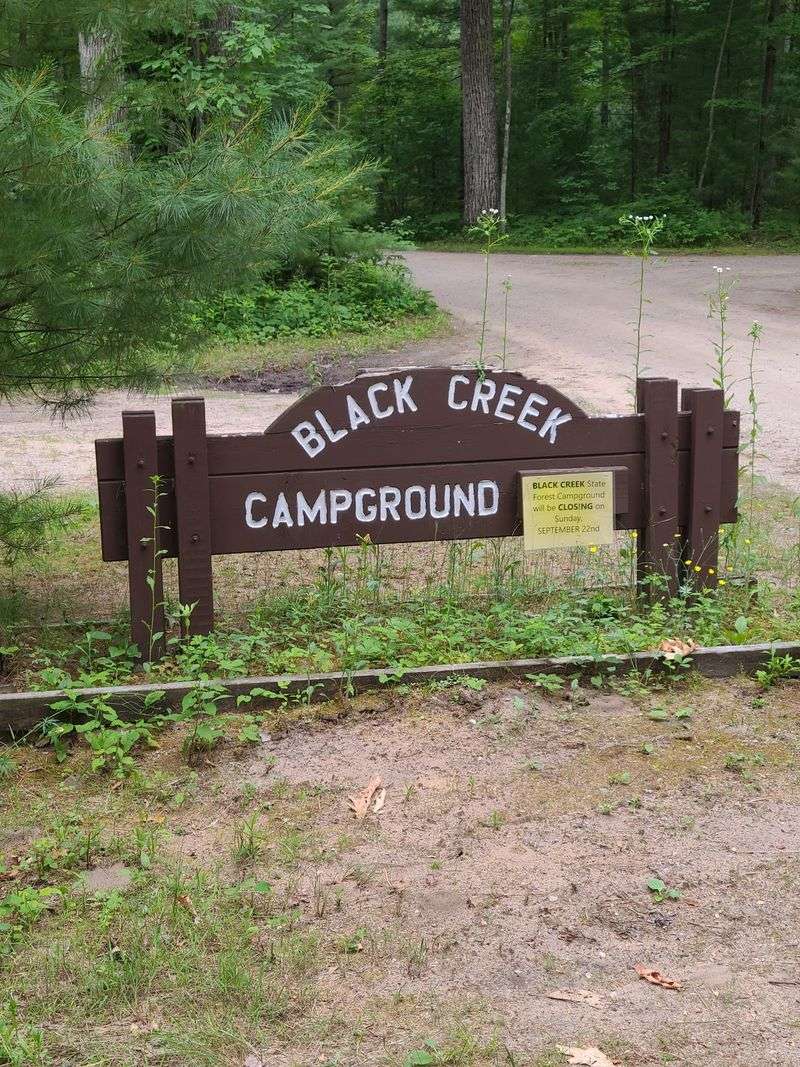
Cedar scent arrives before the campground fully comes into view, and Black Creek soon takes over as the main attraction. Twenty-three rustic sites are spread through the shaded setting, offering a modest base for fishing, canoeing, and unhurried woodland time.
Some areas may feel damp after rain.
Creek access appeals to anglers and paddlers, although water levels and seasonal conditions can affect every outing. Check fishing regulations, wear a flotation device, and avoid assuming a quiet stream is harmless.
Nearby Pine Haven Recreation Area has pathways used for hiking, bicycling, and winter recreation.
Basic camping works smoothly when water, food, trash bags, and insect repellent are already packed. Larger rigs should evaluate road clearance and site dimensions before committing.
Posted instructions explain how to claim and pay for an open campsite. Verify operating dates, fees, closures, and fire rules through Michigan DNR sources, then arrive early enough to inspect alternatives without rushing.
6. Keystone Landing State Forest Campground – Grayling
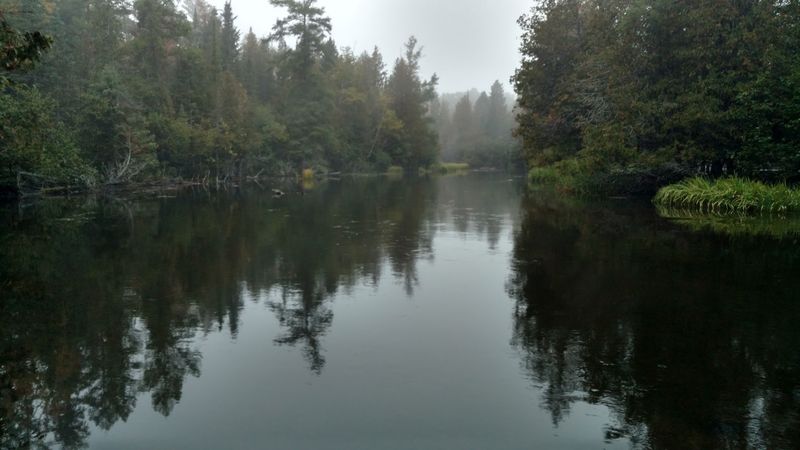
A fly line occasionally flashes above the Au Sable River like a loose silver thread. Keystone Landing places 18 rustic campsites beside a celebrated stretch of water near Grayling, surrounded by mature northern hardwoods.
Anglers, paddlers, and campers share the river, so calm courtesy goes a long way.
Autumn brings brilliant leaves and chilly nights, while spring can bring higher water and muddy ground. Wear a flotation device when paddling, study river access points, and confirm current fishing regulations.
Quiet hours matter here because voices travel surprisingly well over water after dark.
Sites are claimed according to posted campground instructions, with no guarantee that one will remain when you arrive. Carry potable water and prepare for simple facilities.
Smaller equipment is easier to place among uneven or wooded spaces. Before leaving home, review DNR updates covering fees, opening dates, fire conditions, and temporary closures, then identify another nearby option for busy weekends.
5. Bass Lake State Forest Campground – Marquette County
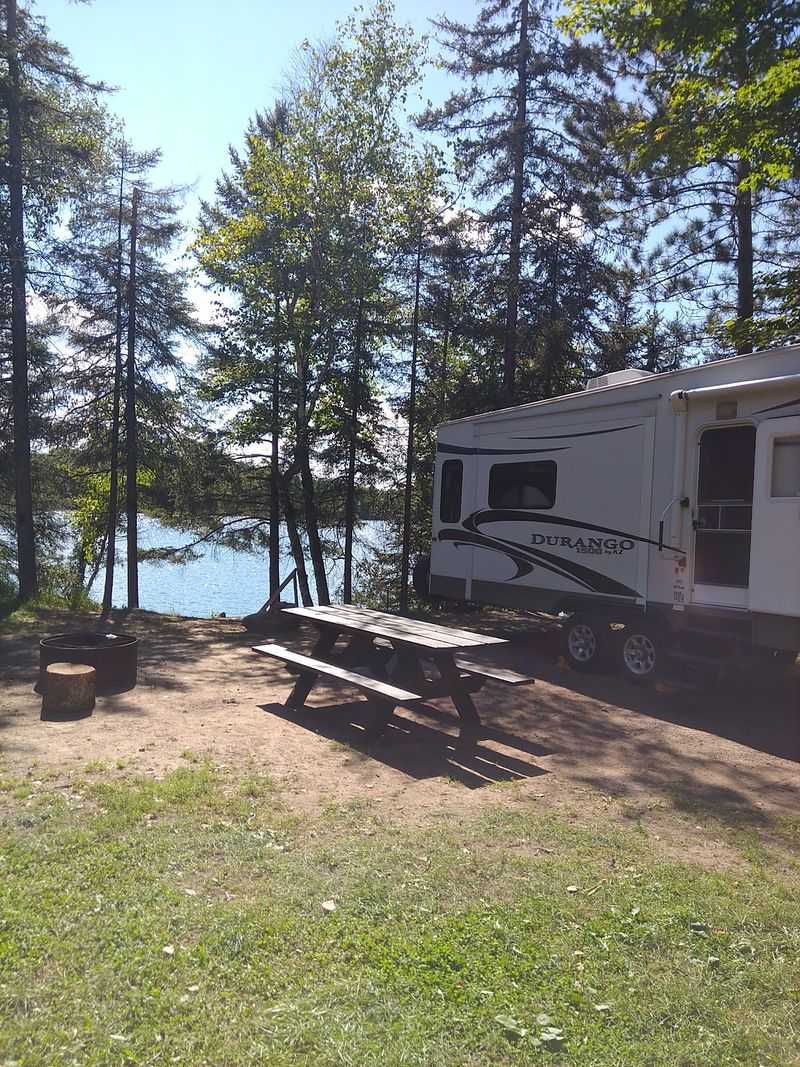
Deep shade keeps Bass Lake’s 22 campsites feeling cooler than the open road outside. Many sites provide convenient water access, and the grassy picnic area offers space for lunch or a relaxed game.
Anglers visit for trout, bass, and panfish, subject to current stocking information and fishing rules.
The approach from the Gwinn area can include potholes, curves, and stretches where patience beats speed. Secure loose equipment and avoid arriving after dark if the road is unfamiliar.
Cell coverage may be unreliable, so download directions and tell someone where you plan to camp.
Trash service is limited, making sturdy carry-out bags essential. Bring potable water, bug spray, and enough food to avoid unnecessary supply runs.
Use posted self-registration directions after choosing an available site, and check DNR information for fees, seasons, and restrictions. A small tent or trailer gives you more options when only awkward spaces remain.
4. Silver Creek State Forest Campground – Luther
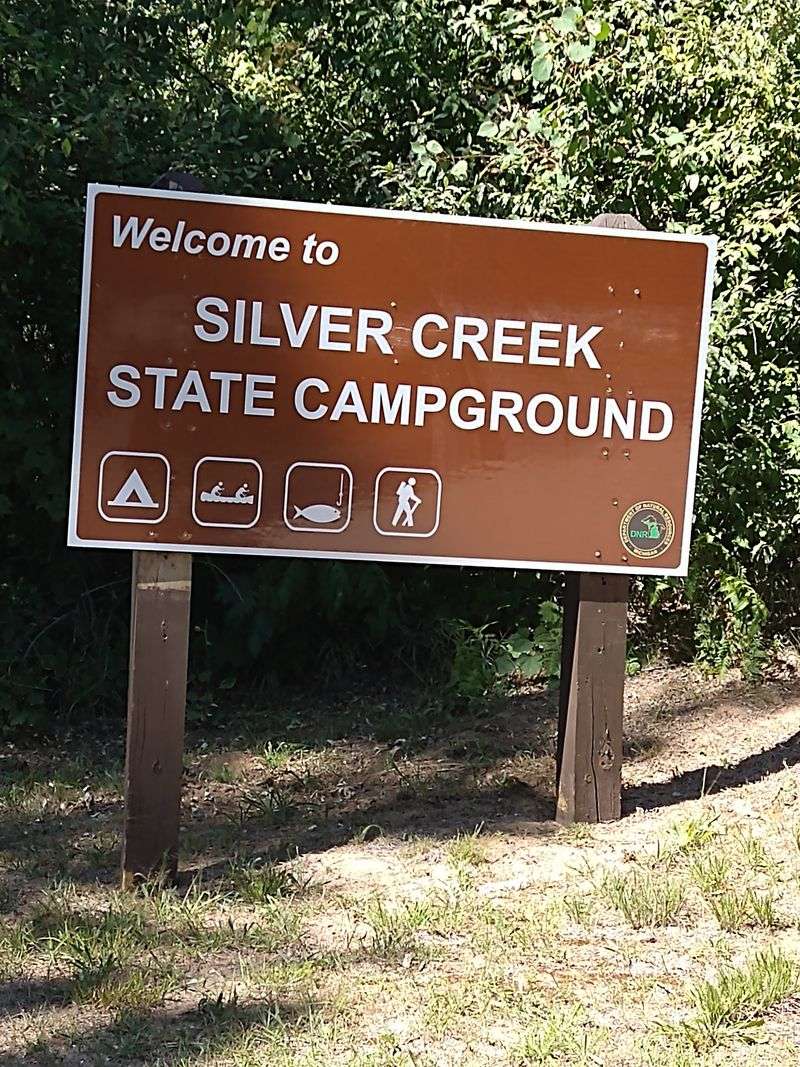
The Pine River announces Silver Creek with a steady watery murmur, especially around the walk-in peninsula sites. Numbered sites 20 through 26 are designed for campers willing to carry equipment, rewarding lighter packing with river views and an intimate tent-camping setting.
Other sites provide more conventional access.
Paddlers often pass through this stretch, while anglers value the Pine as a cold-water trout stream. River users should check permit requirements, current fishing rules, water levels, and launch information.
The eight-mile Silver Creek Pathway offers another way to follow the landscape without getting wet.
Pack gear in manageable containers if aiming for a walk-in space, and bring drinking water, insect protection, and rain-ready footwear. Claim only an available site and complete the registration steps shown at camp.
Warm weekends can fill quickly, so reaching Luther early is wiser than circling after sunset. Confirm current DNR fees and conditions before traveling.
3. Andrus Lake State Forest Campground – Paradise
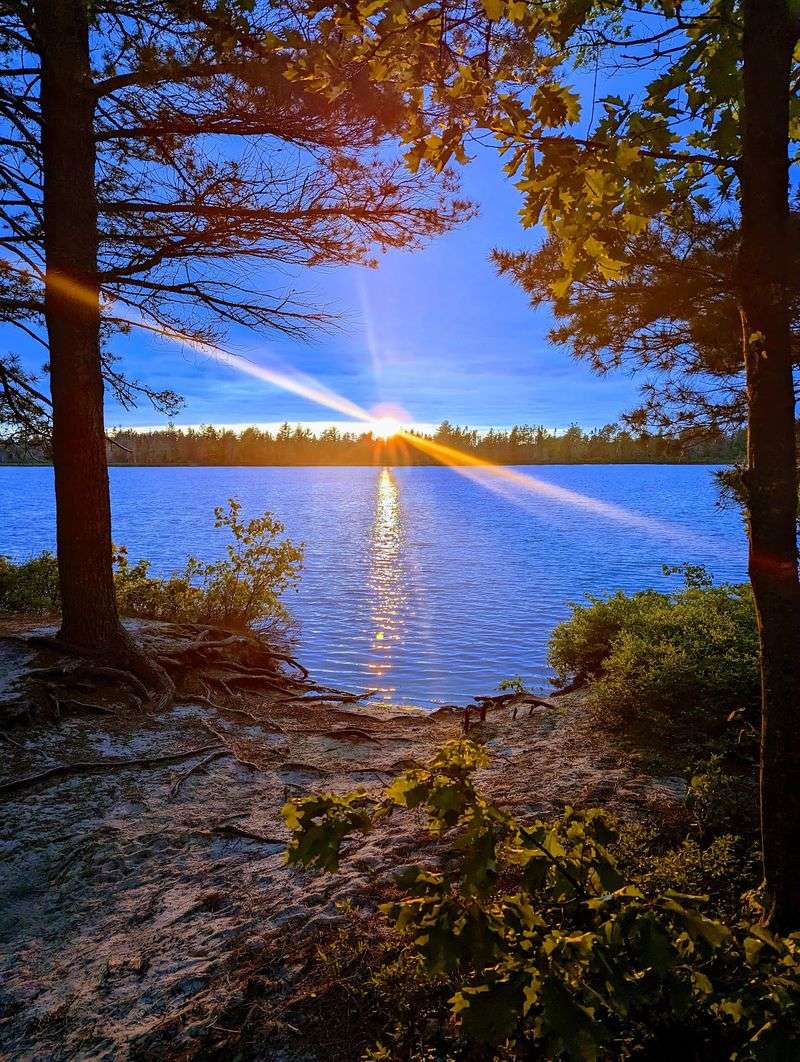
Morning mist can make Andrus Lake look briefly unfinished, as if someone forgot to color the far shore. Twenty-five wooded campsites surround this quiet base near Paradise, with several spaces close to the lake.
A fishing pier improves access for anglers seeking panfish under current Michigan regulations.
Whitefish Point and the Great Lakes Shipwreck Museum lie within day-trip range, while Tahquamenon Falls offers another memorable outing by road. Returning to a smaller lake after those popular stops feels wonderfully calm.
Allow extra driving time because Upper Peninsula distances often look shorter on maps.
Summer mosquitoes can be energetic, so pack repellent, screened shelter, and clothing that covers exposed skin. Bring potable water and supplies for rustic facilities.
Choose an open site, then follow the posted payment and registration process. Check DNR notices for seasonal operation, fees, road conditions, and fire restrictions.
Early arrival improves your chances of securing convenient shoreline access.
2. Ossineke State Forest Campground – Ossineke
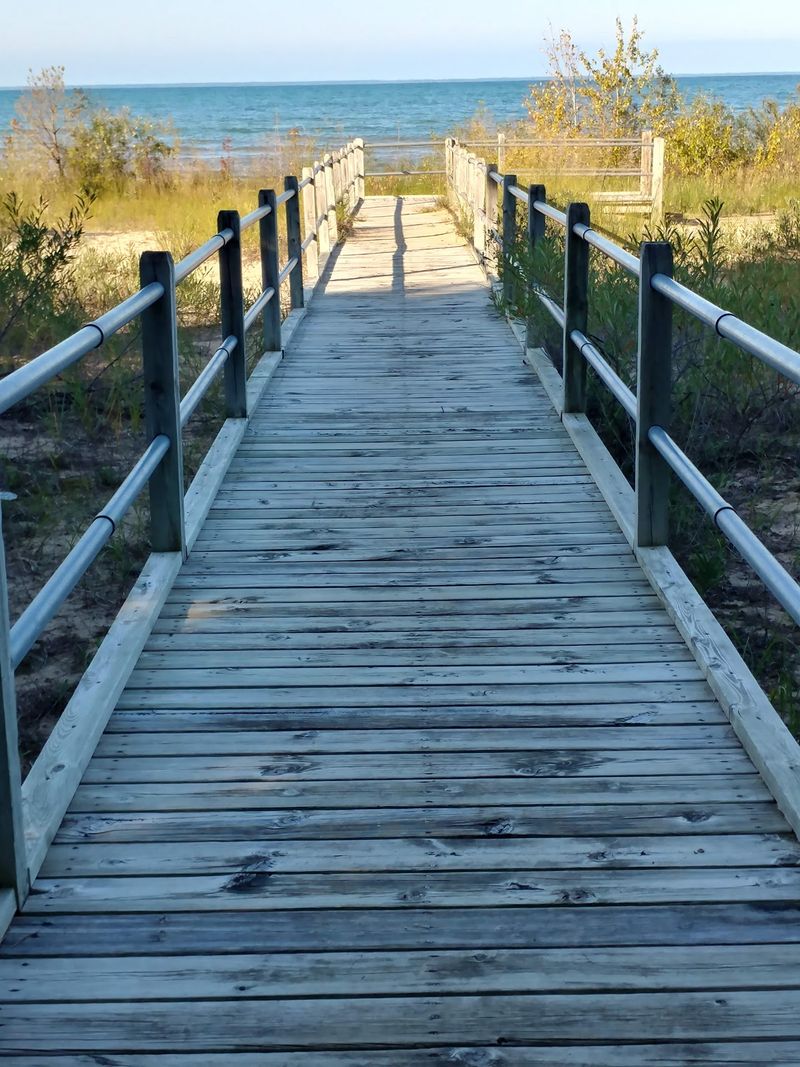
Cedar trees frame the road into Ossineke, then Lake Huron appears with surprising brightness beyond the shade. The campground has 42 rustic sites near Thunder Bay, plus a boardwalk leading toward a sandy beach.
Breezes can cool hot afternoons, although lake weather may change faster than expected.
Site 4 holds an unusual piece of local history: the grave marker of A. J.
Michalowski, who drowned in Thunder Bay in 1865 and was buried near where he came ashore. Treat the marker respectfully and leave it undisturbed.
Its quiet presence gives the campground a solemn historical layer.
Pack water, warm layers, beach shoes, and insect repellent. Lake Huron swimming requires attention to waves, temperature, and changing conditions.
Claim a vacant site by following posted instructions, and keep another destination available during summer weekends. Michigan DNR updates should be checked for current dates, fees, closures, and regulations.
1. Hog Island Point State Forest Campground – Naubinway
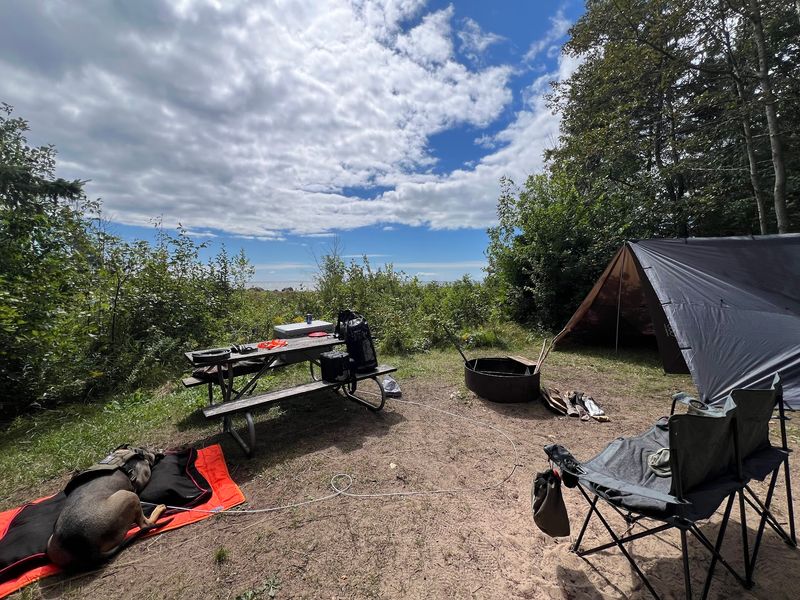
Lake Michigan’s waves do useful work at Hog Island Point, softening road noise and providing a natural bedtime rhythm. Forty-two rustic sites stretch along the shoreline near US-2, with the coveted waterfront spaces usually claimed first.
Rocky beach sections invite wandering, while an eastern day-use area offers sandier access.
Clear evenings can produce excellent stargazing because artificial light remains limited. Wind off the lake may rearrange unsecured chairs with comic efficiency, so stake tents carefully and store lightweight gear.
Swimming conditions deserve caution, especially during cold water, waves, or approaching storms.
Internal roads can turn rough or muddy after rain, making daylight arrival helpful for choosing a suitable site. Carry water, trash bags, leveling blocks, and mosquito repellent.
Complete the posted registration process after finding an open space. Before traveling, consult Michigan DNR information for fees, operating dates, road notices, fire limits, and any temporary closure.