
11 North Carolina Desserts That Taste Like Childhood (And Still Do Today)
Growing up in North Carolina meant sweet treats that stuck to your memories as much as they did to your fingers.
I still remember my grandma pulling a steaming sonker from the oven, the smell filling our kitchen with promises of comfort.
These classic desserts aren’t just food—they’re time machines that transport us back to family gatherings, summer vacations, and holiday celebrations.
Here are eleven North Carolina sweet treasures that have been making mouths happy for generations.
1. Sonker: The Surry County Cobbler’s Quirky Cousin
My first encounter with sonker came at my great-aunt’s farmhouse, where she served this juicy, deep-dish fruit dessert in a chipped blue baking dish. Unlike its more refined cobbler relatives, sonker proudly embraces its rustic roots with a gloriously messy appearance and whatever fruits happen to be in season.
Folks along the Surry Sonker Trail still debate what makes a “true” sonker—some insist on a pie-like crust while others swear by a sweet biscuit topping. What everyone agrees on is the mandatory “dip”—a creamy vanilla sauce that gets poured over the warm dessert.
My favorite remains blackberry sonker eaten straight from the pan, the purple juice staining my fingertips for hours afterward. Each spoonful tastes like summer freedom and country simplicity.
2. Atlantic Beach Pie: Where Salty Meets Sweet
The first time I tasted Atlantic Beach Pie at a beachside shack in Carteret County, I nearly fell off my rickety wooden chair. The contrast between the salty crackers and bright citrus filling was nothing short of revelatory!
Chef Bill Smith deserves a medal for rescuing this coastal gem from obscurity. Legend has it that old-timers believed eating dessert after seafood would make you sick—unless that dessert contained lemon. This brilliant creation starts with a humble saltine cracker crust that cradles tangy lemon curd filling.
What seals the deal is the final flourish: billowy whipped cream and that unexpected pinch of sea salt sprinkled on top. One bite and you’re instantly transported to sandy feet, salty air, and the sound of waves crashing nearby.
3. Tar Heel Pie: Chocolate Heaven In Crust Form
Named after our beloved state nickname, Tar Heel Pie walked into my life during a church potluck when I was nine. Mrs. Johnson set down her famous pie, and I swear the angels sang when I took my first bite of that fudgy, nutty slice.
Think of it as a brownie that somehow got even better by being baked in a flaky pie crust. The interior remains deliciously gooey—almost molten—while pecans and coconut add texture that keeps you coming back for more.
What makes this pie special is how unfussy it is. No fancy techniques or rare ingredients required, just straightforward Southern baking at its finest. I’ve seen grown men nearly come to blows over the last slice at family reunions, and honestly, I understand the impulse completely.
4. Hummingbird Cake: The Southern Belle Of Baked Goods
My mama always made Hummingbird Cake for special occasions, claiming its name came from how it makes people “hum with happiness” while eating it. I believed her until I learned the real story—this tropical-inspired creation was so sweet and irresistible that folks said you could hear hummingbirds buzzing around it!
Born in Jamaica but perfected in Southern kitchens, this cake combines mashed bananas, crushed pineapple, and toasted pecans into a spiced batter that bakes up incredibly moist. Between each layer hides cream cheese frosting that somehow manages to be both tangy and sweet.
The cake became a North Carolina staple after Southern Living published a recipe in the 1970s, and thankfully, no proper church function or family celebration has been without one since.
5. Moravian Sugar Cake: Breakfast Dessert From Old Salem
Saturday mornings at my grandmother’s meant Moravian Sugar Cake, still warm from the oven. The German-speaking Moravians who settled in Winston-Salem brought this magical creation that’s technically breakfast but absolutely qualifies as dessert.
The secret ingredient? Mashed potatoes! Don’t wrinkle your nose—they create an incredibly tender, moist dough that rises into pillowy perfection. Before baking, little thumbprint indentations get filled with melted butter, brown sugar, and cinnamon that bubble into sweet little pools of caramelized goodness.
During December in Old Salem, the historic bakeries still make these cakes according to centuries-old recipes. The smell alone is worth the trip, though I’ve never managed to leave without buying at least two—one for sharing and one that mysteriously disappears before I get home.
6. Coconut Cake: The Birthday Party Showstopper
Every birthday in my family meant one thing: Grandma’s towering coconut cake appearing like a snow-capped mountain at the center of the table. North Carolinians have been proudly serving this elegant creation since long before anyone worried about calories or coconut allergies.
The cake itself is usually a tender white or yellow variety, but what makes it special is the frosting—typically a seven-minute or boiled variety that gets covered in fresh coconut. The trick, according to my grandmother, was pressing the coconut on while the frosting was still tacky.
I remember watching her carefully crack and grate fresh coconuts, though nowadays most bakers use the bagged stuff. In multiple state surveys, coconut cake consistently ranks as North Carolina’s favorite special occasion dessert, proving some traditions are too delicious to fade away.
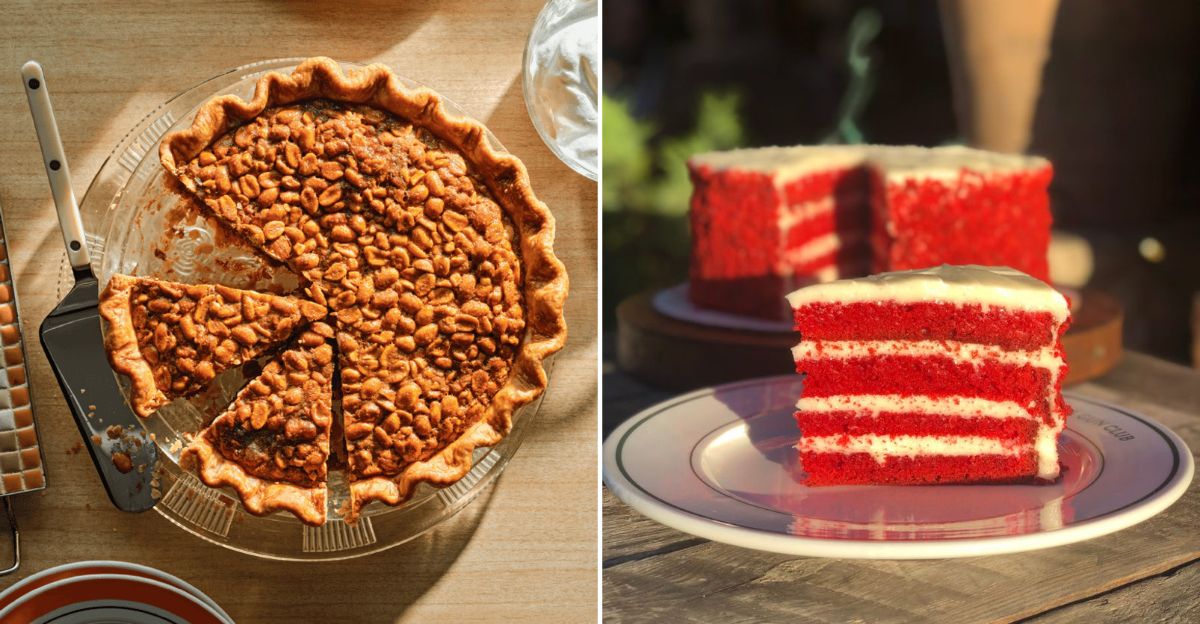
7. Peanut Pie: The Humble Legume’s Sweet Transformation
First time I encountered peanut pie was at my uncle’s farm after tobacco harvesting. The farmhands devoured slices of this sticky-sweet creation, washing it down with sweet tea and tales of seasons past.
North Carolina’s peanut-growing heritage shines in this humble pie that transforms our state’s agricultural bounty into dessert form. The filling resembles pecan pie’s gooey base, but swaps expensive nuts for affordable peanuts—a Depression-era substitution that stuck around because it tastes so darn good.
Some old-timers add a splash of whiskey or bourbon to the filling, though that detail was carefully omitted when serving at church functions! Modern versions might include chocolate chips, but purists insist on letting the roasted peanut flavor shine through unobscured. One slice reminds you why this unpretentious treat has graced family tables for generations.
8. Banana Pudding: The Church Potluck Champion
My first cooking triumph came at age 12 when I made banana pudding for our family reunion. The look on my grandfather’s face—that nostalgic smile—told me I’d nailed our family’s most sacred dessert tradition.
While not exclusive to North Carolina, we’ve certainly perfected the art of layering vanilla wafers, sliced bananas, and creamy pudding into something greater than the sum of its humble parts. The great debate continues: should it be served warm or cold? Should the pudding be homemade or from a box? Should meringue top it or whipped cream?
My grandmother insisted on homemade custard and slightly underripe bananas that wouldn’t turn brown too quickly. The magic happens as the cookies soften into cake-like layers that meld with the bananas and pudding. It’s comfort in a bowl—simple ingredients transformed through the alchemy of time and tradition.
9. Sweet Potato Pie: North Carolina’s Orange Jewel
My first attempt at sweet potato pie ended with orange goop all over my aunt’s kitchen. She just laughed, handed me a towel, and showed me the family recipe card stained with decades of sweet potato splatters.
North Carolina grows more sweet potatoes than any other state, so turning our orange bounty into dessert just makes good sense. Unlike its pumpkin cousin, sweet potato pie offers deeper flavor and natural sweetness that requires less sugar and more spice.
The best versions start with roasted sweet potatoes, never canned, mashed until silky smooth and mixed with eggs, milk, butter, and warm spices. Some families add a splash of bourbon or top with marshmallows, but traditionalists prefer a simple dusting of nutmeg. The resulting pie tastes like Thanksgiving, family, and the rich soil of eastern North Carolina farms.
10. Fig Cake: Ocracoke Island’s Secret Treasure
During a childhood trip to Ocracoke Island, a local bed-and-breakfast owner served us thick slices of mysterious spiced cake studded with tiny seeds. “Fig cake,” she announced proudly, as if revealing a state secret. One bite and I understood why islanders guarded their recipes so fiercely.
This dense, moist cake celebrates the island’s fig trees, originally planted by early settlers. Every August, the Ocracoke Fig Festival showcases countless variations of this signature dessert, from traditional recipes passed through generations to modern interpretations with honey or orange zest.
The cake’s distinctive texture comes from preserves made from the island’s bounty of figs, combined with warm spices like cinnamon, nutmeg, and cloves. Some bakers add walnuts or pecans for crunch. Each family claims their version is authentic, but all agree that proper fig cake requires patience, island figs, and at least one secret ingredient.
11. Red Velvet Cake: The Cardinal-Colored Classic
The Christmas I turned ten, my great-grandmother revealed her secret red velvet cake recipe by allowing me to help make it. The moment when we added the vinegar to the batter and watched the color transform seemed like pure kitchen magic!
This crimson creation has sparked more family debates than politics at my dinner table. Some insist on buttercream frosting while traditionalists demand cream cheese. Some add more cocoa, others just enough for color. The only consensus? The cake must be as red as a cardinal’s wing.
Originally, the cake’s color came from a chemical reaction between cocoa powder, vinegar, and buttermilk. Modern bakers use food coloring, but the tangy flavor profile remains. What makes North Carolina’s version special is the extra tenderness achieved through careful folding techniques passed down through generations. One bite brings back memories of special celebrations and kitchen secrets finally shared.