
11 North Carolina Eating Phrases That Leave Visitors Completely Confused
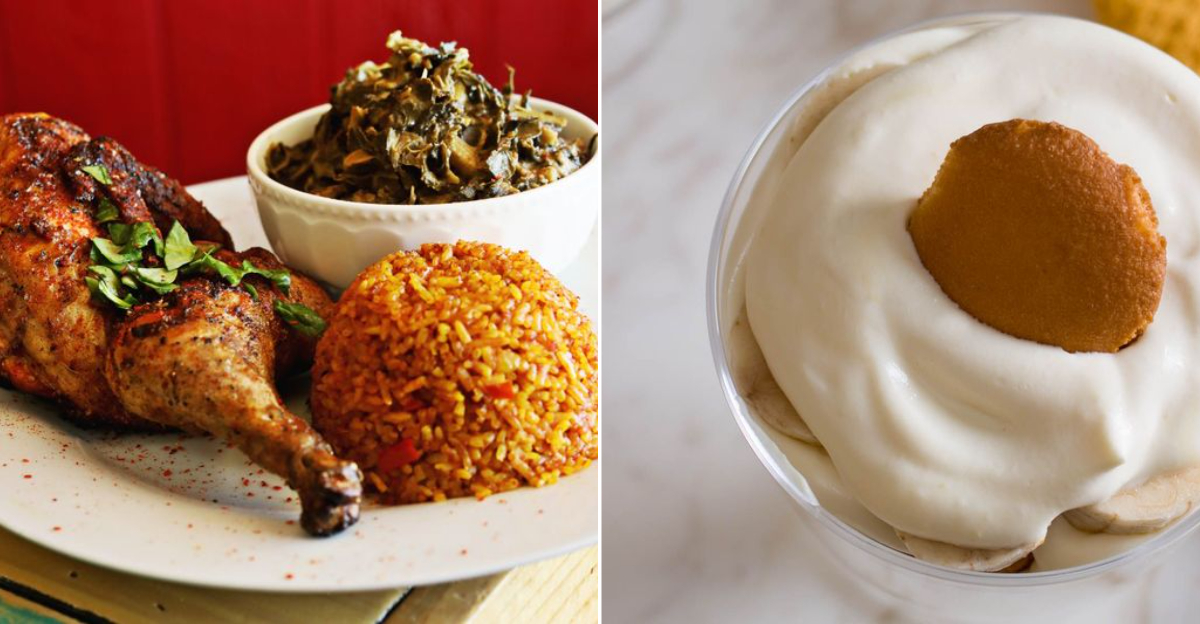
Touch down in North Carolina and you’ll notice the language of food before you ever see a plate. Order counters hum with quick exchanges, and the regulars barely look at the menu, they just speak in clipped phrases that drift through diners, church basements, and beachside grills like old music.
I’ve sat in booths listening, trying to decode what sounds like everyday conversation but is really a map of the state’s appetite. These sayings grew from mill towns, fishing villages, barbecue pits, and mountain cafeterias, each holding a little regional pride.
Visitors often hear the words but miss the meaning. This guide walks you through eleven expressions you’ll encounter long before you fully grasp what anyone just ordered.
1. “Dressed All the Way” At The Hot Dog Stand
The line moves fast at a Piedmont hot dog stand, mustard and onions scenting the air. Someone calls for a red dog “dressed all the way,” and the cashier nods without writing a thing. To uninitiated ears it sounds like a fashion cue, but it is a standard build.
“All the way” in much of North Carolina means mustard, chopped onions, and chili, sometimes with slaw depending on the county or shop. Red skinless dogs, steamed buns, and a beefy chili with little or no beans are the baseline. You hear it at long-running counters in Burlington, Raleigh, and High Point.
If you want that exact set-up, say “two all the way.” If you need slaw added, ask for “all the way with slaw.” Otherwise you might miss the crunch.
2. “With Slaw Or Without” At The Barbecue Joint
The tray slides forward, smoke curling up from chopped pork, and the server pauses on one question. “With slaw or without?” sounds simple, until you notice two very different bowls on the counter. One is creamy and pale, the other brick red and peppery.
Across North Carolina, slaw is not just a side, it is a topping and a statement. Creamy mayonnaise slaw shows up widely, while red slaw, dressed in vinegar, ketchup, and pepper, anchors Lexington-style joints. The choice often determines what lands on your sandwich.
Visitors should ask which slaw the place is known for, then decide if it goes on the sandwich or on the side. Say “sandwich with red slaw” if you want that sharp bite under the bun.
3. “Eastern Or Lexington Style” When You Talk Barbecue
At a Raleigh office lunch, someone says, “Let’s do barbecue,” and another immediately counters, “Eastern or Lexington?” The room quiets the way it does before weather rolls in. Outsiders hear geography, locals hear flavor and method.
Eastern style means whole-hog pork with a clear vinegar-and-pepper sauce, common east of I-95 and down to the coast. Lexington style centers on pork shoulder with a tomato-tinged vinegar dip and red slaw, especially around the Piedmont Triad. Menus often declare allegiance, and town festivals celebrate each approach.
If you are unsure, ask what cut they serve and how they sauce it. Order “plate, Eastern, light sauce” for tangy clarity, or “Lexington tray with red slaw” if you want that hint of tomato sweetness.
4. “Tray” Instead Of “Combo” At The Cookout Counter
Under a bright menu board, a teen says, “Cajun chicken sandwich tray, hushpuppies and fries,” like it is one word. Visitors scan for the word combo and miss their turn. In North Carolina, “tray” is the bundle that gets your main and sides moving.
At many fast-casual spots, including regional chains born in the state, a tray is the value set: entree plus two sides and a drink. Barbecue joints use “tray” for chopped pork and sides in paper boats, too. The word cues a whole arrangement on a plastic platter.
Order by saying the main followed by “tray,” then list your sides. If you just say “combo,” the cashier will translate, but you will sound new to the line.
5. “Fix You a Plate” At Church Suppers And Family Tables
Folding tables bloom with casseroles, deviled eggs, and banana pudding under plastic wrap. A church elder smiles and says, “Sit down, we’ll fix you a plate.” I paused the first time, picturing repairs, not generosity.
In North Carolina homes and church halls, “fix” simply means prepare or assemble, especially when food is abundant and shared. The phrase is hospitality condensed, common from Johnston County potlucks to mountain homecomings. It implies the host will choose good bites and portion them out.
Say “thank you, that sounds wonderful,” and let them do the honors if invited. If you have preferences, gently add, “Could you fix me a plate with the chicken pie and a little slaw?” It is welcome guidance, not rudeness.
6. “Yonder On The Buffet” At Country Cafeterias
Steam rises from metal pans, clinking trays echo as people slide along the rail. “Corn is yonder on the buffet,” a server says, pointing without pointing. To newcomers, “yonder” sounds like a fairy-tale direction.
In North Carolina cafeterias and country kitchens, “yonder” is a casual locator, meaning over there, not far but not specific. Paired with “on the buffet,” it nudges you toward the hot line where creamed corn, fatback-seasoned greens, and yeast rolls wait. The word is friendly and efficient.
When you hear it, move a few steps in the indicated direction and scan for the dish. Ask “over past the chicken or the beans?” if you need a landmark. Folks will steer you kindly.
7. “Sweet Or Un” When You Order Tea
Ice knocks against a plastic cup as a cashier asks, “Sweet or un?” The clipped ending stalls visitors who expect a full word. Around here, the choice arrives faster than thirst.
“Sweet” means pre-sweetened sweet tea brewed strong and cooled, a default at diners from Wilmington to Hickory. “Un” is short for unsweet, poured plain for those who prefer to add sugar or none at all. The two are not the same as iced tea plus packets; sweet tea is brewed with sugar dissolved while hot.
Answer with one syllable to keep the line moving. If you want lemon, say it right after: “Sweet, lemon.” If you need half-and-half, ask for “half sweet, half un” and watch the careful pour.
8. “Nanner Puddin’” At The Dessert Table
A grandmotherly voice floats over the din: “There’s nanner puddin’ down at the end.” The syllables soften like the wafers inside. Visitors look for a separate dish from banana pudding and miss nothing.
Across North Carolina, “nanner puddin’” is simply banana pudding said quickly, familiar at barbecues, fish fries, and family reunions. It usually means layered vanilla wafers, sliced bananas, and vanilla pudding, topped with meringue or whipped cream depending on the cook. Some towns swear by still-warm pans after church.
If you hear the phrase, claim a scoop before the wafers lose all crunch. Ask if it’s meringue or whipped cream to please the maker. Either way, it is the expected sweet finish to a pork plate or fried flounder.
9. “Made From Scratch” On Handwritten Menus
A grease-pencil board promises “made from scratch biscuits,” letters slightly tilted from years of rewriting. The phrase feels old-timey, yet it changes how locals line up. You can smell butter before you see the griddle.
“From scratch” signals the cook started with raw ingredients, not mixes or frozen pucks. In North Carolina breakfast shops and gas-station grills, it marks hand-cut biscuits, redeye or sawmill gravy, and small-batch pies. The pride is practical and usually visible in the crumb.
Ask what’s scratch-made that morning, then time your order to the next biscuit pull if you can wait. If gravy is bubbling, request “biscuit with scratch gravy on the side.” You will dodge sogginess and keep the biscuit’s crisp edges intact.
10. “Hushpuppies For The Table” At Fish Camps
Fried seafood perfume hangs over long tables, paper towels stacked like napkins. Someone says, “Hushpuppies for the table,” and a basket arrives before entrees. Visitors may wonder who ordered, but in fish camps, nobody needs to.
North Carolina fish camps, especially in the Piedmont and along the Catawba, serve golden cornmeal hushpuppies as communal starters. The phrase means a shared basket, often included or priced lightly, with honey butter or margarine on the side. It is part carbohydrate, part lighthouse for the meal.
If you want your own, ask for “an extra basket up front.” For spice, inquire about jalapeño hushpuppies, which some places offer. Remember to save room, because a platter of fried catfish or flounder is still on the way.
11. “Just A Little More Gravy” At The Meat And Three
Plates clatter at a mountain meat-and-three, steam fogging the sneeze guard. A regular leans in, “Just a little more gravy,” and the server paints brown gloss over mashed potatoes and cube steak. The dance is practiced and precise.
In North Carolina cafeterias and meat-and-threes, gravy is currency, from sawmill over biscuits to brown gravy over mains. “Just a little more” invites a second pass without drowning the plate, a polite way to get coverage. It acknowledges the balance between generous and soggy.
Try naming the gravy to be clear: “Little more brown on the steak, please,” or “touch of sawmill on the biscuit.” Staff will respect the boundaries. Your squash casserole will thank you for staying dry at the edges.