
12 North Carolina Food Towns That Locals Absolutely Swear Deserve More Credit
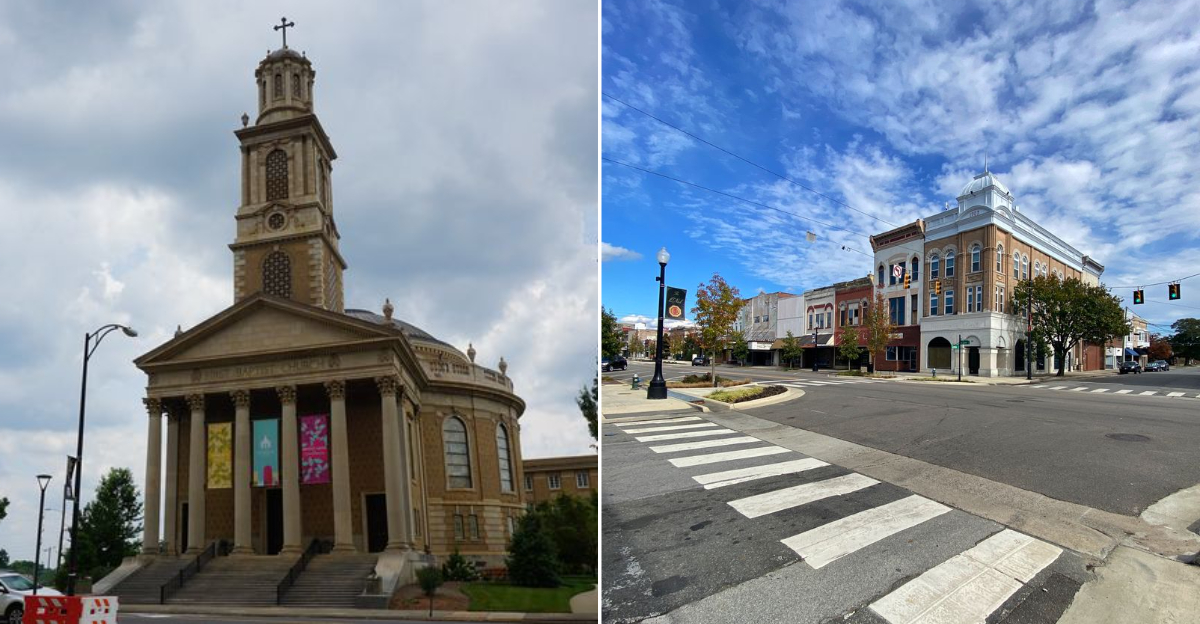
I spent months road-tripping across North Carolina with a fork in one hand, a map in the other, and an appetite for discovery.
Along the way, I found towns that don’t make the usual travel guides-but should-because the food is that good. From smoky barbecue joints on quiet main streets to cozy cafés serving local favorites, these places deliver big flavors without the big city fuss.
What surprised me most wasn’t just the food-it was the passion behind it, from chefs who treat every dish like a love letter to their community to locals who’ve been keeping these spots a delicious secret for years.
If you love hidden gems, hearty comfort food, and a taste of true North Carolina charm, buckle up.
Here are 12 towns that locals absolutely swear deserve way more credit-and your next road-trip fork.
1. Lexington
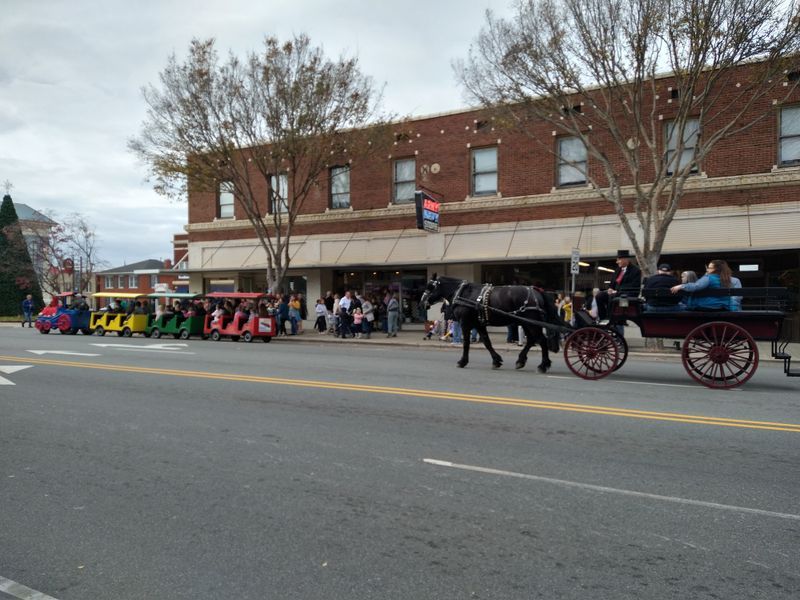
Lexington stands as the undisputed king of Piedmont-style barbecue, and I can personally vouch that this reputation is completely earned.
Walking down the main streets here feels like stepping into pork paradise, where the scent of slow-cooked meat drifts from every corner.
The chopped pork shoulder served with tangy red slaw and hush puppies defines what barbecue should taste like.
I’ve watched entire families drive hours just to grab plates from the legendary pits that have been smoking meat the same way for generations.
What makes Lexington special isn’t just one restaurant but the entire culture built around this specific style of barbecue.
Every joint has its own loyal following, and locals will passionately debate which spot serves the best version.
The annual Barbecue Festival draws massive crowds, but honestly, any random Tuesday lunch here delivers the same authentic experience.
Visiting Lexington taught me that true barbecue towns don’t need fancy marketing or trendy twists.
They just need generations of pitmasters who refuse to compromise on tradition and quality.
2. Ayden
Ayden might barely register on most maps, but mention it to any serious barbecue enthusiast and watch their eyes light up immediately.
This tiny town has built an enormous reputation entirely on whole-hog barbecue cooked over wood coals.
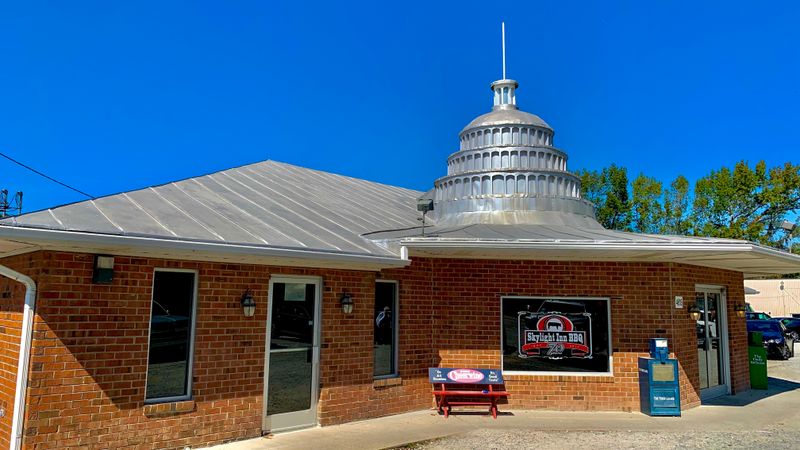
The famous Skylight Inn stands as a pilgrimage site for anyone who truly appreciates traditional Eastern North Carolina barbecue.
I remember my first visit there, walking into a place that looked more like a small church than a restaurant, with smoke billowing from the pit out back.
The pork arrives finely chopped with just vinegar-based sauce, crispy skin mixed throughout, and absolutely nothing else competing for attention.
Other classic pits around town follow the same uncompromising approach, keeping methods alive that date back over a century.
Ayden proves you don’t need a big population or fancy dining rooms to become legendary in the food world.
What you need is commitment to a craft and refusal to change what already works perfectly.
Every bite here tastes like history, tradition, and pure smoky perfection combined.
3. Kinston
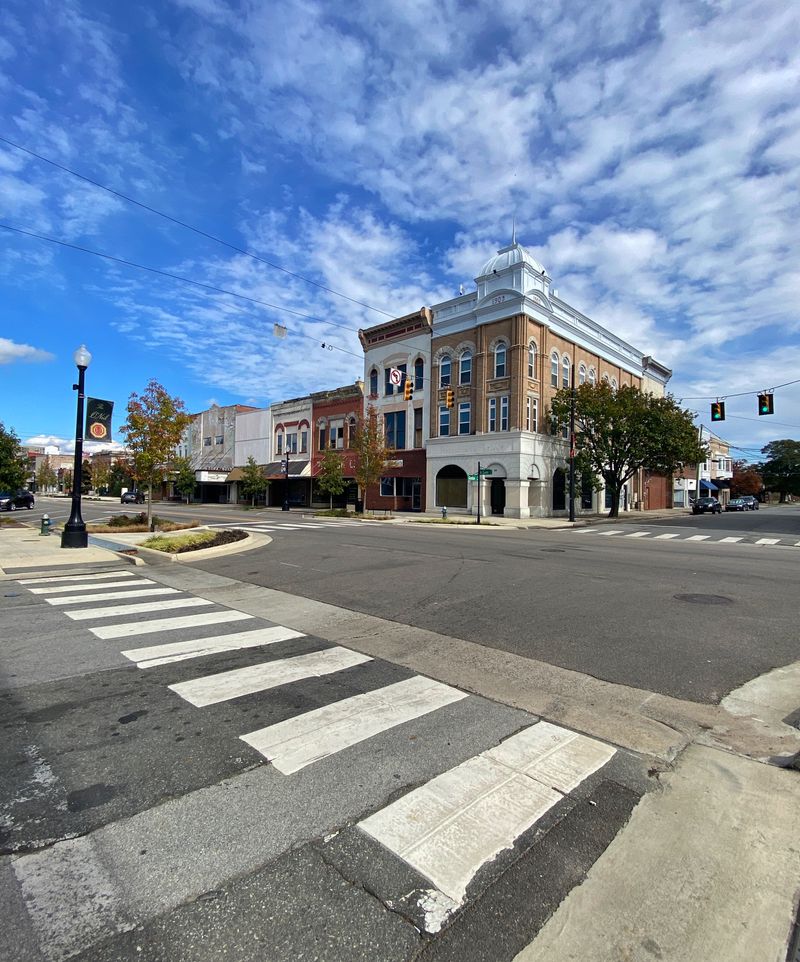
Kinston transformed from a struggling tobacco town into one of the most exciting food destinations I’ve discovered in the entire state.
The downtown area now buzzes with farm-to-table restaurants run by creative chefs who source ingredients from surrounding farms.
Walking through the revitalized streets, I found everything from upscale tasting menus to casual spots serving reimagined Southern classics.
The transformation happened because local leaders invested in their culinary scene rather than watching their town fade away.
What impressed me most was how these restaurants balance innovation with respect for regional traditions.
You’ll find dishes featuring local collards, heritage pork, and heirloom vegetables prepared with techniques that would impress any big-city foodie.
The community rallied around this food renaissance, creating a genuine destination rather than just a stopover between larger cities.
I spent an entire weekend hopping between restaurants and never encountered a disappointing meal.
Kinston shows that small towns can reinvent themselves through food culture while maintaining their authentic character and Southern hospitality.
4. Shelby

Shelby delivers exactly the kind of Southern comfort food that makes you want to loosen your belt and order seconds immediately.
Old-school barbecue institutions anchor the food scene here, places where the recipes haven’t changed in decades because they’re already perfect.
But Shelby also surprised me with newer artisanal spots that bring fresh creativity to classic Piedmont flavors.
One afternoon, I bounced between a legendary barbecue joint that’s been smoking meat since before my parents were born and a newer bakery crafting incredible pastries with local ingredients.
Both experiences felt equally authentic and delicious in completely different ways.
The town’s food culture respects tradition while welcoming innovation, creating a dining scene with remarkable depth for its size.
Locals clearly take pride in their restaurants, and you’ll often see multiple generations of families eating together at longtime favorites.
Shelby reminds visitors that Southern food towns don’t have to choose between preserving heritage and embracing new ideas.
They can celebrate both, creating a richer and more interesting culinary landscape.
5. Hillsborough
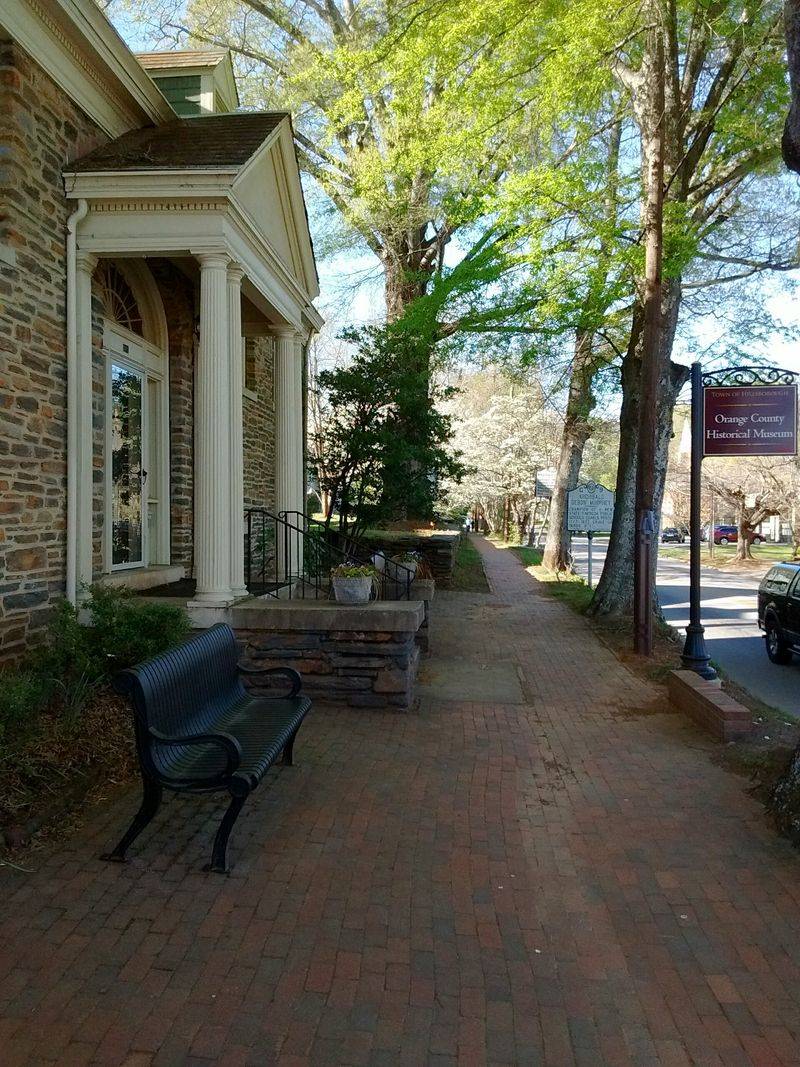
Hillsborough charmed me completely with its farm-to-fork approach and genuine small-town warmth that never feels forced or touristy.
The farmers market here absolutely explodes with incredible local produce, artisan cheeses, fresh-baked breads, and friendly vendors who actually know their customers by name.
Several standout restaurants throughout town build their menus around what’s currently available from surrounding farms.
I watched chefs shopping at the same market I visited, selecting vegetables they’d be serving that evening.
This connection between farms and tables isn’t just a trendy marketing angle but the actual foundation of how Hillsborough’s food scene operates.
The historic downtown adds charm to every meal, with restaurants occupying beautifully restored buildings that have stories stretching back centuries.
Walking between shops and restaurants, I kept discovering new spots I wanted to try, from cozy cafes to more upscale dining rooms.
Hillsborough proves that farm-to-fork dining works best in small communities where chefs and farmers actually know each other personally.
The food tastes better when it traveled five miles instead of five hundred.
6. New Bern
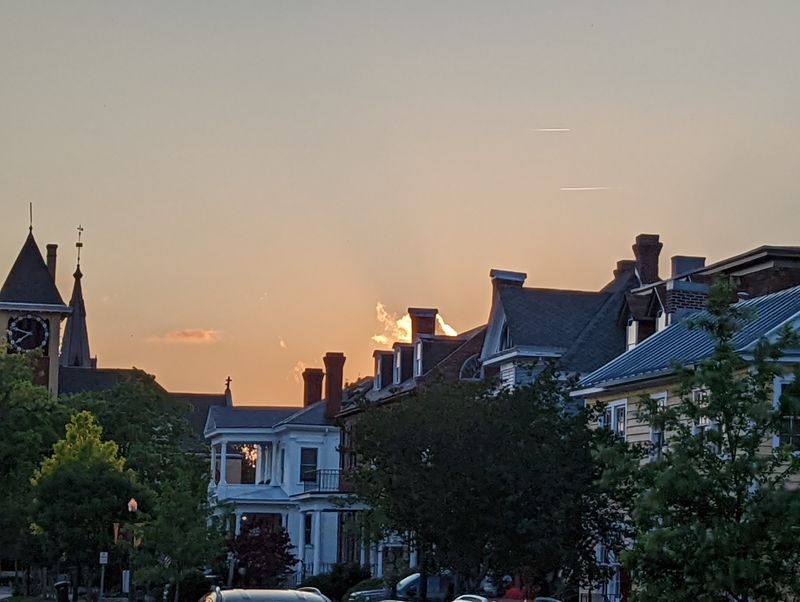
New Bern sits along the water serving some of the freshest coastal seafood I’ve tasted anywhere in North Carolina.
The historic riverfront setting adds atmosphere to every meal, with restaurants offering views of boats drifting past while you eat.
What surprised me most was discovering how many locals consider this their secret seafood spot, avoiding the more crowded coastal tourist towns.
Shrimp, fish, crabs, and oysters arrive at restaurants almost straight from the water, prepared simply to let the quality shine through.
I found everything from casual waterfront shacks serving fried seafood baskets to more refined dining rooms plating elegant preparations.
The town’s rich history as one of North Carolina’s oldest settlements adds character to the dining experience.
Walking through downtown after dinner, I appreciated how New Bern maintained its authentic coastal town feel without becoming overrun by development.
Locals clearly treasure their waterfront restaurants as community gathering spots rather than just tourist attractions.
New Bern deserves recognition as a serious seafood destination that somehow stayed under the radar while other coastal towns became overcrowded.
7. Wilson
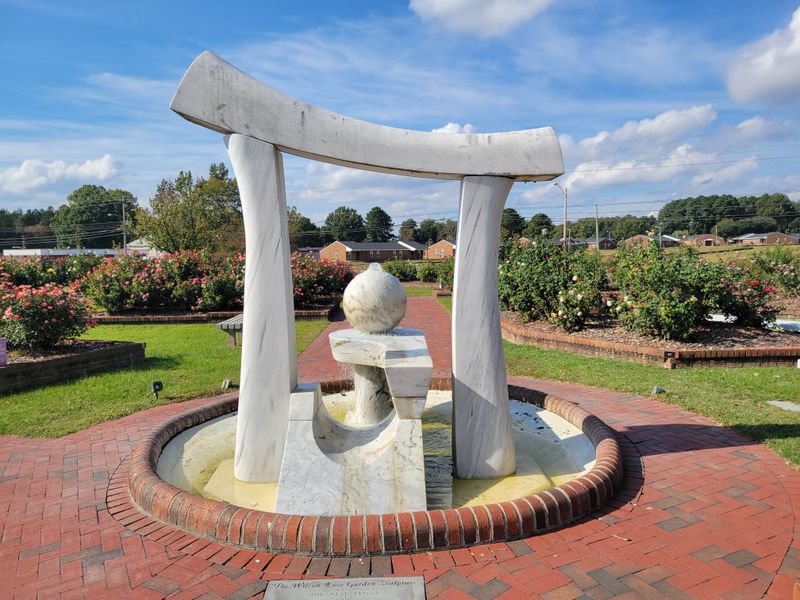
Wilson blends traditional Southern cooking with boundary-pushing seasonal tasting menus in ways I never expected from a town this size.
The culinary scene here refuses to be pigeonholed into one style or approach.
One night I enjoyed classic fried chicken and collard greens at a beloved family restaurant where the recipes date back generations.
The next evening, I experienced a multi-course tasting menu featuring foraged ingredients and creative techniques that challenged everything I thought I knew about Southern food.
Both meals felt completely authentic to Wilson’s evolving identity as a food town.
The creative chefs here aren’t rejecting tradition but building on it, using local ingredients and Southern flavors as foundations for innovation.
I met several restaurant owners who talked passionately about revitalizing their downtown through food culture.
Their efforts clearly worked, creating a dining scene that gives people genuine reasons to visit and stay awhile.
Wilson demonstrates that small towns can support ambitious, creative restaurants when the community rallies behind them and chefs commit to excellence.
8. Morganton

Morganton sits in the foothills where mountain produce, fresh trout, and casual food culture combine into something wonderfully unpretentious and delicious.
The food scene here reflects the landscape, with ingredients coming from nearby mountain farms and cold mountain streams.
I loved discovering how many casual spots serve exceptional food without any fuss or fancy presentation.
Food trucks parked downtown serve tacos and barbecue that rival anything you’d find in bigger cities.
Local restaurants feature trout caught from nearby waters, prepared simply to showcase the incredible freshness.
Mountain vegetables show up on menus throughout town, picked at peak ripeness from farms just up the road.
The relaxed atmosphere here makes eating out feel more like gathering with friends than formal dining.
One afternoon, I grabbed lunch from a food truck, then walked to a nearby brewery where locals welcomed me into their conversation like I’d lived there for years.
Morganton reminds visitors that great food towns don’t need white tablecloths or pretentious menus to deliver memorable meals worth traveling for.
9. Durham

Durham gets plenty of attention for its famous restaurants, but the real magic happens in dozens of neighborhood gems most visitors never find.
Beyond the well-known hotspots, I discovered no-frills kitchens serving some of the most authentic and delicious food in the entire state.
Strip mall restaurants run by immigrant families offer cuisines from around the world, cooked with the same care they’d prepare for their own tables.
Tiny barbecue joints and soul food spots frequented entirely by locals serve meals that would put many fancier places to shame.
I spent weeks exploring Durham’s lesser-known food scene and kept finding new favorites in unexpected locations.
The diversity here means you can eat incredible Vietnamese one night, Ethiopian the next, then traditional Southern the following evening.
What impressed me most was how these neighborhood spots maintain quality and authenticity without chasing trends or courting food media attention.
They simply cook excellent food for their communities day after day.
Durham deserves credit not just for its celebrity chef restaurants but for the deep, diverse food culture thriving in every neighborhood.
10. Winston-Salem

Winston-Salem preserves Moravian culinary traditions while simultaneously supporting inventive modern restaurants and an incredible bakery culture.
The historic Moravian community left lasting influences on the local food scene, particularly in baked goods and traditional recipes passed down through centuries.
I started mornings eating thin, crispy Moravian cookies and sugar cake from bakeries that have been perfecting these recipes for generations.
Then I’d spend evenings at contemporary restaurants pushing boundaries with creative seasonal menus and unexpected flavor combinations.
This balance between honoring heritage and embracing innovation defines Winston-Salem’s food identity.
The bakery scene alone justifies a visit, with shops throughout town producing breads, pastries, and traditional Moravian specialties that taste like edible history.
Modern restaurants here aren’t trying to erase tradition but adding new chapters to the city’s culinary story.
I appreciated how locals support both the historic bakeries their grandparents frequented and the newer spots bringing fresh energy downtown.
Winston-Salem shows that food traditions and innovation strengthen each other rather than competing for attention.
11. Tarboro

Tarboro quietly developed an emerging restaurant scene that caught me completely by surprise during my first visit to this historic small town.
The downtown area, filled with beautifully preserved historic buildings, now houses several notable bistros and restaurants serving food that rivals much larger cities.
I wandered into what looked like a simple storefront and discovered a chef preparing sophisticated dishes with obvious skill and creativity.
Several other spots around town showed the same commitment to quality, using local ingredients and classical techniques.
What makes Tarboro special is how this food scene developed organically from local passion rather than outside investment or tourism plans.
Chefs and restaurant owners clearly love their town and wanted to create dining experiences worthy of its historic charm.
The community responded by supporting these restaurants, creating a sustainable local food culture.
Walking through downtown after dinner, I could see how the restaurants contributed to revitalizing the entire area.
Tarboro proves that even the smallest towns can develop exciting food scenes when talented people commit to their communities.
12. Southport
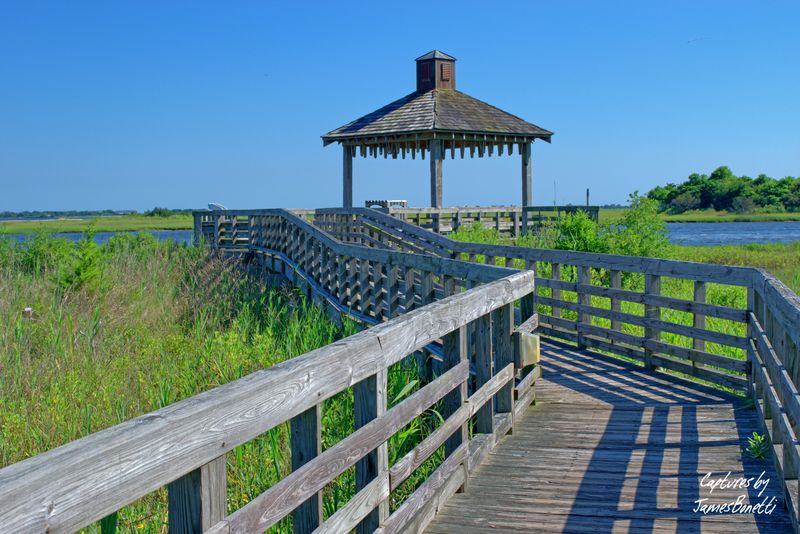
Southport serves incredibly fresh seafood in low-key waterfront spots that locals have been enjoying for years while tourists flock to busier beaches.
The coastal town atmosphere here feels authentic and unhurried, with restaurants focused on quality seafood rather than flashy presentations or tourist gimmicks.
I sat at outdoor tables watching fishing boats return with the day’s catch, then ate that same fish for dinner hours later.
Shrimp, flounder, grouper, and other local catches arrive at restaurants so fresh they barely need any preparation beyond simple grilling or frying.
The waterfront setting adds natural beauty to every meal without restaurants needing to manufacture atmosphere or charge premium prices.
Locals clearly consider these spots their regular hangouts, not just places for special occasions or visiting relatives.
I overheard conversations about fishing conditions, boat repairs, and local gossip while enjoying some of the best seafood I’ve tasted anywhere.
Southport reminds visitors that the best coastal dining experiences often happen in quiet towns where fishing remains an actual industry rather than just scenic background.
The food tastes better when the community actually lives off the water.