
12 North Carolina Food Traditions Outsiders Might Not Understand (But Locals Swear By)
I still remember the first time a neighbor handed me a steaming bowl of boiled peanuts and asked, “You’ll love ‘em, honey.”
I laughed, took a bite, and instantly understood why the whole town swears by this salty‑sweet snack.
Growing up in a North Carolina suburb, I’ve watched friends and family turn everyday meals into rituals that can leave outsiders scratching their heads.
From Lexington‑style barbecue that smells like a smoky hug, to a spoonful of pimento cheese that somehow makes even the simplest cracker feel gourmet, there’s a whole catalogue of flavors that locals consider non‑negotiable.
In this piece I’ll walk you through twelve of those beloved (and occasionally bewildering) food traditions-each one a small piece of the state’s culinary identity that I’ve come to love, even if they still make me grin when I hear someone call them “odd.”
1. Eastern Vs. Western Barbecue: The Great Divide
Mention barbecue in North Carolina and you better be ready to pick a side.
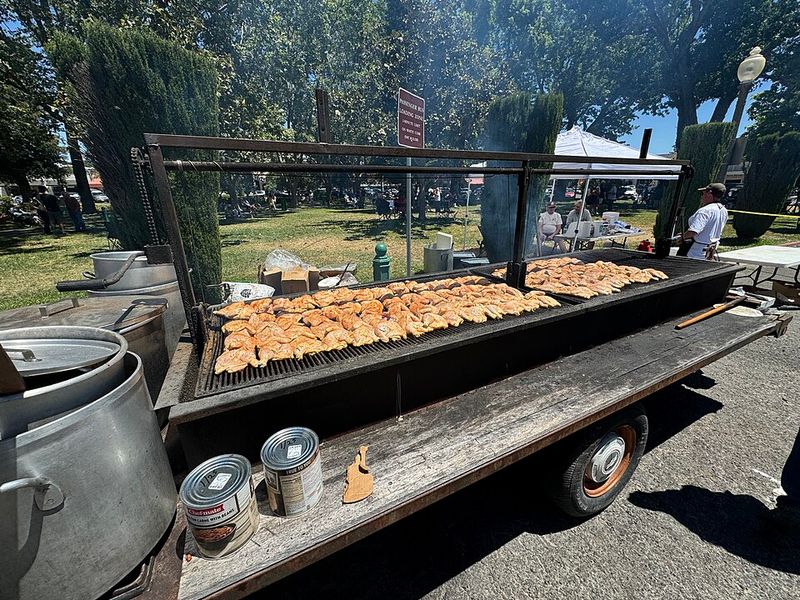
Eastern folks cook whole hogs low and slow, then dress the meat with a thin vinegar sauce that bites back with pepper and tang.
Head west toward Lexington and the game changes completely.
Pitmasters there stick to pork shoulder and add a touch of ketchup or tomato to their vinegar base, creating a sweeter, thicker sauce.
The debate between these two styles runs deeper than most family feuds.
Restaurants display their allegiance proudly, and locals can argue for hours about which method reigns supreme.
Outsiders often scratch their heads at the passion behind what seems like minor differences.
But for North Carolinians, these distinctions define entire regions and shape identity itself.
Every bite carries generations of tradition and fierce regional pride that newcomers simply cannot grasp on their first visit.
2. Pig Pickin’s: When The Whole Hog Brings Everyone Together
A pig pickin’ transforms an ordinary Saturday into something magical.
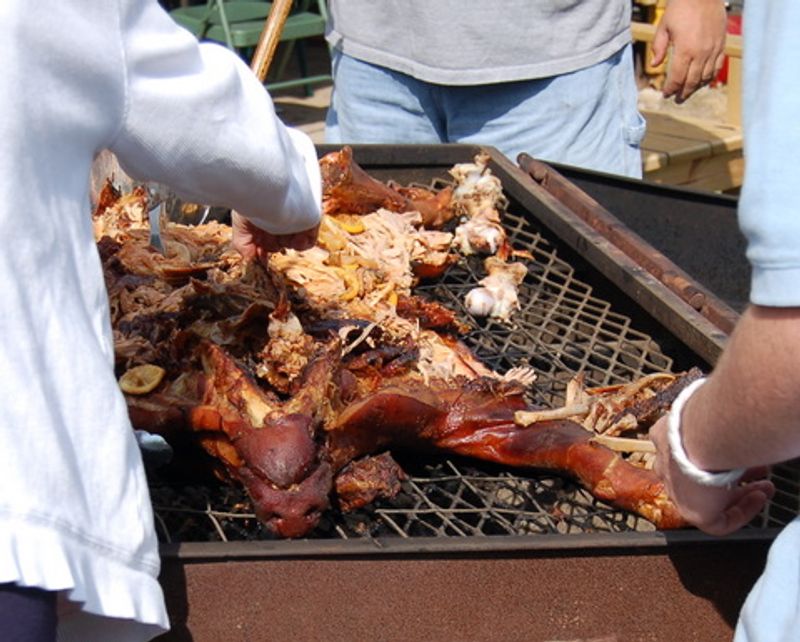
Neighbors gather around a smoker where a whole hog has been cooking since dawn, filling the air with hickory smoke and anticipation.
These events serve purposes far beyond feeding hungry folks.
Churches hold them as fundraisers, families celebrate reunions with them, and communities mark special occasions by roasting a pig.
The cooking process itself becomes a social event, with volunteers taking shifts to tend the fire and baste the meat.
By afternoon, everyone lines up with paper plates while the pitmaster pulls succulent meat straight from the hog.
Conversations flow as easily as sweet tea, and kids run between picnic tables while adults swap stories.
Visitors from elsewhere might see just a cookout, but locals recognize these gatherings as living traditions that strengthen community bonds.
The pig pickin’ ritual keeps neighborhoods connected in ways that potluck dinners and catered events simply cannot match.
3. Red Slaw: The Colorful Sidekick Nobody Saw Coming
Coleslaw should be creamy and white, right?
Not if you’re ordering barbecue in Lexington or surrounding areas.
Red slaw ditches the mayonnaise entirely and dresses shredded cabbage in a ketchup-and-vinegar mixture that looks almost neon.
The flavor hits differently too, with tangy sweetness that cuts through rich pulled pork perfectly.
Locals pile this crimson creation onto sandwiches or serve it alongside their barbecue plates without a second thought.
My cousin from Michigan nearly spit out her first bite, expecting the familiar creamy texture and getting a vinegary surprise instead.
But by her third sandwich, she was hooked and asking for the recipe.
This regional specialty remains largely unknown outside Western North Carolina, though it defines the barbecue experience there.
The bright color might startle newcomers, but that distinctive sweet-tart punch makes converts out of skeptics faster than you can say pass the napkins.
4. Boiled Peanuts: Salty, Soft, And Seriously Addictive
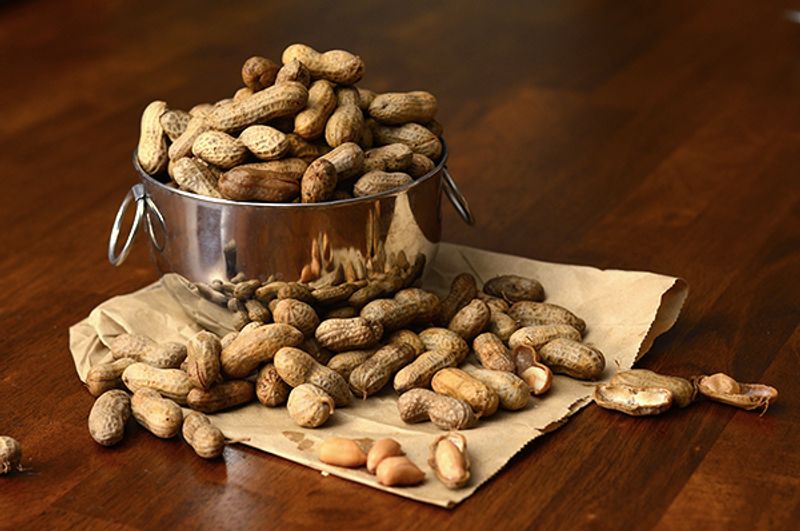
Forget everything you know about peanuts being crunchy.
Boiled peanuts turn that expectation completely upside down, creating a soft, salty snack that confuses first-timers.
Farmers and roadside vendors sell them fresh from huge pots, especially when fall harvest brings green peanuts to market.
The shells soak up brine during hours of simmering, making each one a little packet of salty goodness.
You crack them open, slurp out the tender legume inside, and toss the soggy shell aside.
The texture resembles cooked beans more than anything else, which throws off people expecting roasted crunch.
Locals grab bags of these warm treats for road trips, football games, or just casual snacking on the porch.
Handwritten signs advertising boiled peanuts dot country roads throughout the state each autumn.
Outsiders often make faces at the mushy consistency, but North Carolinians know these humble legumes represent seasonal tradition and simple pleasure worth defending fiercely.
5. Livermush: The Breakfast Mystery Meat Locals Love
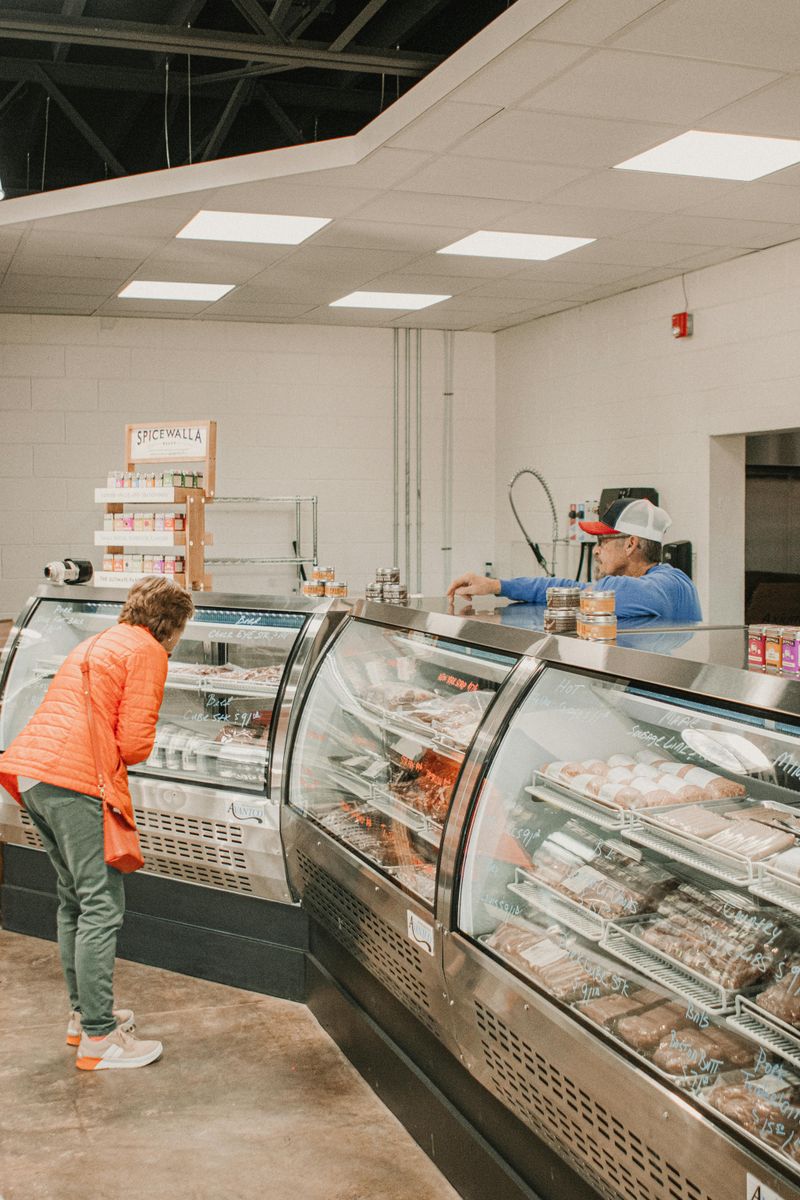
Western North Carolina keeps a breakfast secret that rarely travels beyond regional borders.
Livermush combines pork scraps, liver, and cornmeal into a loaf that gets sliced and fried until crispy on the edges.
The name alone makes plenty of people squeamish, but locals grew up eating it alongside eggs and toast.
Shelby even hosts an annual Livermush Festival celebrating this peculiar regional specialty with contests and cooking demonstrations.
The texture lands somewhere between scrapple and pâté, with a savory richness that polarizes opinions quickly.
Grocery stores in the mountains stock multiple brands, treating it as casually as bacon or sausage.
But venture outside this corner of the state and most folks have never heard of it.
The combination of organ meat and cornmeal sounds odd on paper, yet generations of families consider it essential breakfast fare.
Trying livermush requires an open mind and empty stomach, but those willing to take the plunge often understand why locals defend it so passionately.
6. Pimento Cheese: The Spread That Rules Every Gathering
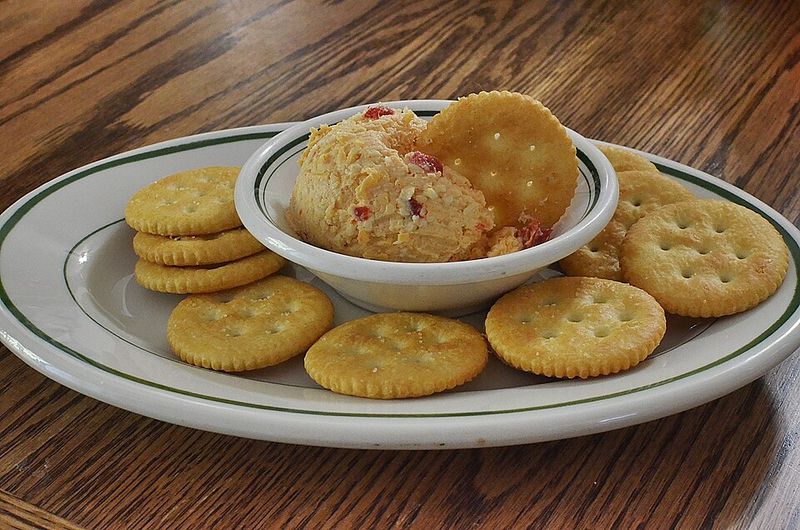
Southerners call pimento cheese the pâté of the South, and North Carolina takes that title seriously.
This simple mixture of shredded sharp cheddar, mayonnaise, and chopped pimentos shows up everywhere.
Church potlucks feature it on crackers, kids find it in their lunchbox sandwiches, and fancy parties serve it in crystal bowls.
The recipe varies by household, with some adding cream cheese for smoothness while others throw in hot sauce for kick.
My grandmother kept a container in the fridge at all times, ready for unexpected visitors or afternoon snacks.
Grocery stores sell pre-made versions, but serious cooks insist on grating cheese by hand and mixing their own signature blend.
Outsiders sometimes dismiss it as just cheese dip, missing the cultural significance entirely.
This humble spread bridges generations and social classes, appearing at both casual picnics and elegant receptions.
North Carolinians recognize pimento cheese as edible tradition, a taste of home that travels well and comforts universally.
7. Shrimp And Grits: From Fishermen’s Fuel To Fine Dining
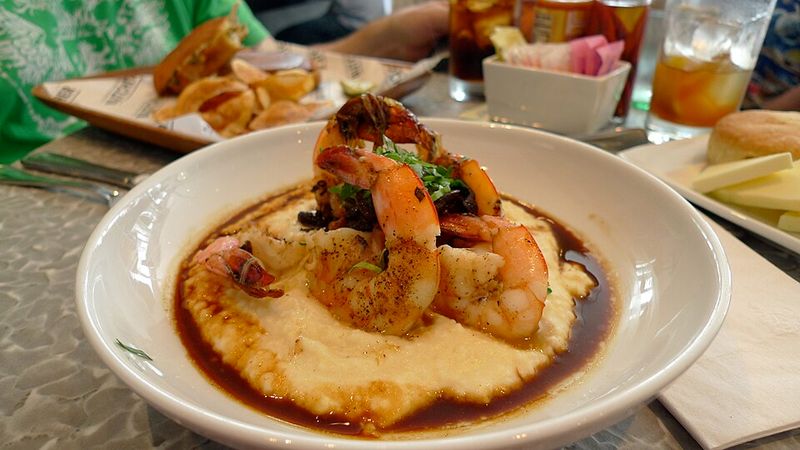
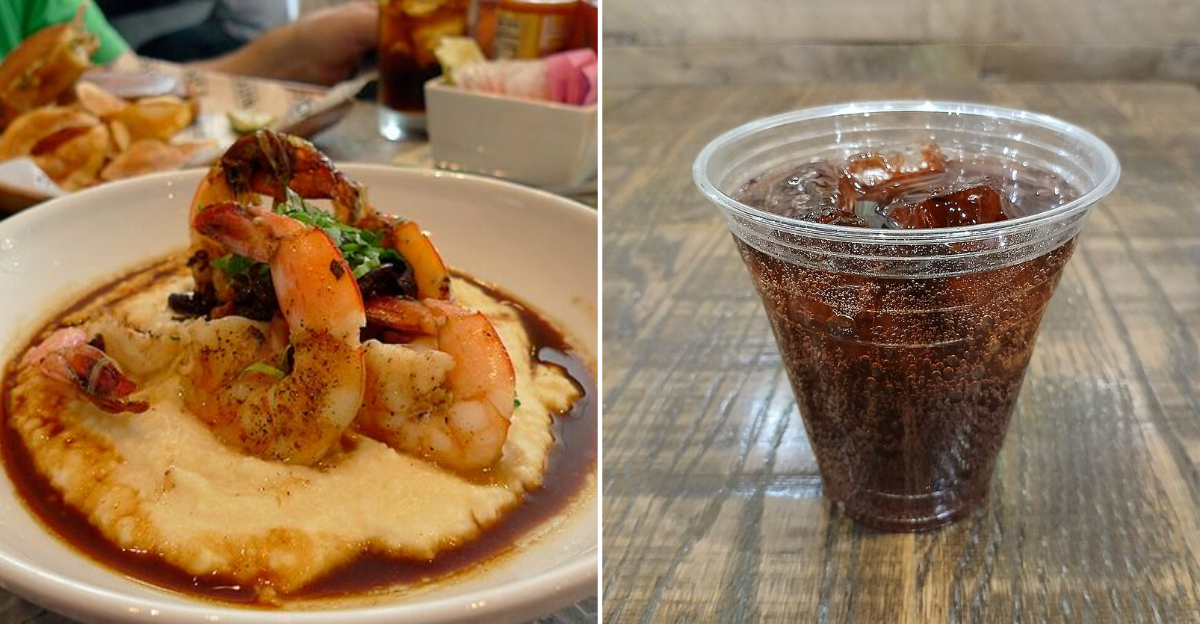
Coastal Carolina fishermen once ate this simple combination before heading out on pre-dawn waters.
Creamy grits provided stick-to-your-ribs fuel while fresh-caught shrimp added protein for long days on boats.
Somewhere along the way, this humble breakfast transformed into a culinary star.
Restaurants now serve elevated versions for lunch and dinner, adding bacon, cheese, and fancy sauces to the basic formula.
The dish represents Lowcountry cooking at its finest, where simple ingredients combine into something greater than their parts.
Stone-ground grits make all the difference, with their coarse texture and corn-forward flavor putting instant versions to shame.
Plump shrimp seasoned just right nestle into the creamy grits, creating perfect bites that taste like the coast itself.
Visitors from inland areas often approach grits suspiciously, unsure about the grainy porridge.
But one properly prepared plate of shrimp and grits converts skeptics into believers who finally understand what coastal North Carolinians have known for generations.
8. Covered-Dish Suppers: Where Recipes And Community Meet
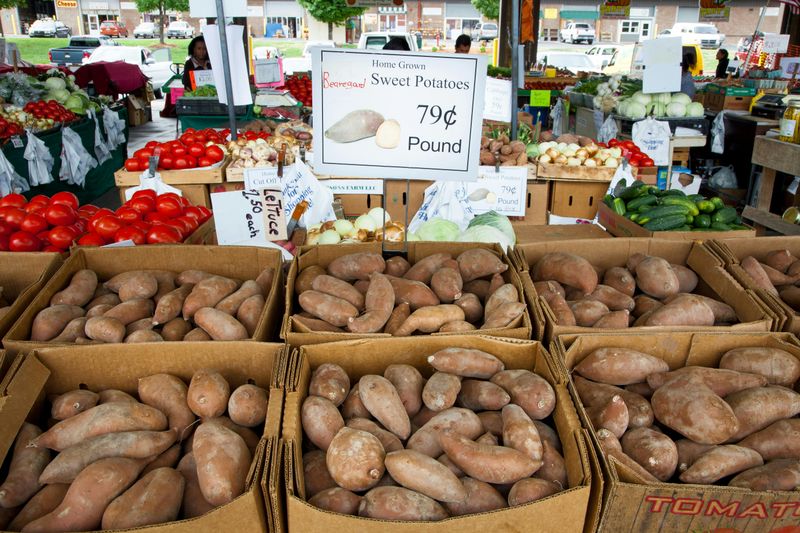
Church basements across North Carolina host gatherings that preserve culinary history and strengthen community ties.
Covered-dish suppers bring everyone together with the understanding that each family contributes a homemade dish to share.
Tables groan under the weight of casseroles, deviled eggs, fried chicken, and desserts representing generations of family recipes.
These events follow unwritten rules that locals understand instinctively.
You always bring enough to feed more than just your family, and you never leave without complimenting at least three cooks.
The best recipes get requested repeatedly, and skilled cooks gain reputations that follow them for years.
Outsiders attending their first covered-dish supper often feel overwhelmed by the sheer variety and generous portions.
But these communal meals serve purposes beyond filling stomachs.
They create space for fellowship, preserve traditional cooking methods, and ensure recipes pass between generations.
The covered-dish tradition keeps neighborhoods connected through food in ways that restaurants and catering simply cannot replicate or replace.
9. Friday Fish Fries: Weekly Rituals Of Fellowship And Food
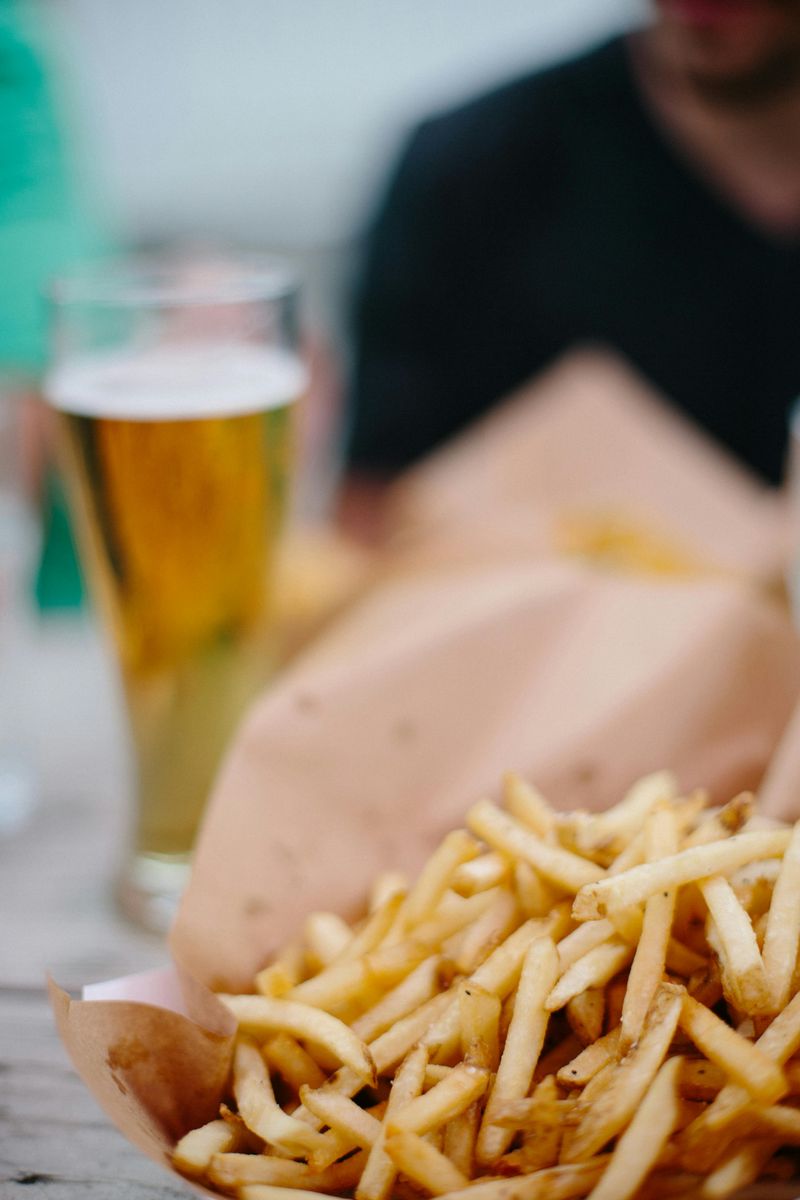
Friday nights mean fish fries in communities throughout North Carolina, both coastal and inland.
Churches, fire departments, and community centers host weekly events where folks gather for fried fish, hushpuppies, and conversation.
The smell of hot oil and cornmeal batter signals the weekend’s arrival better than any calendar.
These gatherings blend fundraising with socializing, creating spaces where neighbors catch up over paper plates piled high.
Coastal towns naturally lean toward fresh catch, while inland areas often feature catfish or other freshwater options.
The menu stays simple but satisfying, with coleslaw, fries, and sweet tea rounding out the meal.
My uncle never missed the volunteer fire department’s Friday fry, claiming their secret seasoning beat any restaurant in three counties.
Regulars arrive early to claim favorite tables and chat with the cooks manning the fryers.
Visitors might see just a casual fish dinner, but locals recognize these weekly rituals as essential community glue.
The tradition keeps people connected through consistent gathering and shared meals that mark time’s passage.
10. Cheerwine: The Cherry Soda That Defines Tar Heel Pride
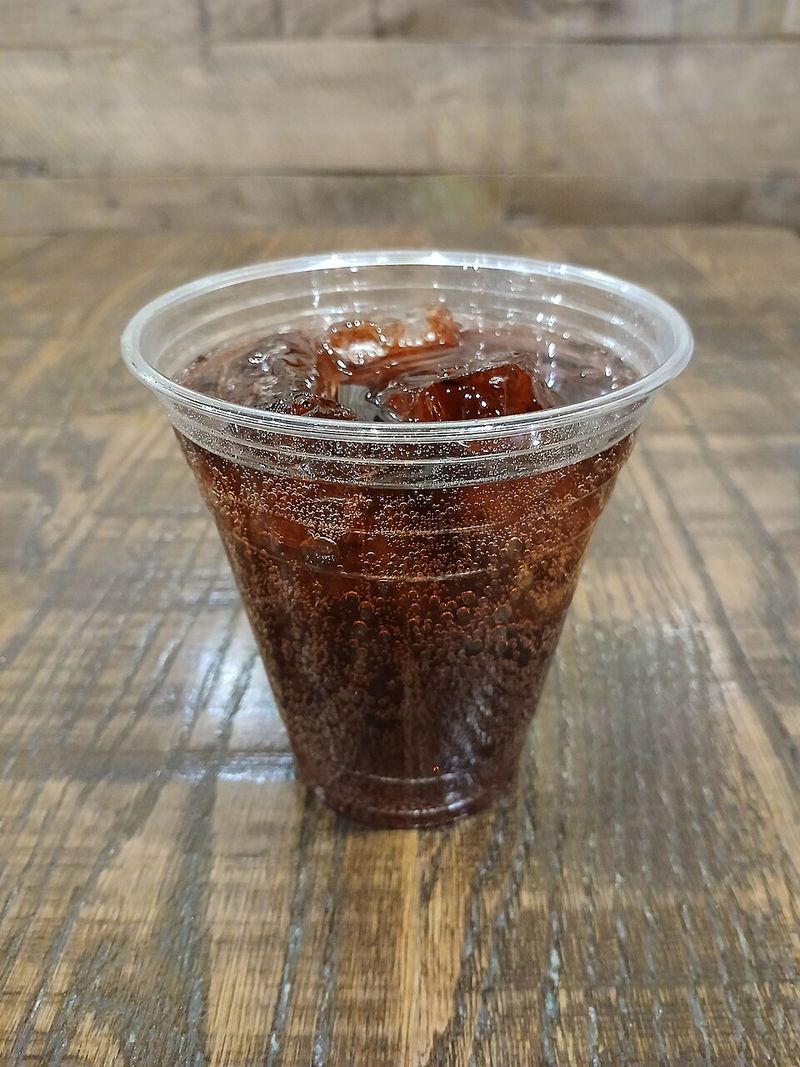
Salisbury gave birth to this legendary cherry soda back in 1917, and North Carolinians have claimed it as their own ever since.
Cheerwine tastes different from other cherry sodas, with a unique flavor profile that defies easy description.
The burgundy liquid sparkles with sweetness but carries complex notes that keep people coming back.
Locals mix it with ice cream for floats, use it in cake recipes, and sip it straight from frosty bottles.
The name confuses outsiders who expect something entirely different, but no grape juice or fermentation enters the equation.
Finding Cheerwine outside North Carolina used to be nearly impossible, making it a treasured taste of home for transplants.
Now the brand has expanded somewhat, but it still carries strong regional identity and pride.
Tar Heels living elsewhere stockpile cases when visiting family, treating it like liquid gold.
This fizzy cherry creation represents more than just refreshment to those who grew up with it on every restaurant table and in every grocery cooler throughout the state.
11. Collard Greens And Potlikker: Soul Food’s Liquid Gold
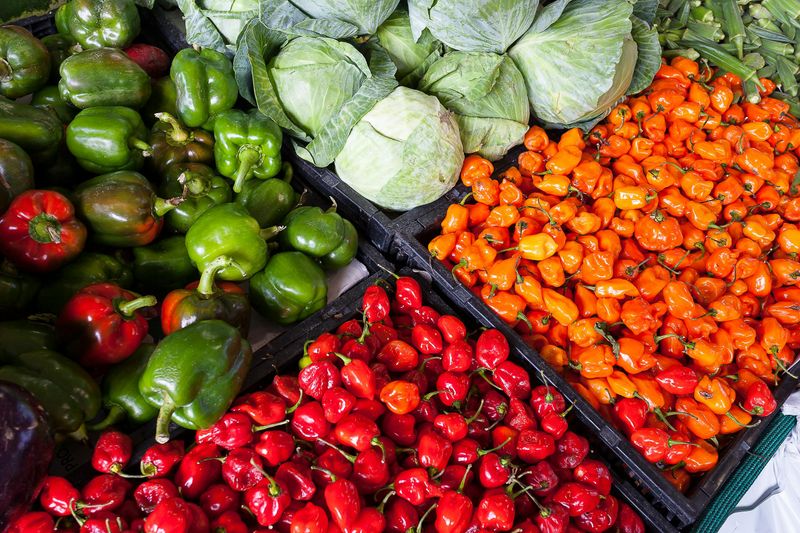
Collard greens simmer for hours with ham hocks, creating two treasures instead of one.
The tender greens themselves provide the main event, but the cooking liquid called potlikker might be even more prized.
This flavorful broth concentrates all the nutrients and smoky richness from the meat and vegetables.
Traditionalists sop it up with cornbread, refusing to waste a single drop of the savory liquid.
Holiday tables across North Carolina feature massive pots of collards, especially at New Year’s and Thanksgiving.
The greens represent prosperity in Southern tradition, while the potlikker carries the soul of the dish.
Cooking them properly requires patience and the right seasonings, with recipes varying by family and region.
Some add hot pepper for heat, others rely on the ham hock alone for flavor.
Outsiders sometimes wrinkle their noses at the strong smell and dark appearance.
But North Carolinians understand these humble greens connect current tables to generations past, carrying forward traditions that nourish both body and spirit through every spoonful.
12. Hoppin’ John: Black-Eyed Peas For New Year’s Luck
New Year’s Day in North Carolina means black-eyed peas on every table without exception.
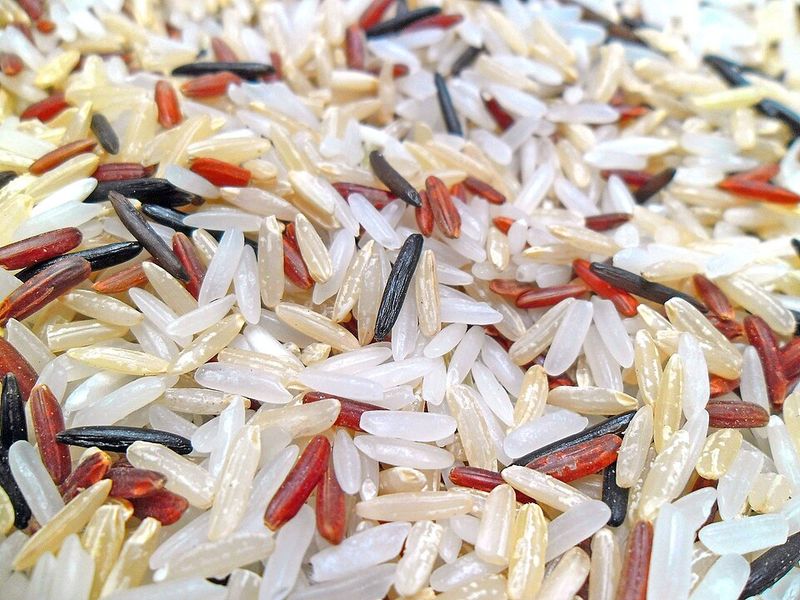
Hoppin’ John combines these humble legumes with rice, creating a dish believed to bring prosperity for the coming year.
The tradition travels through Lowcountry and Carolina communities, connecting families to African and Southern foodways.
Recipes vary, but most include onions, bacon or ham, and plenty of seasoning to make the peas sing.
Serving collard greens alongside represents paper money while the peas symbolize coins, doubling down on fortune.
Some families insist you must eat exactly one pea for each day of the year to ensure complete luck.
Others just pile plates high and hope for the best.
Skipping this New Year’s meal feels like tempting fate to locals who grew up with the custom.
The combination of rice and peas creates comfort food that happens to carry cultural weight and superstitious hope.
Outsiders might see just beans and rice, but North Carolinians recognize Hoppin’ John as edible tradition that welcomes prosperity and honors heritage simultaneously.