
10 North Carolina Mountain Towns That Turn Comfort Food Into Legends
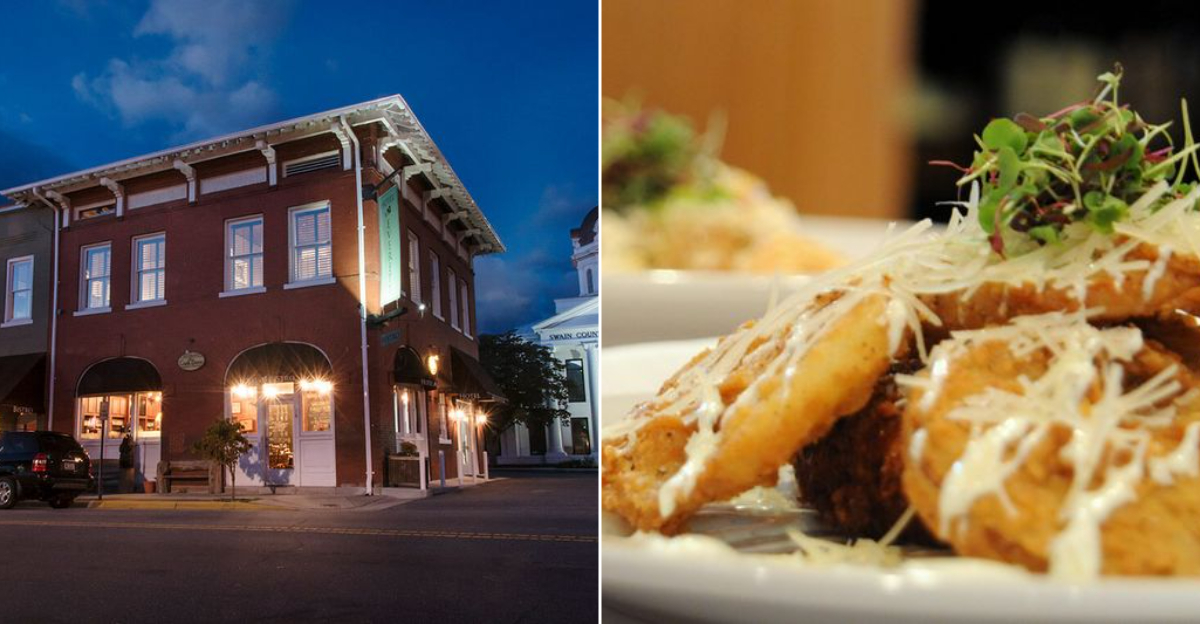
Hidden among North Carolina’s misty Blue Ridge peaks are small towns where comfort food becomes more than a meal—it transforms into a celebration of heritage, tradition, and place.
I uncovered these culinary gems during a meandering road trip last autumn, when the mountains blazed with fiery color and my appetite for homestyle cooking felt insatiable.
In rustic kitchens and family-run cafes, I discovered bubbling pots of apple butter stirred with care, cast-iron skillets of golden cornbread crisped to perfection, and hearty stews slow-simmered until every bite felt like a warm embrace. Here, Appalachian recipes endure, enriched with inventive, modern touches.
1. Asheville: Where Farm-to-Table Gets Personal
The first time I tasted Asheville’s legendary biscuits, I nearly wept. Fluffy clouds of buttery perfection that somehow manage to be both substantial and light as mountain air.
Local chefs have mastered the art of elevating simple ingredients into extraordinary experiences. Grits transform into canvases for seasonal vegetables, while fried chicken reaches religious status at neighborhood joints where recipes pass through generations.
What makes Asheville special isn’t just the food—it’s how passionately locals connect farming heritage with culinary innovation. Farmers markets become social events where chefs and growers chat like old friends, creating a food community that feels both sophisticated and charmingly down-home.
2. Boone: College Town Comfort with Appalachian Soul
Mountain mornings in Boone start with buckwheat pancakes dripping with local honey and strong coffee that warms your bones. Students from Appalachian State University pack the cozy diners where waitresses remember your order and call you ‘honey’ regardless of your age.
My favorite spot sits near the edge of town where an elderly couple serves pot roast that tastes exactly like my grandmother’s. Their secret? Cooking everything in cast iron that’s older than most customers.
Boone’s food scene beautifully balances college-town energy with time-honored mountain cooking techniques. The result is comfort food that satisfies both adventurous eaters and traditionalists seeking authentic Appalachian flavors preserved through generations of careful hands.
3. Blowing Rock: Elegant Mountain Fare with Views to Match
Perched dramatically at 3,500 feet, Blowing Rock transforms humble ingredients into sophisticated mountain cuisine. Trout pulled from nearby streams arrives at white-tablecloth restaurants where it’s prepared with brown butter and local herbs.
Walking through town after the first snow, I stumbled upon a tiny café serving the most remarkable apple stack cake—layer upon thin layer of spiced goodness held together with dried apple filling. The elderly baker explained it was once considered a wedding cake in these mountains.
Family-owned establishments thrive here, some operating for over a century. They balance rustic charm with refined execution, creating dining experiences that honor Appalachian heritage while embracing contemporary techniques that make comfort classics sing with new life.
4. Highlands: Where Southern Luxury Meets Mountain Tradition
Tucked away at 4,118 feet sits Highlands, where wealthy Atlantans and Charlestonians have summered for generations. The culinary scene reflects this unique blend of sophisticated Southern expectations and mountain resourcefulness.
Stone-ground grits come topped with foraged mushrooms and shaved truffles. Cornbread arrives in cast iron with cultured butter churned that morning. During my spring visit, I watched a chef carefully harvest ramps with local foragers before transforming them into an unforgettable soup.
Despite its upscale reputation, Highlands maintains authentic mountain soul. The best meal I had was a simple ham biscuit from a roadside stand run by a woman who learned to cook from her great-grandmother—proof that in these mountains, even luxury bows to tradition.
5. Bryson City: Gateway to Smokies-Inspired Sustenance
Bryson City feels like stepping back in time—especially when you’re biting into cornbread so perfect it makes conversation stop mid-sentence. As gateway to the Great Smoky Mountains, this town’s food reflects generations of making do with what the mountains provide.
Cherokee influences appear throughout local menus. Bean bread and sochan (a wild green) complement hearty stews that simmer all day. One rainy afternoon, I sheltered in a family diner where three generations worked side by side, the youngest learning to roll out dumplings for chicken and pastry.
Train whistles from the Great Smoky Mountains Railroad punctuate meals here, reminding diners of the town’s railroad heritage. This connection to the past infuses everything—especially the slow-cooked comfort foods that sustain hikers, fishermen, and travelers seeking authentic mountain flavors.
6. Waynesville: Apple Country’s Culinary Crown Jewel
Fall weekends in Waynesville revolve around apples—fried apple pies, apple butter simmering in copper kettles, and hard cider that captures the essence of mountain orchards. My first taste of their famous apple stack cake left me speechless and plotting how to recreate it at home.
Main Street restaurants showcase heritage pork from nearby farms, transformed into country ham that stars in red-eye gravy or tops fluffy biscuits. The annual Apple Harvest Festival draws thousands, but locals know the real treasures hide in church basements where community cookbooks hold recipes dating back generations.
Waynesville chefs honor preservation traditions—pickling, smoking, fermenting—that helped mountain families survive harsh winters. These techniques now create complex flavors in dishes that feel both innovative and deeply rooted in Appalachian culinary wisdom.
7. Black Mountain: Artistic Haven with Soulful Southern Plates
Artists and craftspeople gravitate to Black Mountain, creating a community where creativity extends naturally to food. Pottery studios sit beside bakeries turning out sourdough from century-old starters. Blacksmiths forge alongside chefs smoking local trout.
Breakfast becomes an art form here. Golden cat-head biscuits (named for their generous size) arrive smothered in sausage gravy specked with herbs from kitchen gardens. During my weekend stay, I watched a baker fold local blackberries into buttermilk pancakes with the same careful attention a potter gives clay.
Community tables encourage conversation between locals and visitors. I shared a family-style Sunday supper with strangers who became friends over platters of fried chicken, collards cooked with ham hocks, and sweet potato casserole topped with pecan streusel—comfort food that nourishes both body and creative spirit.
8. Banner Elk: High-Country Haven for Hearty Appetites
Nestled between ski resorts at nearly 4,000 feet elevation, Banner Elk understands how to warm visitors from the inside out. Restaurants serve hearty portions that satisfy after days spent on slopes or hiking trails—think bubbling pots of pinto beans with chow-chow relish and cornbread.
The famous Banner Elk Woolly Worm Festival celebrates not just the fuzzy caterpillars but the area’s agricultural bounty. I stumbled upon it accidentally and found myself judging a cornbread competition where each entry told a family story through subtle differences in texture and seasoning.
Game features prominently on menus here—venison stews, rabbit pot pies, and trout prepared every way imaginable. Mountain cooking in Banner Elk doesn’t shy away from bold flavors or generous portions, creating memorable meals that fortify against the sometimes harsh high-country elements.
9. Maggie Valley: Moonshine Heritage Meets Modern Mountain Cuisine
Moonshine runs through Maggie Valley’s culinary DNA. Legal distilleries now create smooth spirits that find their way into everything from barbecue sauces to pound cake. During my summer visit, I watched a chef glaze ribs with a moonshine reduction that caramelized into sweet-smoky perfection.
Breakfast here is serious business. Restaurants open at dawn serving stacks of buckwheat pancakes with sorghum syrup and country ham sliced thin enough to read through. Motorcyclists traveling the nearby Blue Ridge Parkway fill diners where waitresses keep coffee cups perpetually full.
Family recipes remain sacred in Maggie Valley kitchens. One restaurant proudly displays five generations of women’s handwritten recipe cards on its walls. Their chicken and dumplings—tender pillows floating in rich broth—follows the exact instructions penned by the current owner’s great-great-grandmother in 1887.
10. Sylva: Bookish Town with Farm-Fresh Philosophy
Sylva surprised me with its perfect balance of intellectual energy and down-home cooking. Bookstores and farm-to-table restaurants share Main Street, creating a town where conversations about literature happen over plates of perfectly executed shrimp and grits.
The farmers market becomes a Saturday morning social hub where university professors mingle with multi-generation farmers. I watched a renowned local chef haggle good-naturedly over the last bunch of spring ramps before inviting the farmer to dinner.
Beer culture thrives alongside food traditions in this college-adjacent town. Local breweries partner with restaurants to create beer-infused versions of classics—think porter-braised pot roast and stout chocolate cake. Sylva’s approach to comfort food feels thoughtful and intentional, honoring mountain traditions while embracing new influences that keep the culinary conversation fresh.