
22 North Carolina Table Rituals From The 1960s Today’s Kids Wouldn’t Recognize
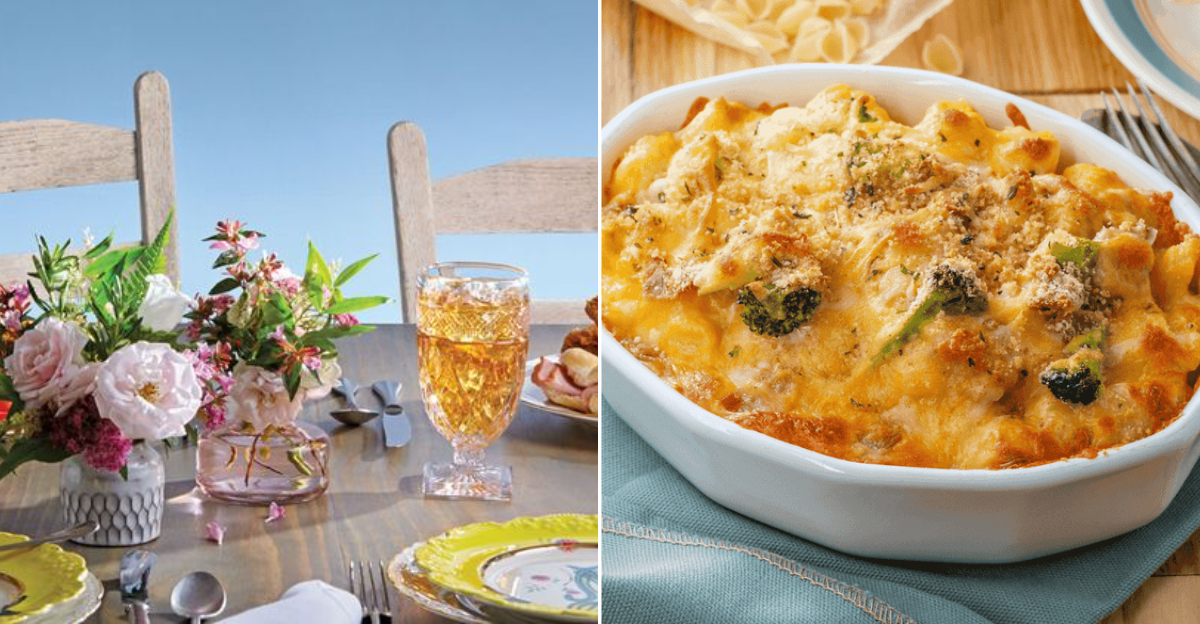
There was a time when North Carolina supper tables had rules tighter than church pews and flavors as loud as a gospel choir. Nothing was written, yet everyone knew the order: where you sat, which bowl moved first, how you asked politely to be excused.
Children fidgeted, but ritual steadied the room. Sweet tea pitchers sweated rings into the wood, bacon grease jars lined stoves like trusted companions, and porches filled with quiet talk after supper.
What endures isn’t only taste, but the cadence of evenings where family, food, and rhythm folded seamlessly into everyday life.
1. Saying Grace Before Supper
The hush that fell over the table was as heavy as the smell of fried chicken drifting from the kitchen. Forks froze mid-air until someone, often Dad or Grandma, clasped hands and gave thanks.
Grace wasn’t about speed; it was a moment to anchor the meal in gratitude, no matter how ordinary Tuesday night was.
You didn’t sneak a bite. Ever. Kids learned fast that saying “amen” unlocked the food, turning silence into the clatter of spoons and relief of biscuits being passed.
2. Calling The Evening Meal “Supper”
Ask for “dinner” in a Carolina home back then and you’d likely get directed to noon, not night. Supper was the word that ruled the evening.
It sounded warmer, homier, less formal, like a gathering rather than a performance. Supper meant family around the same table, not courses in sequence.
I’ve always thought “supper” carries a softness, a little slower on the tongue. It fit fried chicken and green beans better than “dinner” ever could. Supper was comfort made audible.
3. Kids Setting the Table
Before the first pot roast landed, kids ran their own drill: forks on the left, knives and spoons on the right, glasses at twelve o’clock sharp. It was training by repetition.
Napkins weren’t tossed haphazardly, they were folded, placed, and checked by parents with eagle eyes. Even butter knives had an assigned post.
For modern kids, the idea of aligning silverware nightly might feel archaic. Back then, it was just muscle memory, a ritual that turned chores into invisible order.
4. Asking “May I Be Excused?” Before Leaving the Table
Every child knew the script. You didn’t slide your chair back without permission, even if dessert had already landed.
The phrase wasn’t optional, it was ritual. “May I be excused?” made supper feel less like chaos and more like ceremony. Parents nodded, sometimes quizzed about chores first.
I remember thinking it was a tiny prison sentence, waiting for parole. Yet the formality stitched respect into meals. The table wasn’t just a place to eat, it was where manners were rehearsed.
5. The “Clean Your Plate” Rule
No one cared if you were full halfway through. Wasting food wasn’t up for debate. The expectation hovered like a second helping of gravy.
Vegetables you didn’t like? Too bad. They disappeared one forkful at a time. Chicken skin? Finish it, or you’d face the cold reminder at breakfast.
Looking back, it was equal parts thrift and discipline. In 1960s North Carolina, cleaning your plate wasn’t just parental nagging, it reflected a generation that remembered scarcity and respected every bite.
6. No TV Until Dishes Were Washed And Dried
The glow of the television was the carrot, but it didn’t flicker on until plates were scraped and pans rinsed. The whole family rotated through the kitchen.
Kids dried while parents washed, or vice versa. Dish towels grew damp and heavy by the end of the assembly line.
It meant chores and conversation stretched supper into an evening ritual. Delayed cartoons were the cost, but the reward was more than television, you left the kitchen gleaming, your hands still wrinkled from hot water.
7. Passing Every Dish Clockwise Around the Table
The glow of the television was the carrot, but it didn’t flicker on until plates were scraped and pans rinsed. The whole family rotated through the kitchen.
Kids dried while parents washed, or vice versa. Dish towels grew damp and heavy by the end of the assembly line.
It meant chores and conversation stretched supper into an evening ritual. Delayed cartoons were the cost, but the reward was more than television, you left the kitchen gleaming, your hands still wrinkled from hot water.
8. A Pitcher of Sweet Tea Parked Within Reach
Condensation slid down glass pitchers, pooling into little rings on the tablecloth. In my home sweet tea wasn’t optional, it was the centerpiece.
Brewed strong, sweetened while still warm, poured over ice that cracked when the liquid hit. Kids grabbed it first, sometimes before bread or butter.
Today’s flavored seltzers and sodas can’t replicate the weight of that sweating pitcher. Sweet tea wasn’t a trend. It was the heartbeat of supper, and no plate felt complete without it sitting close by.
9. A Warm Basket of Biscuits or Cornbread at Most Meals
Before entrees even landed, bread announced the start of supper. Fluffy biscuits wrapped in a towel or cornbread wedges steaming inside a basket.
Butter softened instantly on contact, honey jars sometimes appearing for drizzle, though plain was good enough. The smell was half the magic.
I still think biscuits were the real unifiers. Arguments, chores, the day’s frustrations, all stalled when someone reached for one. Warm bread at the table felt like home, no matter what else was being served.
10. Sunday Mainstays Like Pot Roast Or Fried Chicken
Sundays carried their own menu, and everybody knew it before church let out. The smell already lingered in kitchens: pot roast simmering low or chicken sizzling in cast iron.
These weren’t weeknight quick fixes. They were slower, heavier, meant to feed more than just hunger. Bowls of mashed potatoes or macaroni crowned the table.
It gave Sundays a rhythm. Faith, family, then food. If you were lucky, leftovers stretched into Monday, though nothing ever tasted quite as grand as that first bite.
11. Deviled Eggs Appearing Like Bread Service
They slid in without fanfare, halves lined neatly on trays, sprinkled with paprika like confetti. No one questioned their presence.
Deviled eggs were as steady as bread baskets, appearing at potlucks, picnics, or weeknight tables with uncanny regularity. The filling was creamy, sharp with mustard, softened by mayo.
The ritual wasn’t just in eating them, it was in expecting them. A plate without deviled eggs looked unfinished, like the meal had missed its cue in the southern supper symphony.
12. Congealed (Jell-O) Salads Counted As A Proper Side
Wobbling towers of green or pink sat proudly next to chicken and beans, as if their place was unquestionable. Shapes came from molds, sometimes ringed, sometimes floral.
Inside, fruit cocktail or marshmallows peeked out, suspended like fossils in gelatin. Cottage cheese or mayonnaise might even lurk within.
I’ll admit, I never fully embraced them. But watching older relatives scoop them with the same reverence as slaw taught me they weren’t oddities then. They were comfort, disguised as shimmering side dishes.
13. Casserole Night: Tuna Noodle, Chicken Divan, And Friends
Weeknights often smelled like something baked under a crust of breadcrumbs. Tuna noodle, chicken divan, even mystery combinations held together by condensed soup.
Casseroles weren’t just meals; they were time-savers, stretchers of budgets, and guaranteed belly-fillers. Pyrex dishes left the oven hot, the surface bubbling and golden.
Families leaned on them because they delivered comfort with minimal fuss. One pan meant fewer dishes to scrub, more time at the table, and the relief of knowing everyone left full.
14. Ambrosia Or Fruit Salads For Sundays And Holidays
Citrus, coconut, and pastel marshmallows swirled together in bowls that looked more like dessert than a side dish. Ambrosia had its moment.
It showed up for Easter, Christmas, or family reunions, almost always in cut-glass bowls that caught the light. Sweet, creamy, sometimes tangy.
It was a ritual in color and taste, proof that holidays demanded abundance. Even those who side-eyed it still scooped some, as if leaving it behind might insult the rhythm of tradition.
15. A Jar Of Saved Bacon Grease For Seasoning Vegetables
Every stovetop had one, usually near the back burner, a jar or tin filled with bacon fat, solidifying into white gold.
Spoons dipped in when beans needed flavor or when greens simmered too plain. A dab transformed cabbage or cornbread into something richer, smoky.
I always thought it was a kind of magic trick: leftovers from breakfast became the secret ingredient at supper. It was thrift, flavor, and ritual, all sealed in one humble container.
16. Pressure-Cooked Green Beans with a Ham Hock
Green beans didn’t crunch in the 1960s, they surrendered. Pressure cookers hissed on stovetops, softening them until they almost melted.
A ham hock often shared the pot, lending smoky depth and little shards of meat that clung to the beans. Salt, pepper, maybe an onion slice, but nothing fancy.
This was comfort built on patience and sound. The steady hiss meant supper was close, and the fragrance drifting out of the kitchen was as grounding as the beans themselves.
17. Pimento Cheese As A Side Or Sandwich With Soup
Cheddar met mayo and pimentos, blended into the South’s favorite spread. At supper, it played two roles, side dish on crackers or a sandwich partner beside soup.
Its tang and creaminess added brightness, balancing heavier fried or roasted plates. Bowls of it sat out casually, always welcome.
For some, it was the snack that bridged meals. For others, it was non-negotiable supper fare. Either way, its presence showed how Southern tables valued spreads as much as entrees.
18. A Glass Of Milk With Supper For Kids
No matter what else was served, pork chops, pot roast, or casserole, kids got milk. Cold, tall glasses landed without question.
Parents swore it built strong bones, a lesson reinforced nightly. Water or tea were for adults; milk was the child’s ritual.
I remember silently wishing for sweet tea instead, watching condensation bead on the grown-ups’ glasses. Still, milk was part of the script, and I drank it dutifully. The taste became tied to supper itself, even when I’d have chosen otherwise.
19. Buttering One Bite At A Time On A Bread-And-Butter Plate
Nobody smeared an entire roll in one go. The rule was simple: tear off a bite-sized piece, butter it, then eat.
Bread-and-butter plates sat at every place setting, reminding kids that order and manners mattered as much as taste. Knives tapped softly against china, spreading just enough for a single bite.
It slowed things down. Supper wasn’t a rush but a sequence, with even bread earning its turn. Etiquette lived in the smallest gestures, repeated night after night.
20. Tupperware “Burp” To Seal Leftovers Neatly
Bright pastel lids snapped onto containers, but only after releasing the trademark “burp.” That sound was gospel in 1960s kitchens.
Leftovers, green beans, meatloaf slices, casseroles, slid into containers stacked like colorful bricks in the fridge. Plastic reigned over wax paper or foil.
The burp wasn’t just fun; it was proof of freshness. Kids begged to press the lid, grinning at the squeak. The ritual turned cleanup into a game, embedding Tupperware forever in the soundtrack of family suppers.
21. After-Supper Porch Sitting While Dishes Drip-Dried
The air outside cooled as the kitchen smells lingered indoors. Families drifted to porches while plates stood drying in racks.
Conversations stretched from supper chatter into stories, laughter, or even quiet rocking chair silences. Porch swings creaked, cicadas droned, and fireflies blinked their own applause.
I loved that liminal moment. The meal was finished, but the evening wasn’t. Porch sitting made supper feel like more than food, it was the bridge into the rest of the night, slow and unhurried.
22. “Company Plates” Brought Out For Guests And Sundays
Everyday dishes stayed stacked in cupboards, chipped and mismatched from use. But when guests came, or Sundays rolled around, the “company plates” emerged.
They gleamed a little more, sometimes patterned, sometimes just newer, but always reserved for special moments. Setting them on the table transformed supper into ceremony.
I remember the hush of anticipation, as if better china meant better food. In truth, it wasn’t about porcelain, it was about honoring company and occasion, making the table feel extraordinary for a night.