
18 Ohio Chili Supper Rules From The 1940s That Would Surprise Modern Eaters
Let’s be honest, we’ve all become a little… lax with our food choices, haven’t we? The idea of a communal meal, with designated roles and strict ingredient guidelines, feels like a relic from another era.
And when it comes to chili, the undisputed king of comfort food, the 1940s Ohio chili supper was a masterclass in curated deliciousness. This wasn’t a free-for-all; it was a carefully constructed culinary experience, governed by a set of unwritten (and sometimes very written!) rules that would likely leave today’s foodies both bewildered and strangely impressed.
Brace yourselves, because the past is about to serve up a bowl of tradition you won’t soon forget.
1. Chili Was Always Served Over Spaghetti
Long before it became known as Cincinnati-style, Ohioans were already ladling their chili over pasta. This quirky combination wasn’t just a preference – it was practically law in many households throughout the state.
The pasta base helped stretch the meal during tough economic times, allowing families to feed more people with less meat. Most cooks used thin spaghetti, not the thick noodles we might choose today.
The proper technique involved twirling the spaghetti first, then scooping some chili with each bite – never cutting the spaghetti or mixing everything together before eating.
2. One Bowl Per Family Member
Sharing wasn’t caring when it came to 1940s Ohio chili suppers. Each family member received their own designated bowl, often with their initials painted or etched on the bottom.
This rule stemmed partly from health concerns following decades of tuberculosis scares, but also reinforced the idea that mealtime was about individual portions and personal responsibility. Children learned early that asking for bites from someone else’s bowl was considered extremely rude.
Many families kept these special chili bowls for decades, passing them down through generations as cherished heirlooms rather than ordinary kitchenware.
3. Only Wooden Spoons Allowed
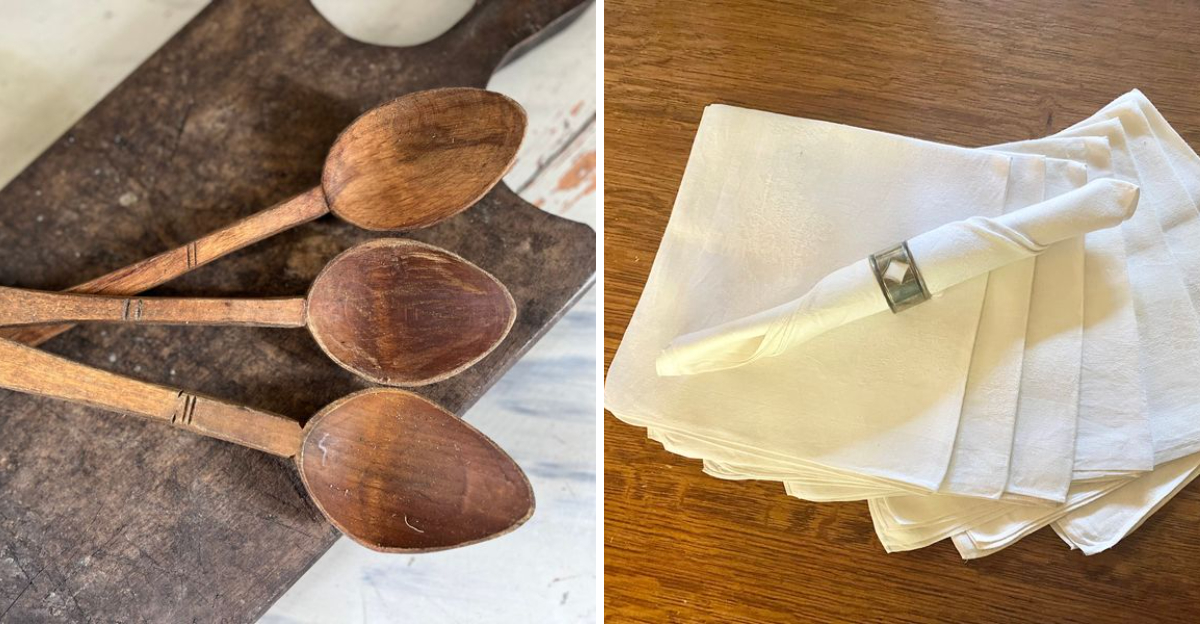
Metal utensils were banished from chili night in many Ohio homes. Families insisted on wooden spoons, believing they enhanced the flavor and preserved the integrity of the dish.
The practical reason? Metal spoons conducted heat too efficiently, making it easy to burn your mouth on the piping hot chili. My grandmother had a special chili spoon carved from applewood that she swore made the dish taste better.
Wooden spoons also prevented the distinctive clink-clank sound of metal against ceramic, maintaining a more peaceful dining atmosphere that encouraged conversation rather than noisy eating.
4. Must Be Eaten At The Table
The dining table was sacred territory for chili consumption. Families wouldn’t dream of eating this communal meal while gathered around the radio or in separate rooms.
The rule reinforced family unity during a time when American society was recovering from war and economic hardship. Tables were often covered with specific chili-night tablecloths that could withstand inevitable spills and stains.
Seating arrangements were typically fixed, with the father at the head of the table and mother closest to the kitchen for easy serving access. Children sat according to age, with the oldest earning the privilege of sitting nearest to parents.
5. Napkins Were Mandatory
Cloth napkins weren’t just a suggestion – they were required equipment for proper chili consumption. Each family member carefully unfolded their napkin and placed it on their lap before the first spoonful touched their lips.
Children practiced proper napkin folding as part of their table manners education. The correct fold resembled a triangle, never a messy square or rectangle.
I still remember my Uncle Frank telling stories about getting sent away from the table when he forgot his napkin ritual. After the meal, napkins were inspected – too clean meant you weren’t eating properly, while too messy suggested poor manners. The perfect balance was expected.
6. No Ice Water Allowed
Chili suppers came with strict beverage rules. Ice water was forbidden – believed to shock the system and interfere with digestion when paired with spicy food. Instead, room temperature water served from ceramic pitchers was the standard accompaniment.
Many families followed the old wives’ tale that cold drinks would solidify the fats in chili, causing stomach discomfort. Some households permitted milk for children, but adults typically stuck to water or occasionally coffee.
The pitcher itself became part of the ritual, often decorated with hand-painted designs or family crests, and placed precisely at the center of the table where everyone could reach it.
7. Chili Only Came in One Flavor
The concept of customized spice levels was foreign to 1940s Ohio families. One pot served all – whether you were 8 or 80, you ate the same chili as everyone else at the table.
Recipes were closely guarded family secrets, passed down through generations with little variation. Most Ohio chili from this era wasn’t particularly spicy by today’s standards, featuring a mild blend of chili powder, cumin, and occasionally a pinch of cinnamon.
Children weren’t offered milder versions, and adults couldn’t request extra heat. This one-pot approach taught younger family members to adapt their palates to adult flavors rather than expecting special accommodations.
8. Toppings Were Strictly Controlled
Modern chili bars with dozens of toppings would have scandalized 1940s Ohio families. The accepted garnish trinity consisted only of diced white onions, mild cheddar cheese,and oyster crackers.
Deviation from these standards was considered peculiar at best and offensive at worst. Hot sauce was deemed unnecessary since the chili should already be properly seasoned. The proper application method mattered too – cheese went on first to melt slightly, followed by a modest sprinkle of onions, with crackers added gradually as you ate.
Some communities permitted kidney beans as a fourth topping option, but this remained controversial in Cincinnati-influenced areas where beans were considered a chili ingredient, not a topping.
9. Chili Must Be Stirred Before Serving
Superstition and tradition merged in the ritual stirring of the chili pot. The designated cook, usually the mother or grandmother, would stir the pot exactly three times clockwise before serving began.
This practice supposedly ensured even distribution of flavors and spices while preventing anyone from getting an unbalanced portion. My grandmother claimed the three stirs represented faith, hope, and love being mixed into the meal.
Some families extended this ritual further, with each family member taking a turn to stir once before filling their bowl. The wooden spoon used for this ceremonial stirring was often kept separate from other utensils, used exclusively for chili and never washed with soap.
10. Eat Quickly, But Not Too Fast
Chili consumption followed a peculiar pacing rule. Families were expected to eat with purpose – not rushing through the meal, but certainly not dawdling. This middle-ground approach reflected the practical wisdom that chili was best enjoyed at the proper temperature.
Too slow, and the dish would congeal unappealingly. Too fast, and you’d miss the complex flavors developing as you ate. The unofficial time limit hovered around 15-20 minutes per bowl. Parents regularly reminded children to mind their pace, creating generations of Ohioans who instinctively finished their chili within this optimal window without appearing either gluttonous or ungrateful.
11. Conversation Was Limited
Unlike today’s chatty dinner tables, chili suppers in 1940s Ohio maintained a surprisingly reserved atmosphere. Conversation was kept minimal and purposeful, focusing on appreciation for the meal rather than idle chatter.
This wasn’t rudeness but reverence – talking too much was thought to cool the chili faster and distract from properly savoring each spoonful. Children were generally expected to remain silent unless spoken to, answering questions about their day in brief, polite responses.
Many families permitted more animated conversation only after everyone had finished their first serving, creating a natural progression from quiet appreciation to more social interaction as the meal continued.
12. Dessert Waited Until Chili Was Done
The transition from main course to dessert followed strict protocol. No pie, cake, or pudding appeared until every single chili bowl was completely empty and removed from the table.
This rule prevented children from rushing through dinner or saving room for sweets. Most families served simple fruit-based desserts that complemented rather than competed with the lingering spices from the chili. Apple pie was especially popular, with the cinnamon notes harmonizing with the meal’s seasonings.
I still remember my grandfather insisting on a 15-minute pause between chili and dessert to “let the flavors settle properly.” This waiting period became part of the ritual, filled with conversation and digestive anticipation.
13. The Host Served First
Modern self-serve buffets would have horrified 1940s Ohio families. Chili service followed a specific hierarchy, with the cook taking the first taste – not from greed but as a final quality check.
This practical tradition ensured the seasoning was correct before serving others. After this ceremonial first taste, serving proceeded in order of family status: father next, then guests (if present), followed by children from oldest to youngest.
The server maintained complete control over portion sizes, which were determined by age and perceived hunger rather than personal preference. Requesting more or less than your designated portion was considered impolite, though second servings followed more relaxed protocols.
14. Leftovers Were Divided Equally
Chili that survived the initial meal became a carefully managed resource. Families divided leftovers with mathematical precision, ensuring each person received an equal portion for lunch the following day.
Glass containers with tight-fitting lids were labeled with family members’ names or initials. This practice stemmed from both depression-era frugality and the belief that chili actually improved in flavor overnight.
Many households used these leftovers for what they called “chili mac” – mixing the day-old chili with freshly cooked macaroni to create a different texture and stretch the meal further. Trading or giving away your allocated leftovers was permitted, but only after formally offering them to everyone else first.
15. Chili Night Was Weekly
Most Ohio families adhered to a rigid meal schedule that included designated chili night. Tuesday emerged as the most popular evening for this ritual, positioned strategically between Sunday roasts and Friday fish.
This weekly consistency created a rhythm to family life that everyone could anticipate. The predictability allowed for proper preparation – both mental and physical – as beans were soaked overnight and spices were measured with ceremonial precision.
When I visited my great-aunt in Cleveland as a child, she would remind us every Monday that “tomorrow is chili night” with the same reverence others might announce a holiday. Missing chili night without serious cause was considered disrespectful to both the cook and the tradition itself.
16. No Cold Chili Allowed
Temperature standards for chili were non-negotiable. The dish had to be served steaming hot – hot enough that the first few spoonfuls required careful blowing to avoid burning your tongue.
Reheated chili was acceptable only if brought back to its original temperature. Allowing chili to cool at the table was considered an insult to the cook, implying you were either eating too slowly or talking too much.
Many families used specialized ceramic bowls with thick walls that retained heat longer. Some even warmed the empty bowls in the oven before filling them with chili, ensuring the proper temperature would be maintained throughout the meal regardless of drafty dining rooms in poorly insulated homes.
17. Extra Cheese Required Generosity
When it came to cheese toppings, 1940s Ohio families followed the principle of abundance. Skimpy cheese application was considered poor form, bordering on stingy. The proper technique involved covering the entire surface of the chili with a generous layer.
Most households used simple mild cheddar, hand-grated just before serving to maximize freshness and meltability. The cheese wasn’t measured but judged by eye – you should barely see the chili beneath.
My grandfather used to say, “If you can count the cheese shreds, you haven’t added enough.” This generosity with toppings persisted even during rationing periods, showing how central proper chili presentation was to maintaining family traditions and dignity.
18. Always Wash Up Before Sitting Down
Pre-chili handwashing rituals were serious business. Families installed special soap dispensers near kitchen sinks exclusively for chili night, often containing stronger lye soaps that could remove stubborn work grime.
Children lined up for inspection, extending their hands palms-up, then palms-down for parental approval before being allowed at the table. This practice went beyond basic hygiene – clean hands symbolized respect for the communal meal and the work that went into preparing it.
The washing ritual extended to immediate activities before dinner too. Many families prohibited playing with pets, handling newspapers, or working on hobbies within thirty minutes of chili time to ensure hands stayed appropriately clean for the sacred meal.