
11 Ohio Food Lingo Phrases Outsiders Never Quite Get
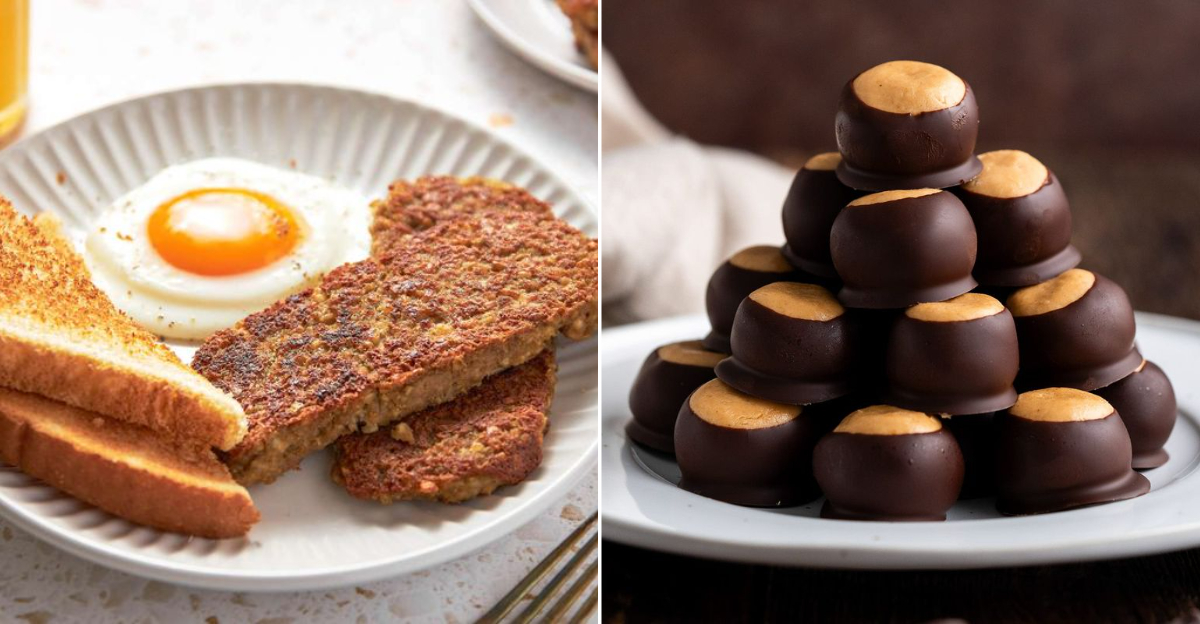
Ohio speaks in its own food vocabulary, and if you’re new to it, you might find yourself nodding along while wondering what conversation you just joined.
These phrases were born in diners buzzing after Friday football games, in church kitchens stirring giant pots, in chili parlors where families have ordered the same thing for generations. Some words look familiar until you hear how Ohioans use them.
Others feel like warm little secrets passed around the table. I spent time listening, tasting, and asking probably too many questions. Here’s your guide to the expressions you’ll hear most, and the flavors they open up once you finally dig in.
1. Pop
Walk into an Ohio grocery store or diner, and you’ll hear the soft hiss of bottle caps and the clatter of cans in coolers. That’s the soundtrack of “pop,” the only acceptable word here for carbonated soft drinks. No one debates it.
Flavors run wide, from classic colas to the sherbet-colored Faygo lineup. Servers might simply ask, “What kind of pop?” without offering a hint of what’s available.
Outsiders often smile at the term, but locals defend it with the same ease that they order it, confidently and without ceremony.
2. Buckeyes
A bowl of glossy chocolate-dipped peanut butter balls signals you’re in Ohio long before anyone explains the name. They look like the nut of the state tree, and that resemblance is completely intentional.
The dessert rose from home kitchens, church potlucks, and holiday tins, eventually becoming a statewide symbol. Each one balances sweet, salty, and smooth, with the exposed peanut-butter center forming the “eye.”
Tip for newcomers: don’t call them peanut butter balls. Just say “buckeyes,” and watch every Ohioan in the room nod in agreement.
3. Cheese Coney
The first thing you notice is the bright tangle of shredded cheddar piled so high it forms a warm, fragrant canopy. Beneath it sits chili, mustard, onions, and a soft steamed bun holding everything together.
Cincinnati’s Greek-influenced chili parlor tradition shaped this dish, giving it a cinnamon-leaning, slightly sweet profile that reads very differently from Texas or Midwest chili.
I tried my first cheese coney in a downtown spot surrounded by regulars, and the combination of textures, soft, tangy, sharp, messy, instantly made sense. It’s chaos, but delicious chaos.
4. Three-Way, Four-Way, Five-Way
There’s an almost geometric quality to the first glance: a mountain of shredded cheddar sitting over a glossy layer of chili that hides spaghetti underneath. It looks strange if you’ve never seen it, almost like a savory parfait.
Cincinnati chili houses built this style over decades, adding onions or beans to move from “three-way” up the ladder. The naming seems cryptic until you’ve tasted it.
Visitors should know to twirl gently instead of scooping. A little patience keeps the plate from collapsing into a tangy, chili-slicked avalanche.
5. Goetta
A quiet pride shows in the way cooks talk about their goetta suppliers, as if each family has a preferred producer that must not be questioned.
This German-American blend of pork, beef, oats, and seasoning came from frugality, turning scraps into something hearty and sustaining. Thick slices fried on a flat-top pick up a crisp edge while staying tender inside.
If you’re ordering it at breakfast, ask for it well browned. That extra minute on the griddle sharpens the texture and brings out the grain’s nutty warmth.
6. Johnny Marzetti
Autumn tailgates and school potlucks give this dish its season, showing up whenever the air cools and people want something cozy and familiar.
Marzetti began in Columbus, tied to a local restaurant, and quickly spread through community cookbooks. Its mix of noodles, ground beef, tomato sauce, and cheese sits somewhere between casserole and comfort ritual.
People unfamiliar with it often underestimate how filling it is. Start with a smaller spoonful, especially if you’re also sampling the sides that inevitably appear beside it.
7. City Chicken
A curious detail jumps out first: this dish isn’t chicken at all, but pork skewered and breaded as if impersonating it.
Cooks cube the meat, thread it tightly, coat it, then brown and bake it until the crust turns crisp and the edges soften. The technique balances tenderness with a gentle crunch.
Regulars know it appears most often at Sunday tables or small diners. Showing up early helps, because trays can empty faster than newcomers expect.
8. Polish Boy
Step into a Cleveland shop at lunchtime and you’ll see the bustle: grills hissing, buns warming, and a pile of fresh slaw chilling in metal pans.
A smoked sausage gets tucked into the bun, then fries are stacked high before barbecue sauce and slaw slide over everything. The combination leans messy and bold.
People who try it for the first time usually grin mid-bite. That mix of smokiness, tang, and crunch lands harder than they anticipate, in the best possible way.
9. Barberton Chicken
A quirky local rule shapes its seasons: festivals and fairs often bring out bigger batches, drawing families who grew up on the style.
The recipe traces back to immigrant kitchens, with frying methods that rely on lard and a distinct peppery breading. Served with hot rice, vinegar slaw, or fries, it keeps its identity no matter where you taste it.
Visitors should start with the “wings” if they’re unsure. The lighter cut lets you appreciate the seasoning before tackling a full plate.
10. Stadium Mustard
The first surprise is the aroma: sharp, warm, and a little earthy, rising the moment a bottle is opened at the stand.
Crowds in Cleveland have trusted this condiment for generations, and cooks treat it with respect, pairing it with grilled dogs, brats, and soft pretzels. Everything tastes a bit fuller when that tang settles in.
If you’re visiting for a game, grab it early. Lines move quickly until the third inning, then the wait can stretch just long enough to miss a play.
11. Pączki Day
One detail always catches the eye: trays of pastries dusted so heavily they glow under bakery lights.
Bakers in Polish neighborhoods keep the tradition alive with dough that rests overnight, fried in the morning, then filled with custard, rose jam, or plum butter. The process matters as much as the taste, and regulars know which shops sell out first.
Arrive before sunrise if you can. Habitual pączki fans treat Fat Tuesday like a sport, and the boxes disappear long before the coffee pots empty.