
13 Ohio Heritage Villages That Make History Feel Walkable In 2026
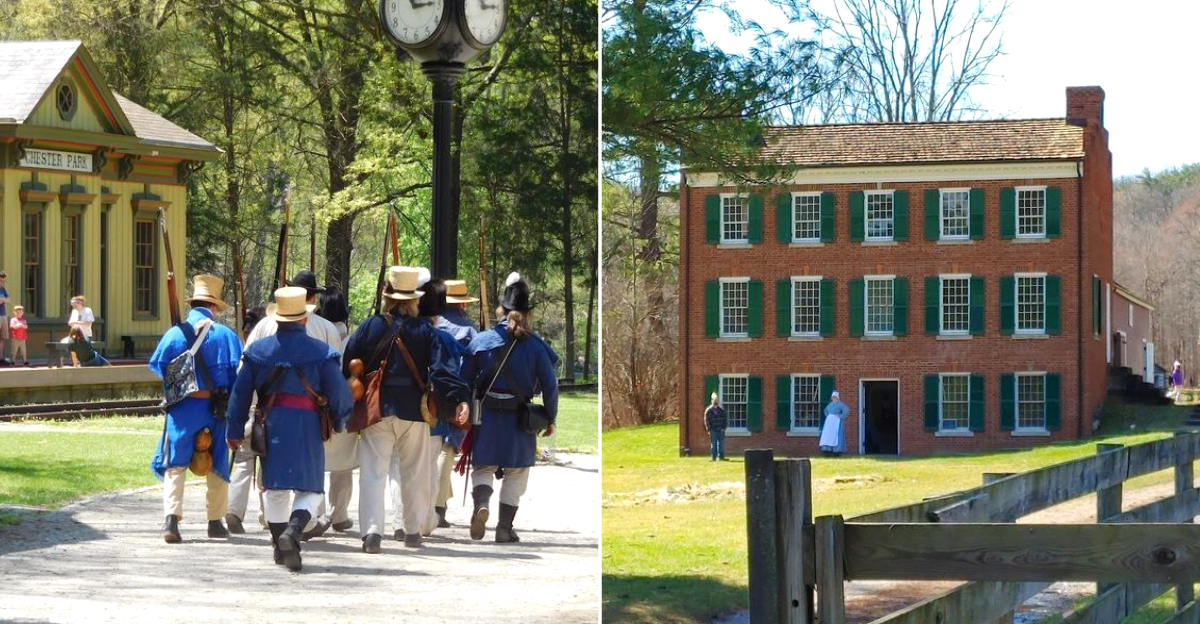
History behaves better when it gets out of the display case.
Put it on a village street in Ohio, give it a creaky porch, a muddy path, and someone explaining how people once survived without a delivery app, and suddenly the past gets much harder to ignore.
That is the fun of these places.
You do not just stand there nodding at old objects like a polite museum guest. You wander, peek through doorways, listen for the clang of a shop at work, and slowly realize the “quick stop” has quietly stolen your afternoon.
These 13 Ohio heritage villages make 2026 feel a little less rushed. The buildings have stories, the paths have opinions, and the whole thing works best when you let your schedule lose the argument.
1. Sauder Village, Archbold
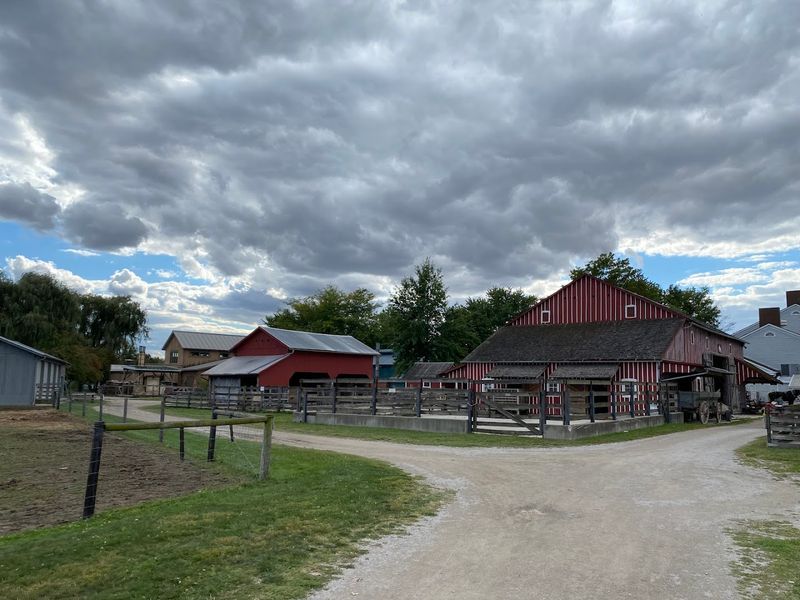
Few places in the Midwest pack as much living history into a single visit as Sauder Village in Archbold, Ohio.
Spread across a 235-acre complex in northwest Ohio, this is one of the largest outdoor living history museums in the entire state.
More than 40 historic homes, shops, barns, and community buildings help tell Ohio’s story, including craft shops, farm buildings, and period spaces that genuinely look like someone just stepped away for a moment.
Costumed interpreters are the real stars of the show. They demonstrate everything from candle dipping to weaving on a loom, and they are happy to answer your questions without making you feel like you wandered into a lecture.
The village is especially fun for kids, who can try hands-on crafts and explore the farmstead animals. Seasonal events range from quilt programming to fall farm celebrations that draw visitors from across the region.
Plan for at least half a day, because there is genuinely more to see than most people expect when they first arrive.
2. Hale Farm & Village, Bath
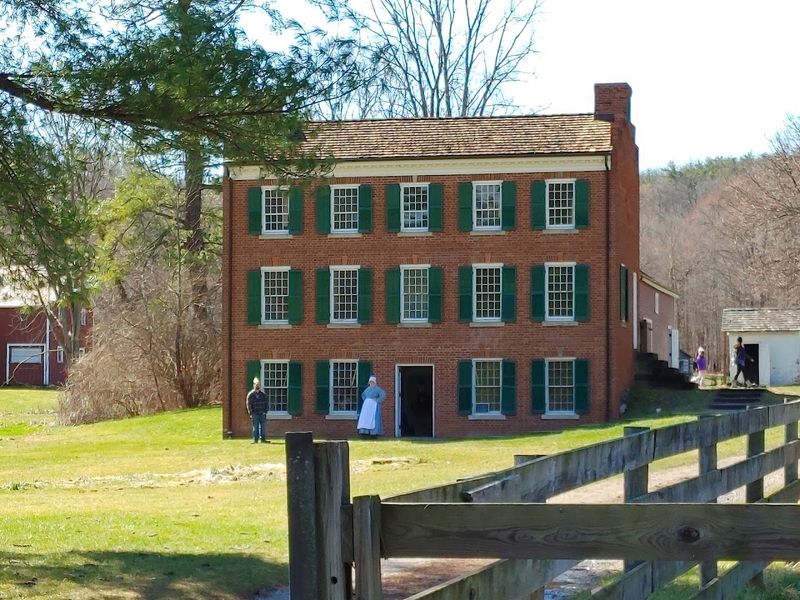
Settled into the rolling hills of the Cuyahoga Valley, Hale Farm and Village in Bath, Ohio delivers a surprisingly rich portrait of mid-1800s rural life.
The Western Reserve area where it sits was one of the earliest settled regions of Ohio, and that history is woven into every building on the property.
The farm itself centers on the Jonathan Hale homestead, a solid brick Federal-style house built in 1826 that still stands in excellent condition. Around it, more than 30 historic structures have been assembled to recreate a working village from the era.
Glassblowing demonstrations are a crowd favorite here, with skilled artisans shaping molten glass into bowls and vases right before your eyes.
The smell of wood fires and the sound of hammering from the blacksmith shop add an atmosphere that no museum display case can replicate.
Located within Cuyahoga Valley National Park, the surrounding landscape makes the visit feel even more special. A walk through the meadows after touring the village is a genuinely satisfying way to end the afternoon.
3. Historic Zoar Village, Zoar
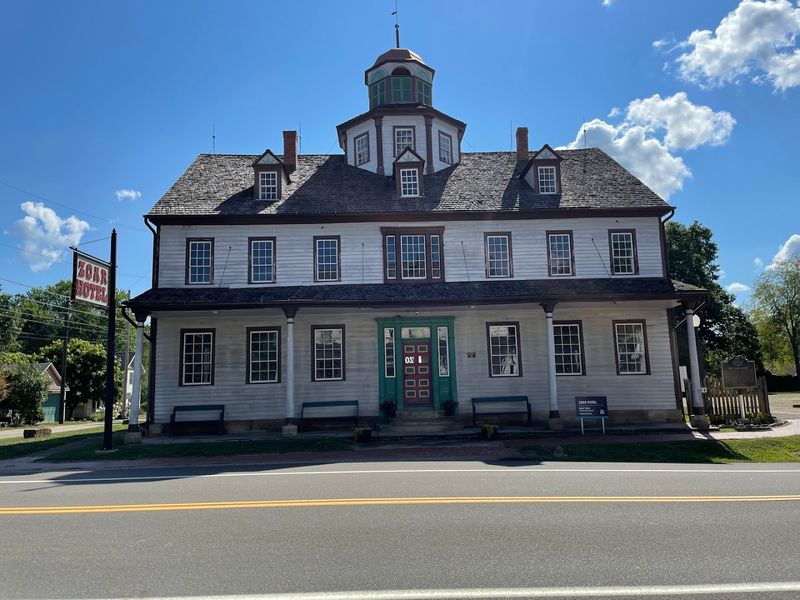
Back in 1817, a group of German religious separatists arrived in northeastern Ohio and built something truly extraordinary from scratch.
Historic Zoar Village in Zoar, Ohio is what they left behind, and it is remarkably intact for a settlement more than 200 years old.
The community operated as a self-sufficient religious commune called the Society of Separatists of Zoar until 1898, and the buildings they constructed still line the streets today.
The garden at the center of the village was designed with symbolic meaning, representing the New Jerusalem described in the Bible.
Touring the restored structures, including the Number One House where the society leader lived, gives you a real sense of how tightly knit this community was. Interpreters explain the beliefs and daily routines that shaped every aspect of life here.
The village is also a pleasant place to simply wander. Many of the original homes are privately occupied, giving the streets a lived-in quality that purely museum-style sites sometimes lack.
Zoar is a short drive from Canton and makes a great stop on any northeast Ohio road trip.
4. Historic Roscoe Village, Coshocton
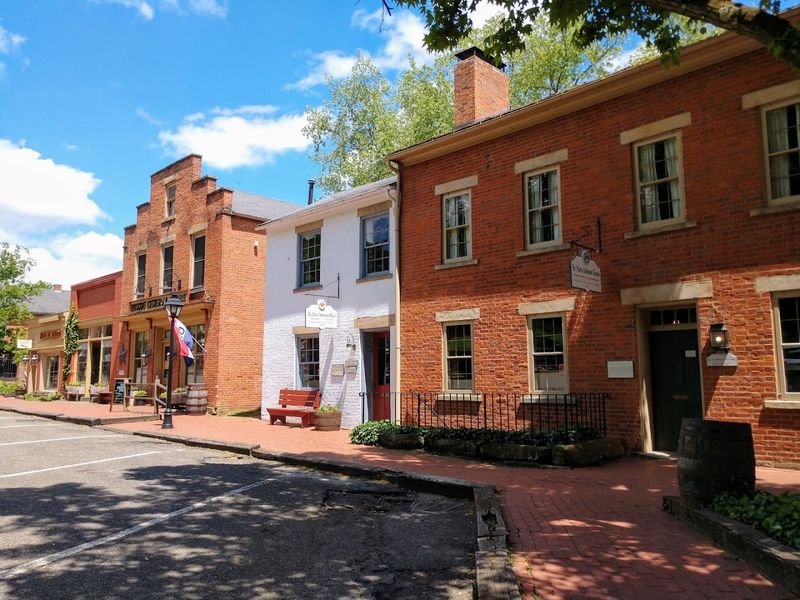
Canal towns had a short but spectacular run in American history, and Roscoe Village in Coshocton, Ohio captures that era better than almost anywhere else in the country.
Built along the Ohio and Erie Canal in the 1820s, the village became a busy trading hub where goods moved between Cleveland and Portsmouth by horse-drawn canal boat.
When the railroads arrived and made canals obsolete, Roscoe Village quietly faded. That slowdown actually worked in its favor, preserving much of the original architecture that busier towns demolished in the name of progress.
Today, the restored main street is lined with craft shops, a working pottery studio, and a canal boat that visitors can ride along a restored stretch of the original waterway.
The horse-drawn experience alone is worth the trip, especially for younger visitors who have never seen how goods once traveled before engines took over.
Coshocton sits in the heart of Ohio Amish country, so combining Roscoe Village with a drive through the surrounding countryside makes for a full and satisfying day out.
5. Heritage Village Museum, Sharonville
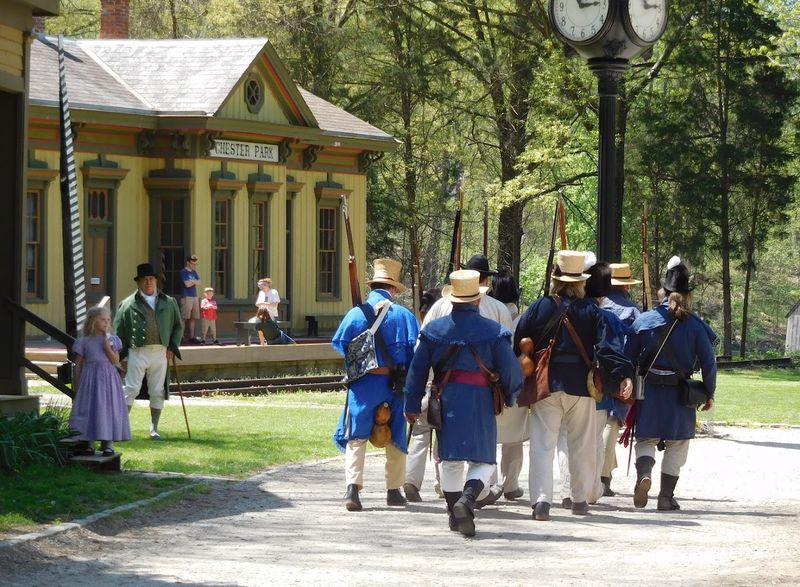
Just north of Cincinnati in Sharonville, Ohio, Heritage Village Museum offers a compact but genuinely engaging look at life in the greater Cincinnati area throughout the 19th century.
The village is made up of 13 historic structures that were moved from their original locations across the region and carefully reassembled on a single site.
A log house, a country store, a church, a working print shop, and a one-room schoolhouse are among the highlights. Each building has been furnished with period-appropriate items that help paint a picture of what daily routines actually looked like for ordinary families.
Living history programs bring the buildings to life with costumed volunteers demonstrating traditional skills like spinning, printing, and cooking over an open hearth.
The museum sits inside Sharon Woods Park, so the surrounding green space makes it easy to turn the outing into a full day.
Families with younger children especially appreciate how the outdoor setting keeps the experience from feeling like a traditional sit-still museum visit.
6. Schoenbrunn Village, New Philadelphia
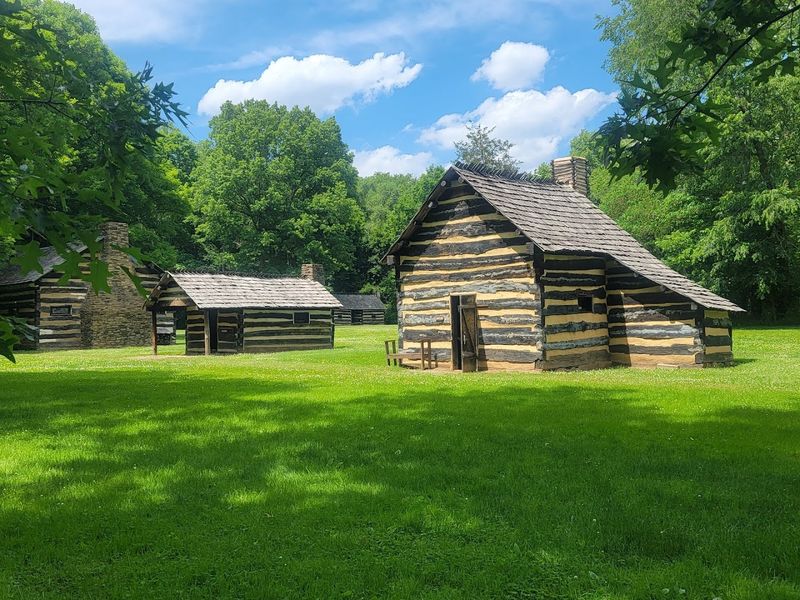
The story of Schoenbrunn Village in New Philadelphia, Ohio goes back to 1772, making it one of the oldest documented settlements in the entire state.
Moravian missionaries established this community alongside Delaware Native Americans, creating what became Ohio’s first town, complete with a church, a school, and a set of written laws.
The original village was abandoned during the Revolutionary War era, but it was painstakingly reconstructed in the 1920s based on detailed historical records.
Today, 18 log structures stand on the site, including the mission church and several family cabins that show how both the missionaries and their Delaware neighbors lived side by side.
The on-site museum provides important context for the complicated history of the region, including the tensions that eventually forced the community to leave. Walking the grounds feels both peaceful and thought-provoking in a way that is hard to shake once you leave.
New Philadelphia is also home to the outdoor drama Trumpet in the Land, performed in summer, which tells the story of Schoenbrunn through live theater under the open sky.
7. Century Village Museum, Burton
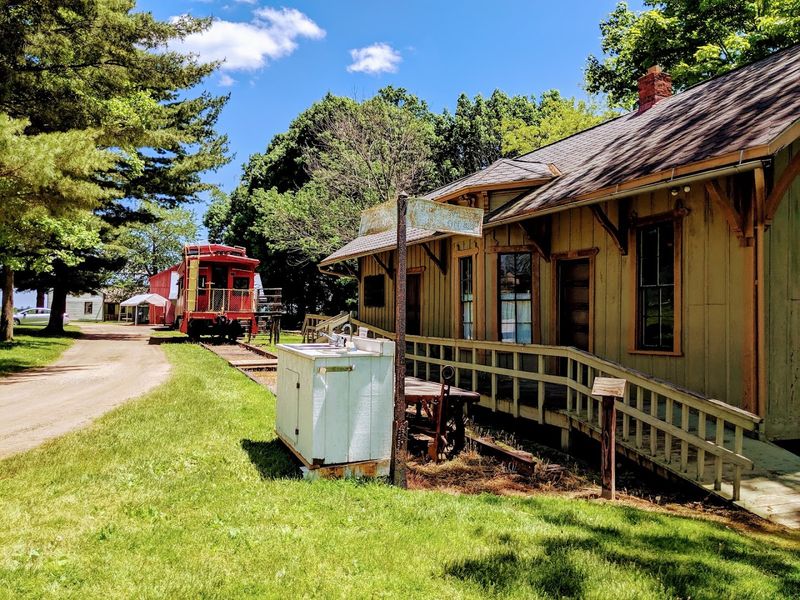
Geauga County in northeast Ohio has a quiet, rural charm that Century Village Museum in Burton captures beautifully across its historic village grounds.
The museum has grown over decades into a preserved 19th-century-style village, with historic buildings and exhibits that help tell the story of Geauga County’s pioneer families.
Buildings on the property include a general store, a blacksmith shop, historic homes, and other village structures, each furnished to reflect a specific period in the village’s past.
The grounds are a particular treat during special events, when demonstrations and community programming bring the setting to life.
Burton itself is a classic Western Reserve town with a village green that dates to the early 1800s, and Century Village sits right at its edge. That connection to a still-living community gives the museum an authenticity that isolated sites sometimes lack.
Special events throughout the year, including maple-themed programming, antique power events, and the Apple Butter Festival and Ox Roast in fall, make Century Village worth a return visit no matter what season you happen to be passing through.
8. Historic Lyme Village, Bellevue
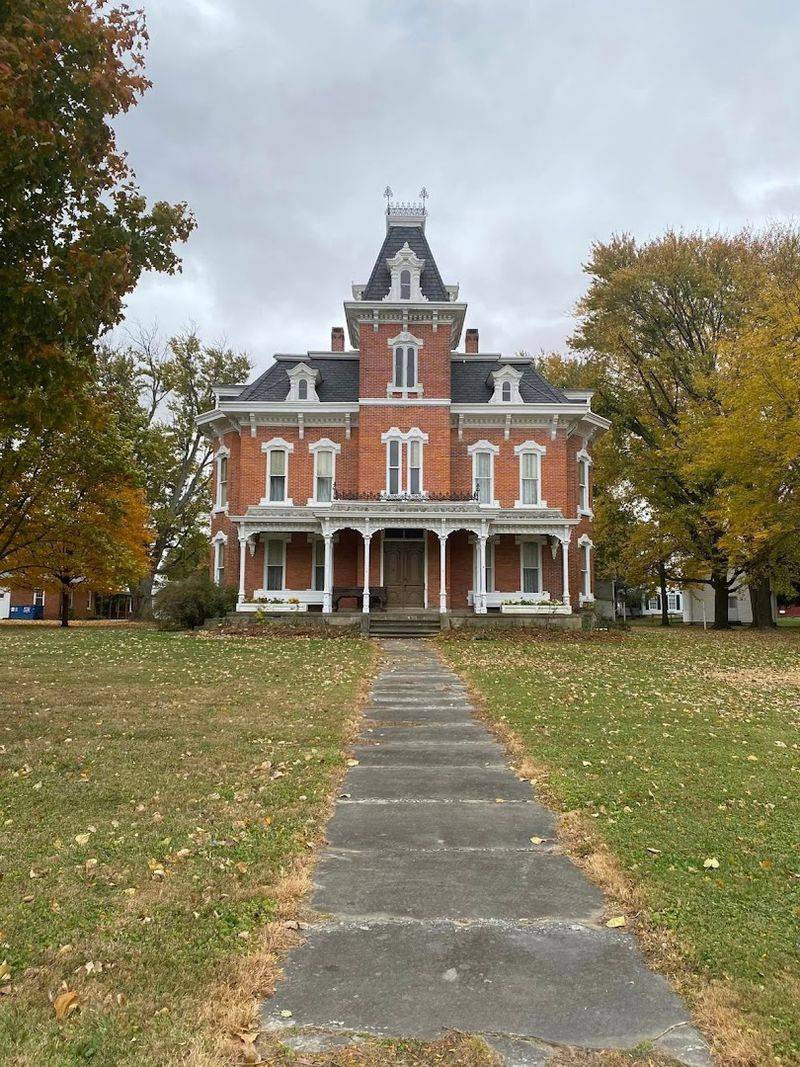
About a dozen miles south of Lake Erie, Historic Lyme Village in Bellevue, Ohio offers a well-curated look at life in north-central Ohio during the 1800s.
The centerpiece of the property is the Wright Mansion, a striking Second Empire Victorian home built between 1880 and 1882 that reflects the prosperity of the area’s early families.
Stepping inside feels like visiting a well-preserved family home rather than a staged exhibit.
Beyond the mansion, the village includes a general store, a post office, a one-room schoolhouse, a barn, and several smaller structures that together paint a broad picture of rural community life.
Guided tours are available during the season, and the volunteer guides tend to know their material inside and out, often sharing details that are not written on any sign.
The grounds are also used for seasonal events, including a popular harvest festival in the fall that brings crafters, demonstrators, and food vendors to the property.
Bellevue is easy to reach from both Toledo and Cleveland, making Lyme Village a convenient stop on a longer Ohio road trip.
9. Caesar’s Creek Pioneer Village, Waynesville
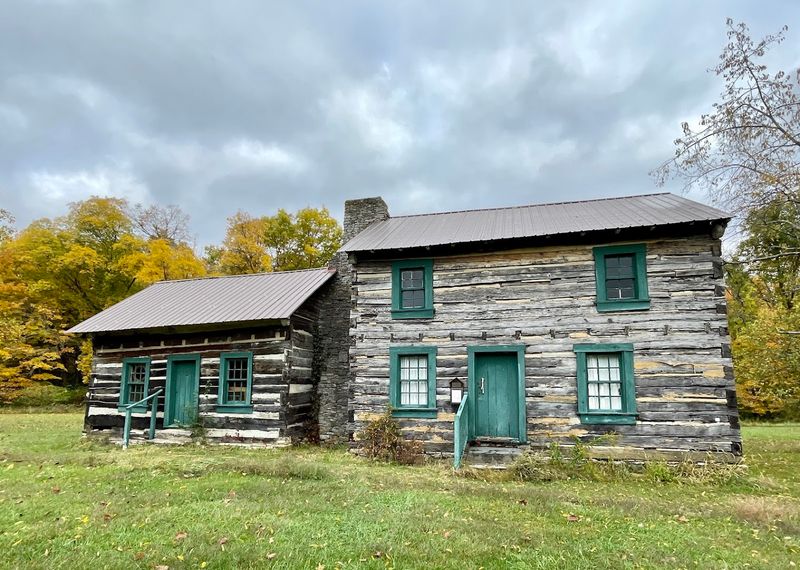
Tucked inside the Caesar Creek State Park near Waynesville, Ohio, this pioneer village has a setting that is hard to beat, surrounded by dense woodland and just a short walk from the lake.
The village is made up of authentic log structures that were relocated from various locations in the region, dating primarily from the late 1700s and early 1800s.
Each building represents a different aspect of frontier life, from a one-room cabin to a more substantial two-story home.
What makes this spot particularly special is the volunteer organization that maintains and interprets it. On living history weekends, the village comes alive with demonstrators showing pioneer skills like rope making, candle dipping, and open-fire cooking.
The surrounding state park adds a lot of value to the visit. Hiking trails, a large reservoir, and picnic areas mean you can make a full outdoor day of it without feeling rushed.
Waynesville itself is known as the antique capital of the Midwest, so combining a stop at the pioneer village with a browse through the town’s many shops is a natural and enjoyable pairing.
10. SunWatch Indian Village, Dayton
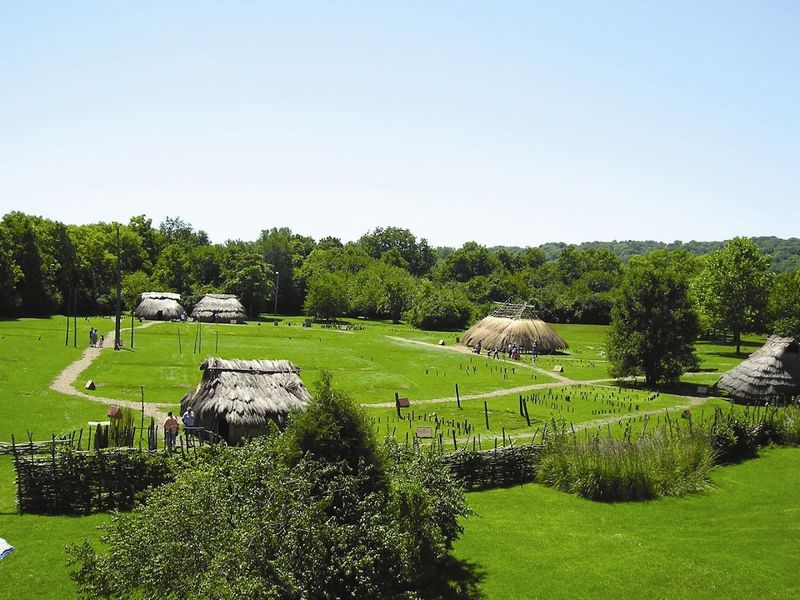
Most heritage villages in Ohio focus on European settler history, which is exactly what makes SunWatch Indian Village in Dayton stand out so sharply from the rest of the list.
This site preserves and interprets a Fort Ancient culture village that was occupied around 800 years ago, long before European contact.
The circular layout of the village, which was designed around solar alignments, is genuinely fascinating and still visible in the reconstructed structures on site.
The on-site museum does an excellent job of explaining the archaeology behind the reconstruction, including how researchers used soil stains and artifact patterns to determine where buildings once stood.
It is the kind of science-meets-history storytelling that tends to hook even visitors who walked in expecting to be only mildly interested.
SunWatch is located along the Great Miami River in Dayton, and the riverbank setting adds a natural dimension to the visit.
Special programming for school groups is available throughout the year, but the site is equally rewarding for adult visitors who want a perspective on Ohio’s deep pre-contact past.
11. Historic Kirtland Visitors’ Center, Kirtland
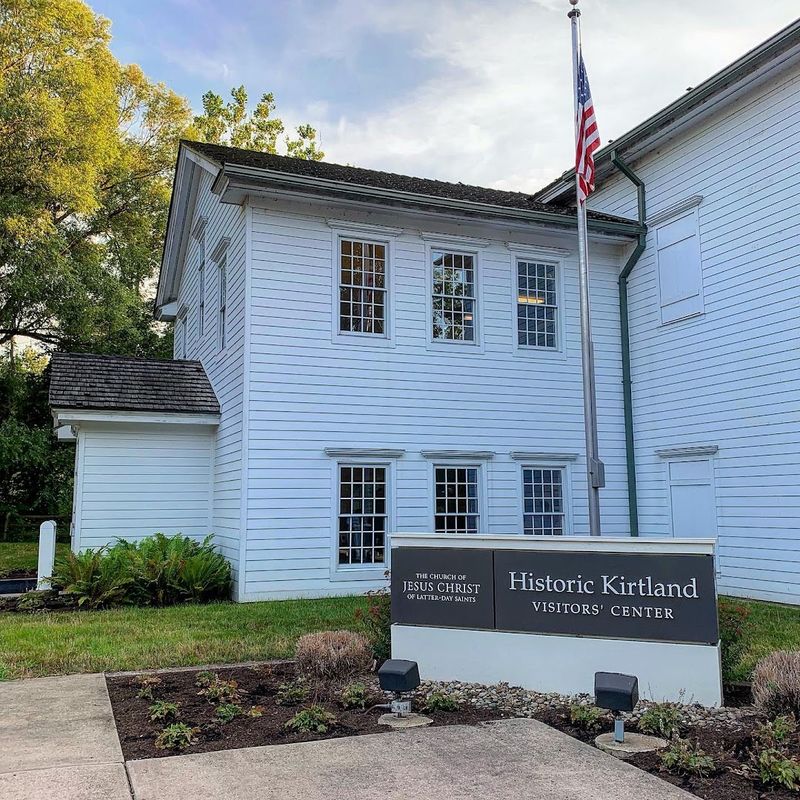
Kirtland, Ohio holds a unique place in American religious history, and the visitor center there does a thoughtful job of presenting that story to people of all backgrounds.
The site centers on the early 1830s period when Kirtland served as a headquarters for the early Latter-day Saint movement. The restored Newel K.
Whitney Store, where church leaders once lived and worked, is the most tangible connection to that era.
Guided tours walk visitors through the store’s rooms, explaining how the building functioned simultaneously as a home, a business, and a community gathering place.
The attention to period detail in the furnishings and layout is impressive and helps ground the history in everyday reality.
The Kirtland Temple, now under the stewardship of The Church of Jesus Christ of Latter-day Saints after a 2024 transfer from Community of Christ, is also nearby and adds major architectural and historical interest to the area.
Together, the sites give Kirtland a layered historical identity that rewards curious visitors.
The surrounding Lake County countryside is lovely, and the short drive from Cleveland makes Kirtland an easy half-day addition to any northern Ohio itinerary without requiring much advance planning.
12. The Milan Museum, Milan
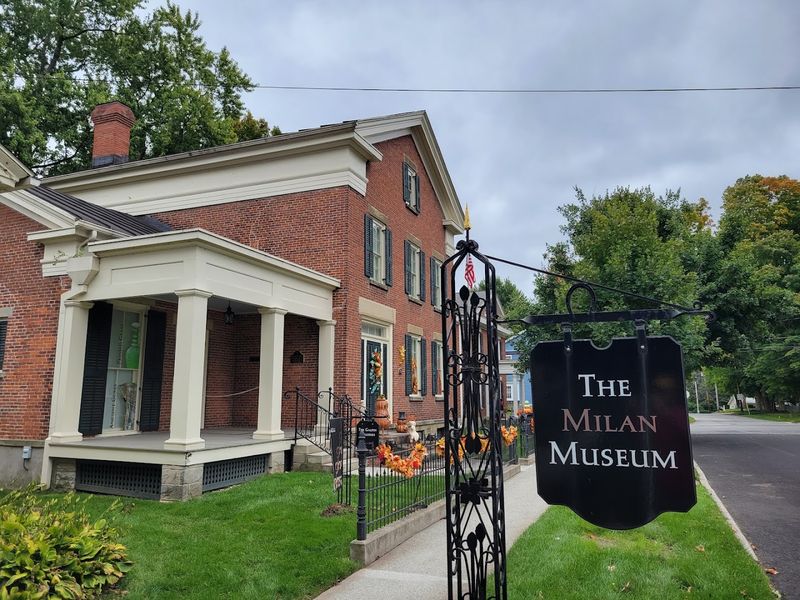
Milan, Ohio is best known as the birthplace of Thomas Edison, and the town has leaned into that legacy in the best possible way.
The Milan Museum complex sits near Edison’s birthplace and focuses on the broader history of the town and the surrounding Erie County region throughout the 1800s.
The main museum building houses an eclectic and well-organized collection of artifacts, documents, and exhibits that cover everything from canal-era commerce to Victorian domestic life.
A highlight of the complex is the collection of historic structures on the grounds, including a carriage house and period outbuildings that give the property a village-like feel even though it is smaller in scale than some of the larger outdoor museums on this list.
Milan’s historic town square is just a short walk away, making it easy to extend the visit with a stroll past the beautifully preserved 19th-century storefronts that line the streets.
The combination of Edison’s birthplace, the museum, and the town square makes Milan one of the most satisfying history stops in northern Ohio for visitors who enjoy layered, walkable experiences.
13. Pioneer Village at Governor Bebb MetroPark, Okeana
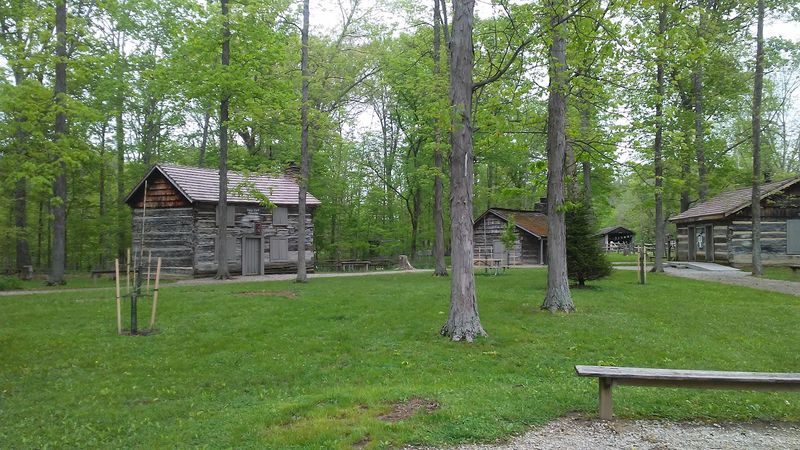
Governor Bebb MetroPark in Okeana, Ohio is named after William Bebb, Ohio’s 19th governor, and the pioneer village on the grounds honors that frontier heritage directly.
The village’s centerpiece is the 1799 birthplace cabin and boyhood home of William Bebb, joined by six other authentic log cabins that were moved to the park and reconstructed to form a representative early Midwestern settlement.
The park itself is a big part of the appeal. Dense woodland, hiking trails, and open meadows surround the village, giving the whole experience a genuinely immersive quality that is hard to manufacture in an urban setting.
Living history events are held periodically throughout the year, bringing costumed demonstrators who show traditional frontier skills and engage visitors with hands-on activities. The events tend to draw local families and history enthusiasts in roughly equal measure.
Okeana sits in southwestern Ohio, not far from the Indiana border, and the park makes a great destination for Cincinnati-area residents looking for a half-day nature and history outing.
The combination of fresh air and old stories is a surprisingly effective one.