
Ohio Is Home To A Toy Museum That Feels Like A Hidden Chapter Of Childhood
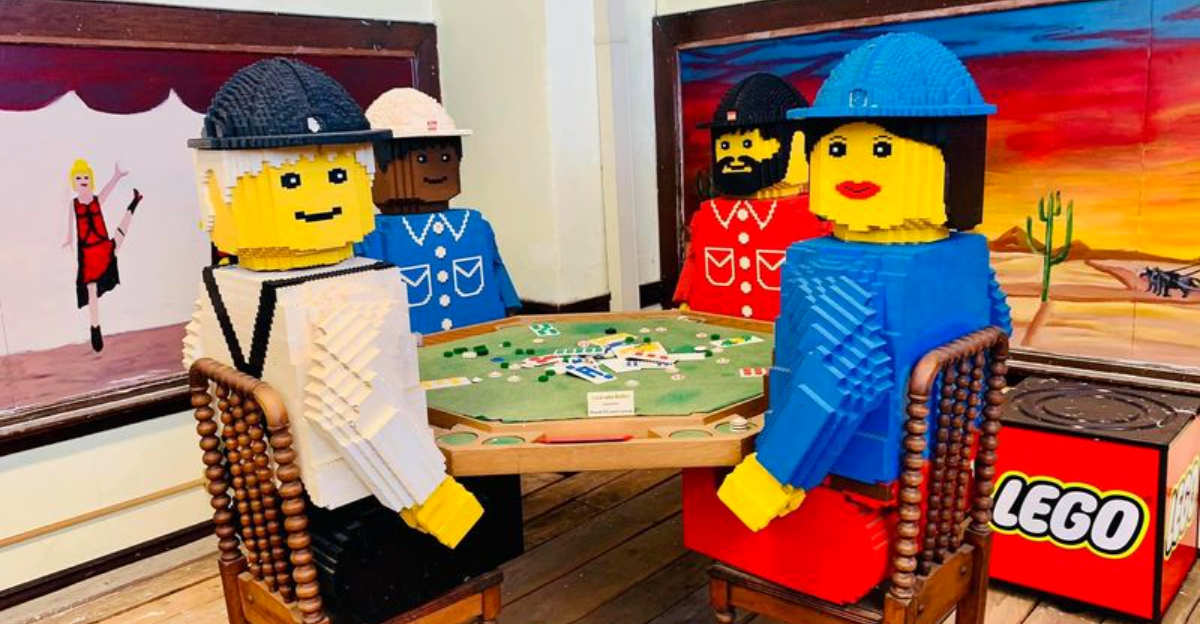
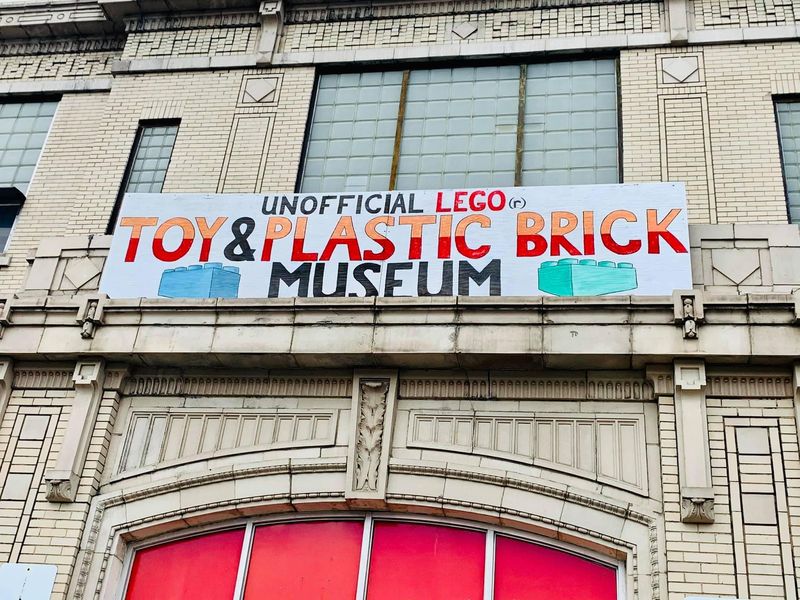
I walked into the Bellaire Toy and Plastic Brick Museum in Bellaire, Ohio, and my inner kid immediately grabbed the steering wheel. Set inside a former school at 4597 Noble St, Bellaire, OH 43906, this place turns colorful plastic bricks into a full-on nostalgia parade.
The first time I visited, I told myself I would “pop in for a quick look,” then I spent the next hour opening classroom doors like I was hunting for the best surprise in a cereal box.
Three floors later, I had seen themed rooms, glow-worthy displays, and creations so detailed I caught myself whispering “how” like it was a respectful greeting.
Plan it during their operating season, since regular hours are typically 10 AM to 5 PM from Tuesday through Sunday, and come ready to wander, grin, and accidentally start planning your next visit on the drive home.
A School Building Frozen in Time
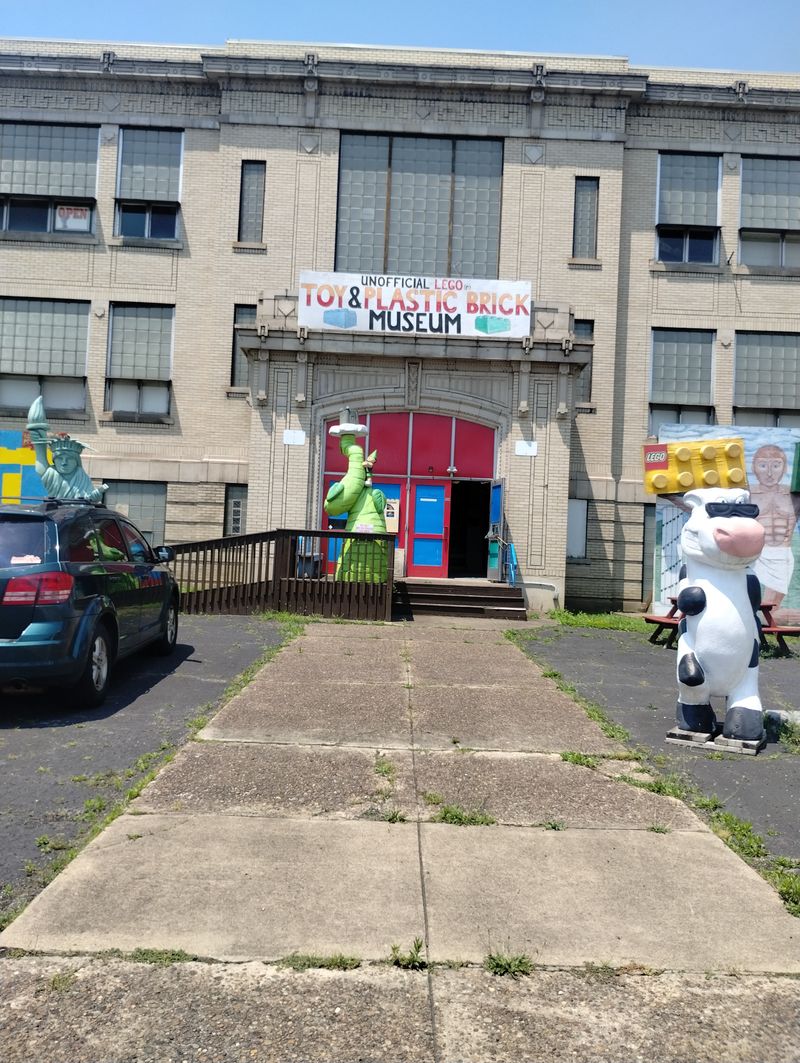
The building itself tells half the story before you even walk through the entrance. This former school stands as a monument to educational architecture from generations past, complete with wooden handrails, mosaic tile entrances, and that distinctive institutional charm that modern buildings just cannot replicate.
I climbed staircases that countless students once rushed up and down, my footsteps echoing against wood floors that have witnessed decades of daily life. The classrooms have been transformed into exhibition spaces, but traces of their original purpose remain everywhere you look.
Slate blackboard remnants and vintage light fixtures create an atmospheric backdrop that somehow makes the colorful brick displays pop even more dramatically.
Yes, the building lacks modern air conditioning, which means summer visits can get warm, and you might notice a musty basement smell that comes with historic structures.
But that authentic, unpolished quality adds to the experience rather than detracting from it, reminding visitors that preservation sometimes means accepting buildings as they are.
Three Floors of Endless Discovery
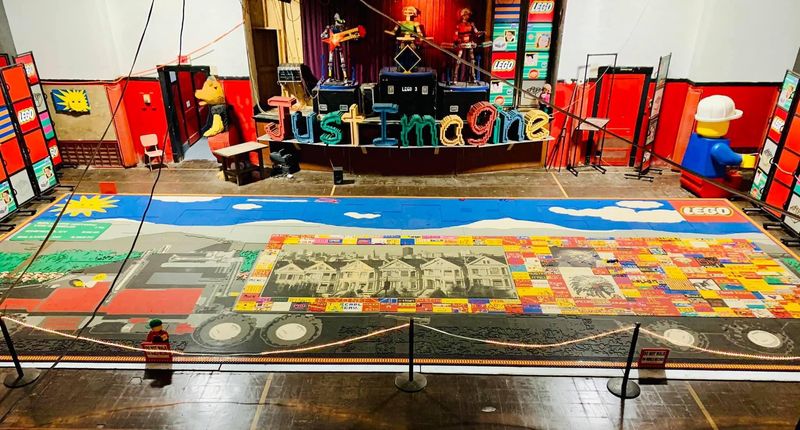
Exploring this museum requires stamina and curiosity in equal measure. Each of the three levels contains multiple rooms, and every single space offers something completely different from the last one you visited.
I found myself constantly surprised as I opened door after door, never quite knowing whether the next room would transport me to outer space, underwater worlds, or miniature cityscapes.
The basement level houses some of the most impressive large-scale creations, including a Guinness World Record-holding display that stretches across an entire stage area.
Meanwhile, the upper floors feature more intimate themed collections that reward careful observation.
My biggest advice is to genuinely explore every hallway and peek into every corner, because the museum staff has tucked displays into spaces you might initially overlook. I nearly missed an entire room because I assumed a particular corridor was off-limits, only to discover it led to one of my favorite exhibits.
Plan to spend at least an hour here, though dedicated enthusiasts could easily fill two or three hours examining the incredible details.
The Guinness World Record Display
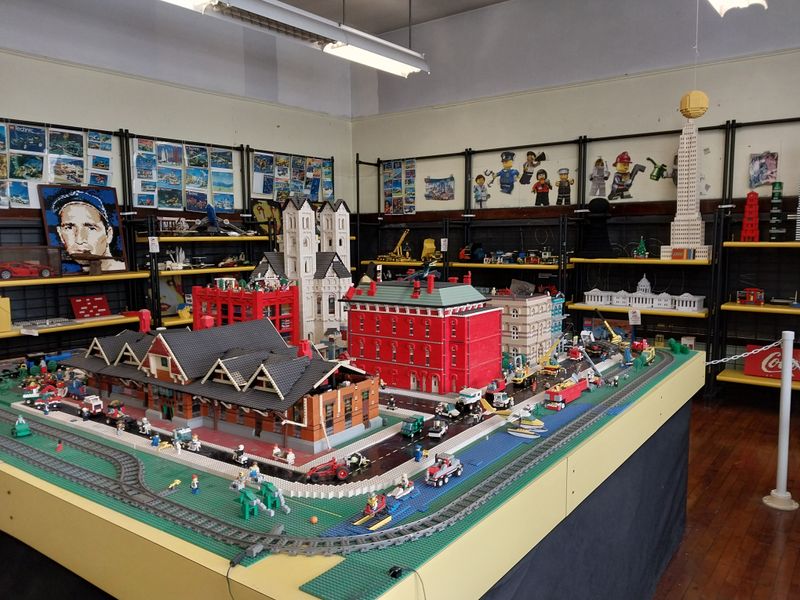
Descending into the basement level feels like uncovering buried treasure, especially when you reach the old auditorium stage area. There, spread across the performance space where students once sang and performed, sits a creation so massive it earned recognition from Guinness World Records.
Standing before this achievement, I felt my perspective shift on what people can accomplish with patience and thousands upon thousands of tiny plastic pieces. The scale alone impresses, but the structural integrity required to keep such a large creation stable adds another layer of appreciation.
I walked around it multiple times, trying to comprehend the planning and hours invested in bringing this vision to reality.
Above this record-breaking display, you will find an automated band of brick-built musicians that actually move to music, creating a surreal concert experience in this unlikely venue.
The combination of world record achievement and musical automation in one basement space perfectly captures the museum’s ability to surprise and delight at every turn, making the trip down those old school stairs absolutely worthwhile.
Themed Rooms That Spark Imagination
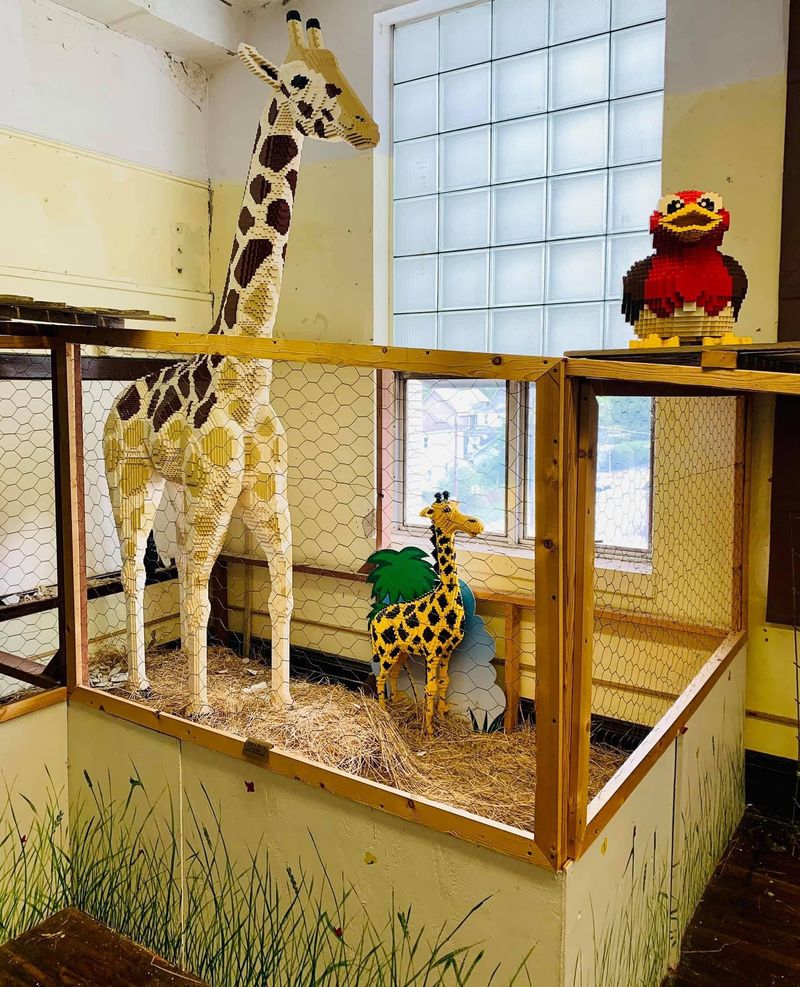
Each themed room operates like a distinct chapter in a visual storybook. I walked from a room glowing with fluorescent creations that seemed to pulse with otherworldly energy, then stepped directly into a brick-built zoo populated by animals that somehow captured genuine personality despite being constructed from rectangular plastic pieces.
The thematic variety keeps your brain engaged and prevents the fatigue that sometimes sets in at larger museums, where everything starts blending together. One moment, you are surrounded by Star Wars characters frozen mid-battle, and the next, you are examining intricate cityscapes with working lights and moving parts.
The creators clearly understood that variety matters, especially when trying to hold the attention of younger visitors who might otherwise grow restless.
I particularly appreciated how each room maintained its own distinct atmosphere through clever use of lighting, display arrangements, and background decorations.
These spaces feel curated rather than randomly assembled, showing that real thought went into creating immersive environments rather than simply parking sculptures in empty rooms around Ohio.
Interactive Elements for Hands-On Fun
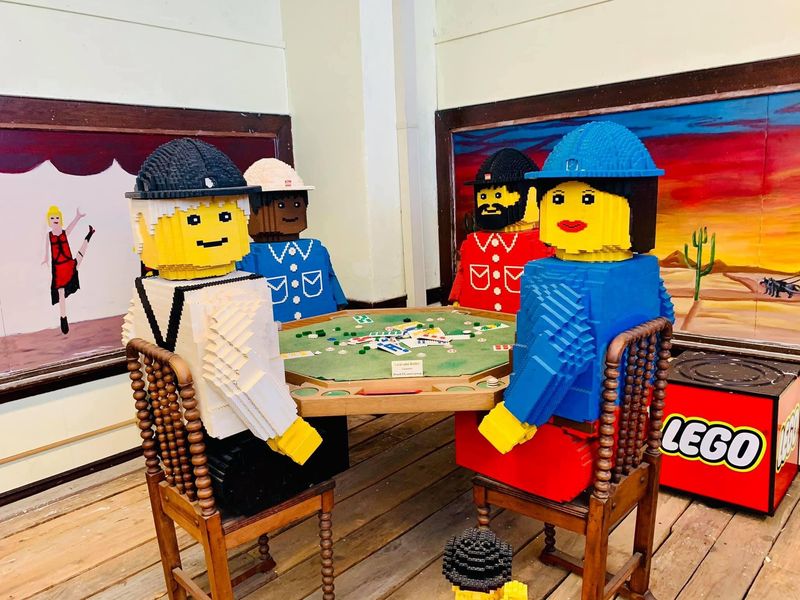
Museums that forbid touching can frustrate younger visitors who learn best through direct interaction. Fortunately, this museum includes numerous interactive displays that invite participation rather than demanding hands-off observation.
I watched kids light up as they discovered buttons that activated moving parts, levers that changed display elements, and areas where touching was not just permitted but encouraged. These interactive elements transform passive viewing into active engagement, helping children connect more deeply with what they are experiencing.
The museum staff clearly recognizes that plastic brick creations naturally inspire people to want to build and manipulate, so providing outlets for that impulse makes perfect sense.
Several reviews mentioned how much kids loved these hands-on opportunities, with some families spending extra time letting their children experiment with the interactive features.
For parents worried about keeping energetic kids entertained, these elements provide natural stopping points where children can burn some energy while still staying engaged with the exhibits rather than growing bored and restless throughout the visit.
The Museum Store and Collectible Treasures
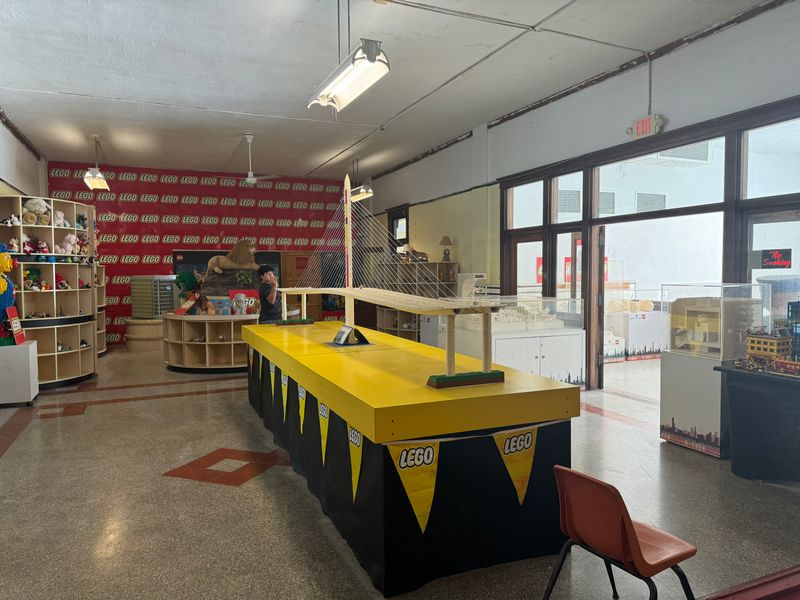
No museum visit feels complete without browsing the gift shop, and this one offers more than typical tourist trinkets. The store stocks various sets, collectible minifigures, and unique items that appeal to serious collectors and casual fans alike.
I spent considerable time examining the minifigure selection, which included characters I had not seen in regular retail stores. The shop also offers a particularly clever deal where kids can fill a small bag with loose bricks for just ten dollars, providing an affordable souvenir that actually encourages creativity once families return home.
This hands-on purchasing experience lets children curate their own collection rather than simply picking a pre-packaged item off a shelf.
Some visitors reported purchasing items here, though one review mentioned concerns about authenticity, so buyers who prioritize official products might want to ask questions before purchasing.
Still, for most families, the store provides a fun final stop where kids can commemorate their visit with something tangible while supporting this independent museum’s continued operation in the Ohio Valley.
Seasonal Operations and Planning Your Visit
Timing your visit correctly matters because the museum operates seasonally and keeps more limited hours than larger attractions. During its main 2026 season, regular hours are listed as 10 AM to 5 PM from Tuesday through Sunday, so families still need to plan ahead rather than assuming it will be open year-round.
I arrived shortly after opening on a Saturday morning, which gave me plenty of time to explore without feeling rushed. The seasonal operation likely reflects the reality of running a small, independent museum with limited staff and volunteer support.
While this schedule might inconvenience some visitors, it also means the museum can focus its resources on maintaining and improving exhibits rather than spreading thin across seven days.
Before making the drive to Bellaire, I recommend calling ahead at 740-671-8890 or checking their website at brickmuseum.com to confirm they are open, especially around holidays or in the off-season when schedules might change.
The museum’s location in the Ohio Valley makes it accessible for day trips from several surrounding areas, but that seasonal window means you cannot simply drop by whenever the mood strikes.
Managing Expectations About the Facility
Honesty is important when discussing this museum because visitor experiences vary significantly based on expectations. The building shows its age, displays sometimes gather dust, and summer visits can feel uncomfortably warm without air conditioning.
I went in understanding I was visiting an independent museum housed in an aging structure, not a climate-controlled institution with unlimited maintenance budgets. This mindset helped me appreciate the charm of creaky floors and vintage fixtures rather than fixating on imperfections.
Some families found the atmosphere unsettling or the conditions below their standards, while others embraced the authentic, unpolished quality as part of the overall experience.
The museum appears to operate with limited funding and likely relies heavily on volunteers, which explains why some maintenance issues persist.
If you can approach the visit with realistic expectations about an old building in a small Ohio town, focusing on the impressive brick creations rather than demanding museum-quality environmental controls, you will probably leave satisfied.
However, visitors who expect pristine, modern facilities might feel disappointed by the gaps between their assumptions and reality.
Star Wars and Pop Culture Displays
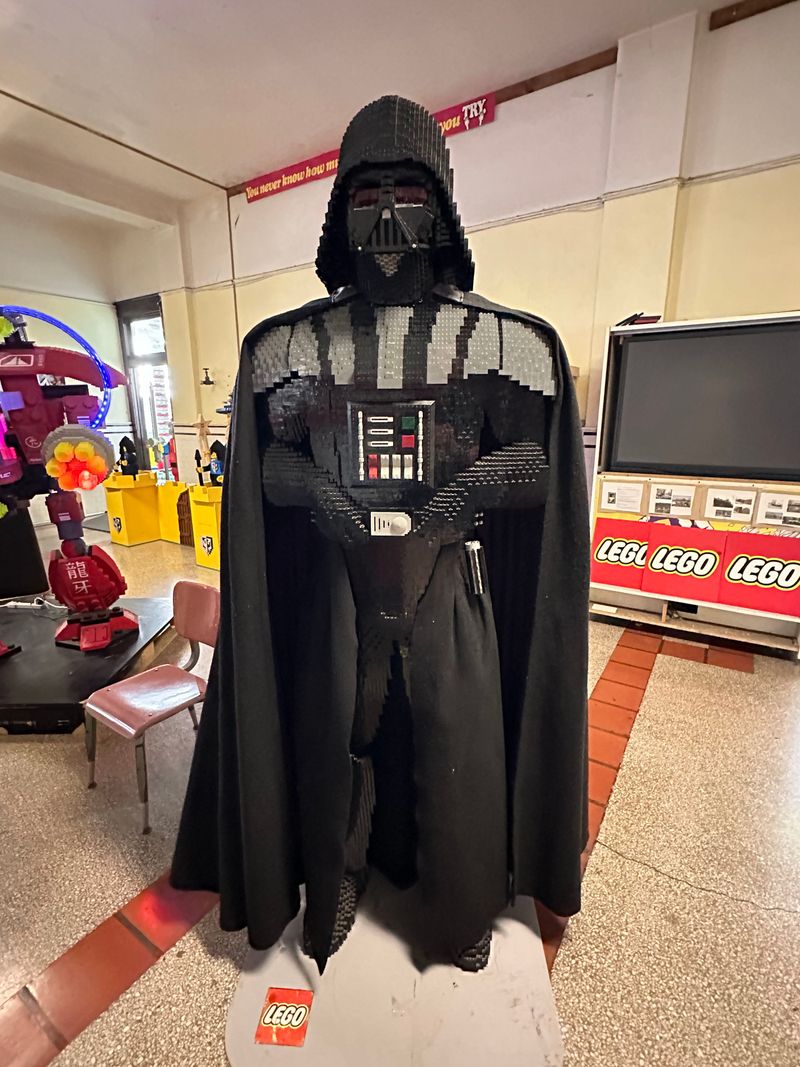
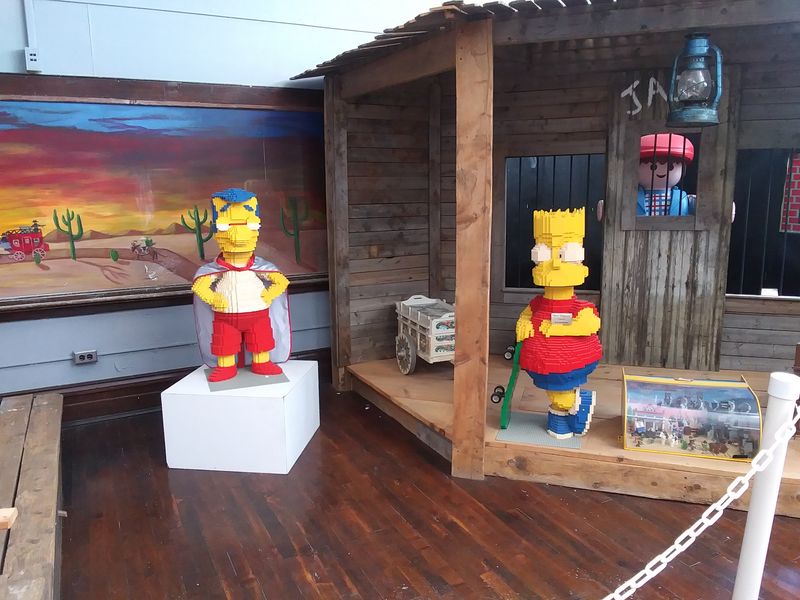
Pop culture enthusiasts will find plenty to photograph and admire throughout the museum. Star Wars creations appear frequently, capturing iconic characters and vehicles with impressive attention to detail that honors the source material.
I spotted everything from life-sized character replicas to intricate spaceship models that must have required thousands of individual pieces and countless hours of patient assembly.
These displays tap into the nostalgia that many adult visitors carry from their own childhoods, creating unexpected emotional connections as we recognize beloved characters rendered in this distinctive medium.
The Star Wars content alone could justify the visit for dedicated fans of that franchise.
Beyond Star Wars, the museum includes representations from various other pop culture properties, though the specific mix of displays may change over time as the museum updates and rotates its collection.
This blend of recognizable characters and original creations strikes a nice balance, giving visitors familiar touchstones while also showcasing the artistic possibilities that extend beyond simply recreating existing intellectual properties into three-dimensional brick form.
Supporting an Independent Cultural Asset

Behind every admission ticket and gift shop purchase stands a small team working to preserve this unique cultural resource. The Bellaire Toy and Plastic Brick Museum operates without corporate sponsorship, relying instead on visitor support and volunteer dedication to keep the doors open.
I left my visit thinking about how rare and valuable these independent museums have become in an era of corporate entertainment complexes and franchise attractions.
This museum offers something genuinely different, a labor of love that exists because individuals cared enough to create and maintain it rather than because market research suggested profitability.
The building needs work, displays require maintenance, and operations could benefit from additional funding, but these challenges reflect the reality of running a passion project without deep pockets.
Visitors who enjoy their experience might consider leaving positive reviews, recommending the museum to friends, or even volunteering time if they live locally.
Small institutions like this one survive only through community support, and every visitor who spreads the word helps ensure future generations can discover this hidden chapter of childhood tucked away in the Ohio Valley.