
Ohio Is Home To The Smallest Covered Bridge In The Country, And It’s Absolutely Charming
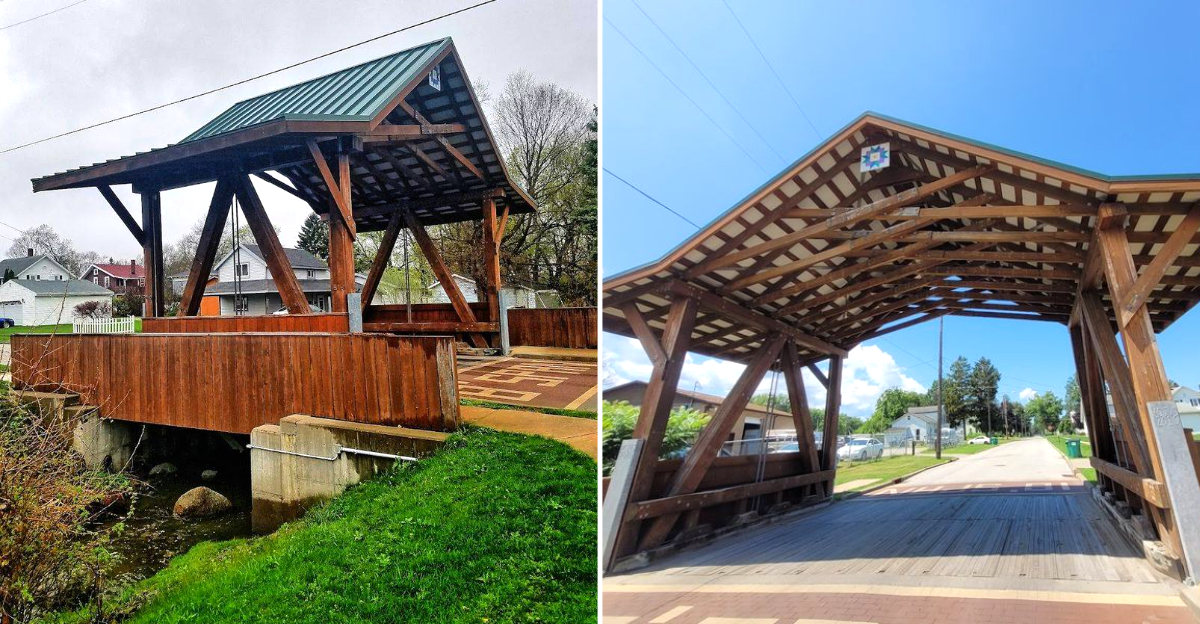
Ohio has a talent for hiding odd little landmarks in the most ordinary-looking places. You can be driving through a quiet neighborhood, minding your own business, and suddenly end up face to face with something so unusual it sends you reaching for your phone before your brain fully catches up.
That is exactly the case here. This covered bridge is so small it could easily slip past you at first, which somehow makes the discovery even better.
At only 18 feet long, it holds a record that sounds almost made up, yet the charm is completely real. I made the trip expecting a quick curiosity stop and left far more entertained than I had any right to be by something roughly the size of an enthusiastic parking space.
If you enjoy quirky Ohio history, offbeat roadside finds, or the kind of place that gives you an excellent story before you even get back in the car, this one is worth the detour. Small in size, yes, but absolutely not in personality.
A Record-Holder Hidden in Plain Sight
Most record-holders are hard to miss. The tallest building demands your attention from miles away, and the longest bridge stretches across a horizon you cannot ignore.
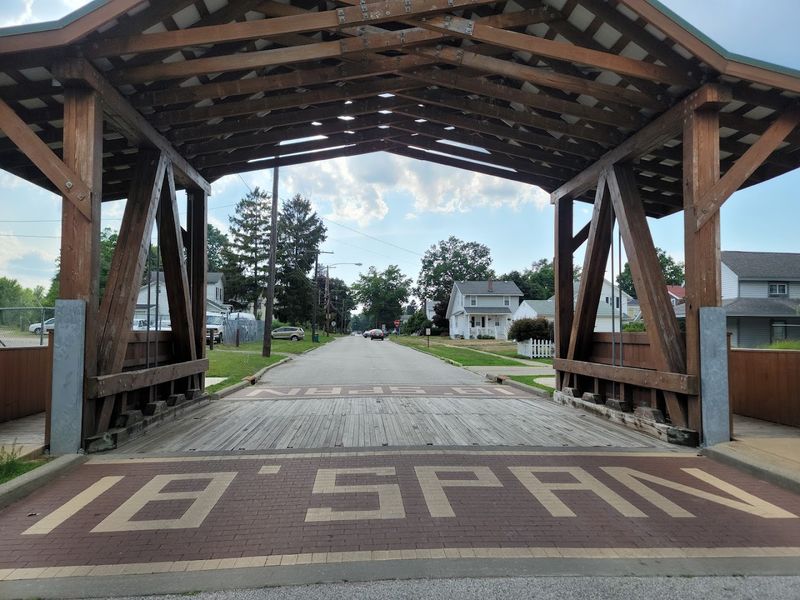
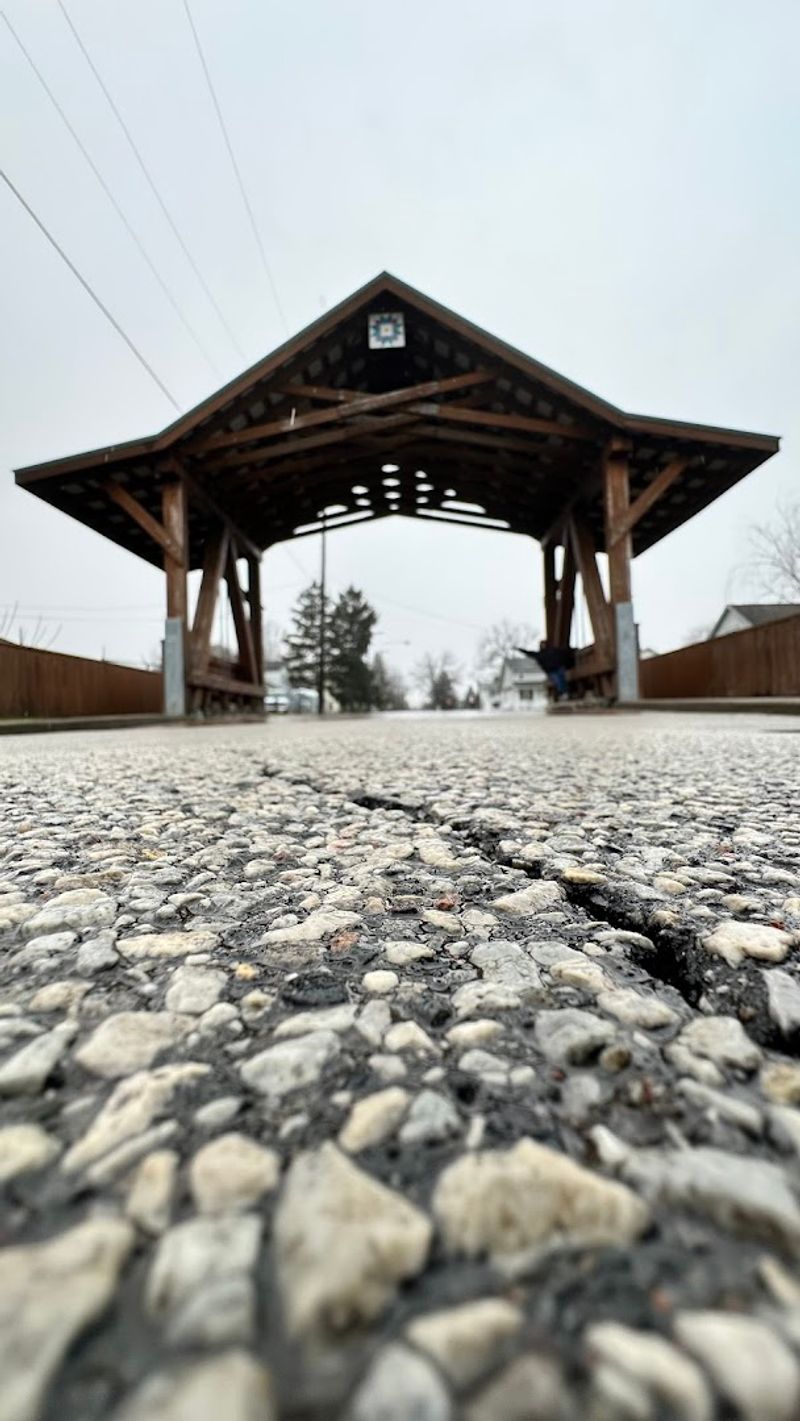
The Historic West Liberty Covered Bridge plays by completely different rules. At just 18 feet long, it sits quietly at 94 W Liberty St, Geneva, OH 44041, tucked into a residential stretch of road in Ashtabula County, Ohio, where it blends in so naturally that visitors have reported driving past it before realizing it was there.
That detail alone made me laugh out loud when I read it before my visit. The bridge holds the title of the shortest covered bridge open to traffic in the United States, which is a genuinely impressive distinction.
Ashtabula County is already well known across Ohio for its covered bridge collection, but this particular spot earns its own spotlight for reasons that have nothing to do with size and everything to do with character.
How This Tiny Bridge Came to Be
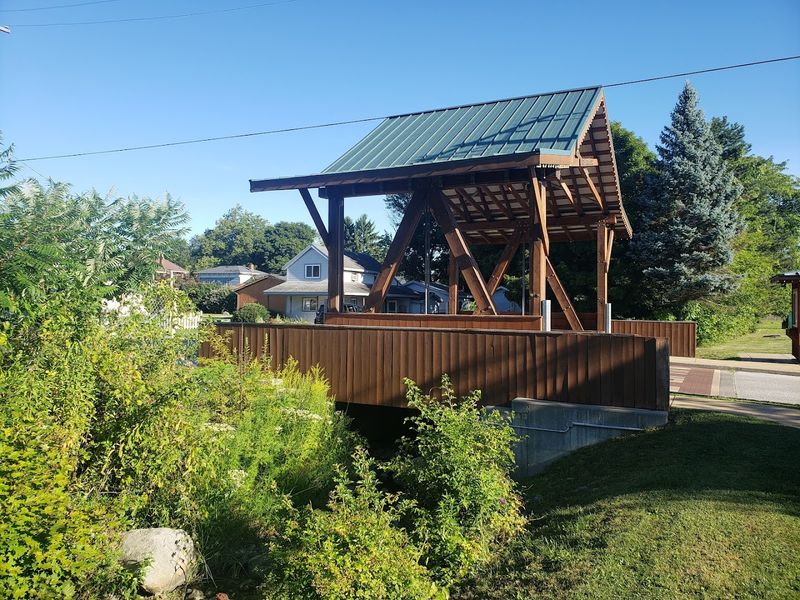
The story behind this bridge is not one of ancient pioneer craftsmanship passed down through generations. The West Liberty Covered Bridge is actually a 21st-century build, constructed to replace a piece of aging infrastructure in a way that honored the region’s rich covered bridge heritage.
Geneva made a deliberate choice to pay homage to Ashtabula County’s identity rather than simply drop in a standard concrete culvert or a plain steel drain cover. The result is a structure that is both fully functional and genuinely meaningful to the community.
Informative story boards placed near the bridge explain the background in detail, so you are not left guessing about what you are looking at or why it matters. I found those signs surprisingly engaging, and they added real depth to what could have otherwise felt like a quick photo stop.
The decision to build something beautiful where something ordinary would have worked just fine says a lot about how Geneva values its local identity and the broader history of Ohio’s covered bridge tradition.
What 18 Feet Actually Looks Like
Numbers on a page are one thing, but standing next to this bridge in person is another experience entirely.
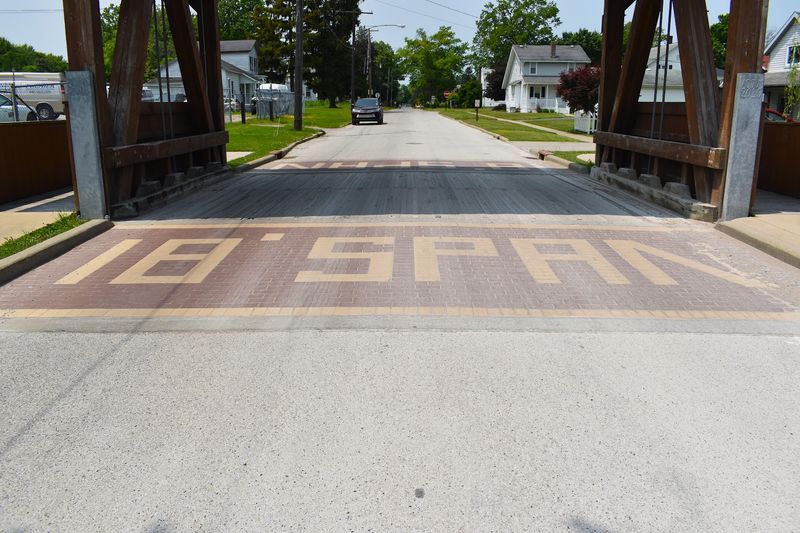
Eighteen feet is roughly the length of one standard car, and despite its tiny span, the bridge is built to carry legal road traffic and includes protected footpaths on both sides, which somehow makes the whole thing feel even more surreal.
I walked through it in about four steps. Four comfortable, unhurried steps from one end to the other, and I was already back in the open air.
The structure is simple and efficient, built with traditional timber framing that feels intentional rather than decorative. It does not try to be something it is not, and that honesty is part of what makes it so appealing.
From a photography standpoint, the compact size is actually a major advantage. The entire bridge fits neatly into a single frame without any wide-angle gymnastics, making it one of the most photogenic and easy-to-capture covered bridges you will find anywhere in the country.
The Atmosphere Around the Bridge
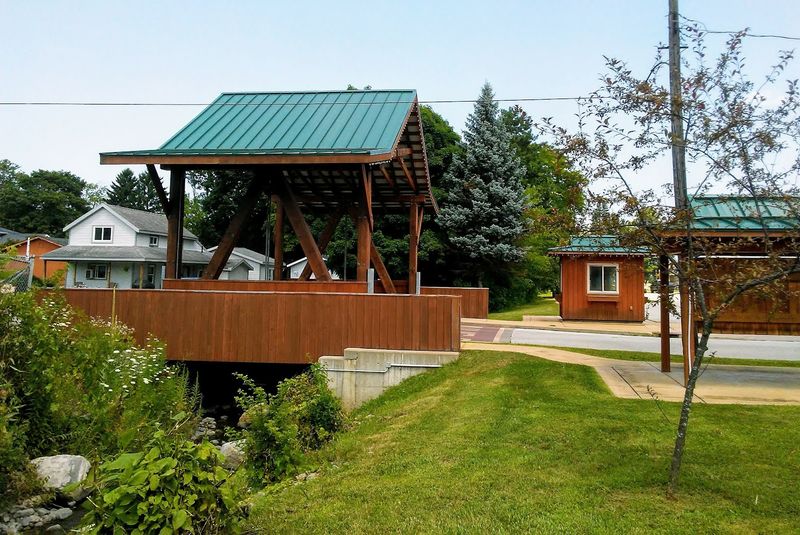
There is a calm, unhurried energy around the West Liberty Covered Bridge that I was not fully expecting. The neighborhood is quiet and residential, with modest homes and mature trees lining the street, giving the whole scene a small-town warmth that feels genuinely welcoming rather than staged.
No gift shop, no ticket booth, no crowd control ropes. Just a bridge, a sidewalk, and a community that has woven this little landmark into its daily rhythm.
A small unmanned toll booth sits nearby, which adds a playful, old-fashioned touch to the experience without taking itself too seriously. There is also a giving box on site, a community pantry where visitors can leave donations for neighbors in need, which gave the stop an unexpected layer of heart.
A little free library is also part of the setup, so you can grab a book or leave one behind while you visit. The whole scene feels like a neighborhood that actually cares about the people who live in and pass through it.
Ashtabula County’s Covered Bridge Legacy
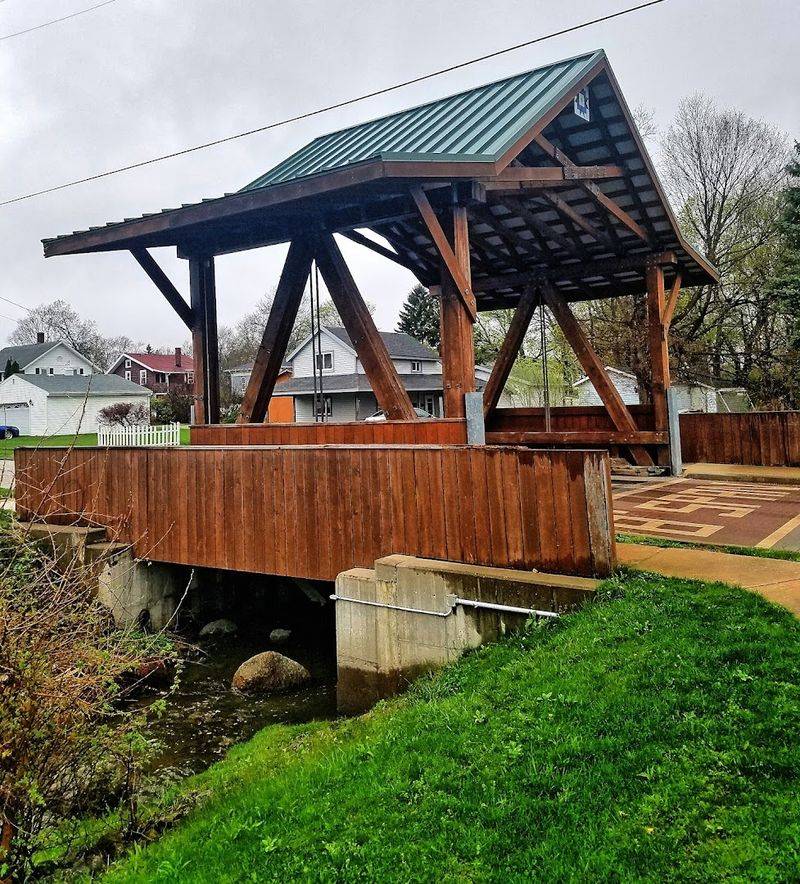
Ashtabula County wears its covered bridge identity like a badge of honor, and rightfully so. The county is home to more covered bridges than any other county in Ohio, with structures ranging from grand and sweeping to, well, record-breakingly compact.
What makes the West Liberty bridge especially interesting is that it anchors both ends of that spectrum. Ashtabula County can legitimately claim both the longest and the shortest covered bridges found within a single county, which is a combination that no other county in the country can match.
Motorcycle clubs, road trippers, and history enthusiasts regularly plan dedicated tours of the county’s covered bridges, weaving through the countryside to tick each one off their list.
The West Liberty bridge tends to be the crowd-pleaser that surprises people the most, simply because nothing prepares you for just how small it actually is after seeing the county’s larger spans.
Ohio’s covered bridge culture runs deep, and Ashtabula is where that culture finds some of its most memorable expressions.
The Perfect Photo Stop on a Bridge Tour
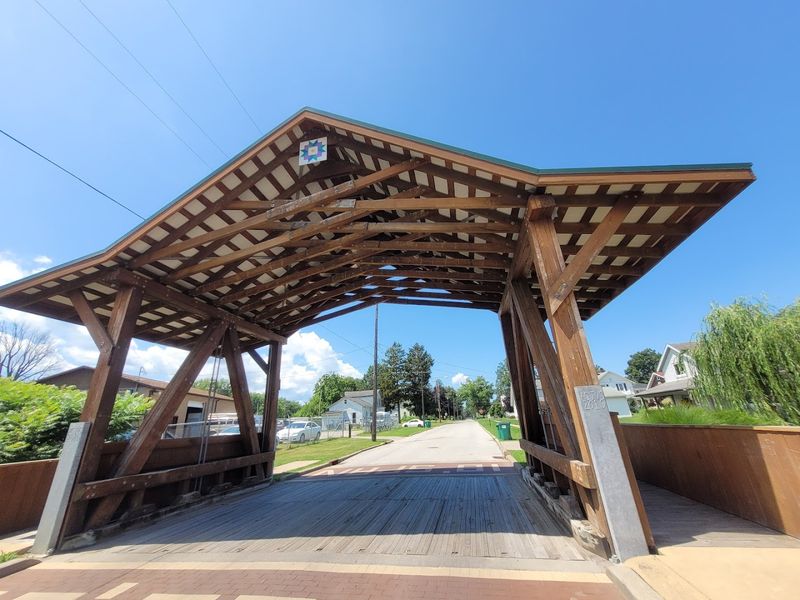
If you are the kind of traveler who documents every interesting stop along a road trip, the West Liberty Covered Bridge is going to be one of your favorite shots of the entire journey. The scale is so unexpected that a single photo tells a complete and instantly shareable story.
The best approach is to grab a shot from the front so the full portal of the bridge is visible, then walk to the side to capture the timber framing and the way the structure sits over the small waterway beneath it.
Morning light works particularly well here because the surrounding trees cast soft shadows across the wooden panels without blocking the structure entirely. Late afternoon has its own appeal if you prefer warmer tones in your images.
I spent more time photographing this bridge than I originally planned, mostly because every angle offered something slightly different. For an 18-foot structure, it has a remarkable amount of visual personality that rewards a few extra minutes of creative attention.
Tips for Planning Your Visit
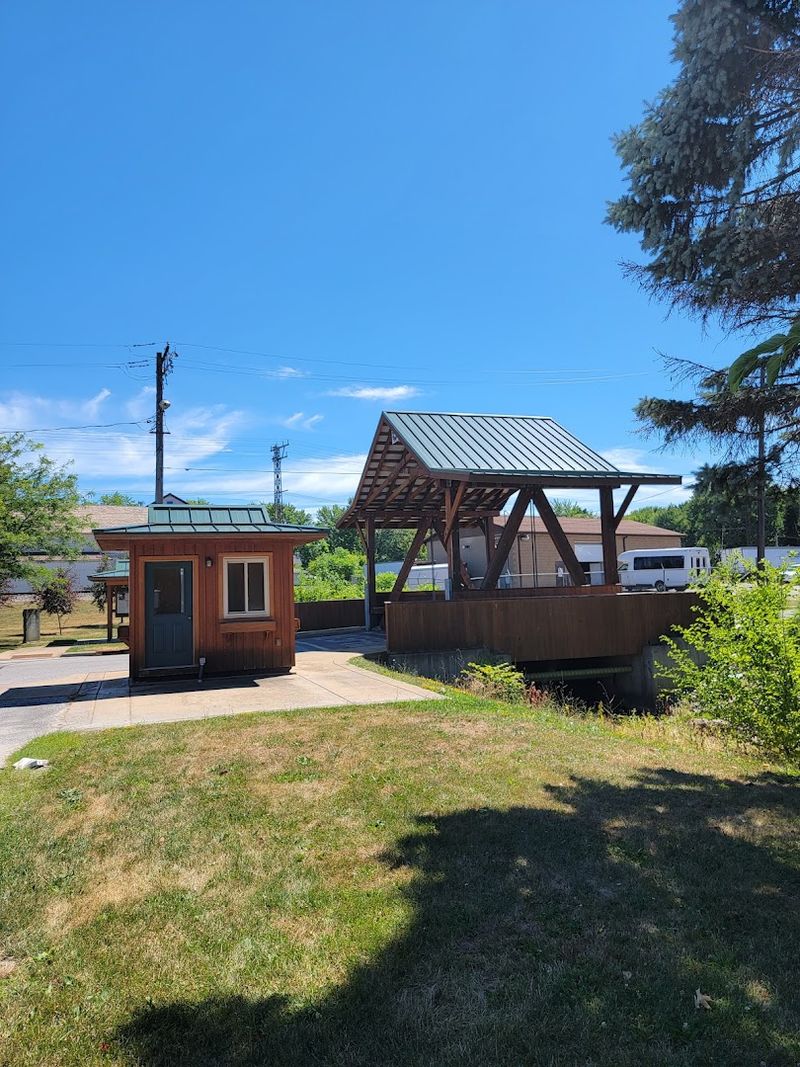
The West Liberty Covered Bridge is easy to visit and costs absolutely nothing to see, which automatically makes it one of the better free attractions in northeastern Ohio. No reservations, no hours to worry about, and no entry fees standing between you and a genuinely fun stop.
The address is 94 W Liberty St, Geneva, OH 44041, and a standard GPS navigation app will get you there without much trouble, though some older devices have reportedly struggled with reception in parts of Ashtabula County.
Parking is simple since the area is a quiet residential street with room to pull over safely. The visit itself can be as short as five minutes or as long as you want to make it, depending on how many photos you take and whether you explore the surrounding block.
Combining the stop with a broader Ashtabula County covered bridge tour is the most satisfying way to experience it. Plan a full day, bring a camera, and let the county’s backroads surprise you at every turn.
Why This Little Bridge Earns Its Charm
Some attractions earn their reputation through sheer scale or dramatic scenery. The West Liberty Covered Bridge earns its charm through something harder to manufacture: genuine character rooted in community pride and a refusal to settle for ordinary.
A plain concrete culvert would have done the same job. Instead, Geneva chose to build something that reflects the county’s identity, honors a regional tradition, and gives travelers a reason to slow down and pay attention to a street they might otherwise roll through without a second glance.
People show up, they smile, they take their photos, and they leave with a story. That feels exactly right for a structure that is not trying to be a museum or a grand attraction, just a memorable roadside landmark with a personality all its own.
That is exactly what a great roadside landmark is supposed to do, and this small but mighty bridge in Ohio does it better than most. Sometimes the smallest things really do leave the biggest impressions.