
10 Ohio Lake Erie Marshes Worth Exploring During Late-Summer Migration
Hello there, fellow wanderer and nature lover! When late summer sweeps across the Ohio shoreline and the cattails start to whisper, something remarkable happens along Lake Erie.
Thousands of birds begin their long trip south, and the marshes here turn into busy rest stops packed with warblers, herons, and shorebirds. These wetlands are quiet, wild, and bursting with life if you know where to look.
I have wandered these muddy trails and boardwalks with binoculars in hand, and I want to share my ten favorite spots with you. Each one has its own personality, its own feathered guests, and its own little surprises waiting around the bend.
So grab your comfiest shoes, pack some water, and get ready to slow down. Trust me, these paths reward patience and curiosity in the best possible ways.
1. Ottawa National Wildlife Refuge, Oak Harbor
Picture a place where solid ground melts into the shimmering edge of Lake Erie, and you have found this feathered traveler’s paradise.
Located in Oak Harbor, this refuge stretches across thousands of acres of wetlands, woods, and open water.
August brings a wonderful rush of shorebirds here. Sandpipers, plovers, and godwits pick their way across exposed mudflats, while tall egrets, herons, and swans add their elegance to the scene.
Keep your eyes on the sky too, because bald eagles patrol these waters with steady wingbeats. Every visit feels different because the cast of birds keeps changing.
Getting around offers several easy options. A gentle boardwalk lets you peek right into the marsh, while the Wildlife Drive lets you scan wetlands from your car on scheduled open dates.
Before you set off, swing by the visitor center when it is open. The friendly staff hand out maps and tell you which trails have been buzzing with activity that week, which saves you plenty of guesswork.
The hush out here is a gift. Far from traffic and noise, you will hear frogs croaking, wind rustling reeds, and birdsong drifting across the water.
Pack patience along with your binoculars, and this refuge will hand you memories that stick around long after you drive home.
2. Magee Marsh Wildlife Area, Oak Harbor
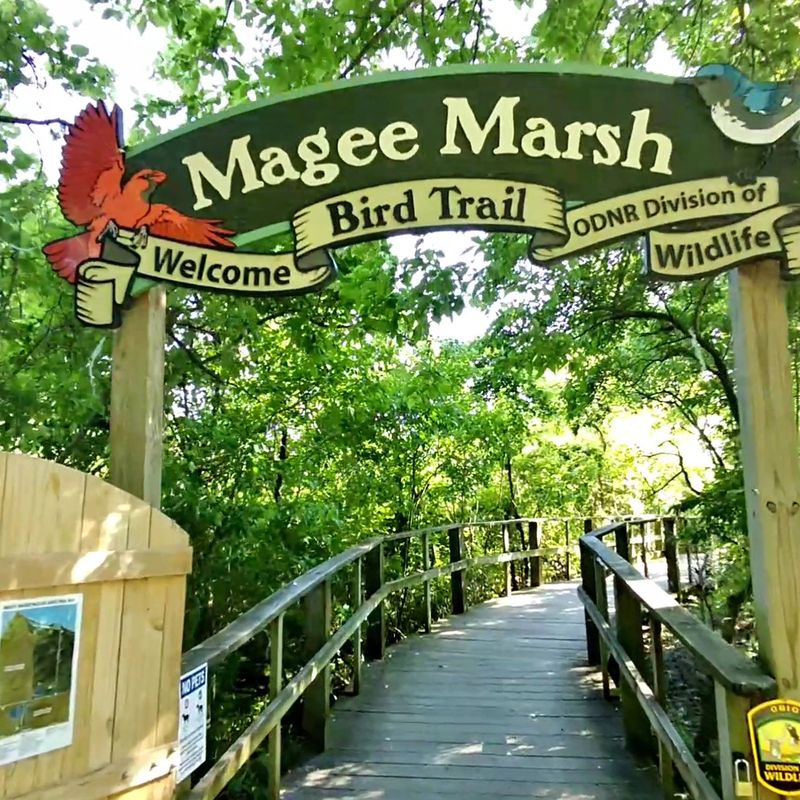
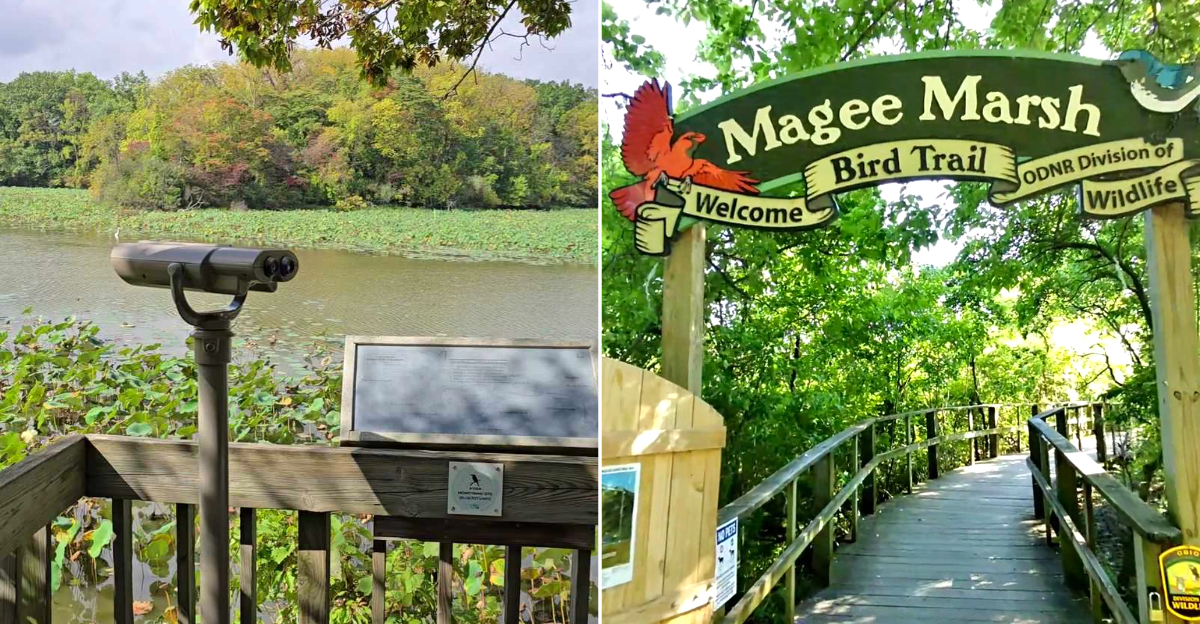
A quick drive from its national neighbor sits one of the most beloved birding spots in all of Ohio.
Found in Oak Harbor, this wildlife area mixes woodland, marsh, and lakefront into one dynamic destination.
Most folks know it for the spring warbler frenzy, but late summer tells a quieter, equally charming story. The mix of habitats keeps the action going all year long.
When the mudflats appear in late summer, migrating shorebirds arrive to feed. Herons and egrets wade through the shallows, and you might spot pied-billed grebes, ducks, and Canada geese paddling nearby.
Bald eagles are regulars here, and their appearance always adds a jolt of excitement to an already lively marsh.
The star attraction is the 0.7-mile boardwalk that curves through a forested beach ridge. This wooden path offers some of the finest close-up birding anywhere in the Midwest.
That ridge is a crucial pit stop for over 150 species of migrating songbirds, giving them a safe place to rest and refuel.
Even after the spring crowds fade, the boardwalk stays rewarding. Early fall migrants and wetland birds keep the branches busy.
Come early, walk slowly, and let this living classroom show off its endless little discoveries.
3. Metzger Marsh Wildlife Area, Curtice
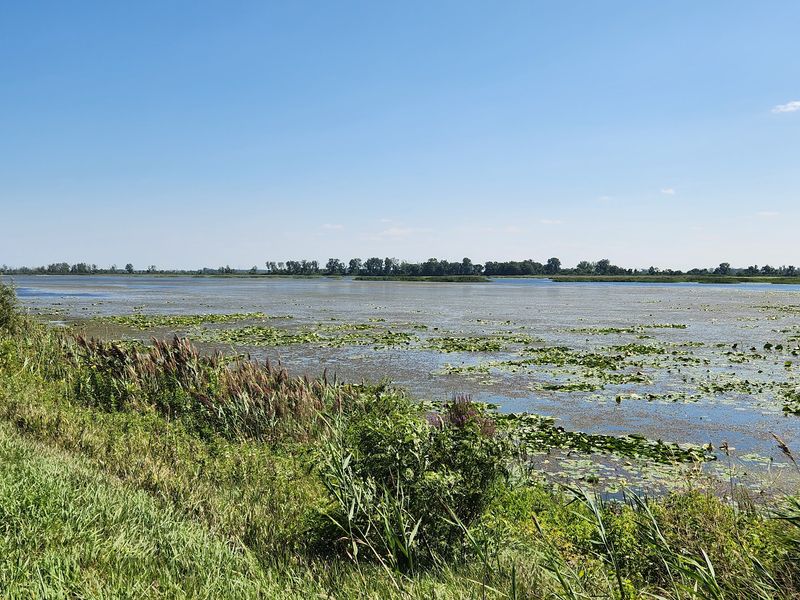
Solitude seekers, this one is for you. Tucked into Curtice, this 558-acre wildlife area serves up a raw, untamed slice of Lake Erie.
Managed by the Ohio Division of Wildlife, it is dominated by deepwater mixed-emergent marsh. Because it sits right beside Ottawa National Wildlife Refuge, the two form a huge connected wetland that draws thousands of migrating birds every year.
Late summer really turns up the excitement. As water levels drop, wide mudflats appear and act like a dinner bell for hungry shorebirds.
Dozens of species can gather at once, giving birders a genuine spectacle. The small woodlot at the north end of the road is famous for holding an amazing variety of migrating songbirds.
You will likely see ducks, gulls and terns overhead, swooping swallows, and plenty of herons and egrets working the open water.
Adventure does not stop at birding. Primitive boat ramps along the entrance road let kayakers slip out for a water-level view of the wildlife.
Anglers cast along the lakefront dike, hoping for largemouth bass and northern pike.
With its shifting water and steady parade of migrants, Metzger Marsh stays wonderfully wild. Bring bug spray and a sense of adventure, and this quiet corner will surprise you.
4. Howard Marsh Metropark, Curtice
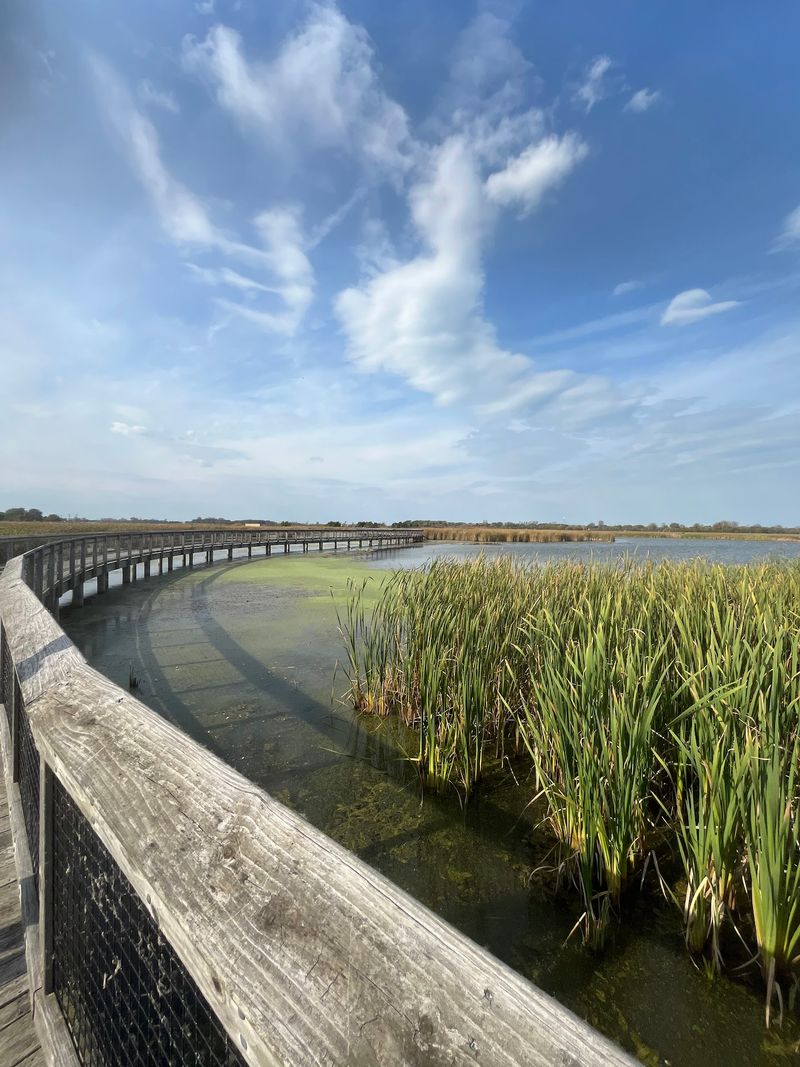
Talk about a comeback story. This 1,000-acre coastal wetland in Curtice was once a working farm, and now it thrives as a wildlife haven that echoes the old Great Black Swamp.
Thanks to careful restoration, it has become a top birding hotspot that pulls visitors from all over the country.
More than 230 bird species have been recorded here, which is over half of all the species ever seen in Ohio. That number alone should make any birder grin.
Late summer is when the park truly dazzles. Waterfowl and shorebirds crowd the shallows, and you might spot majestic trumpeter swans, mixed flocks of ducks, and soaring ospreys.
Lucky visitors sometimes catch sandhill cranes, bald eagles, or even pelicans dropping by.
Exploring here works by land or by water. Miles of dike-top trails welcome hikers and cyclists, offering elevated views across the sprawling marsh.
If paddling calls to you, six miles of water trails wind through the wetland. Two roll-off docks make launching easy, and you can even rent a kayak.
The Madewell Trail reaches deep into the marsh with overlooks made for fishing and birdwatching.
However you choose to wander, this restored wetland proves that nature can bounce back beautifully when people lend a hand.
5. Pickerel Creek Wildlife Area, Vickery
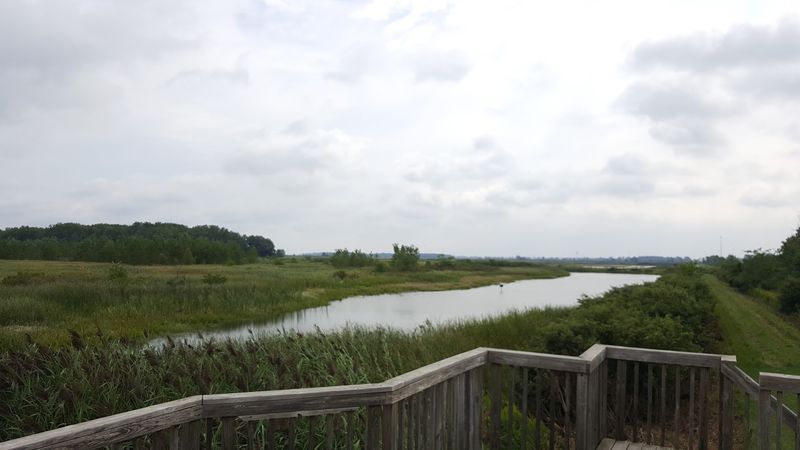
Freshwater estuary meets restored wetland in this sprawling 3,200-acre wonder near Vickery.
Sitting on the south shore of Sandusky Bay, it blends woods, brush, native grasslands, and flooded marsh into one rich patchwork.
That variety means every walk turns up something fresh and exciting.
From mid-summer through fall, this area really hits its stride. Shorebirds and herons steal the show, often gathering in big numbers when water levels create wide mudflats.
In a good year, you might spot every shorebird species that regularly passes through the state. Waterfowl pile in during migration too, including mallards, wood ducks, and various teal.
Watch for bald eagles, which nest nearby and show up throughout the year with commanding presence.
This spot is not just for bird lovers. Dikes crisscross the property, letting you walk for miles in search of songbirds, shorebirds, and waterfowl.
The area supports public hunting, fishing, and trapping, with a strong focus on wetland wildlife.
Botany fans have reasons to smile as well. The spectacular prairie fringed orchids bloom here in June, adding a splash of rare beauty.
With its high-quality estuarine habitat and constant surprises, Pickerel Creek gives you every reason to explore the wild side of Sandusky County. Pack a lunch and stay a while.
6. Pipe Creek Wildlife Area, Sandusky
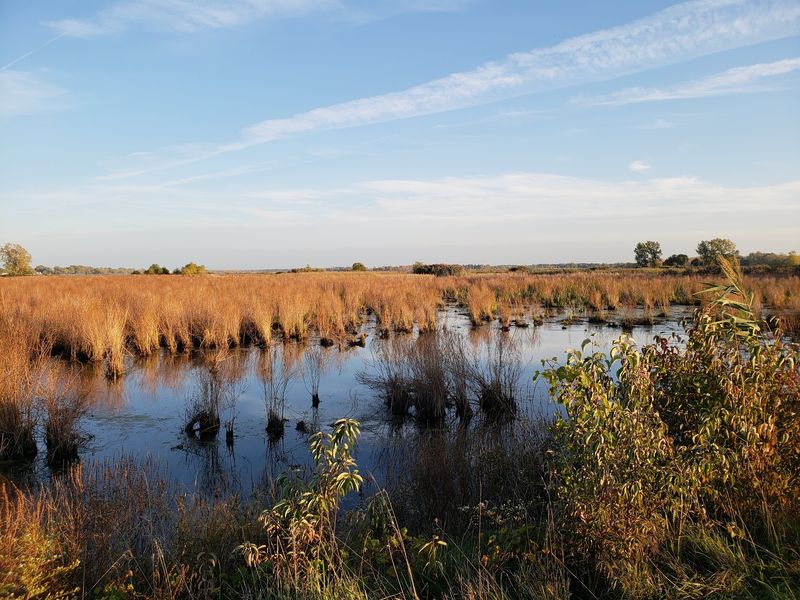
Right inside the city limits of Sandusky sits a clever little oasis born from careful wetland design.
This 97-acre ecosystem uses a series of dikes radiating from a central hub, forming four triangular cells that reach into Sandusky Bay.
It is living proof that thoughtfully built wetlands can become superb rest stops for long-distance travelers.
Birders adore the variety here, with waterfowl, shorebirds, herons, and other waterbirds showing up in nearly every season except deep winter.
Late summer and early fall shine brightest for shorebird fans. When mudflat conditions line up just right, you could tally a dozen or more species fueling up for their trip south.
The perimeter dikes give you raised views over the marshy cells and the open bay, so you can catch the constant turnover of migrants. A protected nesting colony of common terns adds extra ecological value.
Beyond birding, there is plenty to do. An EZ kayak launch makes paddling into the marsh a breeze, and anglers reel in channel catfish and bullheads.
The grassy gravel dikes double as walking trails, so comfy shoes are a smart call.
Whether you are scanning for eagles and egrets or simply soaking up the bay views, this pocket-sized preserve packs a big, rewarding punch.
7. Sheldon Marsh State Nature Preserve, Huron
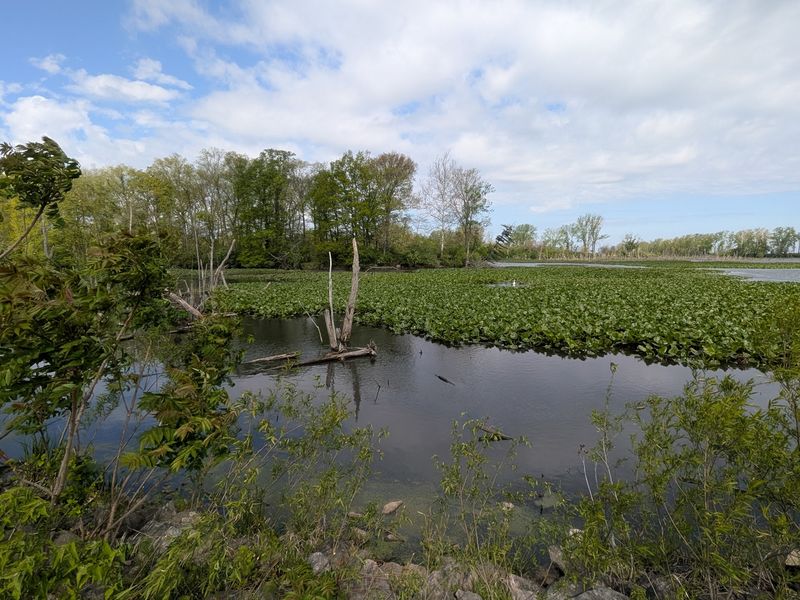
Craving a peaceful escape where many habitats collide? This 472-acre preserve in Huron delivers exactly that along the Lake Erie shoreline.
Upland fields, mature forests, swamp forests, cattail marshes, and a striking barrier sand beach all come together where the land meets open water. It is a beautiful reminder of the lake-marsh-forest world that once ruled this region, and nearly 300 bird species take shelter here.
Spring floods this place with neotropical migrants, yet late summer holds its own gentle magic. Migrating shorebirds probe the barrier beach, a landscape forever reshaped by waves and shifting sand.
The thick forest canopy and wet woods feed a nice mix of warblers and other songbirds during this stretch.
You might also greet summer residents like great blue herons, red-tailed hawks, and wood ducks, or catch the fiery bloom of cardinal flowers in the swamp.
Reaching the water is refreshingly simple. A flat, paved road runs about a mile from the parking lot straight to the shoreline.
Near the end, a short boardwalk leads to the mile-long barrier beach, perfect for scanning gulls, terns, and shorebirds. Observation platforms overlook the marsh for patient watchers.
Often overshadowed by bigger names to the west, this preserve quietly rivals any lakefront spot for sheer bird diversity.
8. Old Woman Creek National Estuarine Research Reserve, Huron
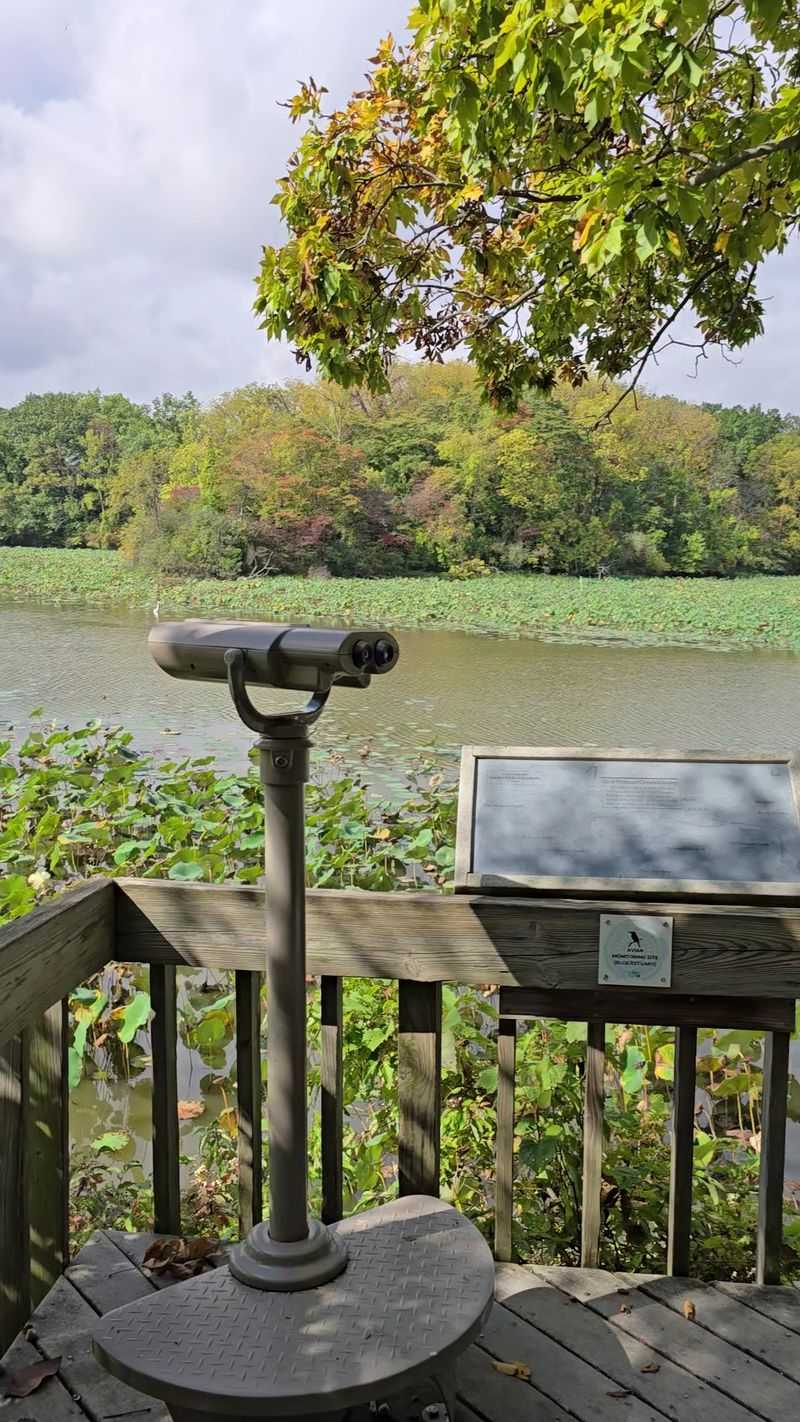
Here is a true ecological marvel hiding in Huron. This 573-acre reserve is one of the finest natural estuaries left in the state, where the fresh waters of Old Woman Creek blend with the fresh waters of Lake Erie.
That mingling creates an unusual environment, and it earned the honor of being the first freshwater estuary on the Great Lakes within the National Estuarine Research Reserve System.
The mix of marshland, open water, barrier beach, upland forest, and old crop fields draws a wonderful range of wildlife.
During late summer and early fall, trees and shrubs offer rest and food for migrating waterfowl, shorebirds, hawks, and warblers. The barrier beach is a prime perch for spotting shorebirds and waterfowl, while bald eagles and ospreys hunt overhead.
Roughly three miles of hiking trails weave through oak-hickory forest, scrub shrub, and prairie, giving you varied views of this living laboratory.
An accessible observation deck opens up sweeping vistas across the estuary and creek, ideal for watching wetland birds.
The onsite Coastal Wetland Studies Visitor Center adds interactive exhibits and live animals, making it a fun stop for all ages.
Canoeing and kayaking are allowed, though you will need an access permit, a small rule that helps protect this delicate and truly special place.
9. Great Egret Marsh Nature Preserve, Lakeside Marblehead
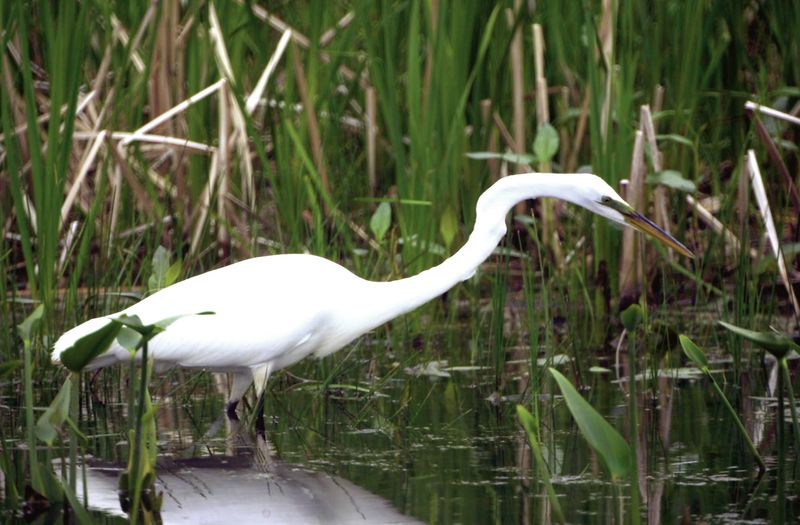
Get ready to fall for the graceful residents of this 150-acre haven on the Lakeside Marblehead peninsula in Ottawa County.
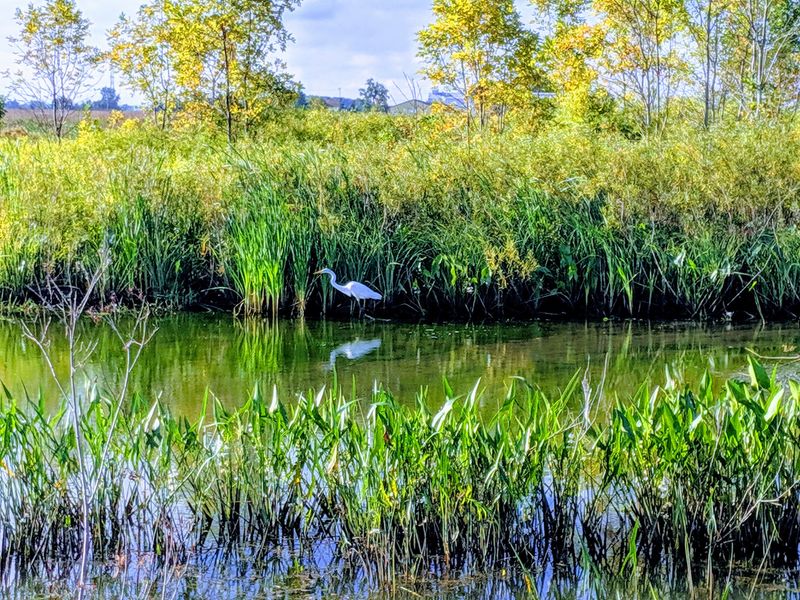
Each summer, its classic Lake Erie marsh becomes carpeted with water lotus, creating a dreamy backdrop for the wildlife. As the name hints, this is a favorite gathering spot for elegant great egrets, which often crowd the shallow waters in impressive numbers.
Late summer is a fantastic window to watch the marsh fill with waterfowl and wading birds. Great egrets stay year-round, but their crowds swell as other waterfowl begin their travels.
The shallow water makes an ideal buffet for these tall white beauties, and their reflections offer endless photo chances and quiet moments of wonder.
Egrets are not the only guests, though, since many other waterfowl lean on this marsh before heading out.
The preserve welcomes the public with plenty to do. An easy 1.2-mile loop trail leads through marsh and upland for a pleasant walk.
Birdwatching tops the list, but you can also fish from the trails or explore the waterways by kayak or canoe using the small boat launch.
The first 0.4 miles of trail, out to the initial overlook, are ADA accessible, so more visitors can enjoy the lotus-filled views. Peaceful and picture-perfect, this marsh is a coastal treat.
10. Mentor Marsh State Nature Preserve, Mentor
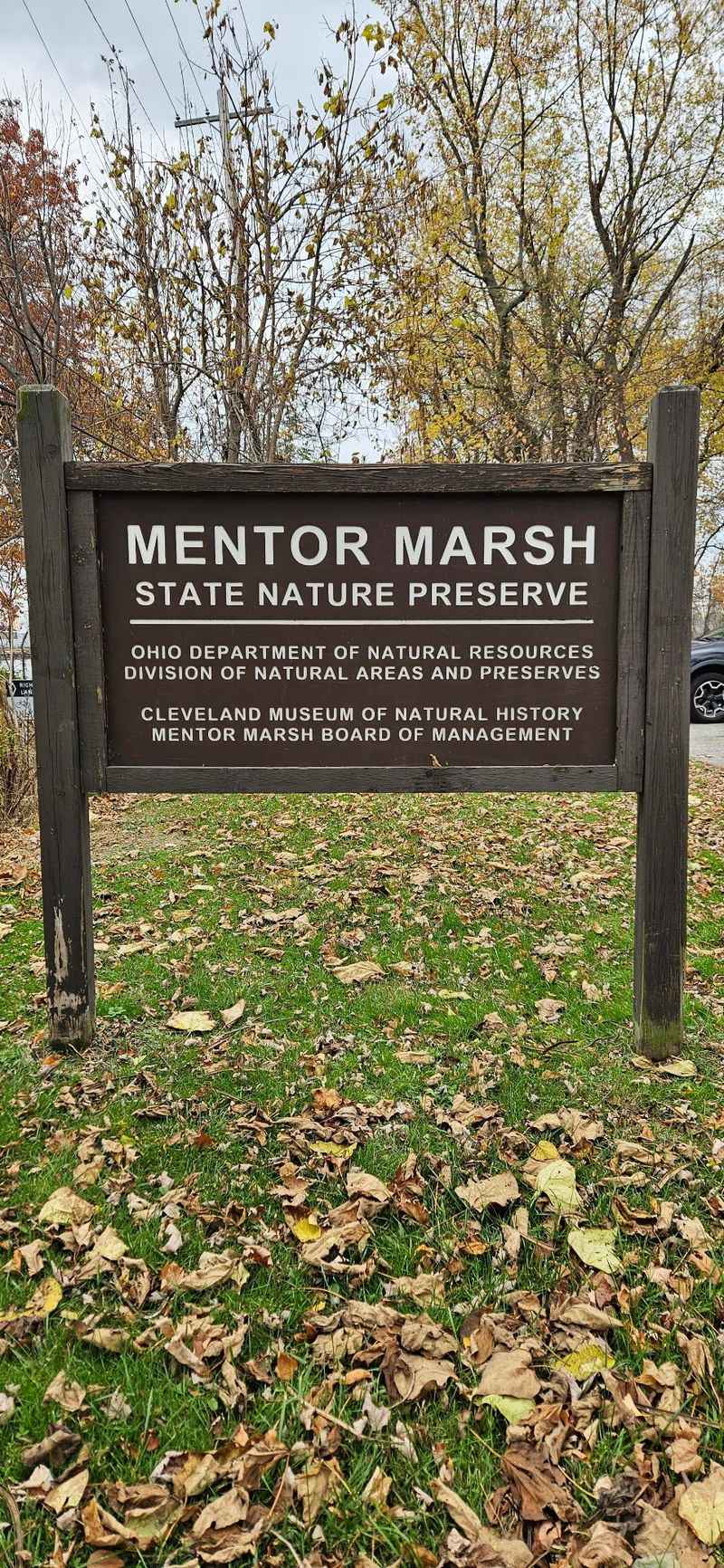
History and habitat blend beautifully at this landmark in Mentor. As the very first state nature preserve in Ohio, it holds a proud place in the region’s conservation story.
Named a National Natural Landmark back in 1966, it fills an ancient abandoned channel of the Grand River and ranks among the largest natural marshes left along the Lake Erie shore. An inspiring restoration project keeps working to push back invasive plants and welcome native ones home.
This marsh is recognized as a National Audubon Society Important Birding Area, and it earns that title. Late summer transforms it into a vital rest stop for wading birds, waterfowl, and shorebird migrants.
As the season rolls on, growing flocks pause here to refuel. The restoration, which removed aggressive common reed and replanted native species, brought back rare marsh birds like American and Least Bitterns, plus various rails now nesting again.
The preserve offers four miles of trails through a rare mixed oak swamp forest and higher beech-sugar maple woods.
Restroom access depends on where you enter the preserve, with facilities available at the Carol H. Sweet Nature Center when it is open.
The Nature Center also offers Sunday programs and guided hikes during much of the year.
Next door, Mentor Lagoons Nature Preserve adds more trails, an undeveloped beach, and lagoon kayaking. This resilient marsh is a stirring place to witness migration unfold.