
14 Ohio Museums To Visit This March For A Day Of Beauty And Culture
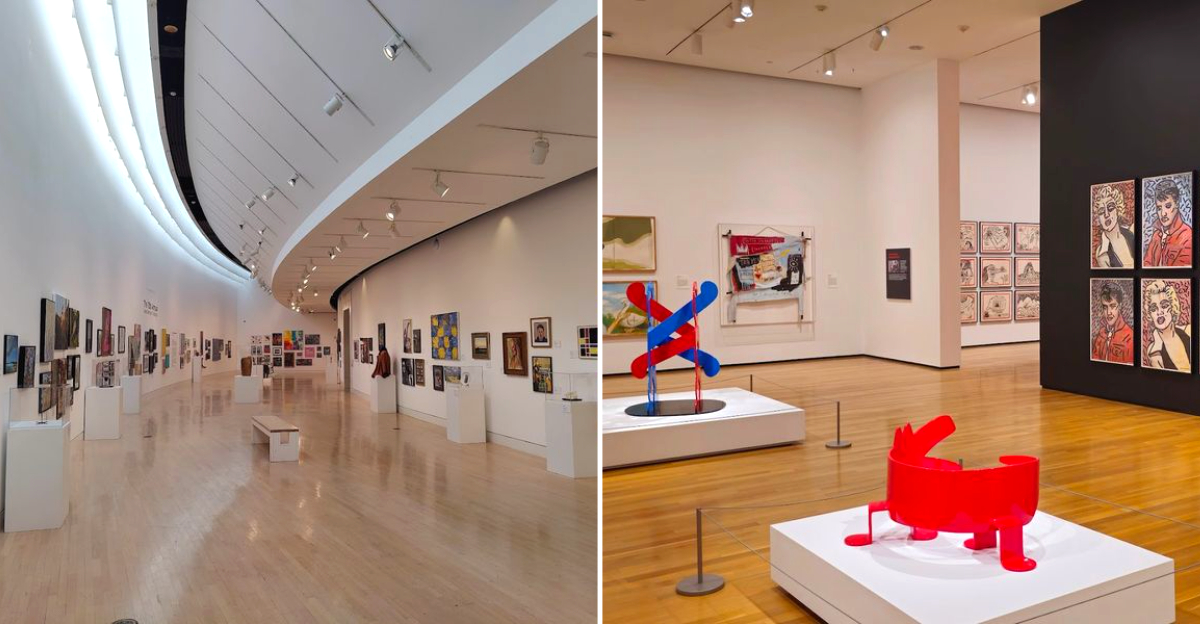
March in Ohio has a funny way of making me want to swap gray sidewalks for quiet galleries and sunlit museum halls. It is a great month to wander through some of the state’s most remarkable museums, where striking art, layered history, and beautiful spaces can turn an ordinary day into something far more memorable.
These 14 museums make it easy to plan a day that feels thoughtful, interesting, and genuinely rewarding, whether you are heading out on your own, spending time with family, or making an afternoon of it with someone special.
Put on comfortable shoes, bring a little curiosity, and enjoy a spring outing that delivers far more than just a way to pass the time.
1. Cleveland Museum of Art, Cleveland
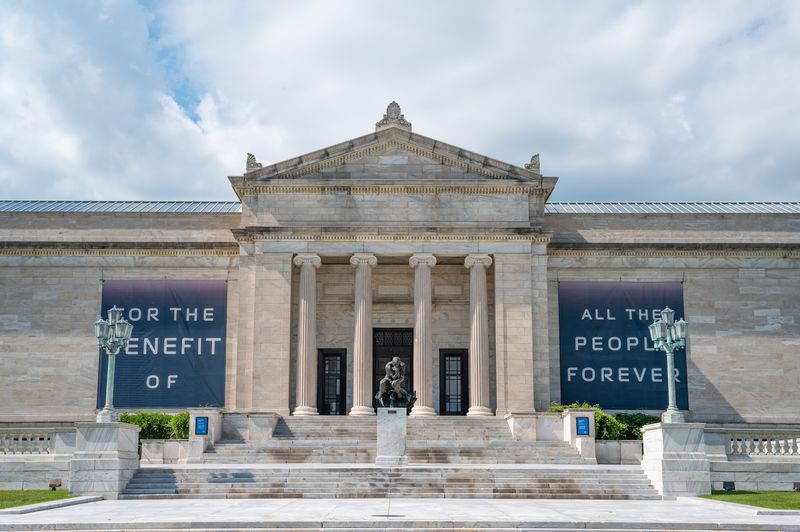
Few art museums in the entire country can rival the sheer scope and beauty of what awaits you at 11150 East Boulevard in Cleveland, Ohio.
The Cleveland Museum of Art holds one of the most impressive permanent collections in the world, with over 61,000 works spanning 6,000 years of human creativity.
You will find everything here from ancient Egyptian artifacts to stunning Renaissance paintings to bold contemporary installations.
March is a wonderful time to visit because the museum often features special exhibitions that rotate in early spring, giving even repeat visitors fresh reasons to return.
Admission to the permanent collection is free, which makes this stop incredibly accessible for families, students, and solo travelers on a budget.
The building itself is a work of art, with its neoclassical facade and a beautifully designed atrium that floods the interior with natural light.
Plan to spend at least three to four hours here, and do not skip the medieval armor collection on your way out.
2. Toledo Museum of Art, Toledo
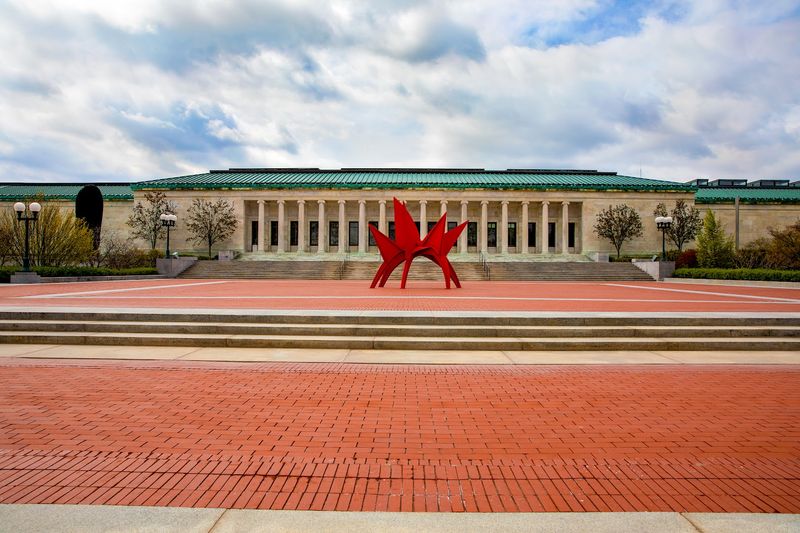
Glass has a story to tell, and nowhere does it speak more clearly than at the Toledo Museum of Art, located at 2445 Monroe Street in Toledo, Ohio.
Toledo has long been known as a hub of glassmaking, and this museum leans fully into that legacy with its spectacular Glass Pavilion, a stunning structure made almost entirely of curved glass walls.
Inside, you will find one of the finest glass art collections in the world, featuring works that range from ancient Roman vessels to modern sculptural pieces that seem to defy physics.
Beyond glass, the museum’s permanent collection includes an outstanding array of paintings, sculptures, and decorative arts from cultures around the globe.
Best of all, admission to the Toledo Museum of Art is completely free, making it one of the most generous cultural institutions in Ohio.
March visitors often enjoy the quieter crowds compared to summer, giving you plenty of breathing room to truly absorb each piece.
The architecture alone will stop you in your tracks the moment you arrive.
3. Columbus Museum of Art, Columbus
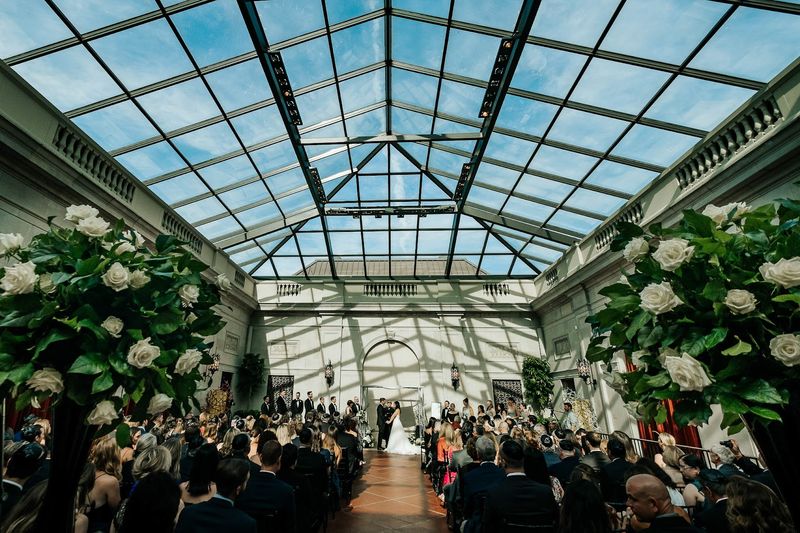
Creativity is practically built into the walls at the Columbus Museum of Art, located at 480 East Broad Street in Columbus, Ohio.
This vibrant museum is known for celebrating both traditional fine art and imaginative, boundary-pushing works that challenge what art can be.
One of its most beloved spaces is the Wonder Room, a hands-on, interactive gallery designed to inspire curiosity and creativity in visitors of all ages, not just kids.
The permanent collection features an impressive range of American and European works, along with a strong focus on Midwest artists whose voices often go unheard on the national stage.
March tends to bring rotating special exhibitions, so checking the museum’s calendar before your visit is always a smart move.
The on-site restaurant, Schokko Art Cafe, offers a lovely spot to recharge between galleries without ever leaving the building.
Columbus itself is a lively, walkable city, and the museum sits right in the heart of its cultural district, making it easy to pair your visit with other nearby attractions.
4. Cincinnati Art Museum, Cincinnati
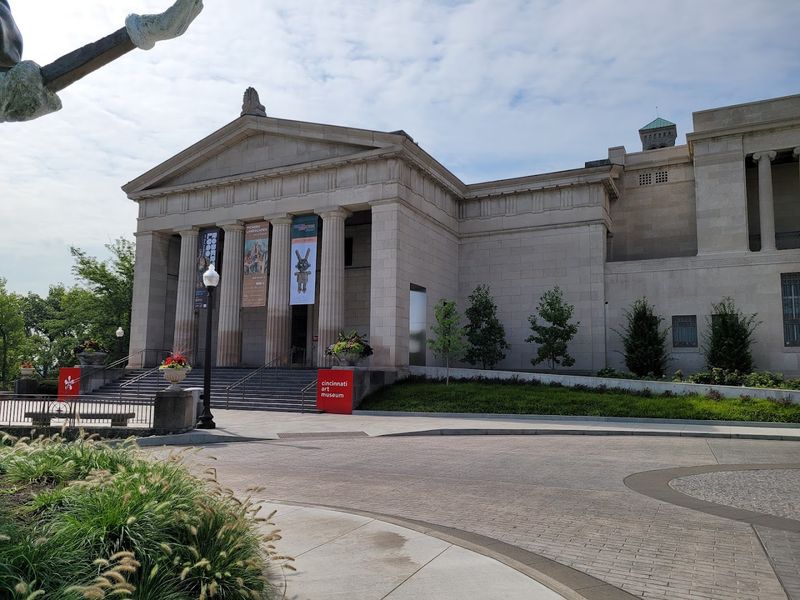
Perched beautifully in Eden Park at 953 Eden Park Drive, the Cincinnati Art Museum enjoys one of the most scenic settings of any art institution in the Midwest.
Founded in 1881, it is one of the oldest art museums in the United States, and its collection of over 67,000 works reflects that long, storied history.
You can spend an afternoon wandering through galleries dedicated to ancient art, African works, European masters, and a particularly strong collection of decorative arts and fashion.
The museum’s free general admission policy makes it a favorite among Cincinnati locals and travelers alike, and March offers a calm, uncrowded atmosphere that summer visits simply cannot match.
The park surrounding the building is a lovely bonus, especially on a mild March afternoon when the early signs of spring start to appear in the trees and flower beds.
Special ticketed exhibitions rotate throughout the year, so there is almost always something new to discover alongside the permanent galleries.
This place rewards slow, unhurried visits where you let the art find you.
5. Dayton Art Institute, Dayton
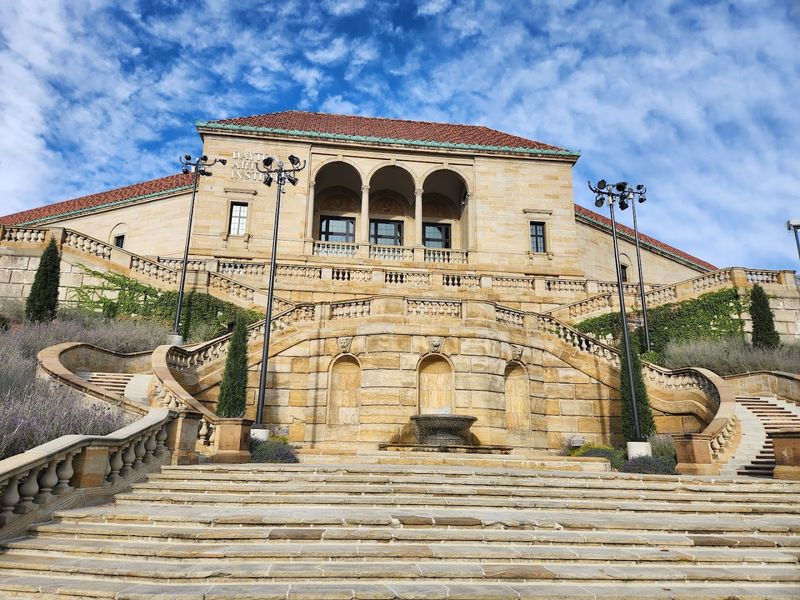
Sitting proudly on a hilltop at 456 Belmonte Park North in Dayton, Ohio, the Dayton Art Institute is the kind of place that makes you feel like you have traveled to another era the moment you step through its doors.
The building itself is modeled after an Italian Renaissance villa, and the architecture is so striking that it could easily be a destination on its own, even before you see a single painting.
Inside, the collection spans thousands of years and dozens of cultures, with particularly strong holdings in Asian art, European painting, and American works from the 19th and 20th centuries.
The museum frequently hosts community events and educational programs in March, making it a lively spot that hums with energy even during the quieter late-winter months.
Kids tend to love the Experiencenter, an interactive learning space tucked into the museum where hands-on activities bring art history to life in fun, accessible ways.
The Dayton Art Institute also offers free general admission on certain days, so checking their schedule ahead of time can save you a few dollars.
6. Akron Art Museum, Akron
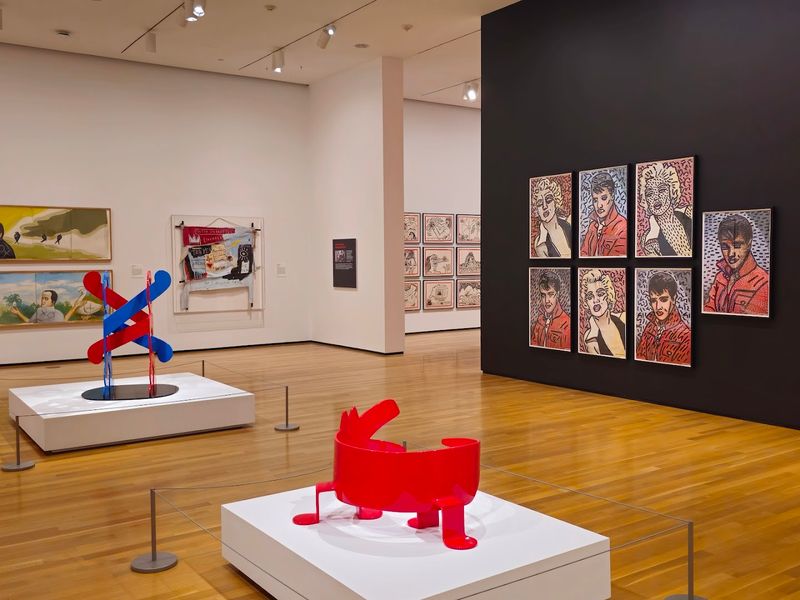
Bold, modern, and unapologetically cool, the Akron Art Museum at 1 South High Street in Akron, Ohio, is a building that announces itself loudly before you even walk inside.
The striking contemporary structure, completed in 2007, features a dramatic glass and steel design that has become one of the most recognizable architectural landmarks in northeast Ohio.
Inside, the focus is squarely on modern and contemporary art, with a permanent collection that highlights photography, new media, and works by artists connected to the region.
The museum does a particularly fine job of showcasing photography as a serious art form, with holdings that span the history of the medium from its earliest days to cutting-edge digital work.
March is a great time to explore because the museum’s programming calendar often includes artist talks, workshops, and special events that give visitors a deeper connection to the work on display.
Downtown Akron surrounds the museum with coffee shops, restaurants, and other cultural spots, making it easy to turn your visit into a full afternoon out.
This museum rewards visitors who enjoy art that asks big questions.
7. Canton Museum of Art, Canton
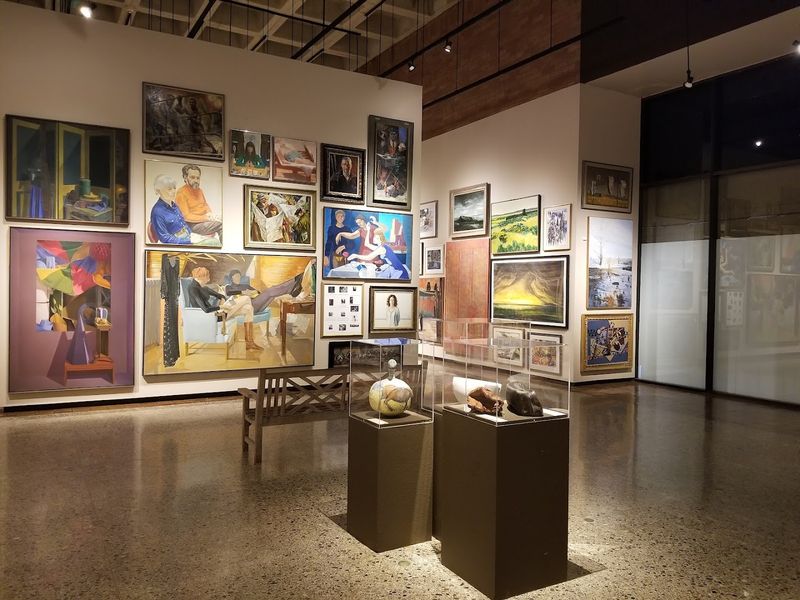
Right in the heart of downtown Canton at 1001 Market Ave N, the Canton Museum of Art has been a cornerstone of the local arts community for decades.
What makes this museum particularly special is its warm, community-focused atmosphere, which feels less like a formal institution and more like a place where art genuinely belongs to everyone.
The permanent collection features a strong emphasis on American watercolors and ceramics, two areas where the museum has built a collection of real national significance.
Rotating exhibitions bring fresh perspectives throughout the year, and March often sees new shows opening just as the season begins to shift, giving visitors timely and thought-provoking content.
The museum also runs an active schedule of classes and workshops for all skill levels, so if you feel inspired mid-visit, you can sign up and start creating your own work.
Canton itself is best known as the home of the Pro Football Hall of Fame, but the art museum proves that this city has plenty of cultural depth beyond the gridiron.
Plan a relaxed two-hour visit and let the watercolors surprise you.
8. Allen Memorial Art Museum, Oberlin
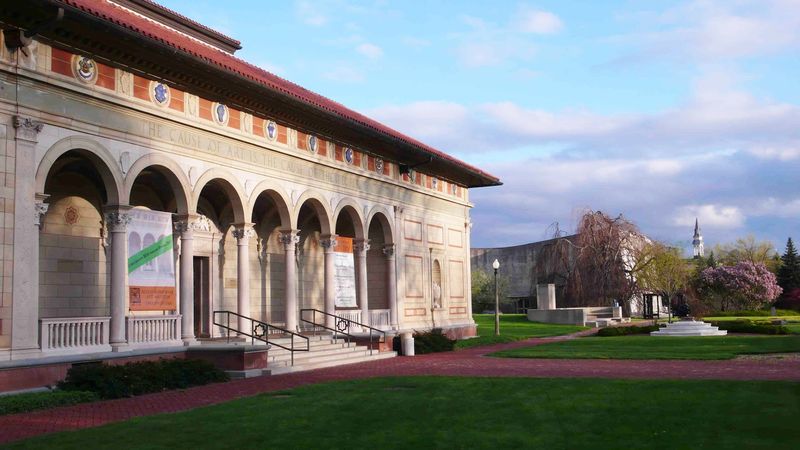
Tucked inside the charming college town of Oberlin, Ohio, the Allen Memorial Art Museum at 87 North Main Street is one of the finest small art museums in the entire United States.
Affiliated with Oberlin College, this museum punches well above its weight with a collection of over 14,000 works that includes Old Master paintings, Japanese prints, African art, and significant holdings of Dutch and Flemish works from the 17th century.
The building, designed in an Italian Renaissance style, is gorgeous inside and out, and the peaceful campus setting makes a visit here feel like a proper escape from the noise of daily life.
Admission is free, which feels almost too good to be true given the quality of what you will find inside.
March is a lovely month to visit Oberlin, as the campus begins to wake up with spring energy and the surrounding town offers cozy cafes and bookshops to round out your day.
The museum also hosts rotating exhibitions drawn from its impressive study collection, so there is always something new to discover alongside the permanent galleries.
This one is a true hidden treasure in Ohio’s cultural landscape.
9. The Butler Institute of American Art, Youngstown
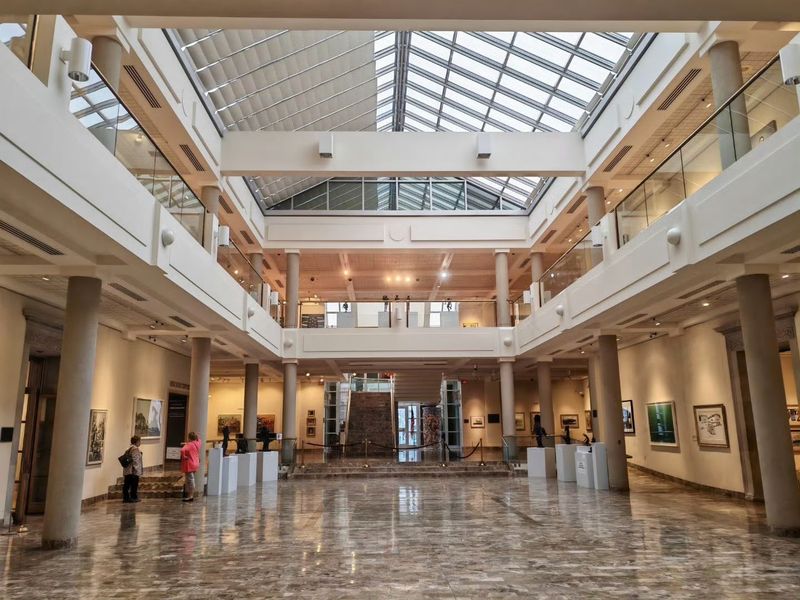
American art has a dedicated home in Youngstown, Ohio, and it has had one since 1919, making the Butler Institute of American Art at 524 Wick Avenue one of the oldest museums in the country devoted exclusively to American artistic tradition.
The collection spans centuries of American creativity, from early colonial portraits to Hudson River School landscapes, Ashcan School paintings, and works by major 20th-century figures like Winslow Homer and Mary Cassatt.
The neoclassical building is handsome and inviting, and the interior galleries are laid out in a way that makes the history of American art feel like a natural, flowing story rather than a dry textbook exercise.
Admission is free, which is a remarkable gift to the Youngstown community and to visitors from across the state.
March visitors will find a calm, unhurried environment where you can spend real time with each work without feeling rushed by summer crowds.
The museum also hosts educational events and community programming throughout the year, keeping it lively and relevant well beyond its historic walls.
Come for the Winslow Homer, stay for everything else you did not expect to love.
10. Springfield Museum of Art, Springfield
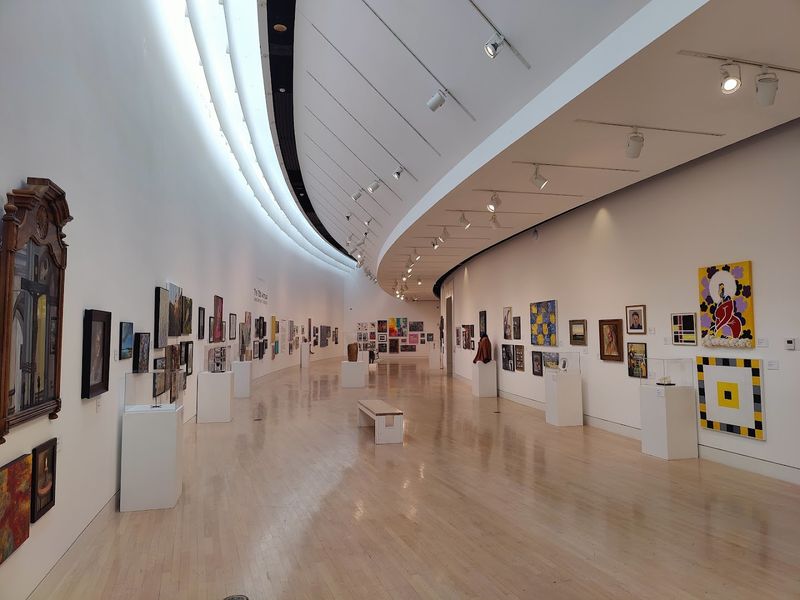
Nestled along the banks of Buck Creek at 107 Cliff Park Road in Springfield, Ohio, the Springfield Museum of Art combines a lovely natural setting with a genuinely impressive collection that surprises most first-time visitors.
The museum’s holdings include over 1,300 works, with particular strengths in 19th and 20th century American painting, prints, and drawings that tell the story of American artistic development with real clarity and depth.
European works also feature prominently, and the mix of styles and periods makes each gallery feel like a new chapter in a very long, fascinating story.
March is an ideal time to visit because the museum’s calendar often includes new rotating exhibitions and community events that bring fresh energy to the space.
The location near Cliff Park is a bonus, as a short walk outside after your museum visit rewards you with scenic views of the creek and the early stirrings of spring color in the surrounding trees.
Admission is modest, with a small fee for most adult visitors and free or reduced entry for some groups, so checking current rates before you go is a smart idea that helps you plan your stop.
Springfield may be a smaller city, but its museum makes a genuinely big impression.
11. Decorative Arts Center of Ohio, Lancaster
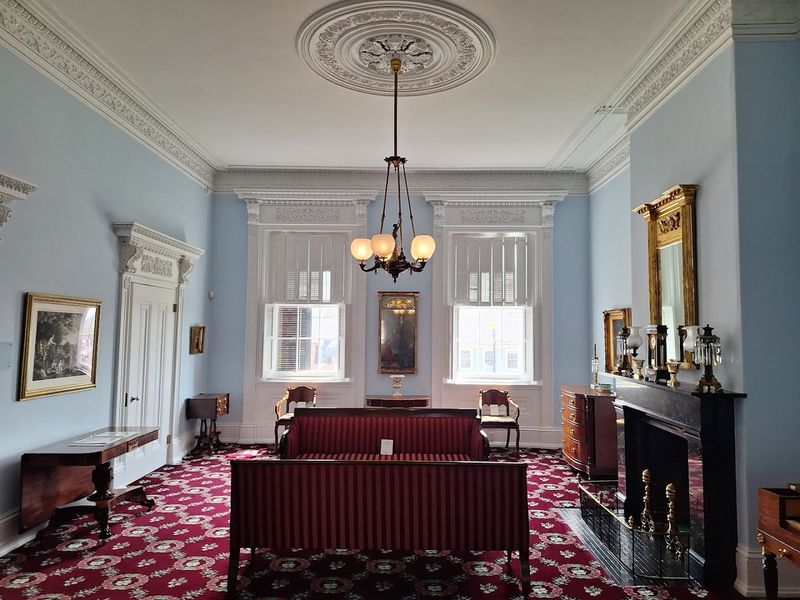
If you have ever thought decorative arts were just fancy furniture and old dishes, a visit to the Decorative Arts Center of Ohio at 145 E. Main St. in Lancaster, Ohio, will completely change your mind.
Housed in two beautifully preserved historic buildings in downtown Lancaster, this museum celebrates the art found in everyday objects, from stunning ceramics and textiles to intricate glasswork and masterfully crafted furniture.
The center places a strong emphasis on Ohio-made decorative arts, shining a well-deserved spotlight on the craftspeople and artisans whose work helped define the region’s cultural identity over the past two centuries.
Rotating exhibitions keep the programming fresh and relevant, and March often brings new shows that connect historical craft traditions with contemporary makers working in similar mediums today.
Admission is free, and the welcoming, unhurried atmosphere makes this a wonderful choice for a quiet, reflective afternoon away from the usual hustle.
Lancaster itself is a charming small city with a walkable downtown full of local shops and eateries that pair perfectly with a museum visit.
The Decorative Arts Center proves that beauty lives in the details, always.
12. Zanesville Museum of Art, Zanesville
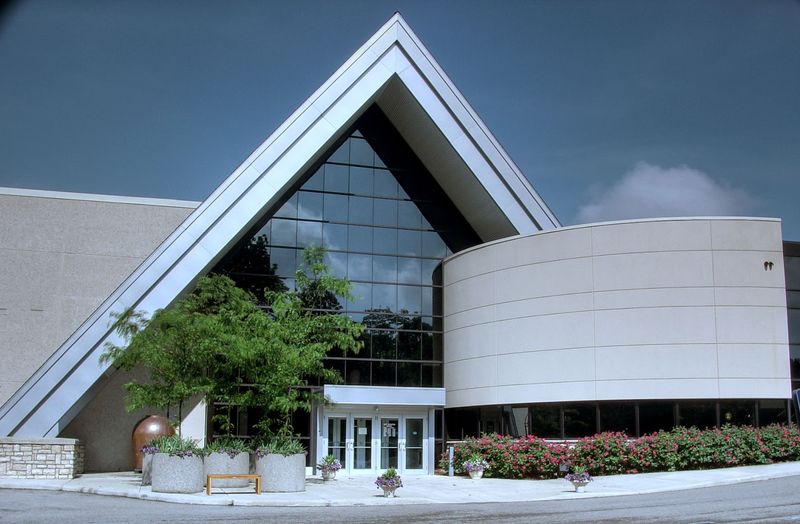
Zanesville, Ohio, has a long and proud artistic heritage, and the Zanesville Museum of Art at 620 Military Road is the institution that keeps that tradition alive and thriving.
Founded in 1936, the museum has grown into a respected regional art center with a collection that includes American paintings, sculpture, and a particularly notable focus on Zanesville pottery, a craft tradition that put this small Ohio city on the cultural map long ago.
The pottery collection alone is worth the trip, offering a window into a local craft industry that flourished in the late 19th and early 20th centuries and produced work of genuine artistic distinction.
Rotating exhibitions bring contemporary voices into conversation with the museum’s historic holdings, creating a dynamic dialogue between past and present that keeps every visit feeling current.
March is a pleasant time to explore Zanesville, as the city’s historic downtown and the Y-Bridge, a genuinely unusual three-way bridge, offer fun sightseeing opportunities to complement your museum day.
Admission is free, and the staff is known for being warm, knowledgeable, and genuinely enthusiastic about sharing the museum’s collections with visitors.
13. University of Findlay’s Mazza Museum, Findlay
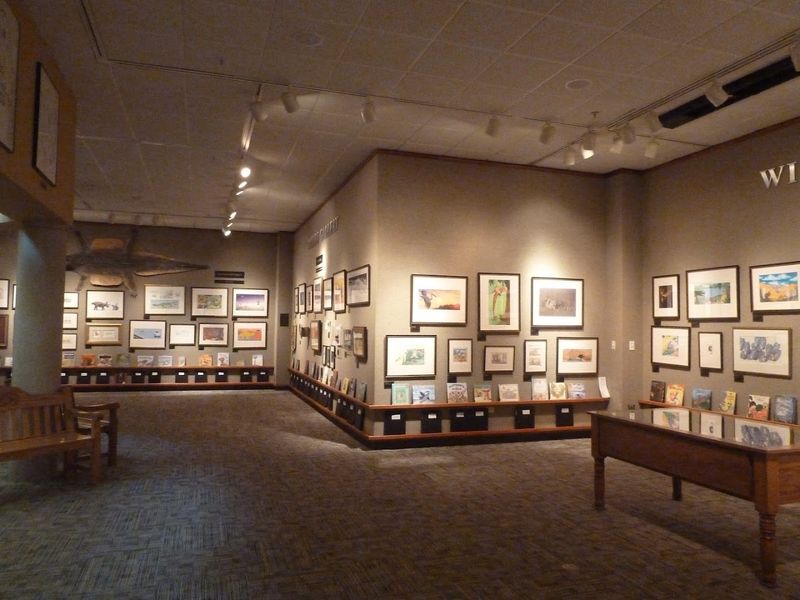
There is only one museum in the world dedicated exclusively to fine art from international children’s picture books, and it happens to be right here in Ohio at 201 College Street in Findlay.
The Mazza Museum at the University of Findlay is a genuinely one-of-a-kind institution, housing original paintings, sketches, and illustrations from some of the most beloved children’s books ever published.
Artists like Eric Carle, Leo Lionni, and Maurice Sendak are represented in the collection, and seeing their original artwork up close after a childhood spent with their books is a quietly moving experience for visitors of any age.
The museum is a wonderful choice for families with children, but adults who grew up loving picture books will find it just as meaningful, if not more so.
March visits are particularly enjoyable because the university campus has a lively spring energy, and the museum often hosts events and gallery talks tied to its current exhibitions.
Findlay is a friendly small city in northwest Ohio with a comfortable, easy pace that makes the whole day feel relaxed and unhurried.
Bring your inner child and let the illustrations do the rest.
14. National Afro-American Museum and Cultural Center, Wilberforce
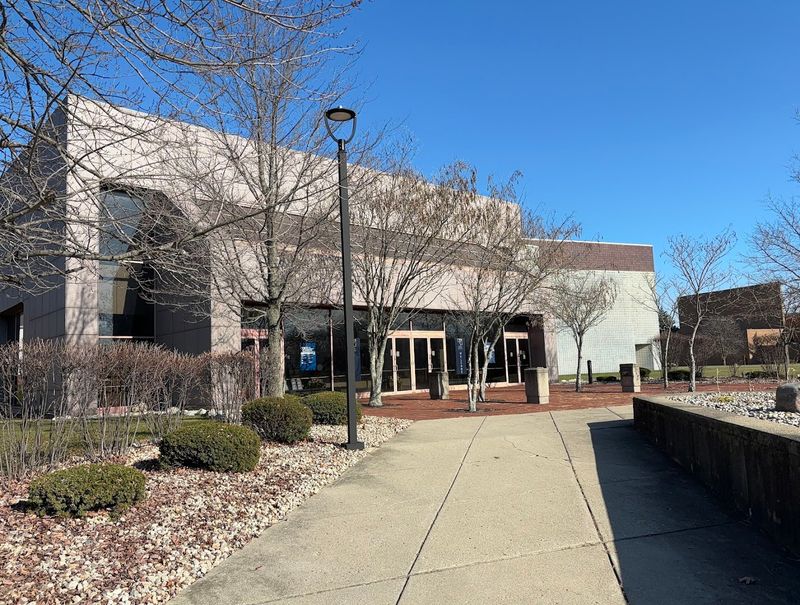
History, resilience, and cultural pride converge at the National Afro-American Museum and Cultural Center, located at 1350 Brush Row Road in Wilberforce, Ohio, a small town with an outsized role in African American history.
This Smithsonian-affiliated institution is one of the most important cultural museums in the entire state, dedicated to preserving and celebrating the contributions of African Americans to the history, culture, and identity of the United States.
The permanent exhibitions trace the African American experience from the era of enslavement through the Civil Rights Movement and into the present, presenting this history with honesty, depth, and profound respect.
Rotating special exhibitions explore specific themes, artists, and historical moments in greater detail, ensuring that return visits always offer new layers of understanding and reflection.
Wilberforce itself has deep historical significance as the home of Wilberforce University, the oldest private historically Black university in the country, which adds meaningful context to any visit.
March, which includes the tail end of Black History Month programming and the beginning of spring cultural events, is a particularly rich time to make the trip.
This museum does not just tell history; it honors it with every exhibit on display.