
12 Ohio Prairie And Meadow Walks That Look Beautiful In July
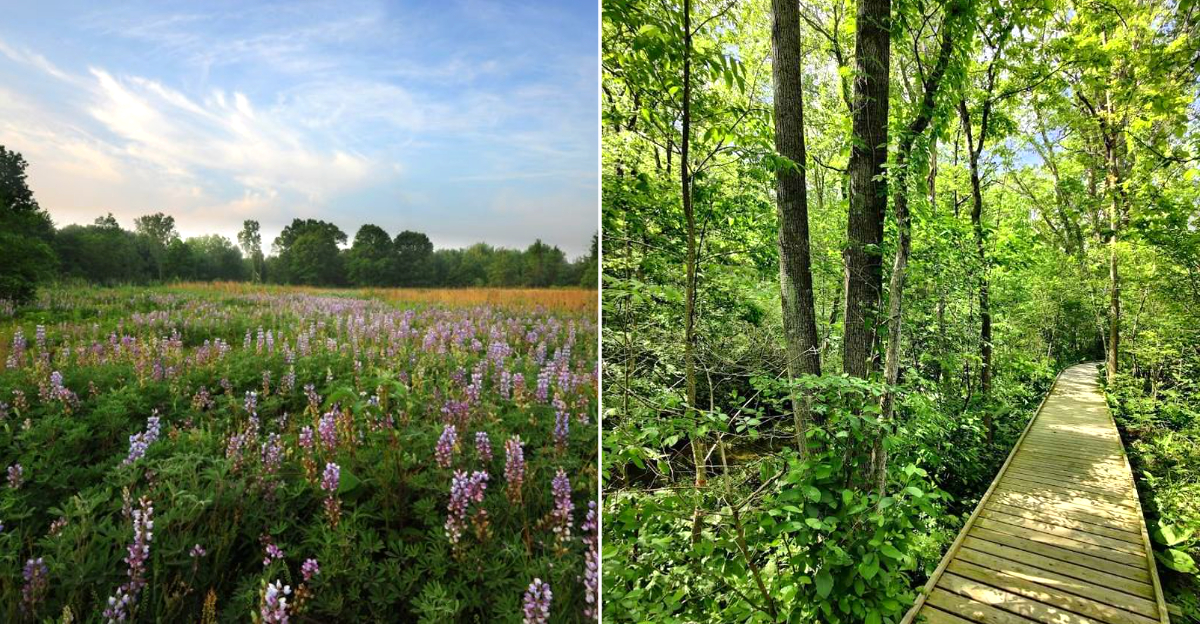
July is when Ohio meadows stop being polite little patches of green and start showing off.
One minute you are taking a simple walk, and the next you are standing between tall grasses, wildflowers, and butterflies acting like they own the place.
Is it dramatic to plan a whole outing around prairie blooms? Maybe.
Is it also completely reasonable when the trails look this good? Absolutely.
These 12 Ohio prairie and meadow walks are made for slow wandering, sunny detours, and that very specific summer mood where even your sneakers feel optimistic.
1. Oak Openings Preserve Metropark, Whitehouse
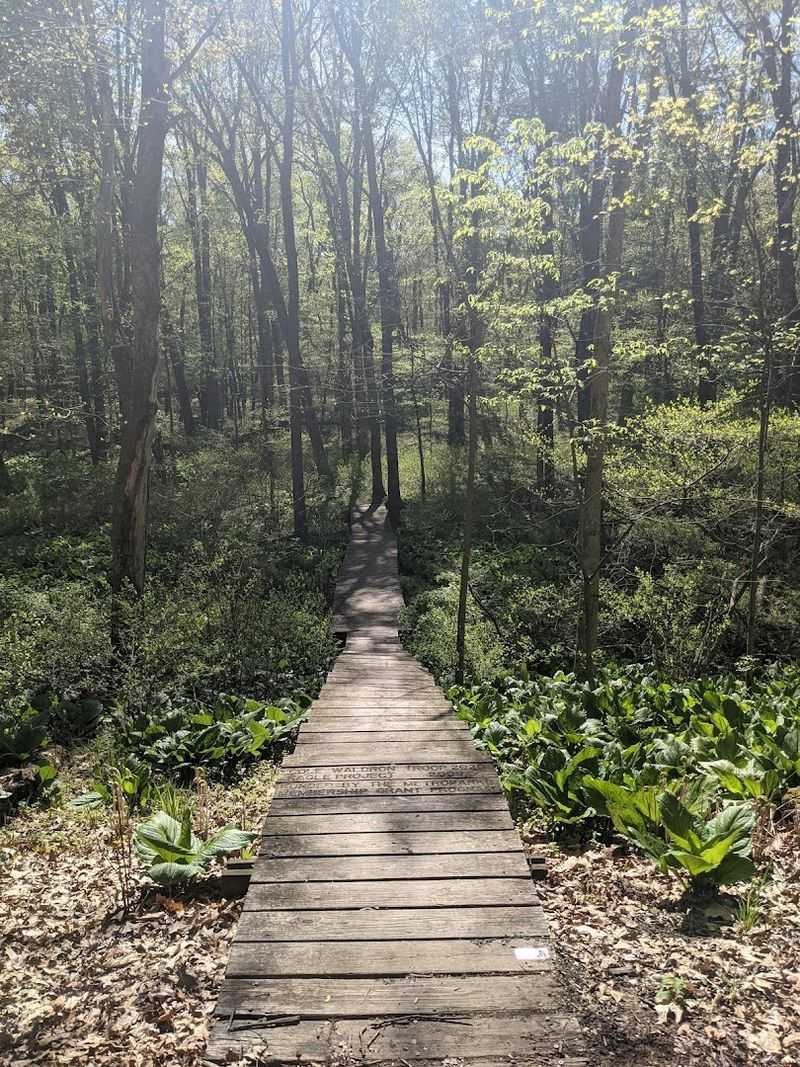
Few places in the entire Midwest can match the ecological drama packed into Oak Openings Preserve Metropark, tucked just outside Whitehouse, Ohio.
This sprawling preserve covers more than 4,000 acres and shelters one of the rarest plant communities in the country, an oak savanna and prairie landscape that feels almost otherworldly in July.
The sandy soils here support a wild mix of blazing star, black-eyed Susans, and prairie grasses that sway in the summer breeze like a slow-motion wave.
Trails range from easy paved loops to rugged natural paths, so whether you are a casual stroller or a dedicated hiker, there is a route that fits your pace.
July is prime time because the wildflowers are fully open and the bird activity is incredible, with species like the red-headed woodpecker making regular appearances.
Pack some water, bring a camera, and give yourself at least two hours to really soak in the scenery.
The preserve is managed by the Metroparks of the Toledo Area and offers free admission year-round.
2. Kitty Todd Nature Preserve, Swanton
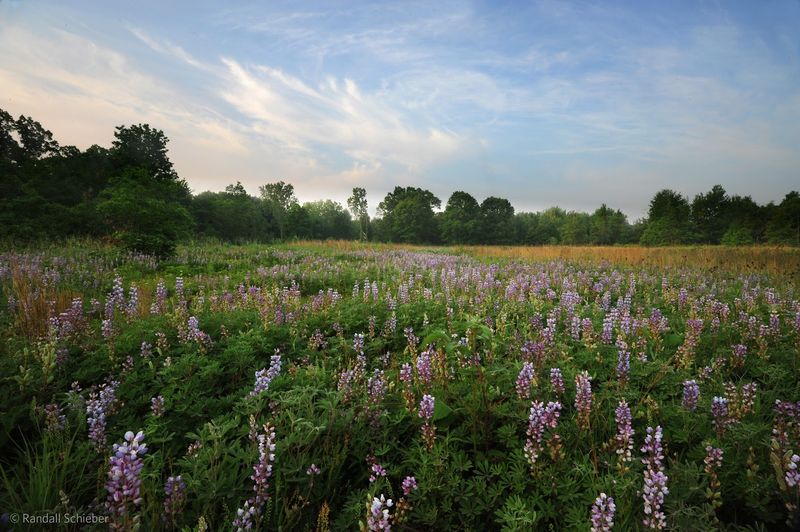
Right next door to Oak Openings but with its own distinct personality, Kitty Todd Nature Preserve in Swanton, Ohio, is a botanical treasure that rewards slow walkers.
Managed by The Nature Conservancy, this 900-plus-acre preserve protects outstanding examples of globally rare black oak savanna, Midwest sand barrens, wet prairie, and other Oak Openings habitats.
July is when the show really gets going, with native prairie and savanna plants creating a colorful, textured landscape across the open areas and sandy soils.
The trail system here is relatively modest in length, but what it lacks in mileage it more than makes up for in ecological richness.
Butterflies are absolutely everywhere in July, and if you are into pollinator watching, you could easily spend an entire afternoon here without looking at your phone once.
The sandy, well-drained soils that define this preserve are part of the geological legacy left behind by ancient Lake Erie, which adds a cool layer of history to every step you take.
Wear sturdy shoes and bring insect repellent for a comfortable visit.
3. Irwin Prairie State Nature Preserve, Holland
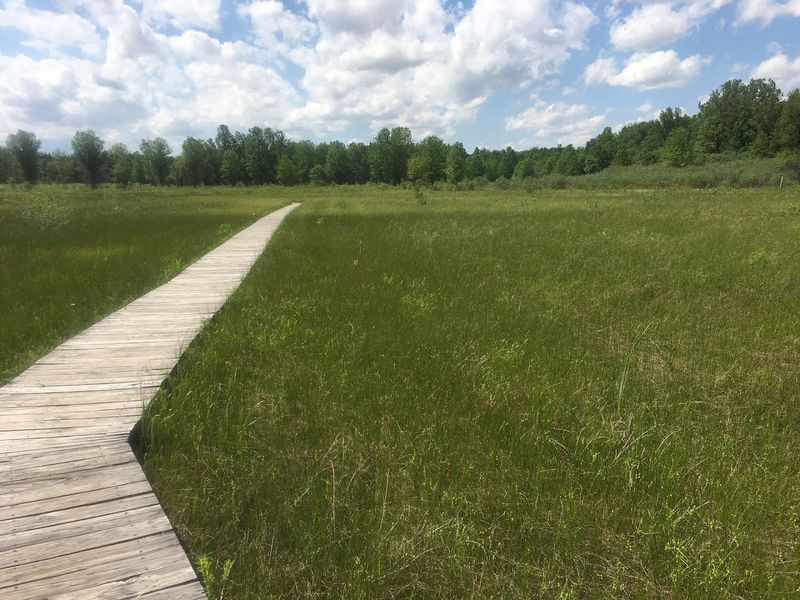
Boardwalks are usually found at beaches. However, Irwin Prairie State Nature Preserve near Holland, Ohio, uses one to float you right through a wet sedge meadow and wet prairie landscape that is genuinely unlike anything else in the state.
This preserve protects a rare wetland community, and in July, the landscape is full of sedges, rushes, wetland grasses, and summer wildflowers that thrive in this soggy, mineral-rich environment.
The wooden boardwalk keeps your feet dry while giving you an up-close look at plants and insects that depend on this specialized habitat.
Because wet prairies and sedge meadows are so uncommon in Ohio, visiting Irwin Prairie feels like stepping into an ecological time capsule.
The preserve is small, but the density of interesting species per square foot is remarkable, making it ideal for photographers and nature journalers.
Plan your visit for a weekday morning when the light is soft and the crowds are thin.
Access is free, and the preserve is maintained by the Ohio Department of Natural Resources, which keeps the trails in good condition throughout the summer season.
4. Cedar Bog Nature Preserve, Urbana
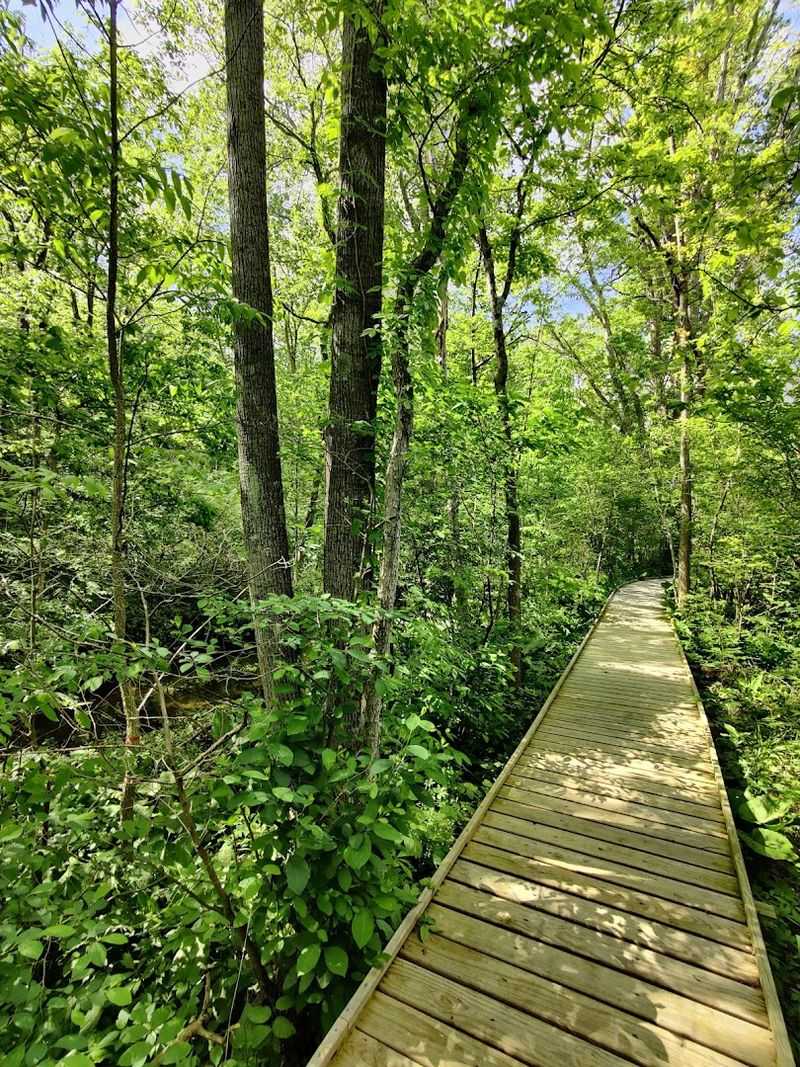
Despite its name, Cedar Bog is actually a fen, not a bog, and that small scientific distinction makes it one of the most extraordinary natural areas in all of Ohio.
Located near Urbana, this state nature preserve harbors plant species that have been growing here since the last Ice Age, making every step along the boardwalk trail feel genuinely significant.
July is a fantastic month to visit because the prairie and meadow sections surrounding the fen are alive with color, featuring queen of the prairie, swamp rose, and various native orchids that bloom in subtle but stunning shades.
The boardwalk is well-maintained and easy to walk, making Cedar Bog accessible for visitors of most fitness levels.
Guided tours are available through the Ohio History Connection, and I highly recommend booking one because the depth of knowledge the naturalists share transforms a pleasant walk into a memorable learning experience.
The preserve is a National Natural Landmark, which tells you everything you need to know about how special this place really is.
Bring binoculars for spotting dragonflies and nesting birds along the way.
5. Battelle Darby Creek Metro Park, Galloway
Tallgrass prairie once covered millions of acres across the American heartland.
Battelle Darby Creek Metro Park in Galloway, Ohio, is one of the best places in the state to reconnect with that vanished landscape.
The park contains one of the largest restored tallgrass prairies in Ohio, and in July, the big bluestem and Indian grass tower overhead while coneflowers and prairie dock bloom in brilliant orange and yellow.
Walking the prairie loop trail here in midsummer feels genuinely immersive because the grasses grow tall enough to surround you on both sides, creating a corridor of green that hushes the outside world.
The park also borders Darby Creek, so the trail system weaves between prairie, woodland, and riparian habitats, giving you a satisfying variety of scenery in a single outing.
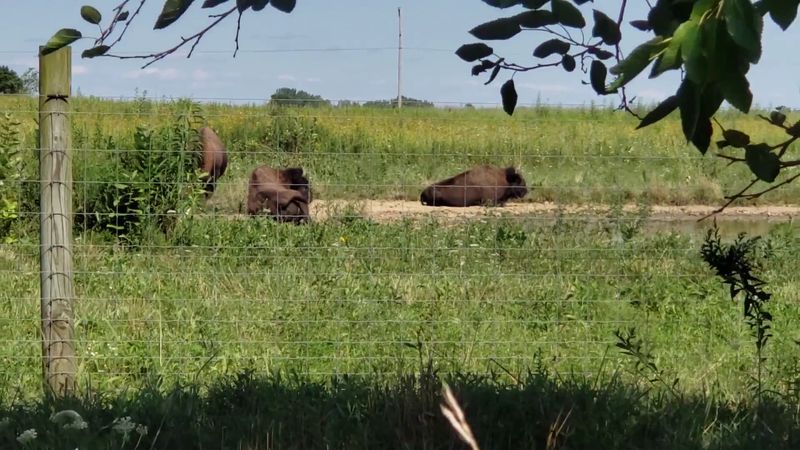
Bison were reintroduced to a fenced section of the park, and spotting them from the observation area is a highlight that surprises many first-time visitors.
The Metro Parks of Columbus manage this site, and it offers free parking and well-marked trails that make navigation easy even for newcomers.
6. Prairie Oaks Metro Park, West Jefferson
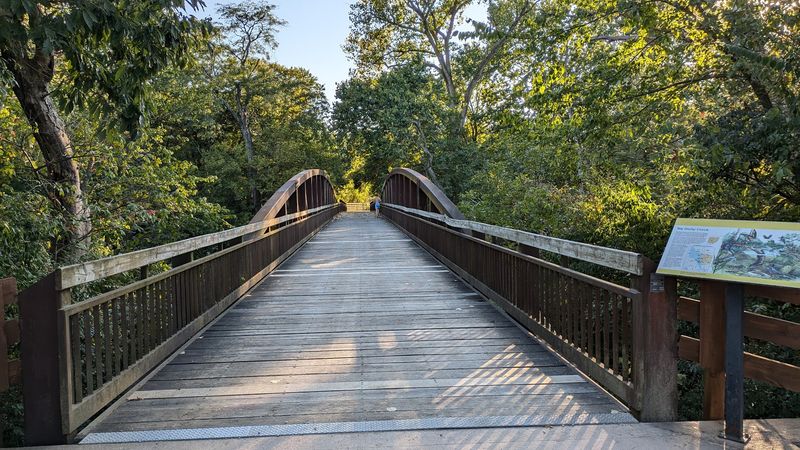
Named with exactly the right amount of descriptive honesty, Prairie Oaks Metro Park in West Jefferson, Ohio, delivers on both halves of its name with satisfying consistency.
The park spans 2,291 acres and includes nearly 500 acres of restored prairies and grasslands, along with open meadows, wetlands, lakes, and oak woodland edges that create a layered habitat rich with summer life in July.
Wildflowers like rattlesnake master, wild quinine, and pale purple coneflower can dot the meadow sections, and the visual effect is like walking through a living watercolor painting.
The trail network is extensive enough to keep repeat visitors busy across multiple seasons, but the meadow and prairie routes are the clear stars in July when the blooms are at their peak.
Birders will find plenty to celebrate here too, since the open fields and grasslands attract a wide range of summer bird activity.
The park is part of the Columbus and Franklin County Metro Parks system and is free to enter, making it an effortless choice for a summer morning outing.
Sunrise visits are especially rewarding when the meadows glow with golden morning light.
7. Liverpool Meadows Nature Preserve, Valley City
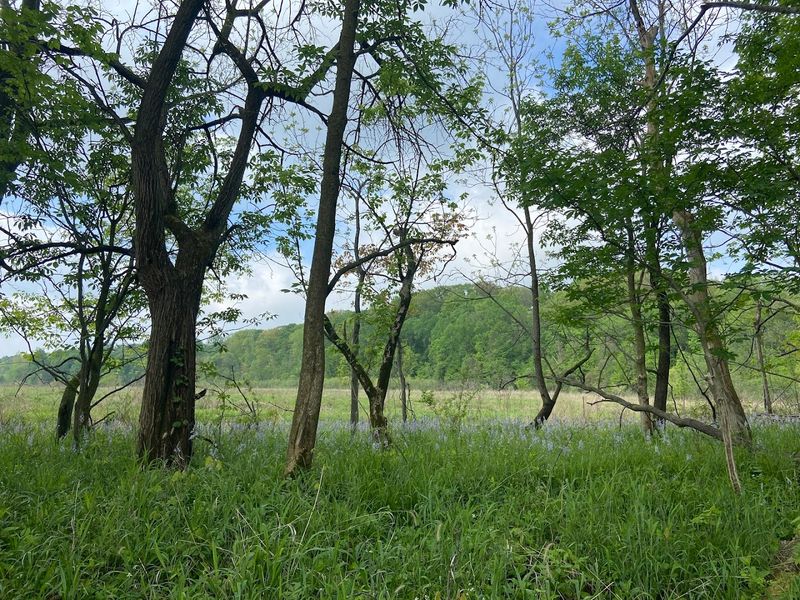
Tucked into the rolling countryside near Valley City, Ohio, Liverpool Meadows Nature Preserve is the kind of place that feels like a personal discovery.
Managed by the Medina County Park District, this 104-acre preserve features restored prairie, wetlands, and mature forest, along with a 0.9-mile gravel loop trail that makes the landscape easy to explore.
The trails here are low-key and unpretentious, winding through open meadow sections before moving near shaded woodland and wetland areas that offer a welcome break on hot July afternoons.
Because the preserve is smaller than some of the larger metro parks, there is a quieter, more contemplative atmosphere that makes it ideal for solo walks or peaceful outings with a small group.
The restored prairie and wetland setting gives the preserve plenty of summer interest, especially for visitors who enjoy watching pollinators move through open meadow habitat.
Pollinators are abundant throughout the summer, and watching bees and butterflies move methodically through the flowers is genuinely meditative.
Free access, parking, and a restroom building make logistics simple.
8. Fernald Preserve, Hamilton
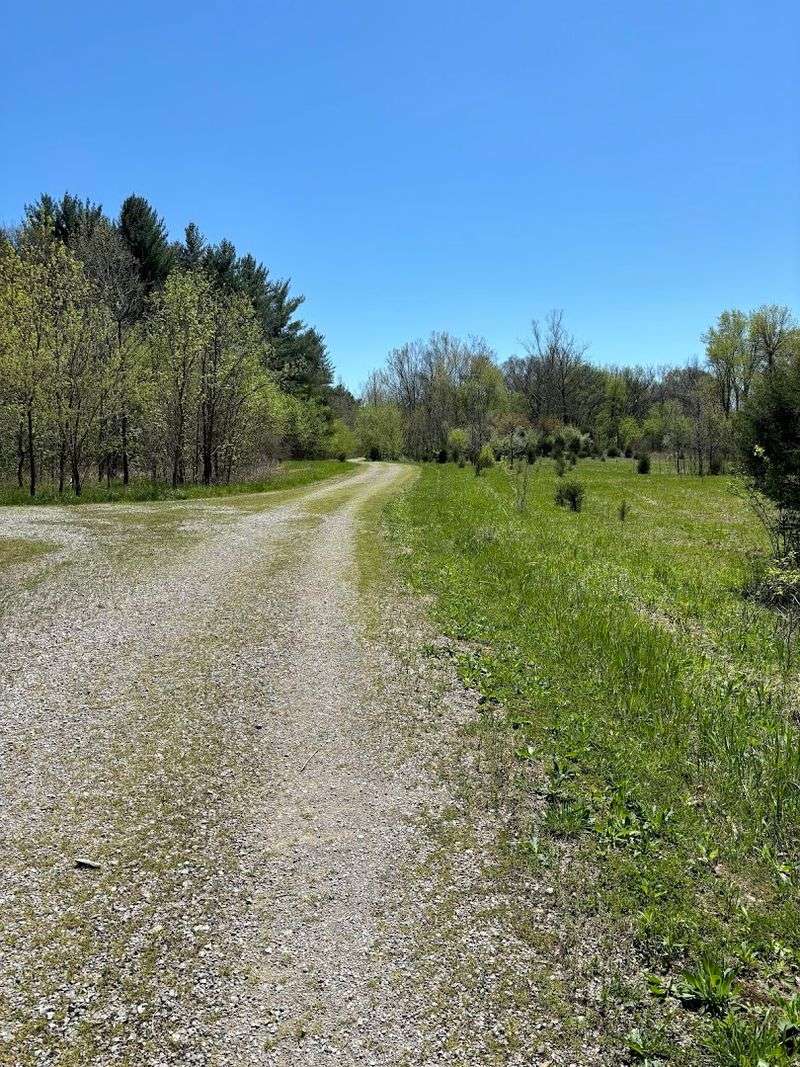
Fernald Preserve near Hamilton, Ohio, carries a remarkable backstory that makes walking its restored prairies feel like participating in something genuinely meaningful.
The site was formerly a uranium processing facility, and after an extensive environmental cleanup, it was transformed into a wildlife refuge and nature preserve with restored prairie, wetlands, and grasslands.
In July, the prairie sections burst with native wildflowers including purple coneflower, black-eyed Susan, and wild bergamot, while the grasses grow lush and full under the summer sun.
The visitor center offers exhibits that explain both the site’s industrial history and its ecological rebirth, which adds a fascinating layer of context to the outdoor experience.
Trails are well-maintained, clearly marked, and suitable for walkers of many fitness levels, making Fernald an accessible choice for families and solo adventurers alike.
The preserve is managed by the U.S. Department of Energy Office of Legacy Management, and admission is free.
Bring a picnic and plan to spend a full morning exploring the different habitat zones scattered across the property.
9. Miami Whitewater Forest Tallgrass Prairie Trail, Harrison
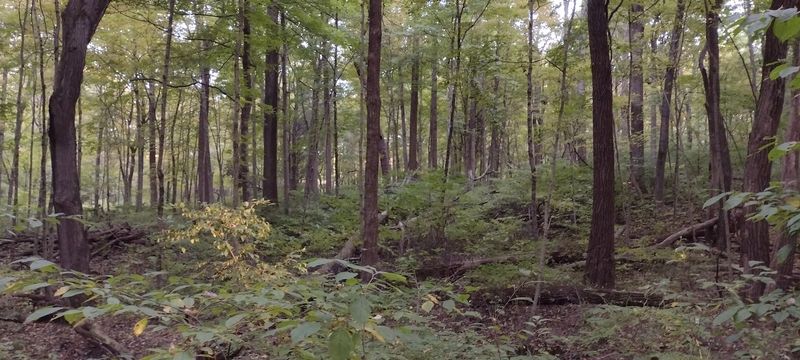
There is something deeply satisfying about a trail that earns its name. The Tallgrass Prairie Trail at Miami Whitewater Forest in Harrison, Ohio, absolutely delivers on its promise.
Part of Great Parks, Miami Whitewater Forest covers thousands of acres, and the Tallgrass Prairie Trail gives walkers a short, easy route through a restored section of prairie habitat that looks especially good in summer.
Big bluestem, switchgrass, and Indian grass help form the dense prairie texture, while coneflowers and other summer blooms add vivid splashes of color throughout the open sections.
The trail is short and manageable, making it a solid choice for families or anyone who wants a prairie walk without turning the outing into a long hike.
Wildlife sightings are common in the broader park, with white-tailed deer and numerous bird species regularly spotted along the trails.
The broader park also offers a lake, disc golf, and equestrian trails, so you can easily turn a prairie walk into a full day of outdoor activity.
Parking is available near the trailhead and throughout the forest.
10. Aullwood Audubon Center And Farm, Dayton
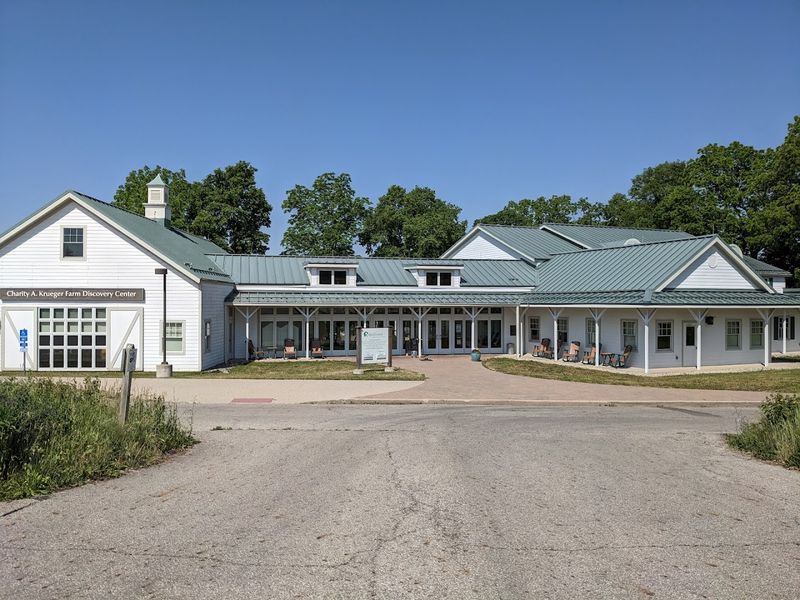
Where else can you walk through a blooming prairie and then watch a heritage breed cow graze peacefully in the next field over?
Aullwood Audubon Center and Farm in Dayton, Ohio, offers that delightful combination and then some.
The property includes restored meadow and prairie areas that are absolutely stunning in July, with native wildflowers like butterfly weed, prairie clover, and wild sunflower creating a feast for the eyes and a buffet for pollinators.
As an Audubon center, the site has a strong educational mission, and the naturalist-led programs available throughout the summer are genuinely excellent for curious minds of all ages.
The trails wind through meadow, woodland, and riparian habitats along Aullwood Creek, giving walkers a satisfying variety of scenery within a relatively compact area.
The working farm component adds a charming, grounded quality to the visit that larger nature preserves simply cannot replicate.
Admission fees apply, with discounts available for Audubon members and children.
July mornings here are especially lively with birdsong, and the combination of meadow blooms and farm sounds creates an atmosphere that is both peaceful and full of life.
11. Huffman Prairie Flying Field Interpretive Center, Wright-Patterson AFB

History and nature collide in a surprisingly moving way at Huffman Prairie Flying Field, located on Wright-Patterson Air Force Base near Dayton, Ohio.
This is the field where Wilbur and Orville Wright perfected powered flight in 1904 and 1905, and today it also preserves an open prairie landscape that blooms with remarkable beauty in summer.
The prairie here is managed as a tribute to the historical landscape the Wright brothers knew, with native grasses and wildflowers filling the open field with color and movement.
Walking the interpretive trail alongside the prairie gives you a genuinely unique dual experience: aviation history underfoot and ecological beauty all around you.
The interpretive center offers exhibits about the Wright brothers and the significance of this site, which is part of Dayton Aviation Heritage National Historical Park.
Because the flying field is located within an active U.S. Air Force installation, visitors should check the official National Park Service website before visiting for current access details, hours, and possible closures.
July visits reward you with prairie color, wide-open views, and long golden evening light that makes the field look almost magical.
12. Chaparral Prairie State Nature Preserve, West Union
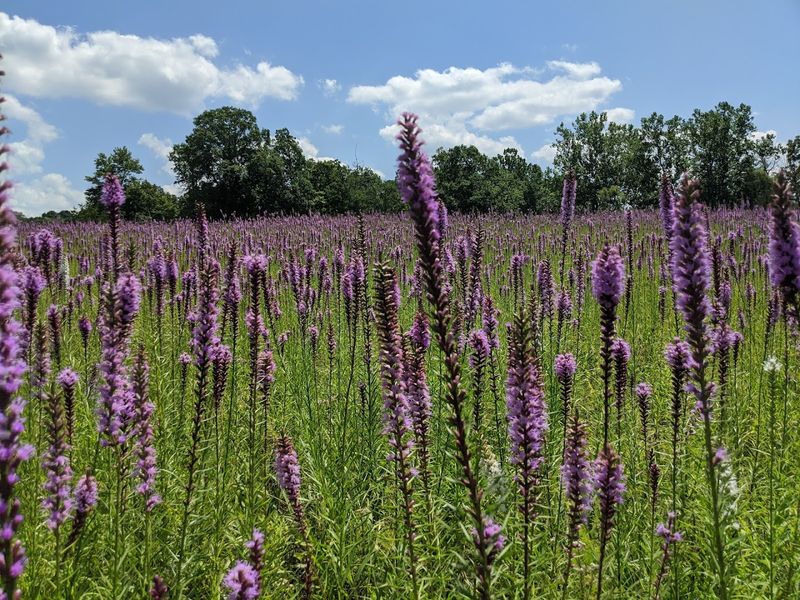
For a prairie experience that feels genuinely off the beaten path, Chaparral Prairie State Nature Preserve near West Union, Ohio, is worth every mile of the drive to Adams County.
This small but ecologically extraordinary preserve protects a globally rare post oak opening and prairie landscape, with dry, rocky soils supporting plant communities found in very few places in the state.
July into early August is prime time here, especially when dense blazingstar begins filling the meadow with bright purple-violet blooms that draw pollinators across the open slopes.
The trail system is short but the terrain can be uneven, so wear supportive footwear and take your time exploring the rocky outcrops and open glades that define this unique landscape.
Because the preserve is small and somewhat remote, visitor numbers stay low, which means you can often have the entire place to yourself on a weekday morning.
The surrounding Adams County landscape is also home to several other rare natural areas, making it easy to combine Chaparral Prairie with a broader day of nature exploration in southern Ohio.
Free admission applies year-round.