
12 Ohio Prairie And Wildflower Preserves That Save Some Of Their Best Color For Late Summer
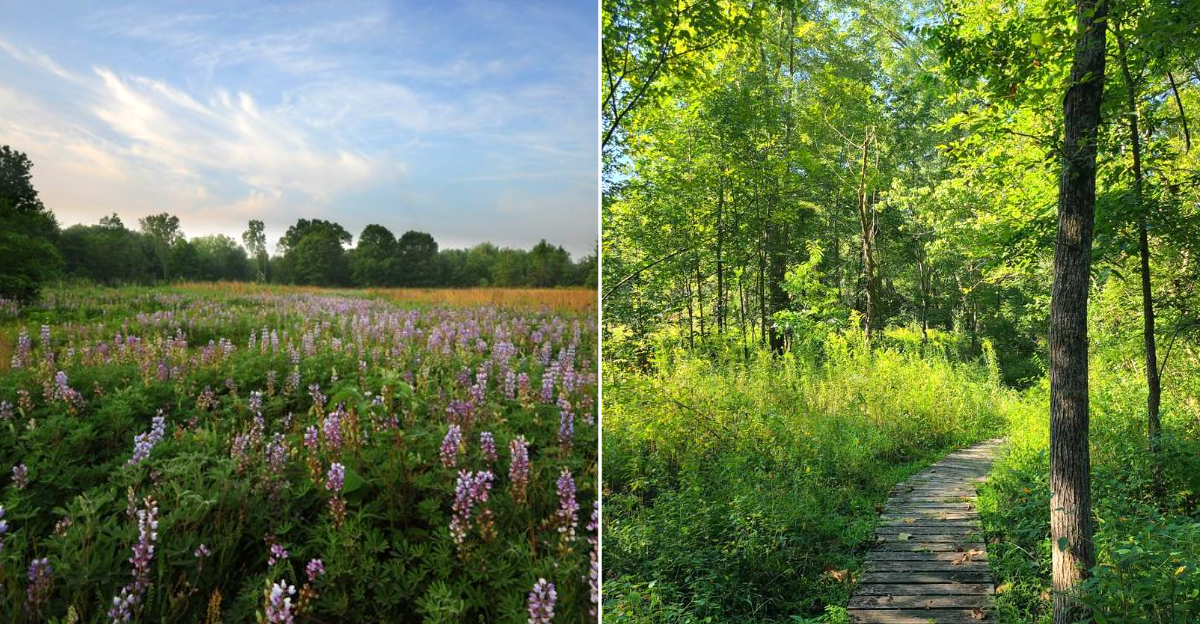
Late summer is when Ohio prairies quietly show off.
Spring gets plenty of attention, but August and September bring a different kind of color.
The grasses stand taller. Goldenrod starts glowing.
Purple blooms rise above the trails like they have been saving their best moment for last.
That is what makes these preserves so rewarding.
Some are wide open and sunny. Others lead you across boardwalks, past wet meadows, or into rare landscapes that feel easy to miss if you are moving too fast.
These twelve Ohio prairie and wildflower preserves make late summer feel bright, slow, and absolutely worth the drive.
1. Chaparral Prairie State Nature Preserve, West Union
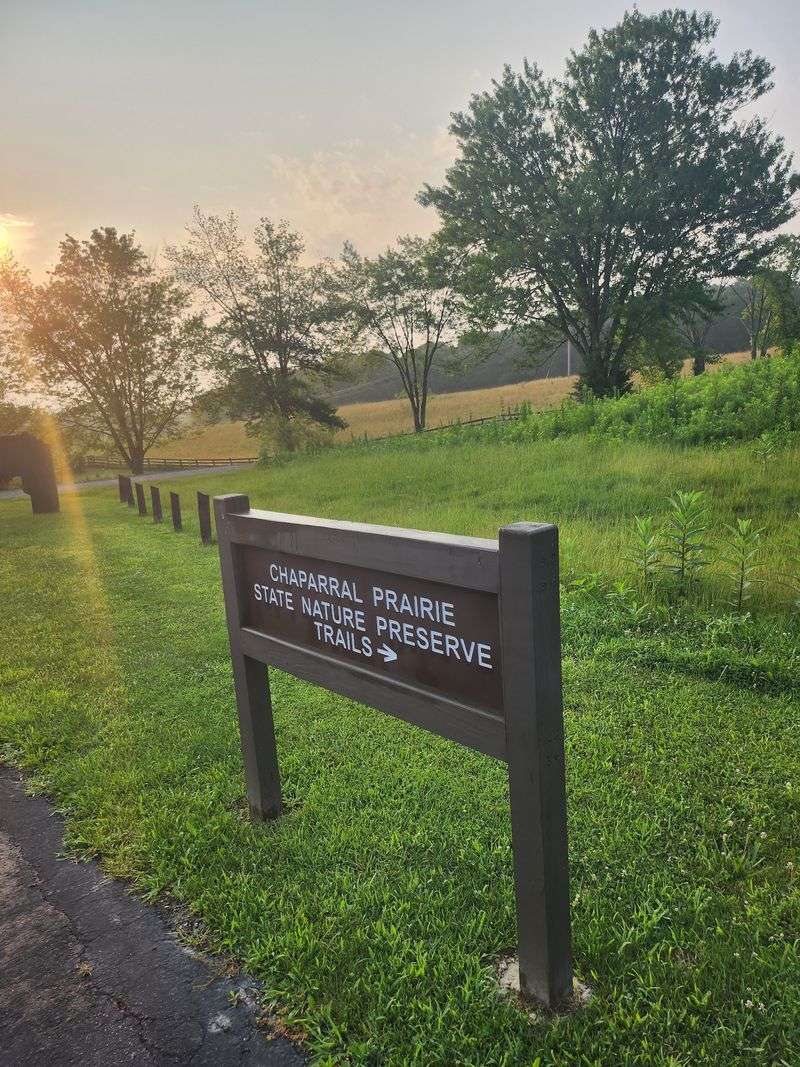
Tucked into the rolling hills of Adams County, this preserve rewards anyone willing to drive the winding country roads to reach it.
You will find rare plants here that struggle to grow almost anywhere else in the state. Sundrops, rattlesnake master, and prairie dock all thrive in the thin soil.
August is the main event, when blazing star sends up spikes of purple and other prairie flowers fill the fields with color. Butterflies drift between the blooms, and the whole place hums with bees.
The trails are simple loops through open grassland, so wear a hat because shade is scarce out here. Bring water and take your time reading the small plant signs scattered along the path.
What I love most is the quiet. You can stand in the middle of the field and hear nothing but wind and insects, a rare treat these days.
The preserve sits at 209 Hawk Hill Road in West Union, Ohio, so plug that into your map before you lose cell signal in the hills. Aim for early to mid-August for the strongest flower display, especially if you want to catch the famous blazing star show.
2. Daughmer Prairie Savannah State Nature Preserve, Bucyrus
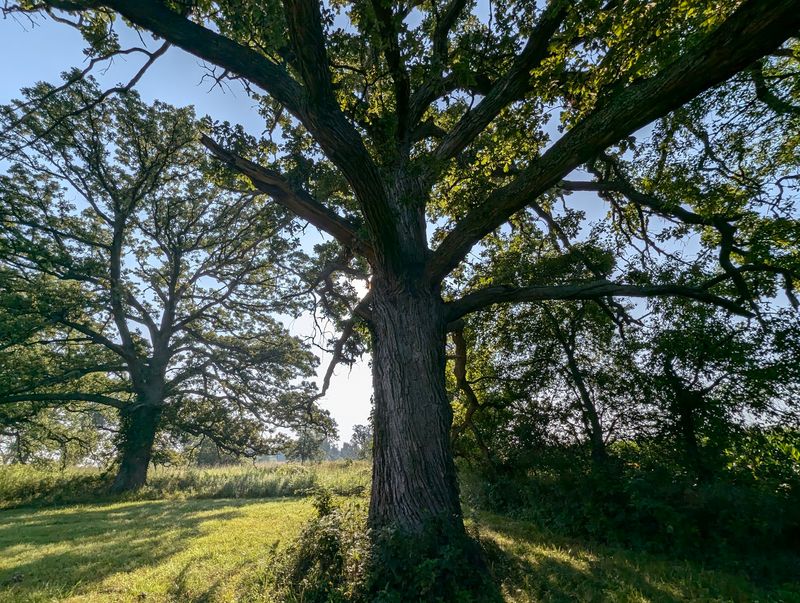
Here is a place that survived when almost every other prairie savanna in the region vanished under plows and pavement.
Daughmer is one of the finest remaining bur oak savanna remnants in the Midwest, with gnarled old trees standing guard over waving grasses.
The prairie was never farmed, although generations of the Daughmer family maintained the land through low-intensity grazing.
By late summer the grasses stretch tall, and wildflowers like compass plant and prairie coneflower fill the gaps between the trees. The mix of shade and sun makes for gorgeous photos in the golden evening light.
The ground can be uneven, so watch your footing as you explore. There are no fancy facilities here, just wide open space and big skies.
Birdwatchers love this spot because the scattered trees attract species you will not spot in a plain field. Bring binoculars and a little patience.
You can find the preserve along Marion-Melmore Road southwest of Bucyrus. Visit in September when the grasses turn amber, and you will leave feeling like you discovered a hidden chapter of Ohio history hiding in plain sight.
3. Bigelow Cemetery State Nature Preserve, Irwin
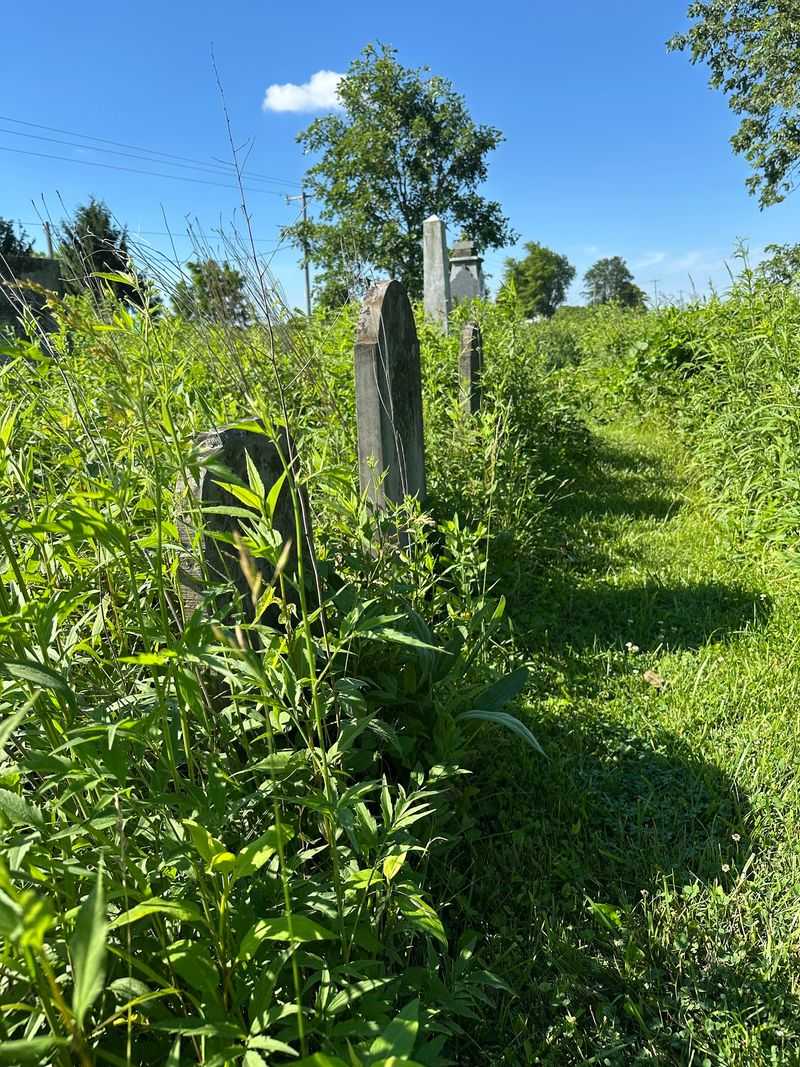
Few people expect to find a botanical treasure inside an old pioneer cemetery, but that is exactly what this tiny preserve offers.
Because the ground here was never plowed, native prairie plants held on for well over a century. The result is a small patch bursting with color that farmers accidentally protected.
Look for the fiery red royal catchfly, a flower so bright it almost seems to glow among the grasses. Purple coneflower and prairie dock join the show as summer stretches on.
The whole preserve is small enough to explore in a short visit, which makes it perfect for a quick stop. Please stay on the mowed paths and treat the old headstones with respect.
Photographers adore the mix of weathered stone and vivid blooms. It is a peaceful place to slow down and admire nature’s stubborn beauty.
You will find it at 600 Rosedale Road in Irwin, out in the quiet farm country of Madison County. Time your trip for July into August, and those rare red catchflies might just steal the whole afternoon.
4. Smith Cemetery State Nature Preserve, Plain City
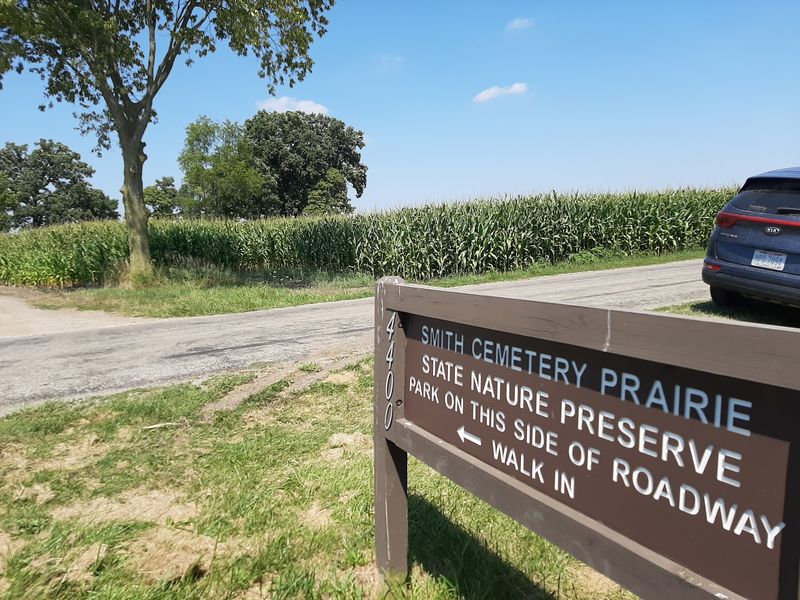
Another prairie survivor guarded by history, this little preserve packs an amazing amount of color into a small square of land.
Just like its neighbor, the soil here was never turned over by a plow. That accident of history let dozens of native plants survive that disappeared everywhere else.
Come in late summer and you will see tall spikes of prairie plants nodding above the old markers. Big bluestem grass and colorful blooms create a scene that feels both peaceful and alive.
The preserve is compact, so it works well as part of a day exploring several nearby sites. A short stroll takes you past the highlights without much effort.
Because it is so small, every step reveals something new if you look closely at the ground. Bees, butterflies, and grasshoppers keep the place buzzing.
The address is 4400 Boyd Road in Plain City, an easy trip from the Columbus area. Swing by in August or September when the grasses reach their full height, and you will be surprised how much wonder fits inside such a modest patch of prairie.
5. Irwin Prairie State Nature Preserve, Holland
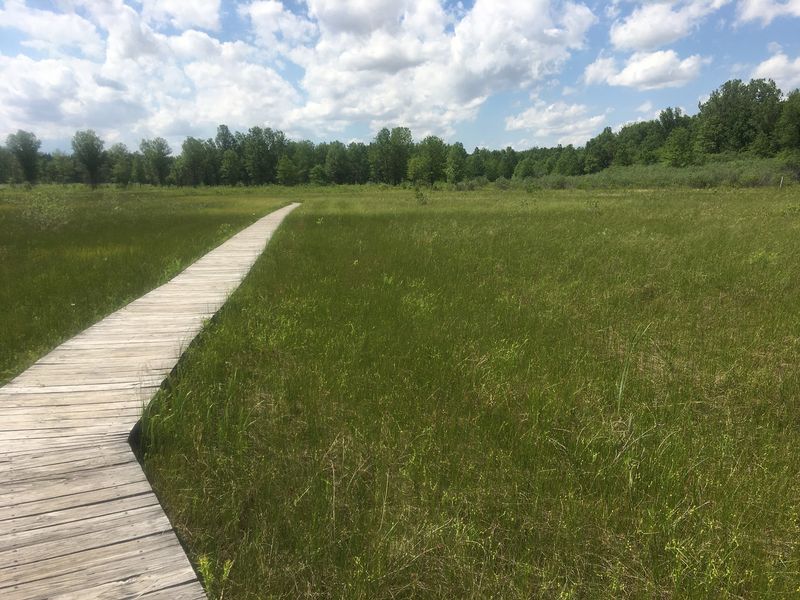
Boardwalks are the star of the show at this wet prairie, keeping your shoes dry while you glide over soggy ground.
The preserve protects a rare wet prairie habitat, one of the few left in this corner of the state. Water sits close to the surface, which lets special moisture loving plants flourish.
By late summer, the tall grasses tower over the walkway, and clusters of wildflowers add pops of yellow and purple. The whole meadow seems to sway in the breeze.
Frogs, dragonflies, and songbirds treat the marshy edges as home. Keep your eyes peeled and your camera ready, because something is always moving.
The flat boardwalk makes this an easy walk for almost anyone, which is a nice change from bumpier trails. Just remember bug spray, since standing water and mosquitoes go hand in hand.
You can reach it at 9987 West Bancroft Street in Holland, Ohio, near the Oak Openings region. Plan a late August visit when the prairie hits peak color, and let the boardwalk carry you into a watery world most people never get to see.
6. Kitty Todd Nature Preserve, Swanton
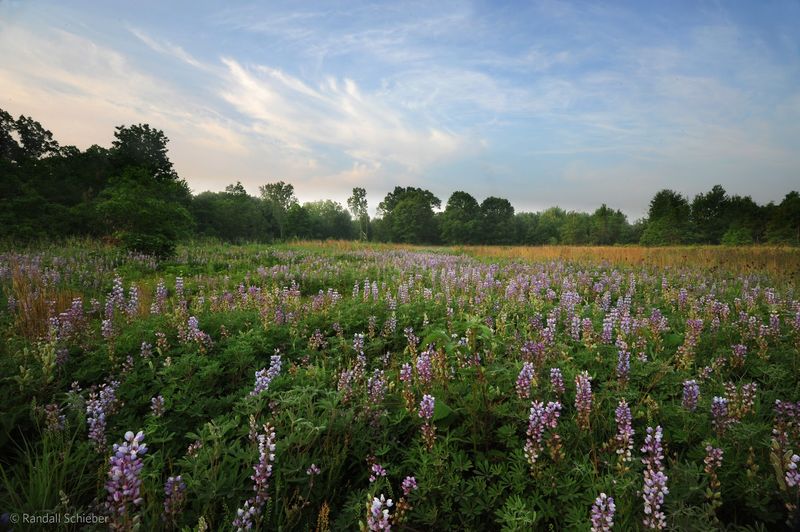
Sand might be the last thing you expect in northwest Ohio, yet this preserve sits on ancient sandy soil left behind by a prehistoric lake.
Kitty Todd protects part of the globally rare Oak Openings region, home to plants and insects found almost nowhere else. That makes it a favorite for scientists and curious visitors alike.
The sandy ground supports unusual wildflowers, and late summer brings blazing star and other showy blooms across the open barrens. The colors really stand out against the pale sand.
Trails wind through a patchwork of prairie, savanna, and woodland. Each turn shows off a slightly different mix of plants and habitats.
Rare butterflies flutter here in the warmer months, so move slowly and watch the flowers closely. You never know what winged surprise might land nearby.
The preserve is located at 10420 Old State Line Road in Swanton, and it is managed with careful attention to its fragile plants.
Visit in August, stay on the marked paths, and you will experience one of the most unique landscapes the whole state has to offer.
7. Oak Openings Preserve Metropark, Whitehouse
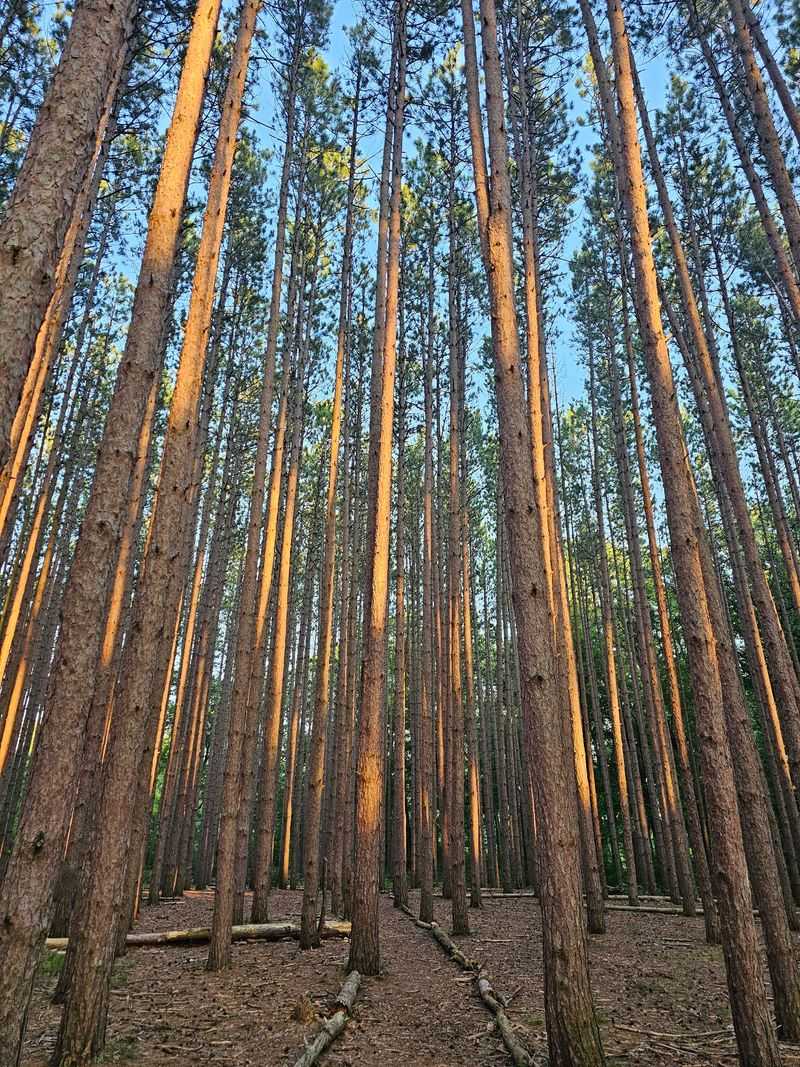
Big adventures await at this sprawling metropark, one of the largest natural areas in the entire region.
Oak Openings covers thousands of acres of sand dunes, prairies, wetlands, and forests all stitched together. There is room here to hike for hours and still find new corners to explore.
Late summer transforms the sandy prairies into fields dotted with wildflowers, and the open sky makes the colors feel endless. Sunrise and sunset are especially magical over the dunes.
Miles of trails welcome hikers, bikers, and horseback riders, so you can pick your own pace. Maps are posted at trailheads to help you plan a loop.
Families enjoy the picnic areas and the chance to climb the small sand hills. Kids love the mix of open space and shady woods.
The main entrance is at 5402 Wilkins Road in Whitehouse, Ohio, an easy drive from Toledo.
Head out in September when the prairies glow gold, pack a picnic, and give yourself the whole day, because this giant park has far more color and quiet than a single visit can hold.
8. Wiregrass Lake Metropark, Holland
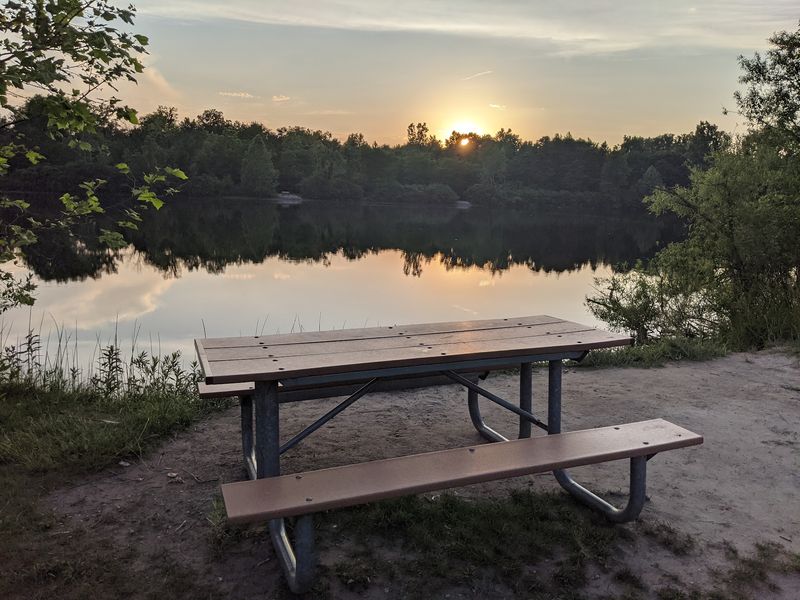
A shimmering lake sits at the heart of this newer metropark, ringed by prairie that saves its brightest hues for the season’s end.
Wiregrass Lake includes a man-made lake created before Metroparks acquired the property, where a former sand-mining operation once occurred. Extensive restoration has since helped revive rare wet prairie around the water.
Around the lake, late summer wildflowers bloom in waves of yellow, purple, and white. The reflections on the water double the beauty on a still morning.
Anglers cast for fish while walkers loop the shoreline trail, so there is something for everyone. The paths are gentle and easy to follow.
Birds gather near the water, making it a friendly spot for beginner birdwatchers. Bring binoculars and a little patience, and the herons might reward you.
You will find the entrance at 201 North Eber Road in Holland, close to the Oak Openings area.
Visit on a calm August evening when the light turns golden, settle onto a bench by the shore, and let the mix of prairie and lake remind you how dramatically restored land can bloom again.
9. Cedar Bog Nature Preserve, Urbana
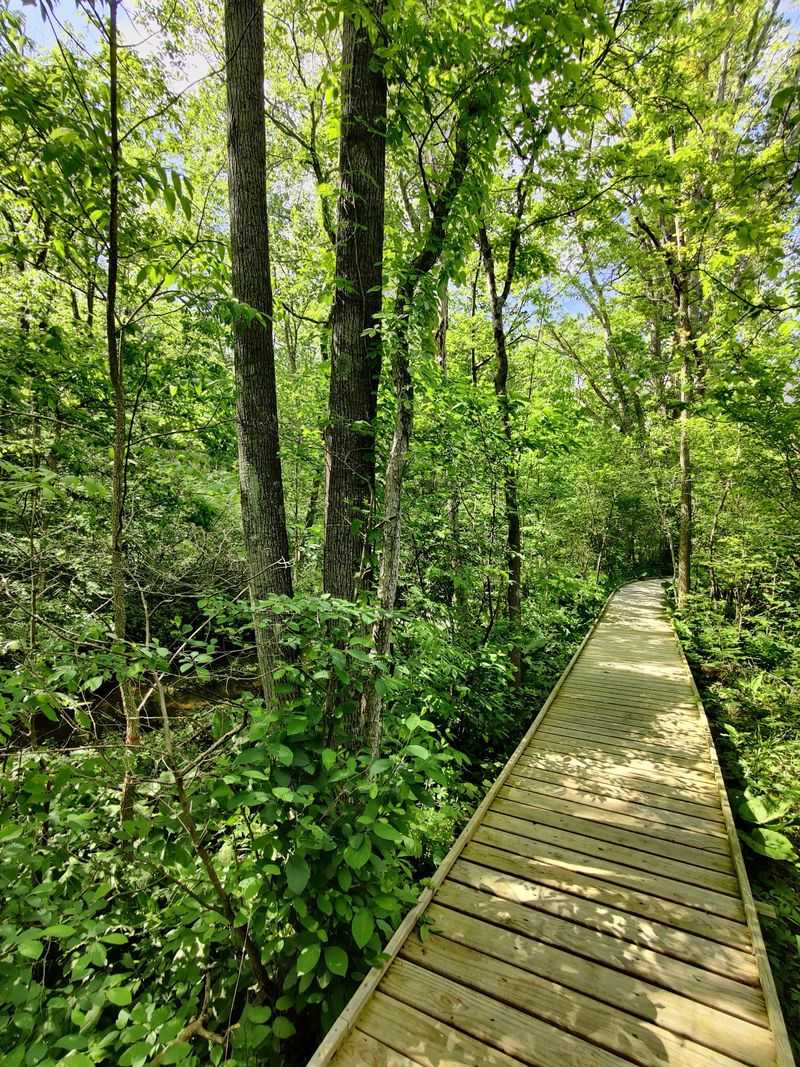
Do not let the name fool you, because this famous spot is actually a fen rather than a true bog.
Cedar Bog is one of the oldest and most studied natural areas in the state, protecting a rare cool wetland fed by underground springs. That steady cold water keeps unusual plants happy year round.
A long boardwalk carries you through sedge meadows and shady cedar groves without muddy shoes. Late summer brings blooms like turtlehead and lobelia along the trail.
The preserve is packed with rare species, from unusual plants to colorful dragonflies. Interpretive signs explain what makes this place so scientifically important.
Because the boardwalk is flat and looped, the walk is comfortable for most visitors. Take your time and read the signs to appreciate how special the fen truly is.
The address is 980 Woodburn Road in Urbana, and a visitor center helps you understand what you are seeing.
Come in late summer when the wetland flowers open, wander the boardwalk slowly, and you will see why this preserve has fascinated nature lovers for generations.
10. Gallagher Fen State Nature Preserve, Springfield
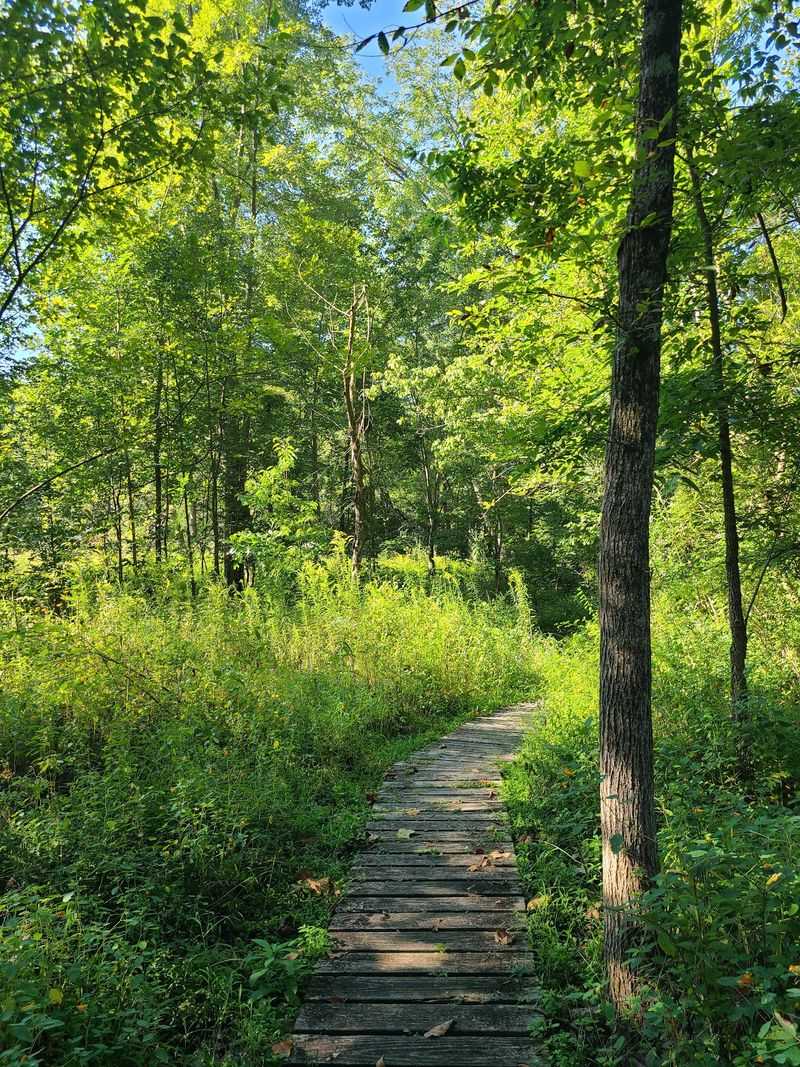
Rare and refreshing, this fen bubbles with cool spring water that keeps its meadows lush even in the heat of summer.
Gallagher Fen protects a special wetland where mineral rich springs feed a patchwork of prairie and marsh. The result is a home for plants that need very particular conditions.
Wander the trails in summer and you can spot a changing mix of prairie and fen blooms crowding the open meadow. The colors seem extra vivid against the deep green sedges.
The preserve mixes dry prairie hillsides with wet fen bottoms, so the plant life changes as you walk. That variety keeps every stretch of trail interesting.
Butterflies and bees work the flowers busily, adding motion and sound to the scene. It is a lively place on a warm afternoon.
You can find it at 4709 Old Columbus Road in Springfield. Late August into early September can still bring plenty of botanical interest, so wear sturdy shoes for the uneven ground and enjoy discovering how a hidden network of springs can create such a rich and rare little world.
11. Battelle Darby Creek Metro Park, Galloway
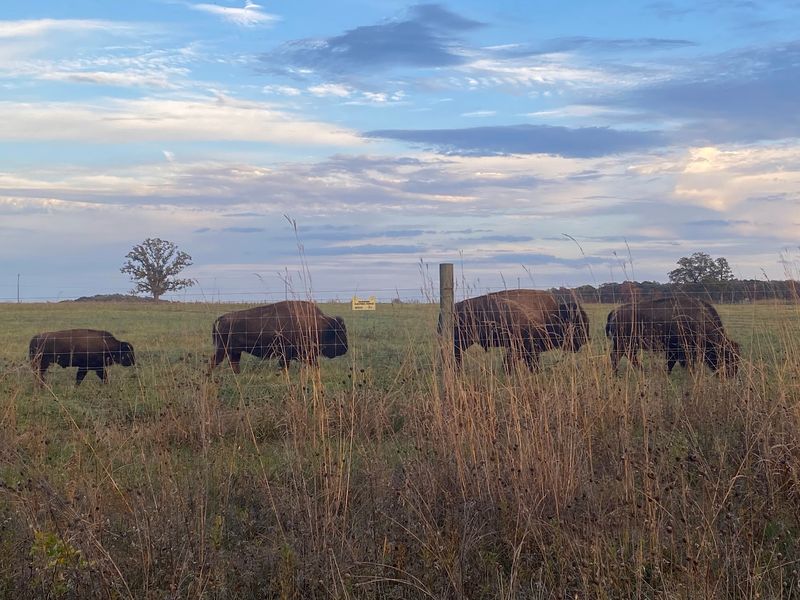
Bison roam here, and that alone makes this metropark unforgettable for first time visitors.
Battelle Darby Creek is a huge park along two scenic creeks, with restored prairies that stretch wide and open. A small herd of bison helps manage the grassland the natural way.
Late summer sets the prairie ablaze with color, as sunflowers, coneflowers, and grasses reach impressive heights. Walking the trails feels like stepping into the landscape of long ago.
Beyond the prairie, you can paddle the creeks, hike wooded trails, or explore the nature center. There is easily enough to fill a full day of outdoor fun.
The bison overlook is a favorite with families, so bring a camera and a little patience. The animals move at their own relaxed pace.
The park sits at 1775 Darby Creek Drive in Galloway, just west of Columbus. Visit in August or September when the prairie hits full stride, wander the loop trails, and let the sight of bison against a sea of blooming grass show you a wilder side of central Ohio.
12. Prairie Oaks Metro Park, West Jefferson
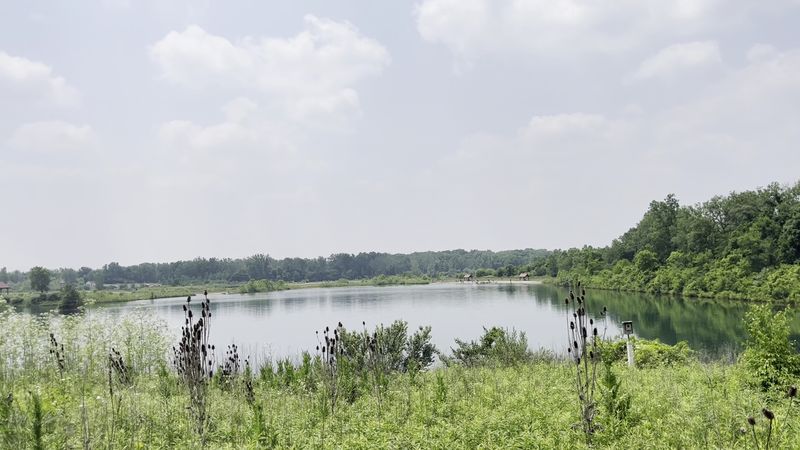
Blue quarry ponds and waving grasslands share the spotlight at this friendly metropark west of the city.
Prairie Oaks combines restored prairie, woodlands, and clear ponds into one welcoming place. The mix of water and meadow gives you plenty of scenery in every direction.
As summer winds down, the prairie fills with golden and purple blooms that draw clouds of pollinators. The colors look especially lovely reflected near the water’s edge.
Trails here suit hikers, bikers, and horseback riders, and the ponds invite fishing and paddling. Families spread out on the grassy areas for picnics on warm days.
The Big Darby Creek runs through the park, adding a gentle soundtrack of moving water. Canoe access gives paddlers another way to enjoy this scenic State and National Scenic River.
Look for the park at 3225 Plain City-Georgesville Road in West Jefferson. Come in late August, follow a prairie loop while the flowers show off, and you will see how easily this park balances open color, shady trails, and sparkling water into one perfect finish for a late summer adventure.