
15 Ohio River Towns That Invite You To Take It Easy In 2026
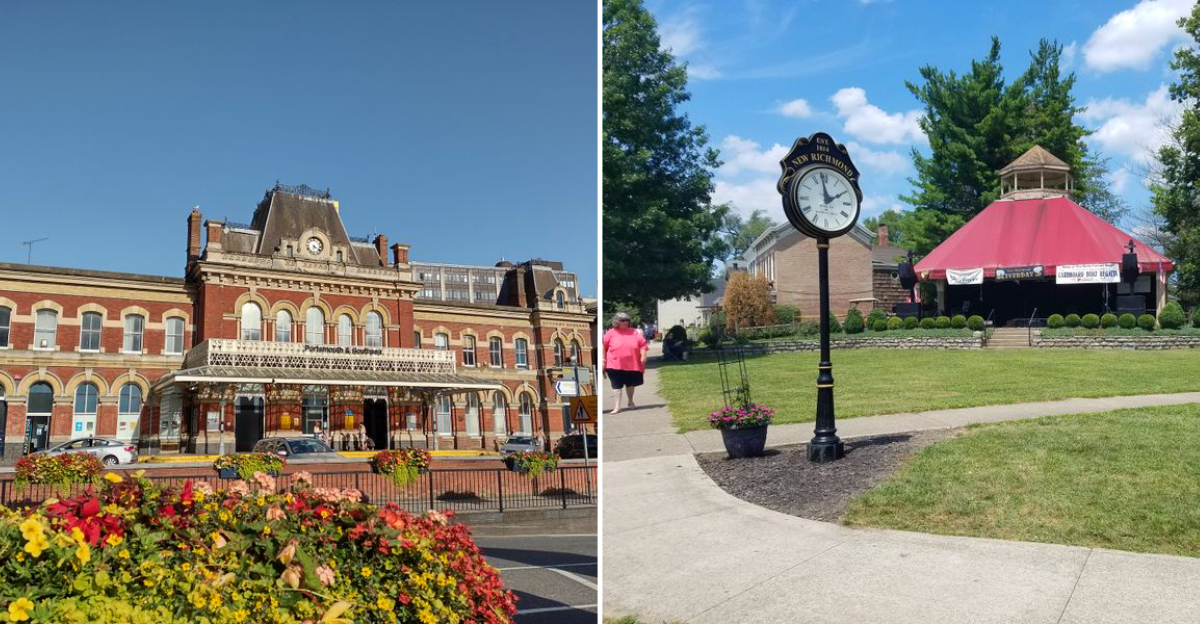
Ohio’s rivers stretch across hundreds of miles, touching towns and shaping communities that have learned to move at their pace. Along their banks, small towns and villages offer something increasingly rare: permission to slow down without apology.
In 2026, when everything else feels like it is racing ahead, these riverfront spots remind you that time can still drift by at a walking speed. Whether you are drawn to murals, history, or just the sight of water moving past old brick streets, Ohio’s rivers have plenty of places ready to help you exhale.
It would be a shame not to catch that opportunity this year.
1. Marietta
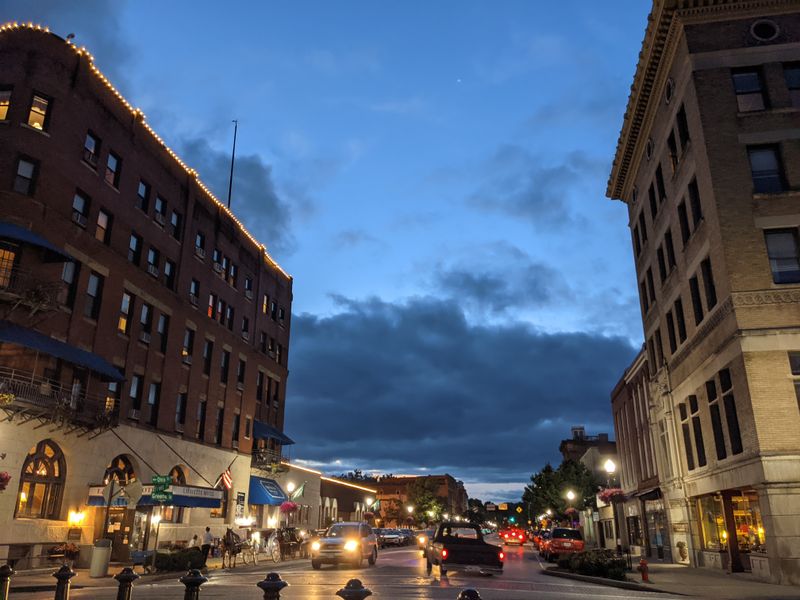
Some towns feel like they were built for strolling, and Marietta is one of them. Set at the meeting of the Ohio and Muskingum Rivers, it has that classic riverboat look with layered hills and water views in every direction.
Brick streets run through the historic downtown, where old warehouses and tidy storefronts look out toward the levee. Recent work on the Levee Park project is giving the riverfront even more space for walking, benches, and long, lazy conversations.
I still remember pausing on the levee steps at sunset, watching small boats drift past while the town lights flickered on behind me. It felt like the sort of place where you could show up for an afternoon and suddenly wonder how it turned into a whole weekend.
Museums, river history, and simple riverfront benches all work together here. If you are looking for a slow escape with real stories in the bricks, Marietta makes that search very easy.
2. Pomeroy
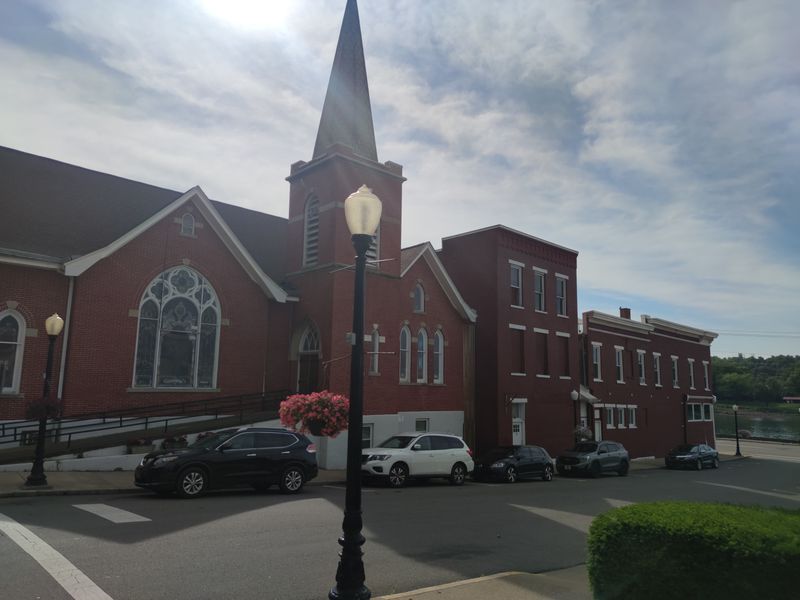
Some drives along the Ohio River feel ordinary, then a town suddenly appears between the water and a wall of green hills. Pomeroy is that kind of surprise.
The village is squeezed into a narrow strip between the bluff and the river, with Main Street hugging the shoreline.
The Meigs County Courthouse perches high above it all, earning attention for its unusual relationship with parking and hillside space. From the riverbank, the courthouse seems to float over the town, and every angle reminds you how closely life here leans against the Ohio River.
When I first walked the riverfront, I kept stopping just to watch barges slide past the old storefronts. The town did not feel empty or loud, just layered with water sounds, murals, and the daily rhythm of people who know the river very well.
Spend an easy afternoon here, parking once and wandering the narrow streets, then climbing toward the courthouse view. By the time you head back to the car, the river usually feels like it has quietly edited your to-do list.
3. Gallipolis
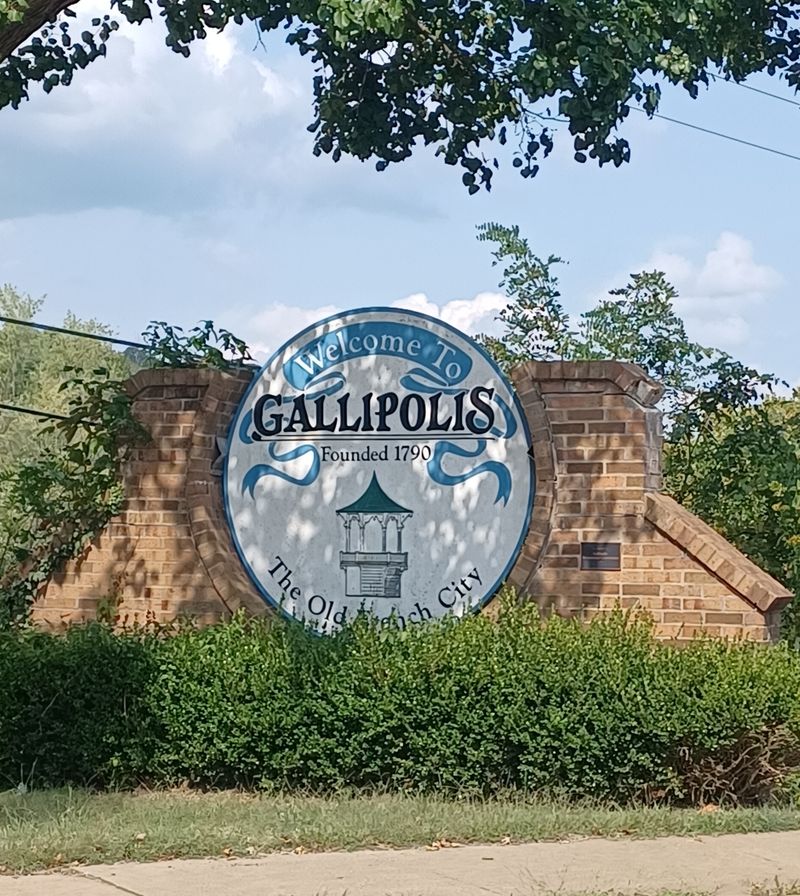
There is something quietly grand about Gallipolis, even before you learn its French roots. The town sits along a wide, gentle bend of the Ohio River, with a central park that looks straight across the water toward the West Virginia hills.
Gallipolis City Park is the heart of everything, with swings, gazebos, and paths that give you a front row seat to river life. Festivals and seasonal displays light up the park, yet on an ordinary evening, it still feels peaceful enough for a slow walk and a long sit.
One late afternoon, I sat on a bench here and watched the sky turn soft over the water. A few kids played near the gazebo, a jogger passed by, and a towboat moved upriver so slowly that time almost matched its pace.
Gallipolis is not trying to impress you with noise. It just offers bridges, history markers, and a riverfront that makes it very easy to relax.
Even in 2026, when everything else feels too fast, this park and river combo insists on a gentler pace.
4. Portsmouth
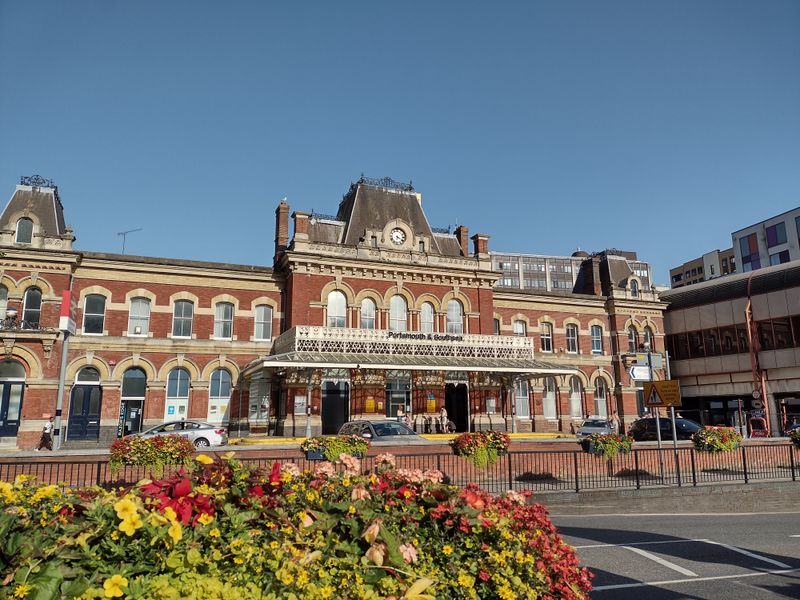
Some Ohio River towns tell their story with a few plaques. Portsmouth tells its story with an entire wall of art.
Along Front Street, a towering floodwall stretches for roughly 2,000 feet, covered in detailed murals that trace local history scene by scene.
On one side you have a busy city street and the old Boneyfiddle district. On the other side, you have the river, held back by concrete but still very present with passing barges and open views.
The contrast makes every walk along the wall feel like a moving outdoor gallery.
I remember walking the length of the murals and forgetting how far I had gone. Every few steps, another era appeared, from early river traffic to local legends, and the water stayed in the corner of my eye the whole time.
Portsmouth still has the energy of a working river city, but the art and levee views soften the pace. Those mural walks turn into a perfect 2026 day trip, where you park once, wander slowly, and let history share the sidewalk beside you.
5. Ripley
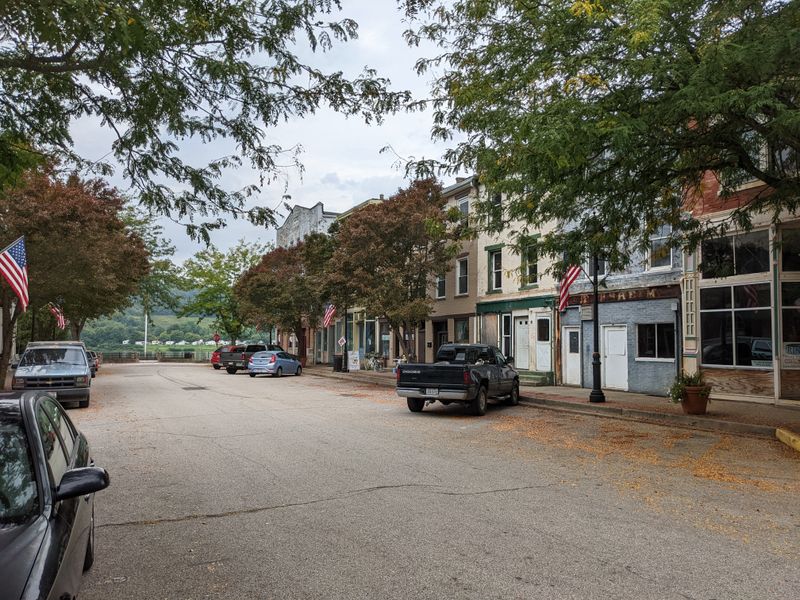
Some places carry quiet weight, and Ripley is one of them. This village sits along the Ohio River southeast of Cincinnati, with a historic district that stretches up from Front Street into the hills above town.
The Rankin House looks down from Liberty Hill, once a beacon for people seeking freedom and now a National Historic Landmark with sweeping river views. Walking through town, you pass plaques, preserved homes, and streets that still feel like an intact antebellum river community.
I spent one afternoon moving between the riverfront and the hillside, stopping often just to stand at overlooks. From up high, you can see bend after bend of the Ohio River, and it is easy to imagine lantern signals and whispered crossings.
Ripley still has antiques, small shops, and relaxed cafes, but nothing here feels rushed. It is the kind of town where you arrive curious and leave a little quieter, with the river and the stories staying in your head for days afterward.
6. New Richmond
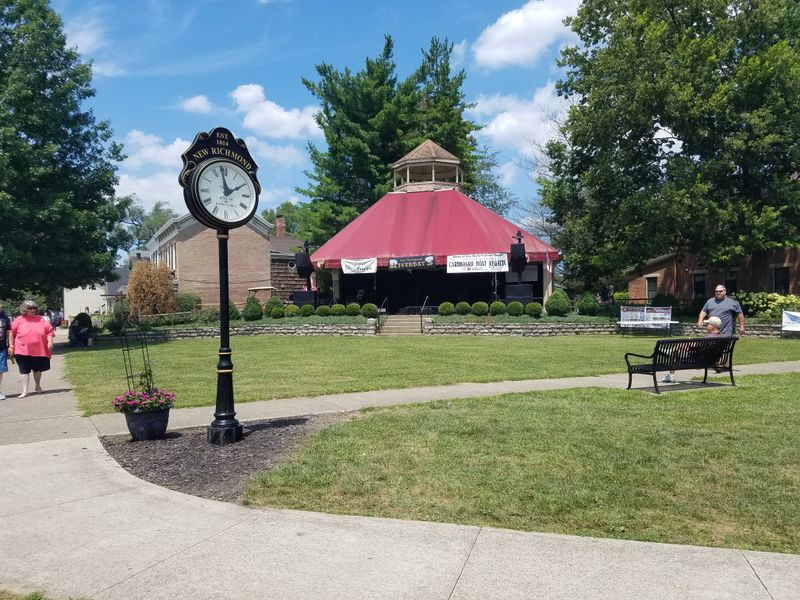
Every so often, a village feels like a front porch facing the river. New Richmond has that feeling the moment you roll down toward the waterfront.
Historic homes line the streets, and the Ohio River spreads out just a few steps away.
This town has deep ties to river trade and the Underground Railroad, and you can sense that long timeline as you walk Front Street. A simple riverfront park, occasional events, and a steady parade of boats create a setting where not much is required beyond a bench and a little time.
I once grabbed a coffee to go and ended up lingering on a bench longer than planned. A barge eased past, a couple walked their dog, and the whole scene felt like a slow, very pleasant pause.
From Cincinnati, New Richmond makes an easy side trip when you want history without crowds. The village does not shout for attention; it quietly lets the river set the volume and the tempo.
7. Ironton
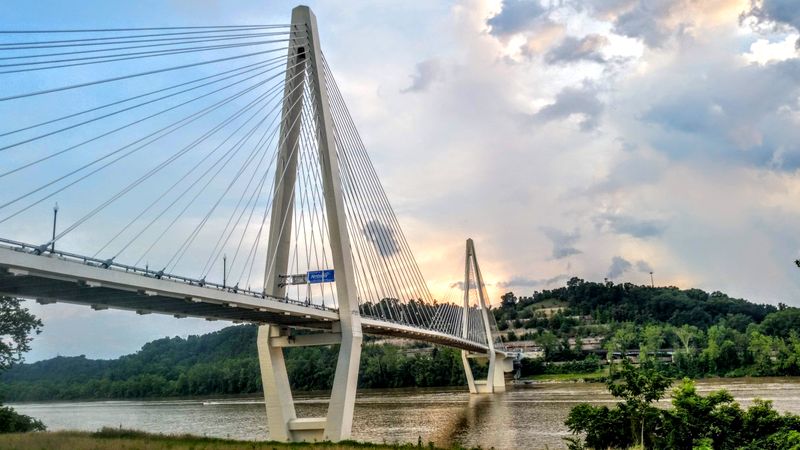
Not every river town leans into pretty pictures right away, but Ironton rewards anyone who slows down. This small city sits along the Ohio River with floodwalls that protect downtown and also serve as a large outdoor canvas.
The murals here tell stories of industry, trains, and river life, reminding you that this was and still is a working place. Walking along the wall, you get glimpses of the river beyond, along with occasional openings that frame the water like a living backdrop.
On my last visit, I found myself drifting between the murals and the river views, taking in both at an easy pace. The town felt steady rather than polished, which somehow made the quiet sidewalks and simple parks even more relaxing.
Ironton is not a postcard in the usual sense, but it is very real. That mix of grit, color, and riverfront art makes it a thoughtful stop when you want to see the Ohio River the way locals do, without filters.
8. Steubenville
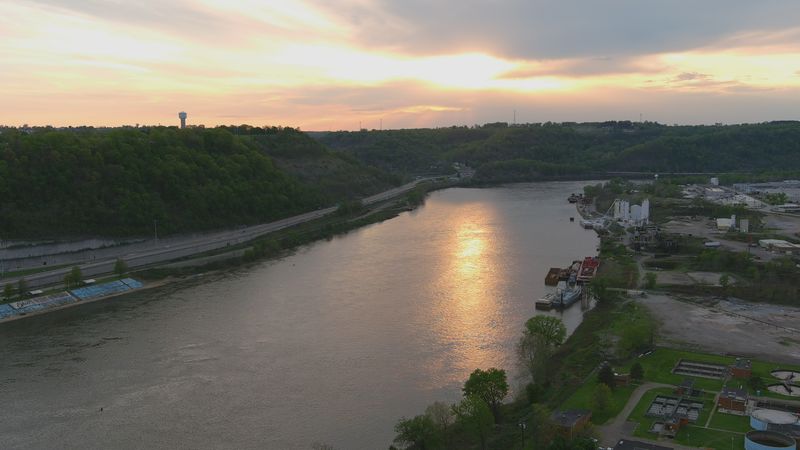
Some river towns express themselves in one big mural. Steubenville decided to turn almost the entire downtown into one large art walk.
This Ohio River community is widely known as the City of Murals, with dozens of large paintings covering building walls.
Historic Fort Steuben sits near the river, recalling the early frontier days and even a stop by Meriwether Lewis on his way downriver. From there, streets climb toward the hills, and you get layered views of bridges, rooftops, and water.
I wandered from mural to mural one sunny afternoon and kept looking back toward the river to orient myself. The art, the fort, and the broad Ohio River worked together to create a sense of a town that has seen many chapters but still enjoys slow afternoons.
Steubenville gives you a blend of history walk and riverfront break that fits 2026 just fine. If you like your quiet time seasoned with public art and old stone walls, this stretch of riverfront delivers more than you expect.
9. Grand Rapids
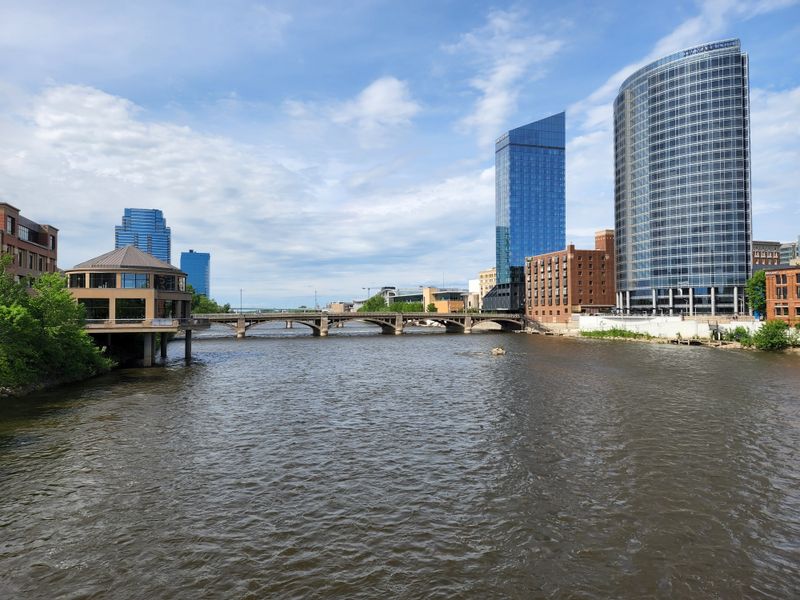
There are river towns that feel like museum pieces behind a rope. Grand Rapids is not one of them.
This small village along the Maumee River is a restored canal town where people actually live, shop, and linger on the sidewalks.
Victorian buildings line Front Street, and just beyond them, the river widens out, often dotted with kayaks and small boats.
The nearby Providence Metropark keeps the canal story alive with lock structures and canal boat experiences, so you can picture what travel looked like when water and towpaths ruled the region.
I once spent half a day doing almost nothing here. A slow lunch, a walk across the bridge, and a quiet sit on the riverbank somehow felt like a full itinerary.
Grand Rapids might be the gentlest kind of river town to enjoy at walking speed. Historic storefronts, Maumee River views, and soft evening light work together to make leaving harder than you planned.
10. Perrysburg
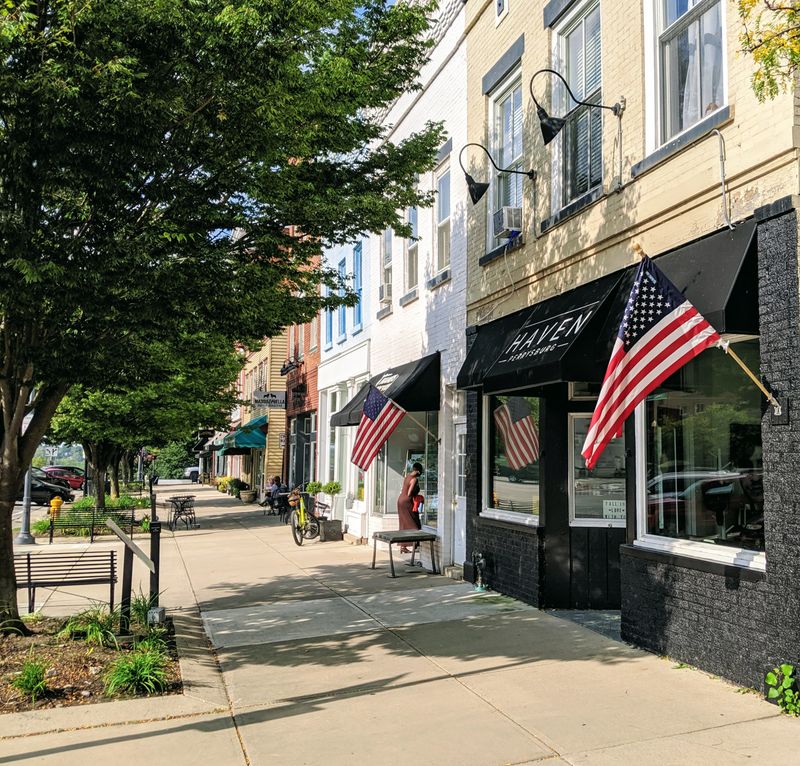
Some towns along the Maumee River feel busy first and scenic second. Perrysburg manages to feel like both at the same time.
Sitting just south of Toledo, it blends a historic core, modern shopping districts, and a riverfront tied closely to early Ohio history.
Fort Meigs rises above the river on a bluff, a reconstructed War of 1812 fort that tells stories of sieges and early frontier defense. Below and around it, parks and streets offer gentle views of the Maumee, with paths that invite slow evening walks.
During one visit, I grabbed a coffee in town and then wandered down toward the river without any real plan. I ended up watching the water slide past the fort site, thinking about how different life looks now and how the view probably feels almost the same.
Perrysburg is ideal if you like your river towns with a little extra polish. It is the sort of place that fits a 2026 weekend nicely, with history, shops, and Maumee River breezes wrapped into one tidy stop.
11. Roscoe Village and Coshocton
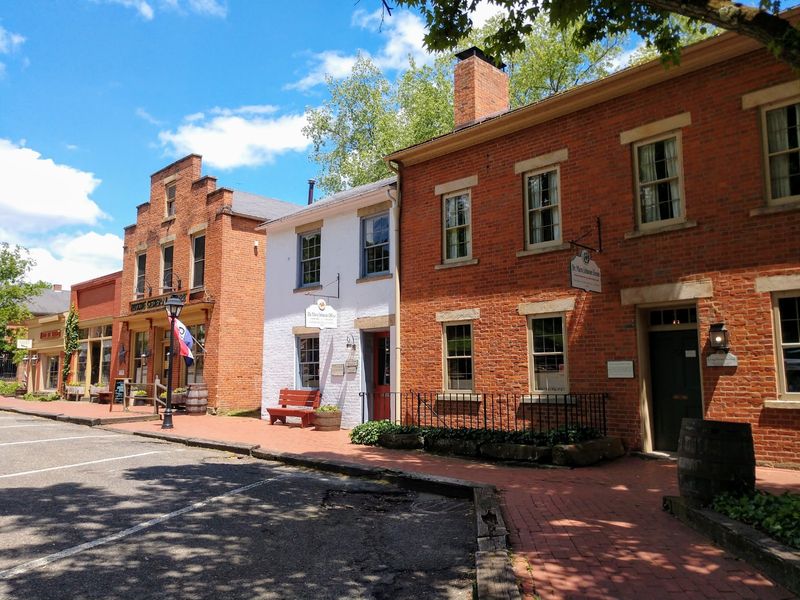
Every river region needs at least one proper canal story, and Coshocton delivers that through Roscoe Village. This restored canal era district sits just above the Muskingum River, recalling the days when boats on the Ohio and Erie Canal brought goods and people through town.
Brick streets, period style buildings, and costumed interpreters give the village a gentle museum feel without turning it into a stiff exhibit. The nearby rivers and old canal route keep the setting grounded in real geography, not just nostalgia.
I remember drifting in and out of small shops, then stepping onto a side path where the noise dropped and the water sounds took over. The mix of quiet and history made it very easy to slow down.
Roscoe Village is a fine pick when you want a river setting with a clear sense of its working past. You can soak up stories, enjoy the scenery, and let the whole afternoon slip by at its own pace.
12. Chagrin Falls
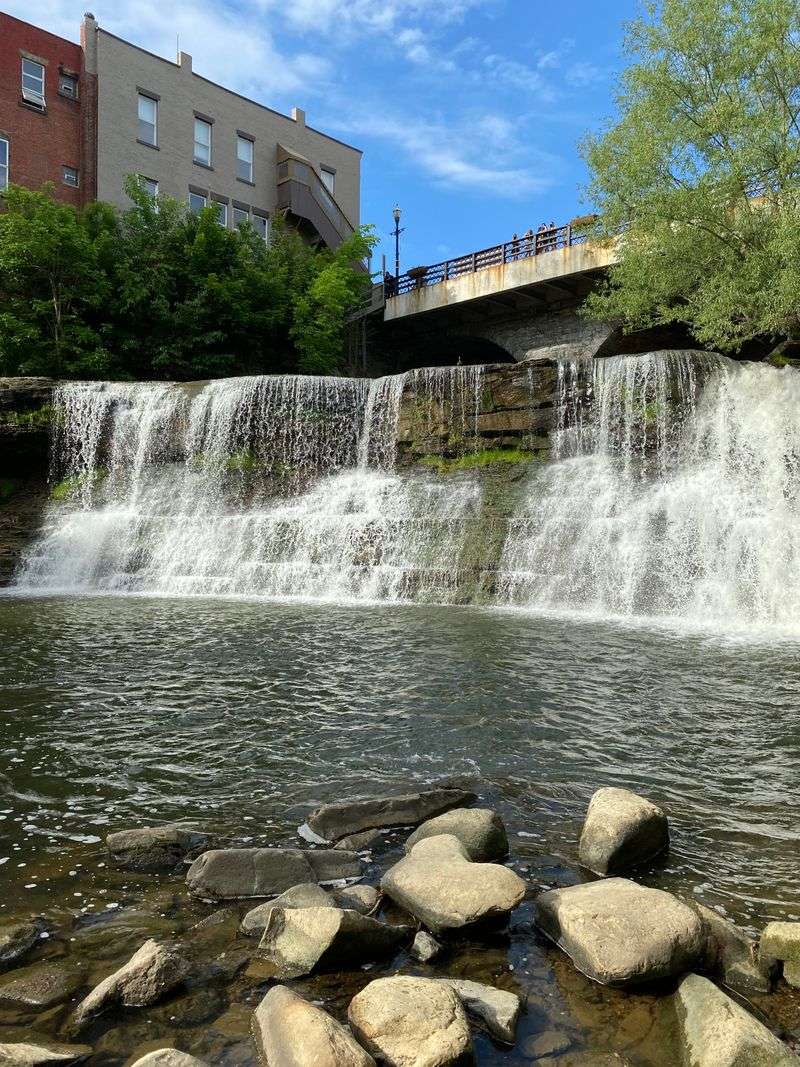
Some places were clearly built around one natural feature, and Chagrin Falls makes no attempt to hide that. The Chagrin River drops right through the center of town, creating waterfalls that you can see from stairways, decks, and a park tucked beside the main street.
Shops and cafes crowd close to the edges, but the sound of the falls keeps everything anchored. Short paths and viewing platforms give you several angles on the water, from foaming white at the base to calm pools above the dam.
On my first visit, I bought a simple snack and took it down the steps to a bench near the spray. The air felt cooler by a few degrees, and the world above the gorge might as well have been miles away.
Chagrin Falls still works best as a place to wander without a tight agenda. You arrive for the waterfall, stay for the river views, and head home feeling like you sneaked in a tiny mountain trip without leaving northeast Ohio.
13. Zanesville
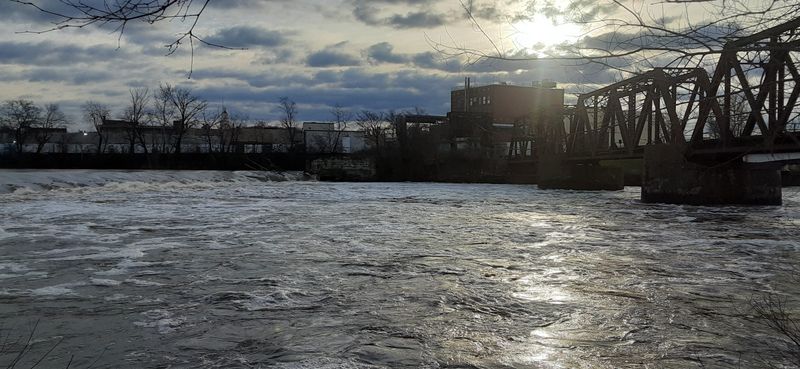
If you like river towns with a quirky landmark, Zanesville will catch your attention. The city sits where the Muskingum and Licking Rivers meet, and its famous Y Bridge crosses that confluence in a three way shape that locals love to talk about.
The bridge has such an unusual design that it once drew praise from pilots, who used it as a visual reference from the air. Standing near the rivers, you can see why, since the structure splits traffic in three directions while still feeling like one continuous crossing.
I spent part of an afternoon simply driving across the bridge a few times, then parking to walk along the riverbank. Watching boats and barges move under that Y shape felt oddly calming.
Zanesville gives you an easy mix of city comforts and river scenery. The Muskingum and Licking keep the air moving, and that distinctive bridge adds just enough novelty to make a slow visit feel like something special.
14. Loveland
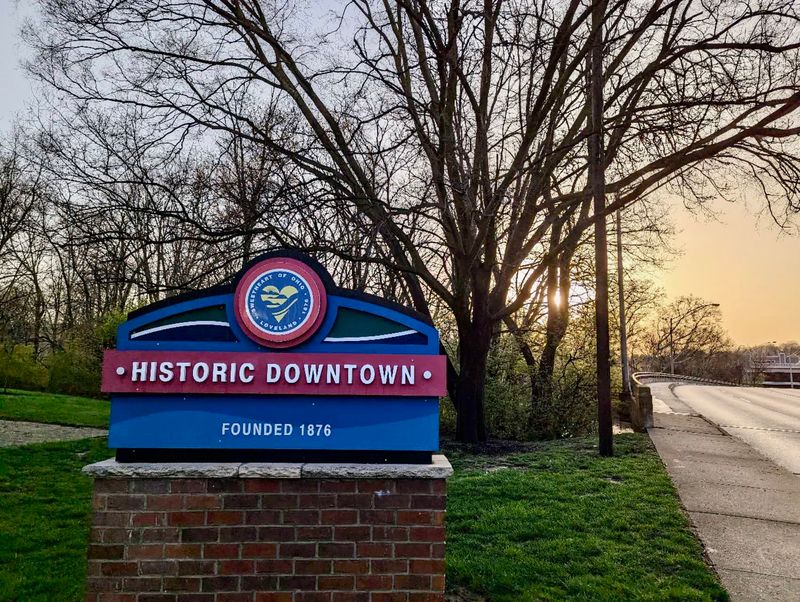
Some river towns feel built around a trail as much as the water beside it. Loveland is one of those places.
The Little Miami Scenic Trail runs through town, following the Little Miami River and drawing cyclists, walkers, and families out for relaxed miles.
Historic buildings cluster near the trail, with shops and cafes creating a friendly little hub right next to the river. Bridges, greenery, and glimpses of the water appear regularly as you move along the path, making it hard to stay in a hurry.
I once rented a bike here and promised myself a short ride. Two hours later, I was still pedaling slowly beside the river, stopping often just to lean on the handlebars and watch the current.
Loveland makes a great base when you want to pair easy exercise with river town wandering. You can ride, stroll, snack, and repeat until the daylight runs out and the trail lights start to glow.
15. Yellow Springs and the Little Miami Gorge
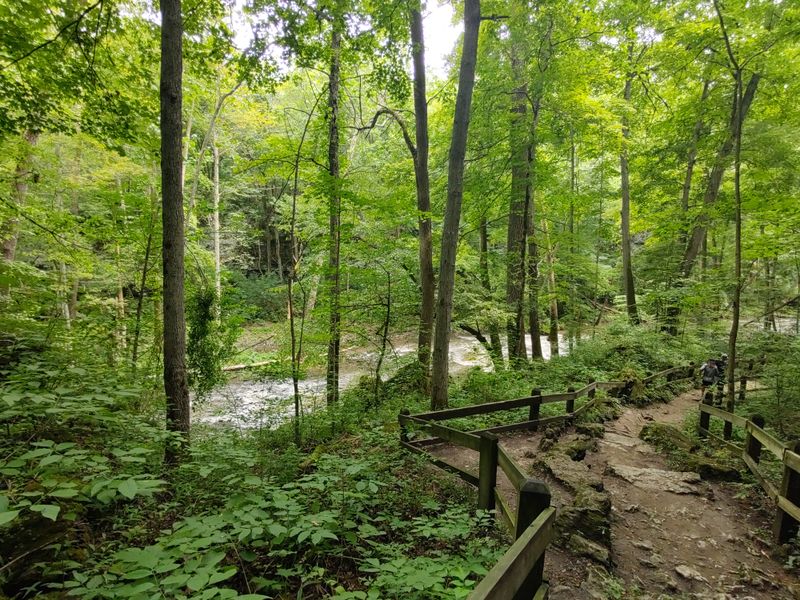
Not every river town has the water running through its main street. Yellow Springs sits a bit back, yet the Little Miami River and its deep limestone gorge shape the entire feel of the area.
John Bryan State Park and Clifton Gorge State Nature Preserve wrap around the river, carving dramatic cliffs and forested trails into the landscape.
In town, murals, shops, and cafes add a creative layer, but the real exhale happens once you step onto a trail and hear the river echoing through the rock walls. The combination of artsy village and serious scenery makes the whole place feel like a gentle reset button.
One of my favorite memories here is walking a riverside trail in the morning, then drifting back into town for a slow lunch and some people watching. The contrast between rushing water and quiet sidewalks was exactly what I needed.
In 2026, Yellow Springs and its river gorge might be one of the easiest ways in Ohio to tap the brakes on a busy year. You get color, cliffs, and the steady sound of water doing its work below, long after you have headed home.