
11 Ohio Wildlife Areas Worth Visiting For An Amazing Spring Day Trip
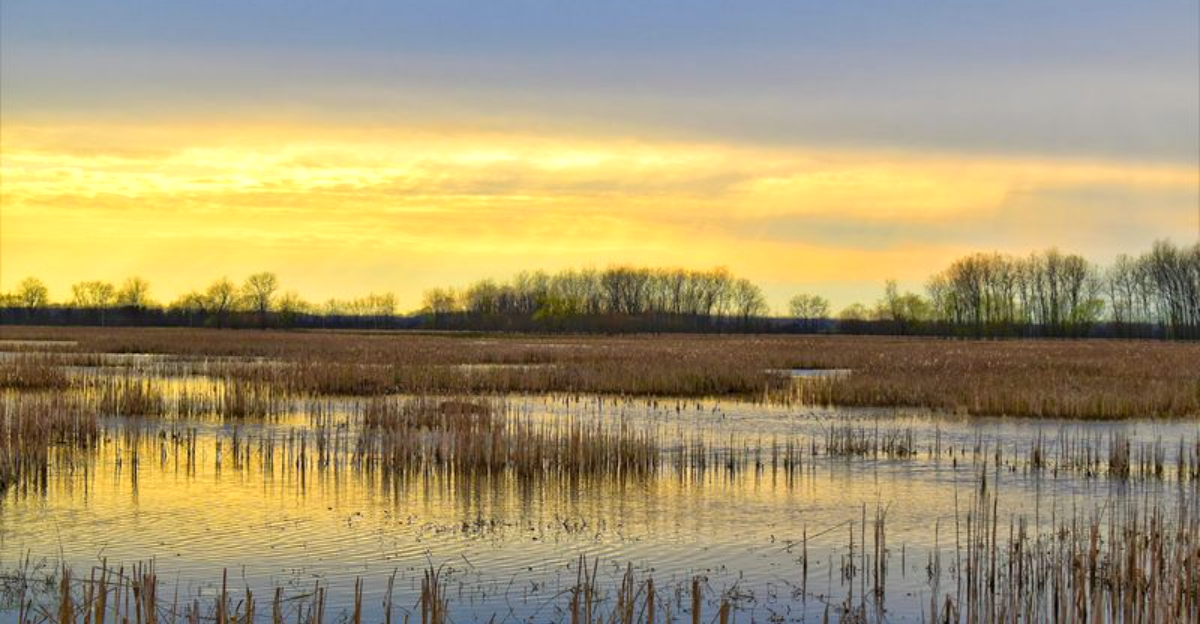
Spring in Ohio has a funny way of going from “gray and sleepy” to “pack the binoculars right now” almost overnight.
Marshes start buzzing with migrating birds, wildflowers push through the mud, and quiet trails suddenly feel like nature turned the volume back up. It is the kind of season that makes a couch look deeply unambitious.
The 11 wildlife areas below are perfect for a spring day trip, with Lake Erie birding spots, inland marshes, wooded ridges, open wetlands, and peaceful corners where the best plan is simply to slow down and look around.
I put this list together with memorable spring outings in mind, the kind that send you home with muddy shoes and zero regrets.
1. Magee Marsh Wildlife Area, Oak Harbor, Ohio
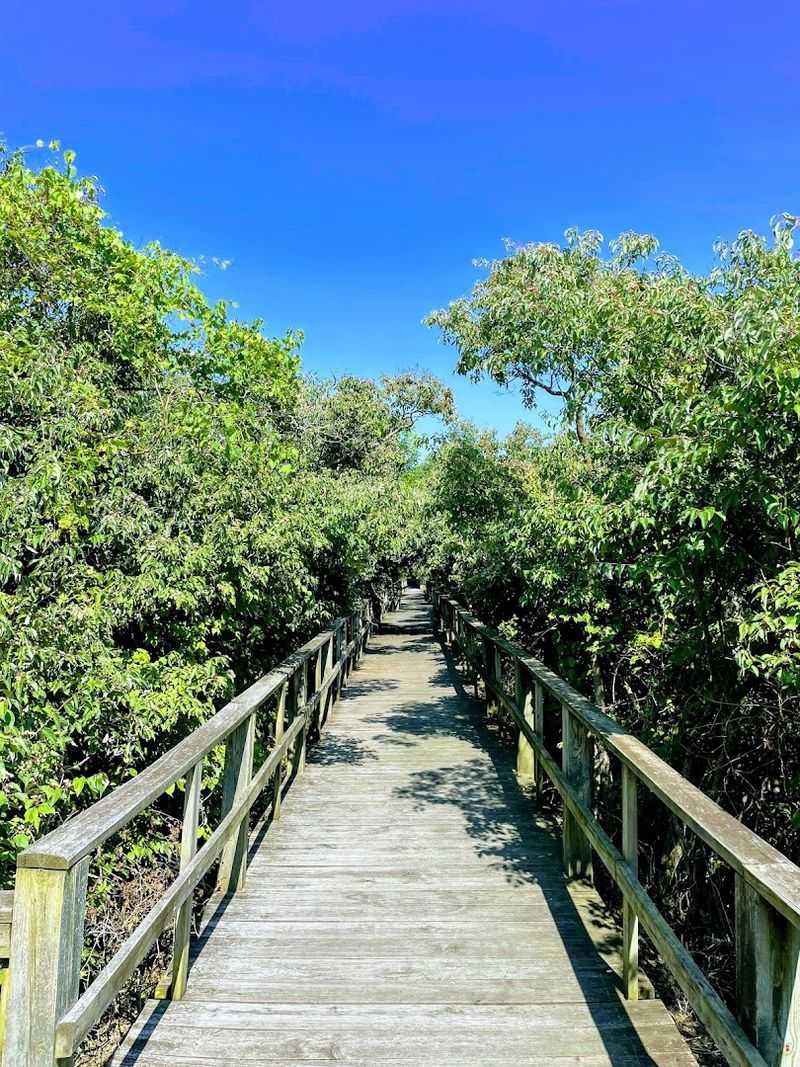
Every spring, something almost unbelievable happens along the southern shore of Lake Erie: thousands of migratory songbirds descend on a narrow strip of marsh and trees, and birdwatchers from across the country show up to witness it.
Magee Marsh Wildlife Area in Oak Harbor, Ohio, is the epicenter of this annual spectacle, and it earns its nickname as the Warbler Capital of North America without any argument.
The famous Boardwalk Trail puts you within arm’s reach of warblers, tanagers, and thrushes that are fueling up before crossing the lake.
Bring binoculars, because you will want them desperately once you see how close these birds actually get.
The Black Swamp Bird Observatory hosts the Biggest Week in American Birding festival here each May, drawing tens of thousands of visitors.
Even outside the festival, the marsh trails offer excellent wildlife viewing, including turtles, herons, and the occasional mink slipping through the reeds.
Parking fills up fast on weekends, so aim for an early arrival.
The area is free to visit and offers restrooms and a visitor center nearby, making it an easy and rewarding day trip destination.
2. Pickerel Creek Wildlife Area, Vickery, Ohio
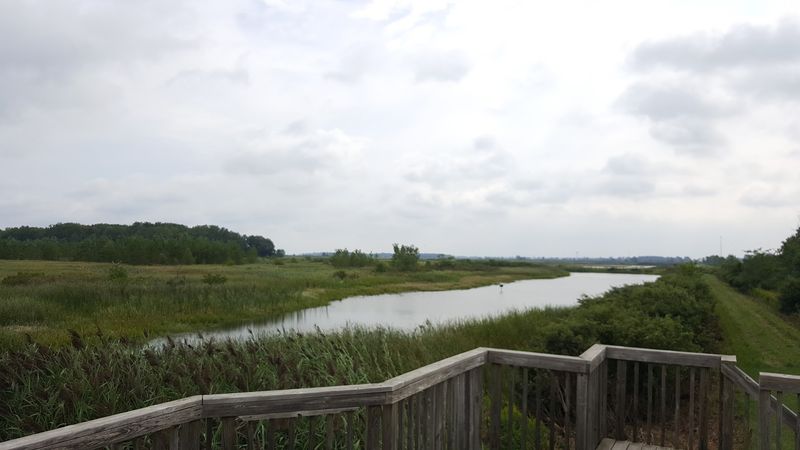
Tucked between farm fields and the Sandusky Bay watershed, Pickerel Creek Wildlife Area in Vickery, Ohio, is the kind of place that rewards patience with some seriously impressive wildlife encounters.
Covering around 3,200 acres of managed wetlands, woods, brush, and native grassland, this spot is a magnet for waterfowl during the spring migration season.
Ducks and geese pour through in impressive numbers, and shorebirds work the mudflats with focused energy that is genuinely fun to watch.
The area is actively managed by the Ohio Division of Wildlife, which means water levels are carefully controlled to maximize habitat quality throughout the year.
Spring is arguably the best time to visit, when the wetlands are full and bird activity peaks.
Walking the dikes gives you elevated views across the open water, making it easier to spot species without disturbing them.
There are no formal visitor facilities here, so pack your own snacks and water before heading out.
Cell service can be spotty, so download a map ahead of time and let someone know your plans.
It is a low-key, no-frills wildlife experience that delivers big on authenticity and natural beauty.
3. Lake La Su An Wildlife Area, Pioneer, Ohio
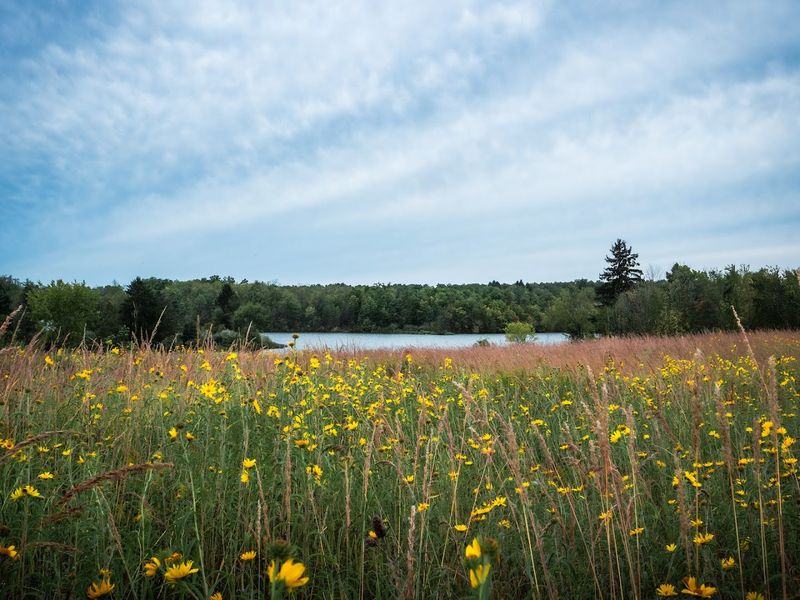
Up in the far northwest corner of Ohio, where the state meets Indiana and Michigan, Lake La Su An Wildlife Area near Pioneer is a surprising pocket of natural beauty that most people outside the region have never heard of.
The area covers more than 2,600 acres and centers around a series of small lakes and ponds, creating a mosaic of open water, shrubby wetlands, and young forests that wildlife absolutely loves.
Spring brings nesting activity from a variety of waterfowl, and the surrounding uplands attract songbirds moving through on their way north.
Fishing is popular here as well, with bluegill, bass, and catfish drawing anglers to the shorelines during the designated fishing season.
Visitors should check the current fishing schedule before heading out, because Lake La Su An operates under special fishing dates and access rules.
The area is quiet and uncrowded, which makes it a refreshing contrast to the more heavily visited spots along Lake Erie.
Wildlife-wise, keep your eyes open for white-tailed deer, wild turkey, and foxes, all of which can be seen in the surrounding habitat.
Bring a camera with a zoom lens and plan to spend at least half a day exploring this underrated corner of northwest Ohio.
4. Killdeer Plains Wildlife Area, Harpster, Ohio
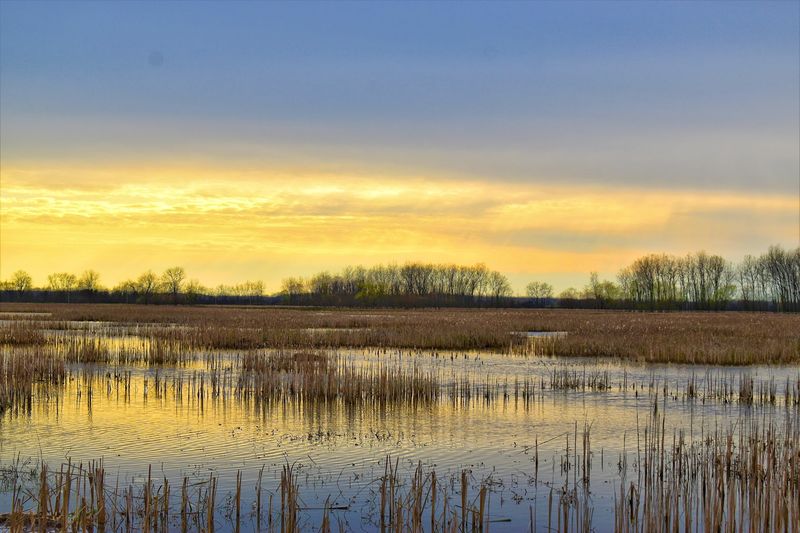
Named after the noisy, theatrical little shorebird that nests across its open fields, Killdeer Plains Wildlife Area near Harpster, Ohio, is one of the most ecologically diverse public lands in the entire state.
At more than 9,000 acres, it is also one of the largest, offering a sweeping mix of wetlands, grasslands, croplands, and forested edges that support an extraordinary range of wildlife.
Spring is when Killdeer Plains truly comes alive, as migrating shorebirds flood the mudflats and flooded fields in numbers that can be genuinely breathtaking.
Dunlins, dowitchers, yellowlegs, and sandpipers all make appearances, along with raptors hunting the open terrain.
The area is crisscrossed by gravel roads that allow you to cover a lot of ground by car, which is helpful given its size.
Serious birders often spend entire days here during peak migration without running out of new things to observe.
The flatness of the terrain gives you long sight lines across the wetlands, which works in your favor when scanning for wildlife.
Dress in layers, because the wind out on these open plains can be unexpectedly cold even on sunny spring days.
5. Big Island Wildlife Area, New Bloomington, Ohio
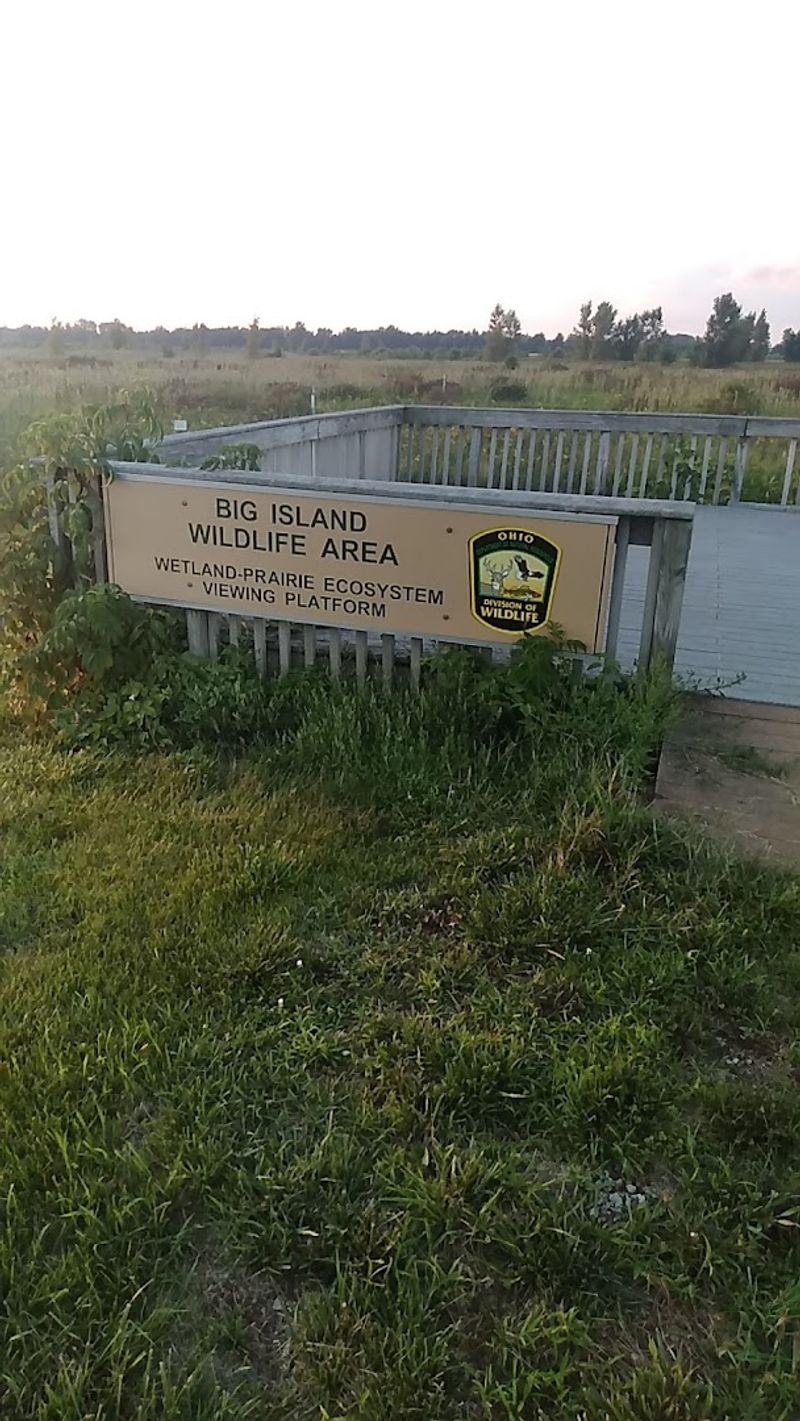
Spring migration at Big Island Wildlife Area near New Bloomington, Ohio, is the kind of thing that makes you reconsider your weekend plans the moment you pull into the parking area and hear the noise.
Thousands of geese and ducks fill the managed wetlands during peak migration, and the sound alone is worth the drive out to Marion County.
Big Island covers more than 5,800 acres and is managed primarily for migratory waterfowl and upland game, but the wildlife diversity it attracts goes well beyond what the name suggests.
Sandhill cranes can be a memorable highlight in spring, sometimes appearing in open fields and wetlands as they move through the region.
The area also supports healthy populations of white-tailed deer, wild turkey, and a variety of raptors including rough-legged hawks and northern harriers.
Gravel roads run through the property, making much of it accessible without requiring a long hike.
The terrain is flat and open, which is great for spotting wildlife from a distance before you get close enough to disturb them.
Plan to visit on a weekday morning in late March or early April for the most impressive waterfowl concentrations of the season.
6. Killbuck Marsh Wildlife Area, Shreve, Ohio
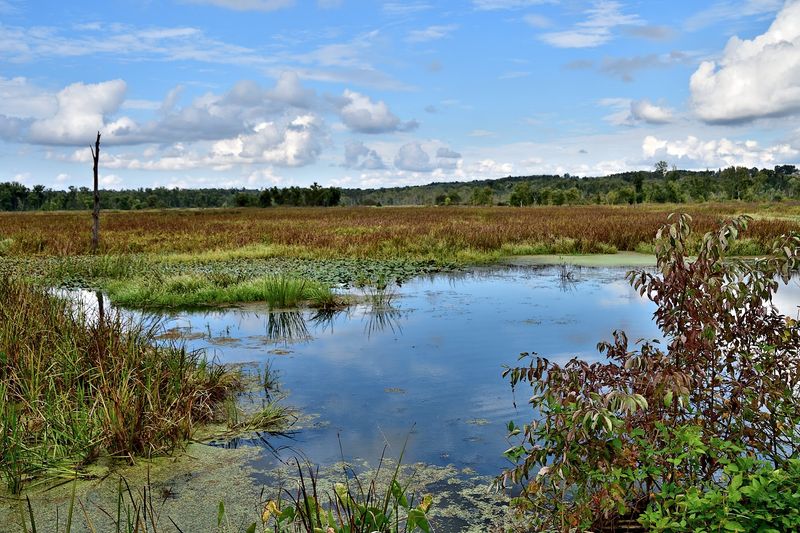
Stretching along the Killbuck Creek valley in Wayne and Holmes counties, Killbuck Marsh Wildlife Area near Shreve, Ohio, is one of the largest inland marshes remaining in the state, and it shows.
The sheer scale of the cattail marsh is impressive, and in spring it hums with the calls of red-winged blackbirds, marsh wrens, and bitterns tucked deep in the reeds.
This is a place where you can genuinely feel like you have stepped into a different world, far removed from roads, towns, and noise.
The marsh is part of a larger protected corridor that connects several natural areas, which makes it especially valuable for wildlife that needs room to roam.
Canoe and kayak access is available along the Killbuck Creek, and paddling through the marsh in spring is a truly memorable experience.
You might drift past great blue herons standing motionless in the shallows or catch a glimpse of a river otter rolling through the current.
Trails are limited here, so many visitors explore by water rather than on foot.
If paddling is not your thing, the road edges and upland areas around the marsh still offer excellent birding and wildlife watching opportunities throughout the spring season.
7. Grand River Wildlife Area, West Farmington, Ohio
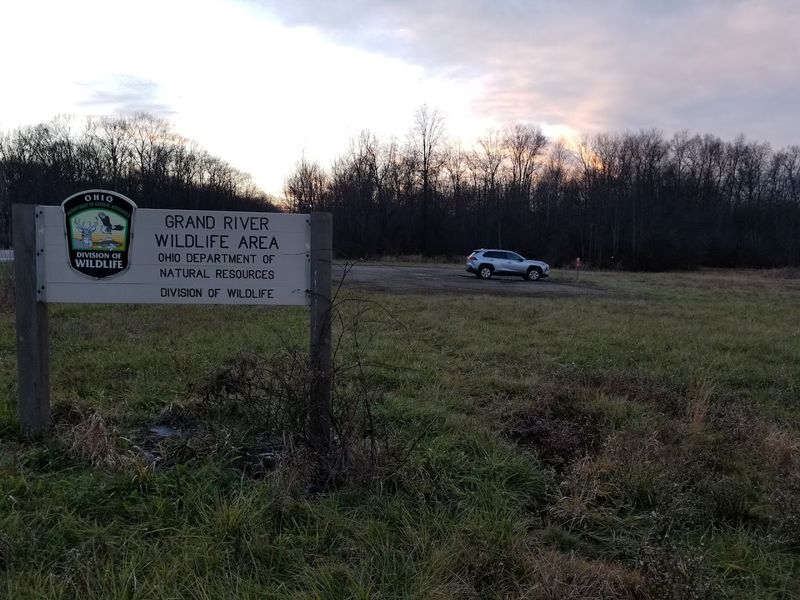
Northeast Ohio has a lot going for it in spring, and Grand River Wildlife Area near West Farmington is one of the region’s best-kept outdoor secrets.
The Grand River and its tributaries run through the area, creating a broad mix of wetland habitat, swamp forest, open areas, and wooded edges that feel remarkably wild.
Spring brings new life to the river corridor, with migrant songbirds moving through the woods and wetland birds becoming more active around the ponds and marshy areas.
Even if fishing is not your focus, the area is beautiful in April and May, with fresh green growth, moving water, and wildlife activity building quickly after winter.
Trails and observation areas give visitors a chance to explore wooded bottomlands, wetland edges, and quiet corners where patience often pays off.
Wood ducks nest in cavities along the river, and you can often spot them zipping through the trees with surprising speed.
The area is relatively undeveloped, which adds to its appeal for visitors looking for a more rugged, off-the-beaten-path experience.
Wear waterproof boots if you plan to explore lower areas, as spring flooding can make some paths muddy and wet.
8. Highlandtown Wildlife Area, Salineville, Ohio
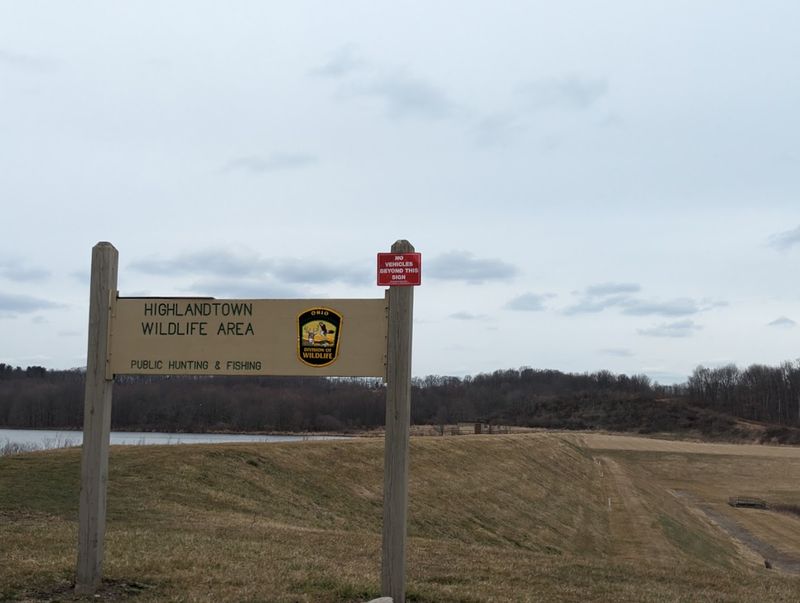
Not every great wildlife area in Ohio is flat, and Highlandtown Wildlife Area near Salineville proves the point with authority.
Located in Columbiana County in the eastern part of the state, this area sits in a landscape of rolling hills, forested ridges, and small stream valleys that feel more like Appalachian backcountry than typical Midwest terrain.
Spring is a fantastic time to visit, when the hardwood forest is just starting to leaf out and the wildflower display on the forest floor is at its peak.
Trillium, wild ginger, and spring beauties carpet the ground beneath the oaks and maples, creating a scene that feels almost too pretty to be real.
Wild turkey are abundant here, and spring gobbler season draws hunters to the area, so hikers should wear blaze orange if visiting during that period.
White-tailed deer are also commonly seen, especially in the early morning hours near forest edges.
The terrain is hilly enough to give you a solid workout, which makes it a great option if you want your nature fix to double as exercise.
Pack a lunch, find a quiet ridge, and take your time soaking in a side of Ohio that surprises most first-time visitors.
9. Spring Valley Wildlife Area, Waynesville, Ohio
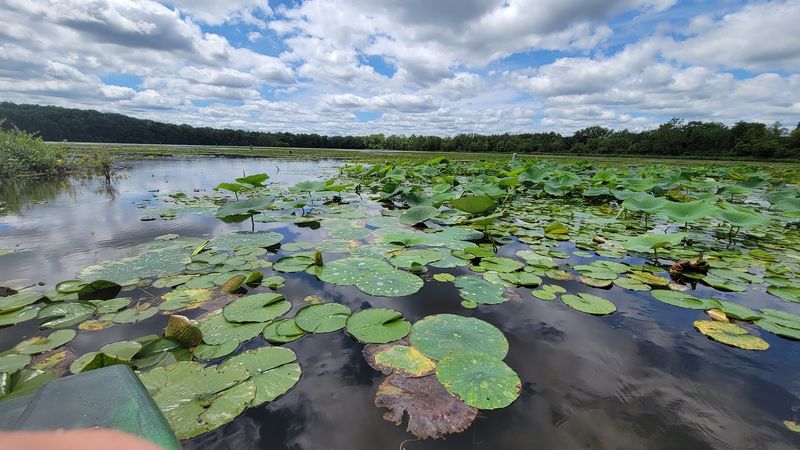
With a name like Spring Valley Wildlife Area, this spot near Waynesville in Warren County basically announces itself as the perfect spring destination, and it backs that claim up completely.
The area protects a compact but varied mix of wetlands, lake habitat, old fields, and woods just east of the Little Miami River, creating a layered habitat that supports an impressive variety of wildlife.
Birding here in April and May is excellent, with breeding species including yellow warblers, common yellowthroats, and wood thrushes filling the air with song.
The wetland areas attract herons, egrets, and a rotating cast of migrant birds depending on water levels.
Trails wind through the different habitat types, and the relatively flat terrain makes the area accessible for visitors of all fitness levels.
Spring wildflowers are a highlight along the wooded sections, with trout lilies and Virginia bluebells appearing in patches that stop you in your tracks.
The Waynesville area itself is charming and worth exploring after your hike, with small shops and a relaxed small-town atmosphere.
Combine a morning at Spring Valley Wildlife Area with an afternoon stroll through Waynesville, and you have a near-perfect spring day in southwest Ohio.
10. Wolf Creek Wildlife Area, Malta, Ohio
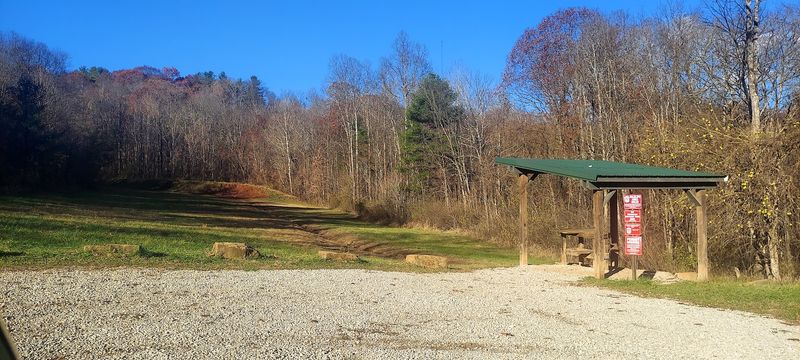
Deep in the hill country of Morgan County, Wolf Creek Wildlife Area near Malta, Ohio, offers a spring experience that feels genuinely off the radar in the best possible way.
The area sits within the broader Muskingum watershed, and the landscape here is characterized by forested ridges, steep hollows, and the clear-running waters of Wolf Creek winding through the valley below.
Spring turkey hunting is a major draw, but the area is equally rewarding for hikers and wildlife watchers who want to explore the forest during the season’s most vibrant weeks.
Wildflowers emerge early in the sheltered hollows, and the creek corridor attracts a variety of songbirds moving through on migration.
Ruffed grouse drum from the hillsides in spring, producing a sound so low and rhythmic it can be hard to identify if you have never heard it before.
The trails here are rugged and not heavily maintained, so sturdy footwear and a good sense of direction are genuinely useful.
Wildlife encounters feel more intimate here because the terrain creates natural corridors that funnel animals along predictable routes.
For visitors who want their spring day trip to feel like a real adventure rather than a casual stroll, Wolf Creek delivers that feeling consistently.
11. Tri-Valley Wildlife Area, Zanesville, Ohio
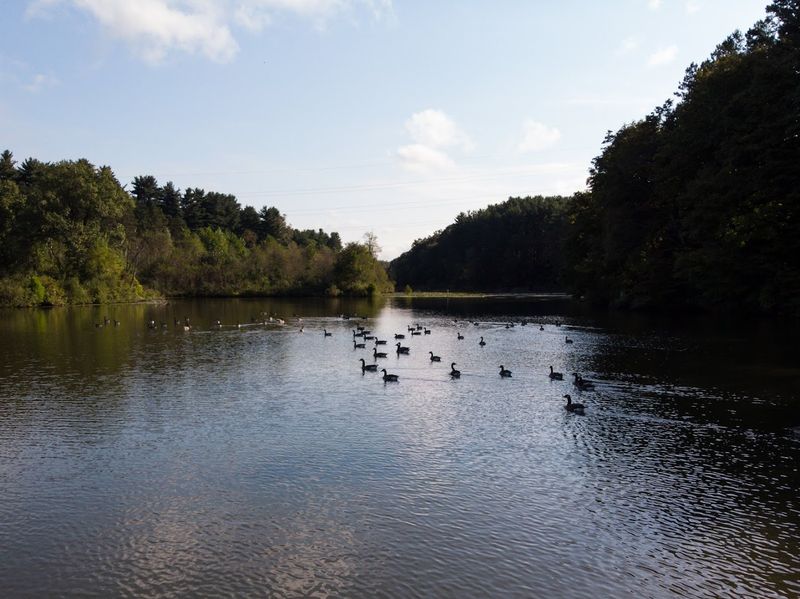
Wrapping up this list with a spot that earns its place through sheer variety, Tri-Valley Wildlife Area in Muskingum County is one of southeast Ohio’s most rewarding public lands for spring visitors.
The area covers more than 16,000 acres near Dresden and north of Zanesville, with forests, brushy thickets, small ponds, and open fields spread across the rolling terrain that defines this part of the state.
That habitat diversity translates directly into wildlife diversity, and spring is when the full range of species the area supports becomes visible all at once.
Ruffed grouse, wild turkey, white-tailed deer, and a wide variety of songbirds all call this area home, and the spring breeding season puts them all on display in their most active form.
The ponds scattered throughout the property attract wood ducks, herons, and early-season amphibians including American toads whose spring chorus is surprisingly loud for such small creatures.
Trails range from easy to moderately challenging depending on which section of the area you explore.
Zanesville itself is worth a visit before or after your hike, with a walkable downtown and the famous Y-Bridge that has been drawing curious visitors for well over a century.
Tri-Valley is a fitting final stop on any Ohio wildlife tour, offering a little bit of everything the state does so well in spring.