
10 Oklahoma Towns That Lost Their Best Customers When Highways Bypassed Them
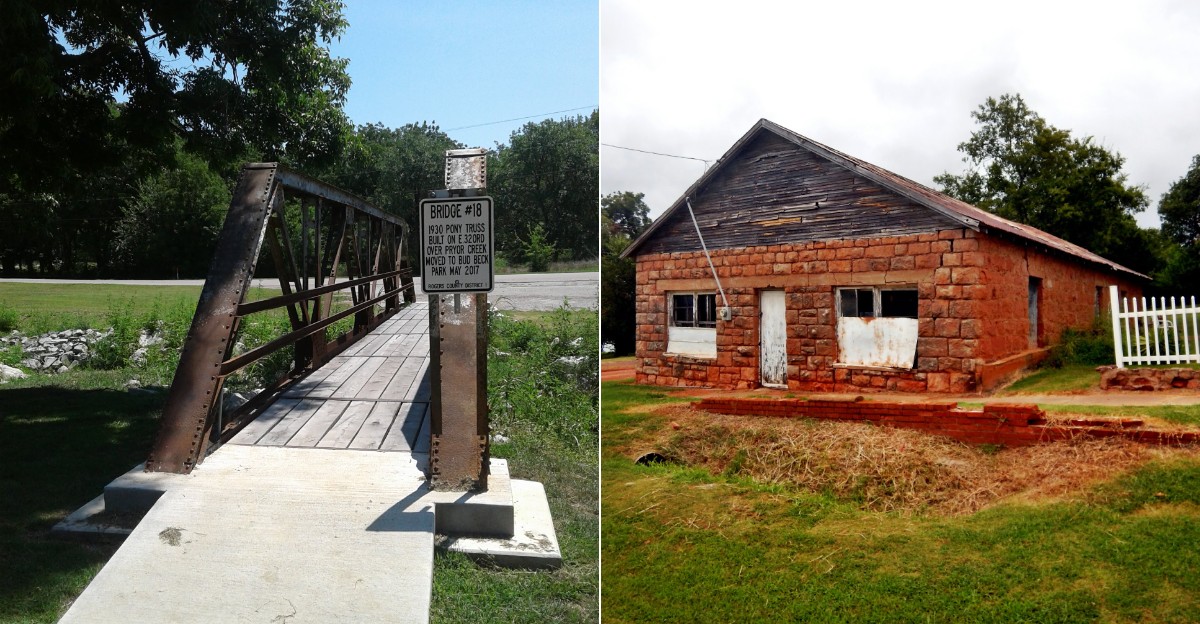
For some Oklahoma towns, highway bypasses came with a little surprise. Their best customers stopped showing up.
No goodbye, no warning. Just fewer cars on Main Street.
Route 66 once delivered hungry drivers, motel guests, and steady business right to town. Then faster highways let travelers bypass the very places that had kept them moving.
The traffic found a new route. Local businesses were left holding the bill.
I find it remarkable that a shortcut could change the fate of an entire town. One day, the diner is packed.
The next, the coffee is still hot, but nobody’s coming through the door.
Today, faded neon signs and quiet storefronts tell the story of what happens when the road moves on without you. Progress has a funny way of leaving people in the rearview mirror.
1. Texola

Few towns have changed their name as often as this one. Texola was also called Texokla and Texoma before settling on a name that mixes Texas and Oklahoma.
That name makes sense once you see the map. The town sits right on the Texas line in Beckham County, making it the last Oklahoma stop for westbound Route 66 travelers.
Being the final stop used to be good business. Drivers heading west would top off their tanks, grab a meal, and stretch their legs before crossing the border.
Interstate 40 changed that math. Once the four-lane highway opened nearby, most travelers simply blew past without slowing down.
Today the population is only a few dozen people. You can count the residents faster than you can count the empty buildings along the old road.
Still, the town has something many bigger places lack. A small one-room territorial jail still stands as a reminder of Texola’s early days.
Road trippers who love quiet, photogenic ruins often add it to their Route 66 route. The weathered storefronts and wide-open sky make great pictures.
If you come, bring snacks and a full tank. Services are very limited, which is kind of the whole lesson of Texola.
Think of it as a living history class on how one highway can shape a town. Just remember to read the sign on the way out.
Address: Texola, OK
2. Erick
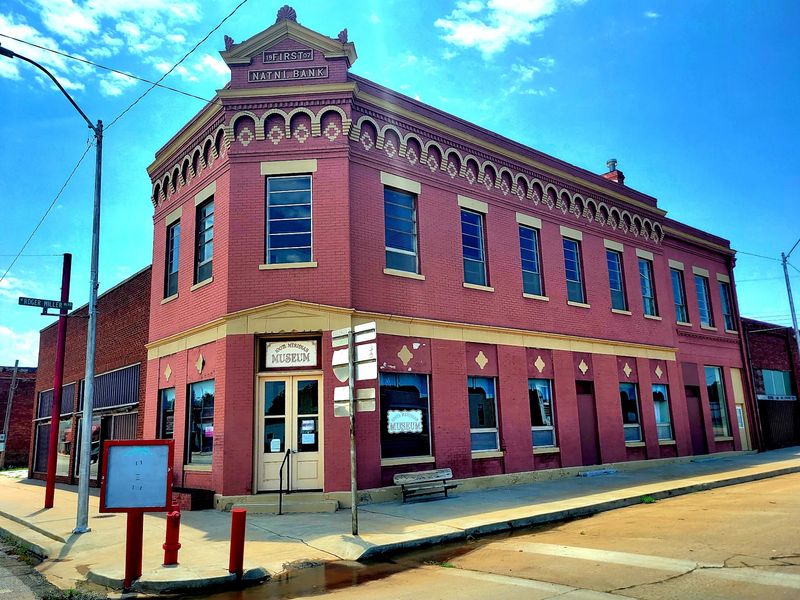
Ever heard of King of the Road? The man who sang it, Roger Miller, grew up right here in Erick.
The town hasn’t forgotten him. Part of old Route 66 through town carries his name, and a museum once honored his music.
Erick sits in Beckham County, not far from the Texas border. Around a thousand people live here, which keeps the town small but very much awake.
Back in the day, Route 66 ran straight through downtown. Travelers bought gas, ate lunch, and kept local businesses humming along.
Interstate 40 moved that flow to the edge of town. Exits are handy for drivers, but they don’t put customers on Main Street.
The old downtown strip still holds its historic look. Brick buildings line the route like they’re waiting for the next carload of tourists.
Erick also claims a spot near the 100th Meridian, an important line on early maps. It once marked a border tied to Texas and Indian Territory history.
Music fans and map nerds both get something here. You can hum a famous tune while standing near a line that shaped the West.
Plan a short loop off the interstate to see it. Sometimes the best part of a road trip is the part the highway skipped.
Address: Erick, OK 73645
3. Bridgeport
A town named for a bridge usually has a good bridge story. Bridgeport certainly does, and it involves Hollywood.
Nearby stands the famous Pony Bridge on old Route 66. Its long chain of short steel truss spans crosses the wide, sandy South Canadian River.
Movie fans may recognize it. The bridge appears in the 1940 film version of The Grapes of Wrath, as the Joad family heads west.
That’s a lot of fame for a place with roughly 100 residents. Bridgeport sits in Caddo County and keeps a very rural, quiet feel.
Bridgeport suffered a major blow in 1934, when Route 66 was realigned onto a more direct road between El Reno and Hydro. The new route bypassed the town decades before Interstate 40 arrived, diverting travelers and hurting local businesses.
So the town shrank while the bridge got famous. That’s a strange trade, but it’s the kind of twist Route 66 is full of.
You can still enjoy the drive along the old alignment. Watching the river spread out under all those spans feels like stepping into a black-and-white movie.
Don’t expect shops or diners in town. Pack your own water and snacks before leaving the interstate.
Bring a camera, though. Few Oklahoma road scenes look as classic as that bridge stretching across the river.
Address: Bridgeport, OK 73047
4. Afton
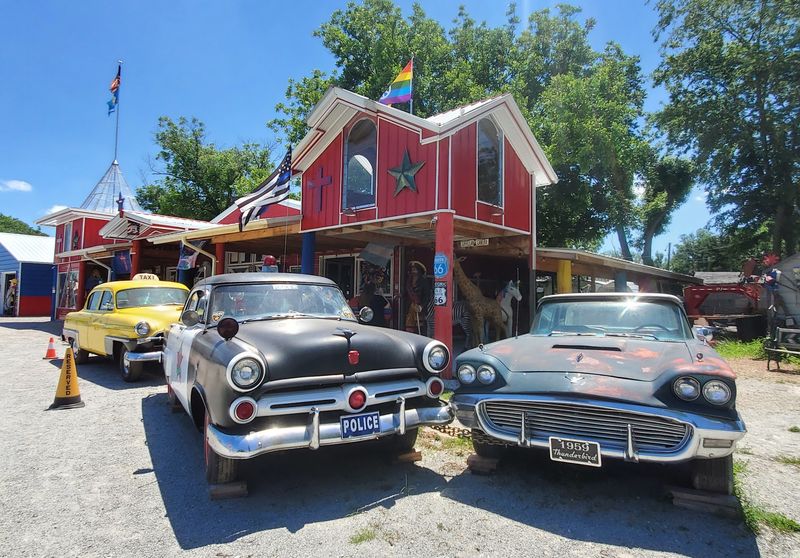
Old gas stations make great storytellers. In Afton, a few historic ones still hint at how busy this crossroads used to be.
The town sits in Ottawa County in the green northeast corner of Oklahoma. Around 750 people live here today.
Route 66 once brought a steady parade of cars through Afton. Service stations, cafes, and shops lined up to catch travelers needing a break.
Then the Will Rogers Turnpike opened in 1957. That toll road, now part of Interstate 44, gave drivers a quicker path through the region.
Faster for drivers meant slower for Main Street. Many travelers no longer had a reason to stop in town.
You can still spot the bones of that roadside era. The old station buildings and storefronts show how much money once rolled through on four wheels.
Afton also sits close to Grand Lake o’ the Cherokees. That makes it an easy add-on if you’re heading to the water.
Take the old road instead of the turnpike for a stretch. You’ll save a toll and gain a little history.
Slow down as you pass the vintage buildings. They’ve been waiting decades for someone to actually notice them.
Address: Afton, OK 74331
5. Hydro
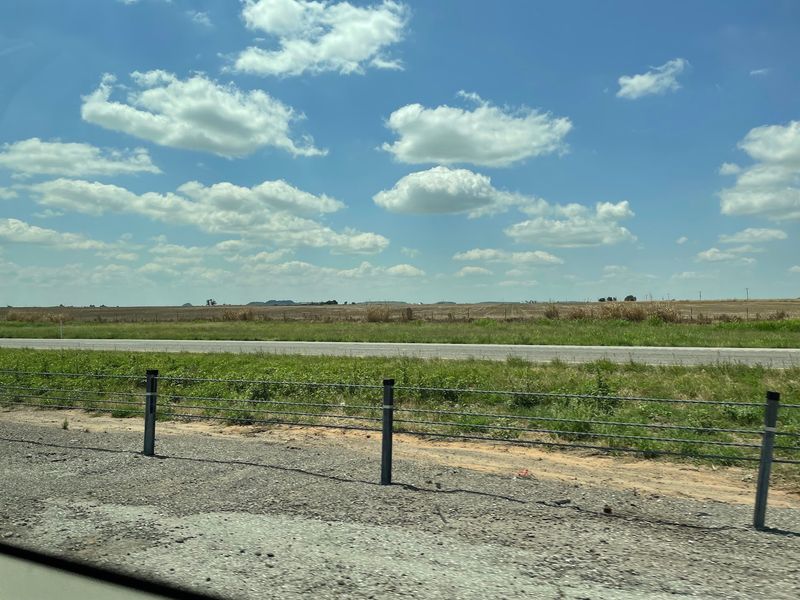
One woman pumped gas here for nearly 60 years. Lucille Hamons ran her station near Hydro from 1941 until 2000, earning the nickname Mother of the Mother Road.
Her little building still stands beside old Route 66. Built in 1929, the two-story station with its upstairs living space is listed on the National Register of Historic Places.
It’s one of the most photographed stops in western Oklahoma. The canopy and old pumps look straight out of a postcard.
Hydro itself is a small farming town in Caddo and Blaine counties. Fewer than 1,000 people call it home.
Interstate 40 runs right alongside the old road here. Drivers can see the station from the highway, yet most never pull over.
That’s what the interstate did to towns like this. It kept them in sight but out of reach.
Hamons stayed open long after traffic thinned. Her story shows how stubborn small-town business owners had to be once the big highway arrived.
Today the station works as a roadside landmark rather than a full service stop. Plan on fueling up elsewhere before you visit.
Grab a photo and read the history. You’ll understand why Route 66 fans treat this spot with respect.
Address: Hydro, OK
6. Sayre
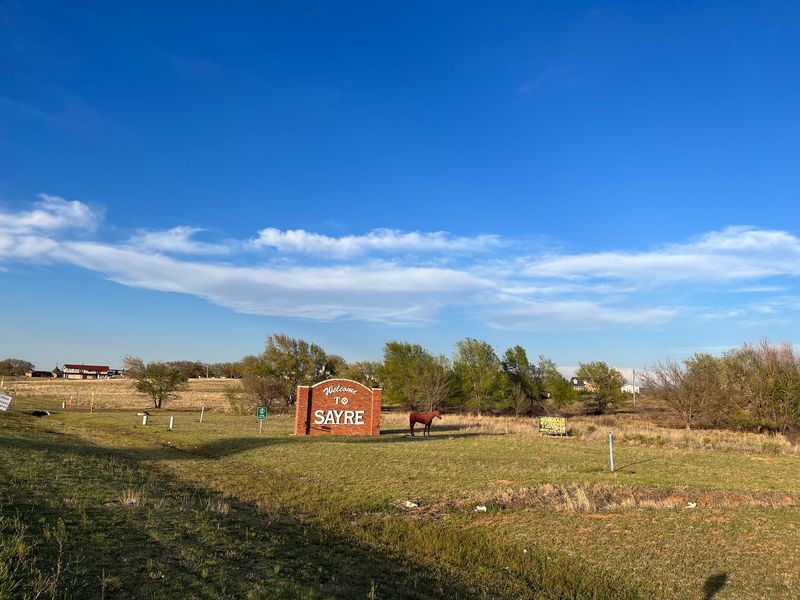
Hollywood came calling here too. The Beckham County Courthouse in Sayre shows up in The Grapes of Wrath movie, making it one of Route 66’s famous backdrops.
The courthouse dates to 1911. Its dome and columns give this small town a surprisingly grand centerpiece.
Sayre is the county seat and home to around 4,000 people. That makes it big compared to many towns on this list.
Route 66 once guided travelers straight past the courthouse square. Shops and motels depended on that constant stream of drivers.
When Interstate 40 opened, the stream shifted to the edge of town. Downtown lost its built-in audience almost overnight.
Sayre adapted by leaning on its history. The Shortgrass Country Museum fills the old Rock Island railroad depot with local stories and artifacts.
You can easily pair the museum with a stroll around the square. Seeing the courthouse up close beats a quick glance from the highway.
The town also makes a handy break on a long western Oklahoma drive. Stretching your legs here comes with a side of history.
So take that exit for once. The courthouse already proved it can steal a scene.
Address: Sayre, OK 73662
7. Chelsea
Oil history in Oklahoma has to start somewhere. Many historians point to Chelsea, where an early oil well was drilled in 1889.
That’s years before statehood. It gives this Rogers County town a big claim for a place of roughly 1,900 people.
Chelsea also has a fun shopping story. The Hogue House, built in 1913, is believed to be one of the first Sears mail-order kit homes in Oklahoma.
Picture ordering a house from a catalog. Then picture it still standing more than a century later.
Route 66 rolled through Chelsea and fed its downtown businesses. Travelers stopped for gas, food, and a quick look around.
The Will Rogers Turnpike, later part of Interstate 44, changed that pattern. Through traffic moved away from the historic commercial core.
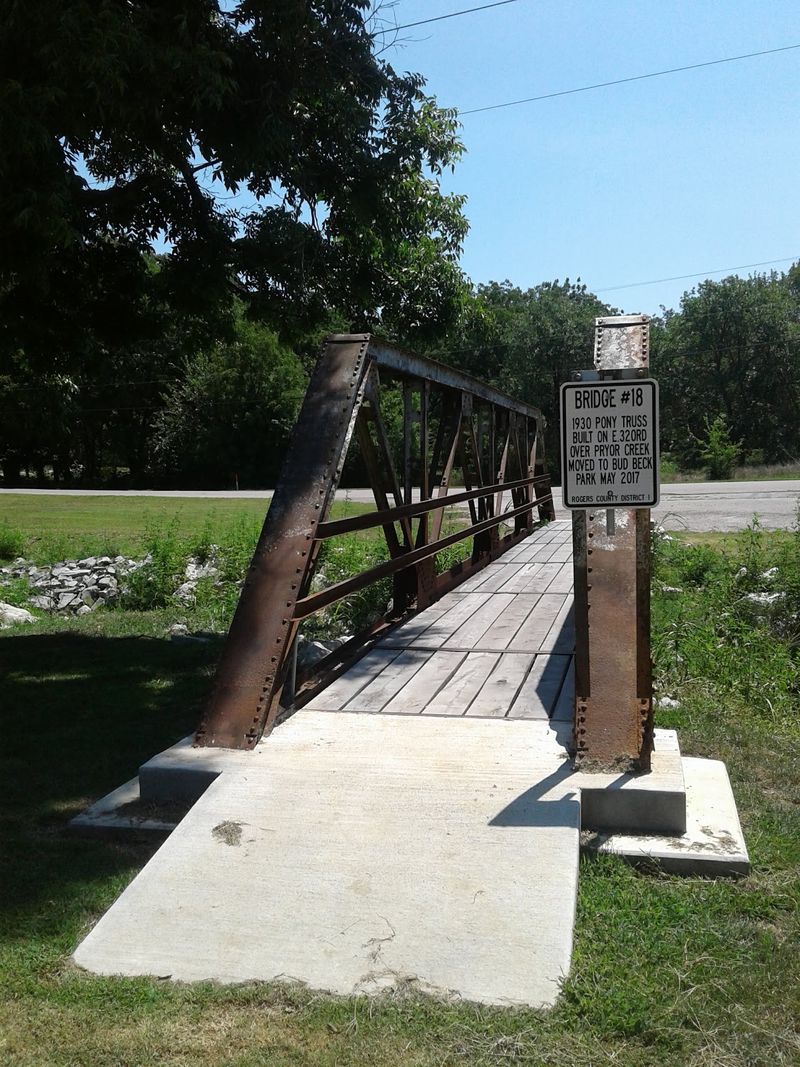
The old road still has treasures nearby. The Pryor Creek Bridge, a steel truss span from the 1920s, sits along the original route.
Chelsea rewards curious drivers who like digging into details. Catalog houses and early oil make for great trivia.
Spend an hour wandering here. You’ll leave with stories your passengers didn’t expect.
Address: Chelsea, OK 74016
8. Foyil
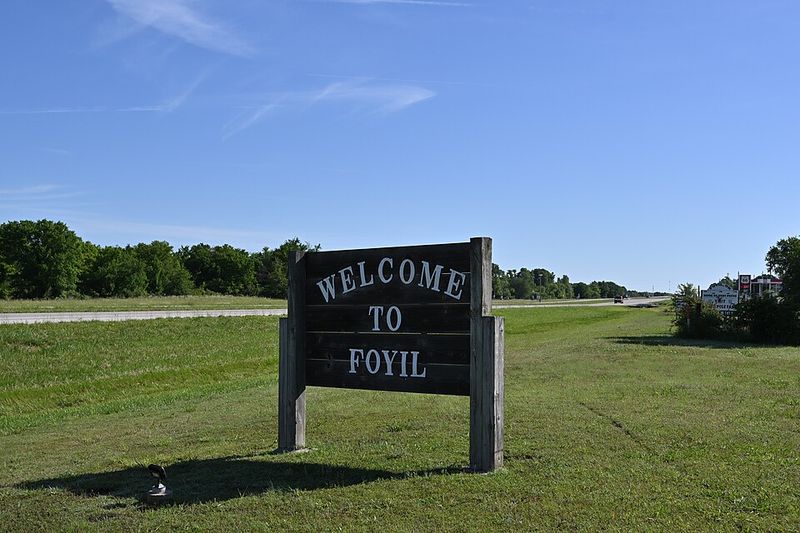
A 90-foot concrete totem pole is not something you pass by quietly. Ed Galloway built it near Foyil, and it remains the star of Totem Pole Park.
Galloway worked on the pole from 1937 until 1948. It’s covered in painted carvings, including birds and other figures.
The park sits a few miles east of town. It’s a favorite detour for Route 66 fans who love folk art.
Foyil also produced a real running legend. Andy Payne, a local young man, won the 1928 cross-country footrace nicknamed the Bunion Derby.
That race followed much of Route 66. Fitting, since his hometown sat right on the road.
Today Foyil has roughly 350 residents in Rogers County. Interstate 44 pulled through traffic away from the old highway corridor.
A section of early Route 66 pavement near town still shows the narrow road drivers once used. It’s a fun reminder of how slow travel used to be.
Plan time for the park and its grounds. Kids and adults both tend to stare upward for a while.
Then honor Andy Payne by taking a short walk. You don’t need to run all the way to California.
Address: Foyil, OK 74017
9. Calumet
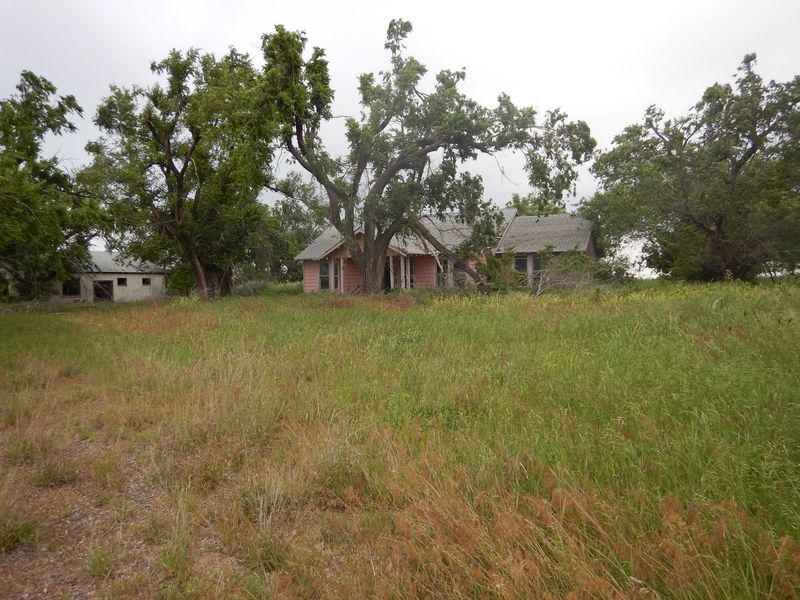
Wheat fields usually outnumber stoplights in western Canadian County. Calumet fits that picture perfectly.
Around 500 people live in this farming town. Grain and open land shape daily life far more than tourism does.
Calumet once sat directly on the original Route 66 alignment. In the 1930s, a straighter route between El Reno and Hydro redirected traffic away from town, decades before Interstate 40 was built.
The interstate now runs several miles south, but Calumet had already lost much of its passing traffic when the original highway was rerouted. It’s a reminder that small towns could suffer from road improvements long before the interstate era.
For small towns, that distance matters a lot. A few extra miles can decide whether a traveler stops for gas or keeps going.
Calumet sits west of El Reno and the Oklahoma City metro. That makes it a quick side trip for anyone curious about rural central Oklahoma.
Don’t expect big attractions or souvenir shops. The draw here is the slow pace and the wide, flat horizon.
Drive in during harvest season and you’ll see why farming still runs the show. Grain trucks may become your new traffic.
Calumet reminds you that bypassed doesn’t always mean forgotten. Sometimes it just means peaceful.
Address: Calumet, OK 73014
10. Wellston
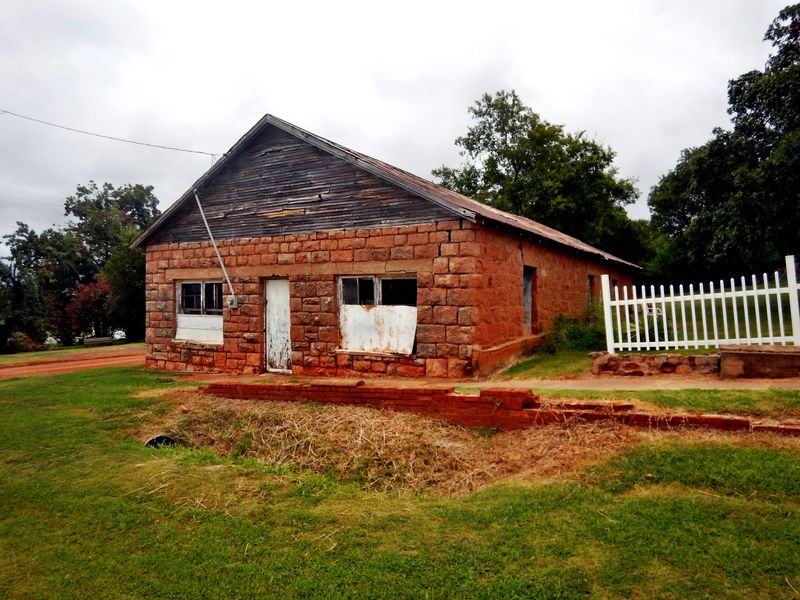
Wellston’s highway troubles began before the interstate era. In 1933, a straighter alignment of Route 66 bypassed the town, diverting traffic away from its businesses.
The Turner Turnpike opened in 1953, giving motorists a faster route between Oklahoma City and Tulsa. It added another challenge for communities along the older highway corridor.
Wellston sits in Lincoln County and had 681 residents at the 2020 census. Established before Route 66, the town served surrounding farming communities and later benefited from passing highway traffic.
As travelers shifted to faster routes, local businesses faced fewer potential customers. Fewer drivers meant fewer meals, fewer fill-ups, and fewer chances to make a sale.
Old Route 66 still winds through this part of the state. Following it near Wellston gives you a slower look at rolling hills and small towns.
The area makes a nice pairing with nearby Chandler and Stroud. Both sit along the same historic corridor.
Take your time on the two-lane road. You’ll notice details the turnpike crowd never sees.
Wellston proves that speed has a price. Somebody always pays it, and often it’s the little town just off the exit.
Next time you’re headed to Tulsa, skip the toll for an afternoon. Your road trip might get a little more interesting.
Address: Wellston, OK 74881