
11 Old Main Streets In Illinois That Still Feel Timeless
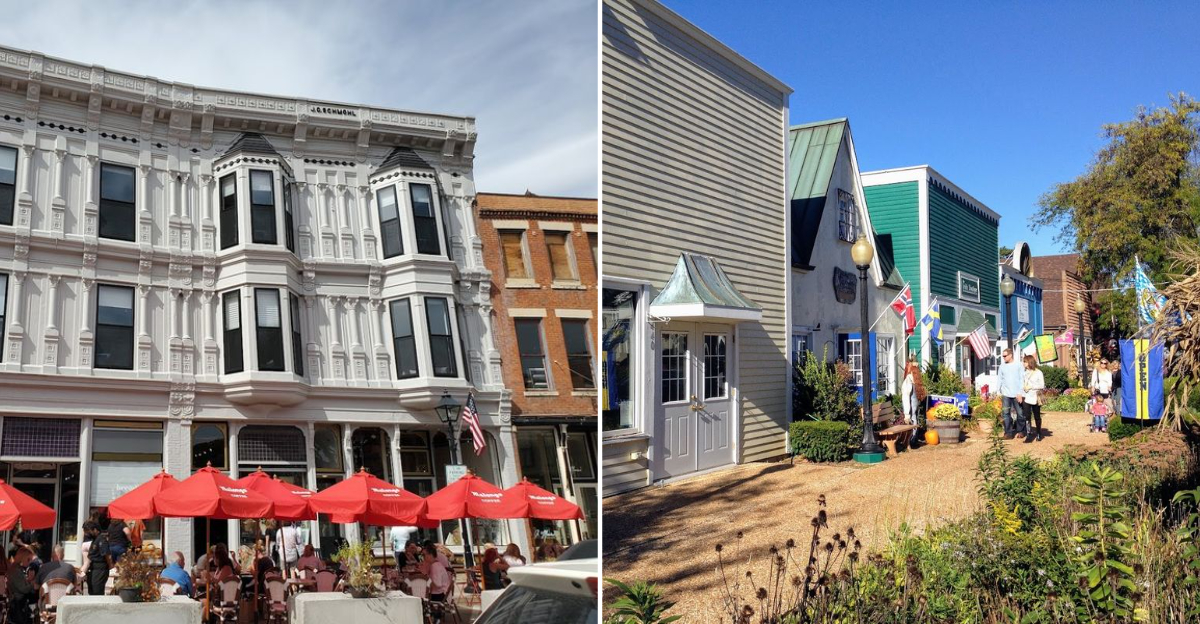
A small-town main street can do something modern places rarely manage: slow the pace without trying. The buildings look familiar even on a first visit.
The sidewalks feel lived in. Illinois still has streets like this, and finding them feels a little like discovering a time pocket hiding in plain sight.
These are not staged tourist blocks built for photos. They are working streets where the bakery opens early, the antique shop owner remembers regulars, and the same storefronts have watched decades roll past.
After visiting all eleven towns on this list, one thing becomes clear. Each place holds onto its identity in a way that larger cities often lose.
Galena’s steep historic street. Woodstock’s courthouse square.
Elsah’s quiet limestone cottages. Illinois can seem ordinary at first glance, but if you spend a little time on these main streets, the state suddenly can feel far more interesting than expected.
1. Galena, Illinois
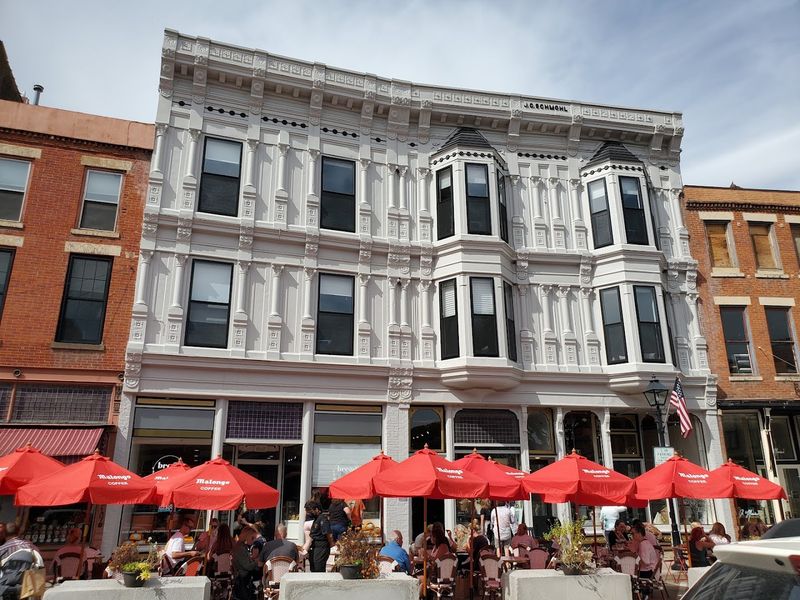
Cobblestone character runs deep in Galena, a northwest Illinois town that looks like it was plucked right out of the 1860s and gently set down for modern visitors to enjoy. Main Street here is one of the most recognizable historic streets in Illinois, lined with handsome brick buildings that date back to the 1800s.
Galena is famously the hometown of Ulysses S. Grant, and you can tour his preserved home just a short walk from the main drag.
The street itself is packed with locally owned boutiques, candy shops, and antique stores that reward slow, curious browsing.
Fall is an especially popular time to visit, when the surrounding hills turn brilliant shades of orange and red. Galena sits in the Driftless Area, a region that escaped glacial flattening, so the landscape around town is unusually hilly and scenic for Illinois.
Plan to spend a full day here because one pass down Main Street will never feel like enough.
2. Geneva, Illinois
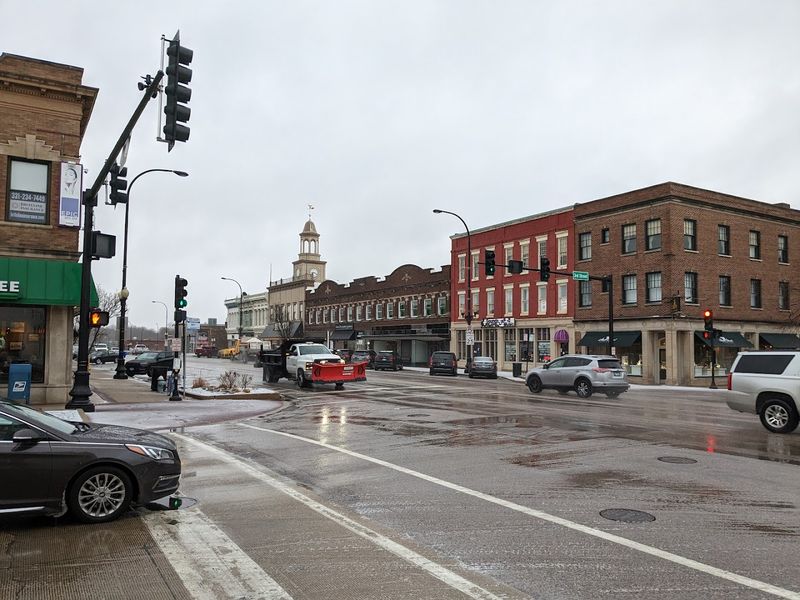
Right along the banks of the Fox River, Geneva has built a reputation as one of the most walkable and welcoming downtowns in the Chicago suburbs, and it fully earns that reputation.
Third Street, which functions as the town’s main commercial corridor, is lined with carefully preserved historic buildings and converted Victorian homes that house everything from art galleries to specialty food shops.
What makes Geneva feel distinct is the attention to detail at street level. Flower baskets hang from lamp posts, benches invite you to sit and people-watch, and nearly every storefront has a personality of its own.
The town has resisted the pull of big-box sameness in a way that feels genuinely intentional.
Geneva also hosts a beloved Swedish Days festival each June, a nod to the Scandinavian heritage that helped shape the community. The Fox River Trail runs right through downtown, so combining a bike ride with a stroll through the shops is an easy and satisfying way to spend a Saturday morning here.
3. Woodstock, Illinois
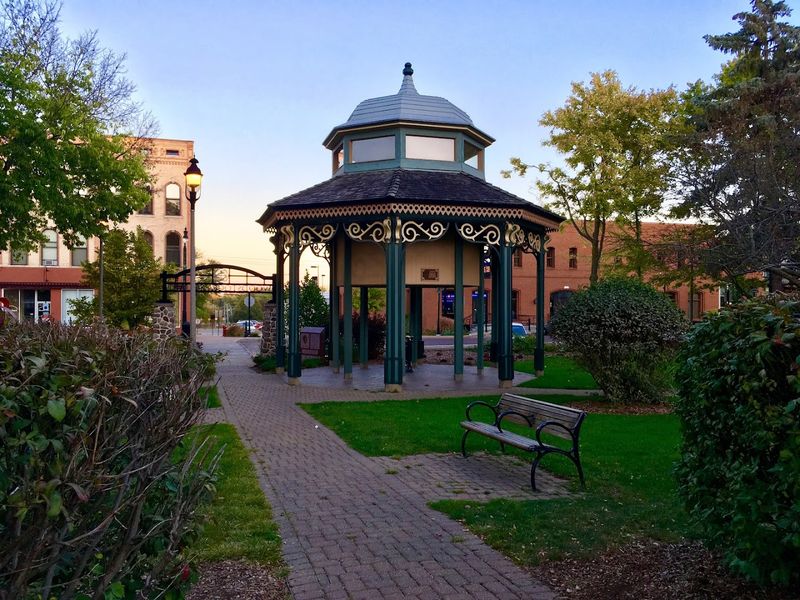
Woodstock’s town square is the kind of place that makes you want to slow down and order a cup of coffee just so you have an excuse to sit and stare at it longer.
The centerpiece is the historic courthouse building, now the Old Courthouse Center, surrounded by a classic town square with a gazebo, mature trees, and a ring of independent shops and restaurants.
Movie fans may recognize Woodstock immediately because it served as the filming location for the 1993 film Groundhog Day, and the town leans into that legacy with good humor.
There is even a painted star on the sidewalk marking the spot where the fictional puddle scene was filmed, and visitors seek it out year after year.
Beyond the film history, Woodstock has a genuinely thriving arts scene anchored by the historic Woodstock Opera House, which has been staging performances since 1890. The square hosts a lively farmers market and several seasonal festivals throughout the year.
Woodstock proves that small-town charm and cultural depth can absolutely coexist in the same zip code.
4. Ottawa, Illinois
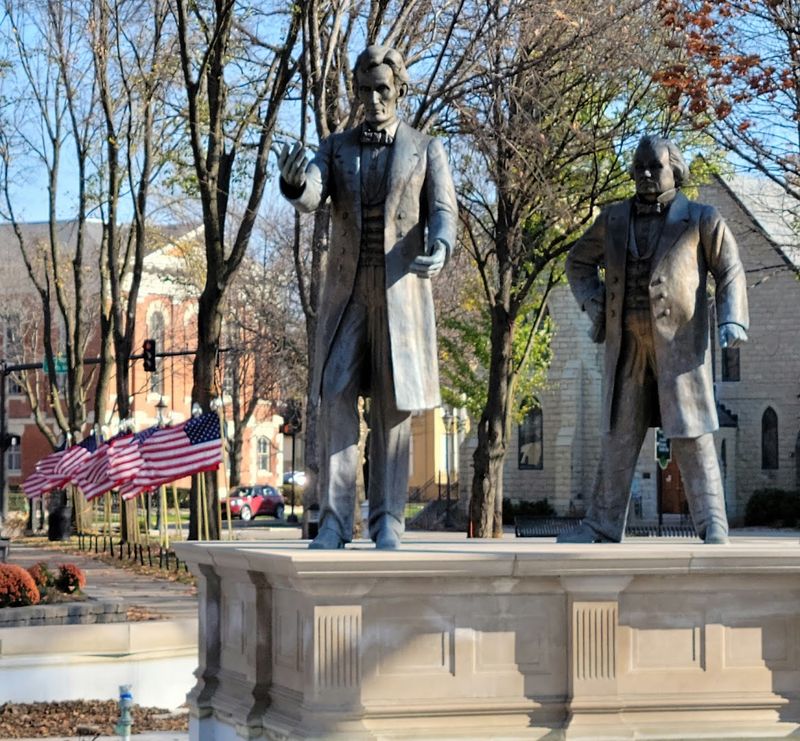
Sitting at the confluence of the Illinois and Fox Rivers, Ottawa carries a historical weight that most Illinois towns simply cannot match.
This is where Abraham Lincoln and Stephen Douglas held the very first of their famous 1858 debates, and Washington Square Park commemorates the site where that exchange took place.
Downtown Ottawa’s main commercial streets retain a sturdy, Midwestern dignity with well-kept brick facades and a mix of longtime local businesses alongside newer arrivals.
The scale of the downtown feels human and approachable rather than overwhelming, which makes wandering around on foot a genuinely pleasant experience.
The nearby Illinois River adds a scenic dimension that elevates Ottawa beyond a typical prairie town stop. Starved Rock State Park is just minutes away, making Ottawa a natural base for outdoor adventures paired with small-town dining and browsing.
The combination of serious historical significance and easy natural beauty gives Ottawa a depth that rewards more than just a quick drive-through visit.
5. Long Grove, Illinois
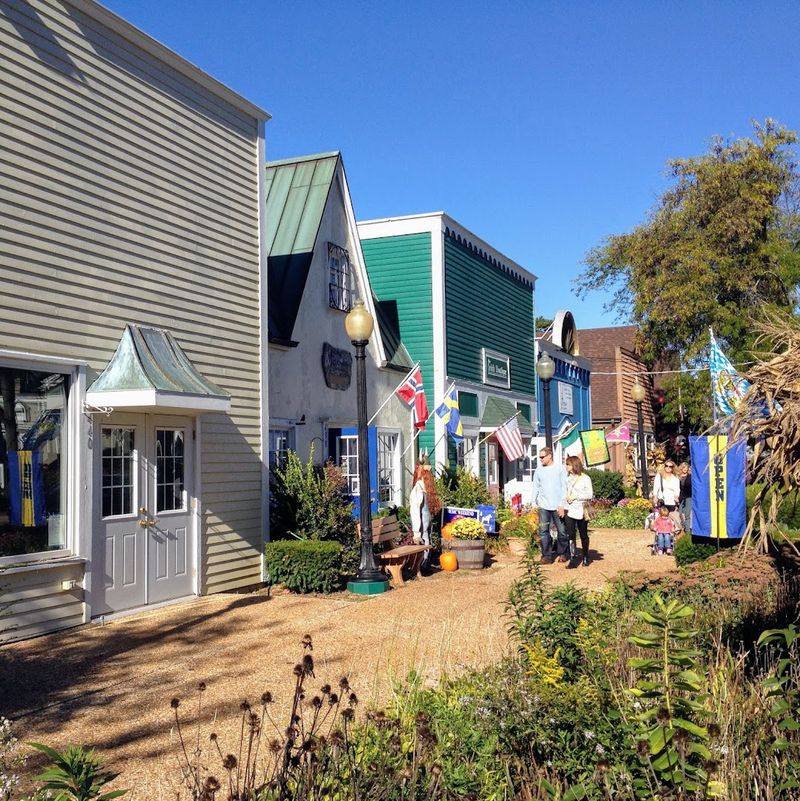
Long Grove feels like a small European village that somehow ended up in the northern Illinois suburbs, and the effect is absolutely charming. The historic village center is anchored by the iconic Long Grove covered bridge, originally built in 1906 and later enclosed, which remains a defining landmark in the village today.
The shops surrounding the bridge are housed in structures that look like they belong in a fairy tale, with steep rooflines, window boxes, and hand-painted signs.
Long Grove is particularly famous for its strawberry and apple festivals, which draw visitors from across the region and transform the tiny village into a cheerful, fragrant celebration of the seasons.
Even on a quiet midweek visit, the village has an unhurried energy that feels rare in a region so close to Chicago. Specialty food shops, chocolatiers, and gift boutiques make for excellent browsing.
Long Grove proves that you do not need to drive hours into rural Illinois to find a main street that still feels genuinely rooted in another era.
6. Princeton, Illinois
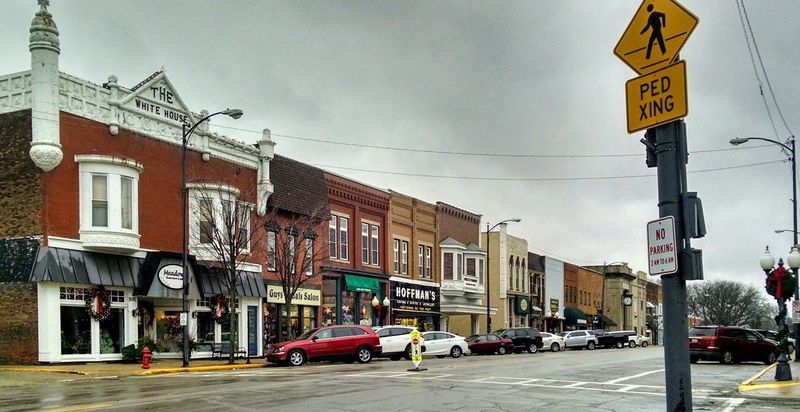
Princeton sits in Bureau County in north-central Illinois and carries itself with the quiet confidence of a town that knows its own history well. The downtown square is anchored by the Bureau County Courthouse, a prominent civic landmark that gives the surrounding streets a strong sense of civic pride and architectural presence.
Princeton was a significant stop on the Underground Railroad, and the Owen Lovejoy Homestead, located just outside of town, stands as a powerful reminder of the brave work that happened here before and during the Civil War. That history adds meaning to every walk down Main Street.
The town supports a solid collection of independent businesses, including antique shops and diners that have been feeding locals for decades. Princeton hosts a lively county fair each summer that brings the whole community together in the best old-fashioned way.
For travelers interested in history that goes beyond surface-level tourism, Princeton rewards careful attention and a willingness to look just beyond the storefronts.
7. Arthur, Illinois
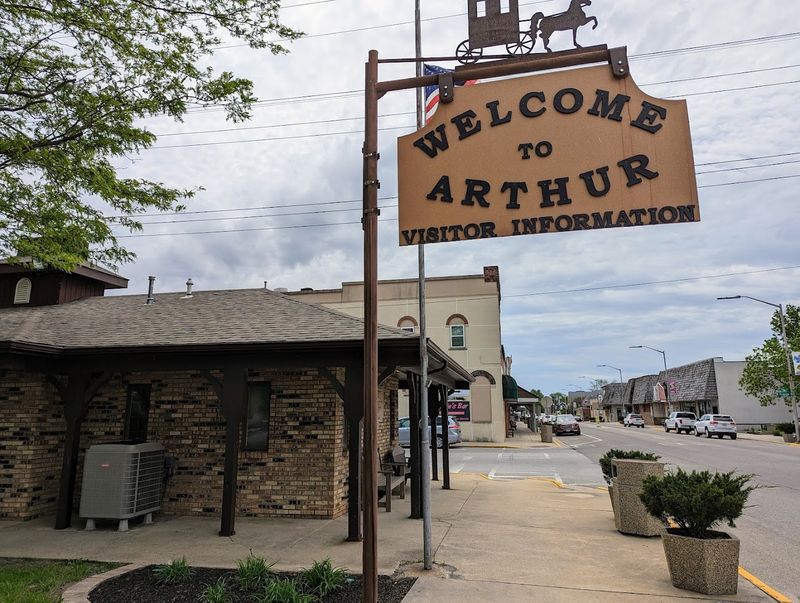
Arthur is unlike almost anywhere else in Illinois because it sits at the heart of one of the most well-known Amish communities in the Midwest.
Walking down its main street on any given weekday, you are likely to see horse-drawn buggies tied up outside shops alongside modern cars, creating a visual contrast that feels both surprising and completely natural once you settle into the town’s rhythm.
The shops here reflect the community’s values, stocking handmade furniture, quilts, fresh baked goods, and bulk foods that you simply cannot find in a chain store. Everything about the experience feels unhurried and sincere in a way that is genuinely refreshing.
Arthur’s Cheese Festival each September is one of the most beloved small-town events in downstate Illinois, drawing crowds who come for the artisan dairy products and stay for the community atmosphere. The surrounding farmland is beautiful in every season, and the drive into town through rolling fields and tidy farms is itself a satisfying part of the visit.
8. Lebanon, Illinois
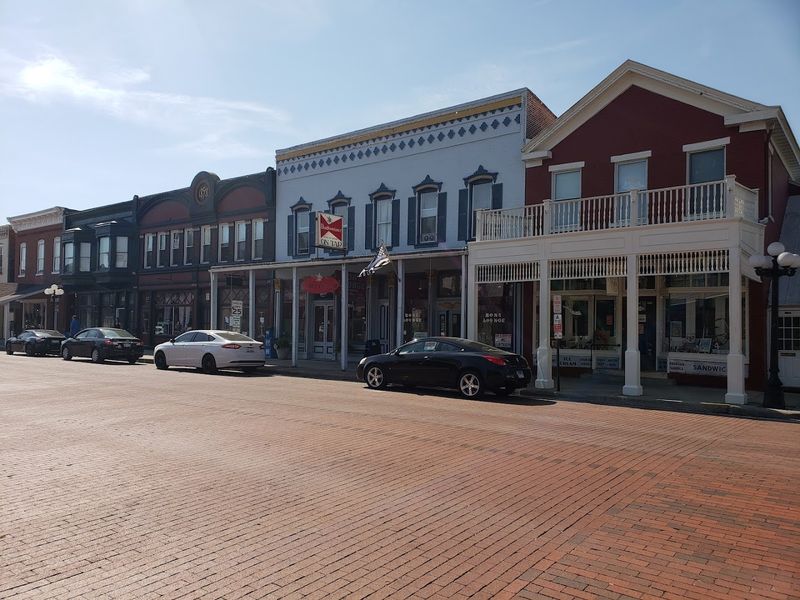
Lebanon is one of those towns that rewards visitors who pay attention to small details. Founded in 1814, it is one of the oldest incorporated towns in Illinois, and its main street reflects that deep timeline through a collection of Federal and Greek Revival buildings that have survived remarkably well into the present day.
McKendree University, founded in 1828, anchors the town with a college-town energy that keeps Lebanon feeling alive and intellectually curious. The campus itself is beautiful and worth a slow walk between its historic buildings.
The Mermaid House, a historic inn that dates to the early 1800s, is a local landmark connected to the town’s early history and often associated with the Marquis de Lafayette’s celebrated 1825 American tour. Downtown shops and cafes cluster around the main street with an easygoing friendliness that makes the whole town feel like a place you have been before, even on a first visit.
9. Mount Carroll, Illinois
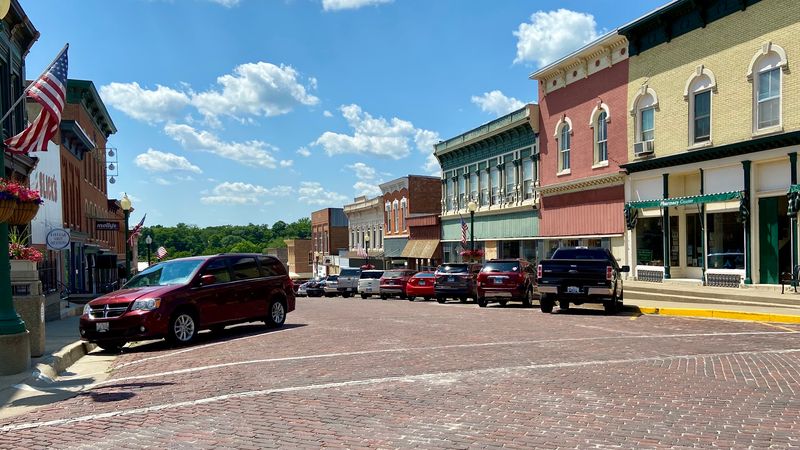
Mount Carroll is a small town in Carroll County that punches well above its weight when it comes to architectural preservation.
Much of the town is included in the Mount Carroll Historic District on the National Register of Historic Places, and walking through downtown feels like flipping through a well-preserved architectural history book of small-town Illinois design.
The town is home to the Timber Lake Playhouse, Illinois’s oldest professional summer theater, which has been bringing quality productions to a rural audience since 1961. That kind of cultural commitment in a town of fewer than 2,000 people is genuinely impressive and speaks to the character of the community.
Shimer College, which once operated here, left behind a legacy of intellectual ambition that still feels woven into the town’s identity. Mount Carroll sits near the Driftless Area of northwestern Illinois, so the surrounding landscape is hillier and more visually varied than much of the rest of the state.
If you appreciate quiet towns with genuine substance hiding behind their modest storefronts, Mount Carroll will exceed your expectations.
10. Elsah, Illinois
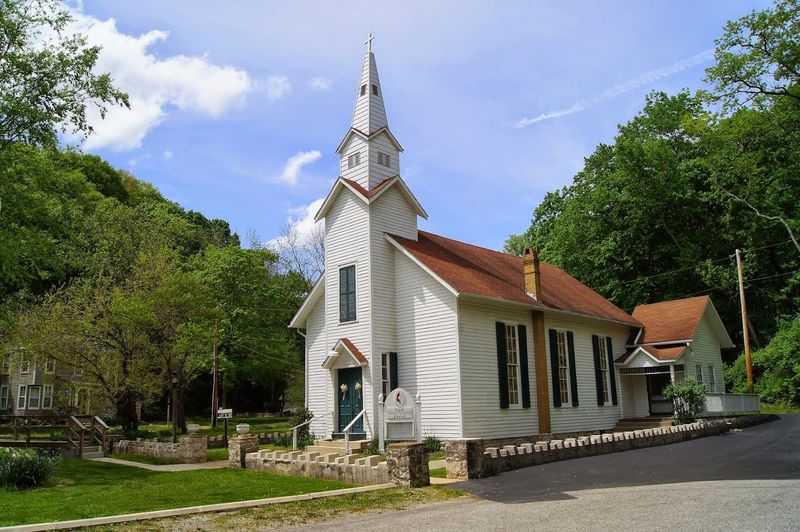
Elsah may be the smallest village on this entire list, with a population of only a few hundred residents, but it makes an outsized impression on everyone who finds their way to it.
Much of the village is included in the Elsah Historic District on the National Register of Historic Places, reflecting its remarkably well-preserved 19th-century character.
The streets here are narrow and lined with limestone cottages that date to the mid-1800s, many of them covered in ivy and surrounded by gardens. The Mississippi River bluffs rise dramatically just beyond the village, giving Elsah a setting that feels almost theatrical in its beauty.
There are no chain stores here, no fast food, and no traffic lights. What Elsah offers instead is a rare and complete sense of stepping into a preserved moment in time.
Principia College sits just above the village on the bluffs and adds a quiet academic presence to the area. Visiting Elsah feels less like tourism and more like a privilege that should not be taken lightly.
11. Alton, Illinois
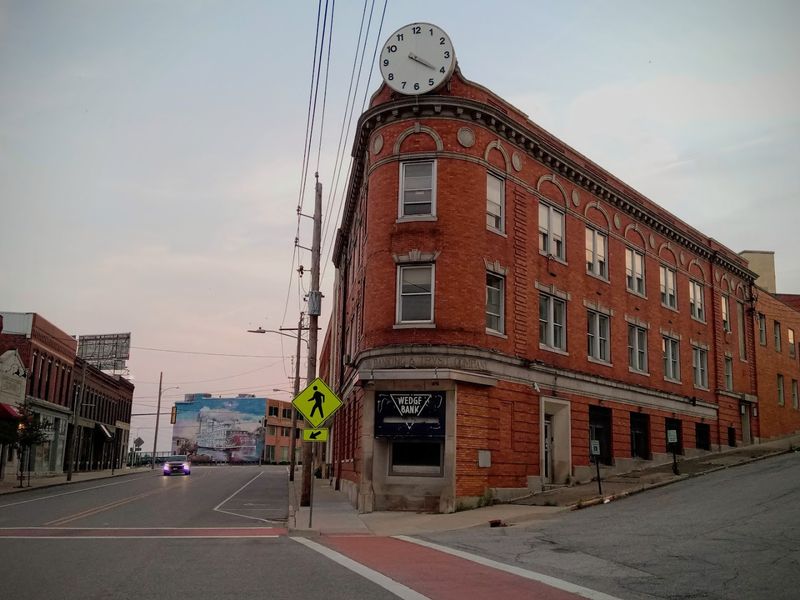
Alton sits high above the Mississippi River on a series of dramatic bluffs, and its historic downtown reflects the ambition of a city that was once a major commercial hub in the region.
The main street here has a grittier, more urban energy than some of the other towns on this list, but that only adds to its character and authenticity.
Alton has a rich and complex history tied to the abolitionist movement, the Underground Railroad, and the newspaper editor Elijah Lovejoy, who was a martyr for press freedom in 1837. A monument to Lovejoy stands in the city and serves as a sobering reminder of the price paid for speaking truth in difficult times.
The town is also popular among paranormal enthusiasts, and ghost tours operate regularly along its atmospheric streets after dark.
The riverfront offers stunning views of the Mississippi, and the mix of history, scenery, and local culture makes Alton one of the most genuinely interesting main streets in the entire state.