
Old Pioneer Cabins Still Line The Single Street Of This Forgotten Eastern Washington Ghost Town
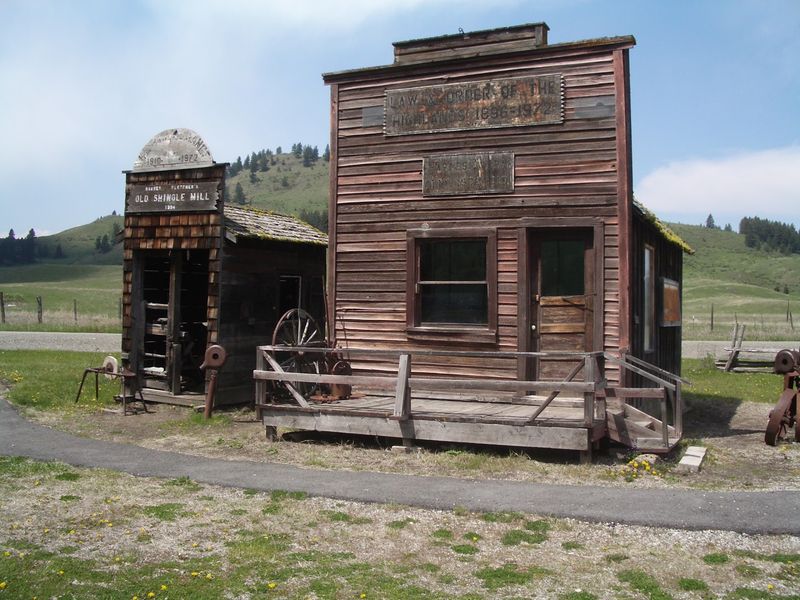
An entire town once picked up and moved because somebody else turned out to own the land underneath it. The buildings that stayed behind are still standing.
Weathered log cabins sit along one quiet dirt street. Old farm machinery rests in the grass like it is waiting for a crew that clocked out a century ago.
The spot sits in far northern Washington, less than two miles from the Canadian border. It is high, open, and wonderfully far from traffic.
I like how the place feels less like a museum and more like a paused moment.
I can’t imagine a better road trip for anyone who loves old stories with a strange twist. So how does a town lose its own address, and what did the neighbors do next?
A Border-Hugging Ghost Town In Okanogan County
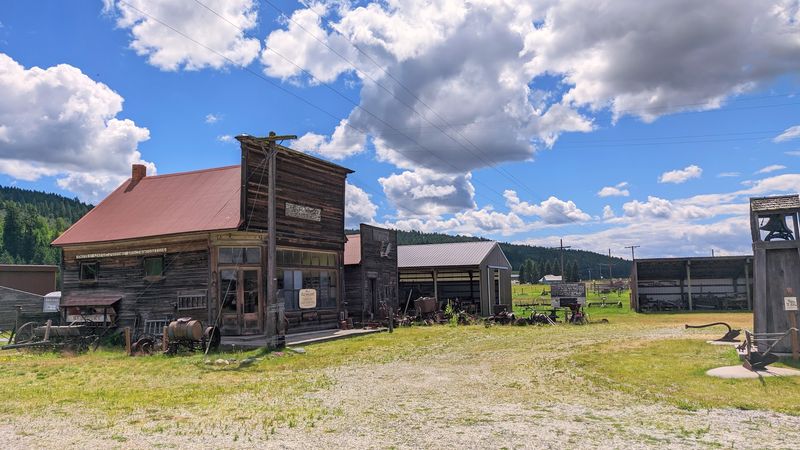
Up in the far northeast corner of Okanogan County, Molson keeps its old bones on display. The ghost town of Old Molson sits about 1.7 miles south of the Canada and United States border.
By road, the community is roughly 15 miles east of Oroville. That drive climbs away from the Okanogan River valley into high, open country with big skies and scattered pines.
Molson is a real dot on the Washington map, with a small community still around today. The draw for travelers, though, is the preserved pioneer townsite that time politely forgot to tidy up.
What makes it special is how unfussy it feels. You get rustic cabins, a lineup of antique equipment, and a single dusty main street rather than velvet ropes and gift shops.
It’s the kind of stop that turns a scenic drive into a story you tell later at dinner. Kids get a hands-on glimpse of frontier life, and grown-ups get quiet space to wander.
Best of all, the setting does most of the talking. Wind, grass, and old timber make a better tour guide than any brochure ever could, and the views come free.
The Land Dispute That Moved An Entire Town
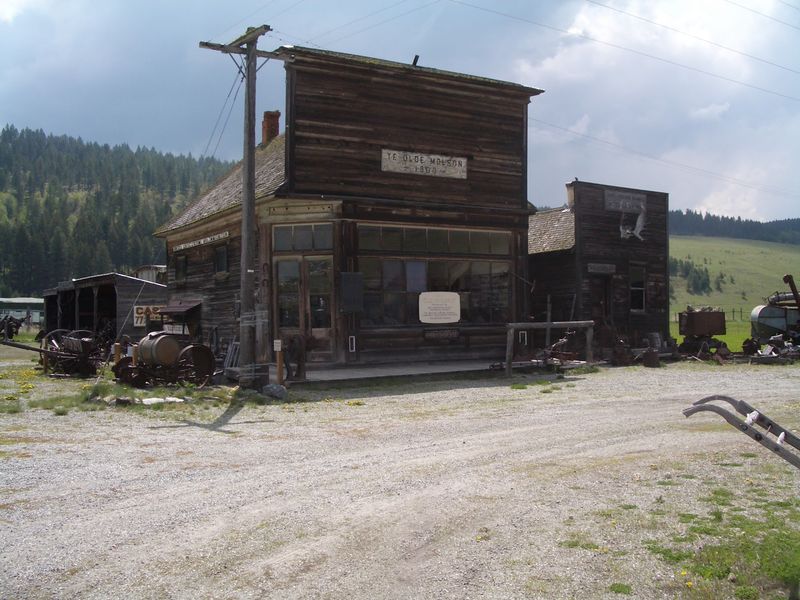
Here’s a plot twist worthy of a western. Molson was founded around 1900, named for John W.
Molson, a member of the well-known Montreal family who helped back the venture.
Mining hopes brought early buildings, a hotel, and big dreams to the high plateau. Then came the surprise that changed everything about the town’s future.
A homesteader held a legal claim to the land where the town stood. Rather than fight forever, many residents packed up and built a new town site a short distance to the north.
That fresh settlement became known as New Molson. Old Molson didn’t vanish, but it slowly emptied while its neighbor grew busier.
The two communities then developed a rivalry that sounds almost comical today. Picture neighbors squabbling over who got the bank, the post office, and the bragging rights.
That friction eventually produced a clever compromise, which shows up in the next part of the story. For now, it’s enough to know the cabins you see today survived because they got left behind.
Sometimes being the town nobody moved turns out to be the luckiest break of all. History rewards the stubborn buildings.
Log Cabins Lined Up Like They Never Got The Memo
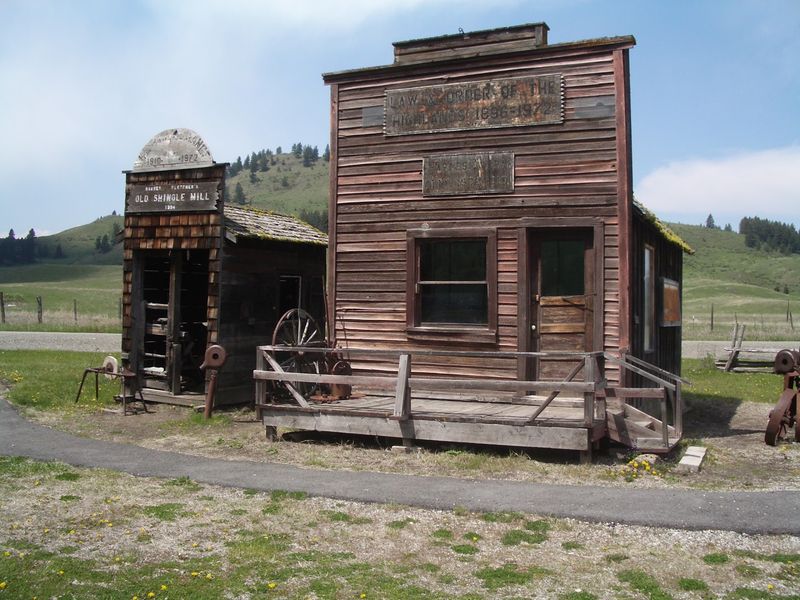
Walk the single street at Old Molson and the cabins seem to stare back with patient, sun-bleached faces. Their logs have gone silver and soft-edged from more than a century of weather.
The buildings form an open-air outdoor museum. You can stroll from structure to structure at your own pace, which suits curious wanderers and photographers alike.
Each cabin hints at how hard frontier living must have been at this elevation. Small windows, low doorways, and rough timber tell the story better than any plaque could.
I believe this is the part that sticks with people most. Old photographs are one thing, but standing next to real pioneer walls feels very different.
Bring a camera and some patience for good light. Late afternoon tends to warm up weathered wood beautifully in high country like this.
Respect goes a long way here too. These are fragile historic structures, so look closely, step carefully, and leave everything exactly where it sits.
That way the next family gets the same quiet thrill you did. Ghost towns only stay charming when visitors treat them like a grandparent’s attic rather than a playground.
Rusty Farm Machinery With Plenty Of Stories
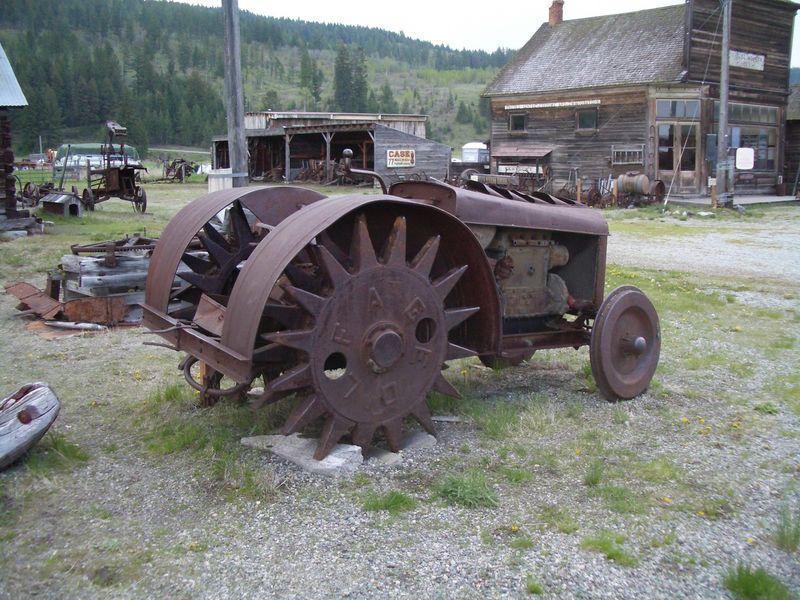
Tractors with iron wheels, old plows, and mysterious contraptions sit scattered across the grounds. Kids will probably ask what half of them did, and honestly, so will most adults.
The collection of antique farm machinery is one of the outdoor museum’s signature sights. It shows how settlers worked this stubborn high ground long before modern equipment arrived.
Every rusty gear hints at long days in the field. Families here grew crops and raised livestock in a short season with plenty of cold on either side.
Machinery like this makes history feel physical rather than abstract. You can see the size of the wheels and imagine the effort it took to keep everything running.
It’s also a photographer’s playground of texture and color. Orange rust against green summer grass makes for frames that look almost painted.
Guessing games work great with younger visitors. Ask them to name what each machine might have done, then compare answers on the drive home.
Just admire with your eyes rather than climbing aboard. These pieces have earned their retirement, and they deserve to rest peacefully in the Okanogan sun for many more years.
A Brick Schoolhouse Built To End A Feud
Remember that rivalry between Old Molson and New Molson? The solution was wonderfully practical, and it still stands nearby as a handsome brick schoolhouse.
The Molson School was built in 1914 between the competing communities. Placing it in the middle let both sides share it without anybody claiming victory.
That kind of neighborly compromise feels refreshing even now. A schoolhouse became the peace treaty, which is a pretty charming way to settle a squabble.
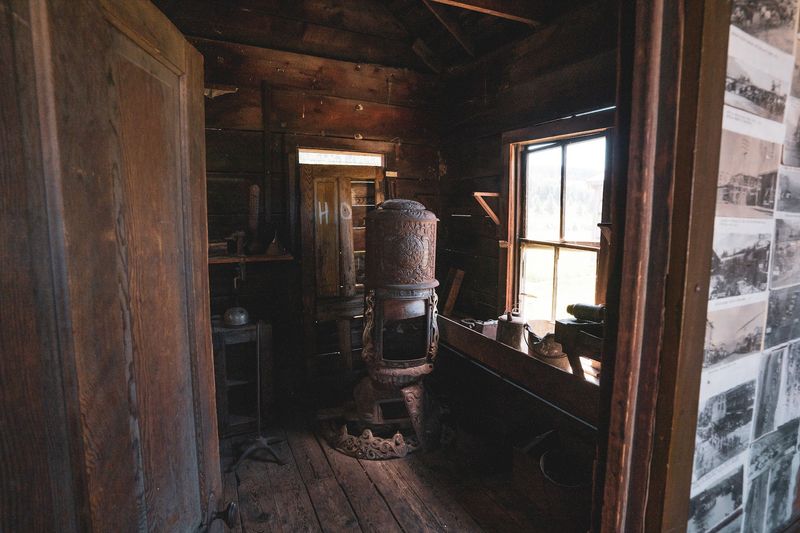
Today the old school serves as a museum showing local pioneer life. Classroom displays and historic items help fill in the human side of the story.
Seasonal hours apply, and the museum typically opens during the warmer months. It’s smart to confirm before making the drive, especially early or late in the year.
Pairing the schoolhouse with the cabins makes for a fuller visit. One shows the rough start, while the other shows a community settling into lasting roots.
Families with school-age kids may find this stop especially fun. Comparing an early 1900s classroom with their own makes for some lively conversation, and probably a few grateful comments about modern desks.
Big Sky Quiet That City Folks Rarely Find
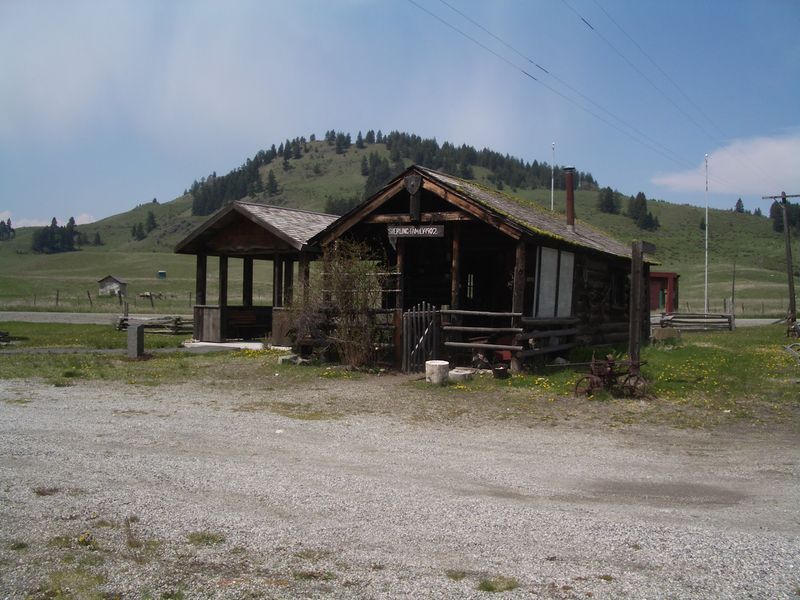
Silence is the soundtrack out here, broken mostly by wind moving through grass. For anyone coming from Seattle or Spokane, that hush can feel like a mini vacation by itself.
Molson sits on open highland in northern Washington, surrounded by rolling country and scattered trees. The wide views stretch in nearly every direction.
This setting suits slow travelers best. History lovers, photographers, and retirees on a scenic loop will likely feel right at home.
Families can enjoy it too, especially kids who like exploring outdoors. Just set expectations that this is a quiet history stop rather than a theme park.
Wildflowers and summer greenery can brighten the grounds in season. Autumn brings golden grass and crisp air that pairs nicely with old timber buildings.
Winter is a different story in this high country. Snow and cold can make travel tricky, so warmer months make the most sense for most visitors.
Bring a picnic and linger a while. There’s something calming about eating a sandwich where homesteaders once argued over land, and the scenery never asks you to hurry along.
Getting There And Planning Your Day
Oroville makes a natural jumping-off point for the trip. From there, Molson sits roughly 15 miles east by road, climbing into the hills along the way.
For mapping purposes, the listed address is Kootenay Boundary E, WA 98844. Cell service can be spotty in remote country, so downloading directions ahead of time is a smart move.
Fill up the gas tank and pack snacks before leaving town. Services are limited out here, and that’s part of the charm.
Wear sturdy shoes for uneven ground around the cabins. Sun protection and water help too, since much of the site is wide open.
The outdoor area is easy to explore at your own pace. The schoolhouse museum keeps seasonal hours, so check ahead if seeing inside is a priority.
This makes an affordable day trip for budget-minded travelers. You’re mostly paying for gas, a packed lunch, and maybe a donation to help preserve the site.
Consider combining the drive with other stops around the Okanogan Highlands. A full loop could turn into one of those relaxed Washington weekends that feels much bigger than it costs.
Why This Quiet Street Deserves A Spot On Your List
Few places let you stand inside the punchline of a hundred-year-old land squabble. Molson does, and it does it with surprising grace and zero pretense.
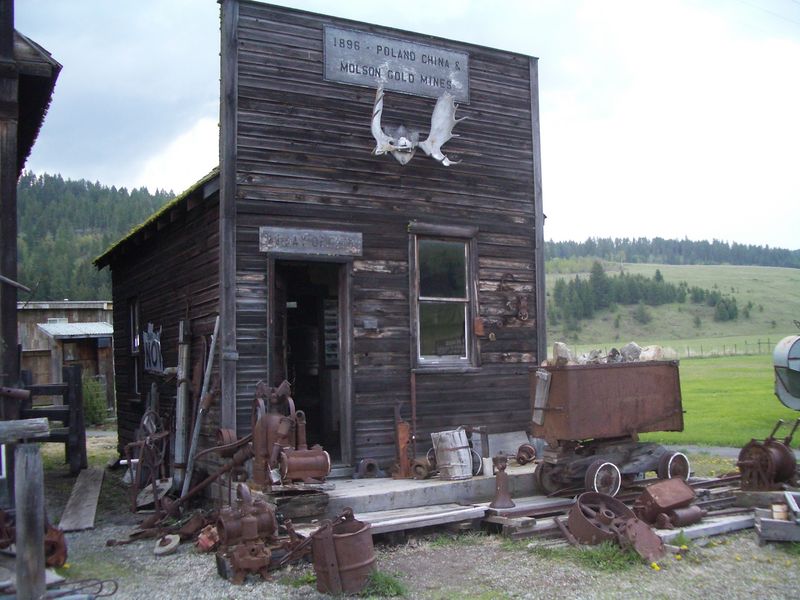
You get pioneer cabins, antique machinery, and a schoolhouse built as a peace offering. That’s a lot of story packed into one remote corner of Okanogan County.
It won’t suit everyone, and that’s fine. Travelers wanting crowds, shopping, or fancy dining will find better fits elsewhere in Washington.
History buffs and back-road wanderers, though, could fall hard for it. The quiet, the views, and the weathered wood make a memorable combination.
I like that the place doesn’t try too hard. It simply lets visitors notice details and fill in the rest with imagination.
Families might leave with new appreciation for modern comforts. Retirees may enjoy a peaceful, low-cost outing with plenty of conversation starters.
So next time the Okanogan Highlands are calling, point the car toward the border. A single dusty street is waiting, and its old cabins have been patiently holding their spots for well over a century.