
8 Old-School Ohio Bowling Alleys That Are History (And 5 You Can Still Visit)
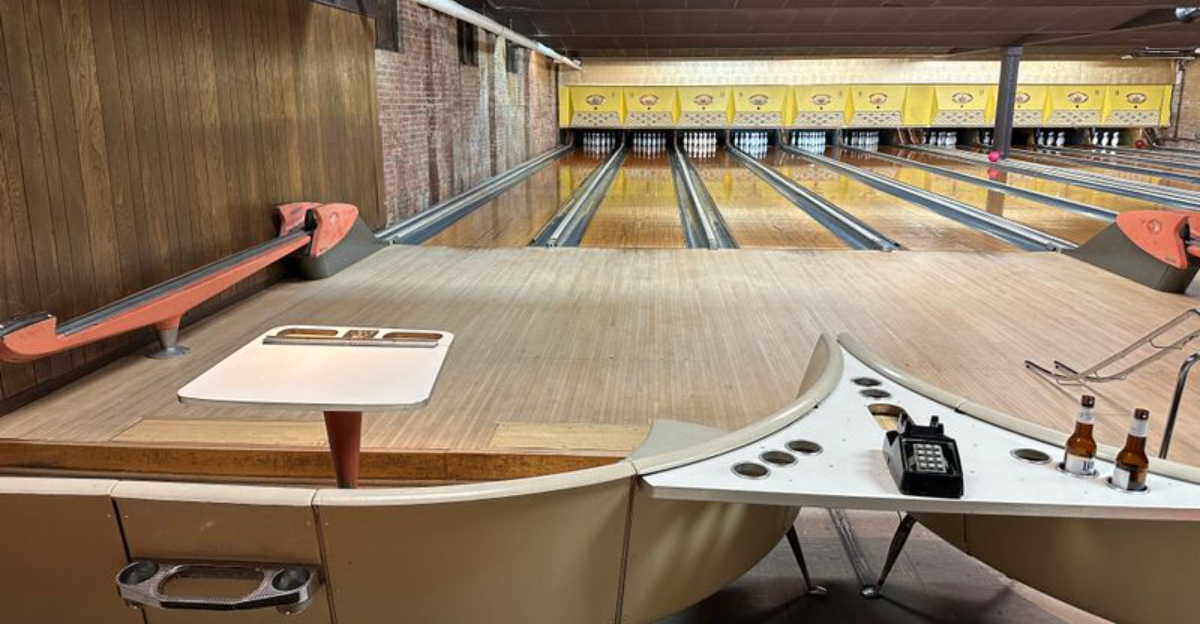
Ohio has a rich bowling history that stretches back decades, with countless neighborhood lanes once serving as gathering spots for families and league nights.
Many of these classic alleys have vanished over the years, demolished or lost to fires, leaving only memories behind.
But a handful of vintage bowling centers still stand today, preserving that retro charm and welcoming bowlers just like they did generations ago.
I’ve explored both the lost legends and the survivors, and I’m excited to share what makes each one special.
1. McCook Bowl — Dayton
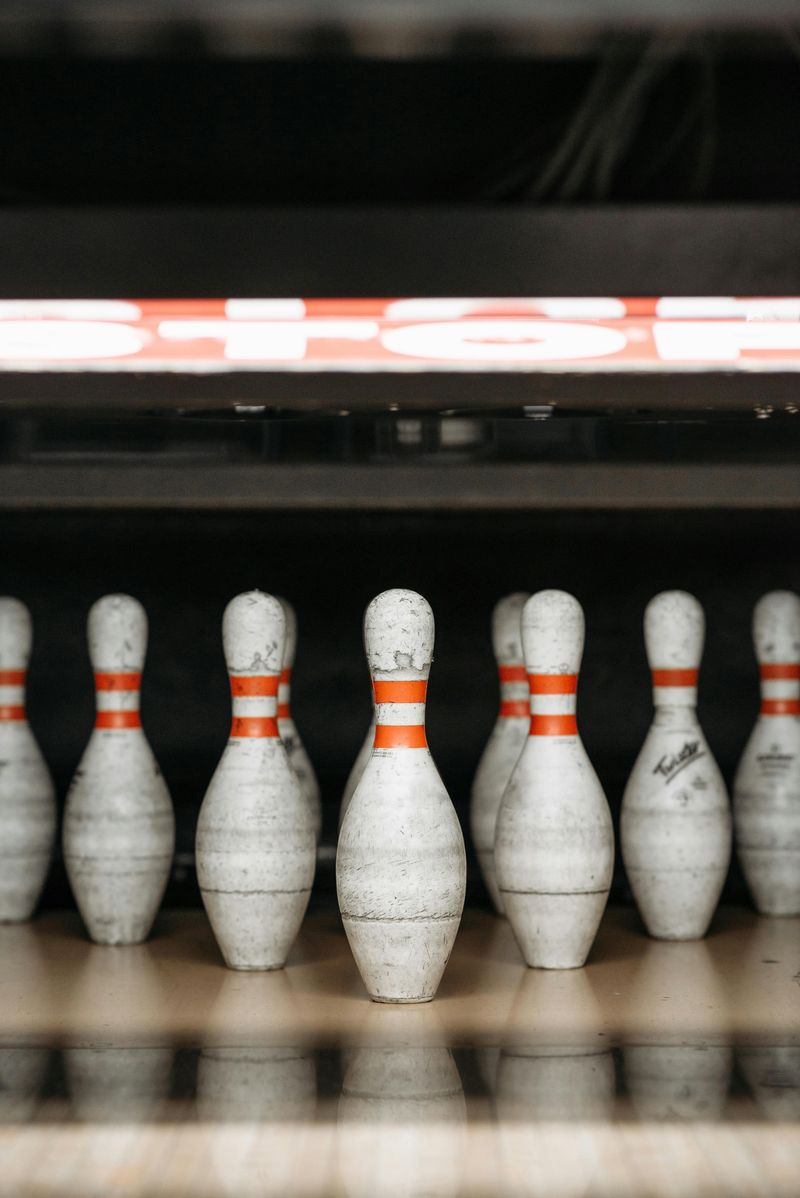
Picture this: a colossal 44-lane bowling palace that once dominated Dayton’s landscape like a mid-century monument to strikes and spares.
McCook Bowl was the kind of place where everyone knew your name, your average, and probably your shoe size too.
I remember hearing stories from older bowlers about Saturday nights when every lane was packed, the sound of crashing pins echoing like thunder through the building.
Located in Dayton, this massive center was more than just a bowling alley-it was a community hub.
Families celebrated birthdays here, leagues battled for bragging rights, and friendships were forged over shared pizza and scorecards.
Sadly, McCook Bowl has been completely demolished, erased from the map but never from memory.
The empty lot where it once stood feels like a missing tooth in Dayton’s smile.
Still, talking to locals who bowled there brings the place back to life, reminding us why these spaces mattered so much.
2. Congress Lanes — Old North Dayton
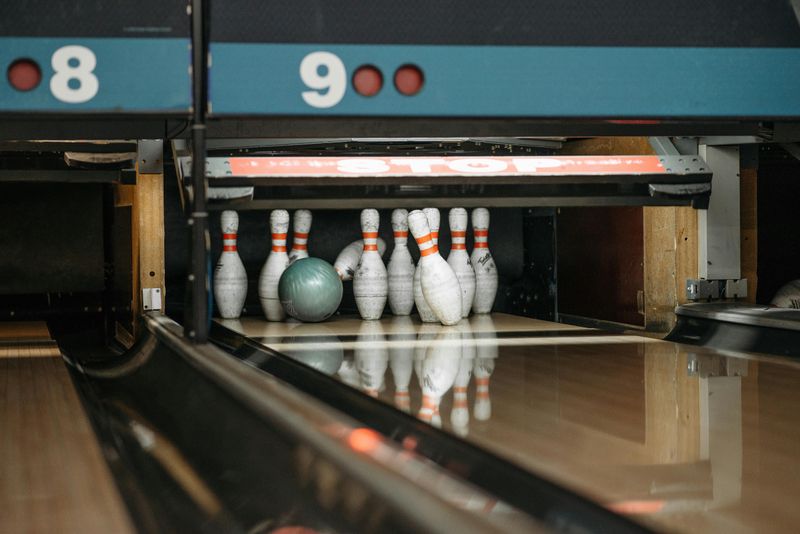
Congress Lanes never tried to be flashy or enormous-it was just a cozy neighborhood spot where regulars felt like family.
Dating back to the 1940s, this little gem in Old North Dayton served its community with honest charm and well-worn lanes that had seen thousands of frames.
I’ve talked to folks who grew up blocks away, and their eyes light up when they mention the place.
Unlike the mega-centers, Congress Lanes kept things simple and personal.
The staff knew your favorite lane, your usual order, and how your week was going. It was the kind of alley where you’d bump into your teacher, your dentist, and your neighbor all in one evening.
The building is long gone now, replaced by redevelopment or just fading into history.
But the memories linger strong among those who spent countless evenings knocking down pins and catching up with friends in this unpretentious corner of Dayton.
3. AMF Main Lanes — Columbus
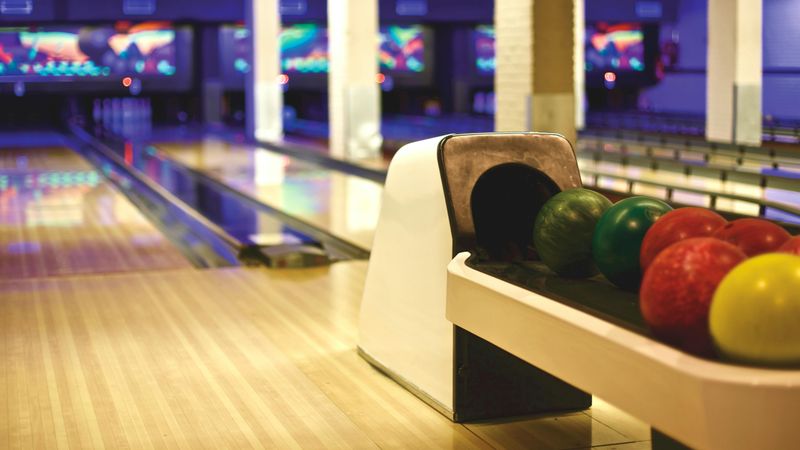
AMF Main Lanes on East Main Street in Columbus was a heavyweight champion in its heyday, drawing crowds night after night.
This wasn’t some hole-in-the-wall operation-it was a major gathering spot where Columbus residents came to bowl, socialize, and escape the everyday grind.
I wish I could have experienced it during its peak, when the parking lot overflowed and the energy inside was electric.
The center hosted leagues, tournaments, and open-play sessions that attracted bowlers of all skill levels.
Birthdays, company outings, and casual Friday nights all found a home here.
The AMF brand brought a level of polish and professionalism that made Main Lanes feel like the big leagues.
Unfortunately, AMF Main Lanes closed its doors and was eventually removed entirely from the Columbus landscape.
The spot it once occupied now serves a different purpose, but longtime residents still remember it fondly as a cornerstone of local recreation and community connection.
4. Olentangy Village Bowling Center — Columbus (Clintonville)
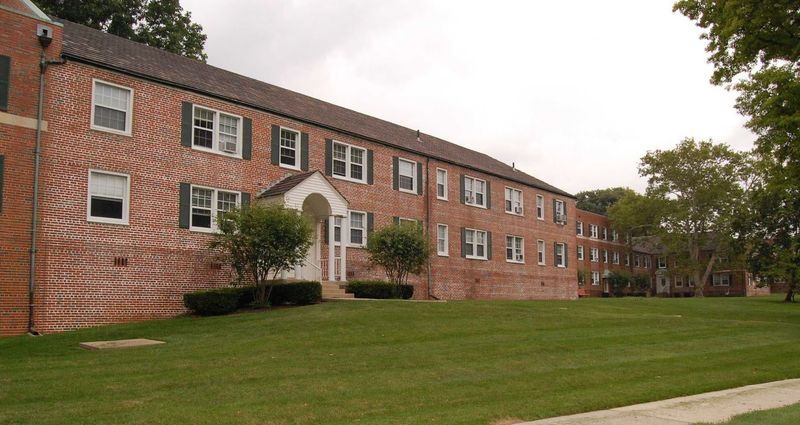
Olentangy Village Bowling Center was one of Columbus’s largest and most beloved mid-century alleys, a true titan in the Clintonville neighborhood.
Generations of families rolled balls down its lanes, building traditions that spanned decades.
I’ve heard countless tales about league nights that felt more like family reunions, with regulars greeting each other by name and celebrating milestones together.
Then tragedy struck-a massive fire tore through the building, destroying this cherished landmark and leaving a hole in the community’s heart.
The blaze didn’t just consume wood and equipment; it erased a gathering place where memories were made and friendships flourished.
Today, nothing remains of Olentangy Village Bowling Center except photographs and the stories people share.
When I visited the site, I tried to imagine the laughter and cheers that once filled the air.
It’s a reminder of how fragile these places are and how important it is to appreciate them while they’re still standing.
5. Wedgewood Lanes — Austintown / Youngstown Area
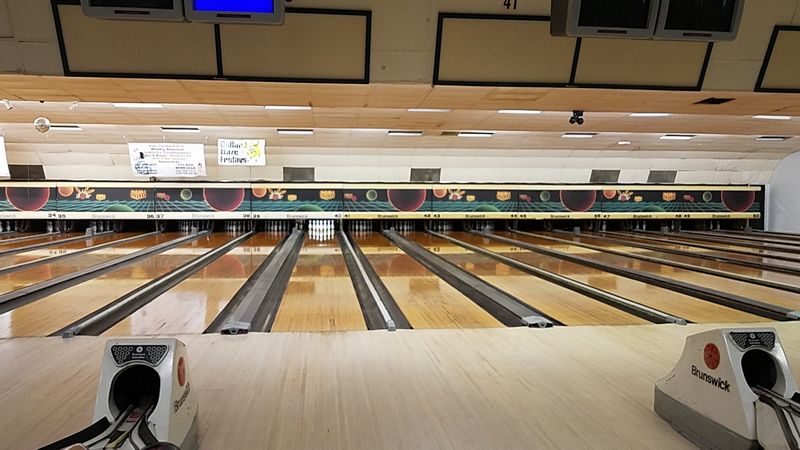
Wedgewood Lanes might not be a name that rings bells statewide, but in the Austintown and Youngstown area, it’s legendary.
Built in the 1960s, this classic local alley became the heartbeat of its neighborhood, hosting leagues that felt more like extended families.
I stumbled upon its story while chatting with a former league bowler at a diner, and his nostalgia was contagious.
He told me about Tuesday night leagues that ran for decades, the same crew showing up year after year.
Wedgewood Lanes wasn’t fancy-it didn’t need to be.
The lanes were honest, the atmosphere was warm, and the competition was friendly but fierce.
Sadly, Wedgewood Lanes closed years ago, and the building has since been repurposed or sits empty.
The local bowling community still reminisces about the good old days, sharing stories online and at reunions.
It’s a testament to how deeply these neighborhood alleys wove themselves into the fabric of everyday life.
6. Heritage Lanes — Greenville / Small-Town Ohio
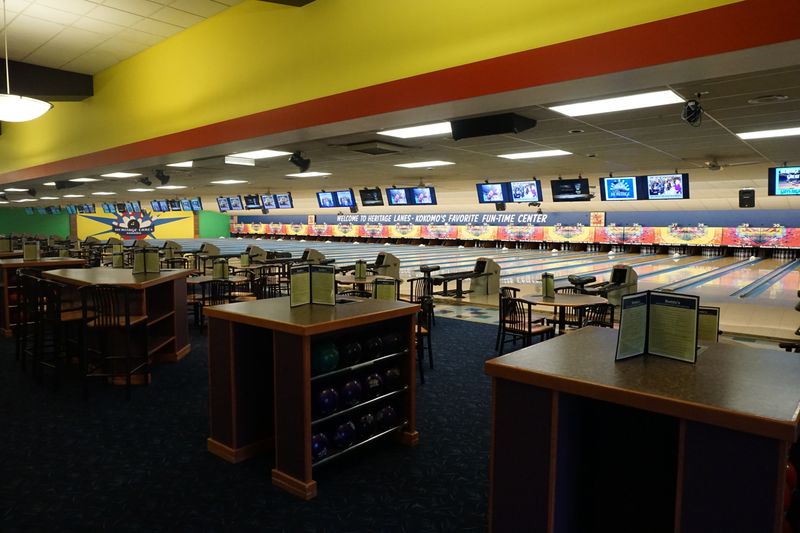
Heritage Lanes in Greenville represented small-town Ohio bowling at its finest-unpretentious, welcoming, and deeply rooted in community.
I love exploring these lesser-known spots because they tell a different story than the big-city giants.
Heritage Lanes was where local kids learned to bowl, where parents unwound after long workweeks, and where Friday nights meant laughter and friendly competition.
The center wasn’t large or luxurious, but it didn’t need to be. What it lacked in size, it made up for in character and heart.
The staff treated everyone like neighbors because, well, they were neighbors.
Eventually, Heritage Lanes closed and the building was either demolished or redeveloped for another use. Walking through Greenville now, you’d never know this gathering spot once existed.
But the people who bowled there carry those memories forward, keeping the spirit of Heritage Lanes alive in their stories and smiles.
Small-town bowling may be fading, but its impact remains strong.
7. Varsity Lanes — Dayton (N. Main St.)
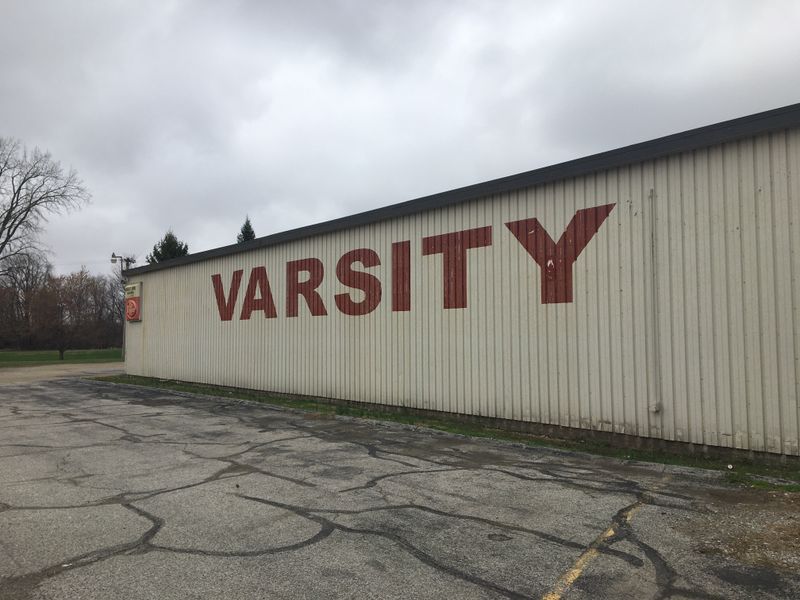
Varsity Lanes on North Main Street in Dayton was a mid-century powerhouse that served bowlers for decades before eventually fading into history.
This multi-lane center was part of Dayton’s vanished-bowling lore, a phrase that perfectly captures the bittersweet nostalgia surrounding these lost landmarks.
I’ve spent time talking to former patrons who still remember the thrill of walking through those doors on league night.
The alley hosted everything from youth leagues to adult tournaments, creating a vibrant cross-section of the community.
The sound of pins crashing, the smell of lane oil, and the buzz of conversation created an atmosphere that was uniquely Varsity Lanes.
When Varsity Lanes closed, another piece of Dayton’s bowling heritage disappeared.
The building itself is gone now, replaced by something modern and unrelated to bowling.
But the memories persist, passed down through generations of Dayton families who once called Varsity Lanes their second home and bowling sanctuary.
8. Mr. Bill’s / Other Vintage Columbus Lanes
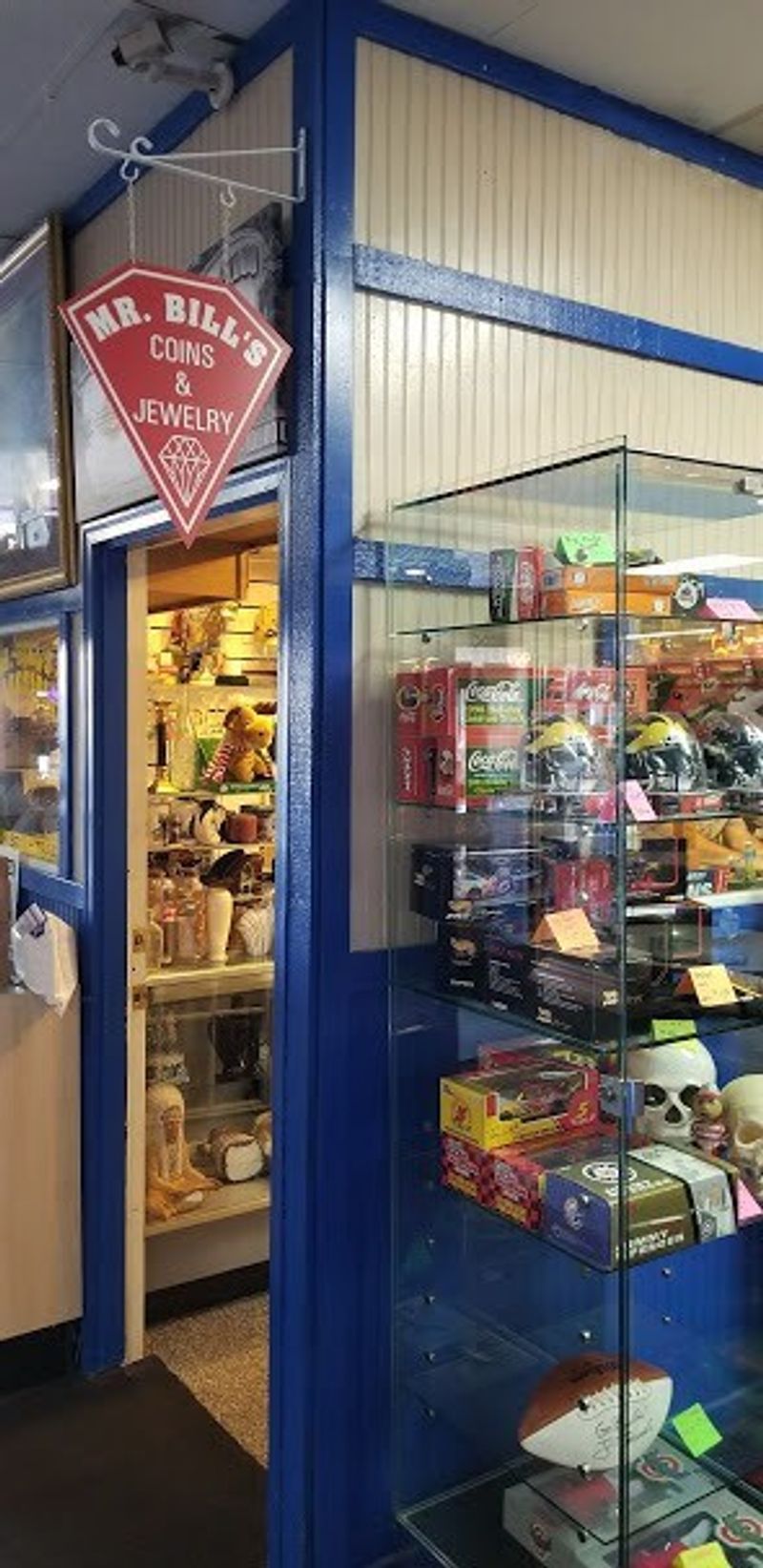
Columbus has lost more than just one or two beloved bowling alleys-it’s lost an entire generation of them.
Mr. Bill’s and several other vintage Columbus lanes were demolished or redeveloped over the last few decades, victims of changing tastes and real estate pressures.
I find it fascinating and sad how quickly these gathering spots can vanish, leaving barely a trace behind.
Each of these alleys had its own personality and loyal following.
Some were family-friendly centers with arcade games and party rooms, while others catered to serious league bowlers chasing perfect games.
Together, they formed a network of community spaces that defined Columbus’s recreational landscape.
Now, many of these sites host apartment buildings, shopping centers, or parking lots.
When I drive past these locations, I try to imagine the laughter and competition that once filled the air.
The physical buildings may be gone, but the role they played in shaping Columbus’s social fabric remains an important part of the city’s history.
9. Mahall’s 20 Lanes — Lakewood / Cleveland Area

Mahall’s 20 Lanes in Lakewood is a time machine disguised as a bowling alley, and I absolutely fell in love with it the moment I walked in.
Nearly a century old, this place operates with hand-scored lanes and an old-school vibe that feels both nostalgic and refreshingly authentic.
It’s not just a bowling alley-it’s also a music venue where local bands rock out between frames.
The wood floors creak with history, the equipment looks like it survived multiple decades, and the whole atmosphere screams character.
I bowled a few games here and felt like I’d stepped back into the 1940s, minus the modern music thumping from the stage.
Located in the Lakewood area near Cleveland, Mahall’s 20 Lanes has managed to survive when so many others couldn’t.
It’s a testament to community support and the enduring appeal of genuine, unpretentious fun. If you’re looking for a bowling experience that’s truly unique, this is your spot.
10. Dickey’s Lanes — Cleveland
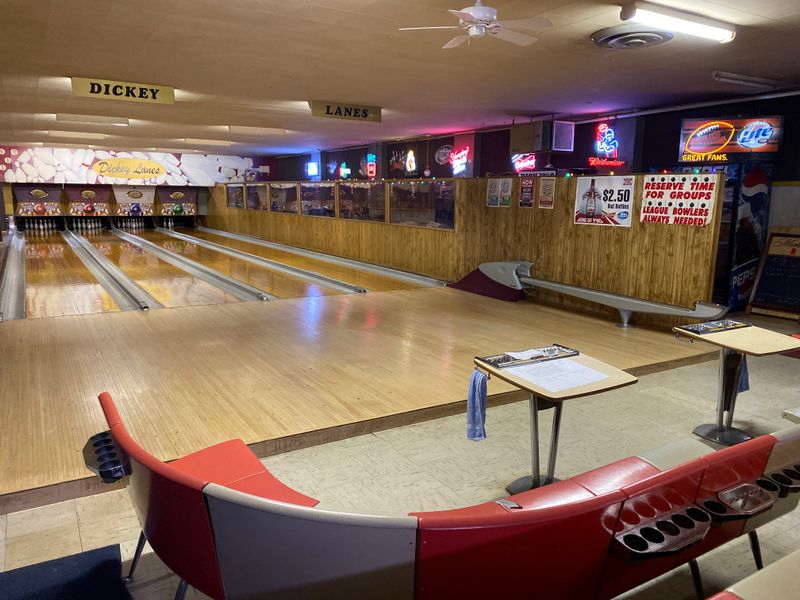
Dickey’s Lanes has been family-run since the 1940s, and that legacy shows in every corner of this small, intimate Cleveland bowling center.
Walking in feels like visiting a relative’s house-everyone’s friendly, nothing’s pretentious, and the atmosphere is genuinely welcoming.
I spent an evening here chatting with the staff, who shared stories about generations of families who’ve bowled these lanes.
The bar-and-lanes setup creates a relaxed vibe where bowling is serious but not stuffy.
Regulars gather for weekly leagues, swapping stories and trash talk in equal measure.
The equipment might not be cutting-edge, but it works perfectly fine, and nobody’s complaining.
Dickey’s Lanes in Cleveland represents everything great about old-school bowling-community, continuity, and character.
In a world of corporate entertainment complexes, this family-run gem stands as a reminder of simpler times. I left feeling grateful that places like this still exist and thrive, keeping tradition alive one frame at a time.
11. Madison Bowl — Cincinnati

Madison Bowl in Cincinnati strikes a perfect balance between retro charm and contemporary comfort, creating an atmosphere that appeals to both nostalgia-seekers and modern bowlers.
I visited on a busy Saturday night and was immediately impressed by the loyal crowd that clearly considers this place a second home.
The lanes have history, but the facility is well-maintained and inviting.
Cincinnati has plenty of bowling options, but Madison Bowl stands out for its community connection and authentic vibe.
The staff knows regulars by name, and newcomers are welcomed warmly.
League nights are competitive but friendly, and open-play sessions attract families and groups looking for affordable fun.
What I appreciate most about Madison Bowl is how it honors its past while staying relevant today.
The decor nods to vintage bowling culture without feeling dated, and the experience feels genuine rather than manufactured.
If you’re in Cincinnati and want to experience bowling that’s both classic and current, Madison Bowl delivers beautifully.
12. Beaver-Vu Bowl — Beavercreek / Dayton Area
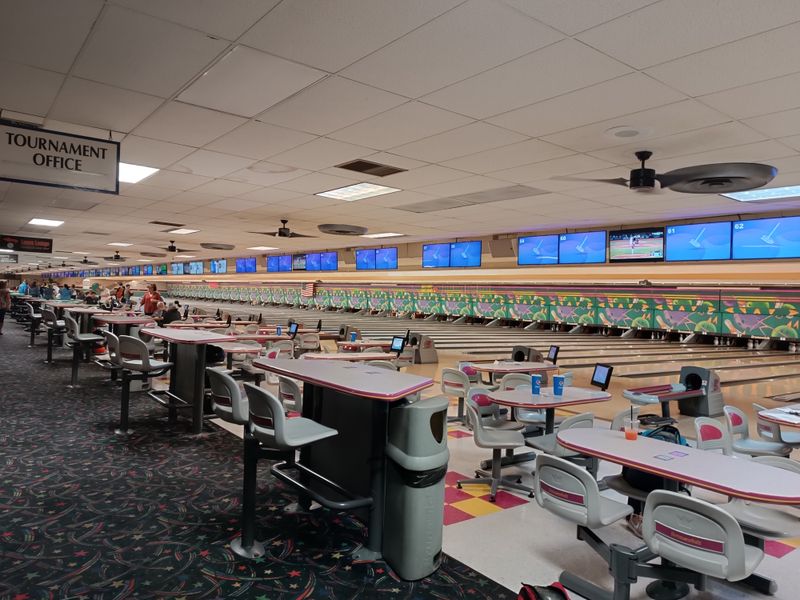
Beaver-Vu Bowl in Beavercreek is a big, bustling, old-school bowling center that still hosts leagues, tournaments, and family nights just like it has for decades.
I bowled here on a Friday evening and was struck by how busy and vibrant the place felt-clearly, this isn’t some relic barely hanging on, but a thriving community hub.
The Dayton area is lucky to have it.
The facility is large enough to accommodate serious league play while still welcoming casual bowlers and birthday parties.
The lanes are well-maintained, the staff is efficient and friendly, and the whole operation runs smoothly.
I watched families laughing together, competitive bowlers focused on their form, and kids celebrating gutter balls with equal enthusiasm.
Located in Beavercreek near Dayton, Beaver-Vu Bowl represents the best of what vintage bowling centers can be when they’re cared for and supported.
It’s proof that old-school doesn’t mean outdated-it means authentic, welcoming, and built to last.
I left with a smile and a newfound appreciation for tradition.
13. Thunderbowl Lanes — Englewood (Dayton Area)
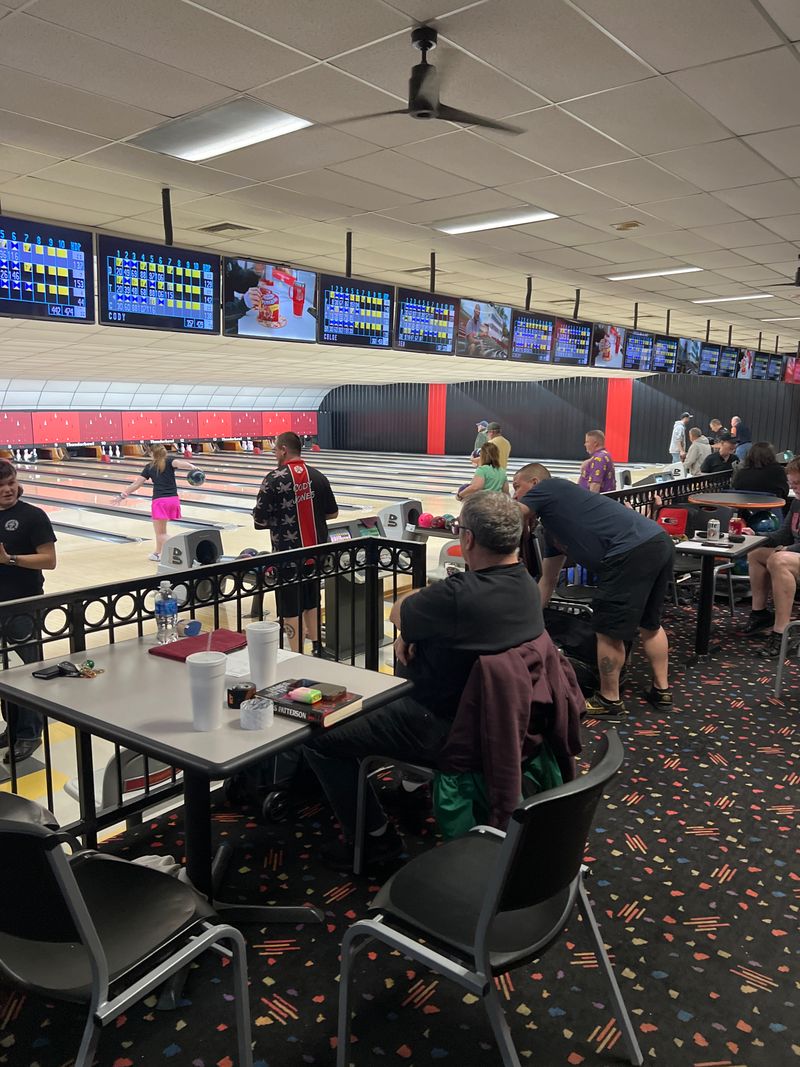
Thunderbowl Lanes in Englewood lives up to its name with a fun, energetic atmosphere that’s rooted in community tradition.
I visited on glow-bowling night, and the place was packed with families, teenagers, and league bowlers all enjoying the neon-lit lanes and thumping music.
But Thunderbowl isn’t just about flashy lights-it’s also known for solid league play and surprisingly good pizza.
Located in the Dayton area, this vintage alley has maintained its community focus while adapting to modern entertainment trends.
The staff clearly cares about creating a welcoming environment, and the regulars treat the place like their own.
I overheard conversations about decades-long league participation and multi-generational family bowling traditions.
Thunderbowl Lanes proves that vintage bowling alleys can stay relevant by honoring their roots while embracing fun innovations like glow nights.
The combination of classic lanes, community spirit, and creative events keeps people coming back.
I left feeling energized and grateful that places like this continue to thrive in Ohio’s bowling landscape.