
23 Old School Oklahoma Dinner Rules From The 1960s That Would Confuse Any Modern Child
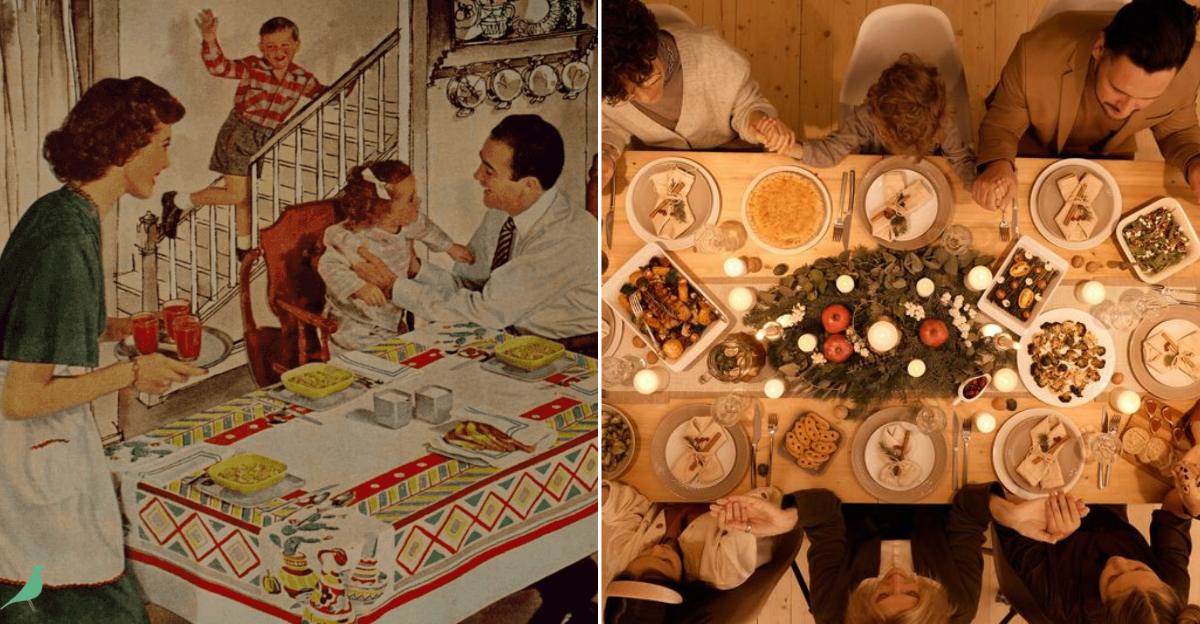
Supper in 1960s Oklahoma carried a kind of choreography families didn’t have to rehearse. I’ve listened to people describe how the whole house shifted when the hour arrived: the radio lowered, the hallway light clicked on, and somebody always yelled for the kids to wash up twice.
Screen doors snapped like punctuation. Dishes landed in familiar spots, and every chair knew its owner. The food was simple, roasts, rolls, vegetables that tasted like real gardens, but the ritual around it had its own quiet authority.
Kids learned timing, tone, and patience at that table. For a little while each evening, the world shrank to one room filled with passing plates and steady voices. These 23 traditions map out that rhythm, strange and grounding all at once.
1. Everyone Sat Down At The Same Time, No Wandering Plates
The house settled when the kitchen timer rang, like cicadas lowering their song. Chairs scraped the linoleum, the radio clicked off, and the plates waited in a patient circle. A breeze pressed through the screen door and carried the smell of fried okra.
Everyone sat before a single fork moved. The rule kept wandering bites and pre-dinner raids from breaking the spell of supper. It made the meal feel official, like a small town meeting with more gravy.
Children learned where they belonged, which meant in a chair, not drifting. The food tasted hotter, the table felt calmer, and the talk arrived in clear lanes. A moving line became a still pond, and families could see one another.
2. No TV During Supper, The Set Stayed Dark
The console TV sat like a sleeping dog, big as a dresser, pointed toward a silent living room. Its blank glass watched as chairs pulled in and napkins unfolded. You could hear ice clink, not jingles and laugh tracks.
The rule was simple: the set stayed dark. Supper earned your full face, your whole voice, not side glances at variety shows. In many homes, the television knob was even removed until the dishes were done.
Kids built a habit of listening, taking turns, catching the joke without a laugh line. Stories stretched longer, and beans did not go cold while a commercial ran. Talk, not pixels, carried the night’s news.
3. Dad Or The Oldest Adult Took The First Bite
Steam rose from the chicken and settled like a halo over the head of the table. Plates were full, forks ready, and muscles held still in that charged second before permission found the room.
Custom said the oldest at the table took the first bite, often Dad after a long day or Grandma when she visited. That single motion lifted the gate for everyone else. It was respect coded as timing, an etiquette lesson without a lecture.
I remember watching that first bite like a green light, calves pressed to chair rungs, mouth watering. It taught patience more effectively than any scold. The reward was shared, immediate, and hot.
4. Say Grace Before Eating, Even On Rushed Nights
Forks hovered, the room quieted, and the air seemed to tighten over the table. The soft scrape of a chair, then stillness. A short breath, and someone began the familiar words.
Grace was brief and steady, often a single sentence of thanks for food and work. In farm towns and Tulsa neighborhoods alike, the habit framed supper as more than fuel. Even when ball practice ran late, the prayer remained, clipped but present.
Children learned to pause before pleasure. The wait made flavors brighter and moods gentler. A day that had scattered everyone came together in one spoken line, then the beans could pass.
5. Elbows Off The Table, Always
Plate edges rattled whenever someone leaned too far, a tiny percussion section under the meal. Elbows threatened the neat stack of bread plates and the salt shaker’s dignity.
The rule was drilled with gentle taps on forearms. Elbows off kept the posture upright and the table clear for passing bowls. It came from older etiquette books, but it also spared collisions with gravy boats and tall glasses of milk.
Kids felt the invisible fence and straightened. Conversation rose above the tabletop instead of sprawling across it. The room looked calmer, like a photograph where everyone holds still and smiles with their eyes.
6. Ask To Be Excused, You Did Not Just Leave
The clock ticked near six, and the backyard called through the screen door. Grass stains waited like a promise, but supper kept its own timing.
Children were expected to ask to be excused. It marked the meal’s end and showed respect for the group, especially the cook who had plated and poured. No one ghosted from a chair. The ritual worked as a small civics lesson embedded in meatloaf.
I learned to read the table for a good moment, not during a story, not mid-bite. A nod felt like a tiny ceremony in my favor. You left lighter, and the chair did not scrape like an apology.
7. Hands In Your Lap When You Were Not Eating
The silverware clicked in a steady rhythm, and little hands twitched toward the rolls. Waiting had a physical shape: fingers tucked, palms quiet.
Hands stayed in laps between bites. The habit kept fidgeting from knocking over milk and spared the table from stray drumming. It was a practical rule dressed in politeness, taught by parents who had watched too many spills stain oilcloth.
The pause also slowed the meal in a good way. It turned eating into a sequence, not a scramble. Bread tasted better when your hands had earned the reach.
8. You Ate What Was Served, And You Finished It
Colorful piles defined the plate, from stewed tomatoes to buttered beans. Choices were few, but the table looked generous, like a garden edited by a cook’s hand.
The rule said you ate what was served. Finishing meant respect for cost and effort in a state where drought stories were never far away. Waste felt rude, and penny-stretched menus did not allow for custom orders. “Try three bites” became a household treaty.
I learned that turnips improved with salt and patience. Cleaning the plate felt like closing a chapter. The dish stack shrank, and nobody argued with full stomachs.
9. Passing Food To The Right, No Reaching Across
Bowls moved like train cars around the table, clinking softly. The motion had a direction, smooth and predictable, which kept meals from turning into tangled arms.
Food passed to the right, always. Reaching across a plate was flagged as impolite and unsafe, the shortest path to a gravy incident. The clockwise flow came from etiquette pages and church supper practice, where order saved time and tablecloths.
Children learned to wait, then to watch for gaps. You served a neighbor before yourself, which felt surprisingly good. Dinner became choreography, and everyone knew the steps.
10. One Bite At A Time, Cut As You Go
The knife’s serration whispered against the plate, a careful sound. Not a sawmill, just a small tidy cut.
Cutting everything at once was frowned on. You cut a bite, ate it, then took the next, which kept food warm and manners neat. The practice signaled control and attention, carried from school cafeterias to home tables across Oklahoma.
I tried to shortcut once, a neat grid of bites waiting in rows. The look I got dissolved the plan. Bite-by-bite made steak taste fresher, and the rhythm steadied your hands.
11. Real Plates And Metal Forks, Paper Was For Picnics
The table felt heavy in a pleasant way, plates warm from the cabinet, forks ringing against them like a quiet bell. Supper sounded real.
Homes reserved paper for park shelters and tailgates. At home, dishes were washed, stacked, and used again, part of frugality and pride. Real tableware made ordinary meals feel deliberate, even if the menu was weeknight simple.
Guests noticed the weight and the shine. Kids learned to carry plates carefully, two hands and slow feet. Even meatloaf earned a proper stage, and supper kept its dignity.
12. The Kitchen Was Mom’s Command Post, Kids Helped After
Steam beaded the windows, and the stove glowed like a small city. A wooden spoon tapped the rim of a pot to call the troops.
Many homes treated the kitchen as Mom’s post, while kids ran the cleanup. Clearing the table, scraping plates, and drying with a flour sack towel were expected chores. The exchange taught what a meal costs in minutes and hands, not just in grocery money.
I can still feel the warm plates and the dishwater heat. Work hummed like a second course after dessert. The kitchen ended the night tidy, which felt like respect returned.
13. Supper Was Early By The Clock, Not By Appetite
Daylight still leaned through the window when chairs slid under the table. The clock, not the stomach, set the hour.
Many Oklahoma families ate early, often between five and six. Work shifts, school nights, and farm chores shaped the schedule. Early supper left a margin for homework, dishes, and the evening news later, with kids in pajamas before the porch light snapped on.
It made the house feel orderly. Food arrived when expected, not when someone complained. The rhythm carried families through the week without fuss.
14. Dessert Was Earned, Not Assumed
The cobbler waited in the kitchen, heat pocketed under a towel. You could smell peaches and cinnamon traveling down the hall like good rumors.
Dessert showed up if plates were cleared and manners held. It was not nightly, and it followed cooperation. Sugar stayed tied to good behavior and special effort, an economy that matched tight grocery lists and careful baking.
I remember counting green beans like beads to hurry the prize. The first spoonful proved the rule worth it. Sweetness tasted brighter after doing the work.
15. Sunday Dinner Was The Big Meal, Roast Or Fried Chicken
The house smelled like promise by late morning, starch in the air from clothes and flour. Pans crowded the stovetop, and the good platter came down.
Sunday dinner was the week’s anchor. Roast beef or fried chicken, mashed potatoes, and brown gravy stretched for guests. Church clothes lingered at the table, and conversation idled longer than on weeknights. Leftovers were planned, not accidental.
Kids understood that Sunday meant seconds and maybe thirds. The table held a special hush and a louder laugh. Monday’s lunches carried the echo, tucked between bread.
16. Casserole Nights From Church Cookbooks
Spiral-bound cookbooks sat flour-dusted by the stove, pages stiff from spills. The handwriting in the margins read like advice from neighbors.
Casserole nights followed those church recipes: tuna with noodles, chicken with rice, and green beans under a crisp top. Cream soups stretched meat, ovens saved labor, and Pyrex ruled the middle of the table. Potluck hits at fellowship halls often became weeknight staples at home.
I still recognize the sound of a Pyrex lid nudging against metal racks. The smell of baked cheese could organize a family. Portions squared up neatly, and cleanup stayed kind.
17. Garden Vegetables Showed Up In Every Season
Mason jars lined the pantry like stained glass, summer preserved in rows. Lids pinged in memory even when the jar sat silent.
Home gardens and canning kept vegetables on the table all year: fried okra in summer, canned peaches and tomatoes in winter, corn cut off the cob and frozen flat. The rule was simple math. If you grew it, you ate it in every season, because that is how budgets worked.
Kids learned what month tastes like. January beans wore bacon, July beans wore butter. Plates changed with weather, and supper tracked the garden’s pulse.
18. Leftovers Became Tomorrow’s Lunch Without Complaint
The fridge light cut a neat square into the kitchen after dark. Bowls nested under waxed paper like tidy secrets.
Leftovers were not a negotiation. They moved to lunch boxes and weekday plates, stretching roasts into sandwiches and vegetables into hash. Thrift was a rule that felt like wisdom, especially when paychecks ran on a tight rope.
I liked next-day fried potatoes best, crisp edges reborn in a skillet. Lunch tasted like supper remembered. Waste had no seat at the table, and nobody missed it.
19. Kool-Aid In A Big Pitcher, Milk On The Table
Color glowed from the pitcher like stained glass, cherry or grape most nights. The clatter of ice trays cracked the quiet with cheerful urgency.
Kool-Aid was common and economical, while milk stood ready for those who wanted it. Water came from the tap, cold and trusted. Drinks were passed with the bowls, and refills waited for lulls in conversation, not mid-sentence dips.
Kids learned to pour without flooding plates. Sugar crystals that escaped the spoon became tiny stars on the table. The glasses sweated rings that wiped away easily.
20. Chili Or Beans When The Weather Turned
The first cold snap snapped appetites awake. Windows fogged from inside, and the stove took on a worker’s hum.
Chili or a pot of pintos signaled a seasonal shift. Cornbread crisped in cast iron, onions chopped fine, and the table filled with bowls and spoons. These dishes were cheap, warming, and familiar across the state, from Panhandle kitchens to Tulsa apartments.
Kids learned the pleasure of hot food against cold air. Seconds were expected. The meal stuck with you, and coats felt looser on the way out.
21. Church Dinners And Potlucks Set The Standard
The fellowship hall buzzed like a beehive, casserole lids lifting in sequence. Long tables carried recipes from every kitchen in town.
Potlucks taught portion sense, sanitation, and timing. At home, those rules followed: label the dish, keep hot food hot, and bring enough to share. Church dinners set a standard for flavor and fairness that crept into weekday suppers.
I still hear the polite stampede when someone announced fresh rolls. Potlucks trained patience and generosity. The best ideas traveled home inside recipe cards tucked in purses.
22. Wild Onion Dinner Season Felt Like A Holiday
Spring pushed green through ditches, and people noticed with their forks. The scent of onions cooking with eggs carried a field’s worth of story.
Wild onion dinners, especially in Native communities, marked the season and gathered neighbors. At home, the rule was you tried some, even if the bite felt new. Seasonal foods were cultural notes, not just flavors.
Kids found out that bitterness can taste bright. The plate connected backyard walks to supper. Calendars made sense when you could eat them.
23. Kids Stayed At The Table Until Everyone Was Done
The room softened after the first rush of eating. Voices settled into low hills, and chairs creaked like old doors.
Children did not bolt after the last bite. The group finished together, a small contract that protected conversation and seconds. It taught patience and the idea that meals are shared time, not solo refueling.
Waiting grew easier with practice. You learned to sip, to listen, to add a small story instead of tapping a foot. The evening opened, and the table held it steady.