
11 Old-School Oregon Restaurants That Somehow Never Lost Their Crowd
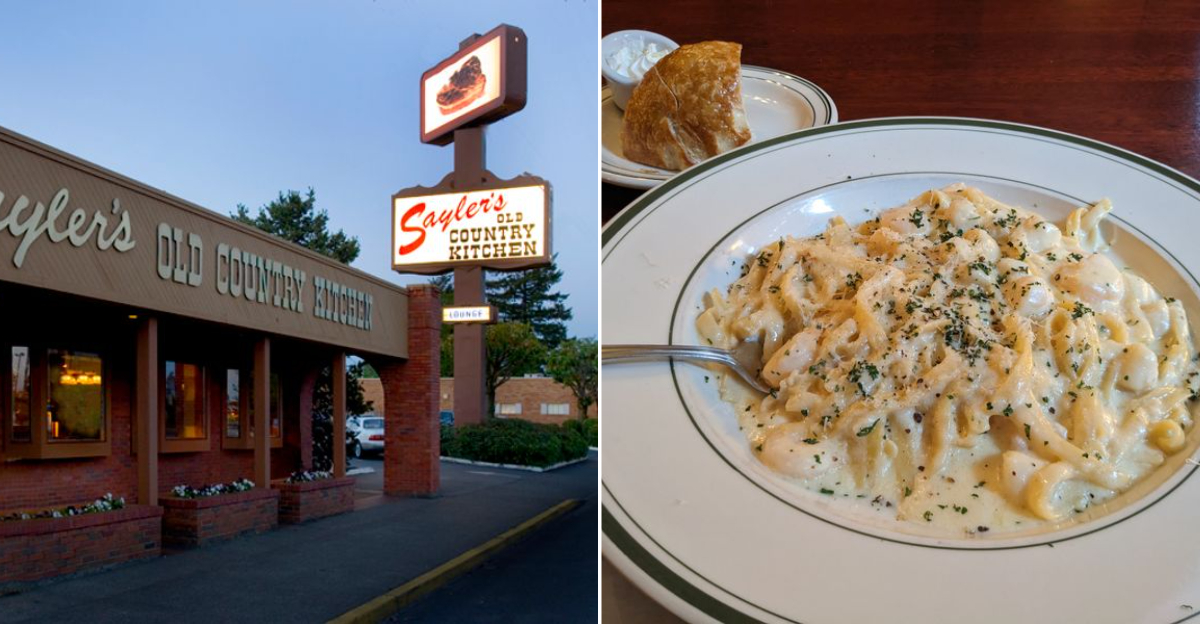
Oregon’s oldest dining rooms have always felt to me less like businesses and more like stubborn campfires, the kind that keep glowing long after the weather changes, tended quietly by people who know exactly how much attention is required and no more.
I notice it the moment I step inside, the way the room already has a rhythm before you arrive, regulars settling in without ceremony, conversations resuming mid-thought, glassware clinking with the weight and sound of things meant to last.
What I appreciate most is how little these places feel the need to explain themselves, menus written plainly, dishes arriving without flourish, confidence expressed through consistency rather than trend-chasing.
Over the years, I’ve crossed bridges, followed coastlines, and taken small detours specifically for rooms like these, because they offer something rare, a sense that time has layered itself gently rather than erasing what came before.
The food tastes like memory not because it’s stuck there, but because it has learned how to carry familiarity forward without losing relevance, feeding the present in a way that feels steady and earned.
Sitting in these dining rooms, I’m reminded that longevity doesn’t come from standing still, but from knowing what never needed fixing in the first place.
Think of this as a respectful field guide shaped by repeat visits and quiet loyalty, pointing you toward Oregon legends that have outlasted gusts of change by staying warm, dependable, and worth the extra mile.
1. Huber’s Cafe, Portland
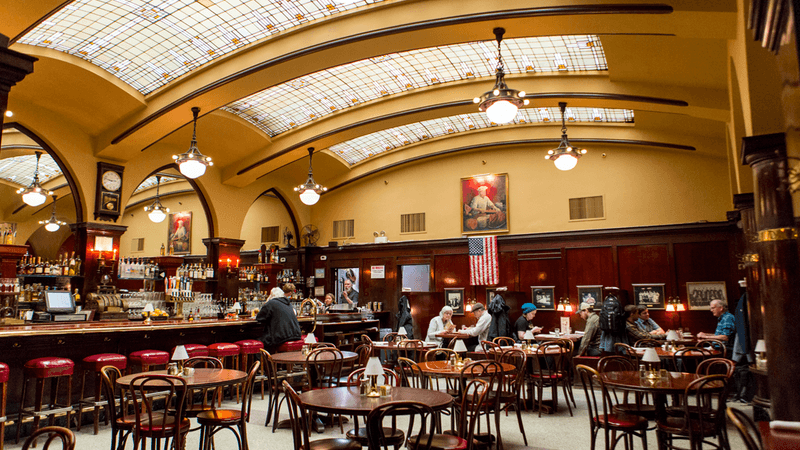
Walking into Huber’s Cafe feels like stepping into a room that has already decided how the evening should move, with stained glass softening the light, dark wood absorbing sound, and the steady choreography of servers and bartenders suggesting that countless meals have unfolded here without needing reinvention.
The ritual of the Spanish Coffee draws attention first, not because it demands it, but because fire naturally pulls the eye, and when the flames rise briefly above the glass you can sense the room leaning in together, forks paused, conversations momentarily synchronized.
What anchors the experience, though, is how comfortably the menu rests in its own history, offering dishes that do not chase relevance but instead rely on repetition, memory, and a confidence earned through survival rather than reinvention.
The turkey dinner, served with calm precision, carries a weight that comes from continuity, reminding you that food does not need novelty to feel complete when care and consistency do the work quietly.
Founded in the nineteenth century and still operating from its long-established downtown address, the restaurant carries its age not as a badge but as a posture, visible in pacing, portioning, and restraint.
Time behaves differently here, stretching slightly as courses arrive without urgency, allowing conversation to deepen rather than rush toward an ending.
Leaving Huber’s rarely feels abrupt, because the room gently releases you rather than pushing you back into the street.
2. Jake’s Famous Crawfish, Portland
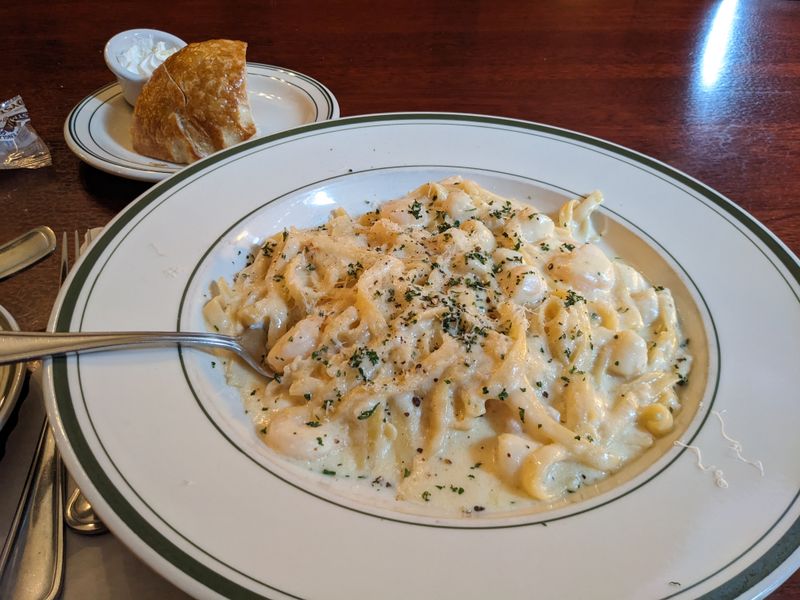
Jake’s Famous Crawfish presents itself with the composure of a place that knows exactly what it is responsible for, beginning with the raw bar’s careful order and extending through a dining room where pressed linens and steady lighting establish trust before a menu is even opened.
The display of seafood feels deliberate rather than decorative, suggesting a working relationship with the ocean that prioritizes timing, sourcing, and handling over spectacle.
What distinguishes the experience is not extravagance but discipline, visible in how dishes arrive balanced, seasoned, and proportioned to satisfy without overwhelming.
Generations of service have refined an approach where the kitchen allows ingredients to speak clearly, resisting embellishment in favor of clean execution that rewards attention.
Operating continuously since the late nineteenth century, the restaurant carries its longevity in its rhythm, with servers moving confidently through the room and diners settling into meals that feel dependable rather than performative.
Even during busy hours, the space maintains a sense of order that encourages steady eating and unhurried conversation.
Jake’s remains memorable because it reinforces the idea that longevity in dining often comes from knowing exactly when not to change.
3. Dan & Louis Oyster Bar, Portland
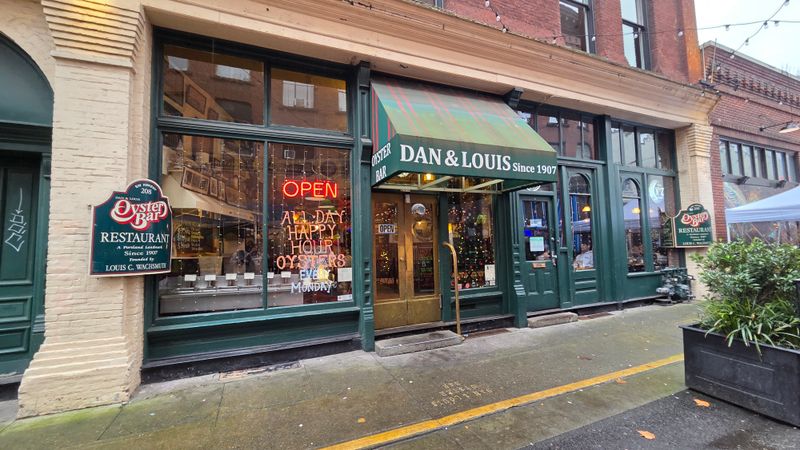
This place communicates its identity immediately through texture and atmosphere, with shell fragments, historic photographs, and the low echo of voices combining to form a space that feels closer to a working waterfront than a themed interior.
The steady flow of oysters from ice to counter reflects a confidence built through decades of repetition, where speed never replaces judgment and volume never eclipses care.
What stands out is how the room balances liveliness with focus, allowing conversations to overlap while still keeping attention anchored to what arrives on the table.
The menu favors clarity over explanation, trusting diners to recognize quality through taste rather than description.
Founded in the early twentieth century, the bar operates with a sense of continuity that shows up in technique, particularly in how seafood is handled gently enough to preserve its character.
As the evening progresses, the energy shifts without tipping into chaos, maintaining a hum that feels earned rather than engineered.
Dan & Louis endures because it treats the act of serving oysters not as a trend but as a responsibility carried forward carefully.
4. RingSide Steakhouse, Portland
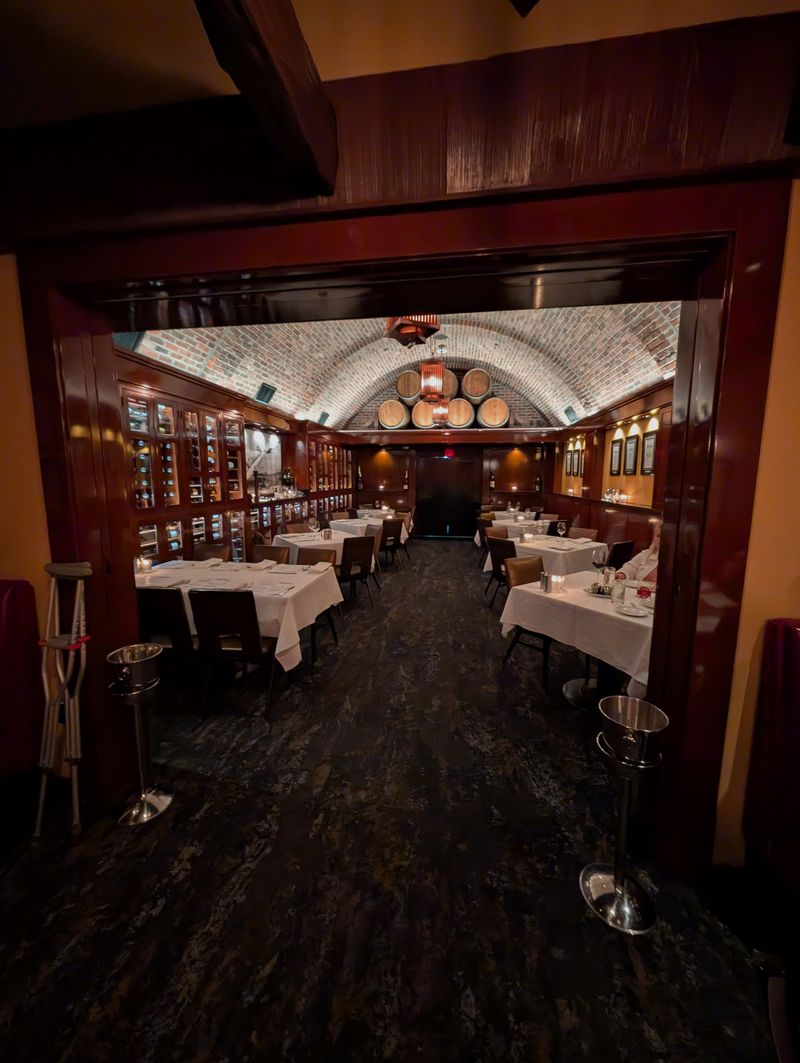
RingSide Steakhouse announces itself through atmosphere before flavor, with low lighting, white tablecloths, and the unmistakable scent of broiled beef creating a sense that dinner here is meant to unfold deliberately rather than be rushed through out of habit.
The room carries a quiet formality that does not feel stiff, but instead signals that people have come prepared to sit, talk, and give the meal the attention it expects.
Steaks arrive with a confident char that reflects repetition mastered over decades, where timing, heat, and rest are treated as non-negotiable elements rather than variables to experiment with.
What keeps the place relevant is not reinvention but reliability, a quality reinforced by sides that play supporting roles without trying to steal the spotlight from the main plate.
Since opening in the mid-twentieth century, the restaurant has held onto a sense of ritual that many steakhouses have diluted, allowing familiarity to become a feature rather than a flaw.
Service moves with practiced awareness, stepping in when needed and retreating when conversation deepens, reinforcing the idea that pacing matters as much as seasoning.
RingSide endures because it treats dinner not as a transaction, but as an event worth repeating in nearly the same way every time.
5. Sayler’s Old Country Kitchen, Portland
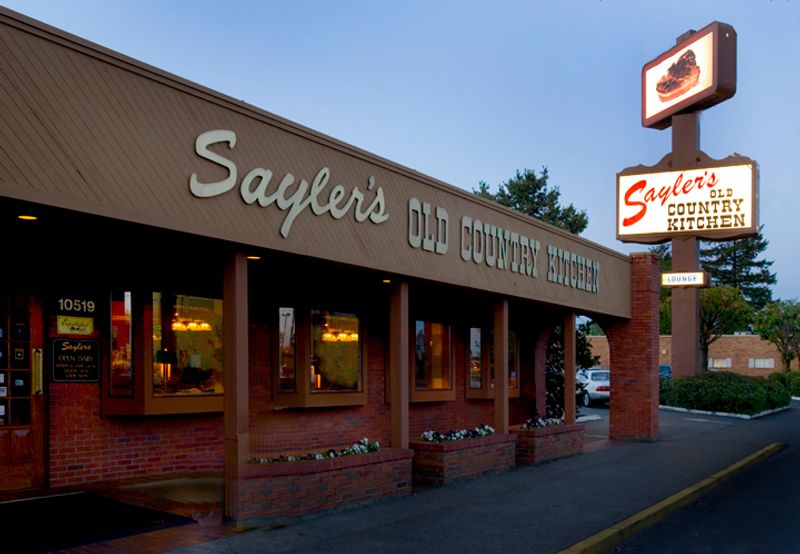
Sayler’s Old Country Kitchen greets you with an energy that is immediately social, where laughter, clinking cutlery, and the low thrill of spectacle coexist comfortably in a room designed to handle both curiosity and appetite.
The space feels unapologetically generous, signaling early on that restraint is not part of the philosophy here, whether in portion size, menu scope, or the sheer confidence of tradition.
What defines the experience is how clearly the kitchen understands its role, focusing on hearty execution rather than finesse, and allowing familiarity to do the emotional work.
The menu reads like a reassurance, built around predictable pleasures that arrive exactly as expected, reinforcing trust rather than surprise.
Operating continuously since the 1940s, the restaurant has absorbed decades of diners into its rhythm, creating an environment where celebrations and ordinary evenings share the same tables without tension.
Even first-time visitors are quickly folded into the room’s momentum, guided by staff who treat volume and repetition as strengths rather than compromises.
Sayler’s persists because it offers something increasingly rare, a place where abundance, routine, and enjoyment are allowed to exist without apology.
6. Otto’s Sausage Kitchen & Meat Market, Portland
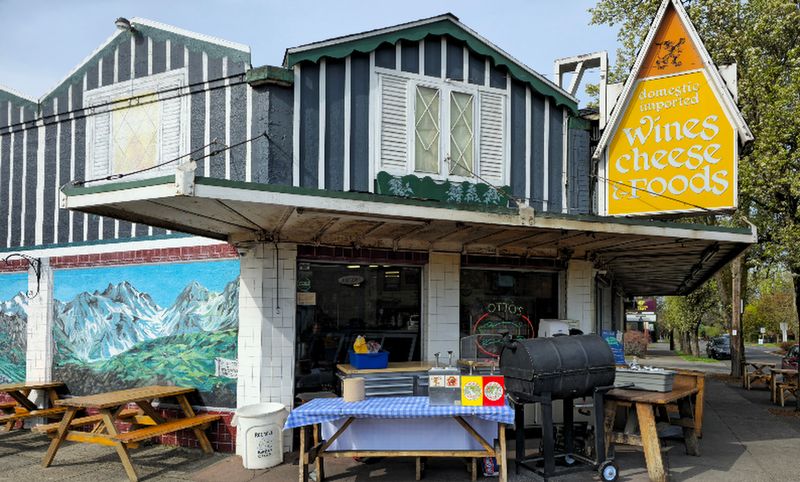
Otto’s Sausage Kitchen & Meat Market announces itself from the sidewalk, where the smell of smoke and grilled meat drifts outward and quietly gathers a line before the door is even noticed.
The space operates as both shop and eating place, blurring the boundary between production and consumption in a way that feels practical rather than performative.
What makes the experience memorable is the sense of continuity, where recipes, techniques, and seasoning blends are treated as inherited knowledge rather than creative starting points.
The menu favors directness, offering sausages that speak clearly through snap, fat, and spice without leaning on excess condiments or embellishment.
Founded in the early twentieth century, the business carries its age through consistency, visible in how the counter moves steadily regardless of who is ordering.
Eating here feels communal, shaped by shared tables, quick decisions, and the casual understanding that food this simple benefits from being eaten without delay.
Otto’s survives because it never tried to become more than it already was, choosing instead to refine what it does best year after year.
7. Helvetia Tavern, Hillsboro
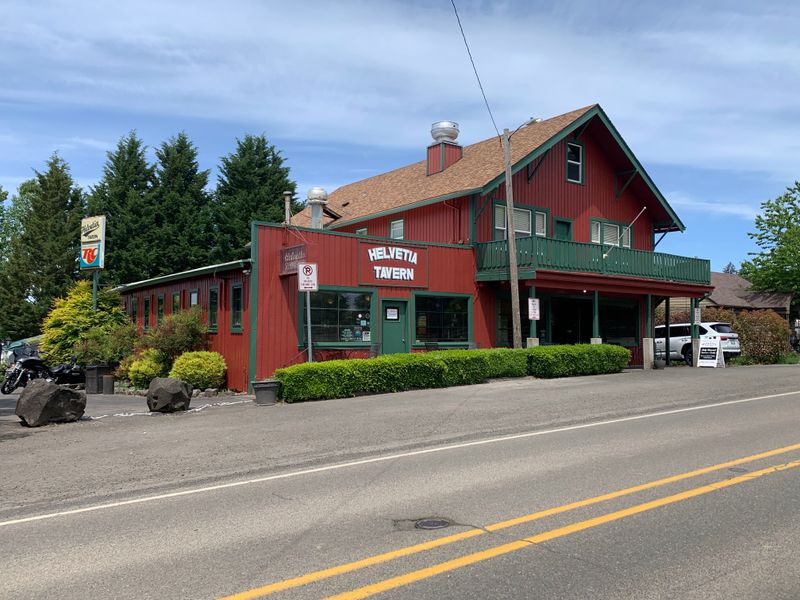
Just past open fields and narrow roads, the room settles into a rural calm where caps line the ceiling, conversations overlap easily, and nobody seems surprised if a tractor rolls by outside the window while orders are being called.
The setting carries a sense of earned simplicity, where worn surfaces and familiar routines signal that nothing here is meant to be optimized for trend or spectacle, only for steady use over long stretches of time.
What anchors the experience is how confidently the kitchen leans into repetition, turning out plates that rely on heat, salt, and timing rather than novelty, and trusting that these fundamentals will hold their ground.
Years of uninterrupted operation have shaped an atmosphere where regulars and newcomers share space without friction, each understanding that patience is part of the unwritten agreement.
The menu reinforces this mood by avoiding excess explanation, allowing food to arrive as expected and speak for itself without narrative support.
Service follows the same logic, efficient without being rushed, familiar without slipping into carelessness, and always aware of the room’s unspoken pace.
Longevity here feels less like survival and more like inertia, as if the place simply continues because nothing has given it a reason to stop.
8. Kyllo’s Seafood & Grill, Lincoln City
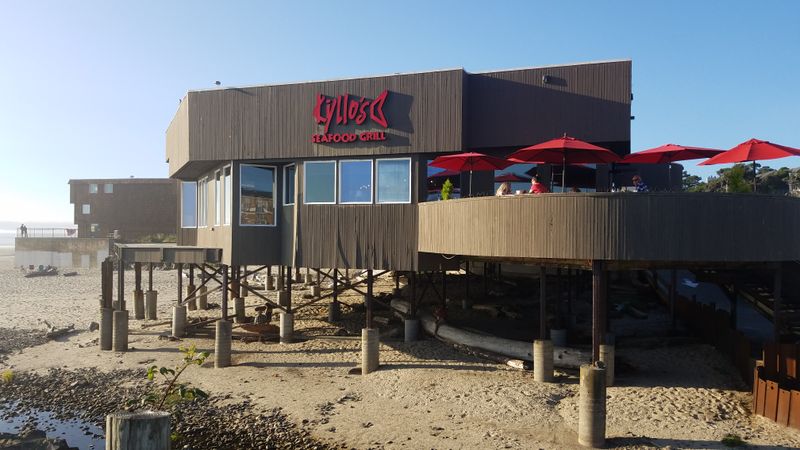
Above the surf line, the dining room seems to hover just enough to remind you that the ocean is not background scenery but an active presence shaping the evening.
Large windows pull the coastline directly into the room, where shifting light and moving water quietly dictate the rhythm of the meal without anyone needing to point it out.
The experience benefits from this constant motion outside, which slows conversation and encourages lingering even when plates are cleared.
What keeps people returning is not theatrical presentation but the reassurance that the setting and the food are in agreement, each reinforcing the other rather than competing for attention.
Family stewardship over decades has resulted in a menu that feels coastal in the most literal sense, grounded in availability, season, and familiarity rather than trend cycles.
Staff move through the room with an awareness that timing matters more when sunset is involved, adjusting service to match the light rather than the clock.
The result is a dinner that feels inseparable from place, one that would lose meaning if lifted from its shoreline context.
9. Camp 18 Restaurant, Seaside
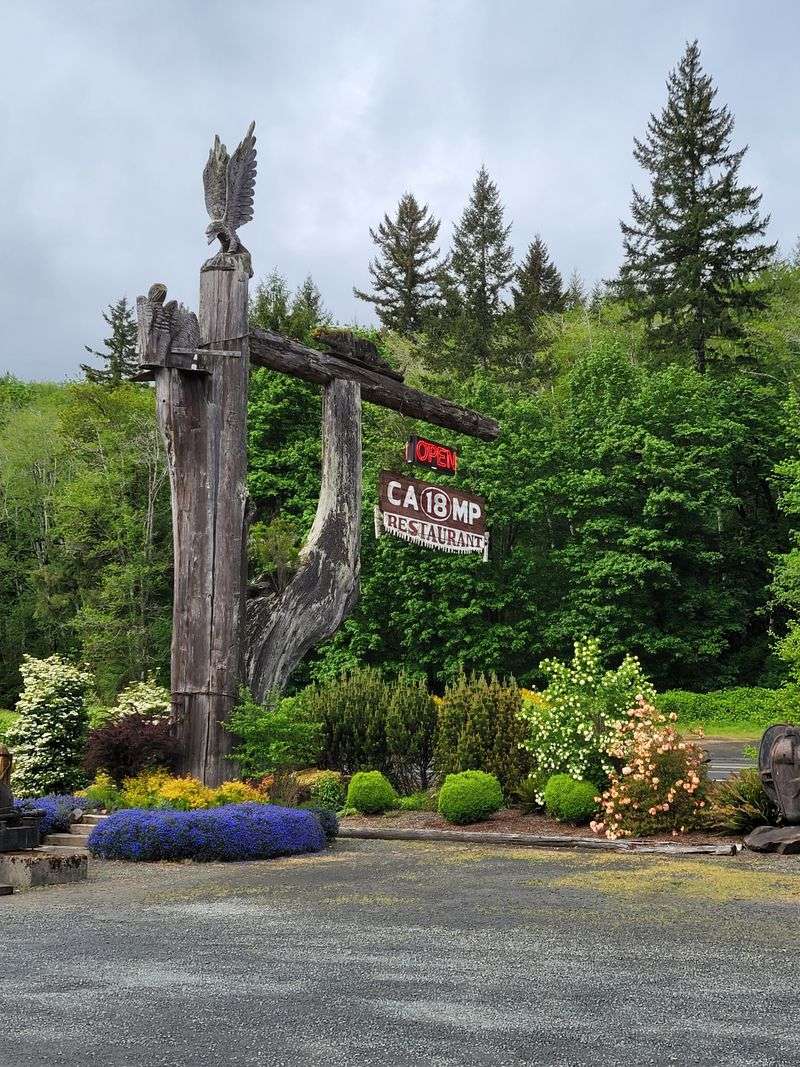
Massive timber beams and logging artifacts immediately establish a sense of scale, making the room feel less like a dining space and more like a pause within a working landscape.
The interior invites attention upward as much as outward, reminding visitors that the region’s history is structural, built into walls and ceilings rather than confined to plaques.
Meals unfold in an environment that favors generosity and durability, where portion size and pacing reflect a culture shaped by physical labor and long days.
What distinguishes the experience is how seamlessly food and setting align, each reinforcing the idea that comfort and sustenance were always the primary goals.
Decades of operation have allowed habits to solidify, creating a place where repetition feels reassuring instead of stale.
Crowds move steadily through the space, buffered by a gift shop and wide walkways that turn waiting into part of the ritual rather than an inconvenience.
The restaurant endures because it functions as a landmark as much as a dining room, offering continuity in a landscape that has otherwise changed around it.
10. Mo’s Seafood & Chowder (Original Mo’s), Newport
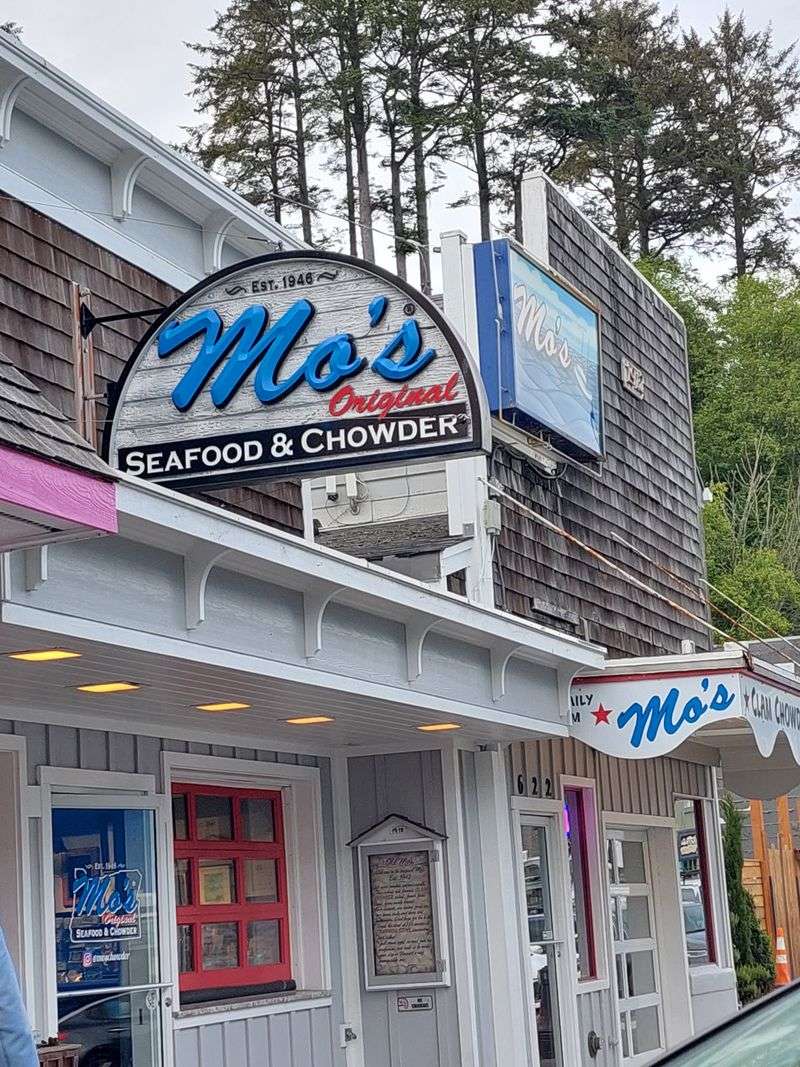
Steam clouding the windows on colder days works like an unspoken signal that something dependable is happening inside, drawing people in with the promise of warmth, familiarity, and a rhythm that has repeated itself for generations without needing revision.
Bright buoys, framed photographs, and harbor light filtering through the glass give the room a lived-in character, where decoration feels accumulated rather than designed, and where every surface suggests long use rather than careful preservation.
The experience rests on consistency more than surprise, built on recipes and routines that have been repeated so often they no longer need defending or explanation.
What keeps the crowd steady is the sense that this place understands exactly what it is and refuses to dilute that understanding in pursuit of novelty or reinvention.
Service follows a practiced cadence, moving lines efficiently while still allowing space for small exchanges that remind you this is not a factory, but a room with memory.
The proximity to the docks quietly reinforces the point, making the setting feel inseparable from the meal rather than merely adjacent to it.
Longevity here feels earned through reliability, the kind that turns a first visit into a return visit before you even leave the table.
11. Bowpicker Fish & Chips, Astoria
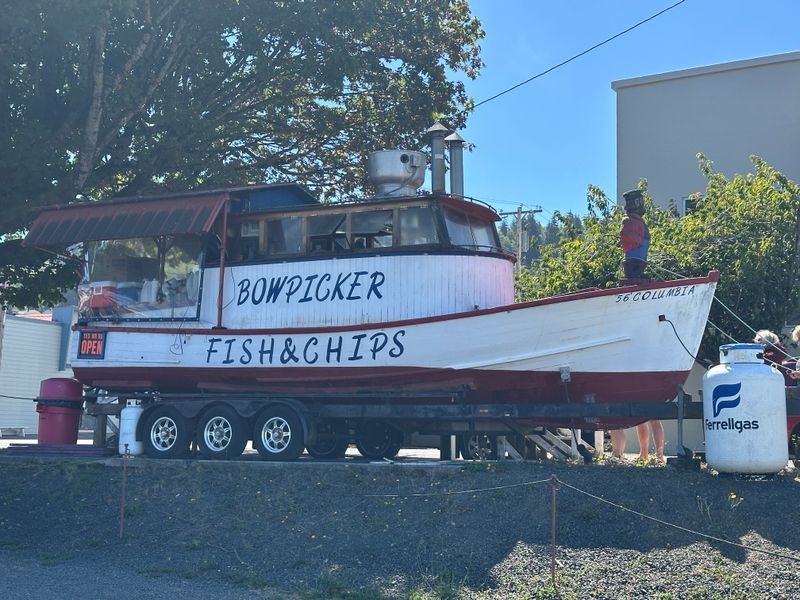
A converted fishing boat resting on land immediately reframes expectations, signaling that this is a place shaped by practicality and adaptation rather than polish or expansion.
The narrow space and outdoor queue establish a communal patience, where everyone understands that waiting is part of the exchange and that efficiency comes from restraint rather than speed.
What stands out most is the discipline of limitation, a deliberately small scope that allows focus, freshness, and control to take precedence over variety.
The setting invites attention to process, encouraging visitors to notice timing, texture, and repetition instead of scanning a menu for options.
Weather plays an active role in the experience, with drizzle, wind, or sun shaping the line and reinforcing the maritime context without needing commentary.
Regulars and newcomers stand shoulder to shoulder, united by the shared understanding that certain rewards require a little discomfort and flexibility.
The place persists not by expanding outward, but by holding its ground, proving that a narrow vision, executed well and without compromise, can sustain a devoted following for years.