
12 Old-School West Virginia Snacks That Only Locals Still Remember
In the heart of Appalachia, amidst rolling hills and winding rivers, lies a culinary landscape as unique as its people.
While national brands and fast-food chains now dominate the snack aisles, there was a time when West Virginia kitchens and convenience stores offered a distinct array of local delights.
These aren’t just snacks; they’re edible time capsules, embodying the spirit of a bygone era.
Growing up in the Mountain State, certain flavors just hit differently.
Join us as we explore 12 old-school West Virginia snacks that have largely faded from general knowledge, remembered only by those who truly called the Mountain State home.
1. Pepperoni Roll
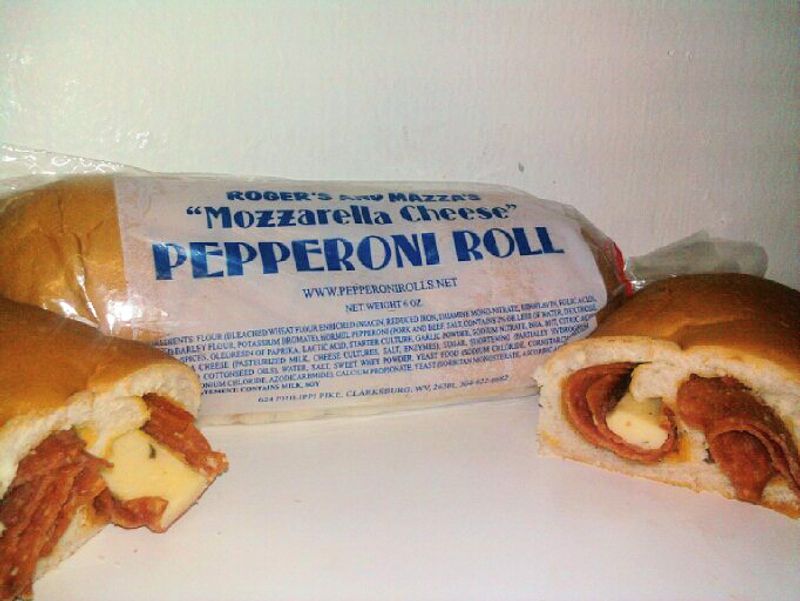
Coal miners needed something portable, filling, and shelf-stable for their underground lunch breaks.
Someone in the 1920s had the brilliant idea to bake pepperoni straight into soft bread dough, creating a handheld meal that could survive hours in a lunch pail.
The result became West Virginia’s unofficial state food, sold in every gas station and bakery across the Mountain State.
Locals debate whether cheese belongs inside or if that ruins the authentic experience.
Some prefer the classic Giuseppe Argiro style from Fairmont, while others swear by their hometown bakery’s version.
No matter which camp you fall into, biting into a warm pepperoni roll still tastes like home to anyone who grew up here.
2. West Virginia Slaw Dog
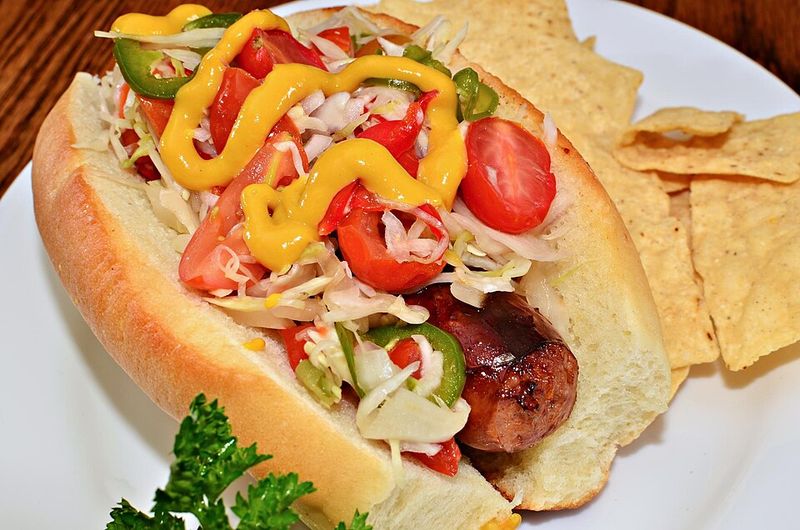
Hot dogs took a wild turn when West Virginians decided plain condiments were not enough.
Chili sauce gets ladled on first, followed by a stripe of yellow mustard and a handful of chopped onions.
Then comes the signature move, a generous scoop of creamy, tangy coleslaw piled right on top of everything else.
The combination sounds strange until you taste how the cool, crunchy slaw cuts through the rich, meaty chili.
Every diner and roadside stand has its own recipe, with locals fiercely loyal to their favorite spot.
My grandmother used to make them for every family cookout, and I still measure every slaw dog against her version.
3. Fried Or Hot-Bologna Sandwich
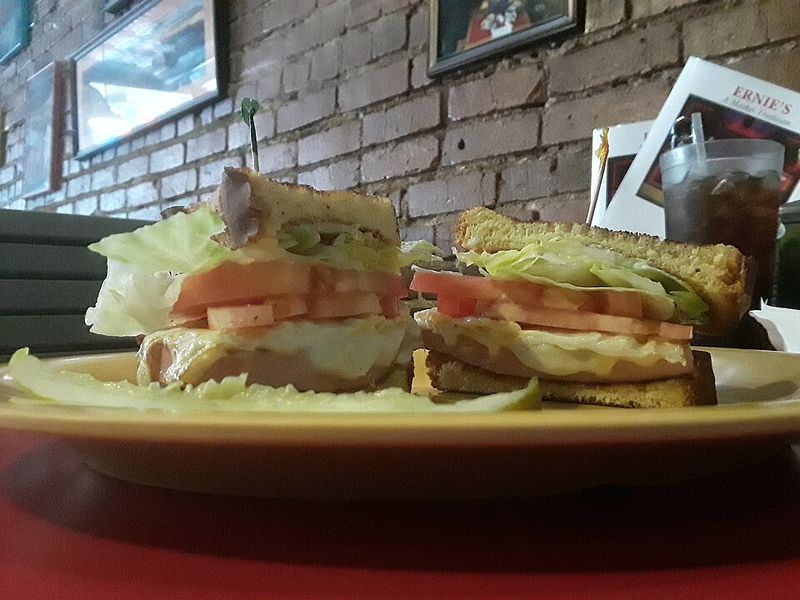
Gas stations and roadside diners turned cheap bologna into something worth craving by slicing it thick and frying it until the edges curled up crispy.
The heat transforms the processed meat into something entirely different, with caramelized spots and a satisfying snap when you bite down.
Slap it on a soft bun with mustard and maybe some cheese, and you have got yourself a proper Mountain State meal.
Kids used to beg their parents to stop at specific gas stations just for these sandwiches.
The smell of bologna sizzling on a hot griddle became as much a part of road trips as winding mountain highways.
Some folks still swear nothing tastes better after a long day than a hot-bologna sandwich from their local corner store.
4. Giant Tudor’s-Style Biscuits
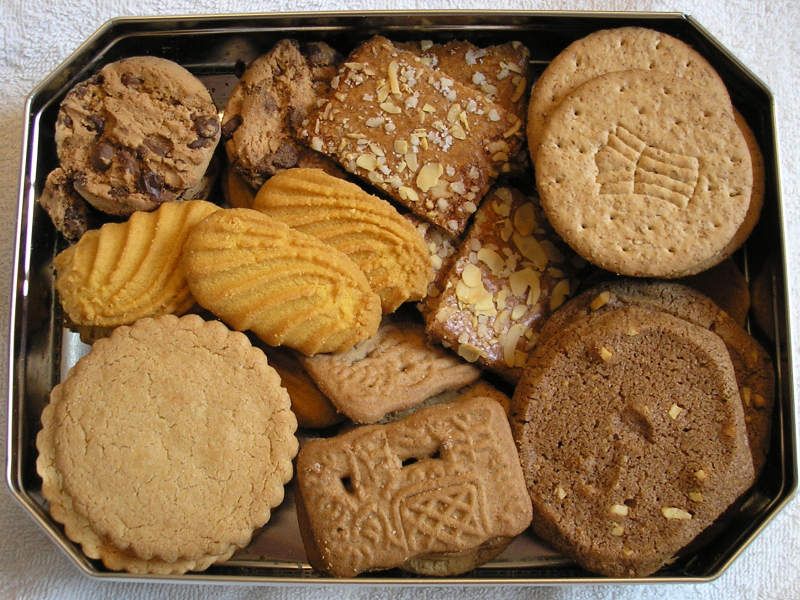
Breakfast in West Virginia means biscuits the size of your fist, made from scratch with real buttermilk and more butter than health experts would recommend.
These towering creations arrived hot and flaky, perfect for soaking up gravy or turning into a breakfast sandwich stuffed with eggs, sausage, and cheese.
Tudor’s Biscuit World made them famous statewide, but plenty of local diners had been making giant biscuits long before the chain showed up.
Grandmothers passed down their biscuit recipes like family heirlooms, each claiming theirs were the lightest and most tender.
Weekend mornings meant waking up to the smell of biscuits baking, knowing a proper breakfast was minutes away.
That tradition still holds strong in kitchens across the state.
5. Pawpaw Snacks & Desserts

Before bananas showed up in every grocery store, Appalachian families foraged for pawpaws, a native fruit that tastes like a tropical vacation grew in West Virginia woods.
The custard-like flesh gets turned into puddings, pies, and ice cream using recipes handed down through generations.
Finding a pawpaw grove in late summer used to be like discovering hidden treasure, and locals guarded their favorite spots jealously.
The fruit bruises easily and does not ship well, which explains why most outsiders have never tasted one.
Old-timers remember pawpaw festivals where families would gather to swap recipes and stories.
My uncle claimed he could smell ripe pawpaws from fifty yards away, though I always suspected he just knew where the good trees were.
6. Ramp Dishes
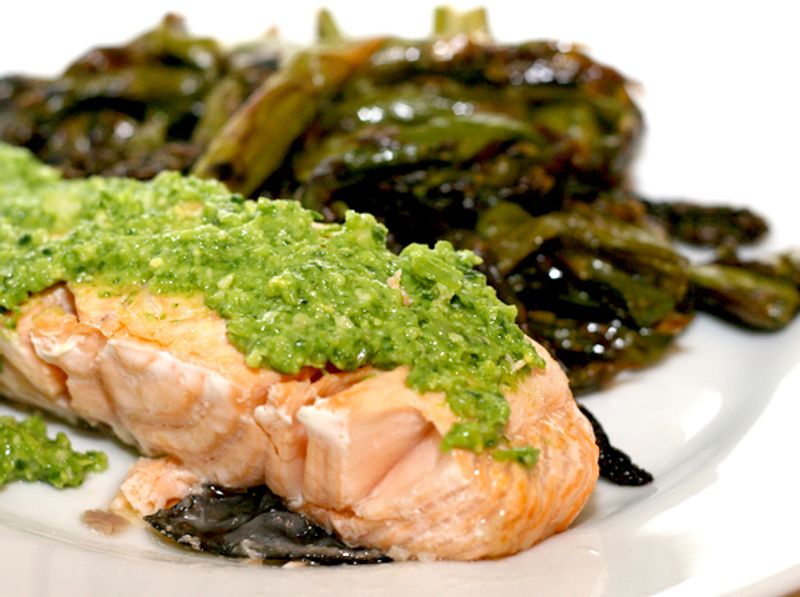
Springtime in the mountains brings out foragers hunting for ramps, wild leeks with a punch strong enough to clear a room.
These pungent plants get scrambled with eggs, fried with potatoes, pickled in vinegar, or eaten raw by the bravest souls at community festivals.
Schools used to send kids home if they showed up reeking of ramps after a family foraging trip, since the smell lingers on your breath for days.
Entire towns celebrate ramp season with festivals featuring every possible preparation method.
The flavor sits somewhere between garlic and onion but with an earthy wildness that cannot be replicated.
Locals know which hillsides produce the best patches and return to the same spots year after year.
7. Potato Candy
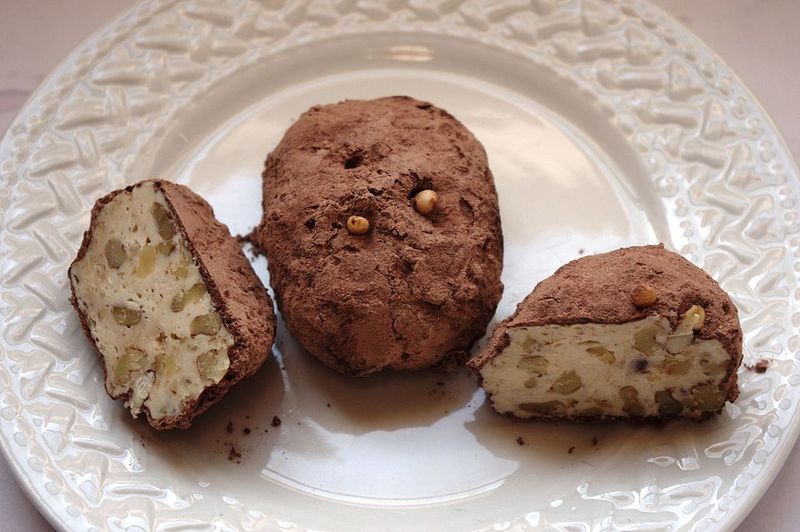
Hard times during the Depression led creative cooks to discover that mashed potatoes mixed with powdered sugar creates a surprisingly sweet dough.
Roll it flat, spread on a thick layer of peanut butter, then roll it up like a jelly roll and slice it into pinwheels.
The result looks fancy enough for special occasions but costs almost nothing to make, which made it perfect for families stretching every penny.
Grandmothers kept making potato candy long after the Depression ended because their grandkids loved it.
The texture falls somewhere between fudge and frosting, rich and sweet with that nutty peanut butter contrast.
You would never guess potatoes were involved if nobody told you the secret ingredient.
8. Salt-Rising Bread
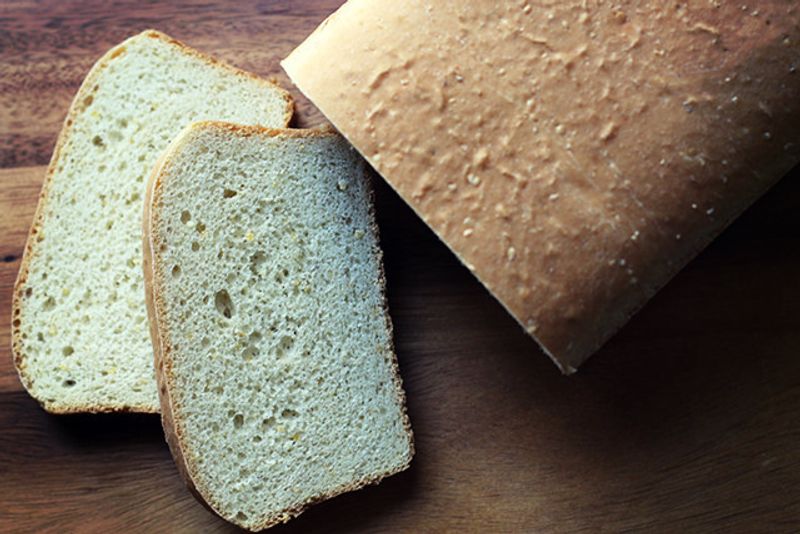
Wild fermentation creates this funky Appalachian bread that smells like cheese while baking but tastes incredible when toasted with butter.
Instead of yeast, salt-rising bread relies on naturally occurring bacteria captured from cornmeal and milk, making it temperamental and requiring specific temperatures to rise properly.
Old-timers swear by their methods, often keeping their starter warm by the woodstove or wrapped in blankets overnight.
The unusual smell scared off plenty of first-timers, but locals grew up loving the dense, slightly tangy slices.
Making it successfully became a point of pride among mountain cooks who mastered the tricky fermentation process.
My great-aunt refused to share her exact recipe, claiming the bread knew if you did not respect it properly.
9. Leather Britches (Shucky Beans)
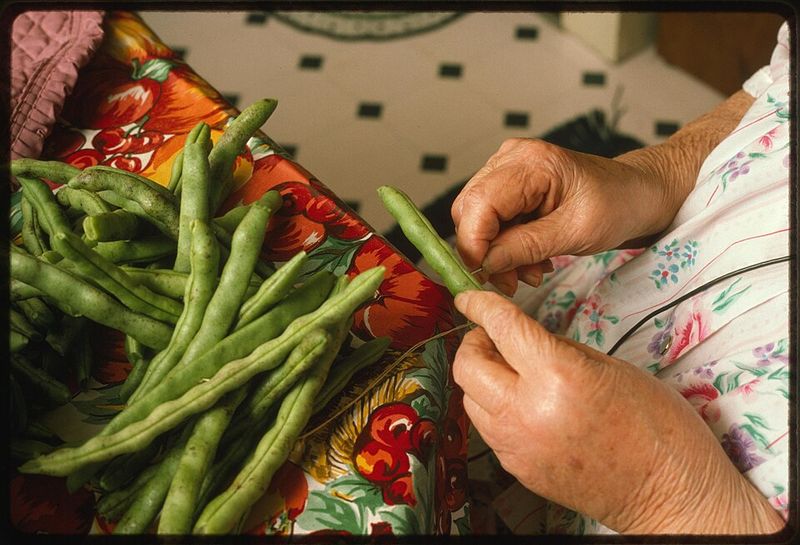
Before freezers existed, mountain families preserved green beans by stringing them on thread and hanging them to dry until they turned brown and leathery.
These shucky beans get cooked low and slow with ham or bacon until tender, creating a side dish that tastes nothing like fresh green beans.
The drying process concentrates the flavor into something earthy and intense, with a texture that takes some getting used to for anyone not raised on them.
Seeing strings of leather britches hanging in the kitchen meant someone was preparing for winter the old-fashioned way.
Kids learned to string beans as soon as their fingers were nimble enough, sitting on the porch with bushel baskets and spools of thread.
The tradition mostly faded when home freezers became common, but some families still make them for special occasions.
10. Buckwheat Cakes

Farm kitchens and county fairs have served these nutty, hearty pancakes for generations, made from buckwheat flour that gives them a darker color and earthier flavor than regular flapjacks.
Buckwheat grows well in mountain soil where other crops struggle, making it a practical choice for self-sufficient families.
The cakes come out dense and filling, perfect for fueling a long day of farm work or fair wandering.
Pancake breakfasts at volunteer fire departments always featured buckwheat cakes alongside the plain ones, and locals could spot them instantly by their grayish-brown hue.
The slightly sour, mineral-rich taste pairs perfectly with butter and maple syrup.
Some folks developed such a preference for buckwheat that regular pancakes started tasting bland by comparison.
11. Mister Bee Potato Chips

While national brands dominated grocery shelves everywhere else, West Virginia kids grew up crunching on Mister Bee chips made right in Parkersburg.
The local company kept things simple, producing thick-cut chips with that perfect balance of salt and potato flavor that made them disappear fast from lunch boxes.
Every corner store and gas station stocked them, and locals knew the yellow bags with the bee logo meant you were getting the good stuff.
School lunches felt incomplete without a bag of Mister Bee chips, and family gatherings always featured bowls of them alongside the other snacks.
The company stayed family-owned and West Virginia-proud, becoming a source of state pride in chip form. Spotting them in stores outside the state still makes homesick West Virginians unreasonably excited.
12. MoonPie (The Classic RC & MoonPie Combo)
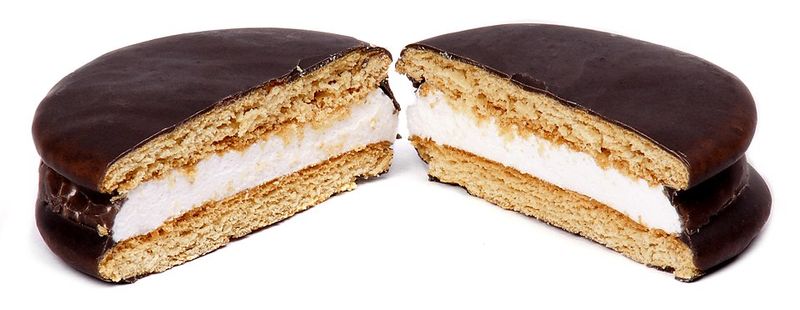
Country stores across Appalachia sold this legendary combination for pocket change, making it the working person’s lunch break for decades.
A MoonPie is two round graham crackers sandwiching marshmallow filling, all dipped in chocolate or another flavor coating.
Washing it down with an ice-cold RC Cola became such a cultural phenomenon that the pairing achieved near-mythical status in West Virginia and throughout the South.
Miners, factory workers, and farmers could afford this cheap, filling snack without breaking the bank.
The combination of sweet cake and fizzy cola provided a quick energy boost that got people through long shifts.
Gas stations still stock both items together, and old-timers still reach for the combo out of pure habit and nostalgia.