
One Cleveland, Ohio Attraction Turns A Historic 1926 Station Into A Fascinating Museum Visit
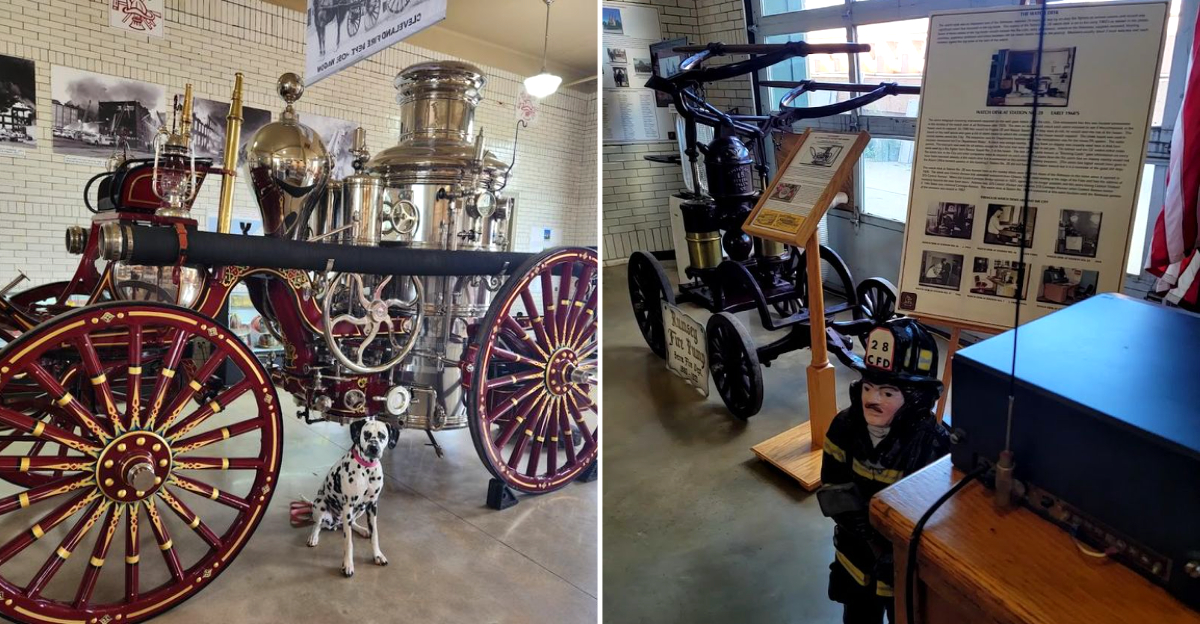
Cleveland has a museum hidden inside a historic 1926 fire station, and it is the kind of place that becomes more interesting with every room.
What looks quiet from the street opens into a visit filled with restored fire wagons, vintage alarm equipment, and stories that make local history feel far more vivid than expected.
I walked in thinking it might be a short stop and ended up staying much longer than planned.
The artifacts are impressive on their own, but the real pull comes from the people and the details, the volunteers who know the history inside out, the equipment that still carries its age so well, and the feeling that this corner of Ohio has been preserving something worth slowing down for.
A Historic Building With a Story of Its Own
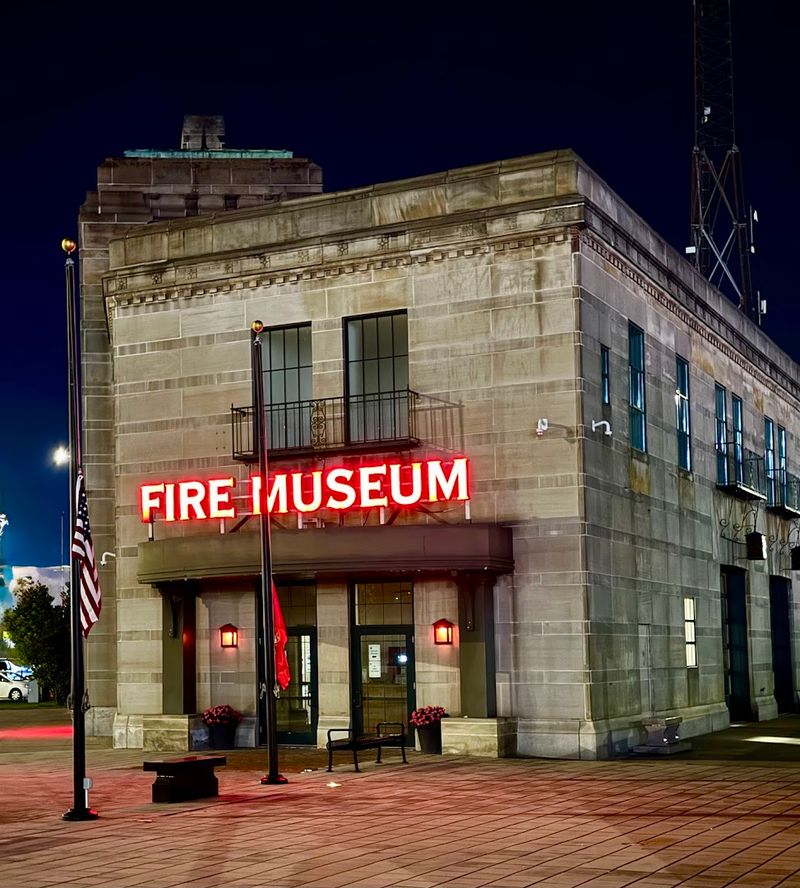
The first thing that makes this museum stand out is that the building already feels like part of the collection.
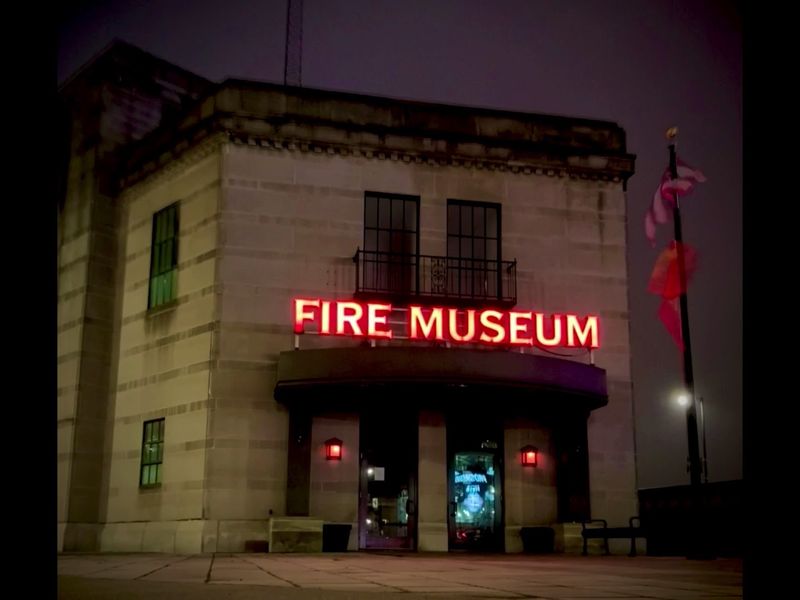
The Western Reserve Fire Museum and Education Center occupies the former Cleveland Fire Alarm Office and Station 28, so before you even start looking at the exhibits, you are already standing inside a place with real history behind it.
I like that the setting gives the visit an immediate sense of authenticity. The brick exterior, the older architectural details, and the preserved feel of the structure all help create the impression that this is not history being recreated from scratch.
It is history still sitting in its original shell, which gives everything inside a stronger connection to the past.
That makes a real difference once you start taking it all in. The building was once an active fire station and alarm coordination center, and knowing that adds extra weight to the experience because the museum does not feel separated from the story it is telling.
It feels directly tied to it.
More than anything, the place has a kind of presence that sets the tone right away. It is not just housing the exhibits.
It is part of what makes the whole visit memorable at 310 Carnegie Ave, Cleveland, OH 44115.
Beautifully Restored Fire Apparatus That Stops You in Your Tracks
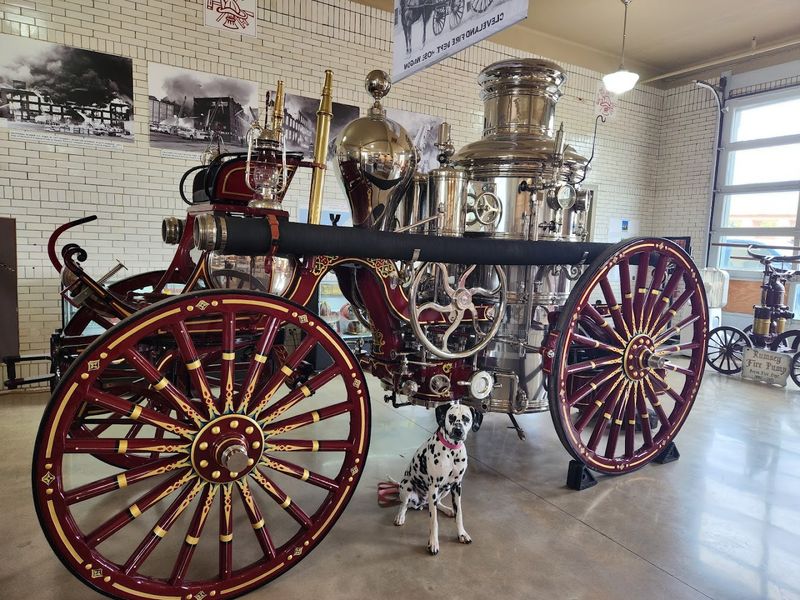
The main hall of this museum genuinely made my jaw drop, and I am not someone who usually gets excited about vehicles.
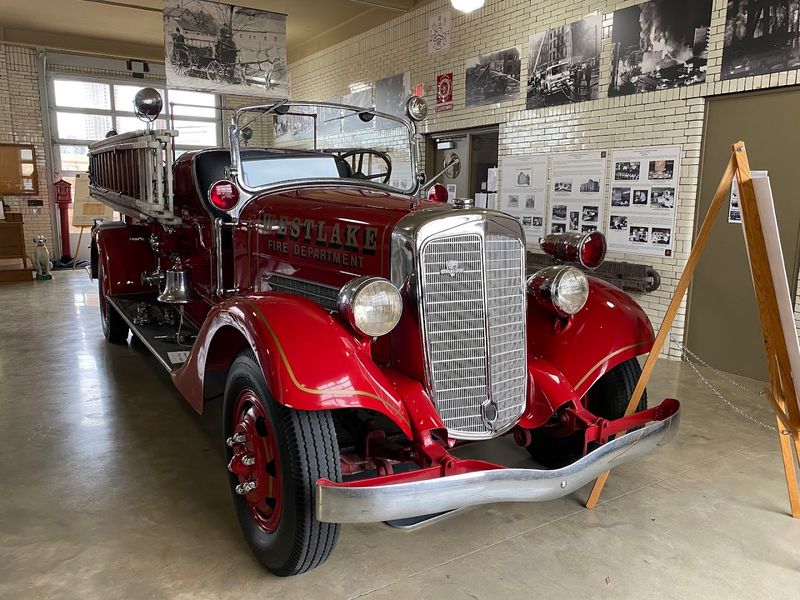
Lined up across the floor are some of the most impeccably restored fire wagons and trucks I have ever seen, with several dating back to the late 1800s and early 1900s.
Horse-drawn fire engines with gleaming brass fittings sit alongside early steam-powered apparatus, each one painstakingly brought back to its original condition.
The level of detail in the restoration work is remarkable. You can see the craftsmanship in every rivet, every leather strap, and every painted surface.
I spent a good chunk of time just circling these machines slowly, trying to picture what it looked like to see one of them charging through the old streets of Cleveland pulled by horses.
For anyone who appreciates mechanical history or skilled restoration work, this section alone is worth the price of admission. The apparatus collection is genuinely one of the finest I have come across in any regional museum.
The Gamewell Fire Alarm System Upstairs
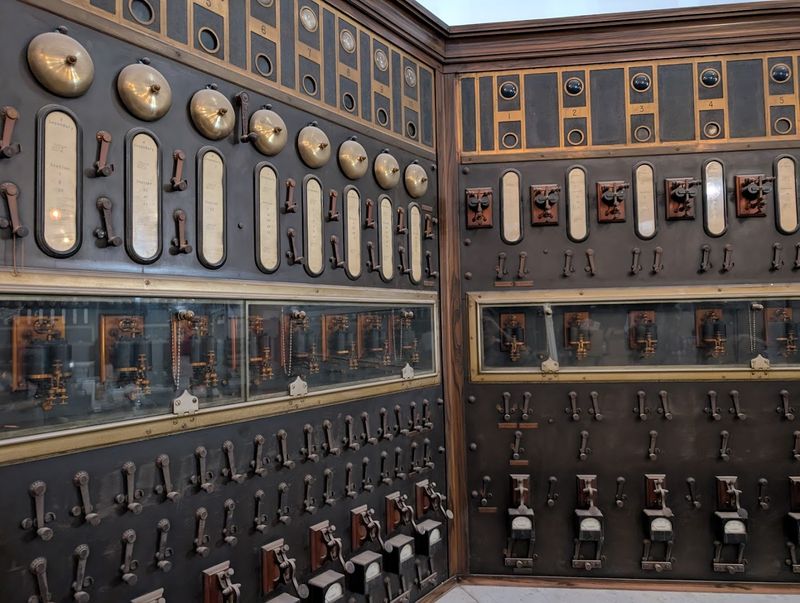
Upstairs, there is something that stopped me completely and held my attention longer than almost anything else in the building.
The Gamewell fire alarm system is a massive pre-computer network of switches, wiring panels, and signal equipment that once connected fire alarm boxes spread all across the city of Cleveland, Ohio.
Before modern dispatch technology existed, this enormous mechanical system was how firefighters knew where to go. A citizen would pull a street alarm box, and the signal would travel through wires to this very room, where operators would interpret the code and send the right station.
The scale of it is hard to describe without seeing it in person. The panels stretch across the room in a way that makes you appreciate how much human ingenuity went into solving a genuinely complex problem without a single computer chip.
I kept thinking about the operators who sat here, reading signals and making split-second decisions during serious emergencies. The volunteers explained the system in detail, and every explanation made it more impressive.
Guided Tours Led by Retired Firefighters
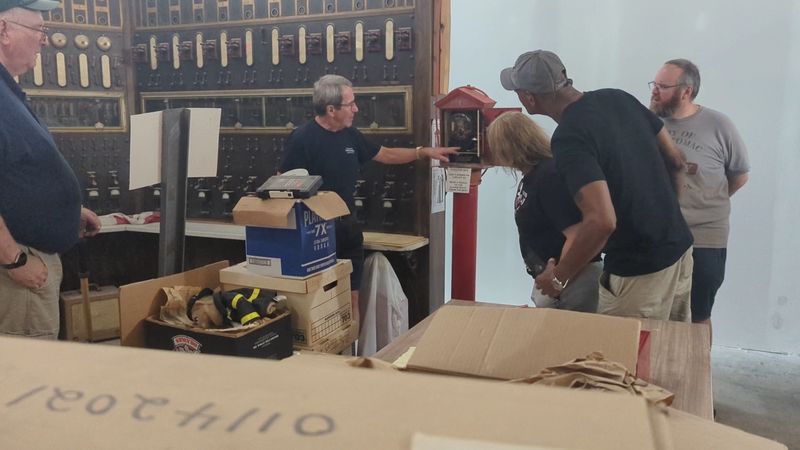
The tour I took was led by a retired Cleveland firefighter, and that single detail transformed the entire experience from a standard museum visit into something far more personal.
These guides do not just recite facts from a script. They share memories, explain equipment they actually used, and bring a level of authenticity that no printed label could ever replicate.
My guide walked our group through the apparatus floor, the alarm office, and several exhibit areas with the kind of calm confidence that only comes from decades of real experience in the field.
He explained how alarm systems worked, why certain truck designs changed over the years, and what daily life in a firehouse actually looked like during different eras of Cleveland history.
There were moments during the tour when the room went quiet because everyone was simply listening, absorbed by a story that connected directly to something on display just a few feet away.
Tours like this are the reason museums with volunteer guides consistently outshine larger institutions with far bigger budgets.
Fire Safety Education That Actually Sticks
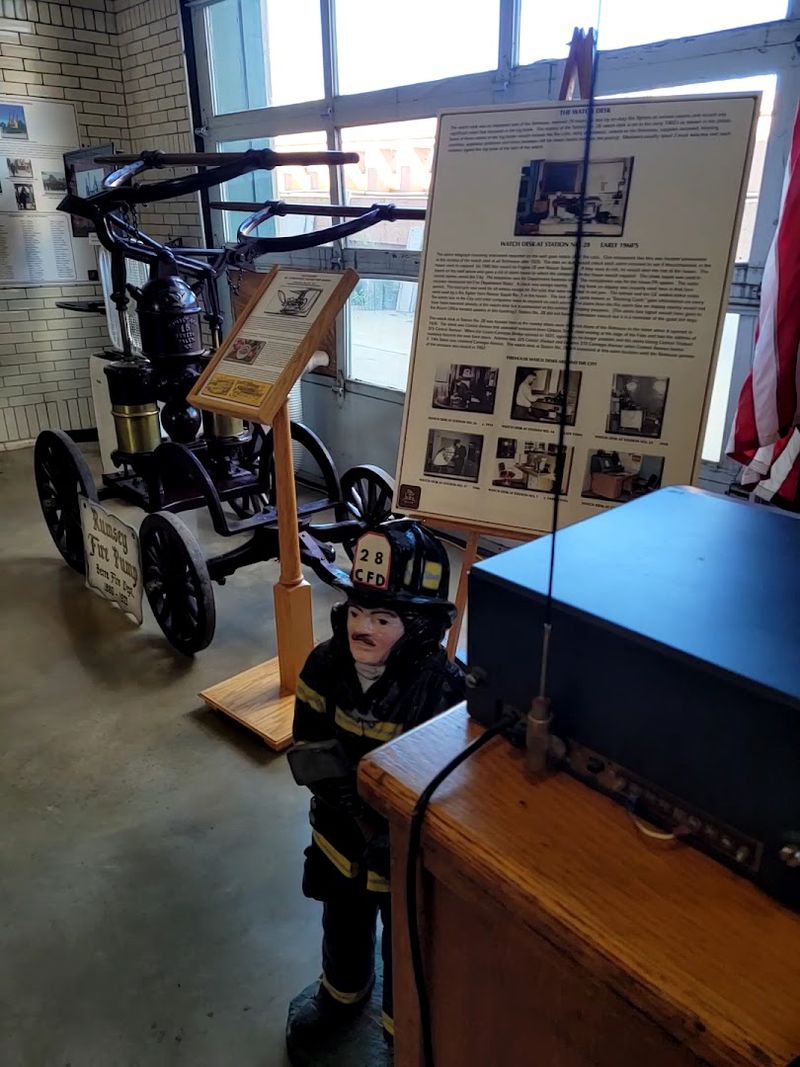
Beyond the historical exhibits, the Western Reserve Fire Museum and Education Center takes its educational mission seriously, and you can see that commitment in the programming it offers.
The museum runs fire safety demonstrations that include things like a simulated smoky room experience and fire extinguisher simulators, which give visitors a hands-on understanding of what to do in an actual emergency.
I watched a group of kids go through one of these activities, and their focus was impressive. When learning feels real and interactive, it tends to land differently than a classroom lesson.
The museum also serves schools, scout groups, and community organizations, making it a resource that extends well beyond casual tourism.
There is something genuinely valuable about a place that combines historical preservation with practical safety education. Most museums ask you to look and not touch.
This one asks you to engage, participate, and actually learn something you might one day use.
That combination of history and purpose gives the museum a sense of mission that feels rare and worth supporting.
A Kid-Friendly Zone That Earns Its Reputation
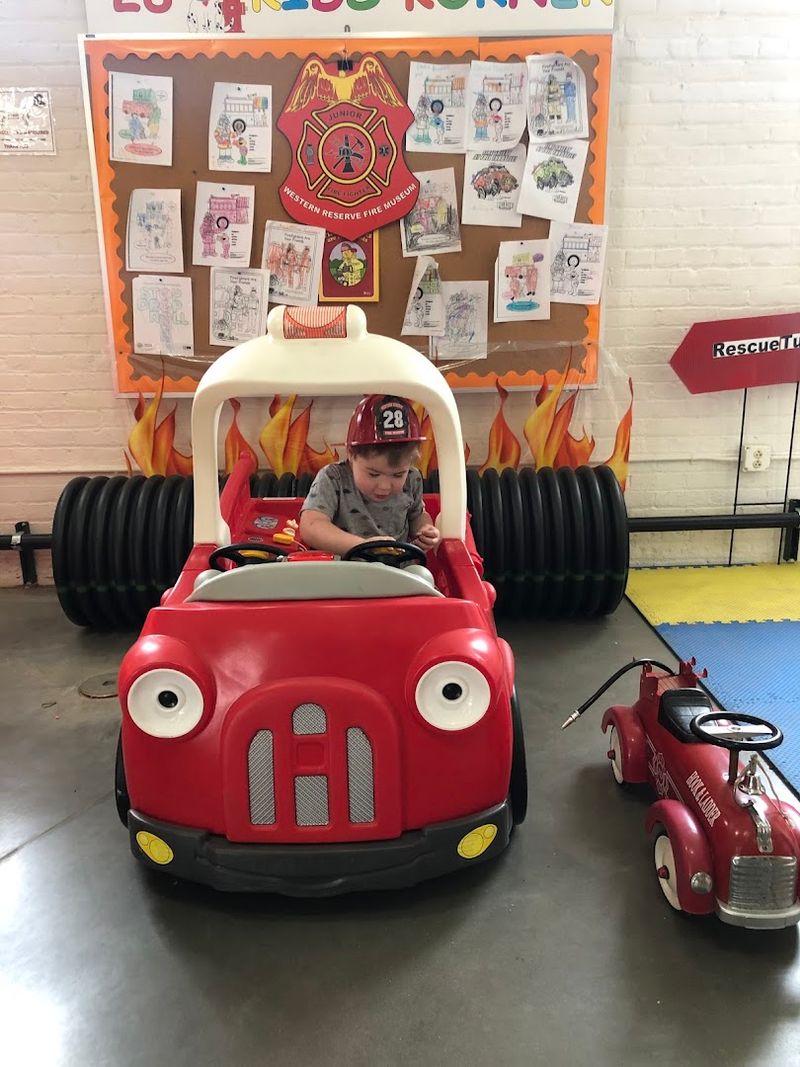
Parents traveling with young children will find that this museum put real thought into making the experience work for the whole family.
There is a dedicated kids play and learning area in the Education Wing, known as Station 28 Kids Korner, with fire-themed interactive elements designed specifically for younger visitors who might not be ready to absorb a full guided tour.
I noticed how the space was set up to keep children engaged while adults explored nearby exhibits without feeling like they had to rush.
Young children can read books, color, dress up in fire gear, and take part in a bucket brigade activity that helps make safety education feel like play.
For a non-profit institution, the quality of the children’s section reflects a serious investment in community outreach. It is clear that the people running this place genuinely want families to leave with something meaningful, not just a souvenir.
Vintage Firefighting Gear and Artifacts on Display
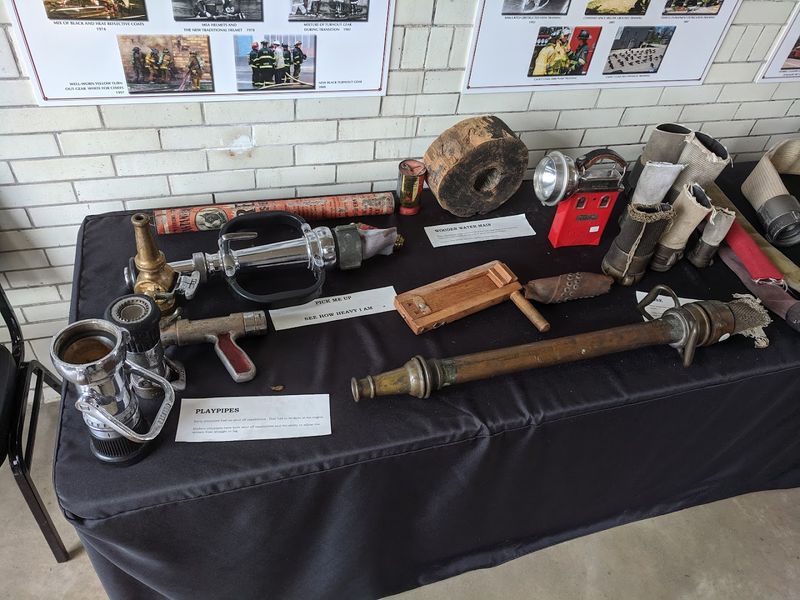
Spread throughout the museum are individual artifacts that deserve their own focused attention, and I found myself stopping at each one longer than I planned.
Old helmets, leather gear, breathing apparatus from different eras, and full firefighting outfits with air tanks are displayed in ways that make it easy to track how the equipment evolved over more than a century.
There are also photographs covering the walls, many of them showing Cleveland fire stations, crews, and major incidents from the city’s past.
One exhibit that caught my eye was a complete vintage fire outfit with an air tank setup, the kind of gear that would have been considered cutting-edge technology in its time but looks almost unrecognizable compared to modern equipment.
The volunteers near these exhibits were quick to offer context whenever I looked curious, and their enthusiasm for the details made each artifact feel like it had a living story attached to it.
Artifacts like these are the connective tissue of a museum, linking the big machinery to the human beings who relied on it.
Planning Your Visit: Hours, Access, and Practical Tips
Before you head over, a few practical details will help you make the most of your time at this museum.
The Western Reserve Fire Museum and Education Center is open Wednesday through Saturday from 10 AM to 4 PM, and it is closed Sunday through Tuesday, so plan accordingly.
The museum is located in downtown Cleveland, Ohio, which means parking options are available nearby, and it is accessible from several major routes through the city.
Admission is already quite affordable, and the museum offers membership options that provide free entry for a full year at a price that makes joining feel like an easy decision.
Groups, school classes, and scout troops can arrange special visits by contacting the museum directly at 216-664-6312, and the website at wrfmc.com has additional information about upcoming programs and events.
My honest advice is to budget at least two hours for your visit, because nearly everyone I spoke to said they stayed far longer than expected.
The museum rewards curiosity, and there is always one more thing around the corner worth seeing.
Why This Museum Deserves More Attention Than It Gets
For a museum with a 4.7-star rating and visitor after visitor saying they stayed two hours longer than planned, it is surprisingly under the radar in Cleveland’s broader tourism conversation.
Many people I spoke to at the museum admitted they had passed the building dozens of times without ever going in, and every single one of them said they wished they had stopped sooner.
The combination of a genuinely historic building, world-class artifact restoration, deeply knowledgeable guides, and hands-on education programming puts this place in a category that most museums in Ohio simply cannot match.
It is a non-profit institution that relies on community support, which means every ticket purchase and membership directly contributes to preserving firefighting history for future generations.
There is also something refreshing about a museum that does not try to be flashy or overly commercialized. The focus here is always on the history, the people, and the mission.
Cleveland has plenty of well-known attractions, but the Western Reserve Fire Museum and Education Center is the kind of place that earns its reputation through substance rather than marketing.