
One Of America’s Largest Open-Range Wildlife Parks Is Hiding In Ohio
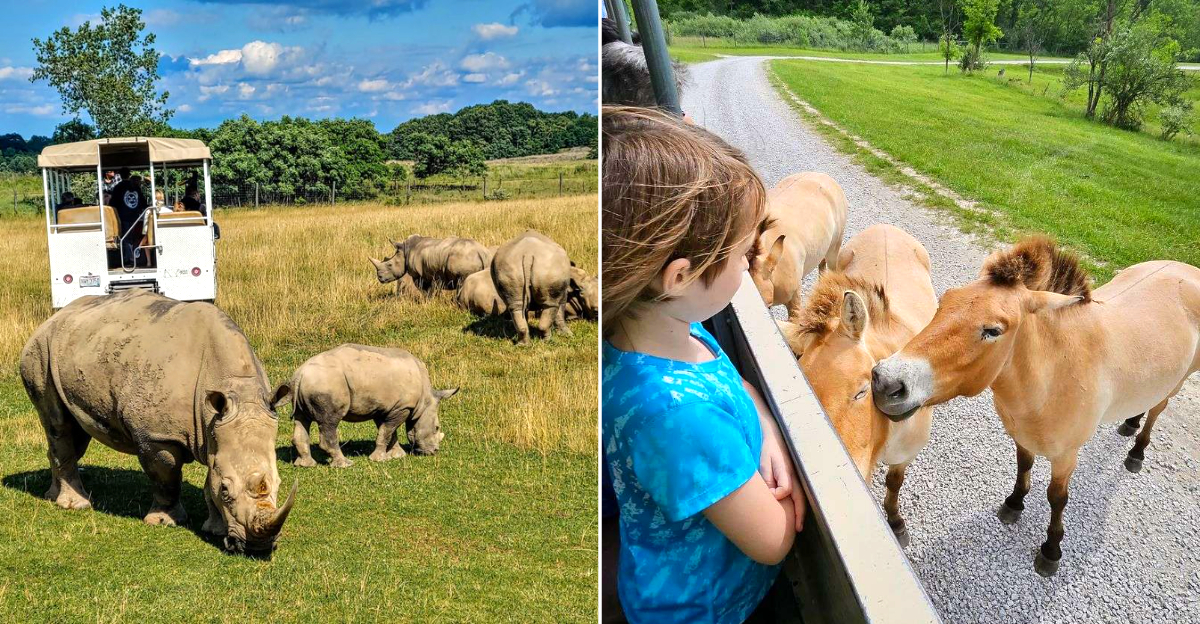
It is hard to believe a place this wild is hiding in Ohio.
Then the safari truck starts rolling.
Rhinos graze across open hills. Giraffes stretch above the grass.
Wild horses move in the distance like they own the horizon.
The setting makes it even more surprising.
This huge wildlife park sits on reclaimed coal land, which gives the whole visit a comeback story beneath the animal sightings. What was once scarred ground now feels wide, green, and full of life.
For anyone who wants a safari-style adventure without leaving Ohio, this open-range park makes the drive feel almost unreal.
A Safari Park Built On Old Coal Country
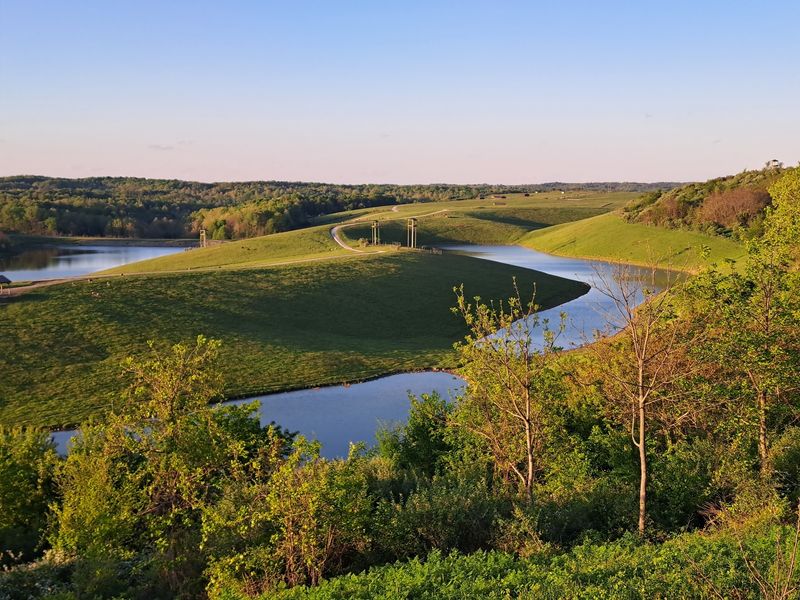
My first surprise had nothing to do with animals. It was the land itself.
These hills were once an active surface coal mine, stripped bare and left behind decades ago. The mining company donated the property in the 1980s, and conservationists turned the scarred ground into pasture, ponds, and grassland.
Today the site covers close to 10,000 acres, which makes it one of the biggest open-range conservation centers anywhere in North America.
I kept looking out at the ridges and reminding myself that machines once tore through all of it. Now bison-sized creatures graze where coal seams used to run.
Guides explain this history during tours, and honestly it is half the fun. The animals draw the crowds, but the comeback story of the ground under your feet sticks with you longer.
Water fills old mining pits, forming lakes that attract herons, swans, and plenty of fish. Native grasses hold the soil in place.
It sits in Muskingum County, tucked into farm country where the roads get narrow and cell service gets shy. You will find it at The Wilds, 14000 International Rd, Cumberland, OH 43732.
The Open-Air Safari Bus Tour
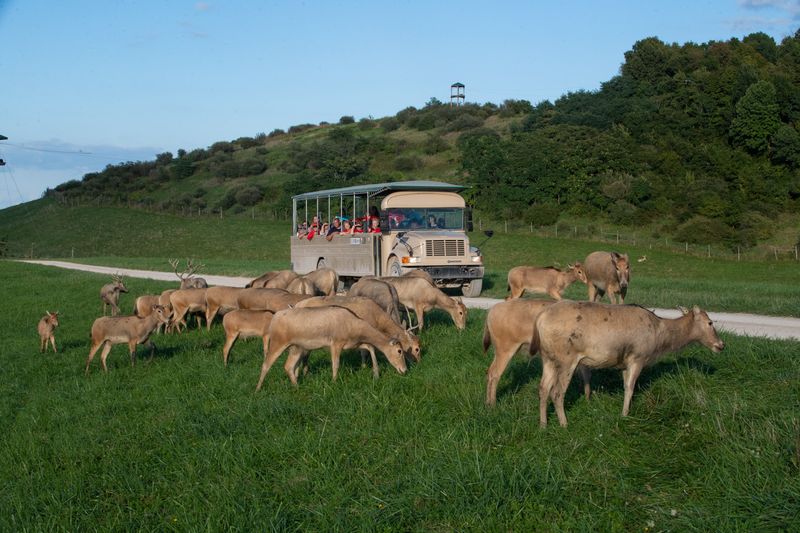
Most visitors start with the open-air safari, and it is a solid introduction. The vehicle has a roof but no windows, so the breeze and the smells come right in.
My driver stopped constantly, shut off the engine, and let everyone stare. That patience matters more than speed.
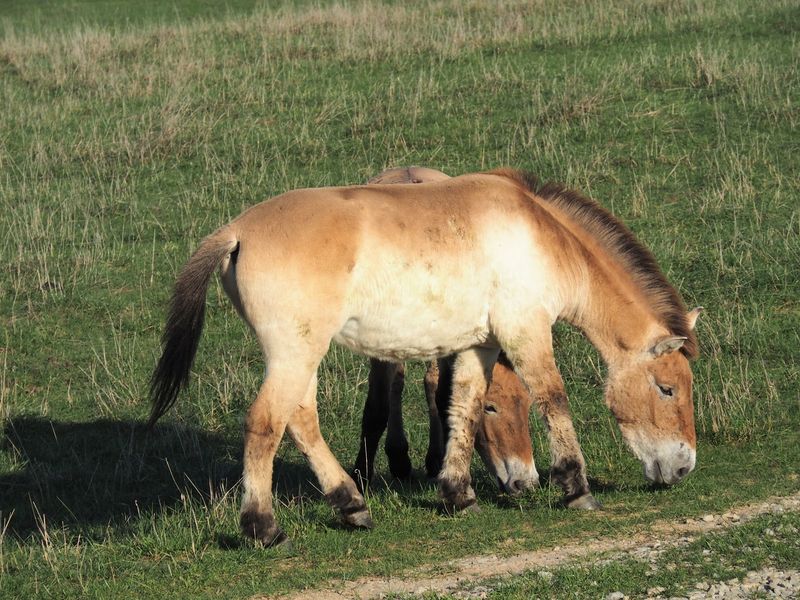
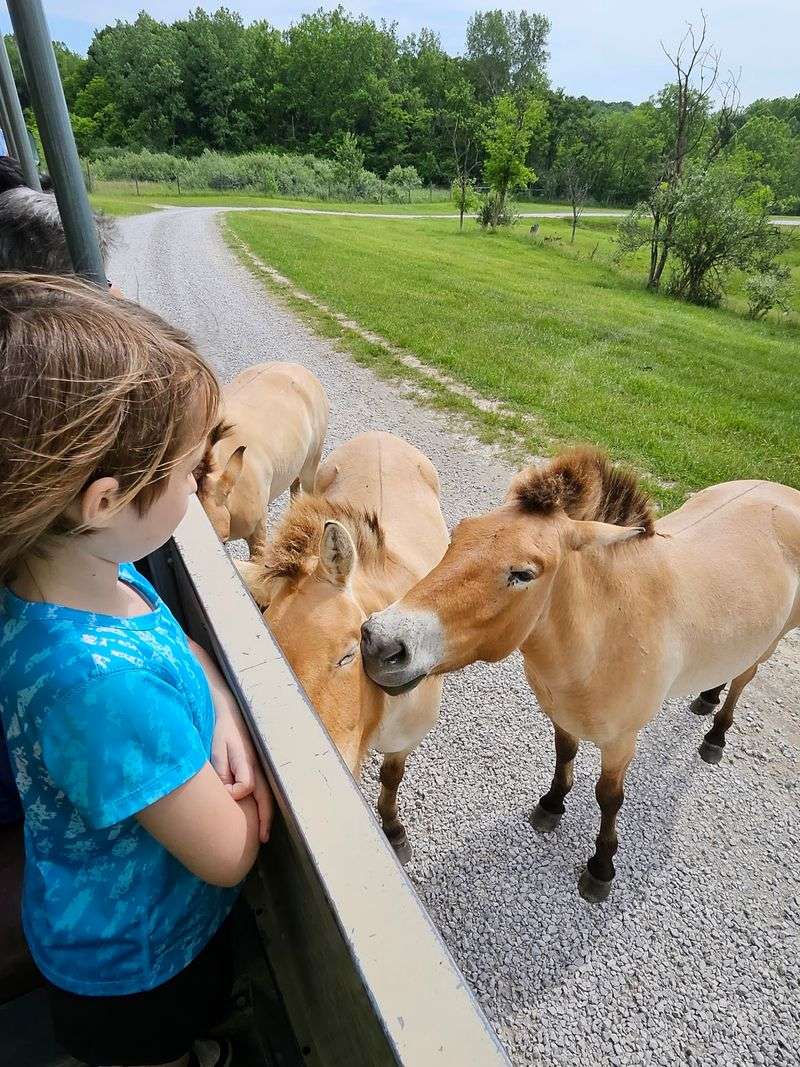
The route stays on gravel roads, which means the animals decide how close they want to get. Some days a herd of Przewalski’s wild horses drifts right up beside the tires.
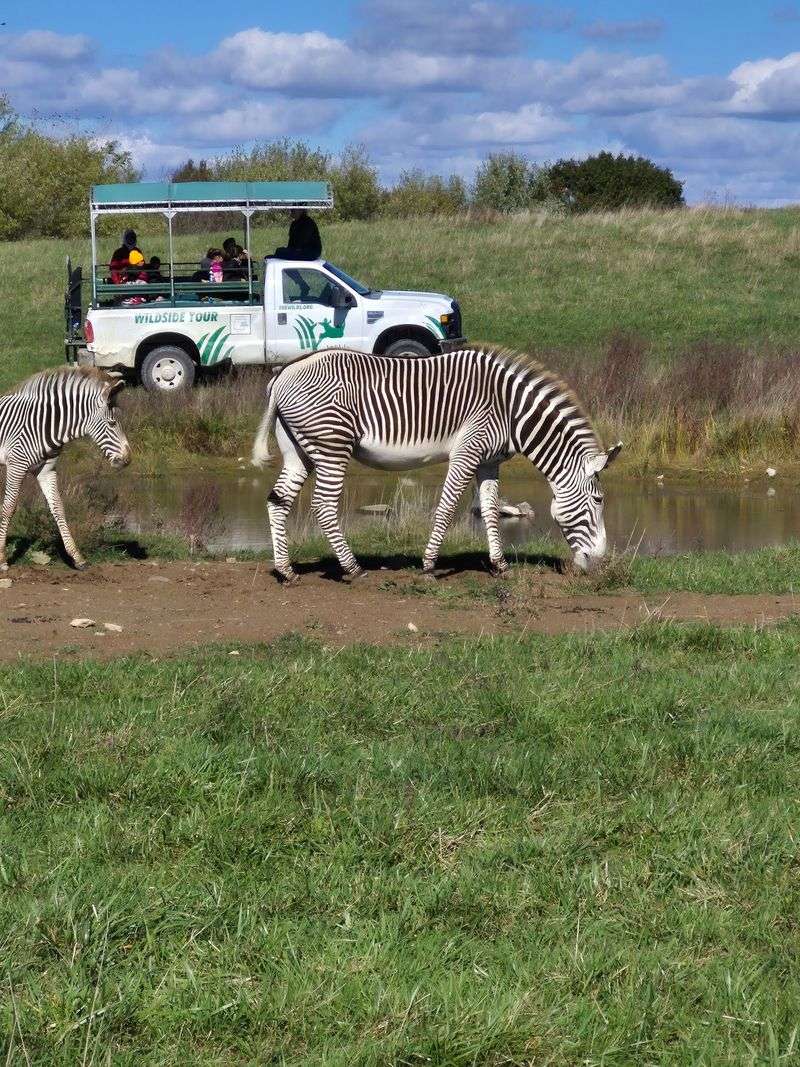
Other times zebras hang back on a far ridge and you squint. That unpredictability is the whole point of an open range.
The loop runs roughly two hours and covers African and Asian pastures, with stops at a rest area for restrooms and refreshments.
Guides shared facts the entire ride, from rhino social habits to why certain antelope stay in tight groups. Nobody was reading from a script.
Bring sunglasses, a hat, and a light jacket, because wind moves fast across open pasture even in warm months.
I climbed off dusty, sunburned in one stripe, and already scheming about which tour to book next.
Going Off-Road On The Wildside Tour
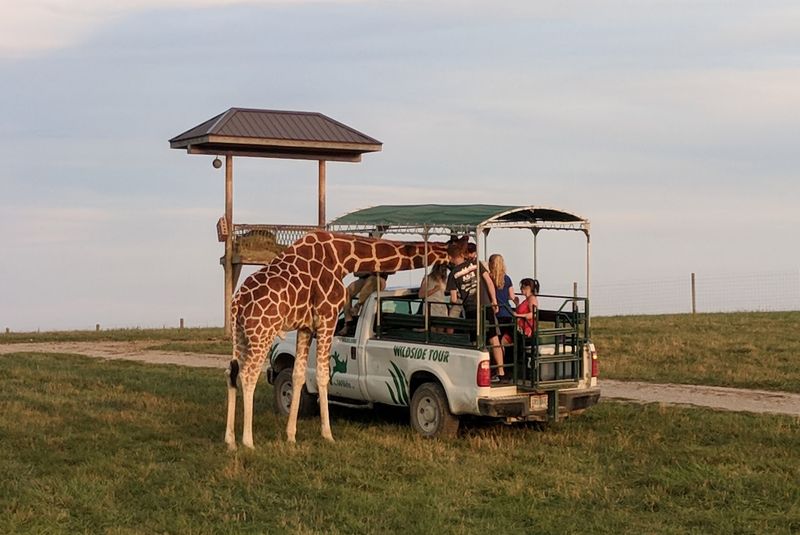
Ask anyone who has done both, and the Wildside tour makes a strong case for the upgrade. I signed up for it on my second visit and understood the hype within ten minutes.
The customized vehicle leaves the regular tour roads and rolls directly through the expansive pastures, getting visitors much closer to the wildlife.
Giraffes may approach the truck during the experience, and feeding opportunities have happened on Wildside tours. Animal encounters vary from trip to trip, which is part of what keeps every ride different.
Rhinos can also wander remarkably close, giving you a perspective that the standard safari cannot always match.
Groups stay smaller, which means you can actually ask questions instead of shouting over thirty strangers. My guide parked, talked, then gave everyone real time for photos.
Camels and other pasture animals can wander surprisingly close when they feel curious enough.
The tour costs considerably more than the standard safari and currently runs approximately two hours or longer. Booking ahead is essential because availability is limited during the busy season.
Morning, afternoon, and seasonal sunset options give you different chances to see animals moving around the property.
I left with a memory card full of close-up wildlife shots and dirt on my shoes, both earned honestly.
Rhinos, Giraffes, And Rare Wild Horses
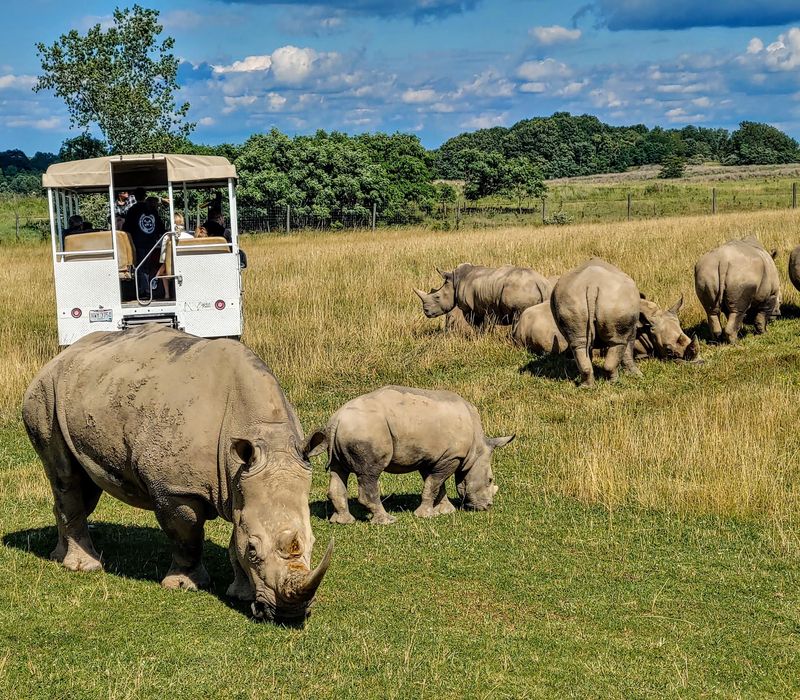
Rhino numbers here are genuinely impressive. Outside of Africa, this park runs one of the most successful southern white rhino breeding programs in existence, with dozens of calves born on the property.
Seeing a mother and calf together in open pasture is a quiet thrill.
Giraffes tower over the feeding platforms and the safari trucks alike, moving with that slow-motion sway that never gets old.
Przewalski’s wild horses roam another section, and they matter enormously. The species once vanished from the wild entirely and survives today thanks to breeding programs like this one.
Then there are Sichuan takin, scimitar-horned oryx, Persian onagers, Grevy’s zebras, Bactrian camels, and ostriches strutting around with total confidence.
Cheetahs, African painted dogs, and smaller carnivores live in dedicated habitats you visit separately from the pasture loop.
Animals are not on a schedule, so patience pays. Early mornings and cooler days usually mean more movement and more grazing near the roads.
Bring binoculars if you own a pair, because a distant herd suddenly becomes a detailed scene.
I counted more species in one afternoon than I had seen in years of zoo visits.
Sleeping In A Yurt Above The Lake
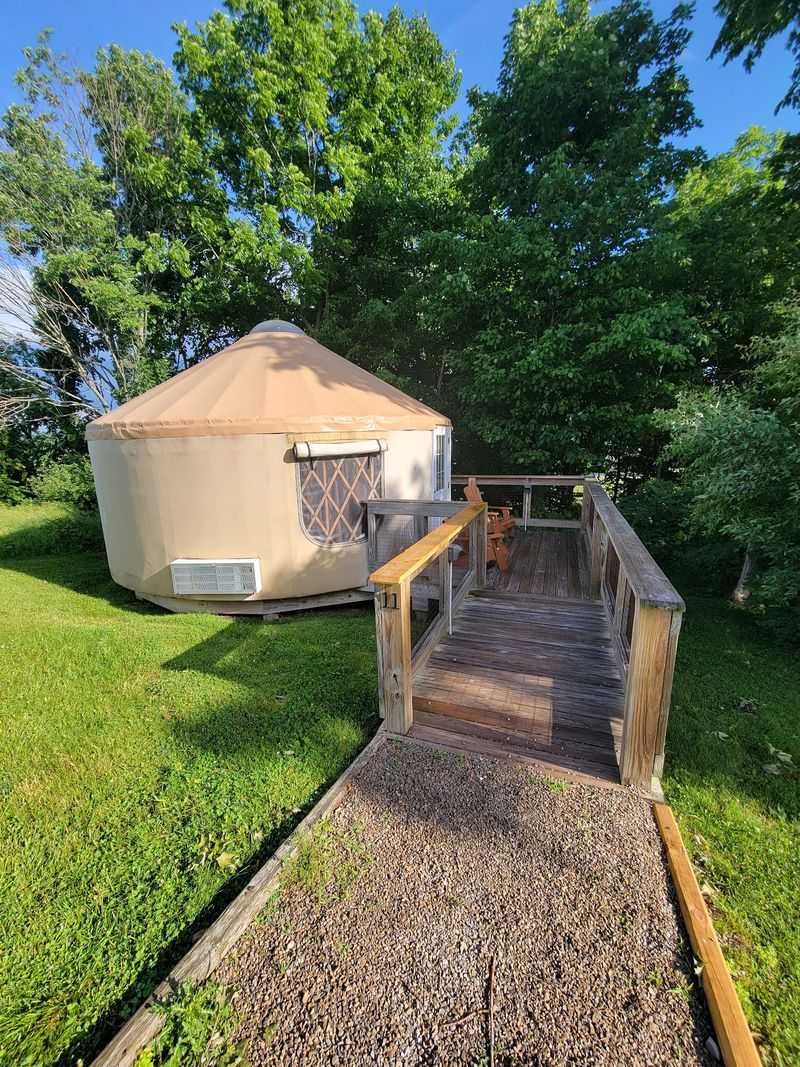
The overnight stay changed the whole trip for me. Nomad Ridge yurts sit among the rolling landscape, with real beds, private bathrooms, private decks, and views that made me stop unpacking.
Nights out there are dark and genuinely quiet.
The yurts are spread across the hillside, so walking distances and terrain can vary. Guests with mobility concerns can ask about accessible accommodations when booking.
I would keep that terrain in mind while carrying luggage, especially if your yurt sits farther down the slope.
Dinner comes with the stay and surprised me. Meals are served as seated table service in a private dining area reserved for Nomad Ridge guests.
Breakfast is also included and served as a seated meal, giving you an easy start before another day of exploring.
Concierge staff help with details throughout the stay, while each yurt also includes its own deck and basic comforts.
Straker Lake cabins offer another lodging option if yurts are not your style.
Nomad Ridge is reserved for guests 21 and older and operates from May through October. Book early, because popular dates can disappear quickly.
Zip Lining Over The Hills
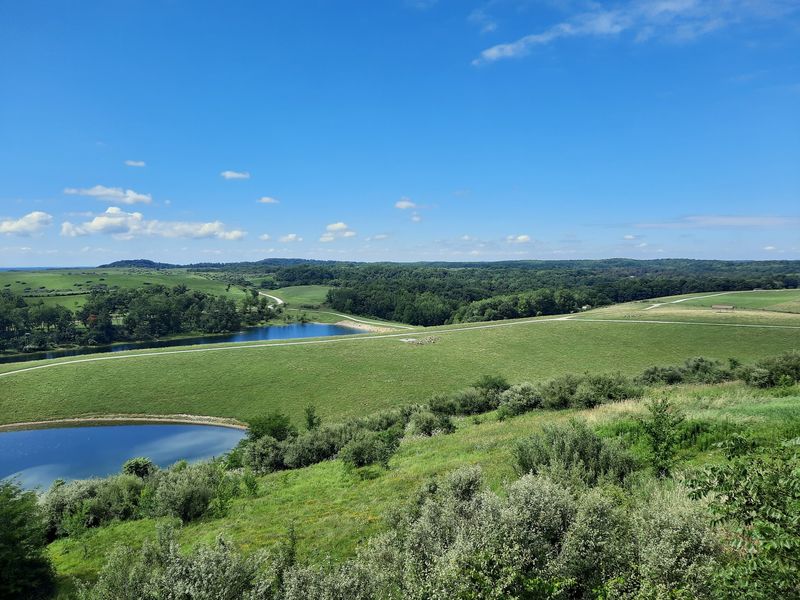
Adrenaline shows up here too. A full zipline course carries riders across animal pastures and the reclaimed landscape, with observation platforms breaking up the route.
I did not expect a safari park to hand me a harness, but here we are.
The current course includes ten ziplines, a rappelling area, and a series of observation platforms. Several runs carry you over open terrain and water, giving the whole property a completely different look from above.
Guides handle the equipment and safety instructions, so first-timers can learn the ropes before heading onto the course.
Wildlife sightings can happen from the route, but the animals choose where they roam, so this works better as an aerial adventure than a guaranteed animal-viewing experience.
What you do get is a bird’s-eye view of lakes, forests, grasslands, and animal pastures that stretch much farther than expected.
Tours run from May through October, and weather can postpone or cancel them. Closed-toe shoes are required, and age and weight limits apply.
Give yourself plenty of time for the full experience rather than squeezing it between tightly scheduled plans.
My legs were shaky at the last platform, and my grin lasted the entire drive home.
Horseback Rides And Fishing Days
Horseback tours have been part of this place for years, and longtime visitors talk about them with real affection.
Riders follow trails through open pastures adjacent to the animal habitats rather than entering the wildlife enclosures themselves.
Pace stays gentle and guides lead the way, so you do not need years of riding under your belt. Age and weight requirements apply, and reservations must be made in advance.
Anglers get their own reason to show up. The old mining landscape now contains numerous lakes stocked with bass, bluegill, catfish, and other species.
Fishing runs on a catch-and-release basis, and participants need to obtain a valid Ohio fishing license before their reservation. You can fish from the bank or use a boat supplied by The Wilds.
I spent one afternoon on a bank with nothing but wind, water, and the occasional distant bird call for company.
Both activities operate seasonally and depend on conditions, so checking current availability before driving out is smart.
Seasonal sunset experiences round out the possibilities, offering another way to see the ridges as the light begins to fade.
Between saddles, fishing rods, and safari trucks, one visit rarely feels like enough.
The Conservation Work Behind The Fences
Every guide I met circled back to the same theme. Animals here are not just on display, they are part of breeding programs meant to rebuild populations that nearly disappeared.
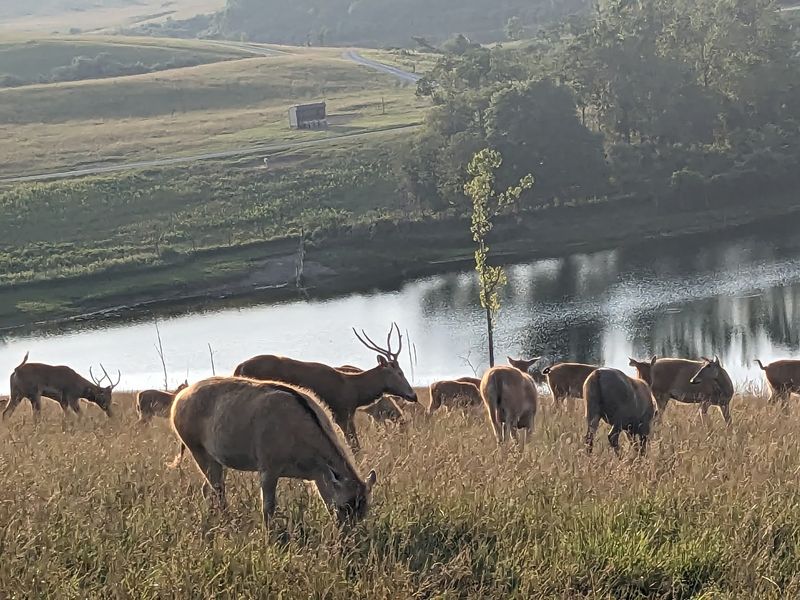
Scimitar-horned oryx were once gone from the wild, and animals from breeding centers like this one helped return them to their native range.
Przewalski’s horses tell a similar story. Space matters for these species, because herds behave differently when they have room to form natural social groups.
The park operates in partnership with the Columbus Zoo and Aquarium, and researchers study reproduction, nutrition, and behavior on site.
Students and interns work here too, learning field skills that transfer to conservation jobs worldwide.
One guide explained that empty-looking pastures are actually a good sign, since animals need distance from each other to thrive.
I appreciated that honesty. Nobody pretended this was a theme park with guaranteed sightings.
Ticket money and memberships fund the work directly, which makes buying that souvenir mug feel slightly less impulsive.
You leave understanding why the acreage matters, and that understanding is arguably the best souvenir available.
Parking, Tickets, And Practical Details
A little planning saves a lot of frustration out here. Current visitors normally park in the main lot at the bottom of the hill and take the shuttle up to check-in.
Parking currently costs $9 per vehicle, and the shuttle handles the climb from the lower lot.
The facility is cashless, so bring a card or another accepted digital payment method. Guests carrying cash can convert it to a prepaid card at machines on the property.
Book every tour in advance and check the requirements for the specific experience you want. Daytime Open-Air and Wildside safaris currently require at least two hours of advance booking, while horseback riding and fishing need more notice.
Weekdays can be a calmer choice if your schedule allows.
Fuel up before you go. The nearest gas station sits roughly fifteen miles away, and cell service can fade on the approach roads.
Visitors with mobility needs should review the accessibility information or contact the park before booking, since tour vehicles and terrain differ between experiences.
Strollers, bags, footwear, age limits, and other requirements also vary by tour, so checking the individual rules before packing saves surprises.
Food and shopping options are available around the Overlook and other stops on the property.
Arrive with time to spare and the whole day runs smoother.
Best Seasons And Nearby Stops
Timing shapes the experience more than almost anything else. The main Open-Air and Wildside safari season runs from May through October, with summer bringing some of the busiest days.
Cooler mornings in spring and fall can make the wide-open landscape especially comfortable for exploring and photography.
Autumn is my personal pick. The surrounding hills turn gold and rust, the air is crisp, and the changing landscape gives the safari a completely different personality.
Winter does not shut the place down. The Wilds now offers several cold-season experiences, including Winter Wildside tours, rhino barn visits, birding, carnivore tours, and behind-the-scenes programs.
Many tours operate rain or shine, though severe weather or unsafe conditions can still lead to postponements or cancellations. Pack for whatever Ohio decides to do that day.
Zanesville is close enough to work as a convenient base, with lodging and dining available after a long day outdoors.
The Wilds also keeps a rotating calendar of seasonal conservation events and special tours, so checking the current schedule can add something unexpected to a trip.
Plan a full day rather than a quick stop.
Southeastern Ohio rewards anyone willing to take the slow roads, and this stretch proves it.