
One Of America’s Most Haunted Places Is Right Here In West Virginia
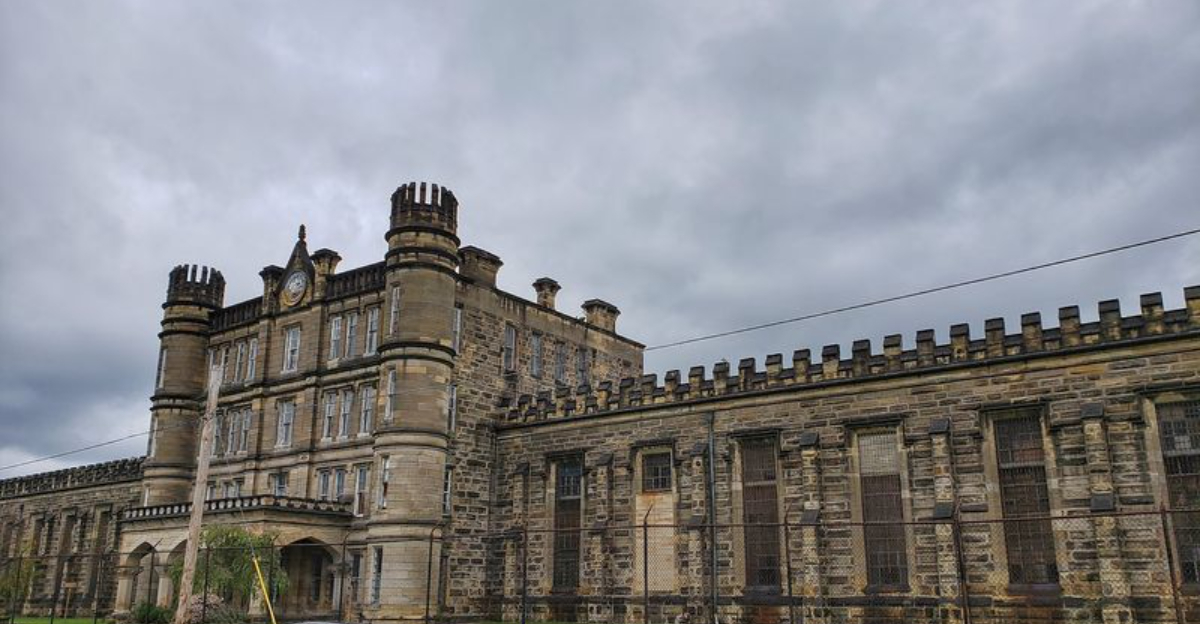
Something strange happened here. That much is part of the mystery.
Behind those towering stone walls in West Virginia sits a place with more than a century of stories, and plenty of visitors swear the building has a little extra personality of its own.
Built in the 1800s, it has Gothic architecture, narrow passageways, massive stonework, and enough hidden corners to keep your imagination busy.
Today, you can explore it through historical tours, hear the stories attached to its past, and, if you’re feeling curious, dip a toe into its famously spooky side. The best part?
You don’t have to be a paranormal enthusiast to enjoy it. Come for the architecture. Stay for the stories.
And keep an eye out for anything that seems just a little… out of place.
A Gothic Castle That Belongs In A Fantasy Film
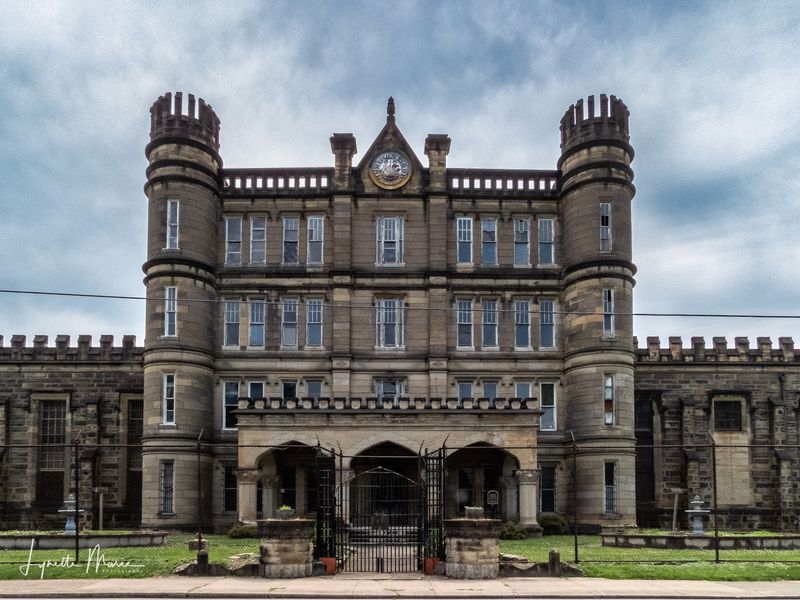
Nobody warned you that West Virginia was hiding a real-life castle. The moment you lay eyes on the West Virginia Penitentiary, your brain immediately starts searching for the right movie reference.
Think Hogwarts, but grittier and with a whole lot more history packed into its walls.
The building is a stunning example of Gothic Revival architecture, featuring soaring turrets, dramatic battlements, and massive stone walls that stretch 24 feet high.
Those walls measure five feet thick at the base, giving the entire structure an almost mythical sense of permanence. Every angle you look at it from feels like a different scene from an epic story.
Construction began in 1866, and the sheer scale of the project meant it took years to complete. Much of the early building work was carried out by the initial inmates themselves, which adds a deeply human layer to every stone and archway.
The craftsmanship is genuinely remarkable for its era.
Standing in front of it, you get this overwhelming sense that the building itself has something to say. It commands your attention without apology.
This is not just architecture, this is a statement carved in stone that has been making impressions for over 150 years.
The Historic Address
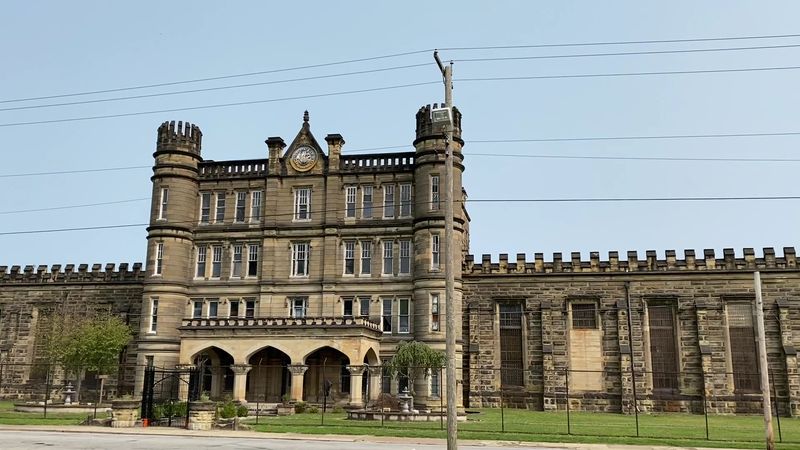
Right at 818 Jefferson Ave, Moundsville, WV 26041, sits a landmark that has quietly been one of America’s most extraordinary historic sites for generations.
The location itself feels significant the second you pull up, especially knowing that the ancient Grave Creek Mound sits directly across the road.
The penitentiary opened in 1866 as West Virginia’s very first state penal institution. It operated continuously for an astonishing 129 years before finally closing its doors in 1995.
That is more than a century of daily life, evolving policies, and countless untold stories all concentrated in one single address.
The facility was designed using the Auburn System of incarceration, which emphasized communal labor during daylight hours and solitary reflection at night.
Inmates worked together on various industries inside the walls, producing goods that ranged from brooms and soap to clothing and license plates. The system aimed to instill discipline through structured routine.
Knowing that this address has been a fixed point in West Virginia history since the years right after the Civil War gives every visit an extra layer of weight.
You are not just standing on a street corner. You are standing on a spot where American history was actively being written for over a century.
The Walls That Grew With Every Decade
Here is a fact that puts everything into perspective: the West Virginia Penitentiary was originally designed to house around 700 individuals. At its peak, the population swelled to well over 2,700.
That is nearly four times the intended capacity crammed into a space built for a fraction of that number.
The result was an environment of incredibly tight quarters.
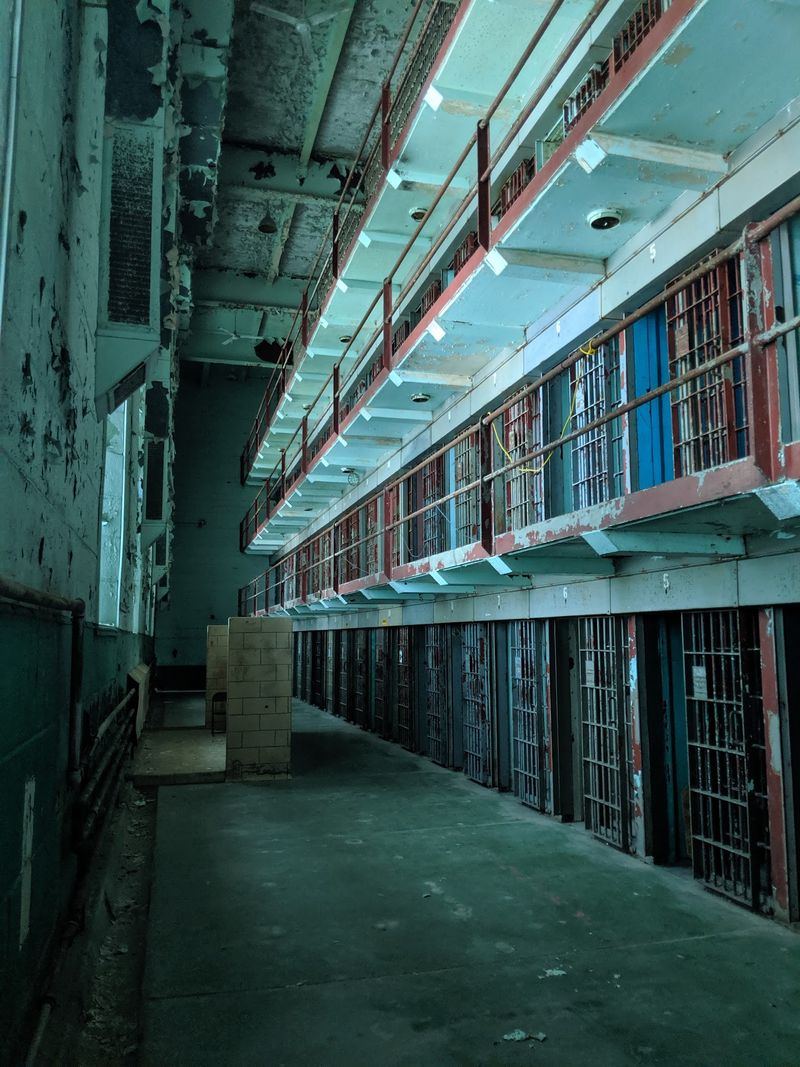
Cells measuring just five feet by seven feet, originally intended for one person, sometimes held three at a time. Imagine trying to stretch out in a space barely larger than a walk-in closet, shared with two other people.
To manage the overflow, the facility expanded in significant phases, particularly during the late 1920s and 1930s. New cell blocks were added, outer walls were extended, and the overall footprint of the institution grew considerably.
Each expansion told the story of a system struggling to keep pace with demand.
Walking through the cell blocks today, you can still feel the weight of all those years of crowded living. The narrow corridors, the layered tiers of cells, the sheer density of it all creates an atmosphere that is impossible to replicate anywhere else.
Tight spaces have a way of holding onto memories long after the crowds are gone.
Where History Walked In And Out
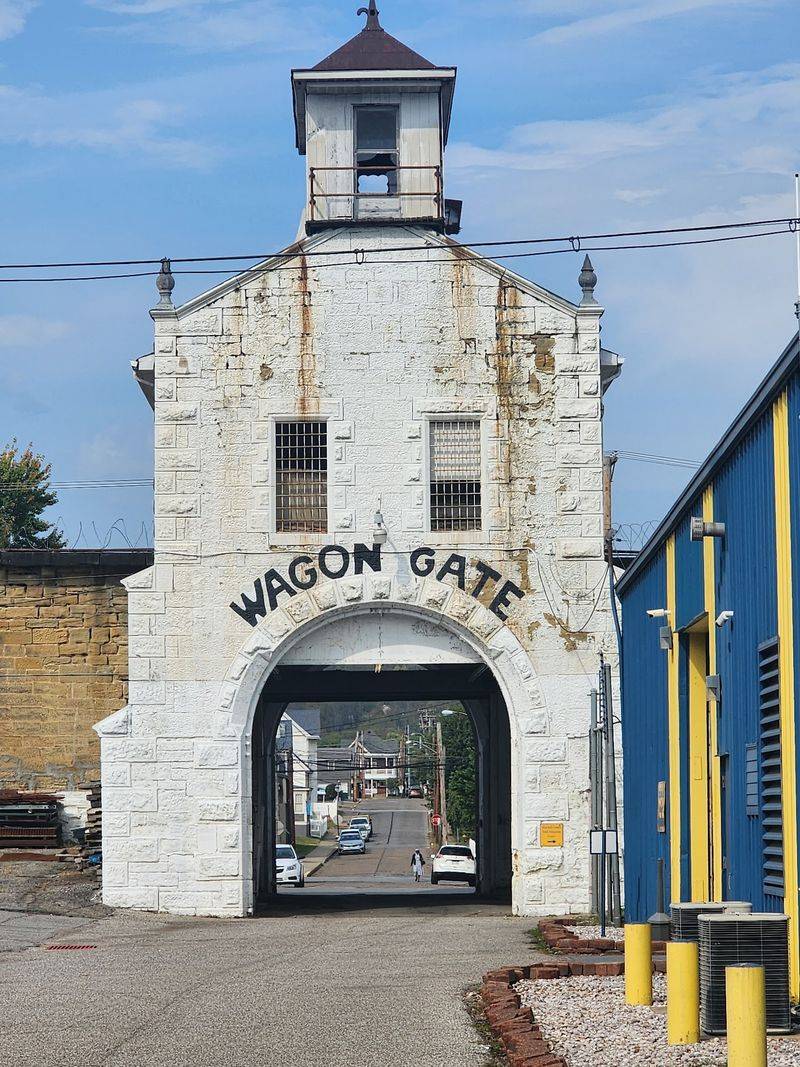
There is something quietly magnetic about the North Wagon Gate that stops you in your tracks.
Built from hand-cut sandstone, this two-story structure was among the very first sections of the penitentiary to be completed, making it one of the oldest surviving elements of the entire complex.
This narrow gateway served as the primary entry and exit point for deliveries, transfers, and daily operations in the early years.
Picture the steady rhythm of wagons rolling through, supplies being hauled in, and the constant motion of a fully functioning institution at its busiest. The gate handled all of it without missing a beat.
Architectural details like the wooden trap doors on the second floor hint at the layered functionality this structure once served.
Every feature was purposeful, designed to manage the flow of people and goods with efficiency and control. Nothing about it was decorative for decoration’s sake.
Today, standing beneath that arched sandstone entrance, you can almost feel the echo of all those years of activity.
The gate has outlasted countless changes inside the walls it guards. It remains a quiet, powerful reminder that the story of this penitentiary started long before the grand cell blocks were ever finished, and this gate witnessed every chapter.
Community Connections That Surprised Everyone
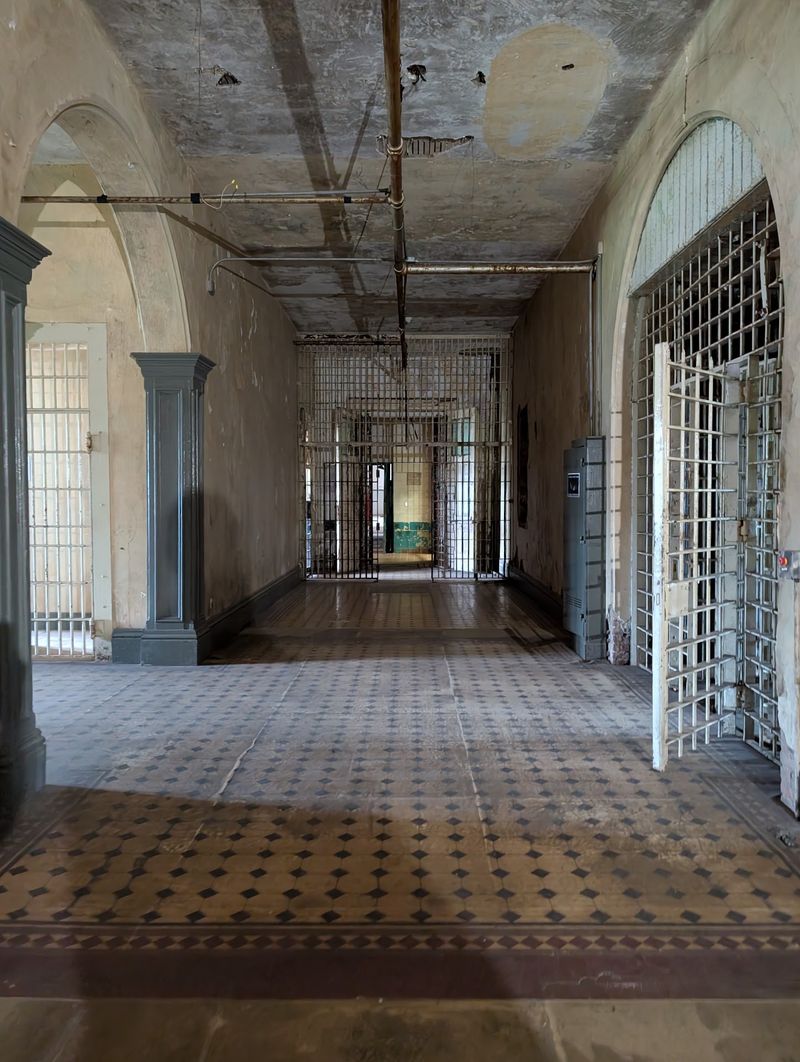
You would never guess it from the outside, but the West Virginia Penitentiary had some surprisingly warm connections to the surrounding Moundsville community.
For a stretch of its history, the institution even offered a public barbershop where inmates provided haircuts to outside visitors. Yes, really.
That small detail completely reframes how you think about the place. It was not entirely sealed off from the outside world.
There were moments of genuine interaction, shared routine, and even a touch of everyday normalcy woven into the fabric of life inside those thick stone walls.
Sports played a surprisingly big role in building those bridges. Inmates participated in organized baseball games against local teams, creating moments where the boundary between inside and outside softened considerably.
Those games drew crowds and created shared experiences that transcended the institution’s imposing walls.
Thinking about those baseball afternoons, the laughter, the competition, and the brief sense of ordinary life, adds a deeply human dimension to what could otherwise feel like an entirely grim narrative. The penitentiary was never just one thing.
It was a complicated, layered community unto itself, and those community connections are some of the most unexpectedly touching parts of its long story.
A Forgotten Chapter Finally Remembered
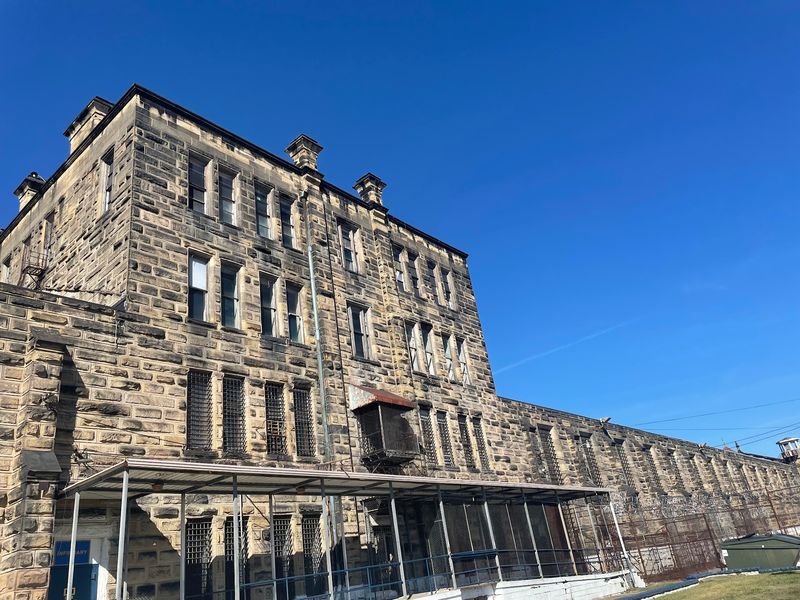
Most people who visit the West Virginia Penitentiary do not realize it once housed a fully separate Female Department. Tucked into the northeast corner of the North Recreation Yard, this self-contained unit operated until 1947 and housed approximately 80 women at its peak.
The department had its own two-story building, a dedicated dining room, and a fully functional kitchen, all enclosed by a high wall that kept it distinctly separate from the main prison population. It was essentially a prison within a prison, operating on its own rhythm and schedule.
Women housed there were typically engaged in domestic work within their department or contributed to industries like producing shirt collars and cuffs.
The work kept the days structured and the unit largely self-sufficient. It was a small world operating quietly alongside the much larger institution surrounding it.
This chapter of the penitentiary’s history is easy to overlook, but it deserves attention. It reflects the broader realities of the American penal system across more than eight decades, showing how the institution adapted over time to serve a diverse population.
Remembering the Female Department means acknowledging a fuller, more complete version of this building’s extraordinary story.
Paranormal Investigations That Keep People Coming Back
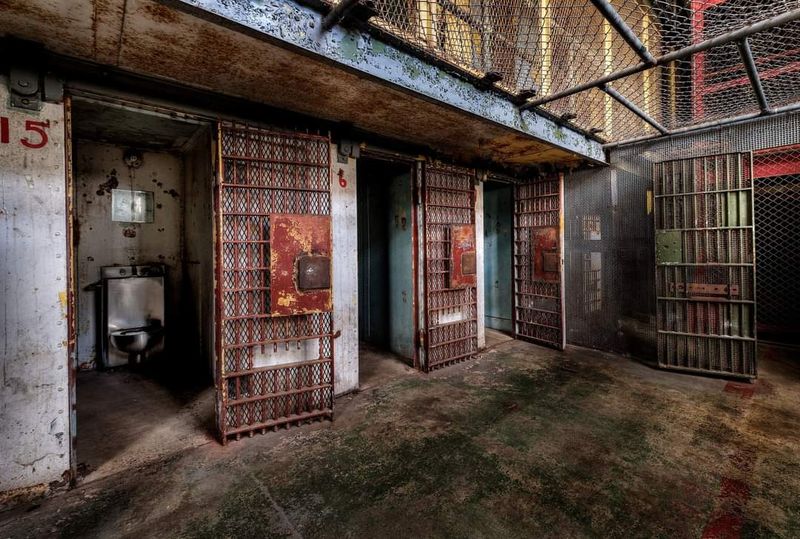
Let’s be honest: part of what makes the West Virginia Penitentiary so irresistible is its reputation as one of the most genuinely atmospheric paranormal destinations in the entire country.
The overnight investigation experiences offered here have become legendary among enthusiasts of the unexplained.
Visitors who sign up for these special events get to explore the facility after hours, armed with flashlights and curiosity, wandering through the very cell blocks and corridors that have accumulated over 150 years of concentrated human experience. The atmosphere alone is enough to make even the most skeptical visitor pause and pay attention.
Reports of unusual experiences have circulated for years.
People describe feelings of sudden pressure, unexpected sounds in empty hallways, and that unmistakable sensation of not quite being alone in a room.
Whether you believe in the paranormal or not, the sheer intensity of the environment creates something that is genuinely hard to explain away.
The facility also hosts a wildly popular Dungeon of Horrors during Halloween season, leaning fully into its reputation with theatrical flair.
But even outside of Halloween, the overnight ghost hunts fill up fast. Clearly, once people experience this place after dark, they cannot stop talking about it.
A Remarkable Reinvention
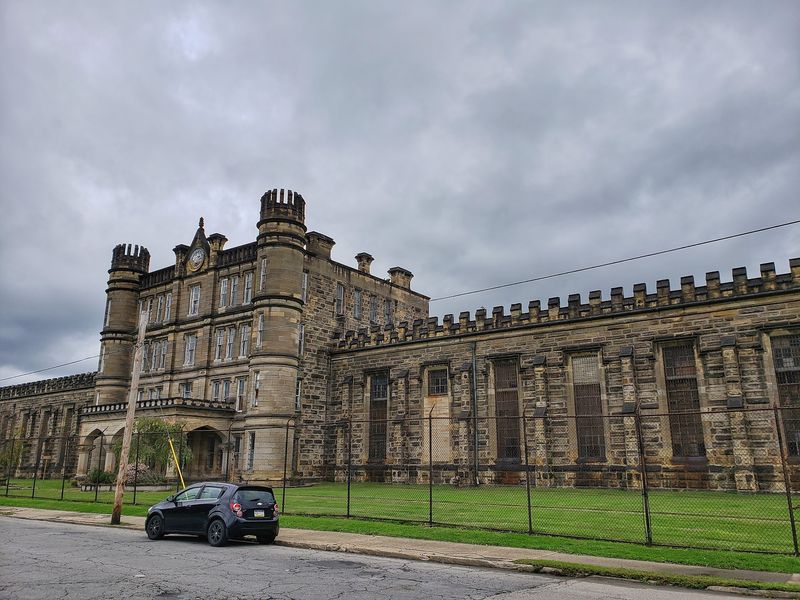
Closing its doors as an active prison in 1995, the West Virginia Penitentiary did not stay quiet for long.
Tours began within a year of its closure, and what started as a niche historical attraction has grown into one of West Virginia’s most celebrated destinations, drawing visitors from across the country.
Today, the facility offers guided history tours that run approximately 90 minutes, taking visitors through cell blocks, the recreation yard, the mess hall, and other key areas.
The tours are packed with real stories, architectural highlights, and enough historical detail to satisfy even the most dedicated history enthusiast.
Beyond the standard tours, the penitentiary has expanded into a versatile venue. It serves as a filming location, a training facility, and a hub for special events throughout the year.
The gift shop has even developed its own loyal following, which tells you something about how thoroughly this place wins people over.
The transformation from functioning prison to beloved public landmark is genuinely one of the most inspiring reinvention stories in West Virginia history.
Have you ever watched a place completely rewrite its own identity and emerge more vibrant than ever? The West Virginia Penitentiary did exactly that, and it is still going strong decades later.