
One Of Florida’s Most Incredible Natural Wonders Is Hidden In This Tiny Island Village
Florida is famous for places that demand attention.
This one barely raises its voice.
At the end of a quiet road, a tiny island village waits between salt marshes, shallow bays, and open Gulf water.
The pace changes almost immediately.
Traffic disappears. Pelicans patrol the docks.
Fishing boats rock beside weathered buildings that look like they have collected a century of stories.
There are no giant resorts.
No crowded boardwalks.
No urgent reason to check the time.
That is the magic.
Florida keeps moving faster, louder, and shinier. This village chooses the opposite and somehow becomes more memorable because of it.
Wildlife refuges surround the shoreline. Old port history hides in plain sight.
Sunsets turn the water gold while everyone quietly pretends they are not already considering another night.
You may arrive expecting a brief stop.
Then Florida pulls its oldest trick.
The road feels shorter coming in than leaving.
Cedar Key National Wildlife Refuge
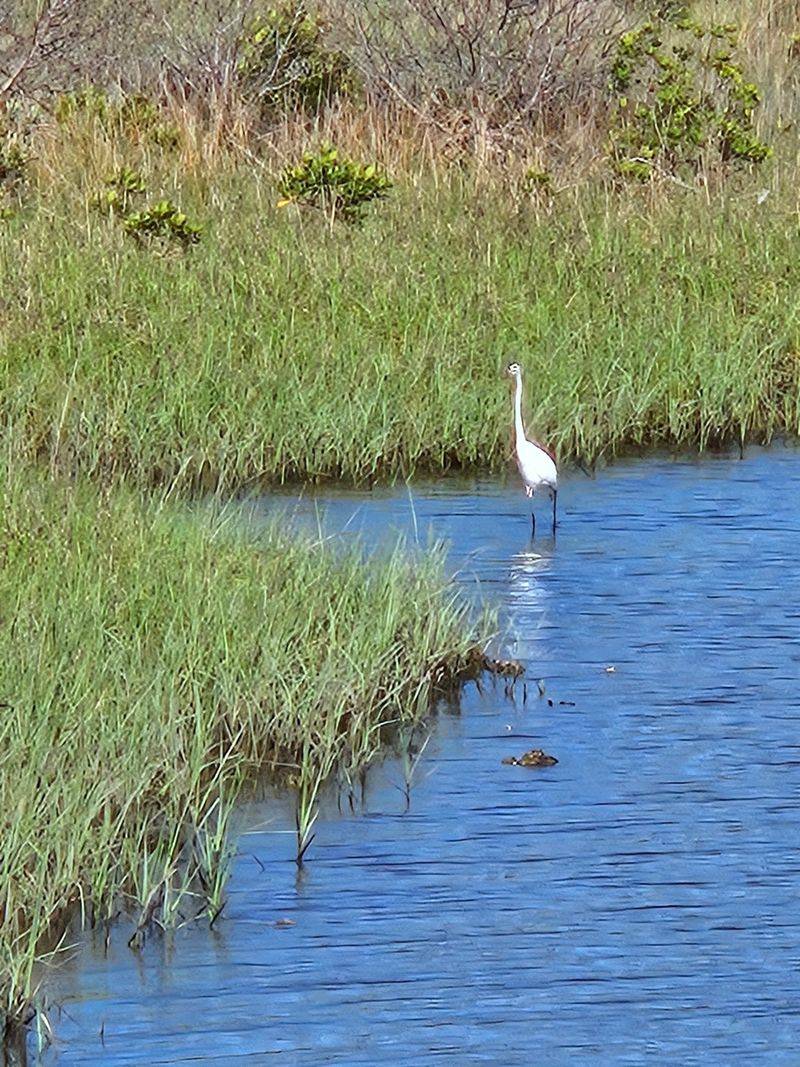
Not every wildlife refuge requires a long hike to feel truly wild, and Cedar Key National Wildlife Refuge proves that point beautifully. Scattered across the Gulf of Mexico just off the Cedar Key shoreline, this refuge is actually a collection of 13 small, mostly uninhabited islands that together protect one of the most ecologically rich coastal environments in Florida.
I paddled out to Seahorse Key on a calm morning and the stillness was almost surreal. Thousands of wading birds nest here, including herons, egrets, cormorants, and roseate spoonbills, making it a paradise for birders and wildlife photographers alike.
The refuge is managed by the U.S. Fish and Wildlife Service and protects critical habitat for migratory birds traveling along the Gulf Coast flyway.
Some islands are closed to visitors during nesting season to protect breeding colonies, so checking access rules before you go is a smart move. It is the kind of place where nature clearly runs the show.
The Salt Marsh Ecosystem
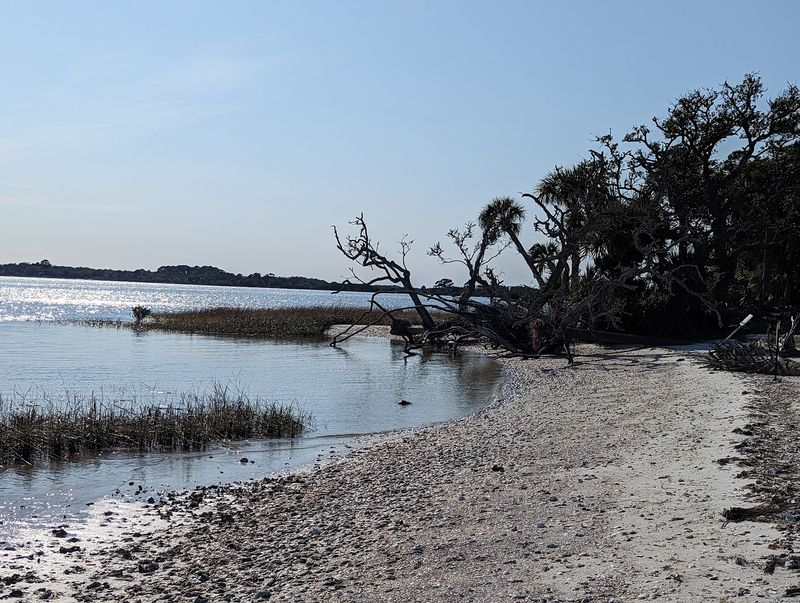
Some ecosystems are flashy and obvious, but the salt marsh surrounding Cedar Key works its magic in quieter, more patient ways. Stretching for miles around the island village, this tidal wetland is one of the most productive natural systems on the planet, supporting everything from juvenile fish and blue crabs to bald eagles and river otters.
Walking along the waterfront at low tide, I could see fiddler crabs by the hundreds scurrying across exposed mudflats while great blue herons stood frozen nearby, waiting for their moment. The smell of the marsh is earthy and briny, the kind of scent that sticks with you long after you leave.
Cedar Key sits within the Big Bend Seagrass Aquatic Preserve, which adds another layer of protection to these waters. The seagrass beds just offshore serve as nursery habitat for commercially important fish species, which is one reason Cedar Key’s fishing culture has survived for generations.
Few places in Florida let you feel this close to a living, breathing coastline.
Cedar Key Museum State Park
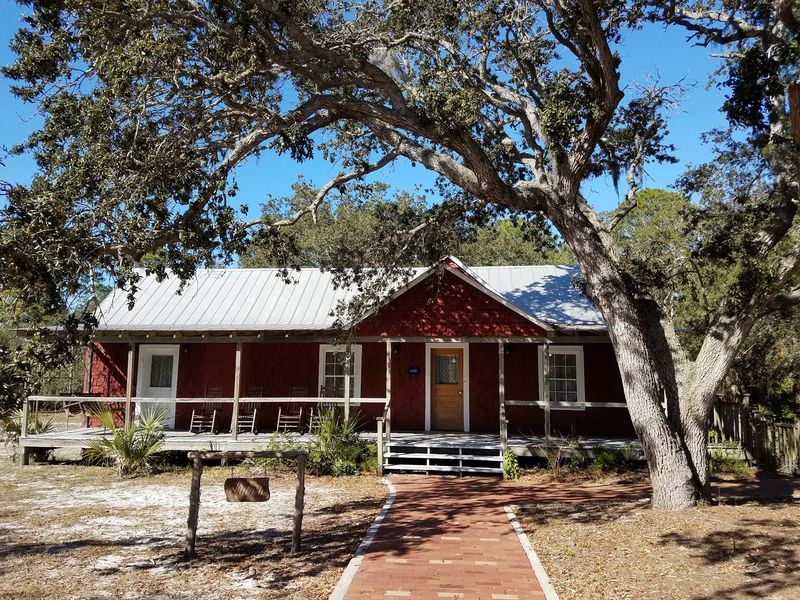
History and nature share the same address at Cedar Key Museum State Park, located at 12231 SW 166th Court, Cedar Key, FL 32625. The park centers around a charming 1920s home that once belonged to Saint Clair Whitman, a collector whose obsession with seashells, Native American artifacts, and local natural history eventually became the foundation of this entire museum.
I spent a slow afternoon wandering the nature trail that winds through the property, spotting gopher tortoises and listening to the hum of insects in the scrub. The trail is short but genuinely interesting, passing through several distinct plant communities that feel completely different from the marshes closer to the water.
Inside the home, the displays cover Cedar Key’s timeline from its early Indigenous inhabitants through its years as a major 19th-century port and pencil manufacturing hub. The collection feels personal rather than polished, which makes it oddly compelling.
If you only have an hour to spare, this park delivers a surprisingly rich snapshot of everything that makes Cedar Key so layered and fascinating.
Cedar Key Historical Museum
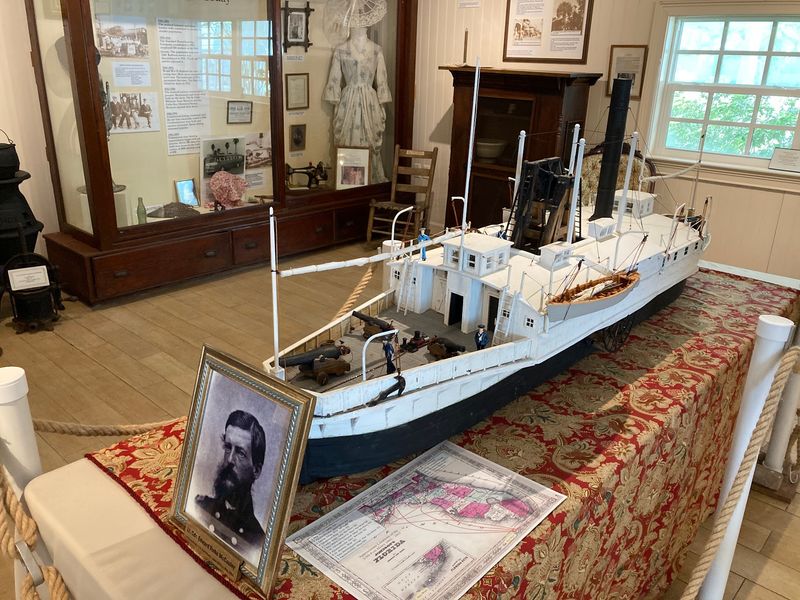
Housed in a restored building right in the heart of downtown Cedar Key at 2nd Street and D Street, the Cedar Key Historical Museum is the kind of local museum that punches well above its weight. The collection includes Civil War items, old photographs, handwritten documents, and a timeline of the town’s evolution from a thriving commercial port to the quiet, artistic fishing village it is today.
What caught me off guard was a photograph showing Cedar Key’s 19th-century waterfront lined with warehouses and busy docks, a scene almost impossible to imagine when you look at the peaceful, low-key shoreline today. The town once exported cedar lumber, fish, and pencil slats in huge quantities before a series of hurricanes and economic shifts changed everything.
The volunteers who staff the museum genuinely love sharing the stories behind each exhibit, and that enthusiasm makes the visit feel more like a conversation than a tour. Small admission fees help keep the museum running.
It is one of those places where an hour disappears faster than you expect.
World-Class Bird Watching Opportunities
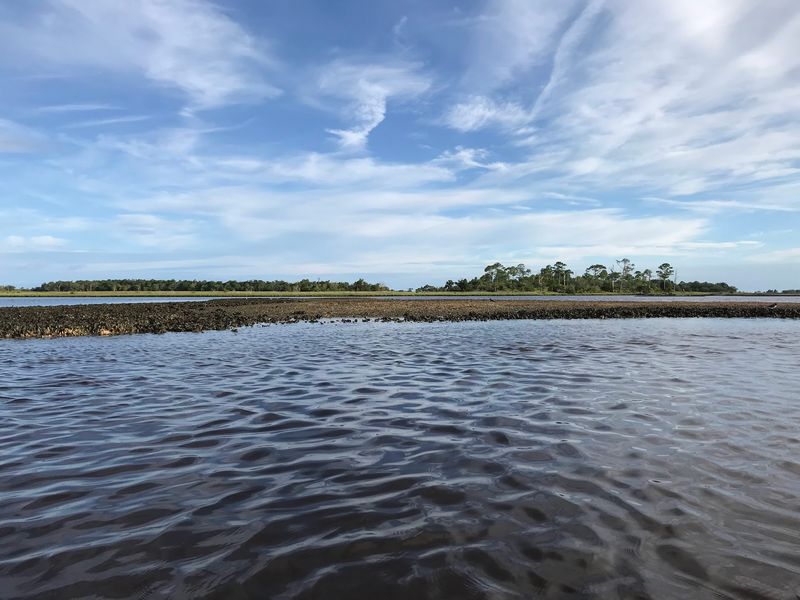
Birders from across the country make the drive to Cedar Key specifically because the variety of species here is genuinely remarkable. The combination of salt marshes, seagrass flats, coastal scrub, and offshore island refuges creates a layered habitat that attracts both resident and migratory birds in impressive numbers throughout the year.
On my first morning, I counted roseate spoonbills, white pelicans, ospreys, and a painted bunting before I had even finished my coffee. The painted bunting alone is worth the trip, a tiny bird with colors so vivid it looks like something a child painted with crayons.
Seahorse Key, part of the National Wildlife Refuge, hosts one of the largest colonial waterbird nesting sites in Florida during spring, with tens of thousands of birds using the island. The Florida Birding Trail officially includes Cedar Key as a key stop along the Gulf Coast route.
Whether you carry binoculars everywhere or just enjoy watching pelicans glide overhead at sunset, this place delivers moments that are hard to forget.
Kayaking And Paddling Through Protected Waters
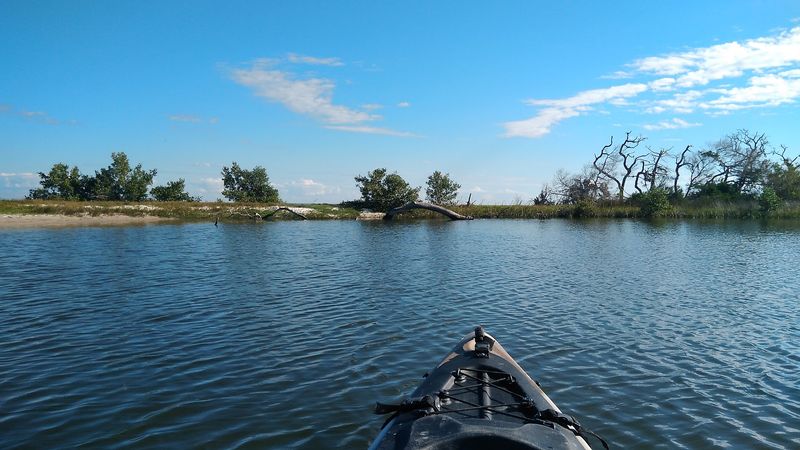
Sitting in a kayak just offshore from Cedar Key with nothing but open water, mangrove islands, and distant herons in every direction is one of the most peaceful experiences I have had anywhere in Florida. The waters surrounding the island are shallow, calm, and genuinely protected, making them ideal for paddlers of almost any skill level.
Several local outfitters offer guided kayak tours that take you through tidal creeks, around the edges of the wildlife refuge islands, and into seagrass beds where you can spot manatees, sea turtles, and rays gliding below the surface. I rented a kayak on my own and followed the marked water trail toward Atsena Otie Key, a nearby island with a fascinating history of its own.
The paddling conditions are generally best in the early morning before wind picks up, and low tide reveals sandbars and oyster bars that make the landscape feel completely different from what you see at high water. Renting a kayak here costs less than most Florida tourist activities, and the reward is absolutely worth every dollar spent.
Atsena Otie Key And Its Forgotten History
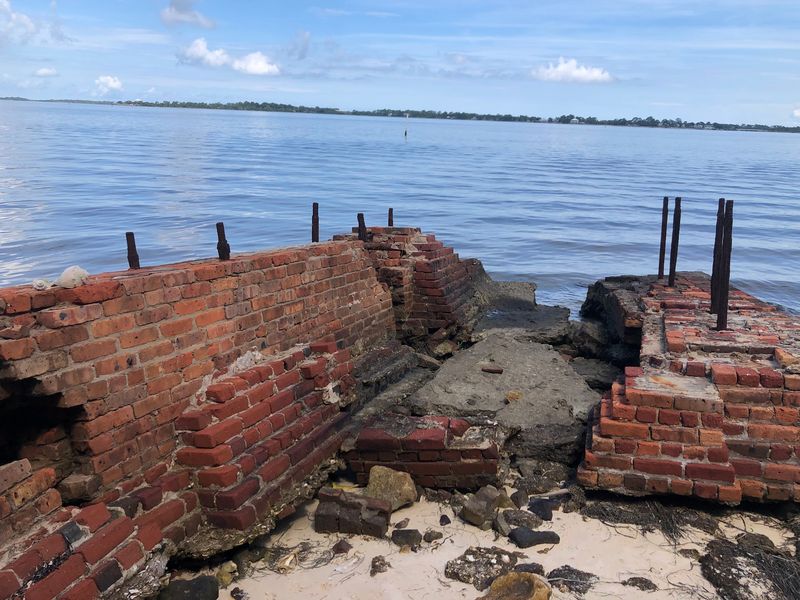
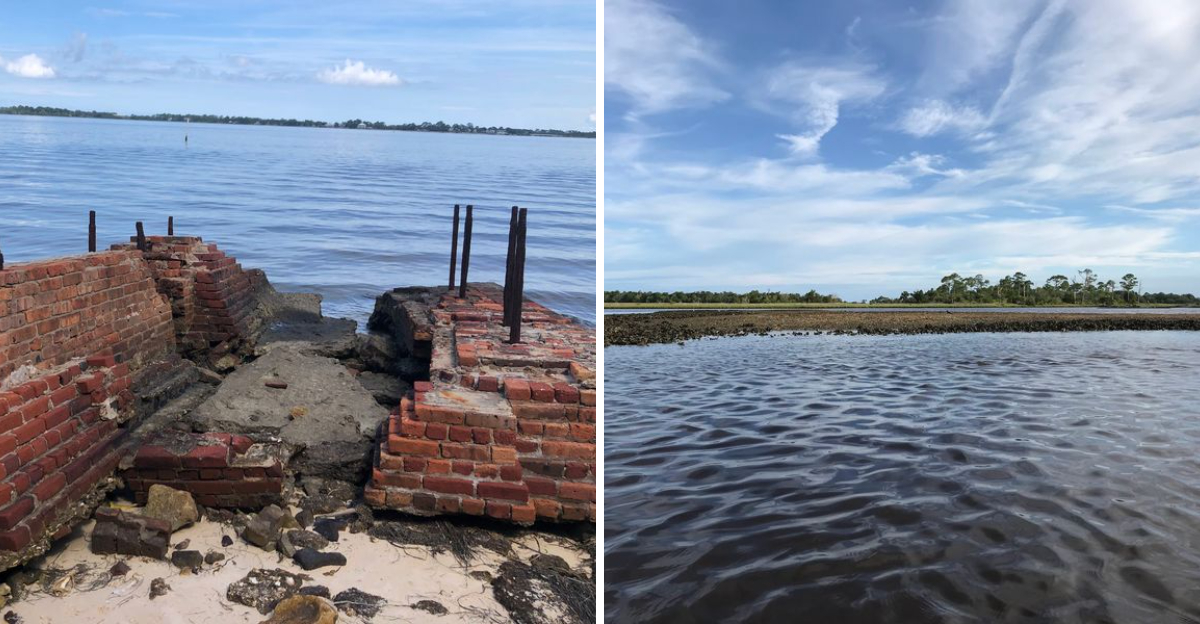
A short paddle from the Cedar Key waterfront brings you to Atsena Otie Key, a small island that carries more history per acre than most places I have ever visited. This island was actually the original site of Cedar Key’s town center in the 19th century, complete with homes, a pencil factory, and a working waterfront that made it one of Florida’s busiest commercial hubs.
A hurricane in 1896 devastated the island and pushed most residents to the main island, leaving Atsena Otie to slowly return to nature. Today you can still find the crumbling foundation of the old Eagle Pencil Company mill, half-swallowed by vegetation and time.
A small cemetery on the island contains graves dating back to the 1800s, including markers for children and Civil War veterans, and the quiet there is something you feel in your chest rather than just hear. The island is part of the National Wildlife Refuge and accessible by kayak or small boat.
Walking its overgrown paths feels like reading a letter from a town that no longer exists.
Cedar Key’s Clam Aquaculture Industry
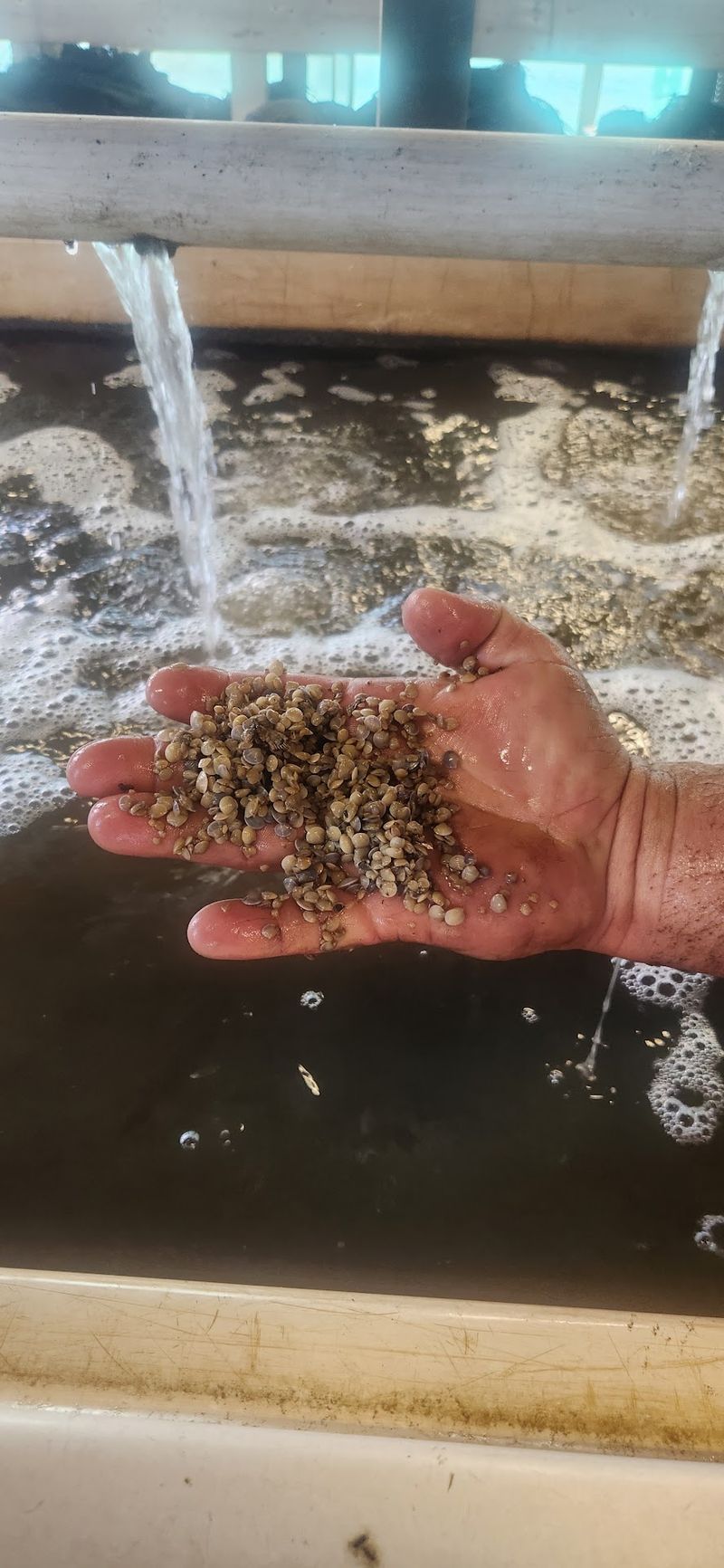
Here is a fact that surprises most visitors: Cedar Key is the clam farming capital of Florida, producing more than 100 million hard clams per year in the shallow waters surrounding the island. This aquaculture industry essentially saved the local economy after overfishing and habitat loss reduced wild shellfish populations decades ago.
Driving along the waterfront, you can spot the mesh bags and wooden stakes of clam leases stretching across the tidal flats at low tide, an industrial operation hiding in plain sight beneath what looks like open water. Local fishermen tend these underwater farms with the same dedication their grandparents brought to commercial fishing, keeping a multi-generational connection to the Gulf alive.
Several Cedar Key restaurants serve these locally farmed clams fresh, and eating a bowl of steamed Cedar Key clams while looking out at the actual water where they were raised is a genuinely satisfying full-circle experience. The aquaculture industry also supports the health of the surrounding ecosystem by filtering enormous volumes of water daily.
It is a success story that does not get nearly enough attention.
The Arts Scene And Seafood Culture Downtown
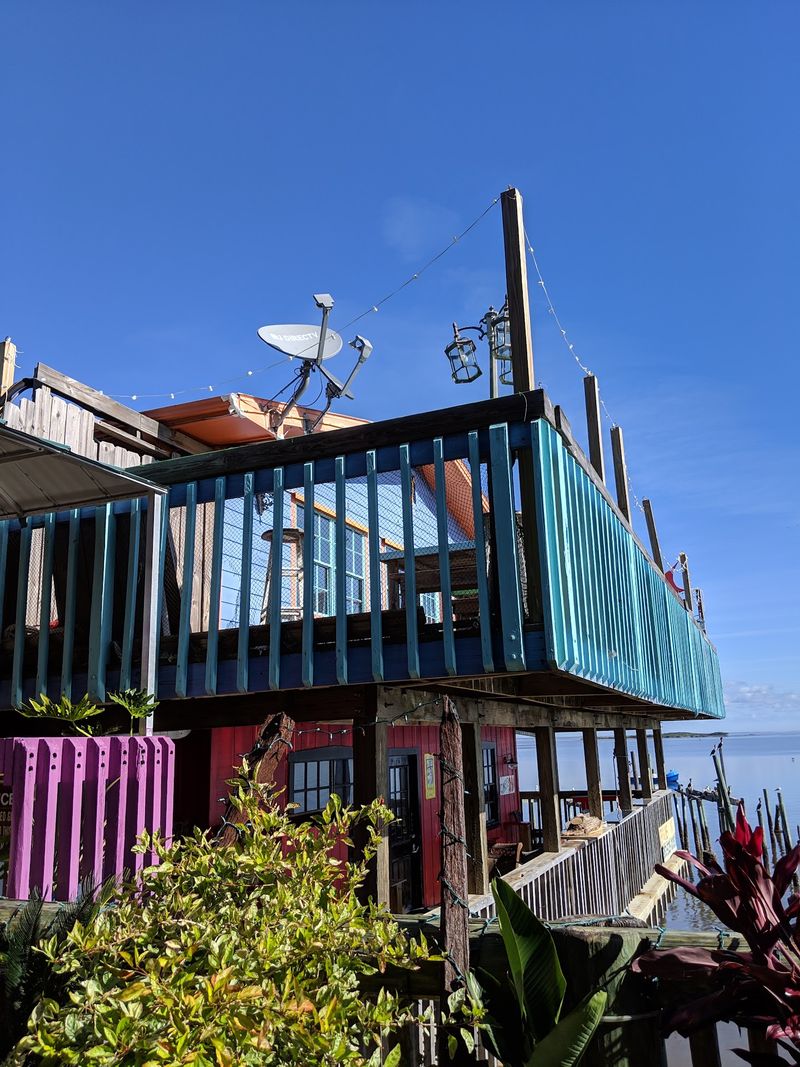
Downtown Cedar Key manages to pack a genuinely lively arts and food scene into just a few blocks of wooden storefronts along the waterfront. Galleries displaying paintings, pottery, and photography by local and regional artists sit alongside seafood restaurants, small shops, and a historic hotel that has been welcoming visitors since the 1800s.
I wandered into a gallery on 2nd Street and ended up talking with the artist for nearly an hour about the way the Gulf light changes the colors of the marsh at different times of day. That conversation alone felt like something Cedar Key gave me for free.
The annual Cedar Key Seafood Festival draws thousands of visitors each October and celebrates the town’s fishing and farming heritage with fresh clams, fish, and live music along the waterfront. A smaller arts festival in April brings the creative community into focus.
The food here is not fancy, but it is fresh and honest, the kind of meal that tastes better because you can see where it came from while you eat it.
Why Cedar Key Feels Like Old Florida
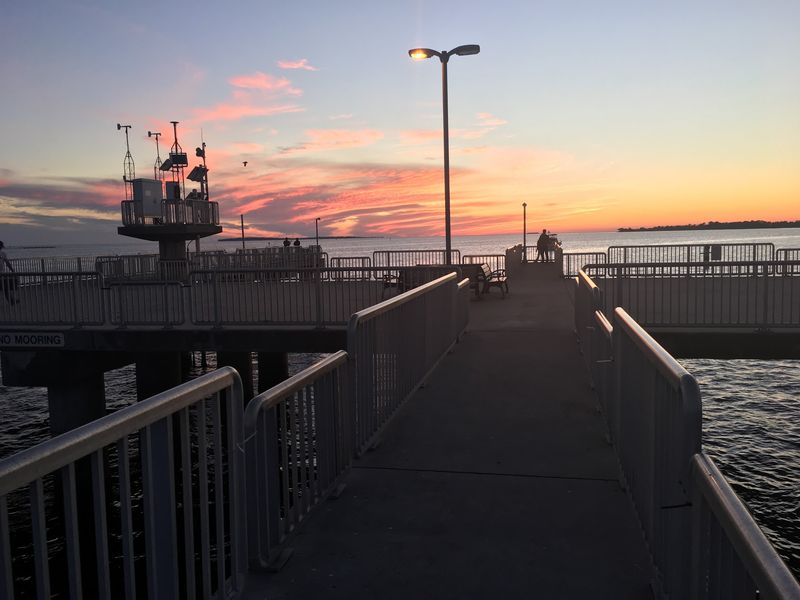
There is a phrase you hear a lot in Florida tourism circles, “Old Florida,” used to describe places that still feel like the state before theme parks and highway sprawl took over. Cedar Key is not just described that way.
It actually earns it.
No traffic lights, no chain restaurants, no high-rise condos, and no rush. The roads are narrow, the buildings are low, and the pace of life moves at the speed of the tide rather than the speed of a highway.
I noticed on my second day that I had stopped checking my phone entirely, not as a challenge but simply because the place made it feel unnecessary.
Cedar Key sits at the end of State Road 24 in Levy County, Florida 32625, and that geographic isolation is part of what has protected its character for so long. The website cityofcedarkey.org has helpful visitor information for planning a trip.
Arriving here feels like finding a version of Florida that most people assume no longer exists, and the best part is that it very much still does.