
One Of Maine’s Best Hidden Coastal Gems Is This Quiet Seaside Town
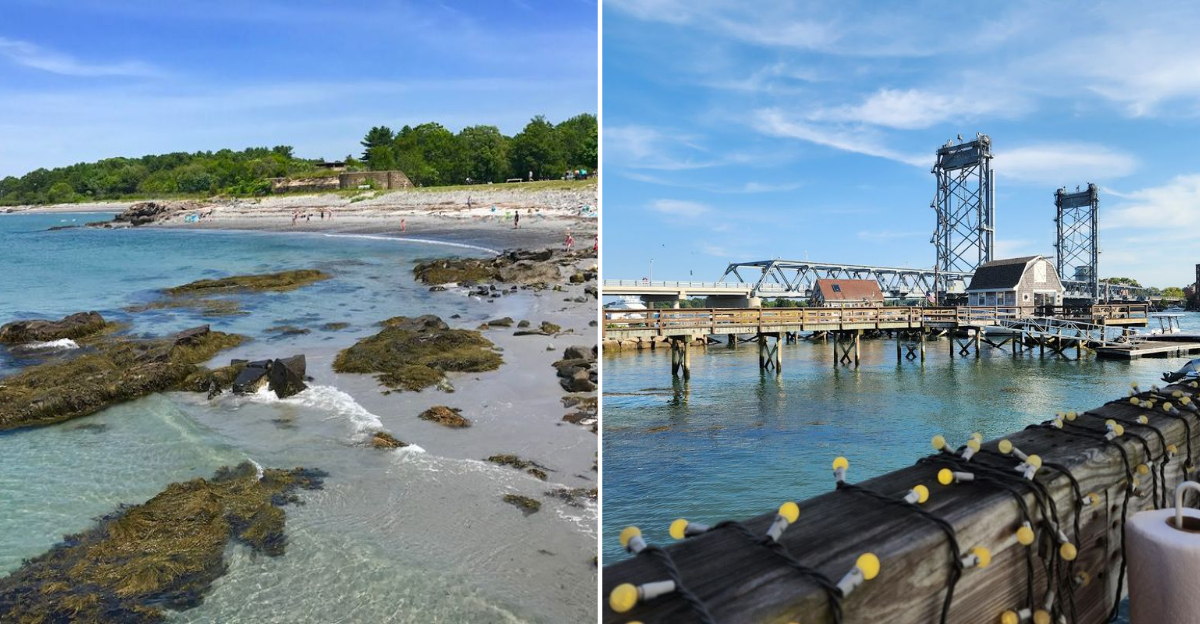
Most people enter Maine through this coastal town without realizing they are passing through one of the oldest and most historically layered communities in New England.
Kittery, Maine sits at the southern edge of the state, where quiet harbors, rocky shoreline, and centuries of maritime history create a atmosphere that feels both timeless and deeply local.
I have visited plenty of East Coast beach towns, but few balance history, scenery, and everyday charm quite like this one. The pace slows almost immediately after crossing into town, replaced by salt air, weathered buildings, and small waterfront corners that reward wandering without a plan.
Many travelers know Kittery for its shopping outlets, yet the real appeal lies beyond the busy roadside signs. Hidden beaches, historic landmarks, and peaceful coastal views give this Maine town a character that lingers long after the trip ends.
Maine’s Oldest Incorporated Town
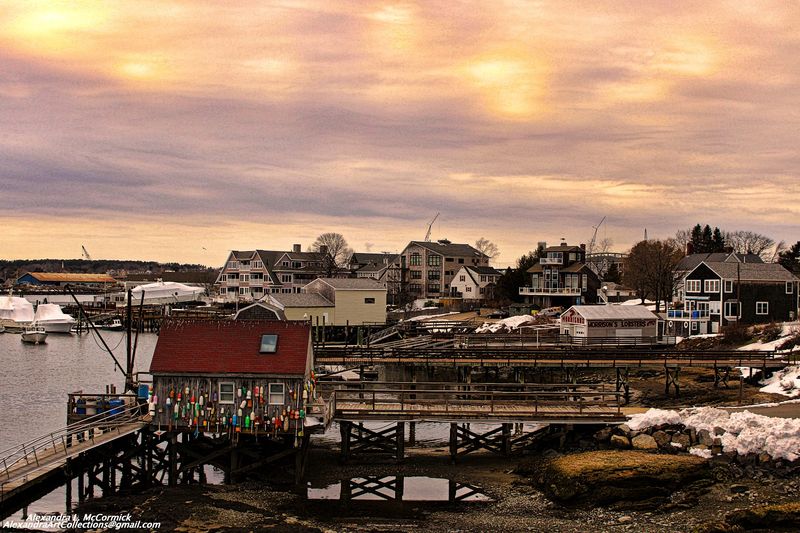
Before Portland got its reputation and Bar Harbor got its crowds, Kittery was already on the map. Established in 1647, it holds the distinction of being the oldest incorporated town in Maine, which means it has had a head start on character-building by about four centuries.
Walking through certain parts of town, you can almost feel the weight of that history underfoot. The streets, the architecture, and even the way the land meets the water all carry a sense of quiet permanence that newer towns simply cannot manufacture.
It is the kind of place where history does not feel like a museum exhibit but more like a living backdrop.
For anyone who appreciates knowing that a place has real roots, Kittery delivers that in full. The 1647 founding date is not just a trivia answer.
It is proof that this small town has been quietly doing its thing longer than almost anywhere else in the state.
The Gateway To Maine

There is something genuinely satisfying about being the first thing people see when they cross into a state. Kittery sits at the southernmost point of Maine, separated from Portsmouth, New Hampshire by the Piscataqua River, and it wears the title of Gateway to Maine with quiet confidence.
Crossing the bridge from New Hampshire, the landscape shifts almost immediately. The air feels a little saltier, the pace feels a little slower, and the scenery starts leaning hard into that classic Maine coastal look.
It is a transition that happens fast, and Kittery is right there to catch you.
Most travelers treat this border crossing as a checkpoint on the way to somewhere else. That is their loss.
Kittery is not just a geographic threshold. It is a destination in its own right, and the fact that it greets every Maine-bound traveler first makes it the perfect opening chapter to any trip up the coast.
Portsmouth Naval Shipyard
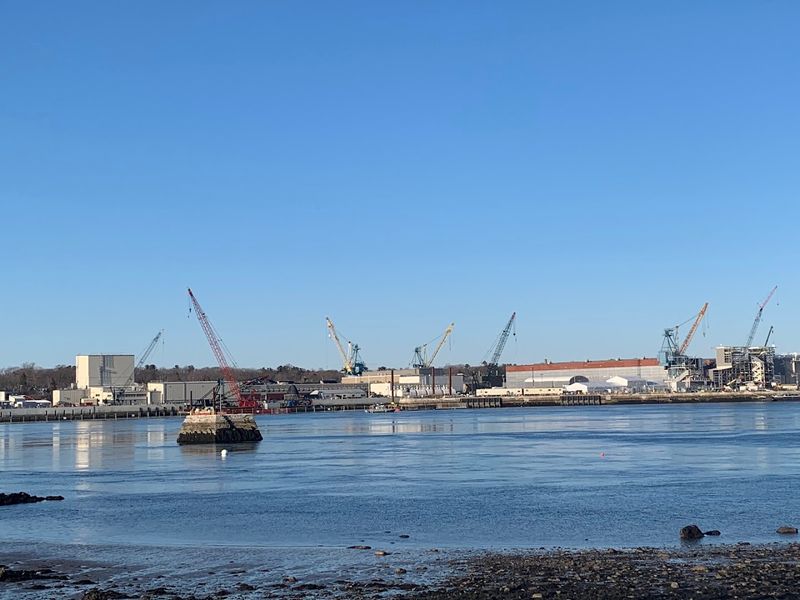
Founded in 1800, the Portsmouth Naval Shipyard is one of the nation’s earliest federal navy yards and the Navy’s oldest continuously operating shipyard. It sits on Seavey’s Island, technically within Kittery’s borders, and it has been an active part of American naval history for well over two centuries.
The shipyard has built and repaired submarines, played roles in multiple wars, and housed prisoners of war. Its presence gives Kittery a layer of national significance that goes far beyond its modest size.
Standing near the waterfront and looking out toward the island, you get a real sense of the strategic importance this small stretch of coastline has held for so long.
The shipyard is still active today, which means public access is limited, but the history surrounding it is very much part of Kittery’s identity. Local museums and historical markers help fill in the story, and the industrial silhouette of the yard itself remains a striking part of the harbor view.
Quiet Beaches Perfect For Peaceful Escapes
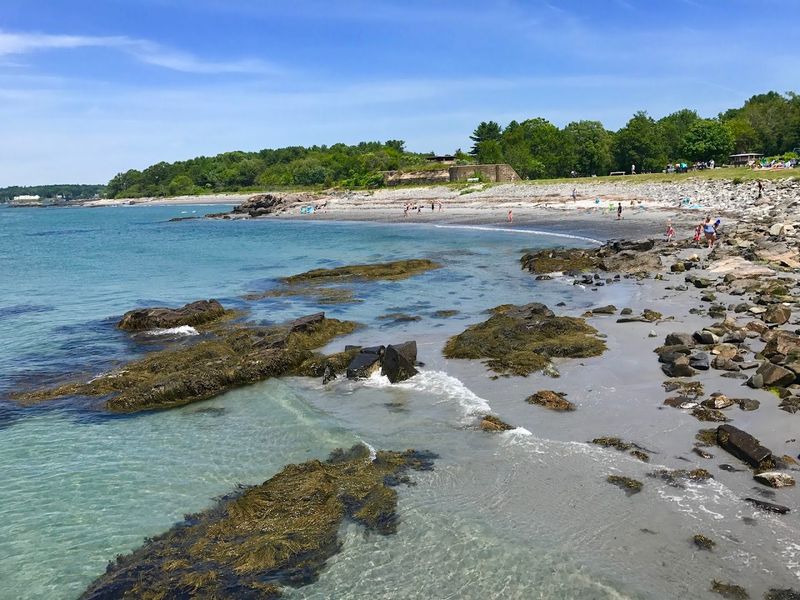
Not every beach needs a boardwalk and a funnel cake stand. Seapoint Beach and Crescent Beach in Kittery offer something rarer along the northeastern coast: genuine peace and quiet.
These spots draw people who want to think, breathe, and collect driftwood rather than compete for towel space.
I visited Seapoint Beach on a weekday morning and had a long stretch of sand almost entirely to myself. The water was cold, the sky was wide open, and the only sounds were waves and the occasional dog making enthusiastic tracks through the wet sand.
It felt like a reward for not following the crowd.
These beaches are not set up for big beach days with umbrellas and vendors. They are set up for the kind of visit where you sit on a rock and stare at the Atlantic for a while, which honestly sounds like exactly what most of us need more of in our lives.
Fort Foster Park On Gerrish Island
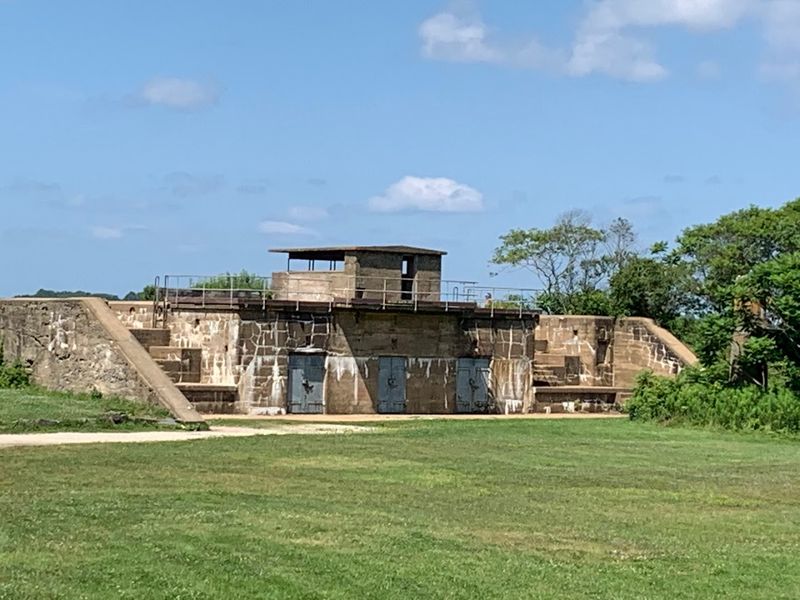
Fort Foster Park packs a lot into its coastal landscape. Located on Gerrish Island, this park combines sandy beaches, hiking trails, picnic areas, and the ruins of actual military fortifications into one genuinely enjoyable outdoor destination.
It is the kind of place that rewards curiosity at every turn.
The historic military structures scattered throughout the park add a fascinating layer to what would already be a beautiful coastal hike.
You can wander through old batteries and fortified positions while looking out at the open ocean, which creates a strange and memorable contrast between natural beauty and military history. It never feels gloomy, just genuinely interesting.
Families, hikers, history buffs, and anyone who simply wants a scenic picnic spot will all find something to appreciate here. The ocean views from the higher points of the park are the kind that make you stop walking and just stand there for a minute, taking it all in before moving on.
Fort McClary State Historic Site

Few places in New England let you stand in a spot that has been militarily significant from the Revolutionary War all the way through World War I. Fort McClary at Kittery Point does exactly that.
The site features a well-preserved hexagonal blockhouse that has become one of the most photographed structures in coastal Maine.
The views from the fortification are expansive, stretching out over the Piscataqua River and the surrounding coastline. It is easy to understand why this location was chosen as a defensive post.
The sightlines are remarkable, and standing there with the wind coming off the water gives the whole experience a genuinely dramatic quality.
The site is maintained as a state historic park, which means it is accessible, well-kept, and free from commercial distractions. History teachers would love this place, and honestly so would anyone who appreciates a good view paired with a story that stretches across multiple centuries of American history.
Kittery Foreside’s Walkable Coastal Charm
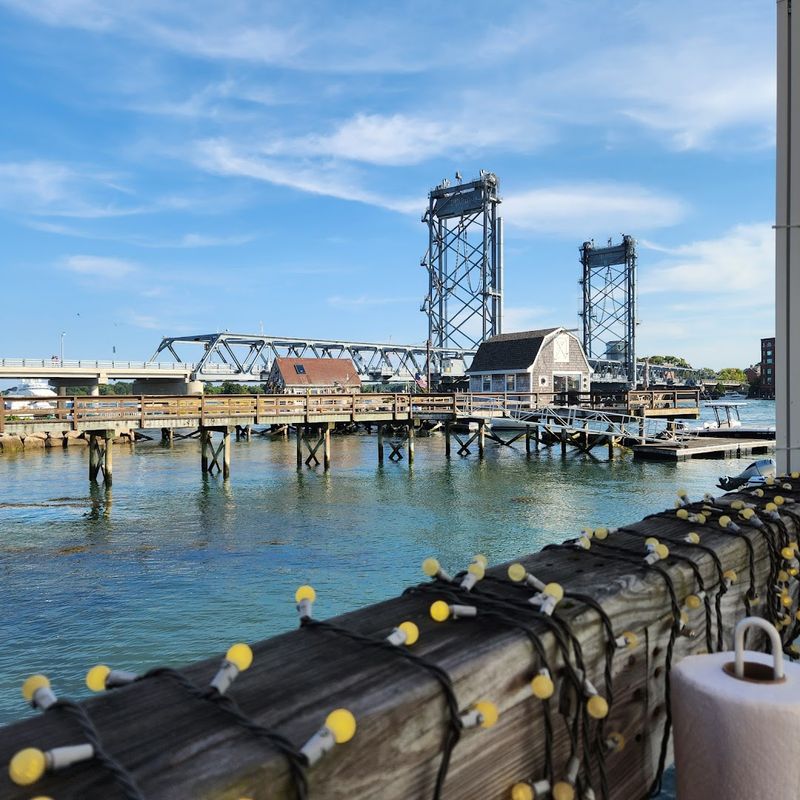
Kittery Foreside is the kind of neighborhood that makes you slow your walking pace without even realizing it.
This compact, walkable district blends historic coastal architecture with an energetic local scene, featuring boutique shops, independent cafes, and chef-driven restaurants that take their food seriously without taking themselves too seriously.
I spent an afternoon wandering through Foreside and found myself ducking into a shop selling handmade goods, then stopping at a cafe for coffee, then doubling back to look at a building I had almost walked past.
The layout rewards that kind of unhurried exploration, and the mix of old and new gives the whole area a personality that feels genuinely earned rather than manufactured for tourists.
The waterfront proximity adds to the appeal, and on a clear day the light bouncing off the harbor makes everything look slightly more picturesque than it probably deserves. Foreside is the heart of modern Kittery, and it beats with a rhythm that is easy to fall into.
Georgian Architecture And Historic Landmarks
The Lady Pepperrell House, built in 1760, is one of the finest examples of Georgian colonial architecture in New England.
Its symmetrical facade, tall windows, and stately proportions make it immediately striking, and the fact that it has survived in such good condition for over 260 years makes it all the more impressive.
Nearby, the First Congregational Church of Kittery, rebuilt and completed in 1732 after an earlier structure was destroyed by fire, adds another remarkable layer to the town’s architectural story.
This church is among the oldest continuously used church buildings in the entire United States, which puts it in genuinely rare company. Walking past these structures, you feel the weight of their longevity in a way that photographs do not fully capture.
For anyone who appreciates architecture, craftsmanship, and the sheer stubbornness of old buildings that refuse to disappear, Kittery offers a compact but deeply satisfying tour. These landmarks are not roped off or hidden behind admission fees.
They are simply part of the town’s everyday landscape.
Rachel Carson National Wildlife Refuge
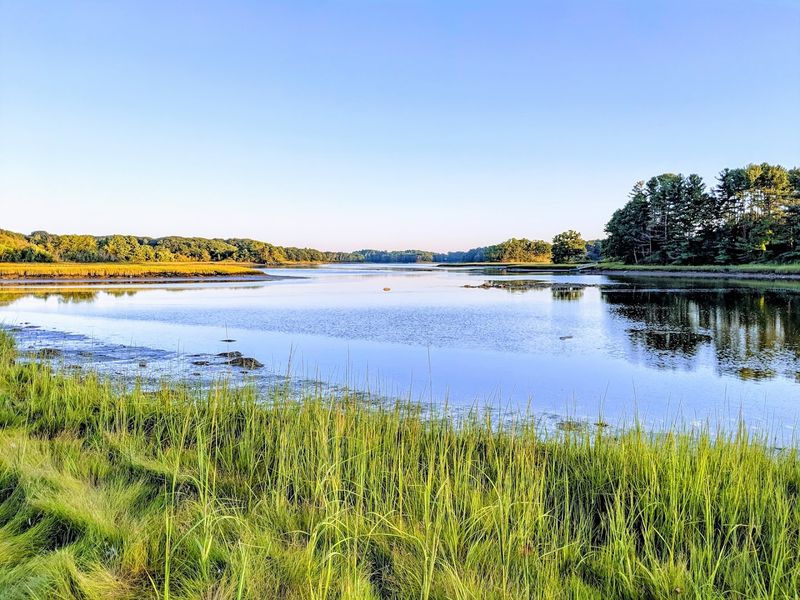
Being part of the Rachel Carson National Wildlife Refuge is not a small thing. This vast protected area stretches across multiple Maine coastal communities, and protected forests, wetlands, and wildlife habitats in and around Kittery offer some genuinely rewarding outdoor experiences.
Birding here is exceptional, particularly during migration seasons when the wetlands fill up with species passing through the Atlantic Flyway.
I am not a serious birder by any measure, but even I found myself stopping on a trail to watch a great blue heron stand perfectly still at the edge of a marsh. There is a meditative quality to this kind of nature that is hard to find in busier coastal destinations.
The hiking trails are accessible and well-maintained, making them suitable for a range of fitness levels and ages. Whether you are looking for a quick morning walk or a longer exploration of coastal ecosystems, the refuge delivers a natural counterpoint to Kittery’s historic and urban attractions.
More Than Outlet Shopping On Route 1

Ask someone what they know about Kittery and there is a good chance they will mention the outlets along Route 1.
Those outlets are real, and they draw enormous crowds looking for deals on everything from clothing to cookware.
But reducing Kittery to a shopping stop is like reading only the back cover of a very good book.
The historical sites, quiet beaches, walkable neighborhoods, and wildlife refuges all exist just a short drive or walk from those busy retail corridors.
The contrast is actually part of what makes Kittery interesting. You can grab a deal on a jacket in the morning and spend the afternoon standing inside a Revolutionary War fortification with the ocean wind in your face.
Kittery rewards visitors who take the time to look past the familiar. The outlets will always be there, but the town’s quieter, more layered identity is what lingers after you drive home.
That combination of convenience and character is genuinely rare, and Kittery pulls it off without much fanfare.