
Ordering 20 Hand-Shaped Pupusas To Go Is Totally Normal At This Arizona Salvadoran Kitchen
Twenty pupusas in one takeout order is a perfectly normal request at this little Salvadoran kitchen. The bulk to-go deal has been running for close to 15 years, and families still line up for it.
Every pupusa is shaped by hand and cooked to order on the griddle. That means no warming trays and no shortcuts, just thick corn masa folded around fillings like cheese, beans, and pork.
I like how the menu keeps going past the namesake dish. Fried plantains with Salvadoran cream, hearty caldos, and Salvadoran-style horchata all share the spotlight here in Arizona.
I believe the best food finds are the ones run by the same family year after year. This one has been doing it for more than two decades.
So what keeps a strip-mall pupusa counter going strong that long?
A West Phoenix Pupusa Counter You Should Know By Name
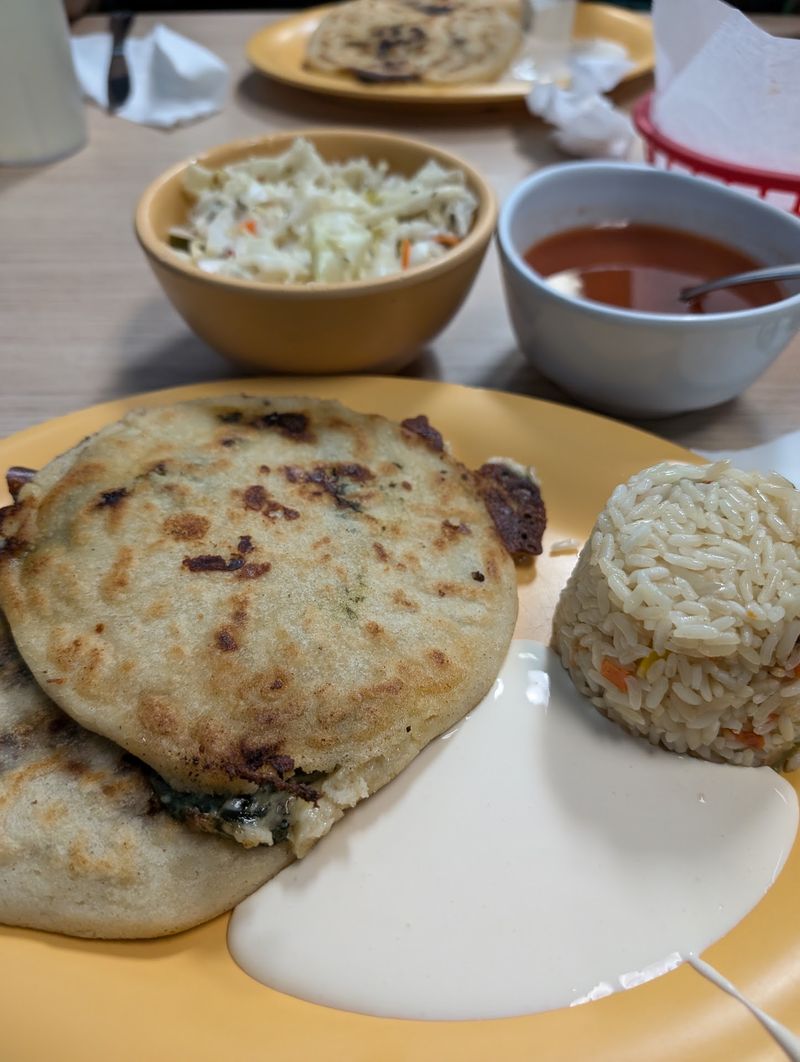
Salvadoreño Restaurant #2- Pupusas sits on the west side of Phoenix, and its name tells you exactly what matters most. Pupusas lead the show, with a long list of fillings and a stack of Salvadoran specialties backing them up.
For anyone new to them, a pupusa is a thick corn tortilla stuffed before it hits the griddle. The filling melts and steams inside, sealed in by masa that browns on the outside.
The restaurant calls itself casual, and that fits the whole idea. You come for griddle food, not white tablecloths or fussy plating.
Think of it as a neighborhood kitchen with deep roots in Salvadoran home cooking. The menu leans on comfort, from bean-and-cheese pupusas to bowls of beef broth soup.
Arizona has plenty of Mexican restaurants, but Salvadoran spots are a different flavor of discovery. Pupusas, curtido, and casamiento bring their own personality to the table.
The number in the name hints that this is a second location. That small detail tells a bigger story about a family business that kept growing.
So yes, the sign promises pupusas. The kitchen delivers a lot more than that once you sit down.
Two Decades Of Family Cooking Behind Every Plate
Twenty-one years and counting. That’s how long the same family has kept this kitchen running, according to the owners themselves.
The business is still run by the owner’s parents, which is rarer than it should be. Plenty of restaurants change hands every few years, but this one has stayed in the family.
That kind of staying power usually means the recipes haven’t wandered far. Pupusas are a family food in El Salvador, often made at home by people who learned from elders.
The owners have also been open about how they manage things today. When ingredient costs climbed, they adjusted portion sizes on items like pasteles rather than cutting corners on how food gets made.
I like that honesty about the realities of running a small kitchen. It shows a family paying attention to both quality and keeping the doors open.
The second location in the name points to growth over the years. Few small family operations reach that point without a loyal following.
Every pupusa that leaves the griddle carries that history with it. You’re tasting more than masa and cheese, you’re tasting a family business that refused to quit.
Masa Shaped By Hand, Cooked Only When You Order
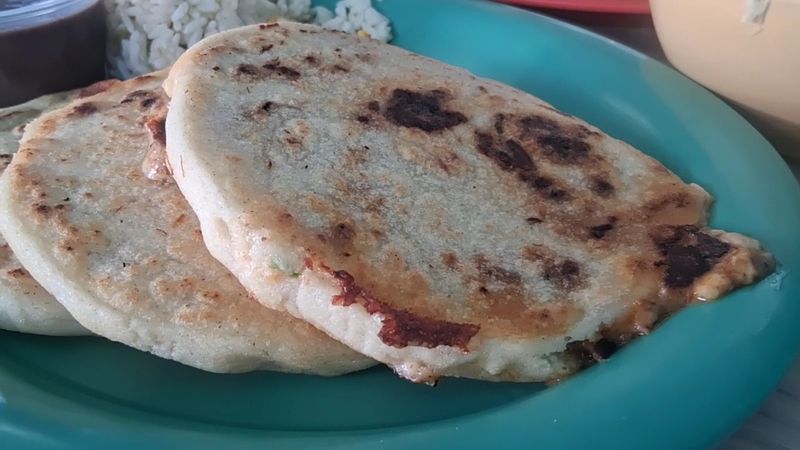
Nothing sits waiting under a heat lamp here. The owners say plainly that pupusas are cooked to order and made by hand.
That process starts with a ball of corn masa pressed flat in the palm. The filling goes in the center, then the edges fold up and get patted back into a round.
It’s a skill that looks easy until you try it at home. Too much filling and it bursts, too little and you get bites of plain dough.
On a griddle, the outside picks up golden spots while the inside turns soft and melty. The cheese warms through and fuses with whatever else is tucked inside.
Made-to-order cooking does come with one trade-off. Food takes time, especially when the dining room and takeout line are both busy.
The owners have acknowledged that busy Sundays push the cooks to work fast. They’ve also said they’ll fix any issue immediately if you mention it at the table.
Patience pays off with hot, fresh pupusas straight off the flat-top. Honestly, a pupusa that waited for you would miss the whole point.
Cheese, Loroco, And A Whole Lineup Of Fillings Worth Trying
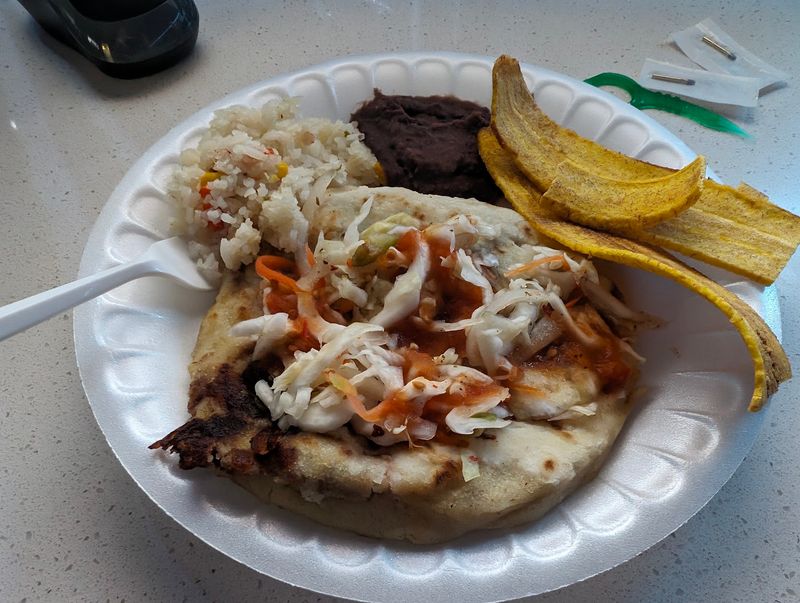
Loroco might be the most interesting word on any pupusa menu. It’s an edible flower bud from Central America, and it pairs with melted cheese in one of El Salvador’s most classic combinations.
The flavor is green and slightly earthy, a little like a cross between herbs and vegetables. Paired with gooey cheese, it turns a simple pupusa into something memorable.
The menu here covers a wide range of fillings, so there’s room to explore. Revueltas mix pork, beans, and cheese into one hearty round.
Chicharrón brings rich, savory pork to the party. A mixta is another favorite for people who can’t decide on just one filling.
Bean and cheese, known as frijol con queso, keeps things simple and satisfying. Plain cheese pupusas have their own fan club too.
Vegan options are part of the menu as well. That’s good news for groups where not everyone eats meat or dairy.
My advice is to order a mix and share around the table. Ask about the cheese and loroco, then build the rest of your plate from there.
Fried Plantains With Cream Steal Some Attention
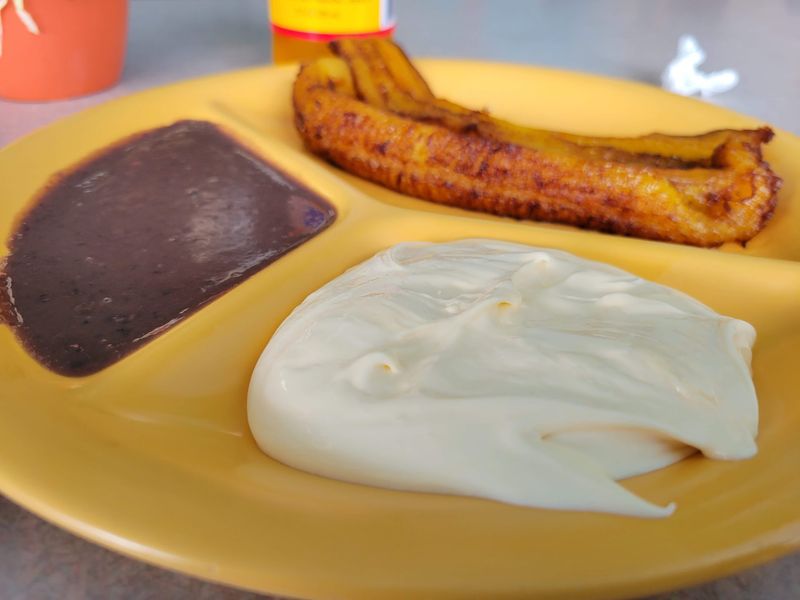
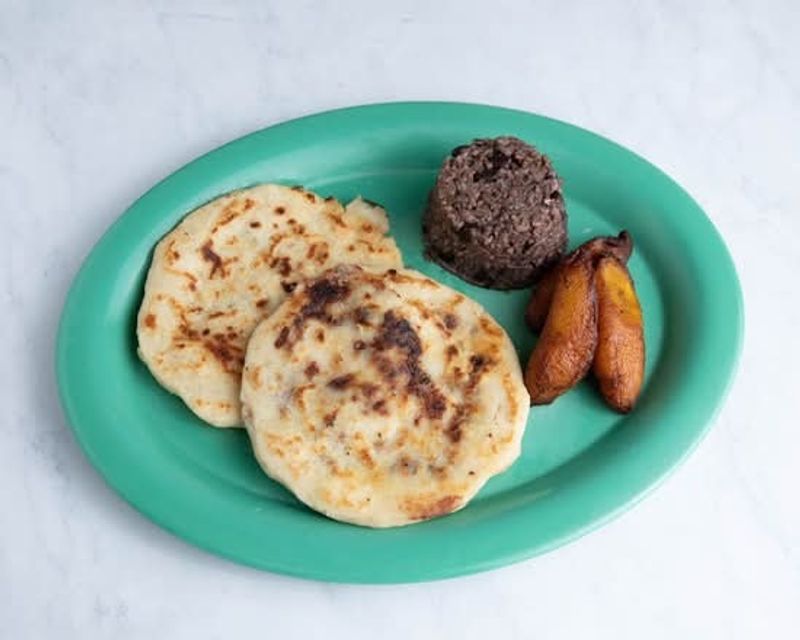
Sweet, caramelized plantains sitting next to a spoonful of Salvadoran cream make a strong case for ordering sides. They show up again and again as one of the most talked-about items here.
Salvadoran crema is thicker and tangier than the sour cream most of us grew up with. It cools down the hot plantains and adds a rich, slightly salty finish.
Plantains aren’t the only side worth noticing. Refried beans, or frijoles, bring a creamy, savory base that pairs naturally with pupusas.
Casamiento is another one to know. The name means marriage, because rice and beans get cooked together until they’re joined for good.
The menu offers a three-pupusa plate with two sides. That combo is a handy way to sample a little of everything without overthinking it.
Portions can lean generous, so splitting is smart. Taking leftovers home is a pretty common ending to a meal here.
Pupusas may get the headline, but the sides bring the supporting cast. A plate without plantains feels like a concert missing its opening act.
Soups, Tamales, And Pasteles For The Pupusa-Curious
Beef broth gets plenty of love at this pupusa house, which tells you the kitchen has range. Caldo de res is a hearty Salvadoran beef soup that eats like a full meal.
Caldo de pollo, the chicken version, is another comforting choice. It’s the kind of bowl that makes a regular weekday feel a little more cared for.
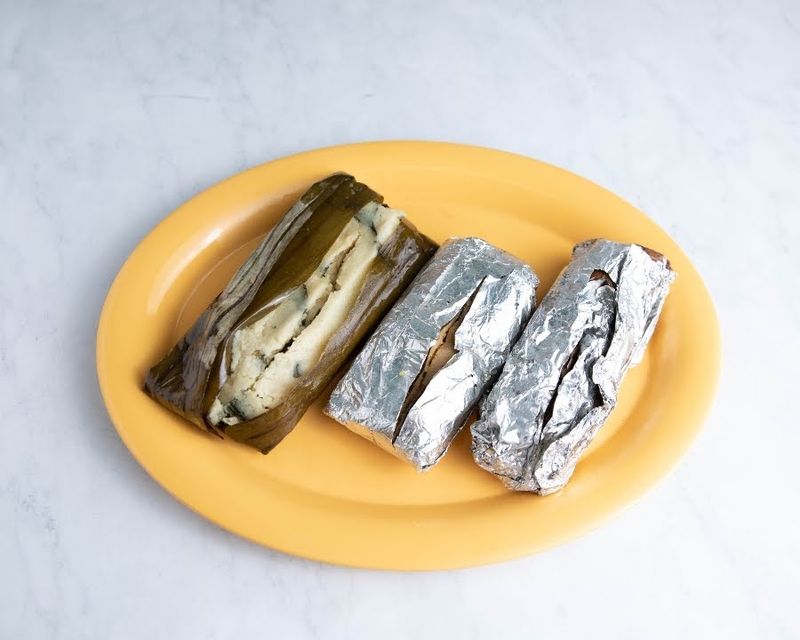
Corn tamales bring a softer, sweeter side of Salvadoran cooking. They’re a nice break if you want something different between pupusa bites.
Pasteles are small fried turnovers filled with things like beef or potatoes. The owners now serve four to an order instead of two, with each one made a bit smaller.
That change keeps the total portion about the same. It just means more crispy edges to go around, which I can’t imagine anyone complaining about.
These dishes make the menu friendly for groups with different appetites. One person can go all in on pupusas while another settles on soup.
Salvadoran cooking runs much deeper than a single dish. This kitchen gives you room to explore that beyond the griddle.
Salvadoran Horchata Tastes Nothing Like You Expect
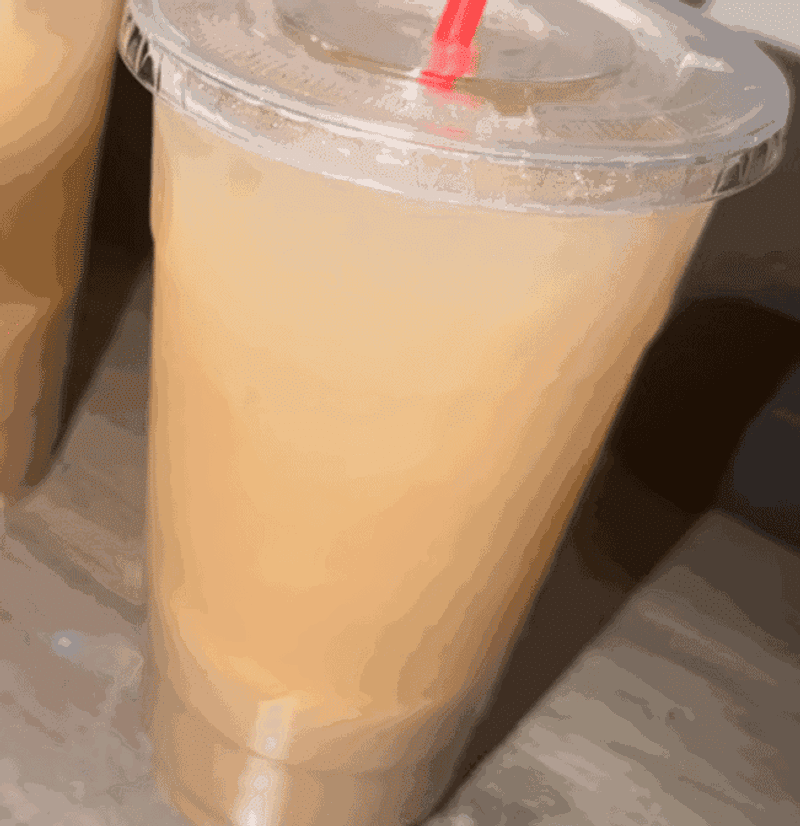
Order the horchata expecting the Mexican rice drink, and your taste buds might do a double take. Salvadoran horchata is its own creation, often made with morro seeds and spices for a nuttier flavor.
It tends to be earthier and a little more complex than the familiar cinnamon-rice version. Some folks love it right away, while others need a sip or two to adjust.
A smart move is asking for a small taste first if you’re unsure. Fresh fruit drinks are also on hand for anyone who prefers something lighter.
Then there’s cola champagne, a bright orange Salvadoran soda with a sweet, almost cream-soda personality. Despite the name, it’s a soft drink through and through.
Finding it on the menu is a little thrill for anyone with Salvadoran roots. For everyone else, it’s a fun way to try something new with lunch.
Drinks like these round out the meal in a way water can’t. They make the table feel closer to a family kitchen in San Salvador than a Phoenix strip mall.
Go ahead and order something unfamiliar. That’s half the fun here.
Bulk Takeout Pupusas Are A Long-Running Local Secret
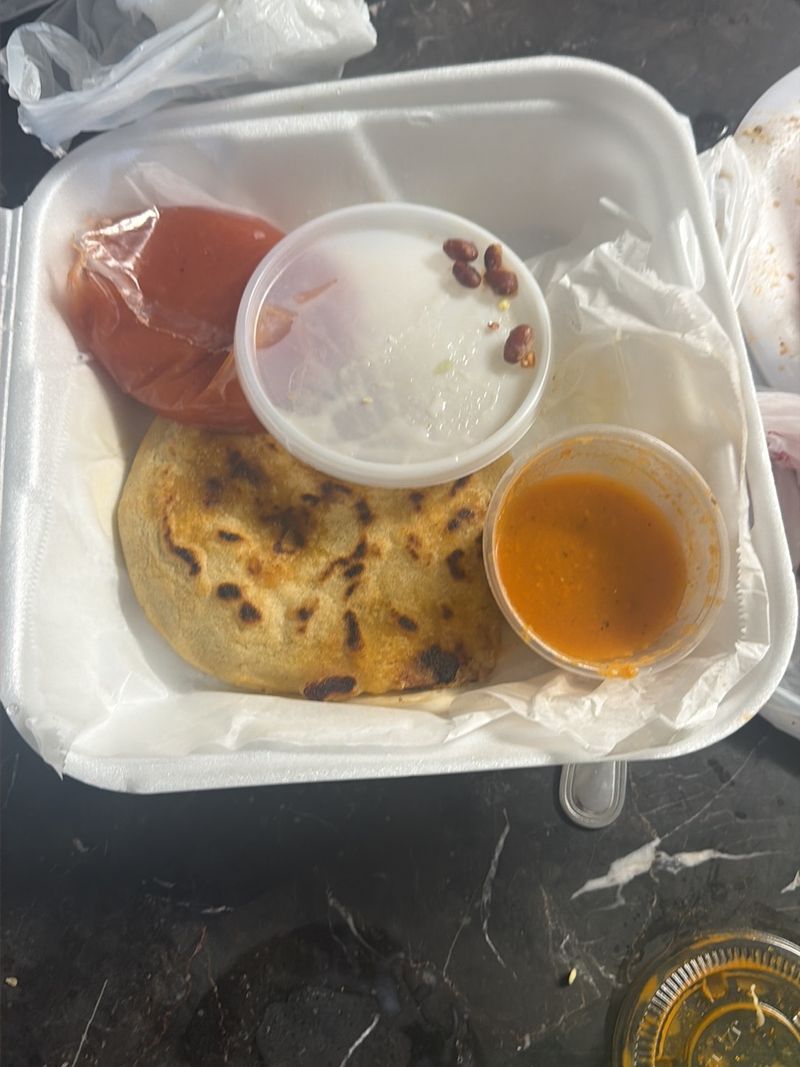
Feeding a crowd gets easier when pupusas come by the stack. The restaurant has offered a bulk takeout package for almost 15 years.
The owners describe it as a way to pass savings along for catering and large orders. Twenty-pack pickups are a real thing here, and people happily carry them home still warm.
One detail is worth knowing before you go. The package is a to-go special only, so it isn’t meant for eating inside the dining room.
Signs at the restaurant explain this, but it helps to plan ahead. Want to eat in with a big group?
Order from the regular menu instead.
Calling ahead works well for regular takeout orders too. Since everything is cooked to order, giving the kitchen a head start means less waiting at the counter.
A box of pupusas makes an easy win for birthday parties, game nights, or a lazy Sunday. Add plantains and the whole family stops asking what’s for dinner.
Arizona summers make cooking at home feel like a chore anyway. Letting a family griddle do the work seems like a very reasonable choice.
Small Dining Room, Big Family Energy
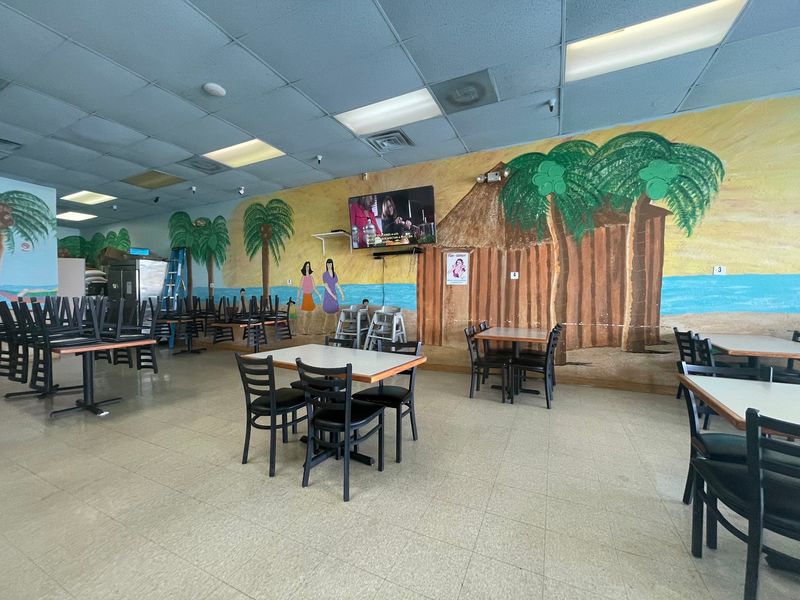
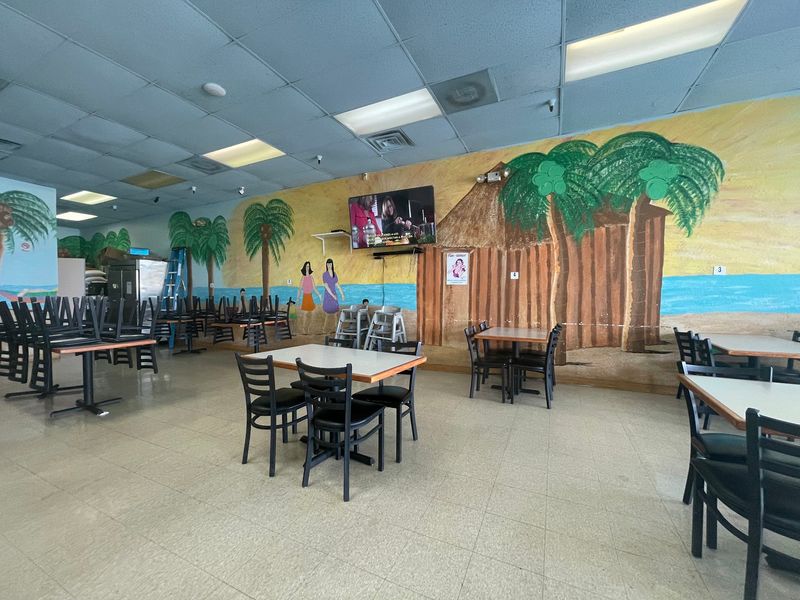
Salvadoran news playing on the television sets the mood before your food even arrives. It’s a small touch that makes the dining room feel connected to home for many guests.
The space itself is on the smaller side and keeps things simple. Nobody comes here for fancy decor, and that’s part of the charm.
A family atmosphere comes up often when people describe this place. Kids are welcome, and one thoughtful detail stands out: a step stool for little ones.
That’s the kind of thing parents notice and appreciate. It suggests a restaurant that has watched plenty of families come through its doors.
The vibe works for a casual date, a weekend family meal, or lunch with coworkers. Just keep expectations relaxed and service-paced, since busy times can slow things down.
Spanish is the main language among staff, so a little patience and pointing at the menu go a long way. Practicing your pupusa vocabulary counts as a bonus.
Everything here feels unpretentious and lived-in. Salvadoreño Restaurant #2- Pupusas is a neighborhood room first, and it never pretends otherwise.
Timing Your Visit Makes All The Difference
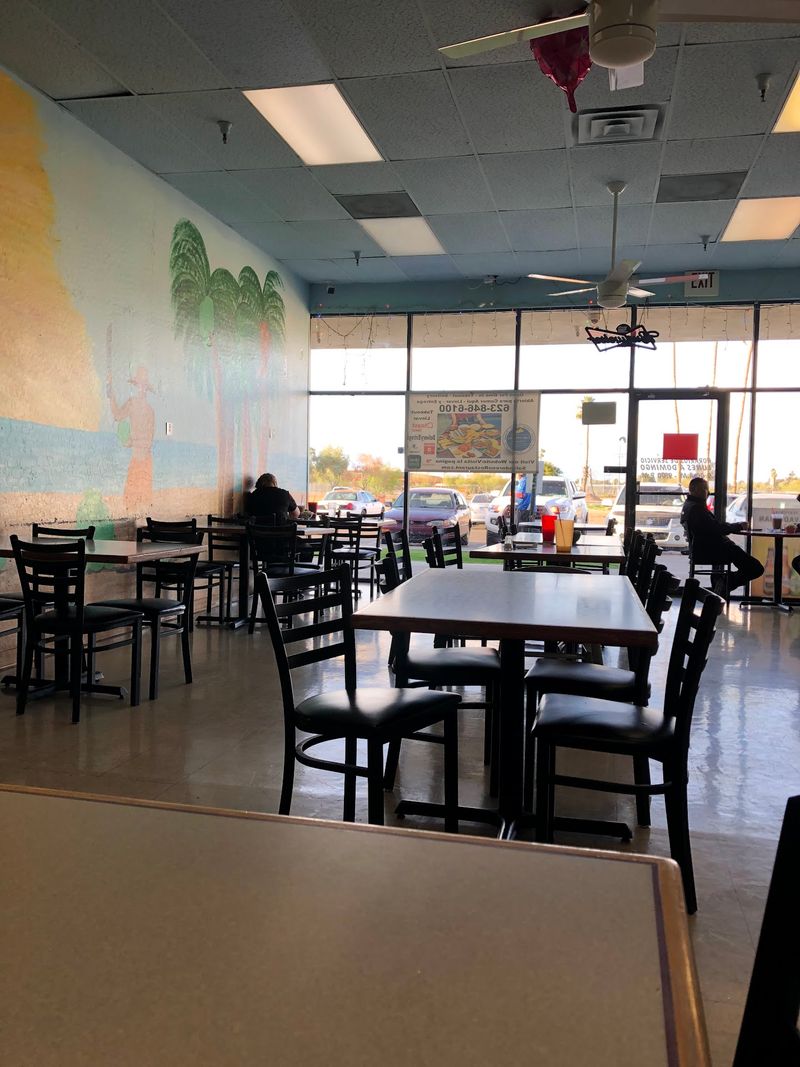
Breakfast pupusas, anyone? The doors open at 9 AM every single day, and the kitchen keeps going until 9 PM.
That schedule makes it easy to fit a visit around errands, work, or a weekend outing. You’ll find Salvadoreño Restaurant #2- Pupusas at 7333 W Thomas Rd #88, Phoenix, AZ 85033.
The location sits on the west side near Maryvale, a quick drive for much of the Valley. Folks coming from Glendale, Tolleson, or central Phoenix can get there without much fuss.
Wait time is the biggest thing to plan around. Fresh, hand-made food takes a while, and Sunday nights can stretch to 30 or 45 minutes.
Going during off-peak hours often helps. Late morning on a weekday tends to be calmer than a packed weekend dinner rush.
The dining area may close a bit before the kitchen shuts down for the night. Arriving well before closing gives you time to relax and enjoy your meal.
Ordering ahead for pickup is another easy fix. Check your receipt before you leave, as with any busy restaurant, and you’re all set.
Why This Griddle Deserves A Spot On Your Arizona Food List
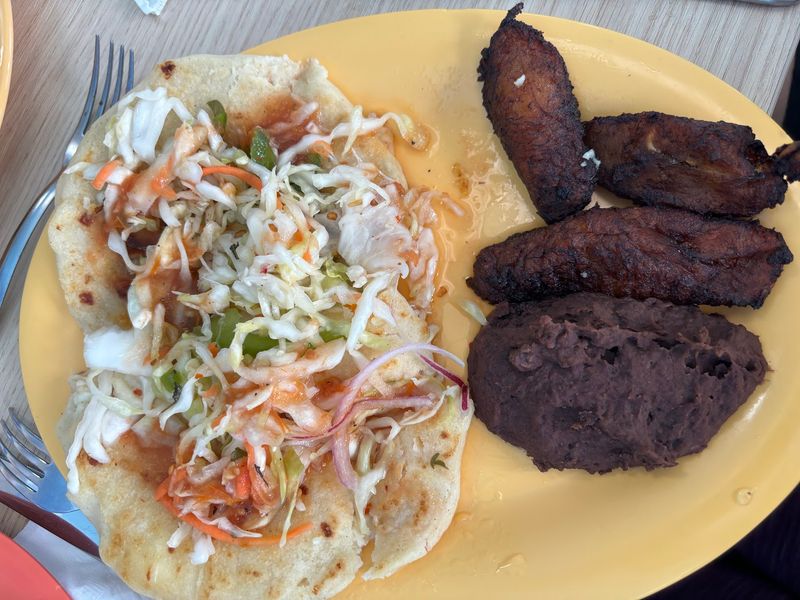
Some restaurants chase trends, but this one keeps folding pupusas the same way it has for more than 20 years. That steady approach is exactly why it’s worth a visit.
Salvadoreño Restaurant #2- Pupusas isn’t a polished, fast-moving operation. It’s a family kitchen where the food takes its time and the flavors feel rooted in tradition.
Go in with the right expectations and you’ll likely leave happy. Order a mix of pupusas, add fried plantains with cream, and maybe a bowl of caldo.
Ask about cheese and loroco if you’ve never tried that classic pairing. Grab a cola champagne or Salvadoran horchata to complete the experience.
For bigger appetites or parties, the long-running takeout package can save time and stretch your budget. Just remember it’s meant for to-go orders.
Arizona’s food scene gets richer every time a family shares its home cooking with the public. This spot has been doing that quietly in west Phoenix for years.
Bring a friend, bring some patience, and bring an empty stomach. Then tag the person who still thinks pupusas are just stuffed tortillas.