
12 Oregon Getaways That Trade Noise For Wide Open Space
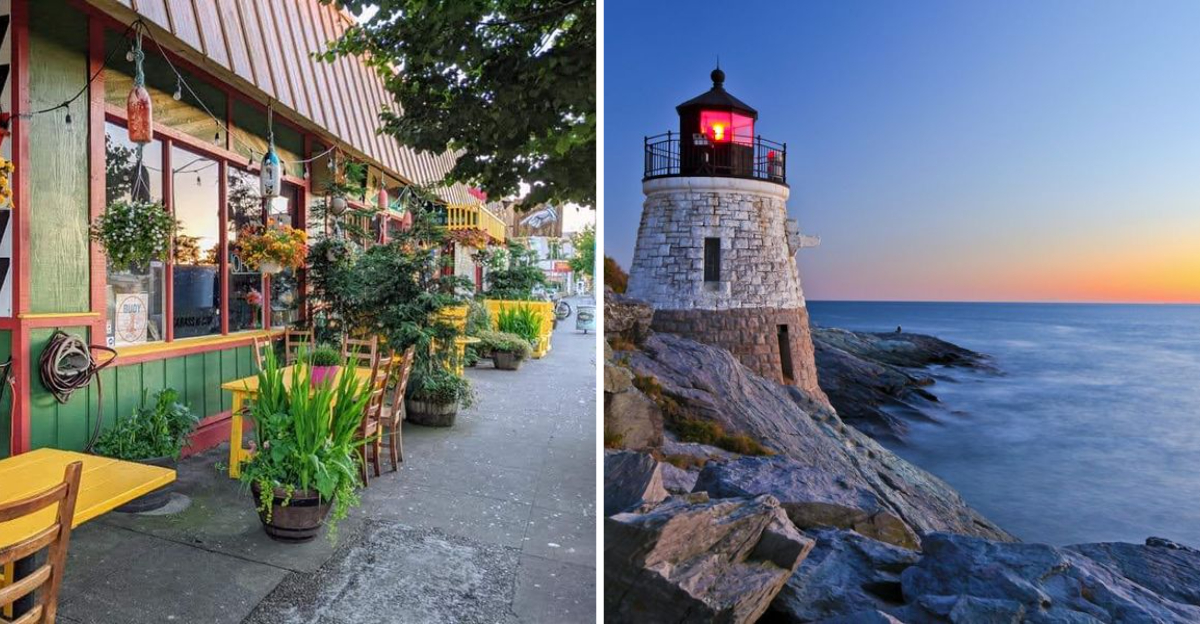
Not every escape comes with a spa robe and a curated playlist. Some come with wind sweeping across high desert, pine trees whispering like they know a secret, and highways that stretch so far ahead they feel almost philosophical.
That’s the quiet power of Oregon. This is the state that trades skyscrapers for snow-capped peaks, packed brunch spots for roadside diners, and traffic noise for the crunch of gravel under your boots.
The kind of place where “doing nothing” somehow feels like doing everything right. Out here, space isn’t empty, it’s expansive.
It makes room for long drives, spontaneous detours, and the simple luxury of hearing your own thoughts again. If the world feels like it’s closing in, these Oregon getaways offer something radical: horizon lines wide enough to reset everything.
1. Cannon Beach
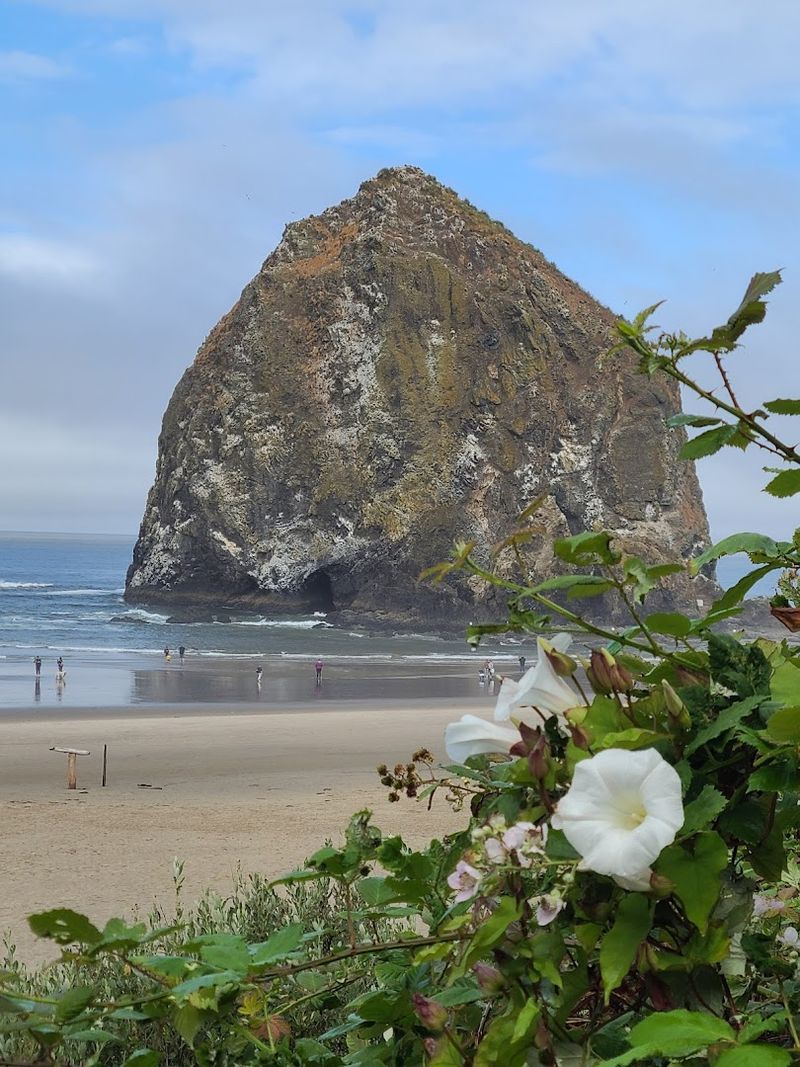
There is a moment at Cannon Beach when the tide pulls back and Haystack Rock just stands there, 235 feet of basalt looking like it wandered off a fantasy movie set and forgot to leave. Located at 207 N Spruce St, Cannon Beach, OR 97110, this town is the kind of place that makes you question why you ever thought a city weekend was relaxing.
The main street is walkable, the galleries are genuinely interesting, and the beach stretches long enough that you can find your own patch of sand without any effort.
Haystack Rock is a protected marine garden, so at low tide you can crouch down and find purple sea urchins, anemones, and hermit crabs doing their thing in the pools. Tufted puffins nest on the rock seasonally, which sounds made up but is absolutely real.
The town itself has a quiet confidence about it, not flashy, just deeply sure of how beautiful it is.
Fog rolls in most mornings and burns off by afternoon, leaving everything looking freshly rinsed. Cannon Beach earns its reputation every single time.
2. Manzanita And Nehalem Bay
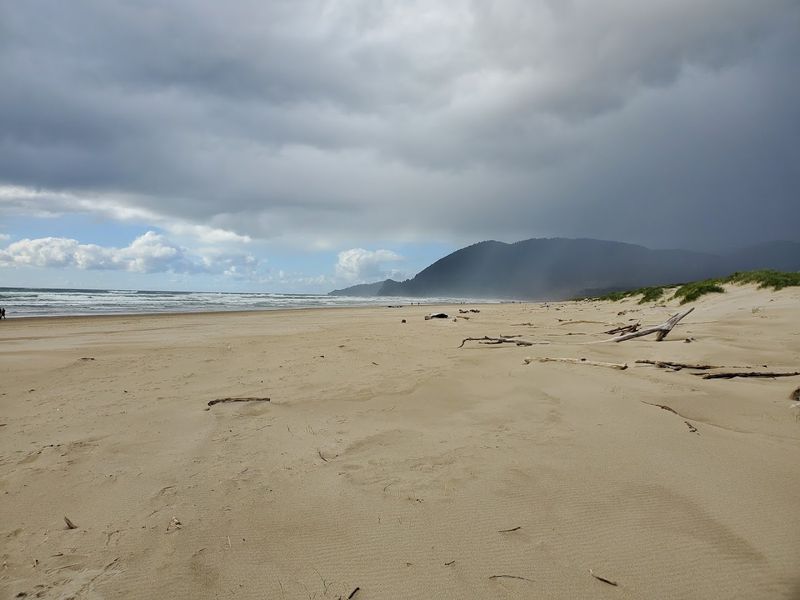
Manzanita is what happens when a beach town decides it has nothing to prove. Anchored near 31 Laneda Ave, Manzanita, OR 97130, this small coastal community sits between Neahkahnie Mountain and the wide sandy arc of the shore, and the combination is genuinely stunning.
The main street has a handful of good coffee spots, a bookstore that smells exactly right, and not a single chain restaurant in sight. That alone makes it worth the drive.
Nehalem Bay State Park sits just south and offers some of the best low-key camping on the coast, with sites tucked among shore pines close enough to hear the ocean.
Kayaking the bay is a totally different experience from the open beach, calm, estuary-quiet, with great blue herons standing in the shallows like they own the place.
Neahkahnie Mountain looms above everything and has a trail to the summit that rewards the climb with a view stretching from Tillamook Head to Cape Lookout on a clear day. Manzanita is the kind of place you tell exactly two friends about.
3. Yachats And Cape Perpetua
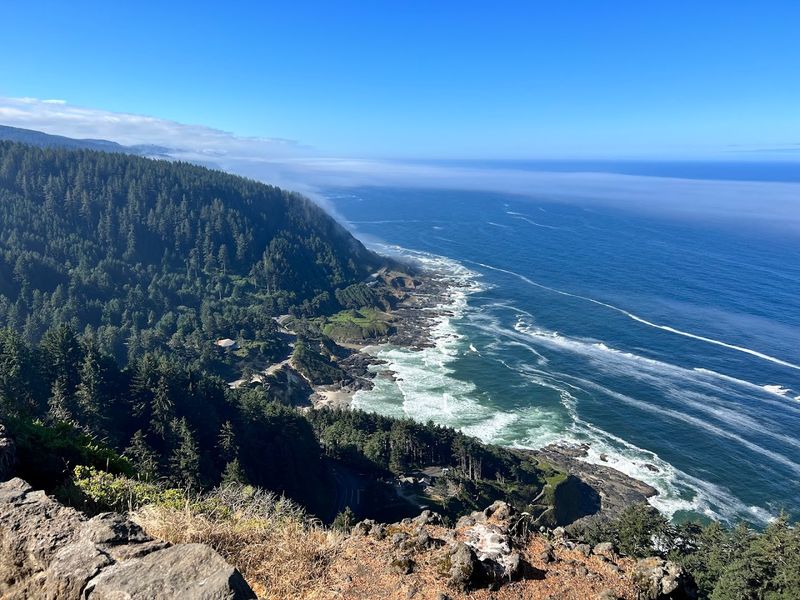
Yachats rhymes with YAH-hots, and once you visit, you will be saying it constantly because you will want to go back constantly. Sitting along the coast at 241 Oregon Coast Hwy, Yachats, OR 97498, this tiny town of about 700 people punches so far above its weight in scenery that it borders on embarrassing for the rest of Oregon.
The rocky shoreline here is wild and loud, waves crashing into basalt shelves and shooting spray twenty feet into the air on a good swell day.
Cape Perpetua, accessed via the visitor center at 2400 Highway 101, Yachats, OR 97498, is the crown jewel. The ancient Sitka spruce forest feels prehistoric, and the Giant Spruce Trail leads to a tree that has been standing since the 1300s.
Thor’s Well, a natural drain hole in the basalt shelf, looks like the ocean is swallowing itself whole at high tide.
The Cape Perpetua overlook sits 800 feet above sea level and delivers a panoramic view that makes every other scenic pullout feel underdressed. Come here when you need the ocean to remind you how small your problems actually are.
4. Newport
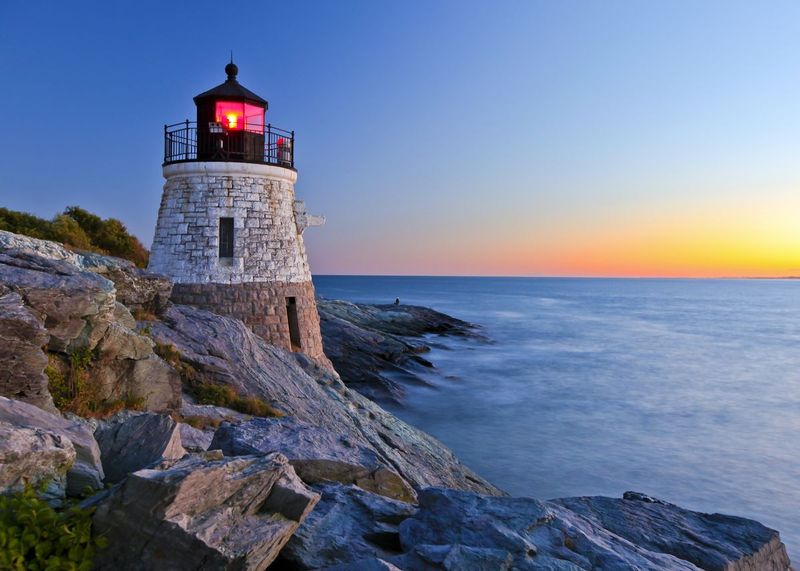
Newport is the kind of coastal town that actually has stuff going on beyond just being pretty, and that is a rare combination on the Oregon coast.
Based around the waterfront near 2030 SE Marine Science Dr, Newport, OR 97365, the city is home to the Oregon Coast Aquarium, which is one of the genuinely excellent public aquariums in the Pacific Northwest.
The Hatfield Marine Science Center next door is run by Oregon State University and offers free exhibits on ocean research that are way more fascinating than they sound.
Bayfront is the historic fishing district where the sea lions park themselves on the docks and bark at anyone who walks by. The Yaquina Bay Bridge is a stunning piece of 1930s Art Deco engineering that frames every waterfront photo beautifully.
Nye Beach, just north of downtown, has a different energy entirely, quieter, sandier, with a neighborhood vibe and a historic hotel that has been hosting visitors since 1910.
Newport manages to be accessible and lively without losing the rugged coastal character that makes the Oregon shore worth visiting in the first place. It is a full town, not just a backdrop.
5. Astoria
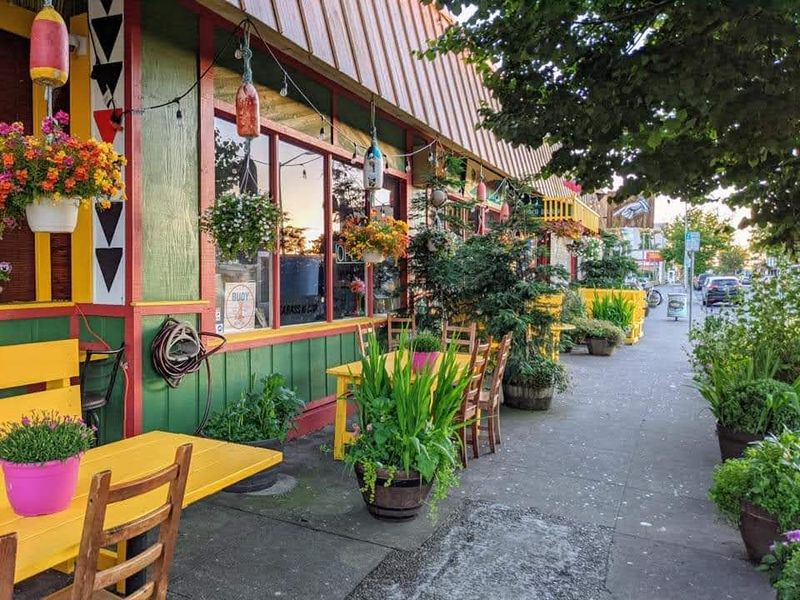
Astoria sits at the mouth of the Columbia River where it finally meets the Pacific, and that geographic fact alone gives the whole city a dramatic, end-of-the-road energy that is hard to shake.
Located near 111 W Marine Dr, Astoria, OR 97103, this is the oldest American settlement west of the Rockies, founded in 1811, and the Victorian architecture stacked up the hillsides tells you that history is not just a footnote here.
The Astoria Column sits on Coxcomb Hill and offers a 360-degree view that takes in four states on a clear day.
The town has reinvented itself beautifully, with a strong arts scene, independent restaurants, and a waterfront riverwalk that stretches for miles along the Columbia.
The bridge to Washington State is a marvel of mid-century engineering and looks spectacular from the waterfront. Film fans will recognize Astoria as the filming location for The Goonies, and yes, the house is still there.
The maritime museum on the waterfront is one of the best in the region, covering everything from the Lewis and Clark expedition to the graveyard of ships at the Columbia Bar. Astoria rewards slow exploration more than almost anywhere on the Oregon coast.
6. Hood River And The Columbia River Gorge
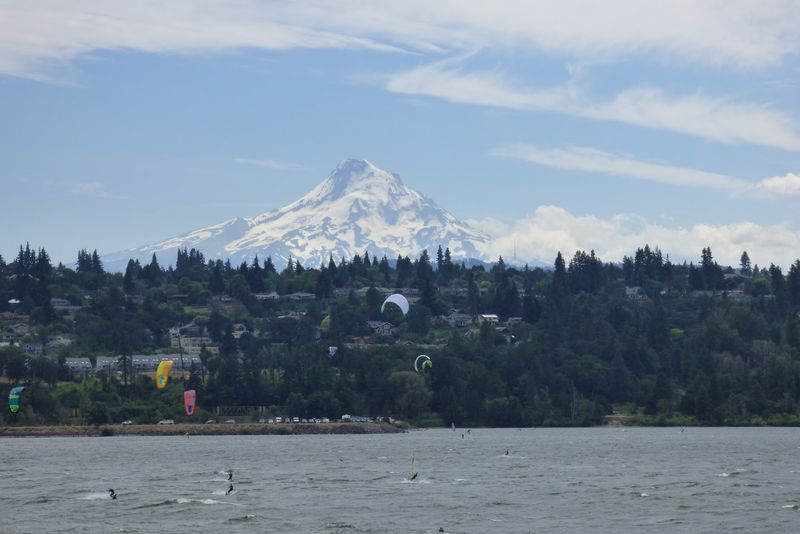
In Hood River, outdoor lovers instantly feel like they’ve found their crowd, and everyone else starts wondering why they aren’t outside more.
Set along the Columbia at 202 Cascade Ave, Suite B, Hood River, OR 97031, the city is flanked by the river on one side and Mount Hood on the other, which is an absurd amount of natural scenery for one zip code.
The Columbia River Gorge National Scenic Area is right at the doorstep, with over 800 miles of trails winding through basalt cliffs and past more waterfalls than you can reasonably visit in a weekend.
Multnomah Falls is the famous one, and for good reason, but the lesser-visited falls like Latourell, Bridal Veil, and Wahkeena are just as beautiful and far less crowded.
The Historic Columbia River Highway is one of the most scenic road trips in the entire country, engineered in 1913 to showcase the gorge at a horse-and-buggy pace.
Hood River itself has a thriving orchard culture, with fruit stands lining the Fruit Loop route through the valley. The pears and cherries grown here under the shadow of Mount Hood have a flavor that commercial shipping simply cannot replicate.
Go in late summer when everything is ripe and the mountain is clear.
7. Mount Hood And Government Camp
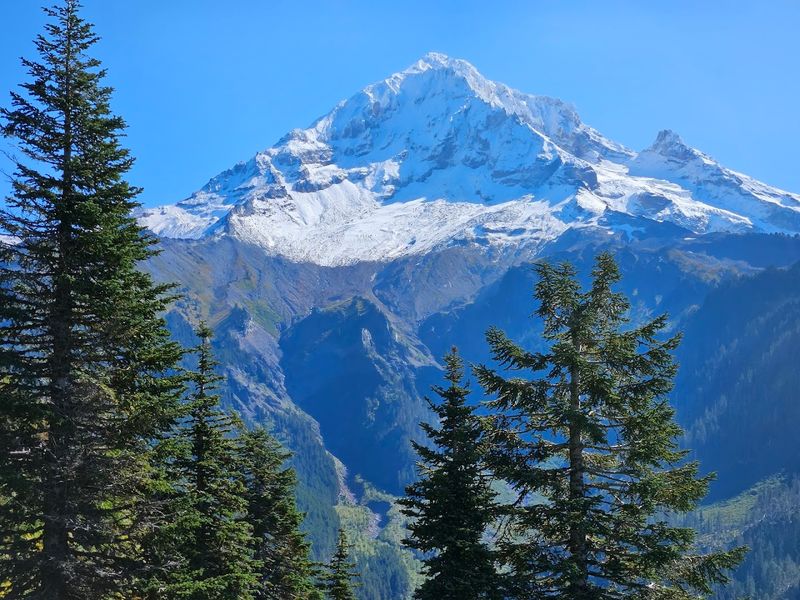
Standing at 11,249 feet, Mount Hood is the kind of mountain that demands attention whether you want it to or not.
It appears in your rearview mirror on the drive out of Portland, and by the time you reach Government Camp at 88900 Government Camp Loop, Government Camp, OR 97028, it feels like the whole landscape has reorganized itself around the volcano.
Timberline Lodge, built by the Works Progress Administration in the 1930s, is one of the finest examples of rustic American craftsmanship anywhere in the country, and it is open year-round.
The lodge served as the exterior for the Overlook Hotel in Stanley Kubrick’s The Shining, which adds a delightfully eerie layer to any visit. Summer hiking around Mirror Lake and the Ramona Falls trail reveals a mountain that is just as spectacular without snow as it is buried in it.
The Zigzag Canyon viewpoint near the Timberline Trail is one of those spots that stops conversations mid-sentence.
Government Camp itself is a small mountain community with a genuine ski town character, unpretentious and focused entirely on the outdoors. Skibowl offers summer activities including mountain biking and the world’s largest lighted ski area once the snow returns.
Mount Hood is not a backdrop. It is the whole point.
8. Bend
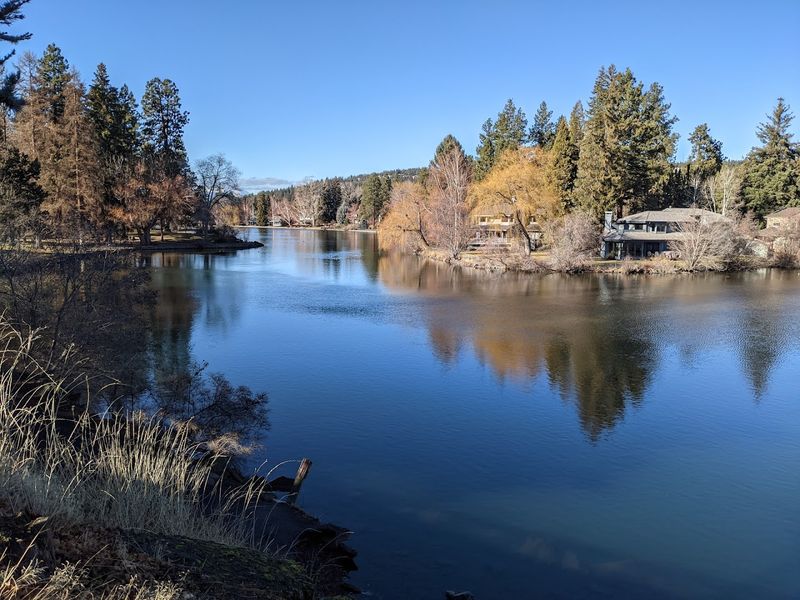
Bend sits on the eastern edge of the Cascades where the pine forests thin out and the sky gets enormous, and that transition from green to high desert is part of what makes the city so addictive.
Located near 750 NW Lava Rd, Suite 160, Bend, OR 97701, this is a city that has figured out how to grow without losing what made it worth visiting in the first place. The Deschutes River runs right through town, with a trail system along its banks that connects neighborhoods, parks, and the famous Bend Whitewater Park.
The Cascade Lakes Scenic Byway west of town is a summer highlight, winding past volcanic peaks, alpine lakes, and lava fields that look like they belong on another planet.
Smith Rock State Park, about 25 miles north, is a world-class climbing destination with orange-and-gold rock formations rising 400 feet above the Crooked River. Sunrise at Smith Rock is the kind of thing that recalibrates your whole morning routine.
Downtown Bend has a compact, walkable energy with good coffee roasters, bookshops, and a Saturday Market that runs through fall.
Bend is genuinely one of the most livable small cities in the American West, and a weekend visit makes it very easy to understand why people never stop talking about moving there.
9. Sisters
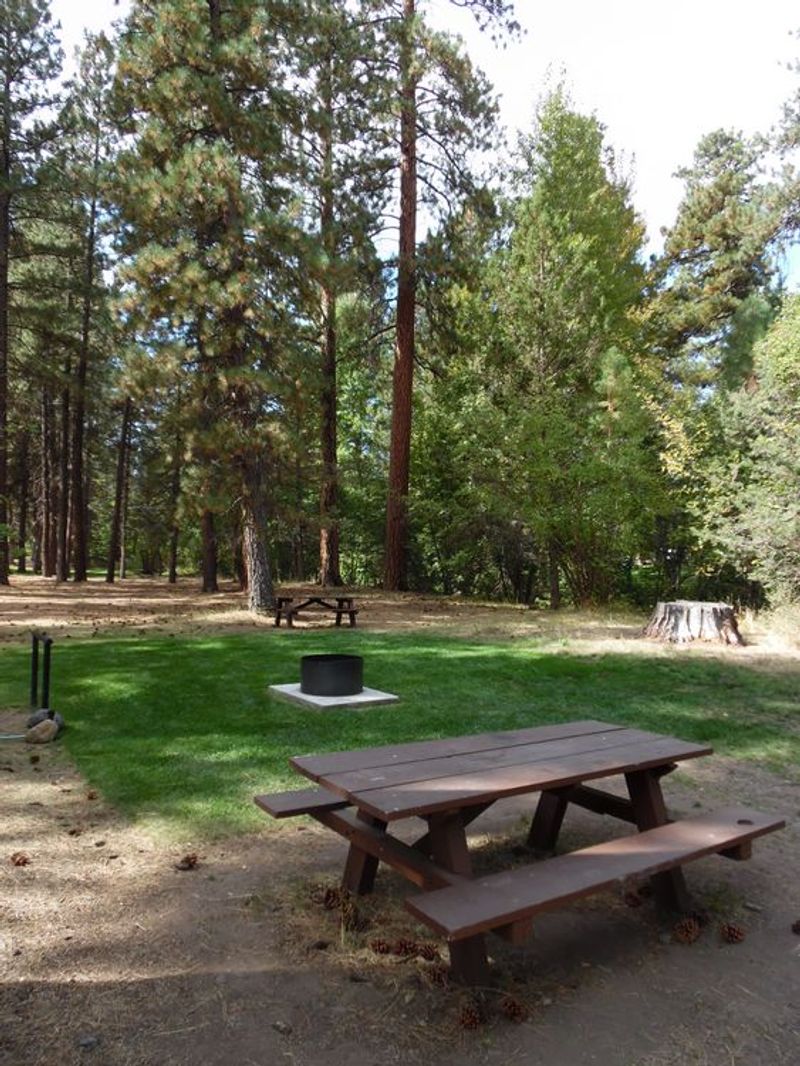
Sisters is the town that looks like a movie set version of the Old West but turns out to be completely genuine, and that surprise is part of its charm.
Just 22 miles from Bend along Highway 20, the town center anchors at 291 E Main Ave, Sisters, OR 97759, and the Three Sisters volcanic peaks frame the view from almost every street corner in a way that feels staged but is just geography being generous.
The Western-style facades along the main street were actually adopted in the 1970s to attract tourism, and the strategy worked so well that it became the town’s real identity.
The Sisters Outdoor Quilt Show, held each July, is the largest outdoor quilt show in the world, which sounds like a niche claim but draws thousands of people annually to see hundreds of quilts hanging from buildings across town.
The surrounding landscape is prime mountain biking territory, with the Peterson Ridge Trail system offering everything from beginner loops to technical singletrack through the ponderosa pines.
Camp Sherman, a tiny community along the Metolius River a few miles north, is one of the most peaceful spots in Oregon, with crystal-clear spring-fed water and fly fishing that borders on meditative.
Sisters is proof that small towns with big mountains nearby do not need to try very hard.
10. Ashland
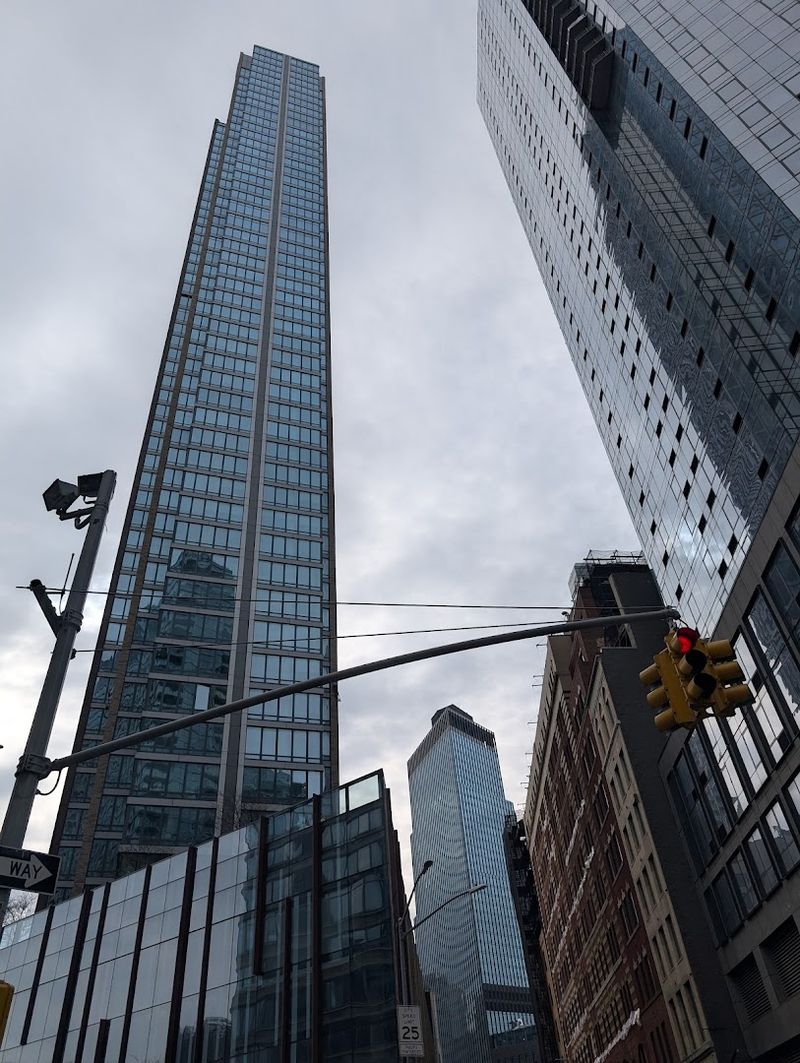
You can be halfway through your coffee when someone casually mentions Shakespeare, and only then does it click that you’re in Ashland, where that’s just the cultural baseline.
Located in the Rogue Valley near the ODOT Siskiyou Rest Area off I-5 Northbound at Milepost 12.7, Ashland, OR, the city is home to the Oregon Shakespeare Festival, which has been running since 1935 and is one of the largest regional theater organizations in the United States.
The festival runs from February through October across three stages, and the outdoor Elizabethan Theatre is one of the most atmospheric performance venues in the country.
Lithia Park, designed by the same landscape architect behind Golden Gate Park in San Francisco, winds along Ashland Creek through 100 acres of gardens, trails, and open meadows.
The mineral springs that give the park its name feed two fountains in the plaza where you can taste the sulfurous water, a ritual that everyone does once and most people do not repeat. The downtown plaza is filled with galleries, independent bookstores, and restaurants that take their sourcing seriously.
Mount Ashland Ski Area sits 18 miles south and offers a completely different side of the city in winter, with views into California on clear days.
Ashland earns its reputation as Oregon’s most culturally rich small city, and it does so without any visible effort.
11. Joseph And Wallowa Lake
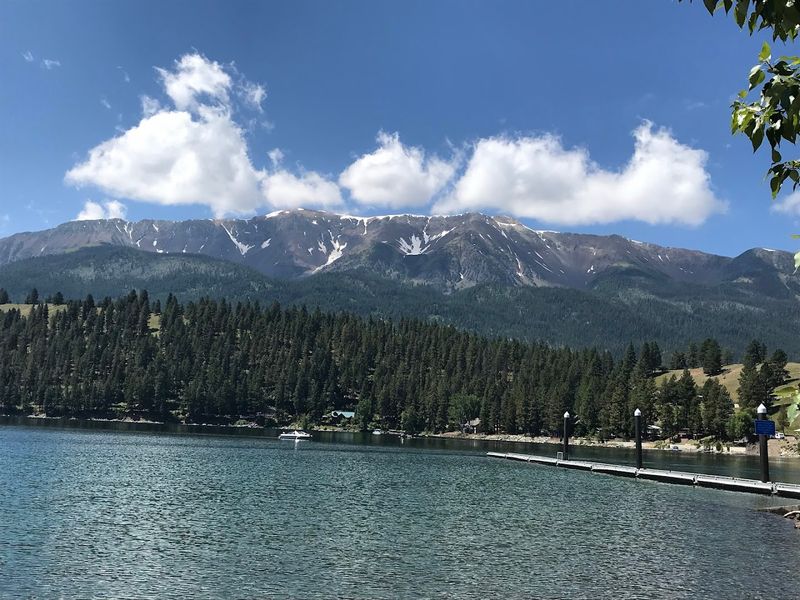
Joseph is the kind of place that takes a few hours to reach from anywhere and rewards every minute of that drive.
Tucked into the Wallowa Mountains of northeast Oregon, the town centers around 201 E 2nd St, Joseph, OR 97846, and it has quietly become one of the most respected bronze casting communities in the American West.
The main street galleries showcase work from Valley Bronze of Oregon, one of the largest fine art foundries in the country, and the quality of public sculpture around town is genuinely remarkable for a city of 1,000 people.
Wallowa Lake, just south of town, sits at 4,400 feet and is surrounded by peaks that top 9,000 feet in the Eagle Cap Wilderness.
The lake is glacier-carved and extraordinarily clear, with a state park at its southern end offering camping, a marina, and a tramway that climbs to 8,150 feet for views that stretch into Idaho and Washington.
The Wallowa Lake Tramway is the steepest gondola in North America.
The Nez Perce people have deep historical ties to this valley, and the Nez Perce National Historical Park sites in the area tell that story with care and depth.
Joseph and Wallowa Lake together form one of the most undervisited spectacular destinations in the entire Pacific Northwest, and that is a genuinely hard combination to find.
12. Alvord Desert And Steens Mountain
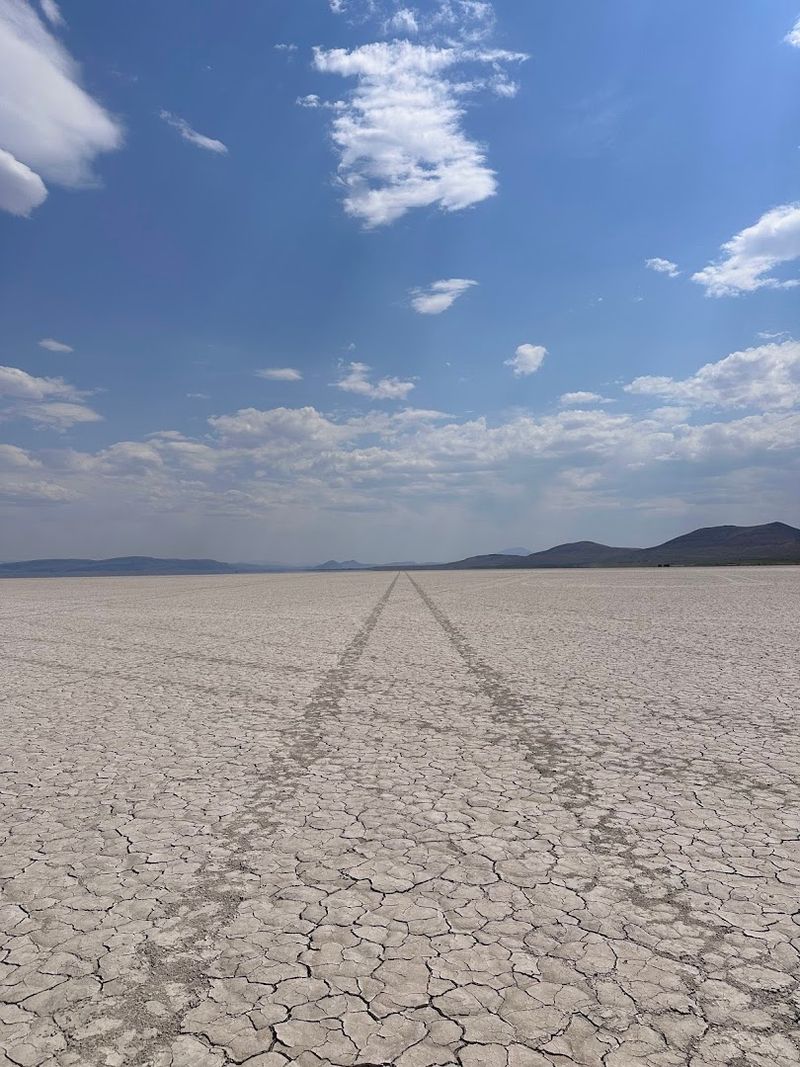
The Alvord Desert sits in the rain shadow of Steens Mountain in southeastern Oregon, and the first time you see it, your brain genuinely struggles to process that you are still in the same state as the rainy coast.
There is no single street address for the Alvord playa, because the playa is just the land, flat and white and enormous, stretching across roughly 100 square miles of ancient lake bed.
The silence here is the kind you have to experience to understand, not peaceful quiet but actual absence of sound, the kind that makes your ears ring slightly.
Steens Mountain rises dramatically to the west, reaching 9,733 feet and creating a fault-block escarpment that drops nearly a mile on its eastern face.
The Steens Mountain Backcountry Byway is a seasonal dirt road that climbs through aspen groves, past glacially carved gorges, and up to a summit ridge with views into Nevada. Fields, the tiny community nearby, has a store and cafe that serves pie to grateful travelers who have driven very long distances.
Alvord Hot Springs sits at the edge of the desert with rustic soaking tubs fed by geothermal water, framing Steens Mountain across the playa in a way that feels almost too cinematic to be real.
If you want to understand what Oregon looks like when it stops performing for tourists, drive to the Alvord. The question is not whether you will want to come back.
It is how soon you can manage it.