
9 Oregon Towns Where Retirees Can Enjoy A Relaxed And Comfortable Lifestyle
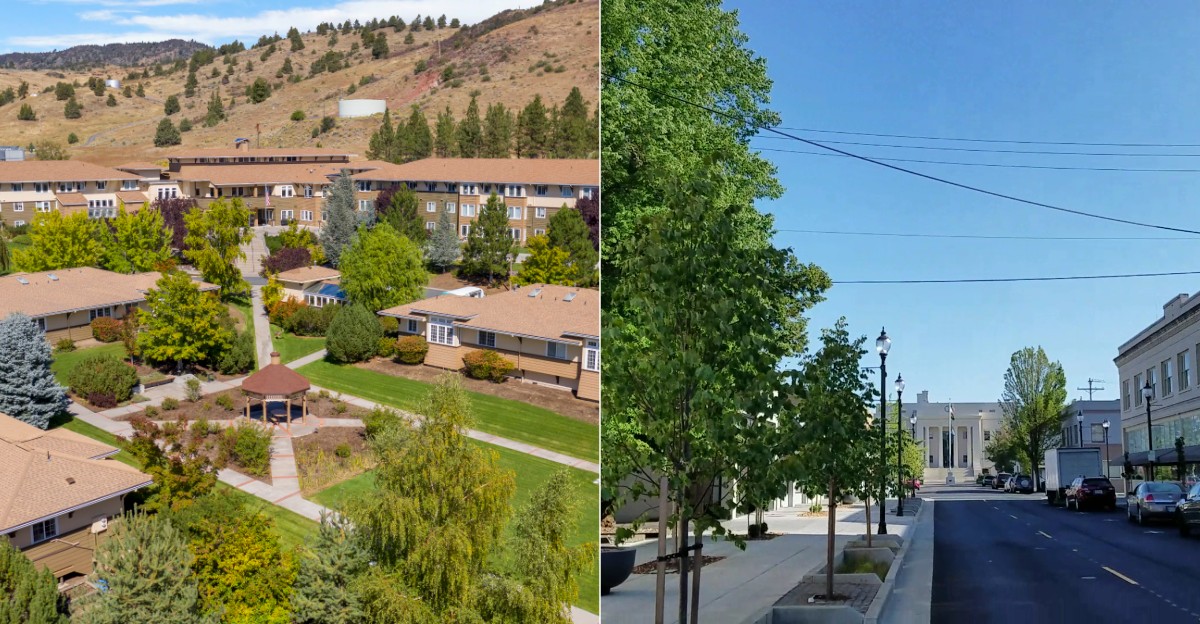
Retirement should come with fewer alarms, shorter errands, and absolutely nobody scheduling a meeting at 8 a.m.
That’s where Oregon starts looking pretty appealing. Beyond the headline-grabbing cities are smaller communities where daily life moves at a friendlier speed, downtowns are easy to navigate, and your afternoon plans can be as ambitious as coffee, a walk, and figuring out what’s for dinner.
Too quiet? Not necessarily.
The right town still gives you restaurants, parks, local events, useful services, and enough going on that Tuesday doesn’t become an endurance sport.
We narrowed it down to nine Oregon towns where retirees can settle into a comfortable routine without feeling cut off from everything. Think less hustle, more breathing room, and far fewer reasons to check the clock.
1. Florence
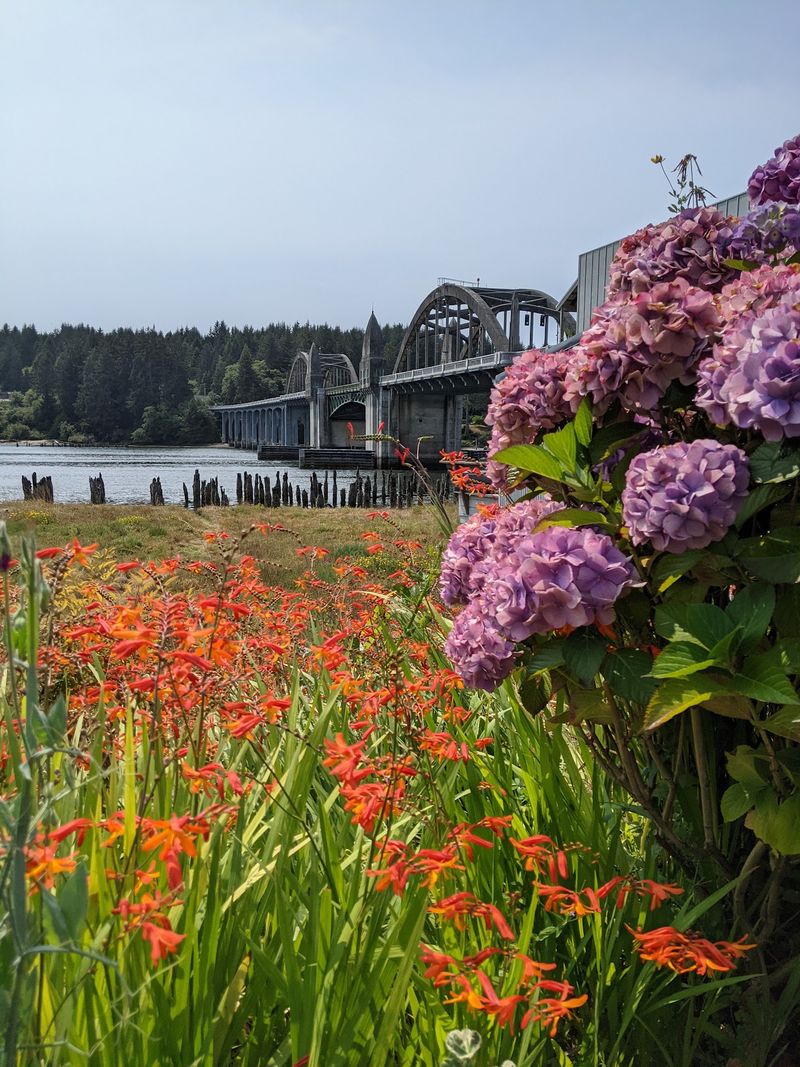
Picture waking up to the sound of ocean waves, stepping outside to mild 67-degree summer air, and having the Oregon Dunes National Recreation Area basically as your backyard. Florence is that kind of town, the one that makes you wonder why you ever lived anywhere else.
Sitting at the mouth of the Siuslaw River, this coastal gem has a median age of 60.8, meaning the community genuinely understands retirement rhythms.
Housing costs are real and worth knowing upfront. Median home sale prices in Spring 2026 hovered between $427,000 and $488,000, so home equity often plays a big role in making the budget work here.
Rentals range widely, from around $744 to $1,695 per month, giving retirees some flexibility depending on what they need.
The Historic Old Town delivers quaint shops, solid dining, and a Senior Center that actually feels welcoming. PeaceHealth Peace Harbor Medical Center anchors healthcare on the central coast.
The Rhody Express bus runs Monday through Friday, wheelchair accessible and bike friendly, connecting residents without the need for a car. The drive to Eugene takes about an hour over a winding mountain pass, which is lovely for day trips but not something you would want to do daily.
For those craving coastal serenity with genuine community backbone, Florence genuinely delivers.
2. Newport
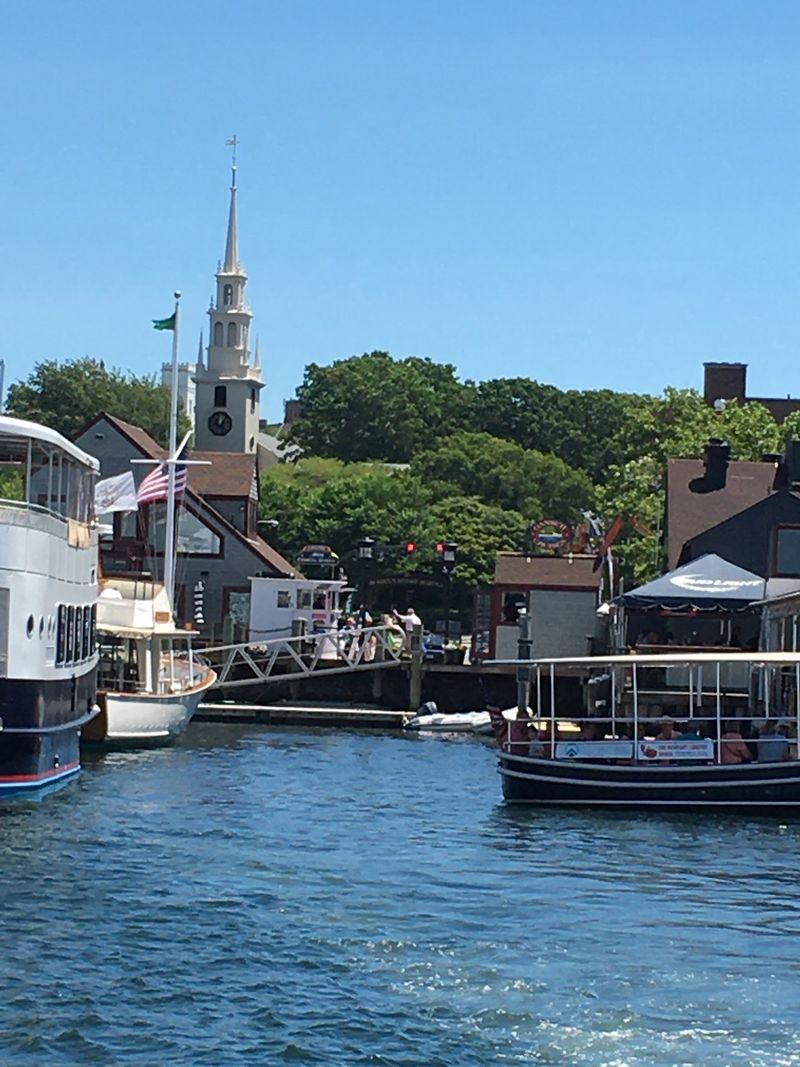
Newport has this rare quality where a Tuesday afternoon feels like a weekend getaway. Sitting on the central Oregon coast, it blends working fishing harbor energy with genuine small-town warmth in a way that very few places pull off.
The population sits around 11,000, and the town draws retirees who want ocean access without the isolation that comes with some smaller coastal spots.
Home prices in Newport have climbed steadily, with median values in the mid-to-upper $400,000 range as of 2025 and 2026, reflecting statewide coastal demand. Rental options exist but inventory can be tight, particularly in peak visitor seasons, so planning ahead is genuinely useful.
Oregon’s statewide property tax deferral program applies here for qualifying seniors, which helps take some pressure off fixed incomes.
Samaritan Pacific Communities Hospital provides hospital-level care right in town, which matters enormously when specialist access is a priority. The Oregon Coast Aquarium and Hatfield Marine Science Center give intellectual curiosity a real outlet.
Farmers markets, bookshops, and a lively bayfront restaurant scene round out daily life nicely. Coastal fog and winter rain are consistent companions, so packing layers is not optional.
Newport rewards retirees who embrace the moody Pacific Northwest atmosphere and want a town with genuine soul.
3. Coos Bay
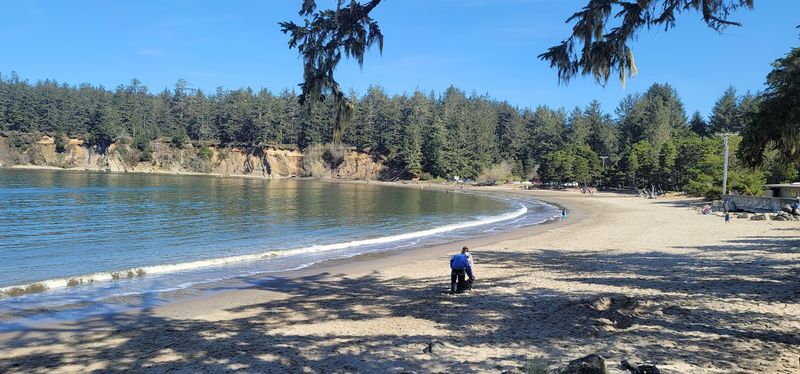
Coos Bay carries the title of largest city on the Oregon coast, and it wears that distinction with a refreshingly unpretentious attitude. This is not a town trying to be a postcard.
It is a real, working community with actual grocery stores, a hospital, and neighborhoods where people genuinely know each other. For retirees who want coastal proximity without coastal price tags at their steepest, Coos Bay offers a compelling case.
Median home prices in the Coos Bay area have generally tracked below Oregon’s coastal average, with values in the low-to-mid $300,000 range reported through 2025, though the market shifts, so current research is always wise. The town sits adjacent to North Bend, and together they function as a regional hub for the southern Oregon coast, offering more services than most coastal towns their size.
Bay Area Hospital provides full hospital services, including specialty care that smaller coastal towns simply cannot match. Shore Acres State Park, Cape Arago, and the Oregon Dunes are all within easy reach for outdoor enthusiasts.
The climate stays mild year-round, though coastal fog and rain are part of the package from fall through spring. Coos Bay is a place where retirement feels grounded and real, without the pressure to perform a certain kind of lifestyle for anyone else.
4. Roseburg
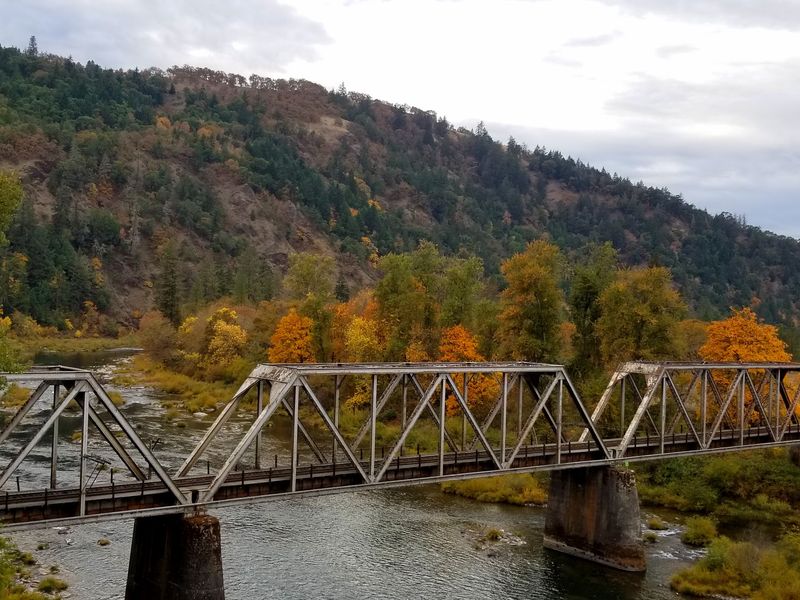
Tucked into the Umpqua Valley between the Coast Range and the Cascades, Roseburg is the kind of town that sneaks up on you with how much it actually offers. The surrounding landscape is legitimately stunning, with the North Umpqua River carving through forested hills and the weather leaning sunnier and warmer than most of western Oregon.
Average summer highs sit in the comfortable mid-80s Fahrenheit, making outdoor living genuinely enjoyable for most of the year.
Housing costs here are among the more accessible in western Oregon, with median home prices in the low-to-mid $300,000 range through 2025 and into 2026. That relative accessibility gives retirees more financial breathing room compared to coastal or Portland-area markets.
Oregon’s statewide senior property tax deferral program applies here for those who qualify, adding another layer of support.
Mercy Medical Center provides full hospital services, and the broader Douglas County area has seen growth in medical infrastructure in recent years. Downtown Roseburg has a genuine farmers market scene, local restaurants, and community events that keep the calendar interesting.
Wildlife Safari in nearby Winston is one of those genuinely surprising regional gems. Wildfire smoke can affect air quality during dry summer months, which is a real consideration for retirees with respiratory concerns.
Roseburg rewards those who want sunshine, river access, and a slower pace without sacrificing essential services.
5. Grants Pass
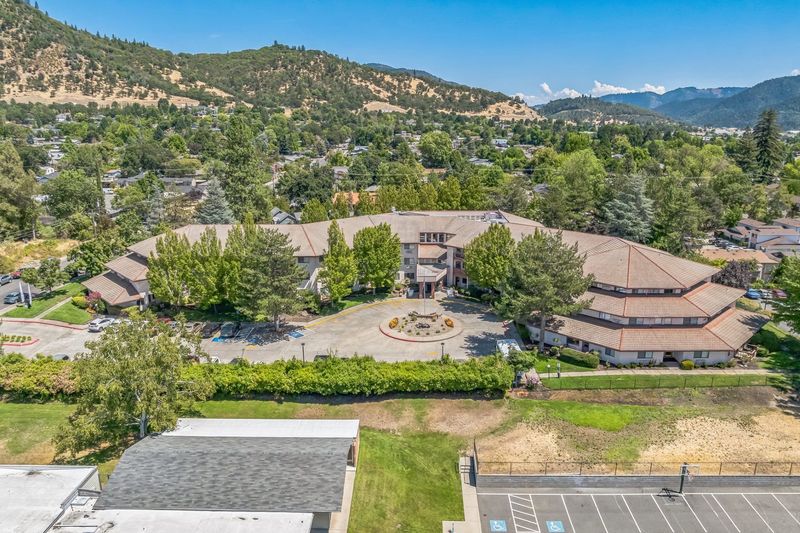
Grants Pass has a motto painted right on a downtown sign: “It’s the climate!” And honestly, for a retirement town in southern Oregon, that slogan earns its keep.
With over 200 sunny days per year on average and summer temperatures that are warm without being brutal, this Rogue River town gives outdoor enthusiasts a genuinely long season to work with.
The Rogue River itself is a major draw, offering fishing, rafting, and scenic float trips that never really get old.
The population sits around 40,000, making Grants Pass one of the larger towns on this list, which translates to more services, more dining variety, and more healthcare options than smaller rural communities offer. Median home prices have ranged in the mid-to-upper $300,000s through 2025 and 2026, which represents a meaningful step below coastal Oregon markets while still reflecting the town’s growing popularity.
Three Rivers Medical Center provides hospital-level care locally, and proximity to Medford, roughly 30 miles south, expands specialist access considerably. The Saturday Market runs spring through fall and has become a genuine community institution.
Hellgate Jetboat Excursions on the Rogue River is the kind of experience that makes visiting family members suddenly very interested in your retirement location. Wildfire smoke in late summer is a recurring reality in this region, worth factoring into any serious retirement planning conversation.
6. Klamath Falls
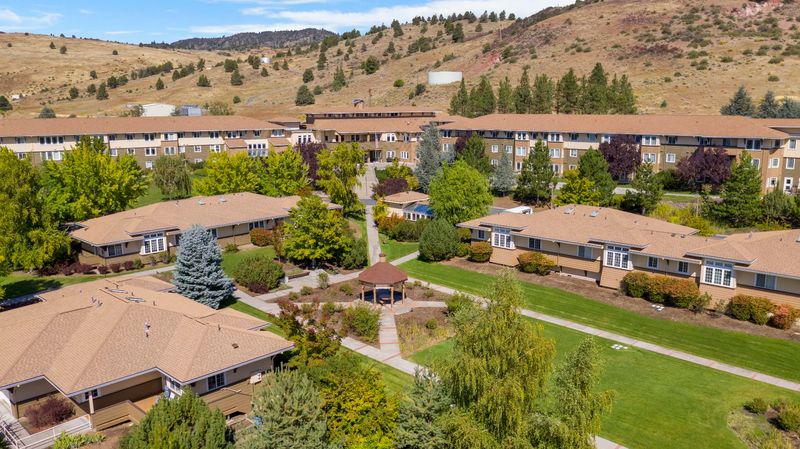
Klamath Falls sits at roughly 4,100 feet elevation on Oregon’s high desert plateau, and that geography shapes everything about daily life here. Winters are cold and snowy, summers are sunny and dry, and the sky seems to go on forever in every direction.
For retirees who grew up in four-season climates and actually miss a proper winter, Klamath Falls scratches that itch without the extreme isolation of truly remote mountain towns.
Housing costs here are among the lowest of any Oregon city with a hospital, with median home prices frequently reported in the $200,000 to $280,000 range through 2025.
That kind of entry point makes homeownership genuinely accessible for retirees on fixed incomes, especially combined with Oregon’s statewide property tax deferral program for qualifying seniors.
Sky Lakes Medical Center provides full hospital services, including a range of specialty care that makes Klamath Falls a regional healthcare hub for a large surrounding area. Upper Klamath Lake is one of the largest freshwater lakes in the Pacific Northwest, offering fishing, birding, and kayaking right at the edge of town.
Crater Lake National Park is about an hour’s drive away, which is the kind of neighbor that never stops impressing. Snow removal and cold winters are genuine logistical considerations, and specialist healthcare beyond what Sky Lakes offers requires travel to larger cities.
7. La Grande
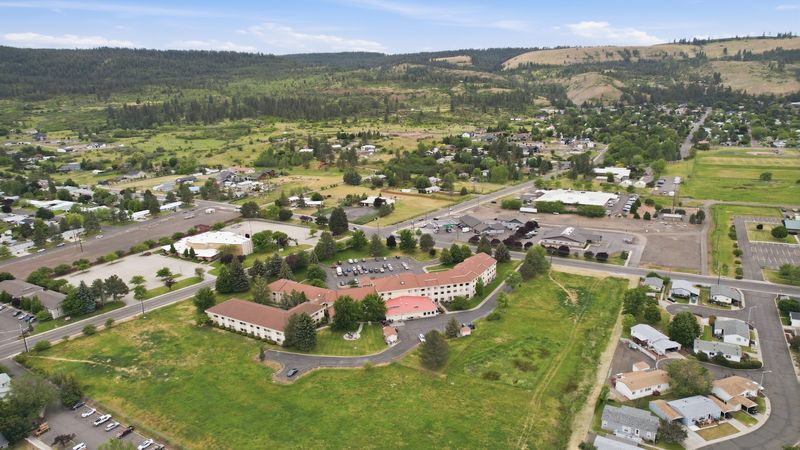
La Grande is the kind of place that geography textbooks would describe as a valley town, but that clinical description sells it completely short. Nestled in the Grande Ronde Valley and cradled by the Blue Mountains, this eastern Oregon city has a physical setting that genuinely earns the word breathtaking.
Eastern Oregon University gives the town an intellectual energy and cultural programming that you simply would not expect from a community of around 13,000 people.
Housing costs in La Grande are among the most accessible in Oregon, with median home prices consistently reported in the $200,000 to $260,000 range through 2025 and 2026.
That affordability, combined with Oregon’s senior property tax deferral program for eligible homeowners, makes La Grande financially compelling for retirees stretching a fixed income.
The trade-off is distance: Portland is roughly four and a half hours away, and Boise is about two and a half hours southeast.
Grande Ronde Hospital provides hospital-level care locally, though complex specialist needs often require travel to Boise or Portland. Summers are warm and sunny, winters bring genuine snow, and the surrounding Wallowa-Whitman National Forest offers hiking, fishing, and wildlife viewing across an enormous area.
The Wallowa Mountains, sometimes called the Alps of Oregon, are close enough for day trips that feel like small adventures. La Grande suits retirees who value authenticity, natural beauty, and a community that has not been discovered by everyone yet.
8. Dallas
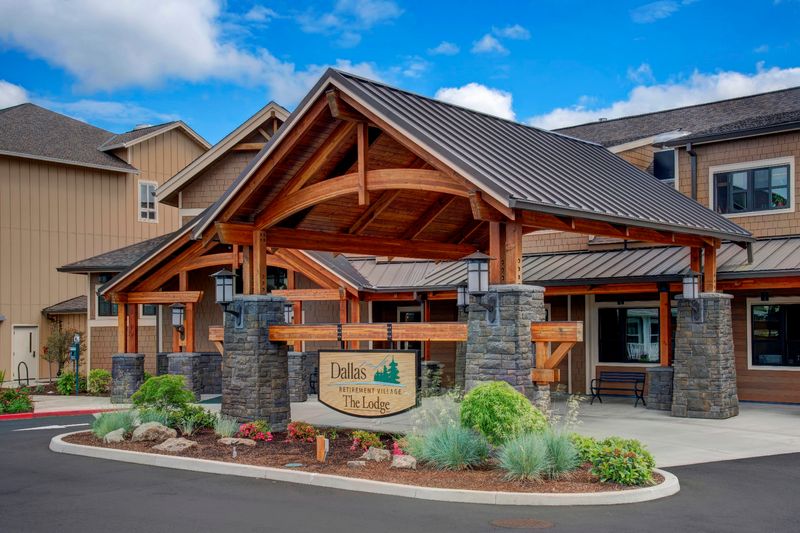
Dallas, Oregon sits in the heart of the Willamette Valley, about 15 miles west of Salem, and it has quietly become one of those towns that retirement-focused researchers keep circling back to.
The town has a population of around 17,000, a genuinely walkable downtown core, and the kind of community feel that larger cities spend millions trying to manufacture.
Being close to Salem means big-city services, including major hospitals and specialty medical care, are never far away.
Home prices in Dallas have tracked below Salem and the broader mid-valley market, with median values frequently in the $300,000 to $350,000 range through 2025. That relative value, within easy driving distance of a state capital, is a combination that is harder to find than it sounds.
Oregon’s property tax deferral program for seniors applies here for those who meet income and residency requirements.
The Willamette Valley climate is mild, with warm summers and rainy winters, but rarely extreme in either direction. Basket Slough National Wildlife Refuge sits just outside town and offers birding and nature walks through wetland habitat that changes beautifully with the seasons.
The town has a farmers market, community events, and a historic downtown that rewards slow, exploratory walks. Dallas is the retirement town that does not need to shout about itself because the people who find it tend to stay, and that says everything.
9. Albany

Albany holds a genuinely impressive distinction: it has one of the largest collections of historic homes in Oregon, spanning Victorian, Craftsman, and Colonial Revival styles across neighborhoods that feel like stepping into a different era.
For retirees who appreciate architecture, history, and a town that has maintained its character without becoming a museum piece, Albany is a surprisingly rich find.
The population sits around 57,000, making it one of the larger entries on this list and one of the most service-rich.
Median home prices in Albany have generally ranged from the mid-$300,000s to low $400,000s through 2025 and 2026, reflecting its position as a growing mid-valley city with strong regional connectivity.
Albany sits right on Interstate 5, with Corvallis about 10 miles west and Salem about 25 miles north, which means specialty healthcare, shopping, and cultural events are genuinely accessible without requiring a full day trip.
Samaritan Albany General Hospital provides local hospital care, and proximity to Oregon Health and Science University facilities in the broader valley expands specialist options meaningfully.
The Willamette River runs along the edge of town, offering trails, fishing, and scenic views that make daily walks genuinely rewarding.
Albany’s Historic Carousel, fully restored and community funded, is the kind of project that tells you everything you need to know about how this town takes care of what it loves. Is there a better sign of a retirement-friendly community than that?