
12 Outstanding Detroit, Michigan Museums To Visit In 2026 For A Culture Filled Trip You Will Actually Remember

Some people plan vacations around beaches or hiking, but if you ask me, a city is only as good as its galleries. I’m a firm believer that there is no better way to spend a day than getting lost in a museum. Detroit, however, is a masterpiece of its own.
People arrive expecting nothing but grit, but they leave having discovered absolute genius. This city packs more cultural punch per block than places twice its size, offering everything from staggering world-class art to the sacred ground where the Motown sound was born.
Whether you’re geeking out in a hands-on science lab or standing in awe before a floor-to-ceiling mural, the curated energy here is infectious.
Explore the best museums in Detroit for 2026, featuring world-class art galleries, the historic spots, and interactive science centers that make Michigan’s largest city a top cultural destination. If you’re a fellow museum-dweller who thrives on discovery, Detroit is your playground.
1. Detroit Institute Of Arts
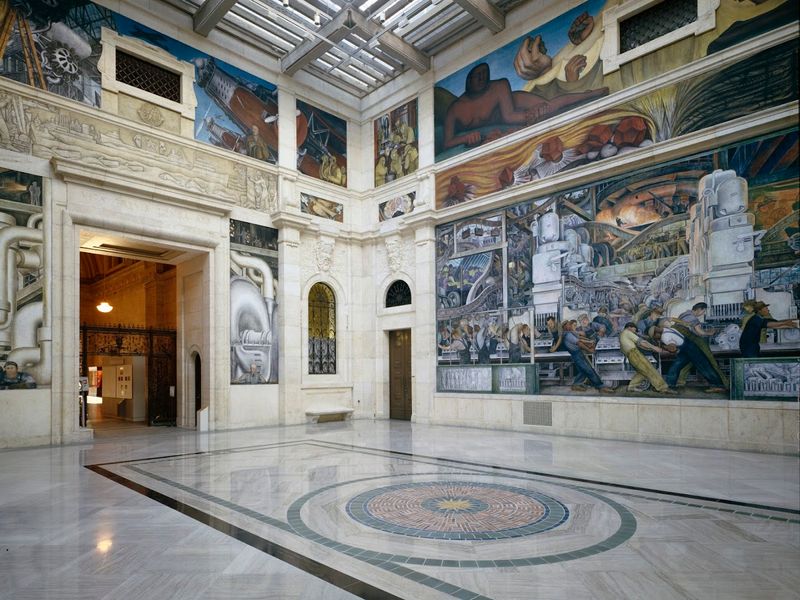
Standing inside the Detroit Institute of Arts feels like walking into a conversation that has been going on for centuries.
It is the crown jewel of the city’s cultural scene, and quite frankly, one of the most significant art collections in the United States.
The Diego Rivera Murals in the main court alone are worth the trip. Painted between 1932 and 1933, they capture the mechanical roar of Ford’s River Rouge plant with a scale and honesty that still stops people mid-step.
There is something deeply moving about seeing the grit of Detroit’s industrial past elevated to the level of high art in such a grand, marble-clad setting.
The museum holds more than 65,000 works spanning everything from ancient Egypt to contemporary global painting.
If you are a resident of Wayne, Oakland, or Macomb counties, admission is free, a wonderful testament to the city’s commitment to making culture accessible.
When you visit, make sure you wear comfortable shoes because the galleries sprawl beautifully across multiple floors.
You’ll want to plan for at least three hours just to see the highlights, and even then, you’ll likely feel the pull to stay longer.
2. Motown Museum
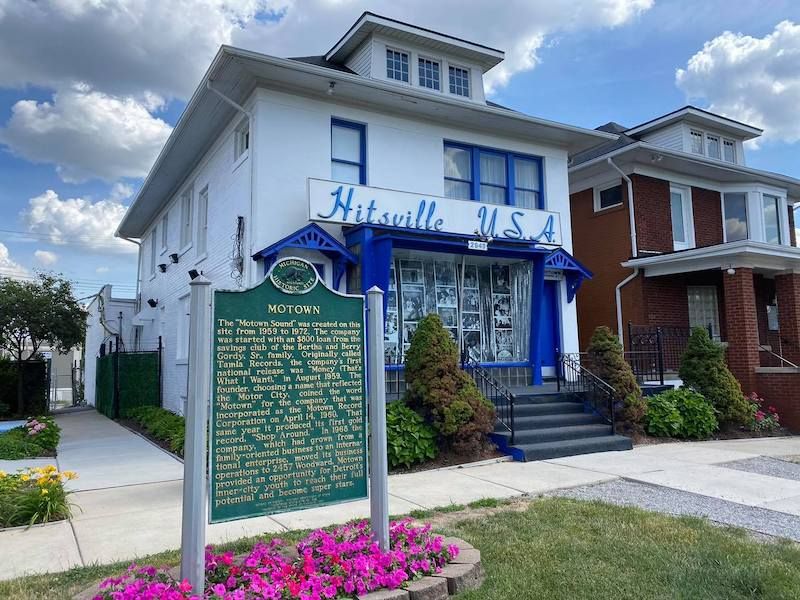
There is a small white house on West Grand Boulevard with a hand-painted sign that reads Hitsville U.S.A., and it carries more musical history per square foot than almost any building in America.
This is the legendary Motown Museum, where Berry Gordy launched Motown Records in 1959.
Stepping inside is a nostalgic trip back to an era when a small group of talented musicians changed the sound of the world forever.
Studio A, the original recording room, remains remarkably intact, looking almost exactly as it did when the Sound of Young America was being forged in the middle of the night.
The guided tours are the only way to experience the museum, and they are genuinely engaging.
You’ll get the chance to stand on the same floor where icons like Marvin Gaye, Stevie Wonder, and Diana Ross recorded their earliest hits.
The tour guides are often the highlights themselves, bringing real enthusiasm and personal anecdotes to the stories of the label’s rise to global dominance.
Because this is such a hallowed site for music lovers, you should definitely book your ticket online in advance, the slots fill up faster than a chart-topping single.
3. Charles H. Wright Museum of African American History
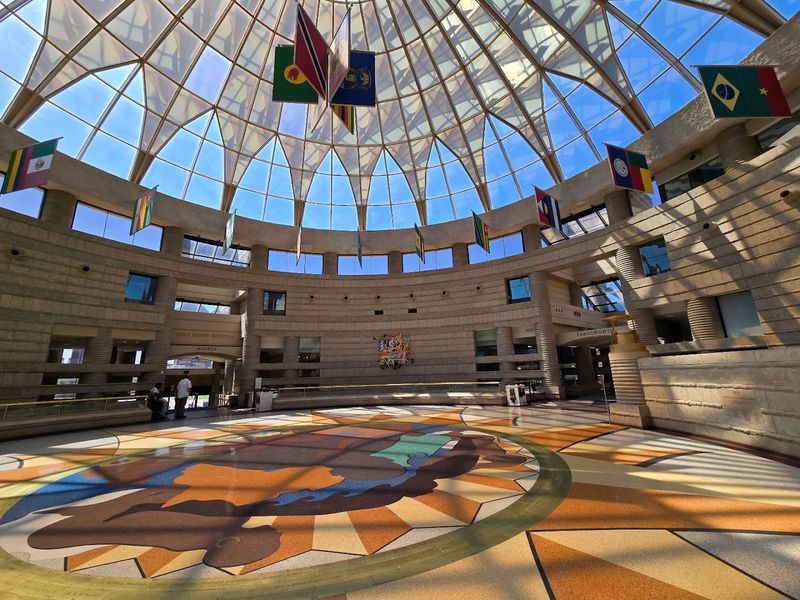
The rotunda of the Charles H. Wright Museum of African American History is a masterpiece of architectural storytelling.
Sunlight filters through the massive glass skylight, landing on a space that houses one of the largest collections dedicated to African American history in the entire world.
The anchor exhibit, And Still We Rise, is an immersive journey that traces the African American experience from ancient Africa through the Middle Passage and into the present day.
It is a profound, often emotional experience that provides necessary context for the story of Detroit and the nation at large.
Opened in 1965 and expanded significantly in 1997, the museum sits right in the heart of Detroit’s Cultural Center district.
This makes it incredibly easy to combine a visit here with a trip to the nearby science center or the art institute.
While special programming around Black History Month often draws larger crowds, the museum rewards a quiet weekday visit just as richly, allowing you to move through the exhibits at your own pace.
I’d recommend budgeting at least two to three hours to move through it thoughtfully.
4. Michigan Science Center
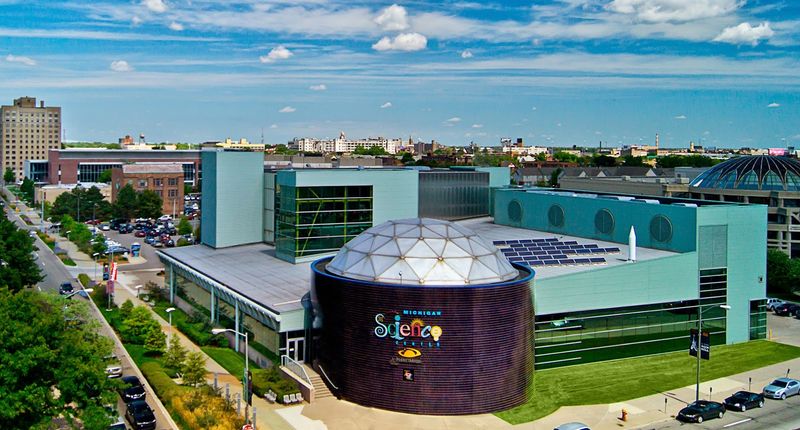
Few museums manage to make thermodynamics feel exciting, but the Michigan Science Center pulls it off with a sense of humor and high-energy interactivity.
The hands-on exhibits are designed to get visitors touching, testing, and occasionally getting slightly confused in the best way possible.
It isn’t just for kids, either, the sheer engineering marvels on display are enough to pique the curiosity of any adult who has ever wondered how the world actually works.
The DTE Energy Sparks Theater is a particular favorite, hosting live science demonstrations that involve electricity, fire, and plenty of oohs and aahs.
Located on John R Street in Midtown, the center is a fantastic morning stop before heading down the road for a more traditional gallery afternoon.
If you have some extra time, check the schedule for the Dassault Systèmes Planetarium, which offers immersive shows about the cosmos that are genuinely breathtaking.
The IMAX Dome Theater also adds a cinematic layer to the educational experience.
While families with kids between the ages of six and fourteen tend to get the most out of the exhibits, anyone with a spark of curiosity will find something to love.
5. Detroit Historical Museum
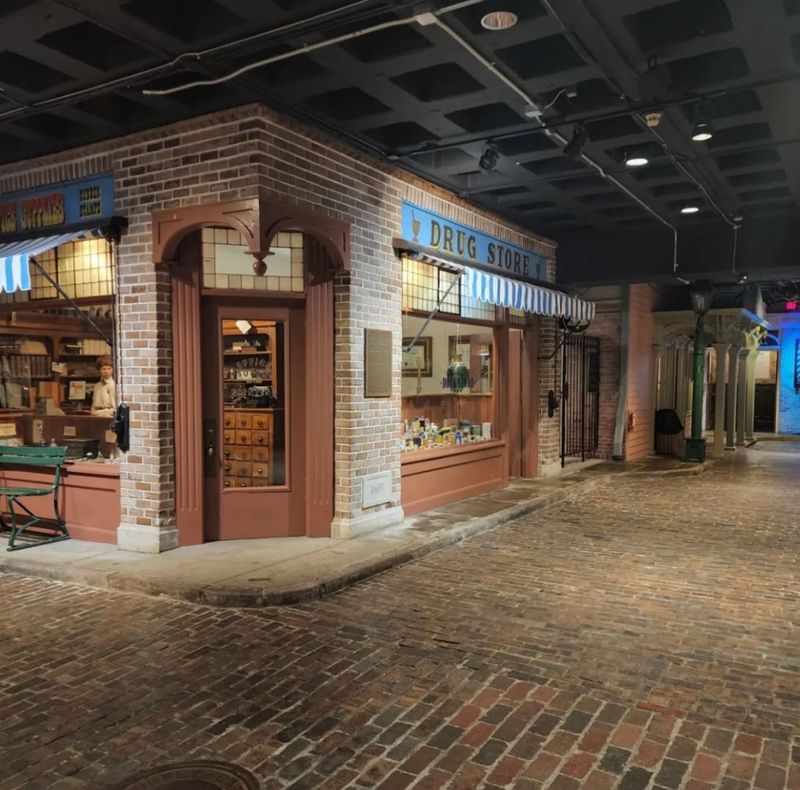
If you want to understand how a small fur-trading post became the Arsenal of Democracy, you have to visit the Detroit Historical Museum.
The Streets of Old Detroit exhibit is a fan favorite for a reason, you are suddenly standing in a recreated nineteenth-century commercial block, complete with period storefronts and actual cobblestones underfoot.
It is the kind of immersive display that makes history feel less like a dry textbook and more like a place you could actually wander through on a Tuesday afternoon.
The museum doesn’t shy away from the complexities of the city’s past, either.
It covers Detroit’s role in automobile manufacturing, labor history, and the 1967 uprising with a seriousness and nuance that is truly refreshing.
One of the best parts about this stop is that admission is free, making it one of the absolute best value spots on any Detroit itinerary.
Make sure you head to the lower level to find the Glancy Trains exhibit, it’s a massive model train display that serves as a quiet crowd-pleaser for both children and the young at heart.
It is a wonderful place to spend a rainy afternoon, tucked away from the Woodward Avenue bustle.
6. Dossin Great Lakes Museum

Sitting on Belle Isle in the middle of the Detroit River, the Dossin Great Lakes Museum occupies one of the most quietly spectacular locations of any museum in Michigan.
The building itself looks out over the shipping lanes, and on a clear day, you can watch massive freighters gliding silently past the windows, the very same types of ships described in the exhibits.
The collection focuses on Great Lakes maritime history, chronicling the triumphs and tragedies of life on the inland seas.
The centerpiece of the museum is the Gothic Room, an exquisitely carved lounge salvaged from a 1912 Great Lakes passenger steamer.
It’s a beautiful reminder of the era of luxury floating palaces that used to ferry people between Detroit and Buffalo.
You can also stand at the helm in the William Clay Ford Pilothouse, which was removed from a real freighter and attached to the museum building, giving you a captain’s view of the river.
Remember that Belle Isle is a Michigan state park, so you’ll need a vehicle recreation passport or pay a small entry fee to get onto the island, but the museum itself only asks for a modest admission fee.
7. Museum Of Contemporary Art Detroit

MOCAD occupies a former auto dealership on Woodward Avenue, and the bones of that building, high ceilings, raw concrete, and wide-open floor plates, turn out to be a near-perfect setting for contemporary art.
Because the museum doesn’t have a permanent collection, the space changes completely every few months.
What you see during a January visit will likely look nothing like the installations that greet you in October.
This constant state of flux makes it one of the most exciting stops in the city for those who crave the new.
The programming here tends to reflect Detroit’s own creative restlessness, with exhibitions that pull from music, architecture, and social practice alongside traditional visual art.
It feels raw and experimental, mirroring the DIY spirit that has defined the city for the last two decades.
There is a well-curated bookshop filled with indie zines and art books, and the Cafe 78 doubles as a neighborhood gathering spot where you can grab a great latte.
Admission is free, though they suggest a donation to keep the lights on and the art flowing.
8. Ford Piquette Avenue Plant Museum
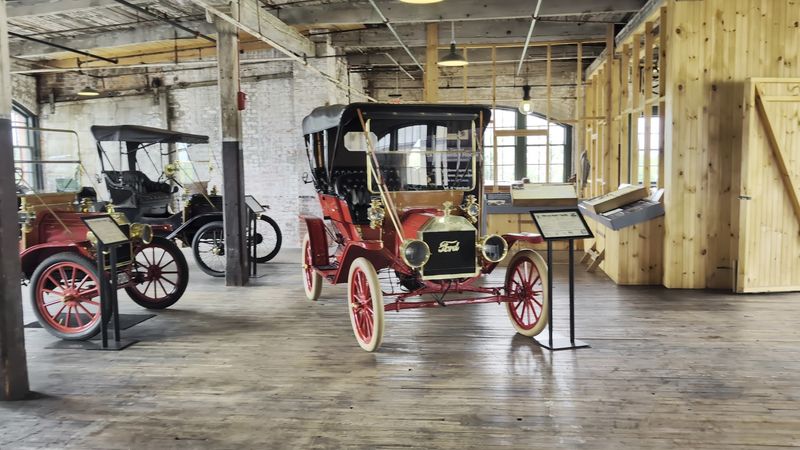
The Model T was born in this building, and that fact lands differently once you are standing on the original wooden factory floor.
Looking at early production vehicles in the same space where Henry Ford’s engineers first figured out how to mass-produce them is a powerful experience.
The Piquette Avenue Plant is the oldest surviving automobile factory building in the world open to the public, and it feels like a cathedral of industry.
Built in 1904, the brick structure has been carefully preserved rather than polished into a sterile, theme-park version of itself.
You can still see the wear on the floors and the original fire suppression systems, which makes the history feel genuinely tangible.
The volunteer guides are incredibly knowledgeable and often share stories that add a layer of human texture to the mechanical history.
It’s important to note that the plant is open seasonally and isn’t climate-controlled like a modern museum, so you should check the schedule and dress for the weather before planning a winter trip.
It’s a bit of a hidden gem, located just north of the more famous cultural district, but it is an essential stop for anyone interested in the Motor City legacy.
9. Dabls MBAD African Bead Museum
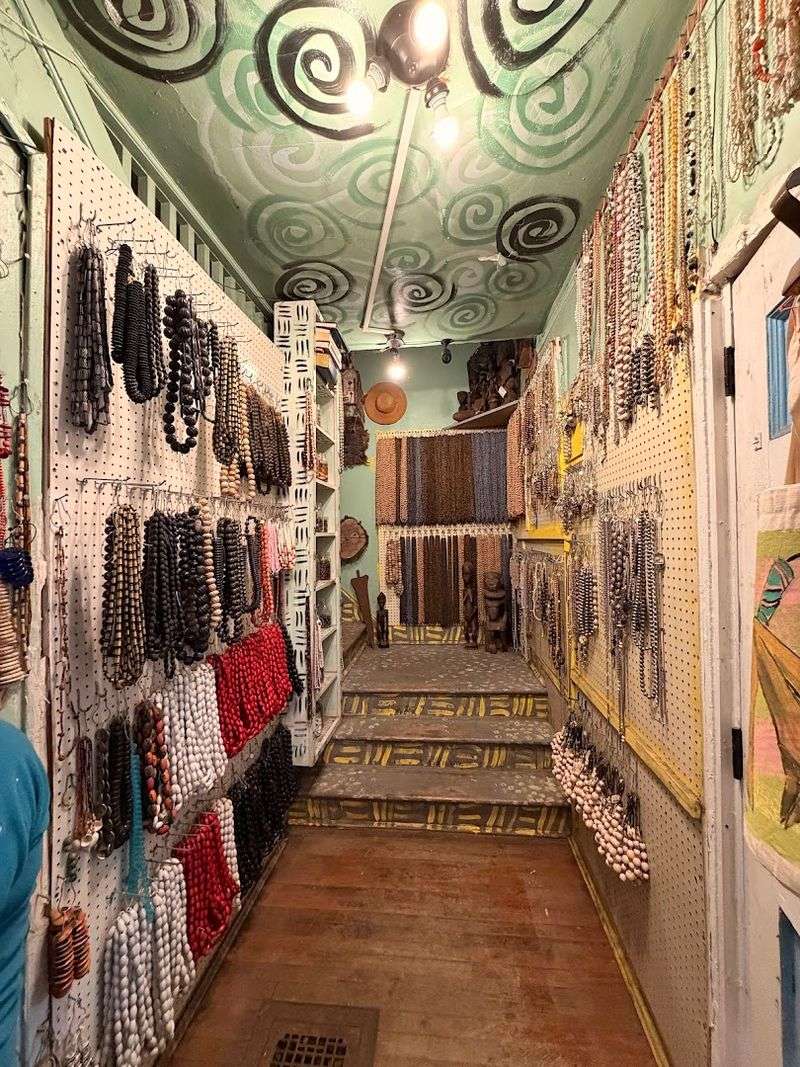
Nothing else in Detroit, or perhaps the world, looks quite like the Dabls MBAD African Bead Museum.
The grounds are a massive outdoor art environment where walls are painted in bold geometric patterns and large sculptures made from iron, stone, and wood dot the landscape.
Founder Olayame Dabls has been building this space since the 1990s, creating installations that reference African philosophical traditions and complex storytelling systems.
It is a vibrant, living piece of art that demands your full attention.
Inside, the collection focuses on the incredible artistry of African beadwork.
You’ll learn that beads here are not merely decoration, they are a language, a currency, and markers of identity with centuries of meaning attached to them.
Located on Grand River Avenue on Detroit’s northwest side, the museum operates on somewhat limited hours, so checking their website or calling ahead is a very smart move.
Even if the indoor gallery is closed, the outdoor spaces are visually striking and can be appreciated from the sidewalk.
It is a place of deep cultural pride and a testament to the power of one person’s artistic vision to transform a neighborhood.
10. Detroit Children’s Museum
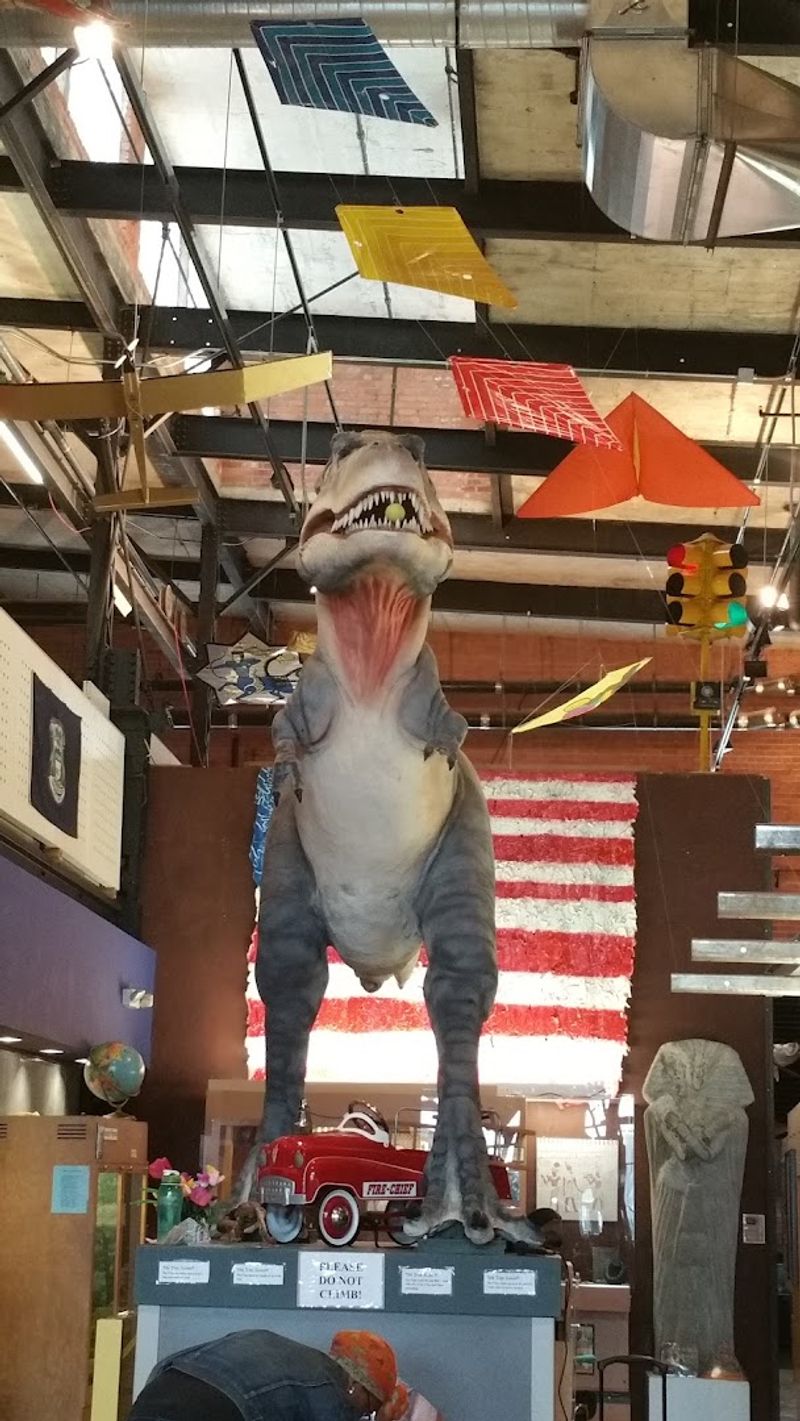
The Detroit Children’s Museum holds a specific kind of charm that comes with its storied age.
Founded in 1917, it is one of the oldest children’s museums in the United States.
While it might not have the high-tech flash of some modern centers, there is something pleasantly unhurried and tactile about the way it operates.
The exhibits lean heavily toward natural history and science, featuring real fossils, taxidermy specimens, and a massive collection of dolls and toys from around the world.
Located near Wayne State University, the museum works especially well for families with children between three and ten years old who love to explore at their own pace.
The planetarium shows are a perennial highlight and run on a regular schedule throughout the day.
Admission is incredibly affordable, and the parking situation is generally much easier than at some of the busier cultural institutions in the Midtown area.
It’s the kind of place where kids can actually look closely at things without being rushed through a line, making it a favorite for local parents and savvy visitors alike.
11. Museum Of Illusions Detroit
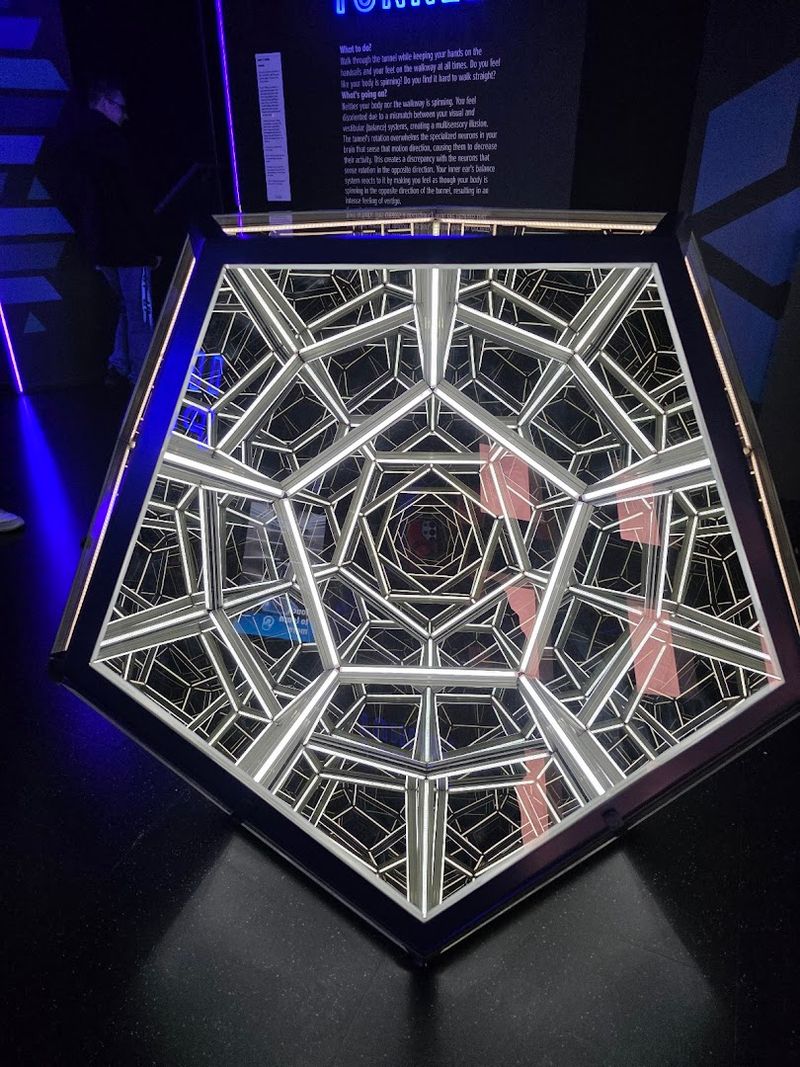
Your eyes will lie to you repeatedly inside the Museum of Illusions Detroit, and that turns out to be a remarkably fun way to spend an afternoon.
The rooms are built around optical tricks, perspective distortions, and brain-bending installations that make people appear to shrink, float, or even have their head served on a platter.
It might sound like a gimmick, but the science of perception behind the tricks is genuinely fascinating once you start reading the explanations.
Located right downtown, this museum skews toward a younger, social-media-savvy crowd, but curious adults tend to enjoy the challenge of the vortex tunnel more than they might expect.
Tickets are reasonably priced, and a typical visit runs about ninety minutes, perfect for a quick dose of entertainment.
It pairs perfectly with a meal in the nearby Greektown neighborhood, which is just a short walk away.
Just make sure your phone is fully charged before you go, as the Ames Room and the rotated rooms are designed specifically for photos that will leave your friends wondering how you managed to defy gravity.
12. The Henry Ford Museum Of American Innovation
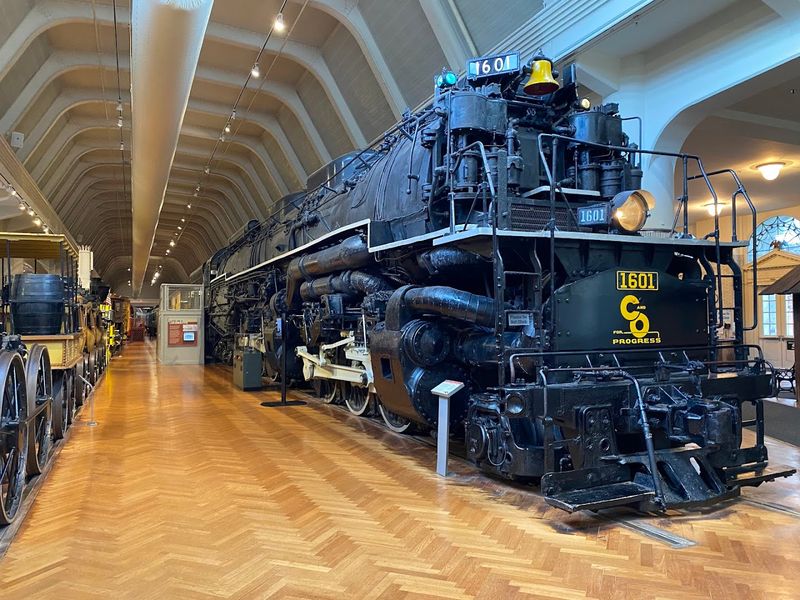
Technically located in Dearborn rather than the city proper, The Henry Ford Museum of American Innovation sits close enough to belong on any serious Detroit cultural itinerary.
In fact, for many, it is the primary reason for the trip.
The sheer scale of the place takes a moment to absorb, the main hall stretches for what feels like a quarter mile.
It holds some of the most significant artifacts in American history, from the Rosa Parks Bus to the actual chair Abraham Lincoln was sitting in at Ford’s Theatre.
The automobile collection is, as you might expect, extraordinary, but the museum earns its subtitle by covering agriculture, domestic life, and flight with equal ambition.
You can see massive steam locomotives, the Wright brothers’ tools, and even a House of the Future from the 1940s.
If you have extra time, Greenfield Village right next door offers an outdoor living history component that is worth a separate day trip entirely.
I’d suggest arriving early on weekends because the crowds build steadily by mid-morning.
A full, thoughtful visit here can easily fill five to six hours, so bring your endurance and an appetite for the onsite Lamy’s Diner, a 1940s eatery that serves up classic comfort food.