
12 Overlooked Things To Do In Maine That Deserve Far More Attention
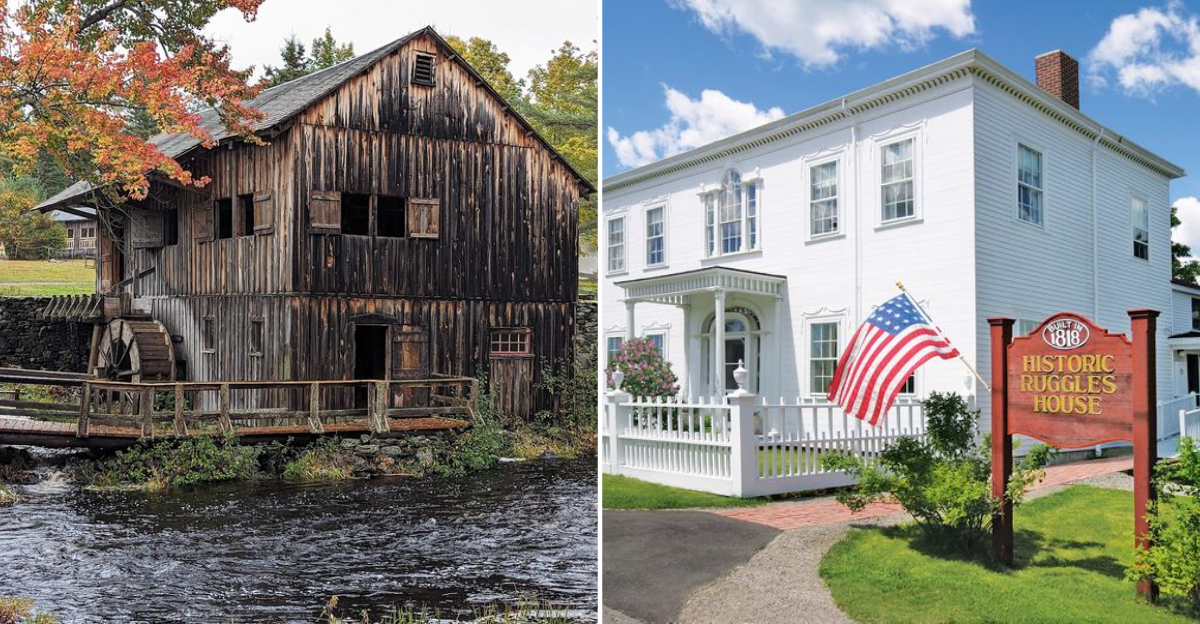
You can hold a piece of Mars without ever leaving Maine, and that is only the beginning. Beyond the familiar lobster shacks and lighthouse views, the state is packed with experiences that rarely make the usual travel guides.
You might hear a steam whistle echo through the woods or stumble upon giant wooden sculptures hiding among the trees. Historic homes preserve remarkable stories, while quiet trails lead through landscapes that feel far removed from the busy tourist route.
None of these stops needs huge crowds or flashy attractions to make an impression. They are interesting because they feel personal, unexpected, and a little unusual.
This list brings together the places that deserve more attention, especially for travelers who enjoy taking the less obvious road. A few may sound strange at first, but that is exactly what makes them worth seeing.
1. Ride A Narrow-Gauge Steam Train At The WW&F Railway Museum
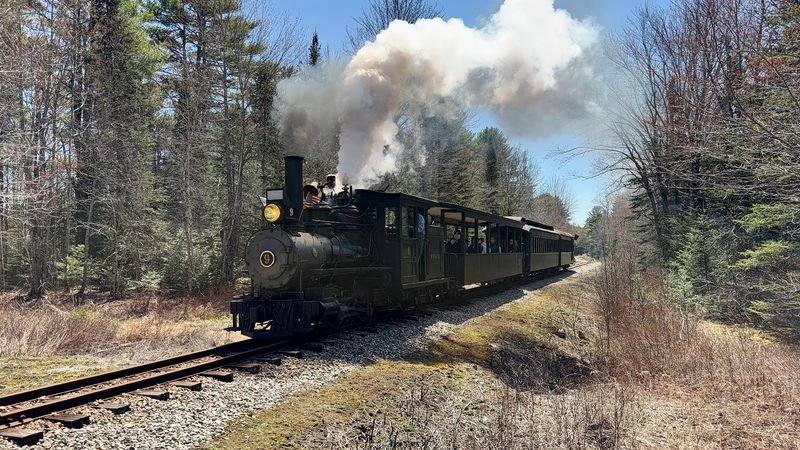
There is something almost magical about hearing a steam whistle echo through the Maine woods, and at the Wiscasset, Waterville and Farmington Railway Museum in Alna, that sound is very much alive.
This volunteer-run museum has spent decades restoring and operating authentic narrow-gauge steam locomotives on a working stretch of track that once served rural Maine communities in the early 1900s.
Visitors can ride behind a genuine steam engine, explore the restoration shop where volunteers bring century-old machinery back to life, and learn about the fascinating two-foot gauge railroad tradition that made Maine famous among rail historians worldwide.
The experience feels genuinely hands-on rather than staged.
Ride days are held on select weekends from late spring through fall, and the museum is located at 97 Cross Road in Alna.
Admission is very affordable, and children absolutely love watching the fireman stoke the boiler. For anyone who has ever been curious about how railroads shaped rural New England, this place is a rare and rewarding stop.
2. Walk Among Giant Folk-Art Sculptures At Langlais Art Preserve
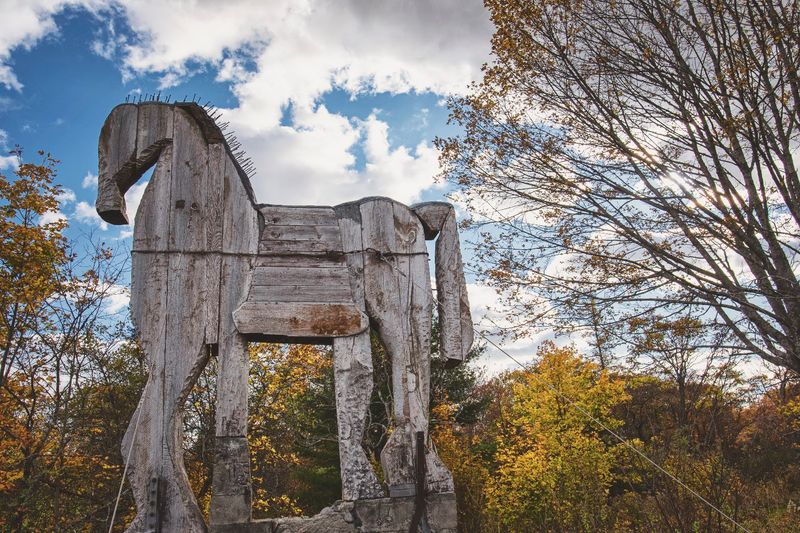
Bernard Langlais spent years turning his Cushing property into an outdoor gallery unlike anything else in New England, and today the Langlais Art Preserve keeps that vision alive for anyone willing to make the drive down a quiet country road.
Dozens of bold, oversized wooden sculptures of animals, figures, and abstract forms rise from the landscape in ways that feel both playful and quietly profound.
The preserve is managed by the Kohler Foundation and the Georges River Land Trust, and it sits on the same land where Langlais lived and worked for much of his career.
Walking the property feels less like visiting a museum and more like wandering into someone’s personal world, which is exactly what it is.
The preserve is located at 576 River Road in Cushing, with a suggested admission donation of $10 per person.
The grounds are open seasonally, so checking ahead before your visit is a smart move. Bring good walking shoes because the paths wind through grass and trees, and the sculptures reward slow, unhurried exploration from every angle.
3. Explore A Historic Garden Filled With Old-Fashioned Lilacs
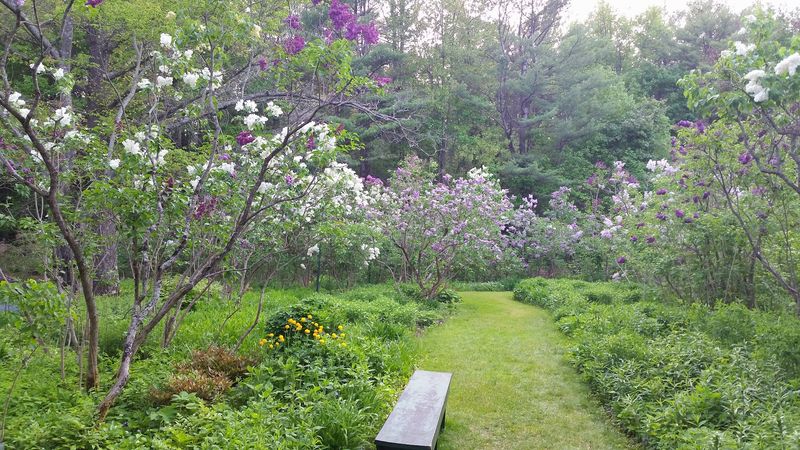
McLaughlin Garden in South Paris is one of those places that sneaks up on you. What started as a hobby for farmer Bernard McLaughlin in the 1930s grew into a beloved garden that now holds one of the finest collections of heritage lilac varieties in the entire northeastern United States.
McLaughlin tended his garden for decades without much outside recognition, quietly assembling a collection of lilacs, perennials, and rock garden plants that horticulture enthusiasts now travel from across New England to see.
The peak bloom in late May fills the air with a fragrance that is genuinely hard to describe to someone who has not experienced it.
The garden is located at 97 Main Street in South Paris and is run by a dedicated nonprofit that has preserved McLaughlin’s original vision while adding thoughtful improvements over the years. Admission is free, though donations are warmly welcomed.
If your Maine visit falls anywhere near late May, building your schedule around a morning at McLaughlin Garden is a decision you will not regret.
4. Tour One Of Maine’s Most Intricately Carved Historic Homes
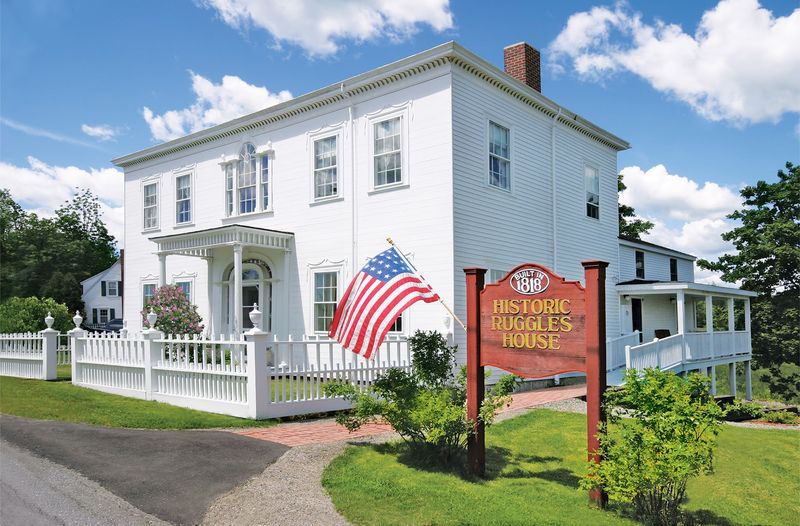
The Ruggles House in Columbia Falls is the kind of place that stops you mid-sentence.
Built around 1818 for timber merchant Thomas Ruggles, this Federal-style home contains elaborate woodwork associated with housewright Aaron Sherman and woodcarver Alvah Peterson, along with a local story that some details were carved with a penknife.
The flying staircase alone is worth the trip, a delicate spiral construction that seems to defy both gravity and the limitations of early 19th-century tools. Every doorway, mantle, and ceiling medallion tells the story of extraordinary patience and skill from an era when such work was done entirely by hand.
The house is located at 146 Main Street in Columbia Falls and is operated by the Ruggles House Society as a historic house museum.
Guided tours run from June through mid-October, and the knowledgeable guides bring the history of the home and the surrounding Downeast region to life in a way that feels genuinely engaging rather than scripted.
5. See Snowplows, Trains, Motorcycles, And Historic Cars Under One Roof
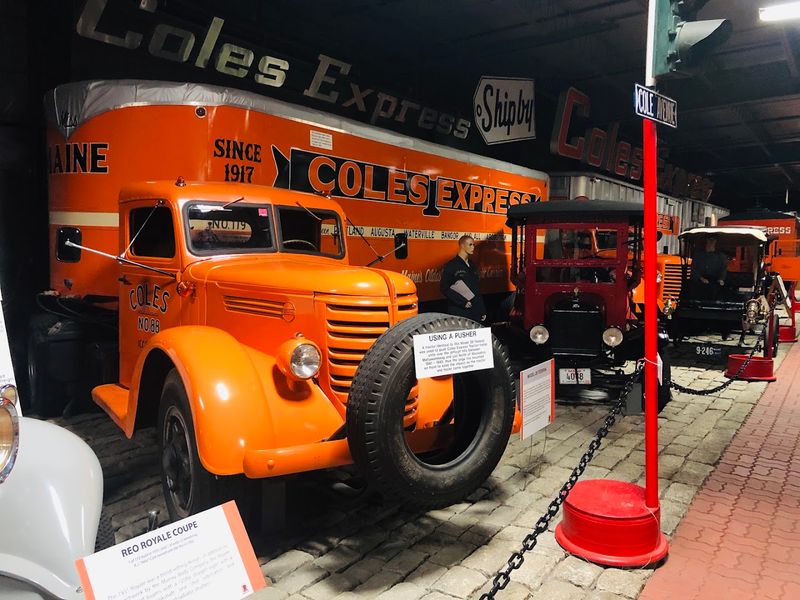
Most transportation museums focus on one type of vehicle, but the Cole Land Transportation Museum in Bangor throws that idea out the window entirely.
Founded by Galen Cole, a Maine businessman who spent decades collecting vehicles tied to the state’s working history, the museum now houses more than 200 pieces of land transportation equipment spanning roughly two centuries of American ingenuity.
You will find Maine’s first automobile sitting near vintage snowplows the size of small houses, antique motorcycles parked beside horse-drawn wagons, and a remarkable collection of military vehicles that reflect the state’s deep ties to American service history.
The sheer variety keeps every type of visitor genuinely engaged.
The museum is located at 405 Perry Road in Bangor and is open from May through mid-November. Admission is very reasonable, and the museum also features an outdoor memorial area honoring Maine veterans.
Plan to spend at least two hours here because the exhibits reward careful attention, and there is always one more surprising vehicle around the next corner.
6. Explore A Recreated Logging Settlement Beside A Working Sawmill
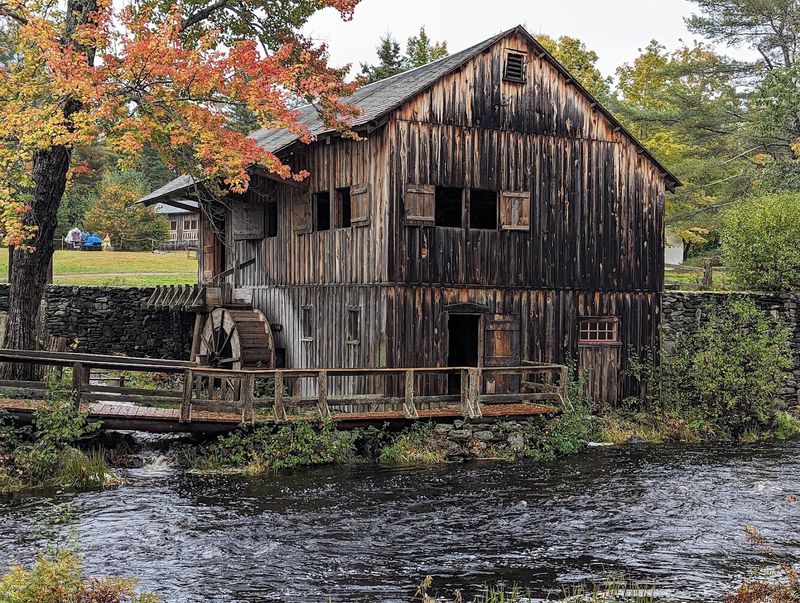
Leonard’s Mills in Bradley is one of those living history sites that feels genuinely lived-in rather than just preserved behind velvet ropes.
Set along the banks of the Blackman Stream, the site recreates a late 18th-century logging and milling settlement, complete with a working water-powered sawmill, a covered bridge, and a collection of period structures that transport you back to the era when timber was the economic engine of inland Maine.
The sawmill actually operates during special events, and watching a massive log get reduced to planks by water-powered machinery is far more riveting than it sounds. The surrounding forest adds to the atmosphere in a way that no indoor exhibit could replicate.
Managed by the Maine Forest and Logging Museum, the site is located at 1224 Penobscot Experimental Forest Road in Bradley.
The biggest event of the year is Living History Days, typically held in October, when costumed interpreters demonstrate period crafts, cooking, and trades throughout the grounds. Checking the museum’s event calendar before planning your visit is strongly recommended.
7. Hold A Piece Of Mars At The Maine Mineral & Gem Museum
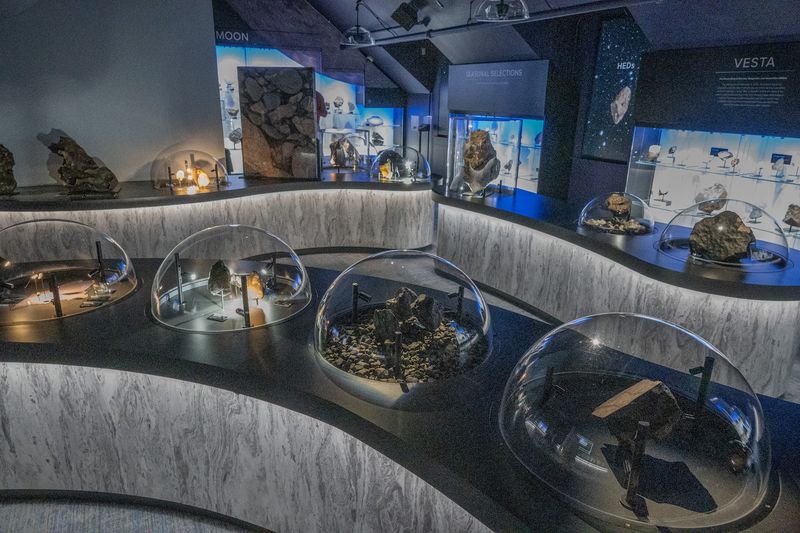
Somewhere in Bethel, Maine, there is a museum where you can hold a rock that came from Mars. That sentence alone should be enough to get you in the car.
The Maine Mineral and Gem Museum opened in 2019 and quickly became one of the most talked-about new cultural institutions in New England, housing a collection of minerals, gemstones, and meteorites that would impress visitors at any major natural history museum in the country.
Maine has a rich history of gem mining, particularly tourmaline and feldspar, and the museum tells that story beautifully alongside its world-class meteorite collection. The space itself is modern, well-lit, and thoughtfully designed, making the exhibits accessible and exciting for visitors of all ages.
Located at 99 Main Street in Bethel, the museum is open year-round, which makes it a perfect stop during a ski trip to nearby Sunday River or a fall foliage drive through the Oxford Hills.
The hands-on meteorite experience is genuinely unforgettable, and the gift shop carries some legitimately beautiful mineral specimens.
8. Discover Borderland Art At The Tides Institute & Museum Of Art
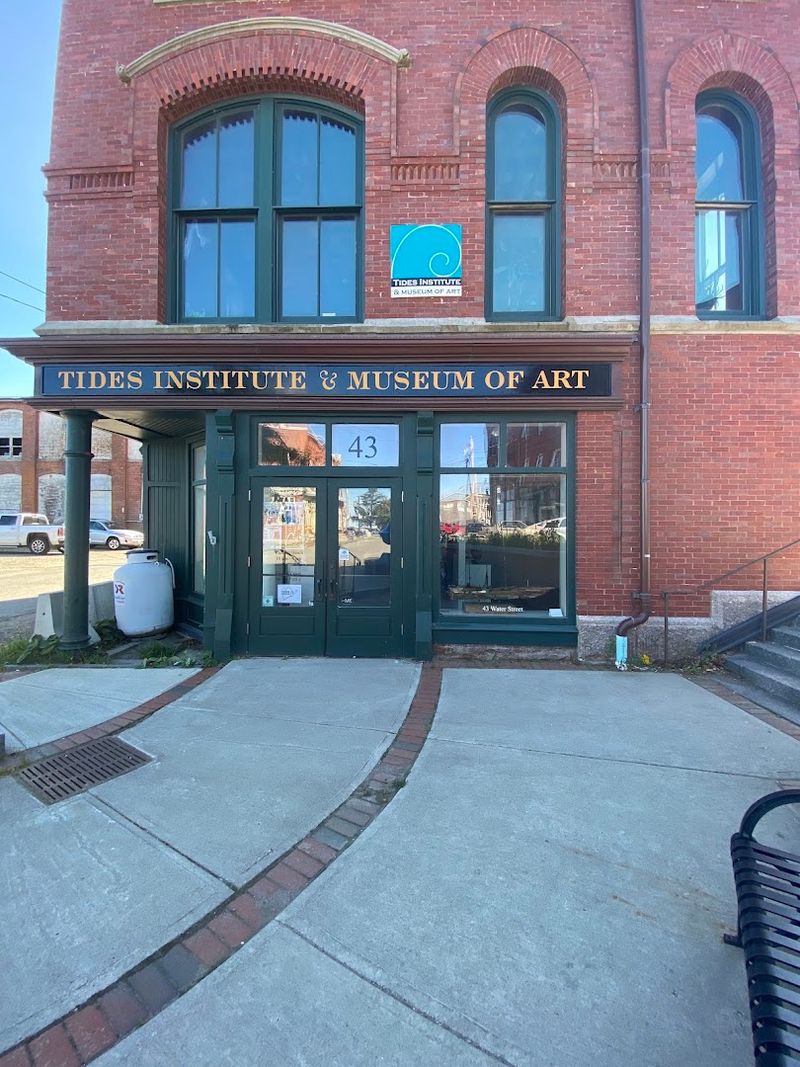
Eastport sits at the easternmost edge of the continental United States, and the Tides Institute and Museum of Art fits that geography perfectly.
This small but remarkably ambitious institution focuses on the art, culture, and history of the borderlands region shared by coastal Maine and the Canadian Maritime provinces, a cultural zone that has its own distinct identity shaped by centuries of trade, migration, and artistic exchange.
The institute occupies a handsome historic building at 43 Water Street in Eastport and hosts rotating exhibitions that range from contemporary photography to historical artifacts, always with an eye toward the unique character of this remote coastal corner of North America.
The quality of programming here consistently punches well above the institution’s size.
Eastport itself is worth the long drive, as it is one of the most authentically unspoiled small cities in all of Maine.
Pairing a visit to the Tides Institute with a walk along Water Street, a meal at one of the local restaurants, and a look at the dramatic tides of Passamaquoddy Bay makes for a genuinely memorable day in a place most tourists never reach.
9. Hike Across Coastal Bogs And Granite Headlands On Great Wass Island
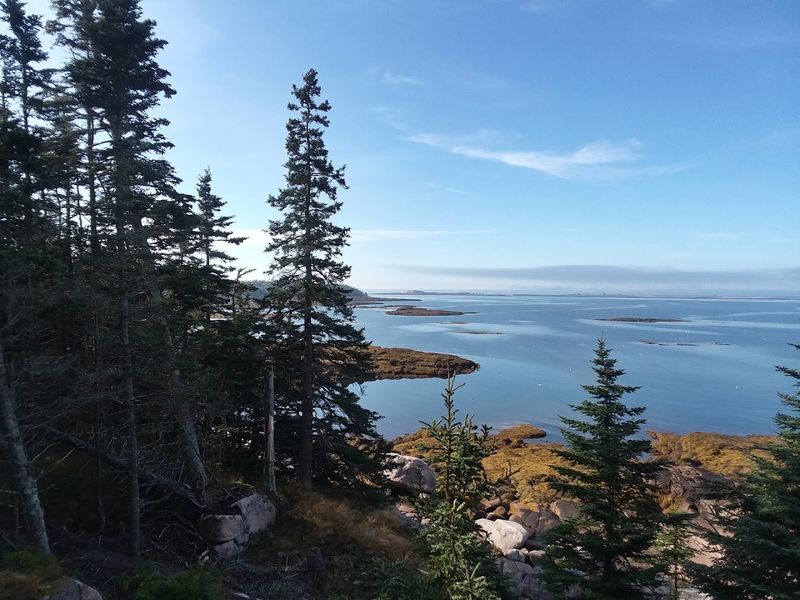
Great Wass Island is the kind of place that feels like it exists at the edge of the world, which is roughly accurate given its location off the coast of Downeast Maine near the town of Beals.
The Nature Conservancy protects about 1,576 acres here, and the trail network crosses an environment that includes coastal peat bogs, jack pine forests, and dramatic granite headlands that drop straight into the cold Atlantic.
The combination of ecosystems packed into a single hike is genuinely unusual. You might walk through a bog carpeted in rare orchids and carnivorous plants, then emerge minutes later onto bare pink granite with unobstructed views of the open sea and distant islands.
The contrast never gets old.
Access is via Beals Island, reached by a bridge from Jonesport. The preserve parking area is located along Black Duck Cove Road, approximately two miles beyond the causeway onto Great Wass Island.
The trails are moderately challenging and can be wet in spots, so waterproof footwear is a practical choice.
Early morning visits in summer offer the best chance of spotting seabirds and, occasionally, seals resting on the offshore ledges.
10. Cross Stone Bridges In A Storybook-Like Forest
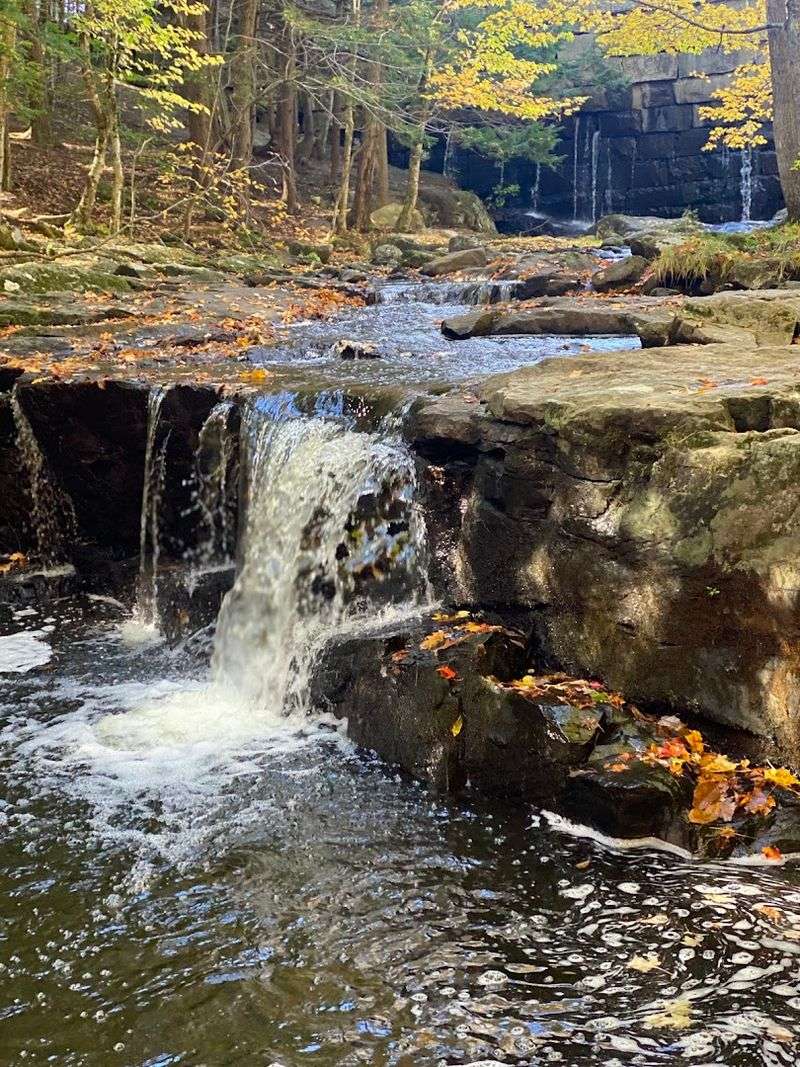
Vaughan Woods in Hallowell is a place that seems to belong in a fairy tale.
This 166-acre preserve sits just minutes from downtown Hallowell and contains a network of trails that wind through old-growth forest, past a historic apple orchard, and over a series of beautifully constructed stone bridges that span Vaughan Stream.
The bridges have a handcrafted permanence that makes them feel ancient even though the oldest parts of the preserve date to the 18th century.
The woods were part of the estate of Benjamin Vaughan, a diplomat and naturalist who settled in Hallowell in the early 1800s.
His descendants eventually donated the land for public use, and today it is managed by the city as a beloved local treasure that most tourists driving through the Kennebec Valley never stop to explore.
The main entrance is at 166 Litchfield Road in Hallowell. The trails are well-maintained and suitable for most fitness levels, and the combination of stone bridges, mossy forest floor, and the gentle sound of the stream makes this one of the most quietly enchanting walks in all of central Maine.
11. Walk Above A Peat Bog On A Mile-Long Boardwalk
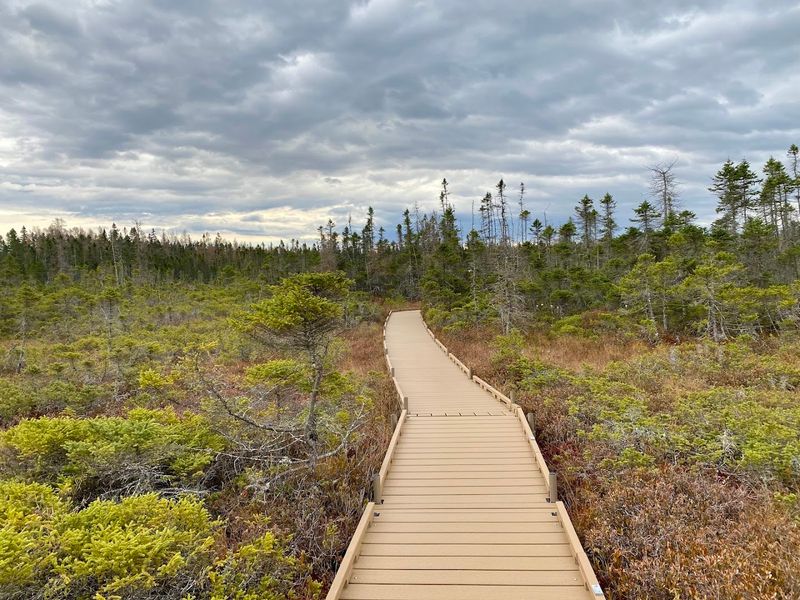
Most people associate Bangor with Stephen King and big-box stores, which makes the Orono Bog Boardwalk one of the city’s best-kept secrets.
This mile-long wooden boardwalk extends through a 616-acre peat bog that has been forming for more than 9,000 years, making it one of the largest and best-preserved raised bogs in the northeastern United States.
Walking the boardwalk puts you directly above a living carpet of sphagnum moss, carnivorous pitcher plants, sundews, and bog rosemary, all species specially adapted to survive in an environment that is both nutrient-poor and acidic.
The openness of the bog creates sweeping views that feel surprisingly expansive for a site so close to a small city.
The boardwalk begins inside Bangor City Forest, reached from Tripp Drive off Stillwater Avenue in Bangor, and normally remains open from May until late November or the first significant snowfall. Morning visits are ideal for spotting dragonflies and songbirds.
Interpretive signs along the route explain the ecology clearly and engagingly, making this an excellent outing for families with curious kids.
12. Tour An Elaborate Federal-Style Mansion Few Travelers Know About
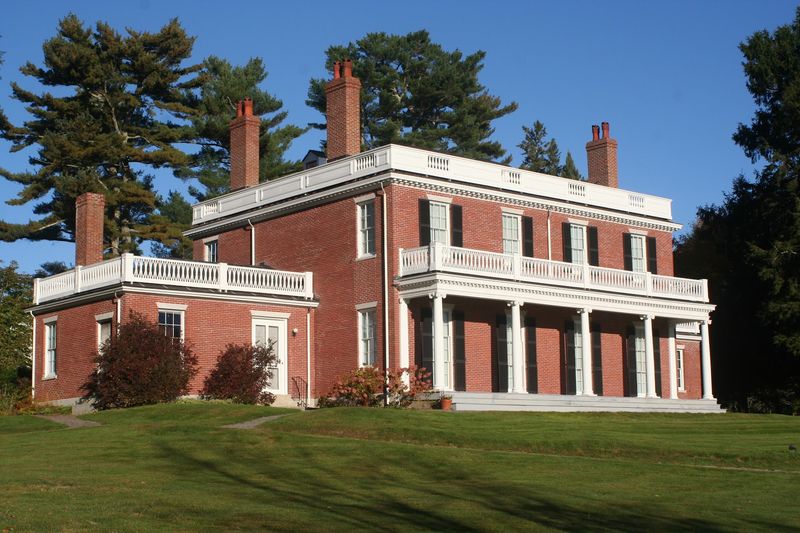
Colonel John Black had the mansion at Woodlawn constructed between 1824 and 1827, and the house has been carefully preserved with belongings from three generations of the Black family.
Known as Woodlawn, the property includes the main Federal-style brick house, formal gardens, a carriage house, and a family tomb, all set on 180 acres that remain largely as they were in the 19th century.
Three generations of the Black family lived here, and their personal belongings, furniture, and documents are still in place, giving the house an intimacy that more famous historic homes often lack.
The guided tours are thorough without being exhausting, and the guides clearly love the material they are sharing.
Woodlawn is located at 19 Black House Drive in Ellsworth, making it an easy addition to any Acadia National Park itinerary since Ellsworth serves as the main gateway to Mount Desert Island.
The property is open from May through October, and the formal garden is particularly lovely in early summer when the perennial beds are at their fullest and most colorful.